Most sushi enthusiasts find themselves curious about the stark contrasts between American sushi rolls and authentic Japanese sushi. You may notice that American versions often feature unconventional ingredients and bold flavors, diverging from the traditional simplicity of Japanese sushi. In this post, you’ll explore the reasons behind these differences, including cultural influences and ingredient variations. For a deeper insight, check out this discussion on American vs. “Real” Japanese Sushi.
Key Takeaways:
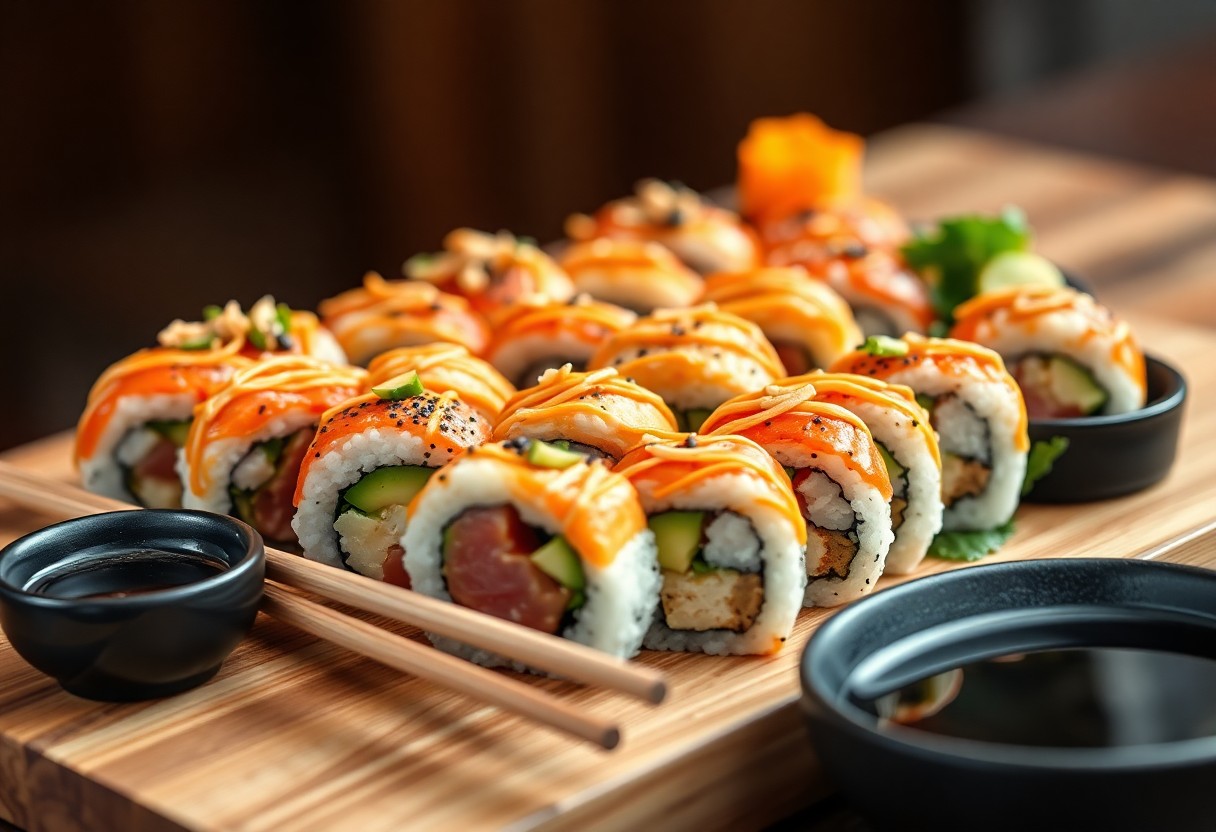
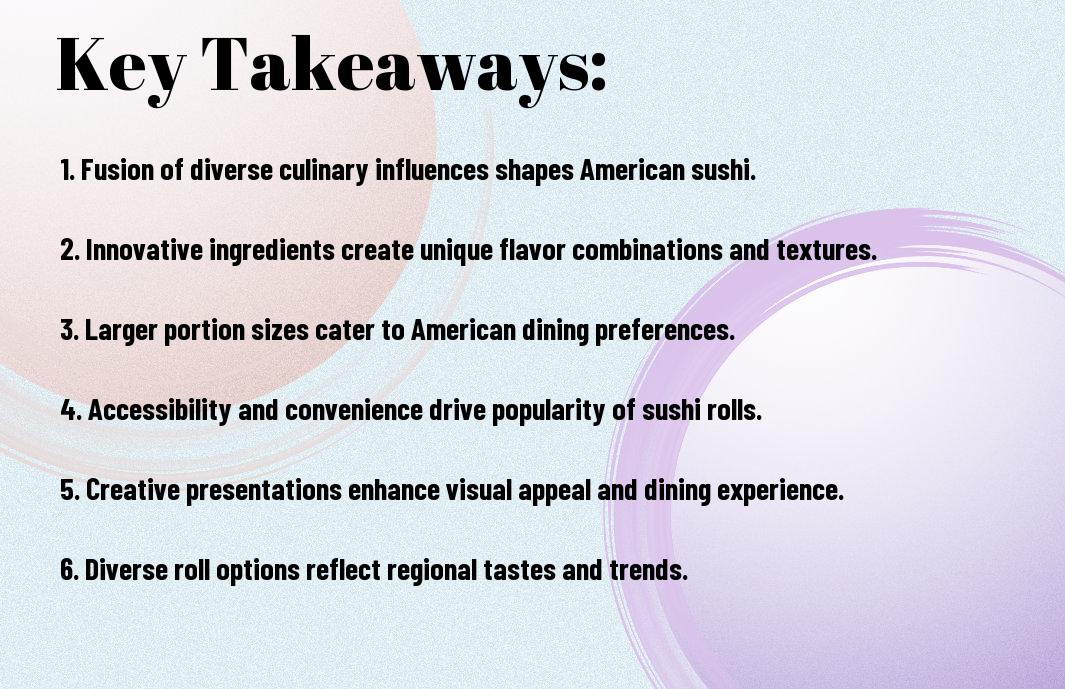
- Innovative Ingredients: American sushi rolls often feature a diverse range of ingredients, including cream cheese, avocado, and tempura, which are less common in traditional sushi.
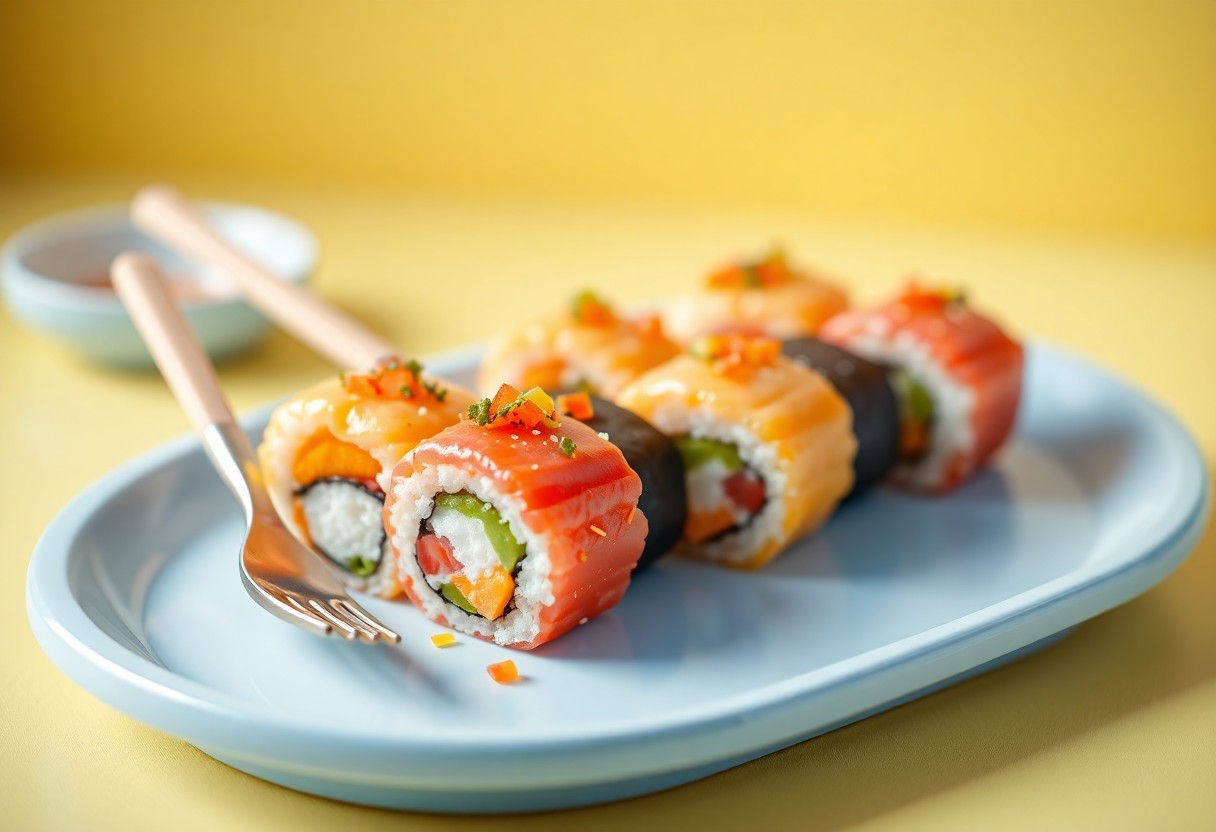
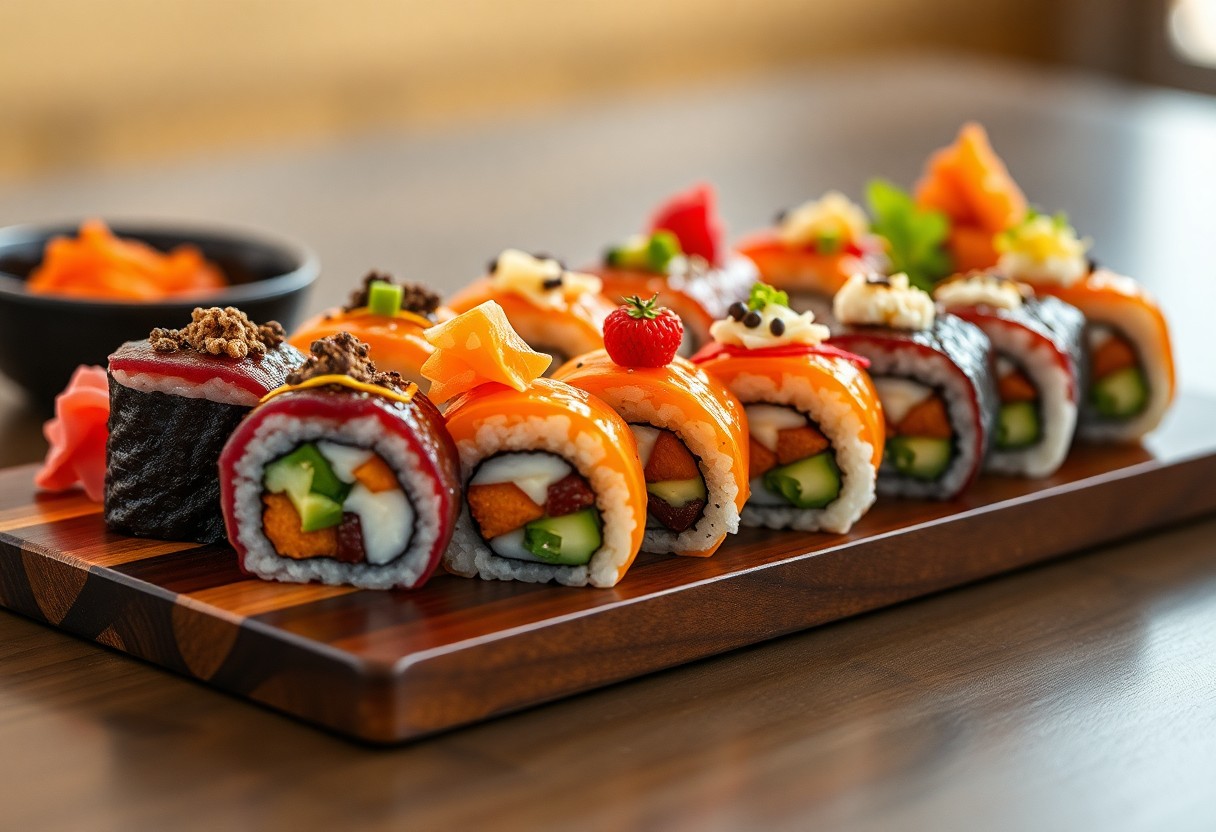
- Presentation Style: The visual appeal of American sushi rolls tends to emphasize bold colors and layered designs, making them more of a culinary art form.
- Flavor Profiles: Flavors are frequently heightened with sauces like spicy mayo and eel sauce, diverging from the subtle tastes typically found in Japanese cuisine.
- Size and Portions: American sushi rolls are generally larger and more filling, catering to Western dining preferences that favor substantial portions.
- Creativity and Fusion: Many American sushi varieties incorporate elements from other cuisines, leading to hybrid dishes that blend different culinary traditions.
The Evolution of Sushi in America
As sushi made its way into American culture, it underwent significant transformations that reflected local tastes and ingredients. This journey began in the early 20th century, when Japanese immigrants introduced sushi to the United States. Over time, regional preferences and the availability of ingredients shaped the unique styles you now associate with American sushi rolls.
Historical Context
Evolution of sushi in America can be traced back to the early 1900s, when Japanese immigrants began establishing sushi bars in cities like San Francisco and Los Angeles. Initially tailored to Japanese American communities, sushi gradually gained popularity, thanks to cultural exchanges and an increasing interest in Japanese cuisine during the 1960s and 70s.
Fusion Cuisine and Cultural Influences
With the rise of fusion cuisine, sushi has incorporated diverse flavors and techniques from various cultures, creating a distinct American style. You may find ingredients like cream cheese, mango, or jalapeños, which showcase this blend and resonate with your palate.
Further exploration of fusion cuisine highlights how sushi adapts to local preferences, resulting in a unique culinary experience. As chefs experiment, the traditional Japanese methods meld with influences from Mexican, Italian, and even Southern cuisine. This infusion not only caters to your evolving tastes but also invites you to embrace new flavors and textures, transforming the sushi experience beyond its roots.
Key Ingredients in American Sushi Rolls
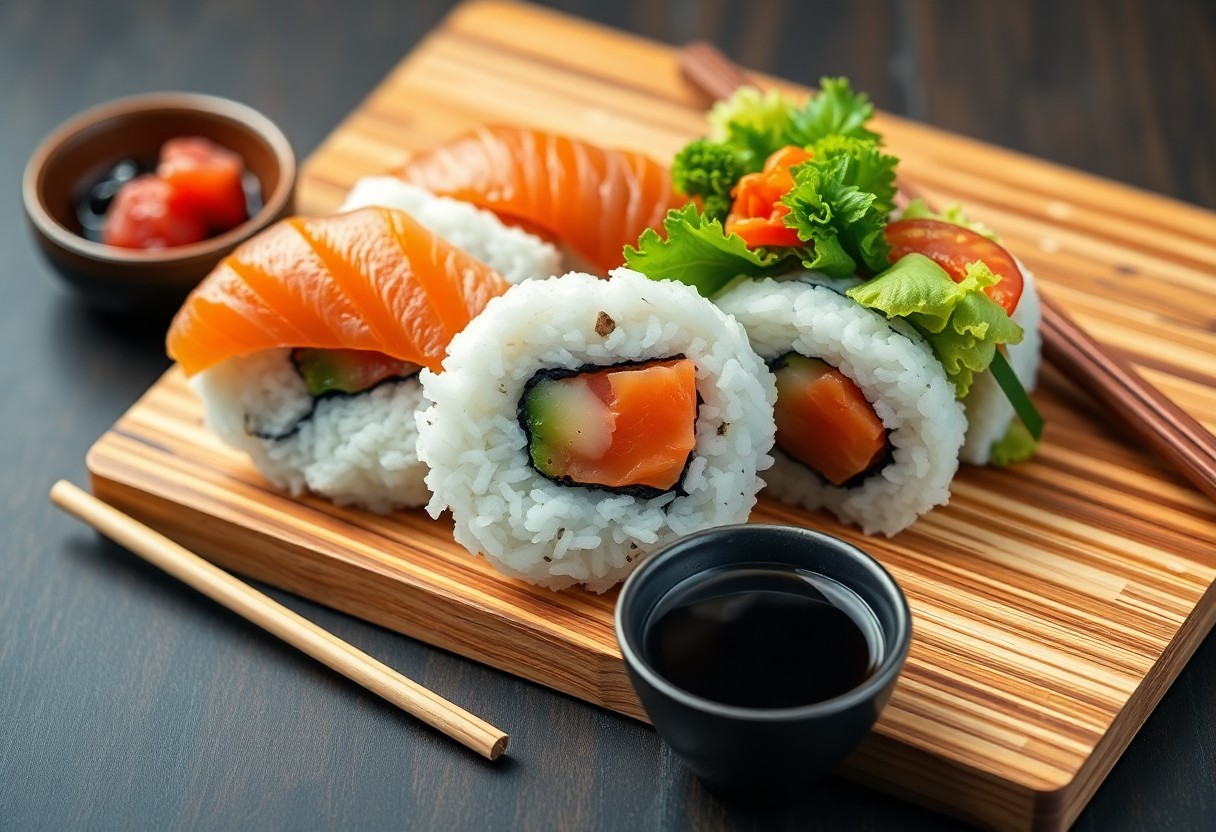
Assuming you are familiar with sushi, you may be surprised to discover how American sushi rolls differ in their key ingredients. American sushi often incorporates ingredients that enhance flavor and texture, such as cream cheese, avocado, and various sauces. These additions create a rich, creamy, and sometimes spicy profile that can be quite different from traditional Japanese sushi, where simplicity and balance are emphasized.
Traditional vs. American Ingredients
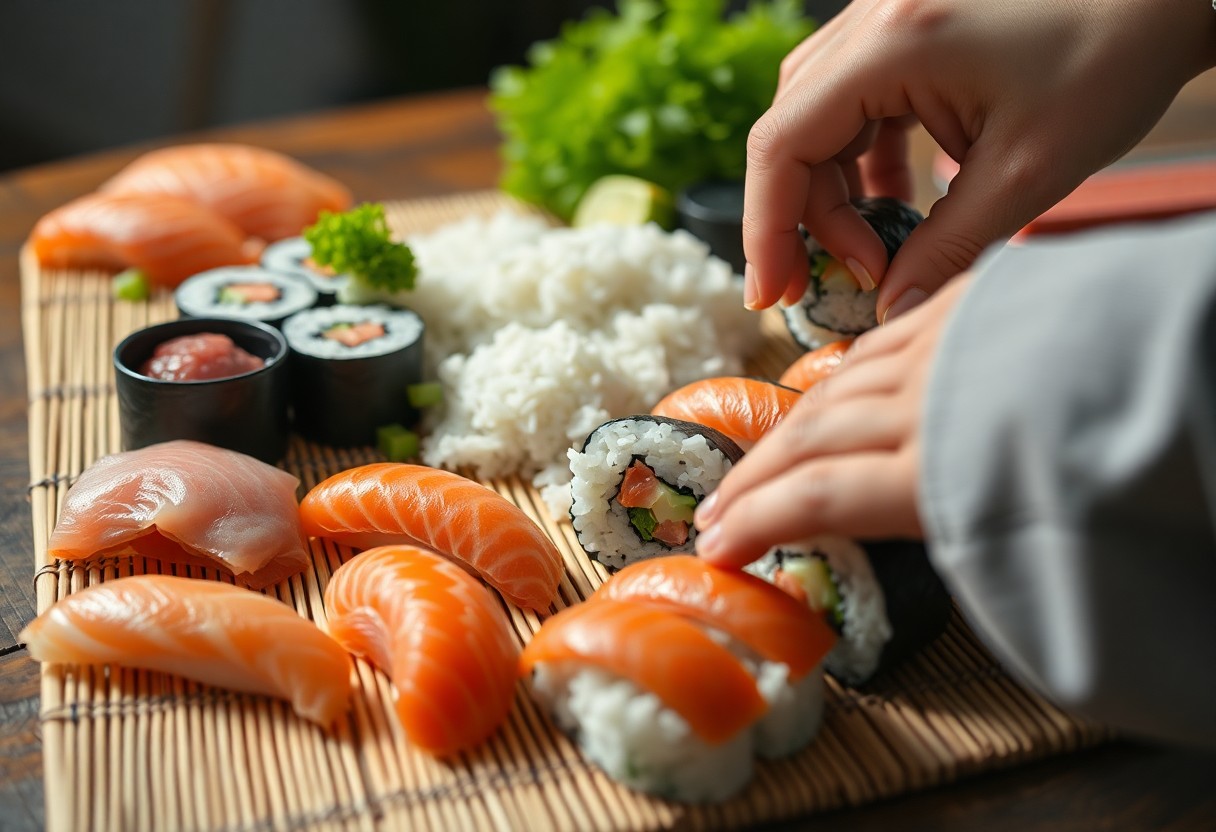
Across cultures, the ingredients used in sushi can vary significantly. While traditional sushi primarily features fresh fish, seaweed, and vinegared rice, American sushi embraces a wider range of ingredients. You might find items like tempura vegetables, cooked seafood, and even fruits, which cater to diverse palates and dietary preferences.
Popular Additions and Innovations
After exploring the differences in traditional and American sushi, you will notice the popular additions and innovations that make American rolls unique. Sushi rolls such as the California roll include imitation crab and cucumber, while a rainbow roll showcases multiple varieties of fish. These innovations often reflect regional tastes and preferences.
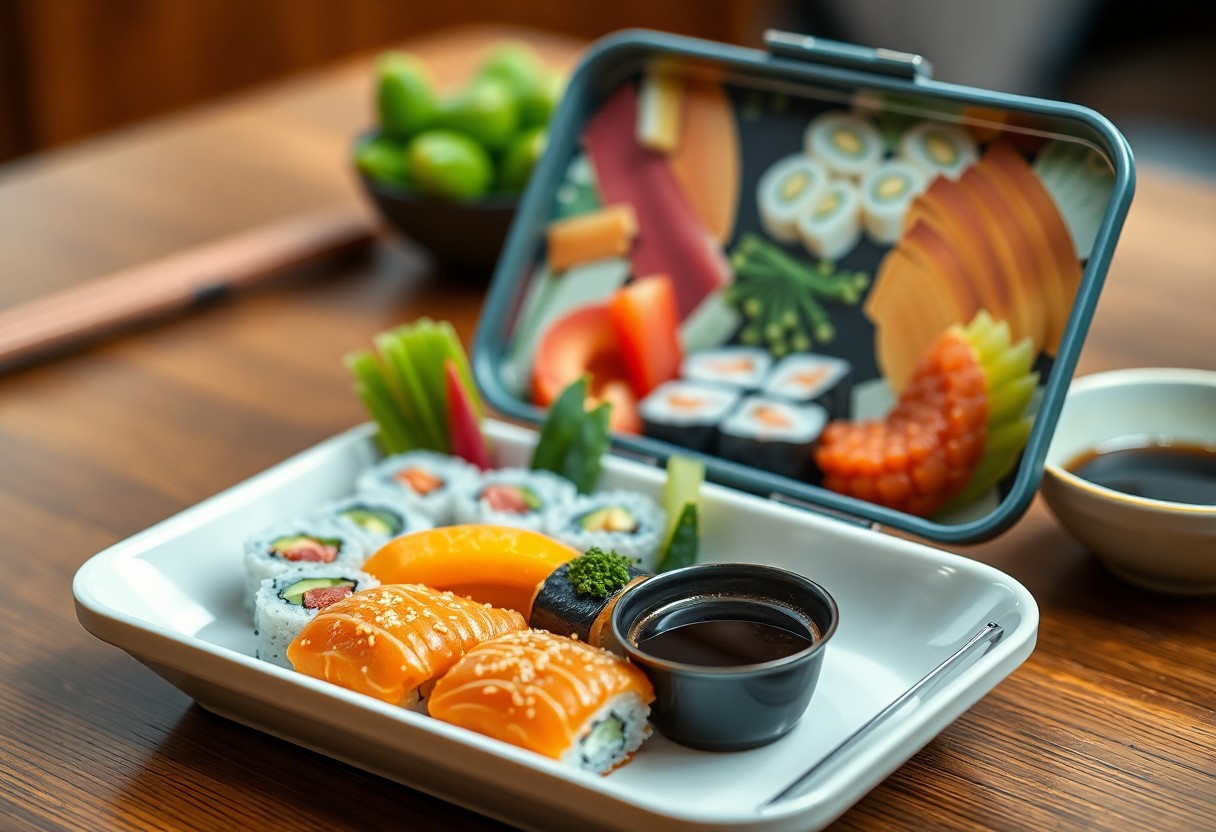
To enhance the sushi experience, American chefs have creatively experimented with flavors and textures, resulting in a variety of exciting rolls. You might come across options like the spicy tuna roll, featuring spicy mayo and crunchy tempura flakes, or the dragon roll, which is often topped with eel and avocado. These innovations not only add visual appeal but also offer a delicious twist on traditional sushi, making it more accessible and enjoyable for a broader audience.
The Role of Presentation
Despite the foundational techniques of sushi-making, presentation plays a significant role in American sushi rolls. This visual aspect often influences your dining experience, making the rolls more tempting and enjoyable. The ornate displays and colorful ingredients transform sushi into a feast for the eyes. For more insights, check out The Truth About American Sushi No One Wants to Hear.
Visual Appeal in American Sushi
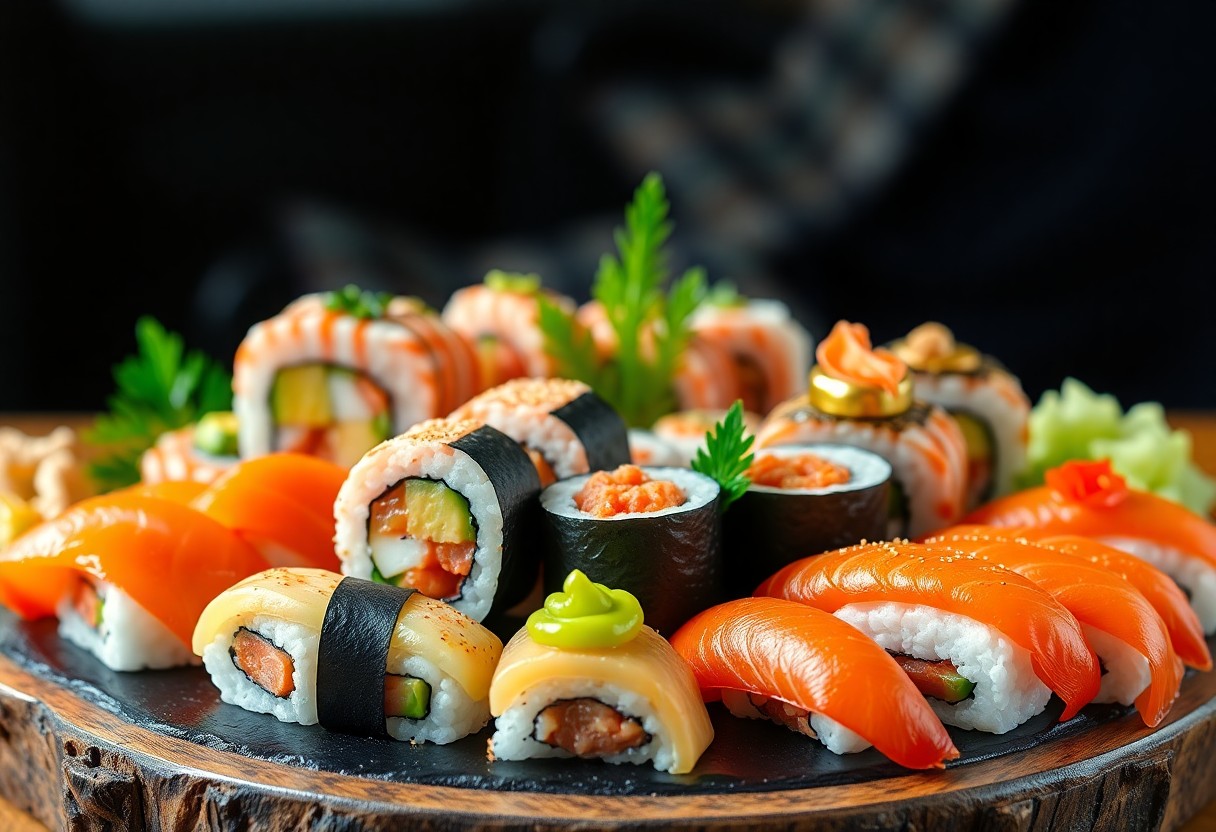
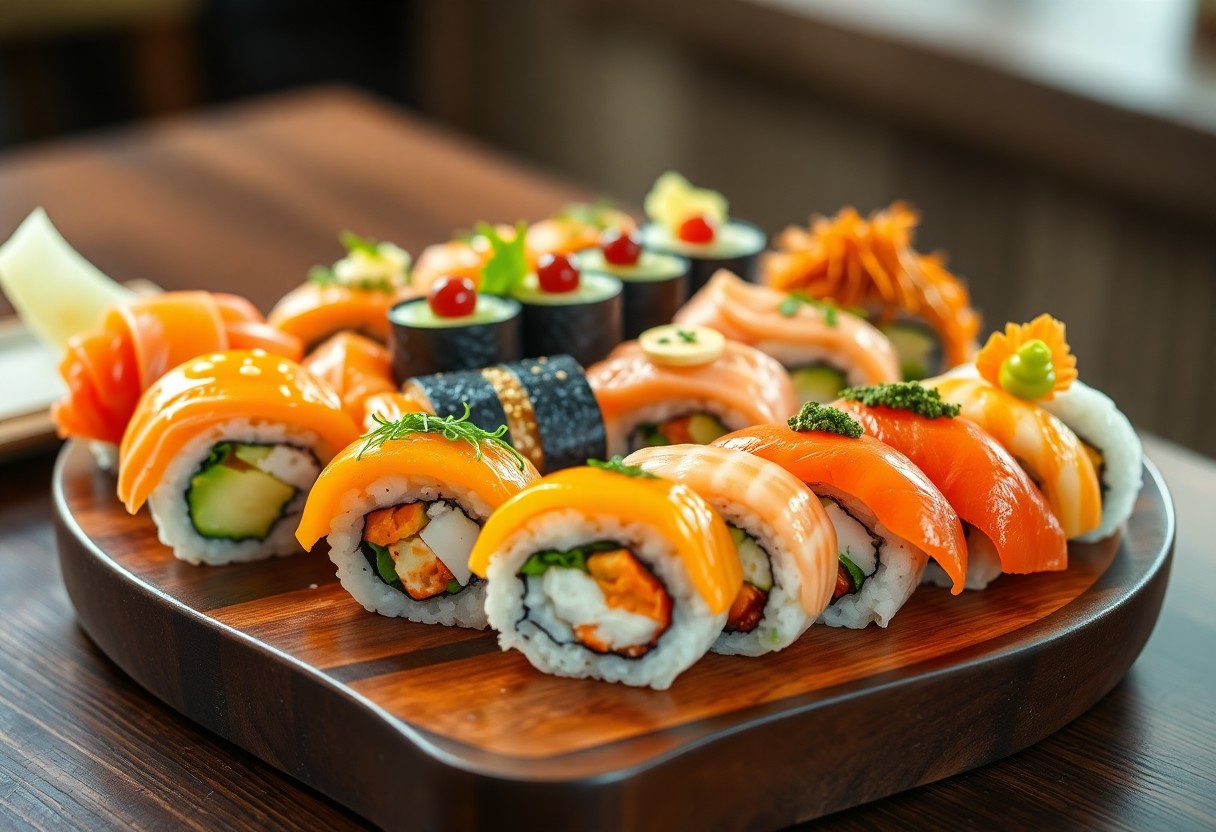
Against traditional sushi that focuses on simplicity and elegance, American sushi emphasizes boldness in its presentation. Bright colors and elaborate arrangements make each roll look enticing, inviting you to indulge in a culinary adventure. The use of vibrant ingredients such as avocado, mango, and sauces adds a playful touch that highlights the creativity behind American sushi rolls.
Influences from Other Culinary Styles
Along with the distinctive presentation, American sushi has been shaped by various culinary influences, reflecting the diverse food culture in the United States. Chefs incorporate elements from cuisines like Mexican, Italian, and even Southern comfort food into their sushi, leading to innovative combinations that might surprise the purists.
Understanding these influences helps you appreciate how American sushi borrows techniques and flavors from different cultures. For example, ingredients like cream cheese and spicy mayo harken back to American tastes, while jalapeños and chipotle introduce a Mexican twist. This fusion results in a unique dining experience that sets American sushi apart from its Japanese counterpart, allowing you to explore a world of flavors with every bite.
Flavor Profiles and Seasoning
Keep in mind that American sushi rolls often incorporate a wide range of flavors, setting them apart from traditional Japanese varieties. You’ll find ingredients that enhance sweetness, spice, and umami, reflecting a fusion of culinary influences. Seasonings such as spicy mayo, eel sauce, and wasabi create a unique harmony, appealing to diverse palates. This personalization allows you to enjoy a well-rounded flavor experience that is both exciting and accessible.
Sweet, Savory, and Spicy Elements
Savory aspects are often paired with sweet and spicy elements in American sushi rolls, creating a complex taste that can be surprising. Ingredients like avocado, cream cheese, and mango are frequently used, offering a sweet counterbalance to salty components such as soy sauce or the umami-rich flavors of fish. Additionally, spicy elements like sriracha can elevate the flavor profile, making each roll a delightful explosion of taste.
How American Tastes Shape Sushi Flavors
Behind the blending of tastes in American sushi rolls is a culture that embraces bold flavors. You’ll notice that traditional fillings meet richer, creamier textures due to influences from other cuisine types, like Tex-Mex or comfort foods. This integration fosters an environment where innovation thrives, leading to unexpected combinations that may not exist in classic sushi. You are encouraged to explore these evolving flavors, which make each roll a unique culinary adventure.
Understanding why American tastes shape sushi flavors requires a look into the vibrant food landscape of the United States. Your culinary preferences play a significant role in this transformation; diners often seek familiar elements from diverse cuisines. This has led to the evolution of rolls that creatively incorporate elements like barbecue sauce, fried shrimp, or even pizza toppings. By embracing what you love, American sushi chefs reinvent traditional rolls to cater to a broader audience, creating an enjoyable and often playful dining experience that resonates with many.
Regional Variations in American Sushi
Now, as you explore American sushi rolls, you’ll discover that regional variations play a significant role in defining the styles and flavors you encounter. From California to New York, local culture and preferences shape the way sushi is prepared and enjoyed. You’ll notice these differences not only in ingredients but also in presentation and creativity, making each American sushi experience uniquely tied to its geographical roots.
West Coast vs. East Coast Styles
For instance, sushi on the West Coast tends to embrace bold, innovative flavors with fresh, local seafood, while East Coast sushi often sticks closer to traditional techniques, featuring flavors that reflect the region’s seafood bounty. The distinct oceanic environments and culinary influences create unique interpretations of sushi that cater to the palates of each coast.
Influence of Local Ingredients
Ingredients play an crucial role in shaping American sushi, as regions incorporate what is locally available into their rolls. This leads to unique combinations that highlight the flavors of the area.
This incorporation of local ingredients means that you may come across rolls featuring avocados, spicy mayonnaise, or even non-traditional proteins like tempura shrimp or pork belly. Each of these components tells a story about the region’s culinary landscape, allowing you to experience a fusion of flavors that isn’t typically found in traditional Japanese sushi. The creative adaptation ensures that American sushi remains vibrant and relevant to your evolving taste preferences.
Sushi in Popular Culture
All around the globe, sushi has evolved from a traditional Japanese dish to a beloved staple in popular culture. You may find sushi appearing in movies, television shows, and even social media, celebrating its vibrant aesthetics and unique flavors. This cultural phenomenon has shaped your perception, making sushi not just a meal, but a lifestyle choice that resonates with food enthusiasts everywhere.
Media Representation
On screen, sushi plays a significant role in portraying sophistication and culinary adventure. You often see characters enjoying sushi while engaging in important conversations, transforming it into a symbol of status and socializing. This representation amplifies your interest and curiosity about this exquisite cuisine, influencing the way you view not just sushi, but dining as a whole.
The Rise of Sushi Restaurants
Around the world, sushi restaurants have seen a dramatic increase in popularity, making it easier for you to experience this delightful cuisine. From high-end sushi bars to casual conveyor belt sushi spots, the diversity in dining options caters to all tastes and budgets. This surge has transformed the culinary landscape, allowing you to explore different sushi styles and flavors, further enriching your appreciation for this multifaceted dish.
Representation of sushi restaurants in the food industry has brought diverse experiences to the forefront of dining culture. You can now enjoy everything from traditional sushi to Americanized rolls, each reflecting unique culinary traditions. With so many options available, including takeout and delivery service, sushi has become an accessible indulgence that fits seamlessly into your modern lifestyle, making it an integral part of social gatherings and celebrations.
To wrap up
Summing up, you can see that American sushi rolls stand out due to their unique blend of flavors, innovative ingredients, and creative presentations. While traditional sushi emphasizes simplicity and authenticity, American sushi caters to diverse tastes, often incorporating local influences and excess in portion sizes. This fusion caters to a broad audience, making sushi more accessible and appealing for your palate. To dive deeper into the distinctions between American and Japanese sushi, check out Sushi: Japan versus America – What’s the Difference?.
FAQ
Q: What distinguishes American sushi rolls from traditional Japanese sushi?
A: American sushi rolls often incorporate a variety of ingredients and flavors that differ from traditional Japanese sushi. While Japanese sushi primarily focuses on the freshness of fish and the simplicity of flavor, American sushi rolls (sometimes referred to as maki rolls) frequently include additional items like cream cheese, avocado, and even fried elements. These adaptations cater to a broader palate, making them more appealing to those who may be unfamiliar with traditional sushi.
Q: Why do American sushi rolls often feature cooked ingredients?
A: Many American sushi rolls highlight cooked ingredients such as shrimp tempura, crab meat, and eel. This preference may stem from a general hesitance to consume raw fish among some diners in the U.S. The inclusion of cooked ingredients not only enhances the flavors and textures but also helps to create a more familiar experience for those who may be intimidated by raw fish.
Q: Are American sushi rolls typically larger than traditional sushi pieces?
A: Yes, American sushi rolls tend to be larger and thicker compared to traditional Japanese sushi. Traditional sushi pieces, like nigiri, are usually smaller and designed to focus on one or two key ingredients. In contrast, American rolls often combine multiple fillings and are wrapped in rice and seaweed, resulting in a more substantial serving that is easier to share or eat as a full meal.
Q: What role do sauces and toppings play in American sushi rolls?
A: Sauces and toppings are central to the flavor profile of American sushi rolls. Ingredients such as spicy mayo, eel sauce, and sesame seeds are commonly drizzled on or served alongside rolls to enhance their taste. These additions are less common in traditional sushi, where the emphasis is generally on the pure flavor of the fish and rice. The use of sauces in American sushi reflects a desire for more bold and diverse flavor combinations.
Q: How do American sushi rolls cater to dietary preferences?
A: American sushi rolls often reflect a range of dietary preferences and restrictions, offering options for vegetarians, vegans, and those with gluten sensitivities. Many restaurants feature rolls filled with vegetables, tofu, and other non-seafood ingredients to accommodate diverse diets. This flexibility makes sushi more accessible and enjoyable to a wider audience, as diners can customize their rolls according to their specific dietary needs.