Sushi for Kids

Sushi for Kids

Kid-Friendly Sushi Recipes for the Whole Family

You can introduce your family to the exciting world of sushi without overwhelming picky eaters or inexperienced chefs. These kid-friendly sushi recipes are designed to be simple, fun, and packed with flavors that appeal to every palate. Whether you’re rolling up fresh veggies or using kid-approved proteins, these recipes will have your little ones participating in the kitchen and enjoying their meals. Get ready to transform mealtime into a delightful sushi-making experience that the whole family will cherish!

Key Takeaways:

  • Simple Ingredients: Use basic and familiar ingredients like cucumber, avocado, and cooked meats to make sushi appealing to kids.
  • Creative Shapes: Experiment with fun shapes and designs to engage children’s interest in sushi-making, such as rolling sushi like burritos or using cookie cutters for fun forms.
  • Hands-On Experience: Involve kids in the preparation process, allowing them to assemble their sushi rolls, which can enhance their culinary skills and enjoyment.
  • Kid-Friendly Sauces: Incorporate mild sauces like soy sauce or teriyaki that match children’s taste preferences, making the sushi more enjoyable for them.
  • Healthy Options: Highlight the health benefits of sushi ingredients like vegetables and protein, promoting nutritious eating habits in a fun way.

Understanding Sushi: A Family-Friendly Perspective

Before venturing into sushi-making, it’s vital to understand what makes this cuisine family-friendly. Sushi can be a fun and interactive cooking experience that encourages your children to get involved in the kitchen. Not only does it promote creativity, but it also helps in developing their appreciation for diverse flavors and healthy eating habits. For tips on making sushi a delicious and fun family activity, check out How to Make Kid Friendly Sushi.

What is Sushi?

Between the various types of sushi, including nigiri, maki, and temaki, you’re bound to find something your family will enjoy. Sushi typically consists of vinegared rice paired with fresh vegetables, fish, or other proteins, all rolled together for a delicious bite. This variety also allows you to mix and match ingredients based on what your kids prefer, making it a customizable meal.

Nutritional Benefits for Kids

What sets sushi apart nutritionally is its emphasis on whole, fresh ingredients, providing you with a unique opportunity to incorporate a range of nutrients into your child’s diet. Sushi often includes wholesome vegetables, protein-rich fish, and fiber-filled rice, making it a well-rounded choice for your family meals.

It encourages your kids to explore new ingredients while introducing them to vital nutrients. Fish, rich in omega-3 fatty acids, supports brain health and development. Meanwhile, veggies like avocados and cucumbers provide vitamins and minerals that are crucial for growth. You can easily adapt sushi to cater to your family’s dietary preferences, ensuring both flavor and nutrition are on the menu.

Essential Sushi Ingredients

It’s important to gather the right ingredients when making sushi at home. The foundation of a delicious sushi roll includes high-quality sushi rice, seaweed, and fresh fillings. Each component plays a role in creating a balanced and flavorful experience for you and your family. Understanding these important ingredients will help you prepare kid-friendly variations that everyone will enjoy.

Sushi Rice and Seaweed

Across different sushi recipes, sushi rice acts as the base that holds your rolls together, while nori, a type of seaweed, wraps around the fillings. When preparing sushi, it’s vital to use short-grain rice, ideally seasoned with rice vinegar, sugar, and salt for that authentic flavor. The nori should be crisp and fresh, as it provides a delightful umami taste and texture that complements your chosen fillings.

Kid-Friendly Fillings

With a variety of colorful and tasty fillings, you can easily please picky eaters while introducing them to sushi. Common options include cucumber, avocado, cooked shrimp, or even fruit like mango. Adapting traditional sushi fillings to suit your child’s preferences encourages them to explore different tastes and textures, turning sushi making into a fun family activity.

Considering your children’s preferences can lead to endless combinations that make sushi appealing and enjoyable for them. You might choose mild ingredients, such as cream cheese or cooked chicken, to ease them into sushi. Moreover, incorporating vibrant vegetables and fruits can spark their curiosity, making the sushi-making process both educational and entertaining. By personalizing the experience, you create delicious rolls that cater to your family’s tastes while still embracing traditional techniques.

Simple Sushi-Making Techniques

Your journey into sushi-making starts with mastering a few simple techniques that will elevate your culinary experience. Making sushi at home can be fun and engaging for the entire family. By focusing on the basics, you’ll quickly gain confidence and skills necessary to craft delightful rolls that everyone will love. Whether you’re using fresh fish, vegetables, or a combination of both, these techniques will guide you through the process of creating delicious sushi right in your own kitchen.

Rolling Sushi

Techniques for rolling sushi require a bit of practice but are straightforward. Begin by laying out your seaweed sheet on a bamboo mat, then spread the sushi rice evenly, leaving a small border at the edges. Add your choice of fillings, then lift the mat and roll the sushi tightly, using gentle pressure. The key is to ensure a firm roll without squishing the ingredients inside. Practice will make this technique effortless, and soon you’ll have beautifully formed rolls ready to slice.

Cutting Perfect Sushi Rolls

Perfectly cutting sushi rolls is important for presentation and enjoyment. A sharp knife is your best tool; it should be wet to prevent the rice from sticking. Cut the roll in half first, and then slice each half into bite-sized pieces, ensuring clean cuts for that polished look. The technique involves a gentle sawing motion rather than pressing down, which helps maintain the integrity of the roll.

This technique not only enhances the appearance of your sushi but also makes it easier for little hands to handle the pieces. A well-cut roll ensures that each bite has a perfect balance of ingredients, allowing your family to truly enjoy the flavors and textures of your homemade sushi. With a little practice, you’ll have your sushi looking as wonderful as it tastes!

Fun and Creative Kid-Friendly Sushi Recipes

Keep your little chefs engaged with fun and creative sushi recipes that the whole family can enjoy. These vibrant and tasty options make sushi-making a delightful activity for kids. Dive into 6 Simple Sushi Recipes for Kids that are not only delicious but also easy to prepare together! You’ll foster creativity while introducing your kids to a world of sushi flavors.

California Roll Variations

Roll up the fun with different variations of the classic California roll. By letting your kids choose their ingredients, you can create unique flavor profiles that appeal to their preferences. Whether you opt for crab sticks, avocado, or cucumber, these rolls are both delicious and easy to create, making them an excellent introduction to sushi-making for your family.

Veggie and Fruit Sushi Ideas

Recipes incorporating veggies and fruits can add a colorful and nutritious twist to your sushi night. Get creative with colorful bell peppers, crunchy carrots, and refreshing cucumbers as fillings. You can even swap traditional sushi rice for sweet sticky rice combined with fruits like mango, banana, or strawberries, making it a fun and healthy experience that your kids will love.

Fruit sushi not only pleases the palate but also presents an artful way to introduce your kids to new flavors. The mix of sweet fruits combined with the sticky rice appeals to little ones, making it an enjoyable and nutritious treat. Try rolling up some bananas with a hint of Nutella or strawberries with coconut to explore endless possibilities, engaging your children’s curiosity while promoting healthy eating.
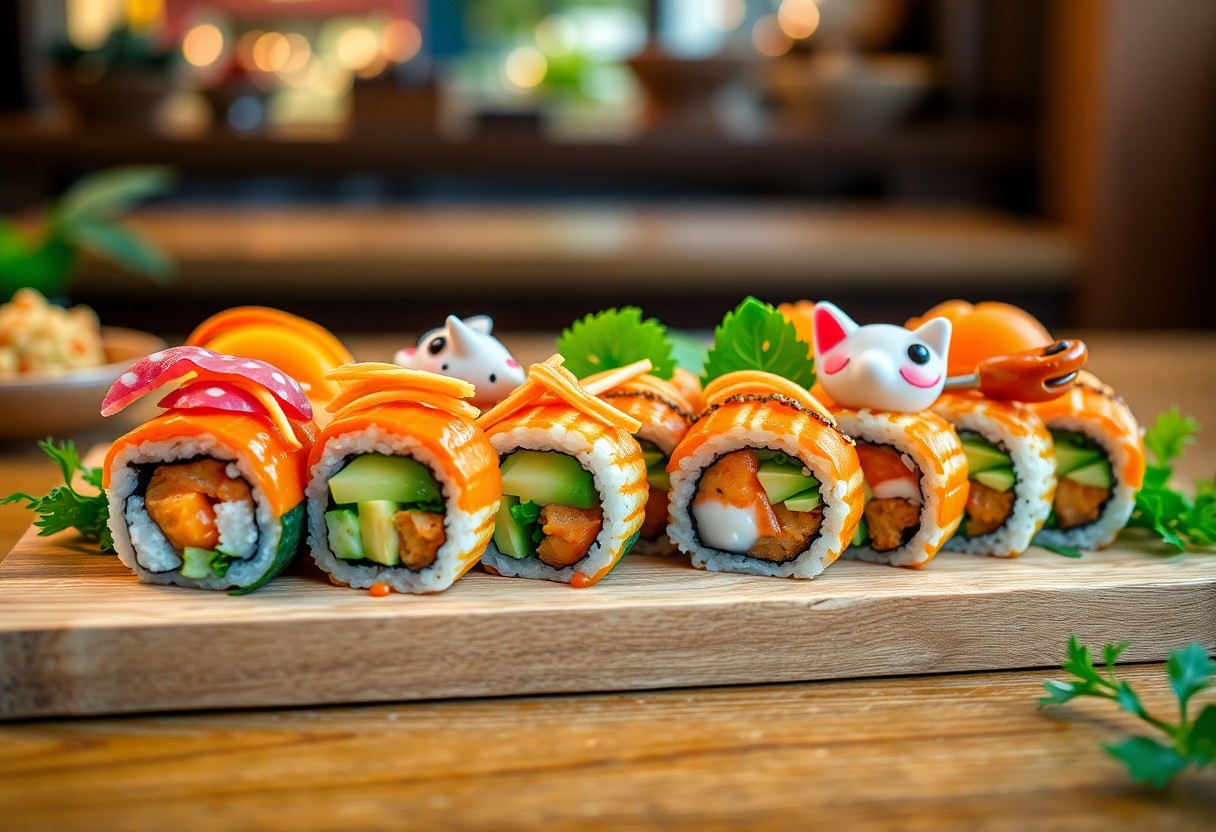
Tips for Making Sushi Engaging for Kids

Unlike traditional cooking methods, sushi-making can be a fun and interactive activity for kids. To keep your little ones engaged, consider these tips:

  • Let them choose their ingredients
  • Use colorful vegetables and fruits
  • Encourage creativity with shapes and sizes
  • Make it a themed night with costumes or decorations

This will foster enthusiasm and make sushi night a family favorite!

Involving Kids in the Cooking Process

Below are some effective ways to involve your kids in the sushi-making process. Allow them to help with washing vegetables, spreading rice, or rolling the sushi. Give them age-appropriate tasks to keep them engaged, such as using cookie cutters to create fun shapes from vegetables or fruit. Not only will they enjoy it more, but they’ll also learn valuable kitchen skills along the way.

Creative Presentation Ideas

With a little imagination, you can transform your sushi platters into visually appealing masterpieces. Present sushi on colorful plates or bamboo mats, utilizing decorative elements like edible flowers or vibrant garnishes. Consider helping your kids arrange sushi rolls in fun shapes—like a dragon or a rainbow—and serving them alongside dipping sauces in whimsical containers. These elements make the experience more delightful and entices kids to try their culinary creations.

Process your sushi presentation by incorporating unique themes. For example, for a marine theme, use blue plates to represent the ocean and garnish with seaweed or edible fish accents. You could also create a colorful sushi rainbow, arranging ingredients in layers to mimic a vibrant sunset. Let your kids select the theme, as their creativity will turn mealtime into an exciting adventure worth repeating.

Safety and Dietary Considerations

All parents should prioritize safety and dietary needs when introducing sushi to your family. It’s important to be aware of potential allergens and food safety practices to ensure a positive experience for everyone. By taking these considerations into account, you can enjoy delicious sushi while keeping your loved ones safe.

Avoiding Allergens

Against the background of rising food allergies, it’s vital to identify and avoid specific allergens in sushi. Common ingredients such as shellfish, soy sauce, or sesame can trigger reactions in sensitive individuals. Always check ingredient labels and consult with your family to ensure that everyone can enjoy their meal safely.

Ensuring Food Safety

Between the importance of fresh ingredients and cleanliness, ensuring food safety is non-negotiable when preparing sushi at home. Keep your workspace and utensils sanitized to prevent cross-contamination. Additionally, store seafood properly and consume it by the recommended dates to reduce the risk of foodborne illnesses.

Understanding proper food safety involves several steps. Always wash your hands thoroughly before preparing sushi and clean all surfaces. Use fresh ingredients sourced from reputable suppliers and pay attention to expiration dates. When working with raw fish, keep it refrigerated until just before use and ensure it’s stored at appropriate temperatures to prevent spoilage. By following these guidelines, you cultivate a safe culinary environment for you and your family, making sushi night enjoyable and worry-free.

Summing up

The kid-friendly sushi recipes provided are perfect for introducing your family to fun, healthy meals that everyone will enjoy. By engaging your children in the sushi-making process, you can spark their creativity while encouraging them to try new flavors and ingredients. You can customize these recipes to suit your family’s taste preferences, making it an enjoyable bonding experience. With a little guidance, your kids can become sushi chefs in their own right, turning mealtime into a delightful family activity.

Q: What are some easy kid-friendly sushi recipes that I can make at home?

A: There are several simple sushi recipes that kids will love! One popular option is the California roll, which is made with sushi rice, cucumber, and imitation crab. You can also try making sushi with cooked shrimp, avocado, and cream cheese, which offers a creamy texture that many kids enjoy. Another fun idea is to make sushi rolls using peanut butter and banana, perfect for those who may not be fans of traditional sushi ingredients. Add colorful vegetables for extra nutrition!

Q: How can I get my kids involved in making sushi?

A: Getting kids involved in the sushi-making process can be a fun and educational experience! Start by setting up a sushi station with ingredients laid out, such as sushi rice, nori (seaweed), and various fillings. Let your kids choose their favorite ingredients and guide them in rolling their sushi. Simple tools like a bamboo mat can help, and you can encourage creativity by allowing them to design their own sushi creations. It’s a great way to spark interest in cooking and healthy eating!

Q: Are there any dietary considerations to keep in mind when making sushi for kids?

A: Yes, dietary considerations are important when preparing sushi for kids. Be mindful of food allergies, such as shellfish or gluten, and make substitutions as necessary. For instance, use gluten-free soy sauce or alternative proteins like tofu or cooked chicken. Additionally, focus on incorporating lots of colorful vegetables, which can appeal to kids. Ensure that the ingredients are fresh, and if you’re using seafood, opt for fully cooked options to ensure safety. Always check with your child’s pediatrician if you have specific dietary concerns.
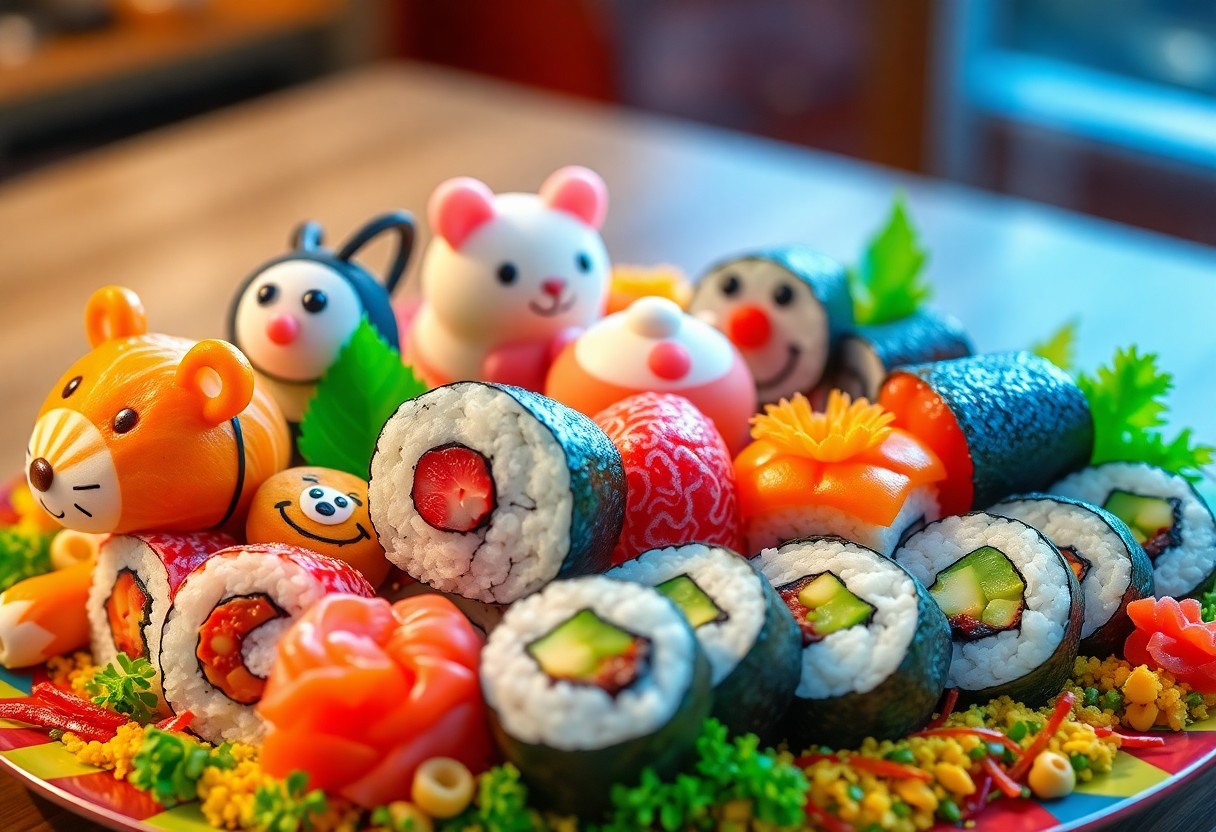
Teaching Kids to Love Sushi

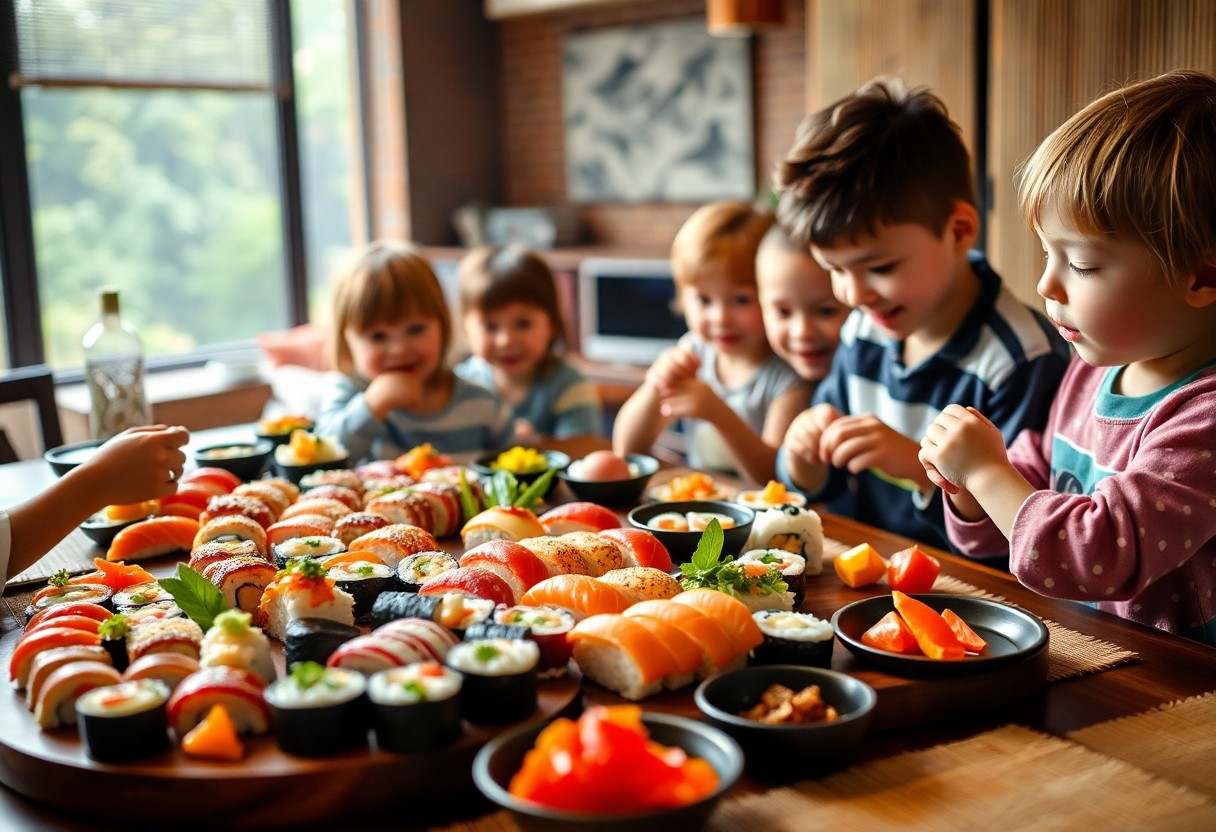
You have the power to introduce your children to the delicious world of sushi, making mealtime an exciting adventure. Emphasizing creativity and fun can help your kids embrace new flavors and textures. Start by engaging them in the process—consider activities like Monday Funday: Sushi Play!, where they can create their own sushi rolls and learn about the ingredients. By fostering curiosity and participation, you can turn sushi into a meal they truly love.

Key Takeaways:

  • Exposure: Introduce different types of sushi gradually to spark interest and curiosity in children.
  • Involvement: Encourage kids to participate in sushi-making at home, allowing them to engage with the ingredients and process.
  • Creativity: Allow children to customize their sushi with their preferred fillings and toppings, making it a fun and personal experience.
  • Education: Teach kids about the cultural significance of sushi, enhancing their appreciation and understanding of this cuisine.
  • Variety: Offer a range of sushi options, including vegetarian and cooked varieties, to accommodate different taste preferences.

The Nutritional Benefits of Sushi

To cultivate a love for sushi, it’s important to recognize its numerous nutritional benefits. Sushi is a source of high-quality protein, healthy fats, and crucial vitamins and minerals. Ingredients like fish and vegetables provide omega-3 fatty acids and antioxidants, contributing to your child’s overall health. By introducing sushi as a meal option, you can encourage healthy eating habits and ensure your kids receive vital nutrients for their growth and development.

Understanding Key Ingredients

On your sushi journey, familiarize yourself with its key ingredients to make informed choices. Sushi typically features rice, seaweed, and various fillings, such as fresh fish, vegetables, or tofu. The rice provides carbohydrates for energy, while seaweed is packed with vitamins and minerals. Teaching your kids about these components will help them appreciate the flavors and textures, sparking their interest in this delicious cuisine.

Health Benefits for Kids

Along with being tasty, sushi offers significant health benefits for your kids’ development. With ingredients rich in protein and healthy fats, sushi promotes muscle growth and brain development. The inclusion of vegetables also ensures that your children receive crucial vitamins and minerals. Additionally, introducing sushi to your child’s diet may encourage them to try various foods, fostering open-mindedness in their eating habits.

And by incorporating sushi into your child’s meals, you’re providing them with a wide range of nutrients that support their physical and cognitive growth. Fish like salmon and tuna are excellent sources of omega-3 fatty acids, known for their role in enhancing brain function and concentration. Moreover, the vibrant colors and diverse textures of sushi can make mealtime more exciting, motivating your kids to explore new ingredients and flavors while nourishing their bodies in the process.

Making Sushi Fun and Accessible

If you’re looking to introduce your kids to sushi, making the experience enjoyable is key. By incorporating fun elements and engaging activities, you can transform sushi-making into an exciting family event. Explore more insights on How to Introduce Your Kids to Sushi – SimpleStepsForLivingLife to learn how to make sushi accessible for the little ones.

Choosing Kid-Friendly Recipes

Above all, selecting kid-friendly recipes is your best starting point. Opt for sushi rolls with familiar ingredients, such as cucumber, avocado, or cooked shrimp. Introducing these flavors can help your kids feel more comfortable and willing to try sushi, making food exploration a fun experience.

Incorporating Playful Presentation

Across the board, playful presentation can significantly enhance your sushi experience. Arrange rolls in fun shapes or create animal faces using the ingredients you have. This can turn a simple meal into an art project that sparks your children’s imaginations.

Also, think about using a variety of colors and textures when plating your sushi to engage their senses. You can use vibrant toppings or create a colorful serving platter filled with different types of sushi. Personalizing each plate with their favorite ingredients not only makes it more fun but encourages your kids to take pride in the meal they helped prepare.

Engaging Kids in the Process

Once again, getting kids involved in the sushi-making process can spark their interest and excitement. When they participate in activities like selecting ingredients, rolling sushi, or even arranging the colorful rolls on a platter, they develop a sense of ownership and accomplishment. This hands-on approach not only makes sushi more appealing but also fosters positive family interactions around food. Plus, when kids feel empowered to create their own sushi, they are more likely to try different flavors and textures.

Involving Them in the Cooking

Across the sushi-making experience, you can let your children take charge of certain tasks, like washing rice or slicing vegetables. This level of involvement helps them gain confidence in the kitchen and build culinary skills. Encourage them to express their creativity by choosing their favorite fillings or experimenting with their own unique sushi styles. By offering age-appropriate tasks, you create a supportive environment where they can learn and have fun simultaneously.

Creating a Family Sushi Night

Above all, a dedicated family sushi night can turn a simple meal into a delightful tradition that everyone looks forward to. Setting aside a specific evening each week or month allows you to plan ahead, create a menu, and get your kids excited. By leveraging this time together, you can enjoy quality bonding while teaching them the cultural significance and cuisine of sushi.

And, to make family sushi night even more enjoyable, consider incorporating themed elements, like a Japanese movie or music in the background. You can have fun creating an array of sushi types, from classic rolls to more adventurous combinations. Encourage everyone to share their creations and give feedback, which promotes a sense of collaboration. This setting not only makes preparing sushi enjoyable but strengthens family ties, turning mealtime into an event that everyone eagerly anticipates.

Overcoming Picky Eaters’ Challenges

Keep in mind that introducing sushi to picky eaters can be a gradual process. Start by offering simpler options, such as rolls filled with familiar ingredients, and encourage conversation about texture and flavors. For more strategies, check out Sushi for Kids: Making Sushi Fun for the Whole Family. This approach can help create a comforting environment for your children as they learn to appreciate sushi.

Gradually Introducing New Flavors

On your journey to making sushi a family favorite, gradually introducing new flavors can make a significant difference. Transition gently from familiar tastes, such as crab or avocado, to more adventurous ingredients like eel or spicy tuna. This slow approach not only familiarizes your kids with different textures but also builds their confidence in trying new foods one step at a time.

Encouraging Experimentation

With a little creativity and encouragement, you can turn mealtime into a fun culinary adventure. Allow your kids to assemble their sushi with various ingredients, letting them mix and match fillings. This hands-on experience not only makes eating sushi exciting but also empowers your children to take charge of their food choices.

Due to the interactive nature of sushi-making, your kids will likely feel more invested in what they’re eating. By letting them select ingredients, they can explore flavors they might not have tried otherwise. This encourages an adventurous spirit around food and helps them feel proud of the sushi they create, making them more willing to taste new combinations in the future.

Cultural Appreciation Through Sushi

After introducing sushi to your kids, you provide them with a unique opportunity to appreciate Japanese culture. Sushi is not just a meal; it embodies centuries of tradition, art, and culinary skill. By sharing the story behind sushi-making, you foster a deeper understanding of Japan’s cultural heritage. Encourage your children to explore the history of sushi and its regional variations, transforming mealtime into a delightful cultural experience that broadens their horizons.

Teaching Kids About Japanese Culture

After establishing a sushi routine, you can research into Japanese culture with your kids. Utilize books, documentaries, and cooking sessions to explain the significance of sushi in Japanese society. Discuss the various types of sushi and their origins, helping your children appreciate the artistic nature of sushi preparation. This cultural immersion will cultivate their respect for traditions and widen their understanding of the world.

Expanding Their Culinary Horizons

On the path of embracing sushi, you also pave the way for expanding your child’s culinary horizons. Introducing them to sushi can lead to curiosity about other cuisines and flavors, encouraging adventurous eating. As they discover different tastes and textures, their palate matures, making them more open to trying new foods from various cultures.

Japanese cuisine is rich and diverse, offering much more than just sushi. By engaging your kids in conversations about other Japanese dishes, such as ramen, tempura, or takoyaki, you help them appreciate a broader range of flavors. Letting them assist in preparing these dishes also enhances their cooking skills and encourages creativity in the kitchen. This comprehensive culinary journey will inspire them to explore cuisines from around the globe, fostering an appreciation for diverse cultures and enriching their dining experiences.

Safety and Dietary Considerations

Despite the appeal of sushi, it’s important to prioritize safety and dietary needs when introducing it to your kids. You should ensure that the ingredients are age-appropriate and verify that your child has no allergies to seafood or other components of sushi. Educating yourself about food safety practices can help mitigate risk, while being mindful of specific dietary restrictions allows you to create enjoyable sushi experiences tailored to your family’s needs.

Ensuring Freshness and Quality

The freshness and quality of the sushi ingredients are vital for both safety and taste. When purchasing seafood, opt for reputable suppliers who maintain high standards in handling and storing their products. Fresh fish should have a clean, ocean-like smell, firm texture, and vibrant color. You can also incorporate cooked proteins, such as shrimp or crab, to ensure you’re minimizing any risks associated with raw fish for your little ones.

Adapting Recipes for Food Allergies

The customization of sushi recipes can help accommodate various food allergies your child may have. It’s necessary to understand each ingredient and explore alternatives to classic components that may trigger a reaction. You can substitute traditional fish with cooked options, swap soy sauce for gluten-free alternatives, or use tamari to cater to those sensitive to gluten.

With a little creativity, you can create delicious and safe sushi options for children with food allergies. Experiment with different fillings such as cucumber, avocado, or cooked chicken to maintain flavor while avoiding allergens. You can also explore sushi rolls made with rice paper or vegetable wrappers for a unique twist that’s perfect for those with gluten sensitivities. Embracing these adaptations allows you to introduce your kids to sushi in a way that keeps them safe and enthusiastic about trying new foods.

To wrap up

So, by introducing your kids to the delightful world of sushi, you can foster their appreciation for diverse flavors and cultures. Start with simple ingredients and fun presentations to make the experience enjoyable. Encourage them to participate in the preparation, turning mealtime into an exciting culinary adventure. As they explore various types of sushi, you’ll enhance their taste buds and create lasting memories. With your guidance, your children will not only learn to love sushi but may develop a lifelong passion for trying new foods.

Q: What are some kid-friendly sushi options to start with?

A: When introducing kids to sushi, it’s best to start with options that have familiar flavors and textures. Some kid-friendly sushi choices include vegetable rolls, such as cucumber or avocado rolls, and rolls with cooked seafood, like shrimp tempura or eel. You can also make sushi using fruits, like mango or strawberries, wrapped in rice and seaweed. Soft textures and mild flavors can help kids enjoy sushi without overwhelming their taste buds.

Q: How can I make sushi-making fun for my kids?

A: Making sushi can become a fun and engaging activity for the whole family. Start by setting up a sushi-making station with all the ingredients laid out, such as rice, nori (seaweed), vegetables, and proteins. Encourage your kids to design their own rolls, choosing combinations that appeal to them. You can also create a sushi-making challenge, where everyone competes to make the most creative roll. This interaction not only teaches kids about sushi but also bonds the family through shared creativity and culinary exploration.

Q: Are there any nutritional benefits to teaching kids about sushi?

A: Yes! Teaching kids about sushi comes with several nutritional benefits. Sushi often includes ingredients like fish, which is a good source of protein and omega-3 fatty acids, crucial for brain development. Additionally, sushi can incorporate a variety of vegetables, introducing kids to different flavors and providing important vitamins and minerals. By learning to enjoy sushi, kids gain exposure to diverse, healthy eating habits that can foster a lifelong appreciation for nutritious foods.

Fun Sushi Shapes for Picky Eaters

Just when you thought sushi was only for adventurous eaters, it’s time to rethink that notion. With creative shapes and fun presentations, you can transform traditional sushi into an exciting meal that even picky eaters will enjoy. By applying simple techniques and using familiar ingredients, you can make sushi appealing to your family or friends who may shy away from trying new foods. Dive into this guide to discover how to create delightful sushi shapes that could win over even the pickiest of palates.

Key Takeaways:

  • Creative presentation can make sushi more appealing to picky eaters by using fun shapes and vibrant colors.
  • Incorporating favorites, such as familiar ingredients or flavors, can help ease the transition to sushi.
  • DIY sushi kits can engage kids in the process, allowing them to customize their rolls for a more enjoyable experience.
  • Themed sushi parties can create a fun and social atmosphere, encouraging kids to try new foods while enjoying a playful setting.
  • Involving children in the making of sushi can boost their confidence and willingness to try different ingredients.

Understanding Picky Eaters

Before you can successfully cater to picky eaters, it’s vital to understand their unique preferences and behaviors. Many individuals tend to be sensitive to certain textures, flavors, or even colors, which can lead to a limited range of foods they enjoy. By recognizing these tendencies, you can create meals that not only appeal to them but also encourage a more adventurous palate over time.

Common Food Preferences

Along with food aversions, picky eaters often gravitate towards familiar flavors and textures. Commonly loved foods include plain pasta, cheese, bread, and simple fruits. This inclination for familiar dishes might stem from a need for comfort or previous negative experiences with unfamiliar foods. Knowing what your picky eater enjoys gives you a solid foundation to build upon when introducing new options.

Overcoming Texture and Taste Challenges

Below the surface of food aversions lies the challenge of texture and taste. Many picky eaters have heightened sensitivity to certain sensations, which can lead to avoidance of various foods. Identifying these preferences can be a game-changer in your approach to meals.

In fact, understanding the specific textures that your picky eater finds appealing allows you to creatively modify dishes. For instance, if they prefer crispy items, consider offering sushi in a crunchy roll format. Alternatively, if they shy away from strong flavors, you can introduce milder sauces or flavors gradually. Such modifications not only tailor the experience to their tastes but also help in expanding their culinary horizons, making mealtime more enjoyable for everyone involved.

Creative Sushi Shapes

The world of sushi extends beyond traditional rolls, offering a fantastic opportunity to engage picky eaters. By transforming sushi into fun and captivating shapes, you can make mealtime an exciting adventure. Whether you want to cater to your child’s whimsy or simply make dinner more enjoyable, creative sushi shapes can captivate both the eyes and taste buds, paving the way for new culinary experiences.

Animal Shaped Sushi

Creative sushi shapes can take the form of adorable animals that can spark joy and curiosity in your picky eaters. From teddy bears made of rice and seaweed to sushi cats and bunnies, these whimsical designs not only make sushi fun but also encourage kids to try new flavors. By incorporating colorful ingredients, you can create delightful and appetizing options that surely appeal to young diners.

Vegetable and Fruit Sushi Rolls

Around your sushi creations, you can introduce vibrant vegetable and fruit rolls that offer both flavor and nutrition. By utilizing ingredients like cucumber, avocado, and colorful bell peppers, you can create visually appealing rolls. Fruit sushi, such as rolls made with mango or kiwi, adds a sweet twist to your creations, ensuring there’s something tasty for every palate.

At the heart of vegetable and fruit sushi rolls lies the opportunity to introduce a variety of textures and flavors. By mixing and matching ingredients, you can build well-rounded rolls that appeal to different tastes. Incorporating colorful vegetables not only makes your sushi visually stunning but also boosts its health benefits. You can create playful combinations, like a rainbow roll featuring a medley of bright veggies, making it a fantastic option for picky eaters eager to explore the fun world of sushi.

Tools and Techniques

Despite the challenges of making sushi appealing to picky eaters, the right tools and techniques can greatly enhance your sushi-making experience. Incorporating various shapes and designs into your creations not only makes them visually appealing to children but can also elevate the taste. With the right equipment and a few helpful tips, you can transform simple ingredients into delightful sushi that even the pickiest eaters will enjoy.

Essential Sushi-Making Equipment

One of the first steps in crafting fun sushi shapes is gathering the vital equipment. This includes a bamboo sushi mat, a sharp knife, and a rice cooker for perfectly cooked sushi rice. Having a set of cookie cutters in various shapes can also help you create whimsical designs. Ensuring you have these tools at hand will make the sushi-making process much smoother.

Tips for Shaping Sushi

Essential to shaping sushi is mastering a few techniques that will allow you to create various fun designs. Firstly, use seasoned sushi rice to help bind your ingredients together. You may want to practice rolling technique and pressure application to maintain shape while keeping your sushi ingredients fresh. Additionally, consider these tips:

  • Wet your hands to prevent sticking while shaping.
  • Try using food-safe molds or silicone trays for uniform shapes.
  • Create layers by stacking ingredients for added interest.
  • You can use nori or veggies for creative accents.

After trying these techniques, you’ll find that shaping sushi becomes second nature, making it easier to cater to your picky eaters.

Even with just a few tips, you can make your sushi visually appealing and tasty. Start by experimenting with various food colors and textures to attract attention. Incorporating fun elements like animal shapes or sushi rolls with eyes can make a big impact. Don’t hesitate to mix flavors; use fruits and vegetables to add pop to your sushi creations. Consider the following suggestions:

  • Shape rice into small balls to create sushi “bites.”
  • Use colorful ingredients like bell peppers or avocado for vibrant rolls.
  • Transform sushi into a fun character by adding details with vegetables.
  • Don’t be afraid to combine traditional and unconventional toppings.

After practicing these creative techniques, you’ll be ready to present your sushi as delicious works of art that your picky eaters can’t resist!

Engaging Children in Sushi Making

After introducing sushi to your picky eaters, it’s time to get them involved in the fun of making it! By allowing your children to participate, you can spark their interest, encourage creativity, and help them appreciate the flavors and textures of sushi. Not only does this hands-on experience promote culinary skills, but it also fosters family bonding time, making sushi preparation a delightful shared activity.

Fun Involvement Ideas

One way to engage your children in the sushi-making process is to assign them specific tasks based on their age and abilities. Younger children can roll sushi in seaweed sheets, while older kids can help with cutting ingredients and arranging colorful toppings. By attributing roles, you can make the experience both educational and entertaining.

Creating a Sushi Night Tradition

Between busy schedules and mealtime challenges, designating a specific evening each month for a family sushi night can be the perfect way to unite everyone. This dedicated time allows you to establish a routine that your children can look forward to, making it an event filled with laughter, exploration, and delicious food.

Ideas for your sushi night tradition can include different themes each time, such as color-based sushi (using only red ingredients, for example) or incorporating new ingredients from various cultures. Additionally, you can encourage your children to discover and create new sushi shapes and ingredients, which can keep each sushi night fresh and exciting. This ritual can cultivate their culinary interests, spark creativity, and lead to meaningful memories around the dinner table.

Nutritional Benefits of Sushi for Kids

To introduce a nutritious meal option to your children, consider sushi. Packed with protein, omega-3 fatty acids, and crucial vitamins, sushi can be a delightful way to provide a balanced diet. It combines healthy ingredients like fish, vegetables, and rice, making it easier for your kids to obtain a variety of nutrients. For tips on enticing your kids to enjoy their sushi adventure, check out Sushi with kids: How to get picky eaters to try sushi.

Adding Healthy Ingredients

Benefits of sushi extend beyond just being a fun shape; you can pack it with healthy ingredients. Incorporate colorful vegetables like cucumbers, carrots, or avocado into your rolls. Adding protein sources like cooked shrimp or tofu can help enhance the nutritional profile while appealing to picky eaters.

Balancing Flavors and Nutrients

Before creating your sushi concoctions, focus on balancing flavors and nutrients. A well-rounded sushi roll should include a variety of textures and tastes, making it more appealing to your child. Combining savory fish with crunchy vegetables and slightly sweet rice can engage their taste buds while ensuring they receive vital nutrients.

To achieve this balance, experiment with different combinations in your sushi rolls. Consider offering a variety of toppings, like sesame seeds or a drizzle of soy sauce, to enhance the flavors. Encourage your kids to personalize their sushi by selecting ingredients they enjoy most, ensuring that the meal remains appetizing while providing crucial nutrients.

Serving Suggestions

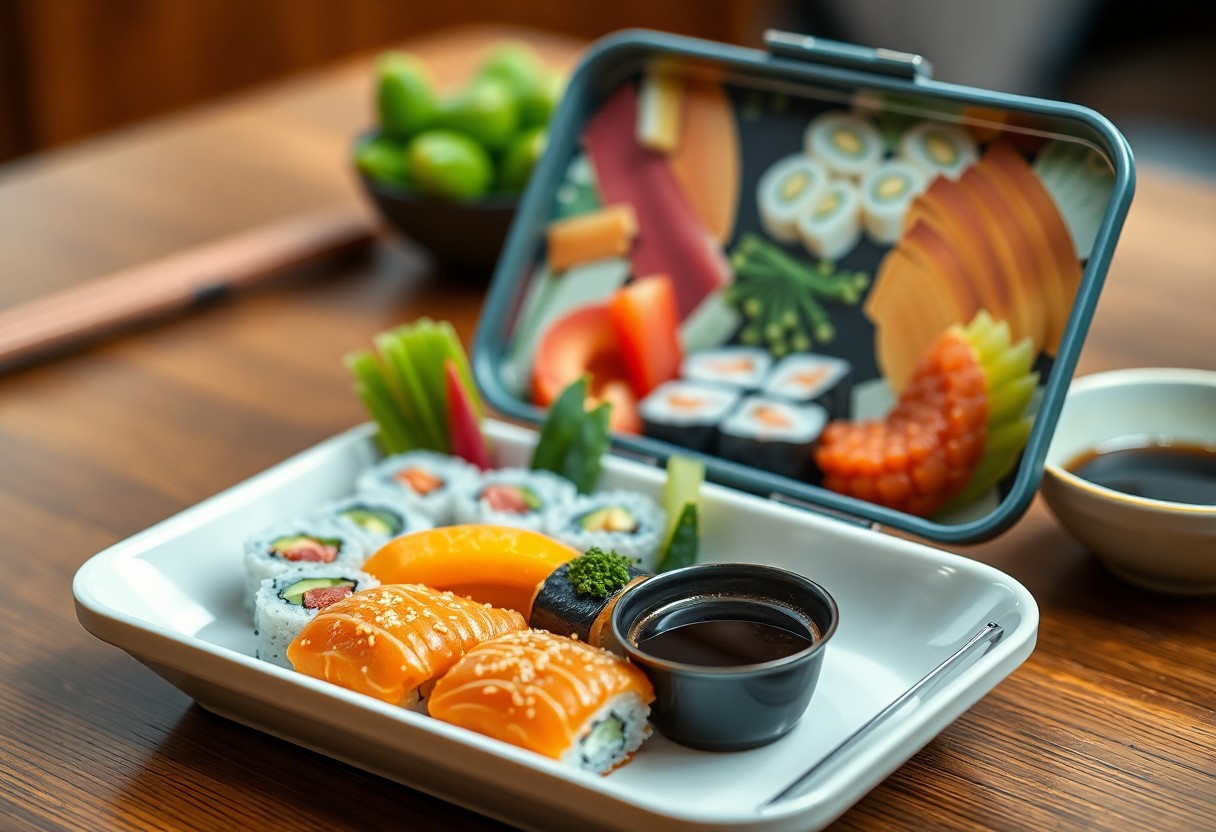
Your sushi creations deserve to be showcased in a way that appeals to even the pickiest eaters. Consider using colorful plates or bento boxes to enhance visual appeal. Arrange the sushi creatively, perhaps in the shape of a smiley face or arranged in a fun pattern. You can also incorporate edible garnishes like wasabi peas or pickled ginger to add an extra pop of color and flavor. These small touches can make a big difference in enticing kids to try new things.

Dipping Sauces and Pairings

Sauces can elevate your sushi experience, especially for young eaters. While traditional soy sauce is a staple, consider offering alternatives like sweet teriyaki sauce or creamy avocado sauce for dipping. Kids often enjoy milder flavors, so you might also try mixing soy sauce with a bit of honey or sesame oil for a sweeter touch. Serve these sauces in small dishes for a fun dipping experience.

Presentation Tips for Kids

Tips that encourage a fun and engaging presentation can make sushi more appealing to kids. Start with vibrant colors in your sushi selection, integrating vegetables like cucumber, carrots, and bell peppers. Use cookie cutters to create fun shapes and serve with cute, themed picks to keep them interested. You could also create sushi rolls with a colorful theme, such as rainbow sushi or ocean-themed designs, to make the experience enjoyable.

  • Use bright, colorful ingredients
  • Incorporate fun shapes and sizes
  • Serve in playful, themed dishes

After trying some of these ideas, you may find that your kids are more eager to examine their sushi rolls!

Summing up

Conclusively, introducing fun sushi shapes can make this cuisine more appealing to picky eaters in your life. By creatively presenting sushi in familiar forms or themes, you can enhance their experience and encourage them to try new flavors. Explore various combinations of ingredients that cater to their tastes and preferences. If you’re seeking inspiration, check What is the best sushi combination for a picky eater … to find options that suit their palate.

Q: What are some creative sushi shapes that can appeal to picky eaters?

A: Fun sushi shapes can make the meal more exciting for picky eaters. Consider making sushi rolls shaped like stars, hearts, or animals. You can use cookie cutters to create these fun shapes from rolled sushi or even from slices of fruit and vegetables to garnish. Additionally, you can decorate sushi with colorful ingredients such as avocado, carrots, or bell peppers, which can attract a child’s attention and make them more willing to try new flavors.

Q: How can I get my child involved in making sushi shapes at home?

A: Getting kids involved in the sushi-making process can increase their interest in trying new foods. First, set up a sushi-making station with ingredients laid out in colorful arrangements. Teach them how to roll sushi using a bamboo mat, or have them use cookie cutters to shape rolled sushi rice and fillings into fun designs. Let them choose their favorite fillings and toppings, which can make the process more enjoyable. This hands-on experience can turn a meal into an adventure, encouraging them to taste their creations.

Q: Are there any alternatives to traditional sushi for picky eaters?

A: Yes, there are plenty of alternatives that can still provide the fun of sushi without traditional flavors that some picky eaters may avoid. Instead of raw fish, consider using cooked ingredients like shrimp, crab sticks, or even grilled chicken. You can also create sushi rolls using non-traditional fillings such as cheese, peanut butter and jelly, or even pizza toppings. Using rice paper wraps instead of seaweed can provide a different texture that some children might prefer. These adaptations can make sushi more accessible and enjoyable for those who are selective about their food choices.

Is Sushi Safe for Kids A Parent’s Guide

Safety is a top priority when it comes to your child’s diet, and sushi can be a delicious and nutritious option. As a parent, you might wonder if it’s appropriate for your little ones. This guide will help you navigate the world of sushi, discussing the types that are safe for children, potential risks, and how to choose the best sushi options for your family. By understanding the basics, you can confidently introduce sushi into your child’s meals.

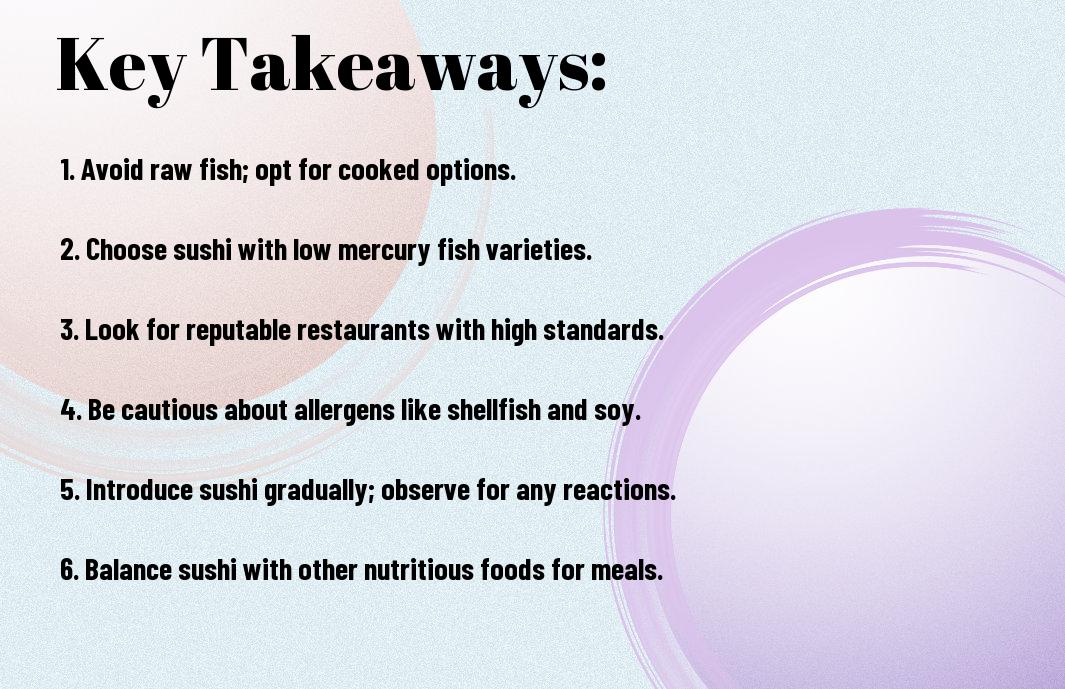
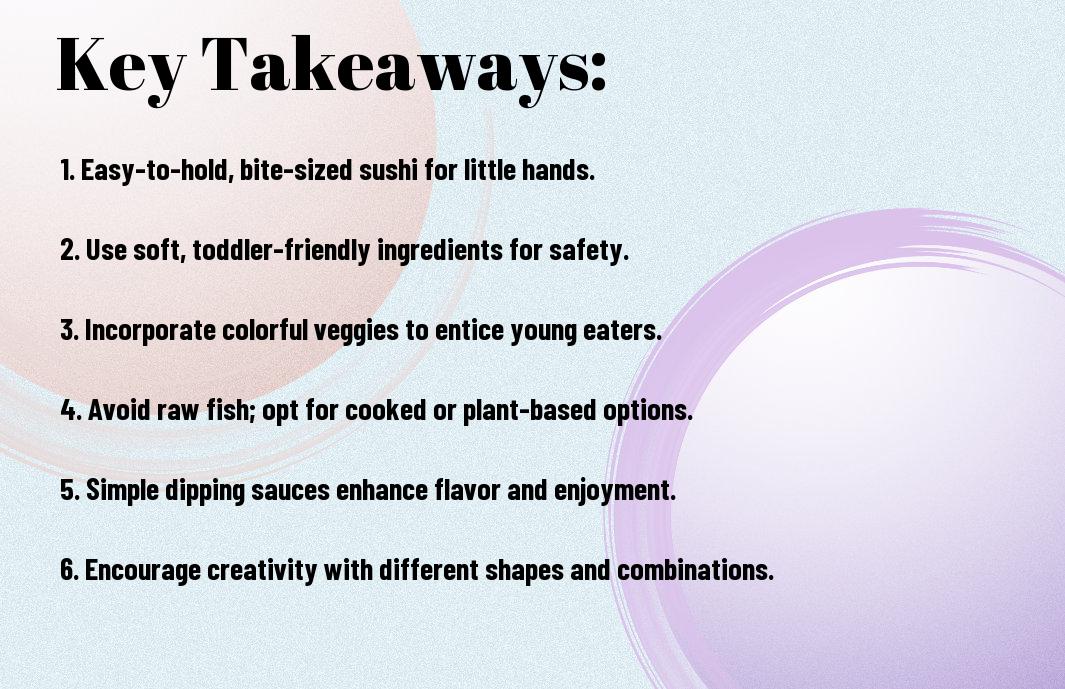
Key Takeaways:

  • Raw Fish Risks: It’s advisable to avoid raw fish for young children due to potential exposure to harmful bacteria and parasites.
  • Cooked Options: Opt for sushi made with cooked ingredients, such as tempura or eel, which are safer choices for kids.
  • Allergies Awareness: Be mindful of common allergens like seafood and soy. Always check for allergies before introducing sushi.
  • Portion Sizes: Serving smaller portions can prevent choking hazards and help gauge your child’s preference without overwhelming them.
  • Quality Matters: Ensure sushi is sourced from reputable restaurants to minimize the risk of foodborne illnesses.

Understanding Sushi

For many families, sushi can be a fun and healthy dining option. However, understanding what sushi is and the various types available can help you make better choices when introducing it to your children. Sushi, which originated from Japan, traditionally consists of vinegared rice accompanied by various ingredients, including seafood, vegetables, and sometimes tropical fruits. The preparation can vary widely, offering a range of flavors and textures that cater to different preferences.

Types of Sushi

For parents wondering which types of sushi are kid-friendly, consider the following options:

  • Nigiri: Rice topped with fish or seafood
  • Maki: Rolled sushi with rice and filling
  • Uramaki: Inside-out rolls with fish or veggies
  • Sashimi: Just slices of fish, no rice
  • Temaki: Hand-rolled cones of sushi

Knowing the different types of sushi will empower you to choose the options that best suit your child’s taste and comfort level.

Type of Sushi Description
Nigiri Rice topped with a slice of fish or seafood
Maki Rolled sushi with rice and fillings like vegetables or seafood
Uramaki Inside-out sushi rolls, often with multiple ingredients
Sashimi Thinly sliced raw fish, typically served without rice

Common Ingredients

Understanding what goes into sushi can also help you ensure it aligns with your child’s dietary requirements. Typical sushi ingredients include rice, nori (seaweed), raw or cooked fish, vegetables, and various condiments.

To make sure your child enjoys sushi, it’s beneficial to familiarize yourself with the most common ingredients. Rice is the foundation in almost all sushi types, while nori provides a safe and nutritious wrapper. Fish, which can be either raw (sashimi) or cooked, comes in various varieties, from tuna to shrimp. Vegetables like cucumber and avocado often enhance the flavor. Additionally, ensure that your child tries sushi without strong flavors or unfamiliar textures to help them ease into this new culinary experience.

Nutritional Benefits of Sushi

Clearly, sushi can offer numerous nutritional benefits for your child. It generally includes a variety of ingredients like fish, vegetables, and rice that provide vital vitamins and minerals. If you’re wondering from what age it’s safe to give sushi or sashimi to kids, it’s important to understand the health benefits sushi can provide when served appropriately.

Essential Nutrients

Nutritional value in sushi comes from its core ingredients. Sushi often contains omega-3 fatty acids from fish, which are vital for brain development, along with vitamins such as A, D, and B12. The seaweed used in rolls offers a rich source of iodine and antioxidants, contributing to a balanced diet.

Healthy Fats and Proteins

After considering vital nutrients, it’s important to highlight the healthy fats and proteins found in sushi. Many types of sushi feature fish, which is an excellent source of high-quality protein that supports your child’s growth and energy needs.

This protein, combined with healthy fats, particularly omega-3 fatty acids, plays a significant role in heart health and cognitive function. These beneficial fats can also improve learning and behavioral outcomes in children. Including sushi as a part of their diet can thus be a delicious way to help your kids develop healthy eating habits while enjoying the associated health benefits.

Risks Associated with Sushi for Kids

Keep in mind that while sushi can be a delicious treat, there are some risks involved for children. Factors such as age, individual health, and the type of sushi can impact its safety. For more insight on when children can safely enjoy sushi, check out At what age can my children eat sushi? – Dubai.

Foodborne Illness

To ensure your child’s safety, be aware that sushi can sometimes carry foodborne pathogens that may cause illness. Raw fish, in particular, may harbor dangerous bacteria and parasites, making it important to choose reputable restaurants or prepare it at home with extreme care.

Allergens and Sensitivities

Sensitivities to specific ingredients in sushi can pose challenges for your child. Common allergens include shellfish, fish, and soy sauce, which might trigger reactions, especially in those with existing allergies. Always check with your pediatrician if you are unsure about introducing sushi into your child’s diet.

Sushi can vary greatly in ingredients, and not all types are suitable for every child. Keep in mind that the presence of seafood, sesame, and gluten could be potential allergens for some kids. Make sure to discuss any known allergies with your child and always read ingredient labels or consult with the chef if you are dining out.

Guidelines for Serving Sushi to Children

After considering the safety standards of sushi, it’s necessary to establish guidelines when serving it to children. Ensure you choose sushi that uses high-quality ingredients and is prepared in a safe environment. You can find more insights in Is Sushi Safe for Kids? A Quick Guide for Concerned Parents. By taking these steps, you can introduce your child to this delightful cuisine with peace of mind.

Age Appropriateness

With different age groups, the suitability of sushi varies. Generally, children over the age of 5 are more equipped to handle a variety of foods, including sushi. It’s wise to observe their eating habits and reactions to determine if they are ready for this culinary experience.

Choosing Safe Options

Beside age considerations, selecting the right type of sushi is vital for your child’s safety and enjoyment. Focus on cooked options like California rolls or eel sushi, which minimize the risk of exposure to harmful bacteria often found in raw fish.

This selection not only makes sushi safer for your child but also introduces them to diverse flavors and textures, enhancing their palate. Additionally, you can explore vegetarian options or sushi made with fully cooked seafood, ensuring a nutritious experience. By being cautious with your choices, you can create a positive and enjoyable sushi experience for your little one.

Tips for Parents

To ensure a positive sushi experience for your kids, consider these helpful tips:

  • Start with cooked sushi options.
  • Choose reputable restaurants that prioritize freshness.
  • Introduce sushi gradually and in small portions.
  • Encourage them to try different flavors and textures.

This approach will help your children develop a palate for sushi safely.

Educating Kids About Sushi

Any discussion about sushi can be a great opportunity to teach your kids about different cultures and cuisines. Share the history of sushi, its ingredients, and the various types, emphasizing the importance of fresh fish and proper food safety. This knowledge can make sushi not only a meal but also a fun learning experience for your family.

Making Sushi Fun and Safe

On the other hand, making sushi as a family activity can be both fun and safe. Engage your kids in the preparation process by allowing them to roll their sushi under your supervision, using cooked ingredients like crab or vegetables. This hands-on experience not only encourages creativity but also teaches them about hygiene and safety in food preparation.

Sushi making provides an excellent opportunity to bond with your kids while educating them on food safety and nutrition. You can gather a variety of colorful vegetables, cooked seafood, and sushi rice, allowing everyone to craft their personalized rolls. By guiding your children through this process, you will instill a sense of culinary confidence and promote healthy eating habits. Plus, it’s a fun way to introduce them to the art of sushi!

Summing up

Drawing together the insights from this guide, you can feel more confident about introducing sushi to your child’s diet. While it’s important to choose the right types of sushi and be mindful of potential allergens, many options like vegetarian rolls and well-cooked seafood can be both safe and enjoyable. Always consult with your pediatrician if you have specific concerns about your child’s diet. By making informed choices, you can turn sushi into a delightful culinary experience for your family.

FAQ

Q: Is it safe for kids to eat sushi that contains raw fish?

A: While sushi is a beloved treat, caution is advised when it comes to raw fish for children. Young children have developing immune systems and may be more vulnerable to foodborne illnesses. It is generally safer to opt for sushi made with cooked fish or vegetarian options. If your child enjoys sushi, consider trying options like California rolls (which typically contain imitation crab) or tempura rolls, where ingredients are cooked.

Q: What types of sushi should I avoid giving to my child?

A: When selecting sushi for your child, it’s wise to avoid types that include high-mercury fish. Fish like shark, swordfish, and king mackerel may contain elevated levels of mercury, which can be harmful, especially for younger individuals. Stick to sushi made with lower-mercury fish varieties such as salmon, shrimp, or tuna in moderation. Additionally, be cautious with any sushi that contains raw ingredients, as these pose a higher risk of foodborne illnesses.

Q: How can I ensure the sushi I’m serving is safe for my child?

A: To ensure that sushi is safe for children, choose reputable sushi establishments known for their freshness and cleanliness. Check if the restaurant follows health code regulations, and avoid purchasing sushi from places with unclear food handling practices. Always ask questions about ingredient sourcing, especially with regard to fish types. Additionally, consider making sushi at home using safe ingredients, which allows for full control over what goes into your child’s meal.

Sushi-Themed Birthday Party Ideas

Most people love sushi, making it a perfect theme for a unique and flavorful birthday party. Whether you’re hosting for kids or adults, incorporating sushi-inspired elements can elevate your celebration. From creative invitations to delicious samplings and fun activities, you can easily create an immersive experience that delights your guests. In this blog post, you will discover a variety of sushi-themed birthday party ideas that will ensure your event is memorable and enjoyable for everyone involved!

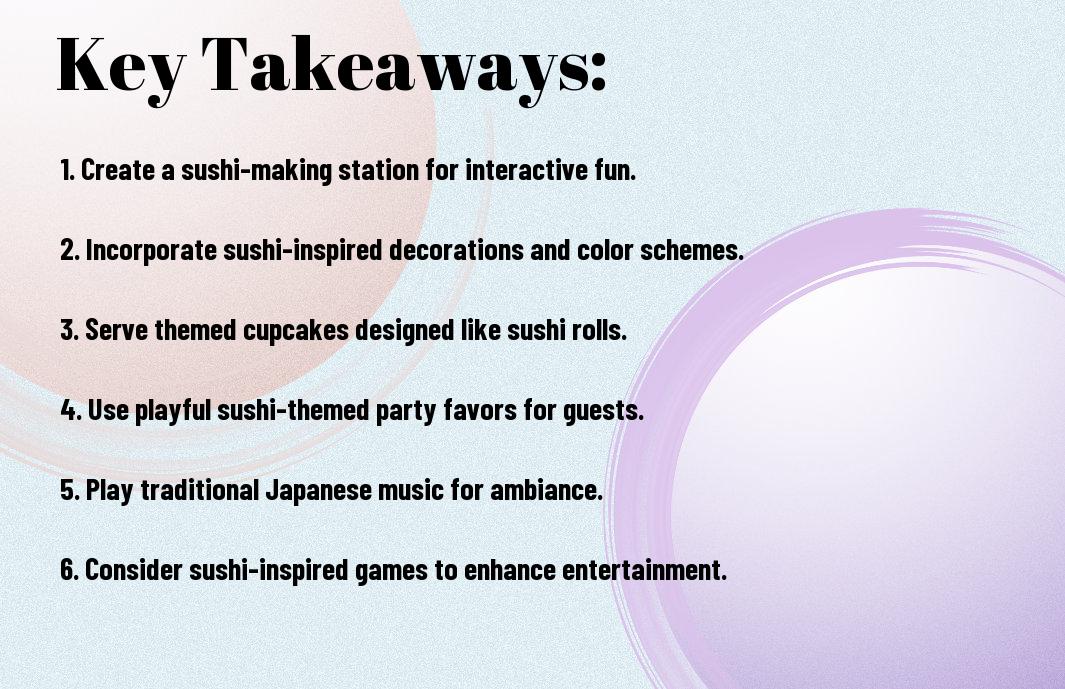
Key Takeaways:

  • Themed Decorations: Incorporating vibrant decorations such as sushi banners, colorful tablecloths, and sushi-inspired centerpieces enhances the party’s festive atmosphere.
  • Interactive Food Stations: Setting up a DIY sushi rolling station allows guests to creatively participate, making the food experience fun and engaging.
  • Sushi-inspired Games: Organizing games like sushi trivia or a chopstick relay adds excitement and keeps guests entertained throughout the event.

Planning Your Sushi-Themed Birthday Party

For an unforgettable sushi-themed birthday party, thoughtful planning is key. Start by gathering your ideas and envisioning the party’s vibe. Consider the preferences of your guests and create an appealing atmosphere that reflects the essence of sushi culture. From decorations to menu items, ensure every detail complements the theme, setting the stage for a memorable celebration!

Choosing the Right Venue

An ideal venue can make or break your sushi-themed birthday party. Consider hosting at home for a cozy feel or renting a sushi restaurant to immerse your guests in the experience. Alternatively, a park or community space can work well, especially if you’re planning to combine outdoor elements like a sushi-making station!

Setting the Date and Time

Behind every successful party is a well-chosen date and time. Select a date that accommodates your invitees, typically on weekends or during school breaks when most guests are available. Aim for a time that suits your theme; evening parties can enhance the dining experience, while afternoon gatherings can allow for a fun lunch sushi buffet.

Also, consider any holidays or local events that may coincide with your date as they could affect your guests’ availability. Sending out invitations well in advance allows your friends and family to mark their calendars. Lastly, think about the duration of the party to ensure everyone has enough time to enjoy the sushi, games, and socializing.

Sushi Menu Options

If you want to create an unforgettable sushi-themed birthday bash, having a diverse menu is imperative. From fresh maki rolls to creative fusion bites, your guests will appreciate a variety of options. Incorporate classic choices alongside innovative dishes to cater to different tastes, ensuring everyone leaves happy and satisfied.

Traditional Sushi Selections

Before planning your menu, consider including traditional sushi selections like nigiri, sashimi, and a variety of rolls such as California and spicy tuna. These crowd-pleasers are sure to delight your guests while providing a genuine sushi experience. Be sure to source high-quality fish to enhance flavor and presentation.

Alternative Sushi-Inspired Dishes

Above the typical sushi options, get creative with alternative sushi-inspired dishes that add a fun twist. Think sushi burritos, sushi cakes, or even sushi bowls that incorporate the same flavors but present them in an eye-catching way. These unique dishes will impress your guests with their boldness and freshness.

And don’t shy away from experimenting with flavors and textures in your alternative dishes. Try using quinoa or cauliflower rice in bowls, or introduce elements like grilled vegetables and marinated proteins for added flair. By reimagining traditional sushi in these innovative forms, you give your party an exciting culinary edge while ensuring everyone’s palate is pleased.

Creative Decorations

After you decide on a sushi-themed birthday party, the next step is to enhance the atmosphere with fun and engaging decorations. Use colorful banners featuring sushi illustrations and lanterns made from paper in various shapes to mimic your favorite rolls. Consider setting up a photo booth area with props like chopsticks, sushi hats, and plush sushi toys to capture those memorable moments. Adding ocean-themed decorations, such as blue tablecloths and beach-inspired accents, can create an inviting and festive ambiance where guests will feel immersed in the theme.

Color Schemes and Themes

By selecting a vibrant color scheme, you can effectively elevate your sushi-themed birthday party. Consider using hues like bright pinks, greens, and oranges, which reflect the fresh ingredients in sushi. Combine these with neutrals like white or pale wood for balance. Themed colors can be extended to your balloons, tableware, and even party favors, making it easy to create a cohesive look that visually represents the culinary delight of sushi.

Centerpieces and Table Settings

On the topic of centerpieces and table settings, you have plenty of options to create an inviting dining atmosphere. Consider using bamboo trays filled with decorative sushi replicas, fresh flowers arranged in sushi-shaped containers, or unique vases that resemble sake bottles. Layering different textures with chopstick sets and personalized place cards can add a sophisticated touch. And don’t shy away from using unique table runners or placemats with sushi patterns to tie everything together, ensuring your dining setup is not only functional but also visually appealing. Let each table be a mini sushi bar to delight your guests!

Engaging Activities

To make your sushi-themed birthday party truly memorable, incorporate engaging activities that keep your guests entertained and involved. You can create a vibrant atmosphere by offering hands-on experiences, making it easy for everyone to join in on the fun and excitement. These activities will not only amuse your guests but also encourage them to mingle and bond over a shared love for sushi.

Sushi-Making Stations

Stations set up around your party venue can allow guests to get creative with their sushi-making skills. Provide various ingredients such as rice, nori, fresh vegetables, and seafood, along with tools like bamboo mats and sushi knives. You can also include recipe cards for inspiration. This interactive activity caters to all skill levels and brings out everyone’s inner chef while allowing them to taste their creations.

Themed Games and Competitions

Any celebration is incomplete without some fun games and friendly competitions to keep the energy high. Incorporate sushi-related challenges that will encourage guests to show off their skills and enjoy some lighthearted rivalry. You can plan contests like sushi rolling races or even a sushi trivia quiz, which can add an extra layer of excitement to your gathering.

Another effective way to include themed games is to structure food-related competitions. For example, have guests create their most innovative sushi rolls and then judge them based on creativity and taste. Offering prizes such as sushi-making kits or gift certificates to local sushi restaurants can further motivate participants. This way, not only do you provide fun, but you also give your guests a chance to showcase their culinary flair while enjoying a friendly atmosphere.

Party Favors and Goodie Bags

Not just any generic party favors will do for your sushi-themed celebration. Choose items that reflect the theme and leave your guests with delightful memories. Consider incorporating mini sushi rolls made from candy or fun sushi-themed kitchen gadgets. These small tokens will not only remind your guests of the fun they had but also add a creative touch to their own culinary adventures.

Unique Sushi-Related Items

For a truly memorable goodie bag, opt for unique sushi-related items like soy sauce keychains or sushi-shaped erasers. These fun and functional pieces are perfect for adults and kids alike, giving your guests a piece of sushi-themed flair to take home. You can even look for sushi-themed notebooks or custom chopsticks that will delight your guests in practical yet fun ways.

DIY Favor Ideas

Bags filled with DIY favors can add a personal touch to your party. Consider creating your own sushi rolls using candy or felt, and pack them neatly in small boxes. You can also make origami sushi boxes filled with chocolates or a variety of Japanese snacks, such as pocky or mochi. These handcrafted goodies will show your guests that you’ve put in the extra effort to make their experience special.

To make your DIY favors even more unique, gather your friends for a crafting session before the party. Personalize each favor by including a fun note or a sushi-making recipe. You could also use themed wrapping paper or bags decorated with Japanese motifs. The effort you put into creating these thoughtful favors will not go unnoticed, making your sushi-themed party all the more memorable for your guests.

Music and Entertainment

Keep your guests engaged and entertained throughout your sushi-themed birthday party by curating the perfect atmosphere with music and interactive experiences. A dynamic playlist can enhance the theme, create a vibrant ambiance, and keep spirits high. Consider incorporating some traditional Japanese tunes alongside upbeat pop songs for a lively experience that complements your culinary choices.

Curating a Sushi-Inspired Playlist

The right playlist can set the mood for your sushi-themed birthday party, immersing your guests in a delightful ambiance. Include a mix of traditional Japanese music, like Koto or Shakuhachi tracks, balanced with contemporary Japanese pop music (J-Pop) and some trendy tunes to keep the energy up. Don’t forget to pepper in some popular hits that everyone loves for an enjoyable listening experience.

Hiring Performers or Group Activities

SushiInspired performances can take your birthday party to the next level, turning it into a memorable event. Consider hiring a sushi chef for a live demonstration to educate your guests about the art of sushi-making. This not only entertains but also allows for interactive elements, like a sushi-rolling competition. You might also explore options like a Japanese drumming troupe or a cultural dance performance to create an eye-catching spectacle that captivates your audience.

A sushi-inspired birthday party can shine even more brightly with the addition of live performers or group activities. Hiring a skilled sushi chef to conduct a workshop is an excellent way for your guests to learn and enjoy the experience together. Additionally, consider organizing competitions, such as who can create the best sushi roll, to encourage friendly interaction. Combining food, entertainment, and guest participation ensures a fun-filled celebration your friends will talk about long after your birthday has passed.

To wrap up

So, as you plan your sushi-themed birthday party, consider incorporating delectable sushi-making activities, vibrant decor, and a menu that features a variety of sushi rolls and appetizers to delight your guests. You can also create interactive elements like a DIY sushi station for added fun. By focusing on these elements, your celebration will be a memorable experience that showcases your love for sushi while engaging your friends and family in a unique and enjoyable atmosphere. Enjoy the process of planning and celebrating your special day!

Q: What are some fun decoration ideas for a sushi-themed birthday party?

A: To create an authentic sushi atmosphere, consider using Japanese-inspired decorations such as paper lanterns, cherry blossom centerpieces, and bamboo table runners. You can also include sushi-themed balloons, and place decorative sushi platters on tables. Incorporating elements like Koi fish or other Japanese motifs will help enhance the theme. For an interactive touch, set up a “sushi bar” where guests can make their own sushi rolls with various fillings and ingredients.

Q: What types of food should be served at a sushi-themed birthday party?

A: Besides sushi rolls, you can offer a variety of Japanese cuisine to please all guests. Consider including options like sashimi, edamame, seaweed salad, and miso soup. For those who may not enjoy raw fish, serve vegetarian sushi rolls made with cucumber, avocado, and carrots. Additionally, don’t forget to provide soy sauce, pickled ginger, and wasabi for authentic flavor. You can supplement the meal with Japanese desserts such as mochi or matcha-flavored treats.

Q: What activities can keep guests entertained during a sushi-themed birthday party?

A: To keep the celebration lively, plan interactive activities that align with the sushi theme. A sushi-making station can be enjoyable, allowing guests to create and roll their own sushi. You could also organize games like “sushi bingo” or trivia based on Japanese culture. A ‘catch the sushi’ relay race using chopsticks can add an element of fun as well. If you want a calmer activity, consider setting up a craft station where guests can decorate Japanese fans or origami creations.

Sushi for Picky Eaters – Tips to Get Them to Try It

With the rising popularity of sushi, you might find yourself wondering how to introduce this delicious cuisine to someone who’s a bit hesitant. Whether it’s a child, a friend, or even yourself, getting a picky eater to embrace sushi can feel like a challenge. This guide will provide you with practical tips and tricks to make sushi more appealing, helping you navigate their taste preferences while still enjoying the diverse flavors and textures that sushi has to offer. Let’s look into the world of sushi and transform it into an exciting culinary adventure!

Key Takeaways:

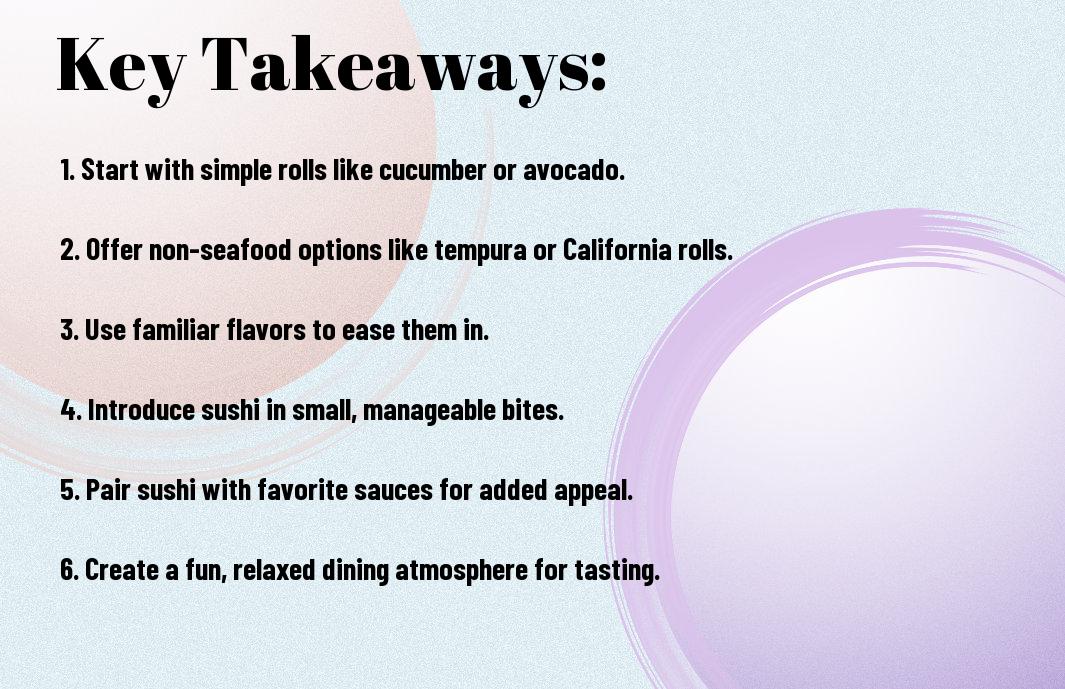
  • Introduce Gradually: Start with familiar flavors to ease picky eaters into sushi.
  • Creative Presentation: Make sushi visually appealing and fun, which can entice children and picky eaters.
  • Offer Variety: Provide different types of sushi, including rolls with non-seafood ingredients for more options.
  • Involve Them: Encourage picky eaters to help make sushi at home, fostering a sense of ownership and adventure.
  • Sauce and Dips: Use sauces and dips to enhance flavor and make sushi more appealing to those hesitant to try it plain.

Understanding Picky Eaters

While every child has unique taste preferences, picky eating often stems from various influences, including genetics, past experiences, and developmental stages. As a parent, understanding your picky eater’s personality can be key to introducing new foods effectively, particularly something like sushi. The goal is to create a positive and open dialogue about food, allowing your child to feel comfortable exploring unfamiliar flavors and textures.

The Psychology Behind Picky Eating

Eating habits are often shaped by sensory experiences. Many picky eaters are sensitive to textures and flavors, which can make trying new foods intimidating. You’ll find that understanding these sensitivities can guide your approach, making sushi more relatable and enjoyable for your child.

Common Food Preferences

Between familiar favorites and texture aversions, picky eaters gravitate towards foods that feel safe and comfortable. Your child may prefer bland, non-spicy options and limit themselves to a narrow range of flavors, often resisting anything new or different.

And when it comes to sushi, noting these common preferences can help you select options that resonate with your child’s existing taste. For instance, choosing sushi rolls that feature milder ingredients like cucumber or avocado may appeal more than those with stronger flavors such as raw fish. You can gradually introduce new elements, allowing your child to explore the sushi experience without overwhelming them.

Sushi Basics for Beginners

There’s a world of flavors waiting for you in sushi, making it an exciting culinary discovery. If you’re hesitant about trying it, check out A Picky Eater Tries Sushi for the First Time for an encouraging perspective. Sushi is not just raw fish; it encompasses a variety of styles that can cater to various tastes.

Types of Sushi

Among the diverse sushi offerings, you will encounter flavors and textures sure to pique your interest. Here are some common types:

Type Description
Nigiri Hand-formed rice topped with fish or seafood.
Sashimi Thin slices of fresh, raw fish, without rice.
Maki Rice and fillings rolled in seaweed.
Temaki Hand-rolled cones of seaweed filled with rice and ingredients.

Recognizing the variety can help you choose what to try first.

Ingredients Used in Sushi

One of the keys to enjoying sushi is knowing the ingredients it commonly incorporates. Sushi features a mix of fresh fish, seasoned rice, and a variety of fillings and toppings, ranging from vegetables to sauces.

Beginners may find the ingredient list vast, but understanding the basics can enhance your experience. Sushi rice is typically seasoned with vinegar to give it a slight tang. Fresh fish options, like salmon, tuna, and shrimp, are popular choices, along with plant-based ingredients such as avocado, cucumber, and carrots. The addition of seaweed and sauces like soy sauce or wasabi can further elevate the flavors, making your sushi experience enjoyable and satisfying.

Tips to Encourage Sushi Tasting

All sushi lovers know that trying new foods can be daunting for picky eaters. Here are some tips to make the experience enjoyable:

  • Start with a fun sushi-themed event.
  • Involve them in the selection process.
  • Keep it light and positive.
  • Encourage them to try just a bite.

Knowing how to create a welcoming experience will make any sushi tasting adventure smoother.

Introducing Familiar Flavors

Before venturing into sushi, introduce your picky eaters to familiar flavors they already enjoy. This could involve selecting sushi rolls that feature ingredients they love, such as avocado, cream cheese, or cooked seafood. Consider highlighting these familiar elements to build their confidence in trying new dishes.

Starting with Non-Fish Options

To ease into the world of sushi, begin with non-fish options that can help your picky eater feel more comfortable. This strategy involves introducing rolls featuring vegetables, tofu, or cooked proteins like chicken or shrimp. By focusing on these flavors, you can help them discover the sushi experience without overwhelming them with raw fish right away.

Further, non-fish sushi options often appeal to those who are wary of seafood. Vegetable rolls packed with cucumbers, carrots, and avocado present a colorful and crunchy experience, while tempura rolls offer a crispy texture that many find delightful. Pairing these non-fish rolls with flavorful sauces or dipping them in soy sauce can enhance their taste and make the transition to trying sushi seamless and enjoyable.

Creating a Fun Sushi Experience

Your approach to introducing sushi can make all the difference. By creating a fun and engaging environment, you can help picky eaters feel more comfortable trying something new. Consider incorporating games, educational elements, or even themed nights. The goal is to foster excitement and curiosity about sushi, turning the dining experience into a memorable adventure for everyone involved.

Sushi Making at Home

The process of making sushi at home can be a fantastic bonding activity. Gather your picky eaters and choose various ingredients that appeal to their taste buds, encouraging them to customize their rolls. This hands-on experience not only demystifies sushi but also allows them to experiment with flavors without the pressure of dining out.

Taking Them to a Sushi Restaurant

Creating the right atmosphere at a sushi restaurant can also encourage your picky eaters to broaden their horizons. Opt for a casual, welcoming spot where you can share dishes and make the experience interactive. Allow them to explore different types of sushi, from classic rolls to unique specials that might pique their interest.

The positive energy of dining out can help them feel more open to new tastes. Consider ordering a variety of sushi styles so they can sample before committing to a full piece. This ‘try before you buy’ approach, combined with the experience of dining out, can transform their perception of sushi, making it less intimidating and more enticing.

Addressing Common Concerns

Despite the apprehension many picky eaters may have towards sushi, understanding and addressing common concerns can ease their fears. You can help them feel more comfortable by discussing their specific worries, whether it’s about food safety, allergies, or texture. By providing clear information and options, you can open the door to new culinary experiences that might have once seemed intimidating.

Food Safety and Allergies

For those concerned about food safety and allergies, it’s important to choose reputable restaurants or buy sushi prepared by trusted sources. Many sushi options are made with cooked ingredients, such as shrimp tempura or eel, which eliminate concerns about raw fish. Always communicate any allergies to ensure safe dining experiences.

Overcoming Texture Issues

Between the rice, fish, and seaweed, sushi presents a unique texture that might be off-putting to picky eaters. However, you can introduce sushi with textures that align more closely with their preferences. For instance, sushi made with cooked seafood or avocado might be more appealing, as these ingredients offer creaminess rather than the chewiness of raw fish.

And exploring various textures can increase your comfort level with sushi. Consider offering sushi rolls with crunch, like those containing tempura flakes or vegetables. Additionally, sushi burritos or hand rolls allow for a more customizable experience, letting you control the texture and ingredients more easily. Engaging your taste buds in this way can help bridge the gap between familiar and unfamiliar foods while making the experience enjoyable.

Success Stories

For many picky eaters, trying sushi can seem intimidating. However, there are numerous success stories that demonstrate how straightforward approaches can lead to positive experiences. You can explore these inspiring transformations in the Sushi for Picky Eaters – The COMPLETE Guide!

Case Studies of Picky Eaters

Behind each success story, there are individuals who took the leap. Here are some compelling case studies:

  • Case 1: A 7-year-old girl tried sushi for the first time and loved the simplicity of cucumber rolls, increasing her sushi interest by 75%.
  • Case 2: A teenage boy initially rejected sushi but found his favorite dish through tempura rolls, leading to a 50% increase in trying different flavors.
  • Case 3: A mother introduced sushi night, helping her two picky eaters try at least three different sushi types over one month.

Encouragement from Parents and Chefs

Studies show that encouragement from parents and chefs plays a significant role in overcoming picky eating habits. From sharing your enthusiasm for trying new foods to creating a fun and relaxed environment, these strategies can significantly influence your child’s willingness to embrace sushi.

To wrap up

Conclusively, introducing sushi to picky eaters can be a rewarding experience if approached thoughtfully. Start by selecting familiar ingredients and gradually expanding their palate with various types. Utilizing fun presentations and educational opportunities can pique their interest, making sushi less intimidating. Don’t forget the importance of positive reinforcement; encouraging your eater’s curiosity can lead to new culinary adventures. With patience and creativity, you can transform sushi into an enjoyable dining option that satiates their taste buds.

Sushi for Picky Eaters – Tips to Get Them to Try It

Q: What types of sushi are best for kids or picky eaters?

A: For kids or picky eaters, sushi varieties that feature familiar ingredients tend to be more appealing. Options like California rolls, which contain imitation crab and avocado, or cucumber rolls (kappa maki) are often well-received. Sushi made with tempura (fried shrimp or vegetables) can also be a hit, as the crispy texture is usually more acceptable. Additionally, sushi that avoids strong flavors or raw fish is a safer choice. Consider making sushi rolls at home where you can customize the ingredients to suit personal preferences.

Q: How can you introduce sushi to someone who is resistant to trying new foods?

A: Start by creating a fun and engaging atmosphere around the sushi experience. You can begin with sushi-themed nights at home where everyone is encouraged to build their own rolls with a selection of safe ingredients. Offer a taste-testing plate with small portions of various sushi types to encourage trying without pressure. Discuss the textures, flavors, and presentation to pique their interest. It might also help to serve sushi alongside a dip that they enjoy, such as soy sauce or a mild ponzu sauce, to ease the transition into new flavors.

Q: Should I focus on traditional sushi or fusion styles for picky eaters?

A: Fusion sushi can often be more appealing to picky eaters since it incorporates familiar flavors and ingredients. For instance, sushi burritos or sushi bowls are fun alterations that can include traditional sushi components in a less intimidating format. Introducing more classic forms of sushi can always be done later once someone is more comfortable with sushi in general. Ultimately, gauge the preferences of the individual and adjust accordingly to find the right balance that encourages trying new things.

Q: What are some easy, homemade sushi recipes for beginners?

A: Homemade sushi can be a great way to let picky eaters participate in the sushi-making process. Start with simple recipes like avocado rolls, using just sushi rice, nori, and ripe avocado. Vegetable rolls with carrots, cucumber, and cream cheese are also easy to make. If the person is willing to try fish, consider cooked shrimp or crab in a roll. Provide various dipping sauces and toppings so they can personalize their sushi. Online resources often have step-by-step videos, making it easy to follow along while creating fun and simple sushi rolls.

Q: How can I make sushi more visually appealing to entice a picky eater?

A: Presentation plays a key role in making sushi enticing. Arrange the sushi in colorful and artistic ways, using garnishes like sesame seeds or slices of colorful vegetables to enhance the visual appeal. Creating a sushi platter with a variety of shapes and colors can draw attention. Use bright plates or serving boards to contrast against the sushi and make it stand out. Encouraging playfulness with shapes—like rounds or triangles—can also make sushi more fun and appealing for someone who is hesitant to try it.

Sushi Lunchbox Ideas for School

There’s a world of colorful and tasty sushi options to explore for your child’s school lunchbox. Not only are sushi rolls nutritious, but they can also be a hit among kids, making lunchtime enjoyable. In this post, you’ll discover various Lunchbox-Friendly Sushi ideas that are simple to prepare, kid-approved, and perfect for on-the-go meals. Let’s examine some fun and easy sushi concepts that will elevate your lunch-packing experience!

Key Takeaways:

  • Variety: Incorporate different types of sushi such as rolls, nigiri, and chirashi to keep lunchtime exciting.
  • Nutritional Balance: Ensure meals include a mix of protein, carbohydrates, and vegetables for a well-rounded diet.
  • Portability: Choose sushi options that are easy to pack and eat, like sushi rolls that won’t fall apart during transport.
  • DIY Kits: Consider packing a DIY sushi kit with prepped ingredients for a fun, interactive lunch experience.
  • Allergies & Preferences: Be mindful of any food allergies or dietary preferences to guarantee a safe and enjoyable meal.

Benefits of Sushi Lunchboxes

While packing sushi for your child’s lunch offers a delightful change from traditional sandwiches, it also provides numerous benefits. Sushi lunchboxes are not only visually appealing but also encourage your child to enjoy balanced meals. By incorporating fresh ingredients, unique flavor combinations, and various textures, your little one will gain a sense of excitement about lunchtime. Plus, you can tailor sushi options to suit dietary needs, promoting better health and energy levels throughout the school day.

Nutritional Value

At the core of sushi’s appeal is its remarkable nutritional value. Sushi can be packed with wholesome ingredients such as fish, vegetables, and rice, providing important nutrients like omega-3 fatty acids, vitamins, and minerals. By choosing sushi as a lunch option, you ensure your child consumes a balanced meal that fuels their learning and activities.

Variety and Creativity

Above all, sushi lunchboxes offer endless opportunities for variety and creativity. You can experiment with different types of sushi, such as maki, nigiri, or temaki, to keep lunchtime interesting. In addition to traditional ingredients, you can incorporate seasonal vegetables, fruits, and even alternative proteins like tofu. This not only excites your child’s palate but also encourages them to explore new tastes.

Even more, by letting your child participate in the sushi-making process, you can foster their creativity and enthusiasm for healthy eating. Involving them in choosing their fillings and creating fun shapes or colorful rolls allows them to take ownership of their lunch. Customized sushi lunchboxes not only promote nutrition but also encourage your child to appreciate diverse foods, making lunchtime a fun and educational experience.

Essential Ingredients for Sushi Lunchboxes

Any sushi lunchbox begins with a solid foundation of necessary ingredients. You’ll want to stock up on quality sushi rice, fresh fillings, and vibrant toppings to create delicious, eye-catching creations. Additionally, you can include seaweed sheets to wrap your sushi, along with pickled ginger and wasabi for extra flavor. Keep your ingredients colorful and nutritious to ensure your lunchbox is not only tasty but also appealing to your eyes.

Types of Rice

For making sushi, the type of rice you choose plays a significant role in the overall flavor and texture. Here are some popular varieties:

Sushi Rice Short-grain rice that becomes sticky when cooked, making it ideal for rolls.
Brown Rice Whole grain option, providing more fiber and nutrients but with a firmer texture.
Cauliflower Rice Low-carb alternative, great for a healthier option.
Quinoa Gluten-free and protein-rich, suitable for unique sushi variations.
Specialty Rice Consider varieties like black or red rice for additional flavor and color.

The variety of rice you choose can elevate your sushi lunchbox experience.

Fillings and Toppers

Sushi lunchboxes offer endless possibilities when it comes to fillings and toppings. You can mix and match a variety of fresh vegetables, proteins, and sauces to create your own unique combinations. Popular options include cucumber, avocado, crab, smoked salmon, and tofu. Top your sushi rolls with sesame seeds, spicy mayo, or tempura flakes for an added crunch and burst of flavor.

But don’t be afraid to get creative! Explore using seasonal vegetables or try marinating your fillings for additional depth of flavor. You can also add complementary sauces, nuts, or fruits to enhance both taste and presentation. This flexibility allows your lunchboxes to adapt over time and suit your personal preferences or dietary needs, keeping lunchtime exciting every day!

Sushi Rolling Techniques

Once again, mastering sushi rolling techniques can elevate your lunchbox creations to new heights. Whether you aim for traditional rolls or more playful shapes, the key is to hone your skills to achieve both flavor and aesthetic appeal. With practice, you can craft vibrant, delicious sushi that your kids will love to eat and share with friends.

Basic Rolling Method

On your journey to perfect sushi, the basic rolling method is your starting point. Lay out your seaweed sheet, evenly spread a layer of sushi rice, and place your desired fillings in the center. Using a bamboo mat, carefully roll while applying gentle pressure to form a tight cylinder. Seal the edge with a little water, and you have your first roll!

Alternative Shapes and Styles

Basic rolling forms the foundation, but you can experiment with alternative shapes and styles to make your sushi lunchboxes even more exciting. From nigiri to sushi cones, these variations allow for creativity while incorporating different ingredients and flavors. These unique forms not only enhance presentation but also cater to diverse tastes.

At home, you can try a range of sushi styles including nigiri, where rice is molded by hand and topped with fish. For a fun twist, try making sushi cones (temaki) by rolling nori into a cone shape filled with rice and your favorite ingredients. Additionally, sushi sandwiches or ‘sushi burgers’ use rice patties instead of bread for a new take. Each shape brings its own set of benefits, ensuring that enjoying sushi at school is a fun and flavorful experience for your child.

Making Sushi Safe for School

Keep your child’s sushi lunchbox safe by following simple food safety guidelines. This ensures that your sushi remains fresh and enjoyable throughout the school day while minimizing the risk of foodborne illnesses.

Food Safety Tips

By adhering to these food safety tips, you can help protect your child from potential health risks:

  • Use fresh ingredients to make sushi.
  • Keep sushi at the proper temperature, ideally below 40°F (4°C).
  • Avoid adding ingredients that spoil easily, like mayonnaise.
  • Consume sushi within a few hours of preparation.

Recognizing the importance of these precautions will help ensure your child’s lunch is both delicious and safe.

Packaging and Storage

An effective way to protect your child’s sushi is through proper packaging and storage methods. Use airtight containers that can keep your sushi fresh while preventing contamination. Consider using cool packs to maintain a safe temperature until lunchtime, so that your child always has appetizing sushi ready to eat.

Understanding how to package and store sushi can greatly enhance its safety and quality. Opt for eco-friendly bento boxes that are specifically designed to keep food items separate and fresh. Using vacuum-sealed bags can also be beneficial for avoiding moisture buildup, which can spoil your sushi. Always label containers if you include ingredients that may cause allergic reactions, allowing for a worry-free lunch experience.

Kid-Friendly Sushi Variations

To make sushi appealing for your children, consider using fun, kid-friendly variations that incorporate familiar flavors and ingredients. By swapping traditional sushi components for options your little ones enjoy, you can create delicious lunchbox treats that are both nutritious and exciting. These variations can help foster healthy eating habits while putting a smile on your child’s face at lunchtime.

Veggie Sushi Rolls

To introduce your kids to sushi in a fun way, veggie sushi rolls can be an excellent choice. Using colorful fruits and vegetables, such as avocado, cucumber, and carrot, create vibrant sushi rolls that your children will love. These rolls can be accompanied by a light soy sauce or a sweet dipping sauce to make them even more appealing.

Protein-Packed Options

Among the various options for kid-friendly sushi, incorporating protein can help keep your kids satisfied and energized throughout the school day. You can add ingredients like cooked chicken, shrimp, or tofu to create substantial sushi rolls that deliver not only taste but also necessary nutrients.

Sushi can be a wonderful vehicle for protein, making it easy to include options that energize your kids. Consider adding grilled chicken strips, marinated tofu, or even scrambled eggs in your sushi rolls. You can customize these proteins based on your child’s preferences, ensuring each lunch is not just filling, but also tailored to their tastes. This way, you provide them with a flavorful and nutritious meal that they’ll look forward to eating.

Complementary Sides and Snacks

Unlike traditional lunchboxes, a sushi lunch offers delightful complementary sides and snacks to enhance your meal. Pair your sushi rolls with edamame or seaweed salad for added nutrition and flavor. Additionally, you can include a fruit like sliced apples or grapes for a refreshing touch. For more tips on assembling your lunch, check out How to Pack Sushi for Lunch (with or without a refrigerator).

Traditional Japanese Side Dishes

Across Japan, many enjoy traditional side dishes that perfectly accompany sushi. Consider adding pickled vegetables, such as tsukemono, or a small bowl of miso soup that can warm up your meal. These sides not only enhance the flavors of your sushi but also provide a well-rounded meal packed with nutrients.

Healthy Pairings

Beside the sushi, there are numerous healthy pairings that can elevate your lunchbox. You can opt for simple options like cucumber sticks or carrot slices, which add crunch and color. Incorporate a small container of hummus or tzatziki for a tasty dip, making your lunch both nutritious and enjoyable.

Traditional Japanese cuisine emphasizes balance, so incorporating wholesome sides aligns well with your sushi. You might want to include items rich in fiber and vitamins such as shredded cabbage, which can also double as a garnish, or perhaps a small serving of fruit like kiwi or orange slices for an extra vitamin boost. Such pairings not only complement the sushi but also create a satisfying, well-rounded meal that keeps you energized throughout the school day.

To wrap up

On the whole, packing a sushi lunchbox for school can be both fun and nutritious when you get creative with your choices. By incorporating various ingredients like fresh vegetables, proteins, and sushi rice, you can tailor each meal to suit your taste preferences and nutritional needs. Explore different sushi styles, such as rolls or sushi bowls, and add your favorite sides to keep your lunch exciting. With these sushi lunchbox ideas, you can enjoy a delightful and satisfying meal that will keep you energized throughout the school day.

FAQ

Q: What are some easy sushi lunchbox ideas for kids?

A: Some easy sushi lunchbox ideas for kids include:
– Cucumber and Cream Cheese Rolls: Simple to prepare, these rolls use cucumber slices and cream cheese wrapped in sushi rice and nori.
– California Rolls: Filled with imitation crab, cucumber, and avocado, these are a perfect introduction to sushi for kids.
– Teriyaki Chicken Sushi: Shredded teriyaki chicken wrapped in rice and nori offer a more familiar flavor for children.
– Veggie Sushi Rolls: Use a variety of colorful vegetables like carrots, avocado, and bell peppers to make vibrant veggie rolls.
– Fruit Sushi: For a sweet option, use rice and toppings like sliced strawberries or mangoes for a dessert-like sushi roll.

Q: How can I keep sushi fresh until lunchtime?

A: To keep sushi fresh until lunchtime, you can:
– Pack in Insulated Containers: Use insulated lunch containers to maintain the temperature.
– Avoid Leaving Out for Too Long: Try to pack the sushi as close to the time of departure as possible.
– Use Ice Packs: Include ice packs in the lunchbox to help keep the sushi chilled.
– Wrap in Plastic Wrap: If using sushi rolls, tightly wrap them in plastic wrap to prevent them from drying out.
– Include Moisture Absorbers: Placing a small piece of damp paper towel in the container can help maintain moisture without making the sushi soggy.

Q: Can I prepare sushi the night before for school lunch?

A: Yes, you can prepare sushi the night before as long as you store it properly. Make the sushi rolls, then wrap them tightly in plastic wrap and place them in an airtight container in the refrigerator. Make sure to consume them within 24 hours for optimal freshness and avoid using ingredients that spoil easily.

Q: What ingredients should I avoid when making sushi for school lunches?

A: When making sushi for school lunches, it’s best to avoid:
– Highly perishable items: Foods like raw fish or seafood can spoil quickly and may not be allowed at school.
– Strongly flavored ingredients: Ingredients that have strong flavors, like wasabi or pickled ginger, might not be appealing to children.
– Allergens: Be mindful of common allergens such as nuts, sesame seeds, or shellfish.
– Highly salty sauces: Limit or avoid using excessive soy sauce, which can make the meal too salty and can lead to spills.

Q: What can I serve with sushi to create a balanced lunch?

A: To create a balanced lunch along with sushi, consider serving:
– Fresh Fruit: Sliced fruits like apples, grapes, or berries provide vitamins and natural sweetness.
– Vegetable Sticks: Carrot, celery, and cucumber sticks can add crunch and freshness.
– Edamame: These young soybeans are a great source of protein and can make a healthy side.
– Rice Balls (Onigiri): Onigiri are seasoned rice balls that can add variety and are easily transportable.
– Yogurt: A small container of yogurt can be a good source of calcium and probiotics.

Mini Sushi Bites for Toddlers

Just because your toddler is small doesn’t mean they can’t enjoy the delightful world of sushi! Mini sushi bites are a fun and healthy way to introduce your little ones to new flavors and textures. These bite-sized morsels are easy to make and can be customized to suit your child’s tastes, making them perfect for little hands. In this blog post, you’ll discover simple recipes, tips for preparation, and ideas to make sushi time an enjoyable experience for both you and your toddler.

Key Takeaways:

  • Healthy Ingredients: Mini sushi bites can be made using nutritious ingredients like avocado, cucumber, and cooked proteins, making them a healthier option for toddlers.
  • Fun Presentation: The bite-sized nature and colorful ingredients of mini sushi make them visually appealing, encouraging toddlers to try new foods.
  • Easy to Customize: These bites can be tailored to suit different tastes and dietary preferences by varying the fillings and toppings.
  • Hands-on Eating: Introducing sushi in a mini format allows toddlers to practice their fine motor skills as they pick up the pieces with their fingers.
  • Simple Preparation: Making mini sushi bites at home can be a quick and easy activity that parents can do together with their children.

Benefits of Sushi for Toddlers

For parents seeking nutritious and appealing meal options, sushi presents a delightful choice for toddlers. Mini sushi bites cater to young taste buds while offering an array of health benefits. These bite-sized treats expose your child to a variety of flavors, textures, and necessary nutrients, fostering a well-rounded diet. Additionally, sushi can be made with various ingredients that accommodate your child’s dietary needs, making it a versatile option for mealtime.

Nutritional Value

At the heart of sushi’s appeal for toddlers is its nutritional value. Typically made with ingredients like rice, fish, vegetables, and seaweed, sushi packs a punch of vitamins and minerals. Fish is a great source of protein and omega-3 fatty acids, while veggies add fiber and necessary nutrients to support your child’s growth and development.

Encouraging Healthy Eating Habits

Around mealtime, introducing sushi can encourage healthy eating habits in your toddlers. By offering diverse and colorful options, you help your child become more adventurous with their food choices. This encourages the acceptance of various flavors and ingredients, laying the foundation for a lifetime of healthy eating.

In addition, engaging your child in the sushi-making process can foster a sense of ownership over their meals. Allowing them to choose their fillings or assist in assembling mini sushi bites makes eating feel like a fun activity rather than a chore. This involvement not only promotes a positive food experience but also empowers your child to be more open-minded about trying new foods, setting them on a path to healthier eating habits for years to come.

Ingredient Selection

You want your mini sushi bites to be both nutritious and safe for your toddler. Choosing the right ingredients is key to making this fun dish appealing and healthy. Opt for soft textures and mild flavors that will be easier for little ones to enjoy, and consider using wholesome ingredients that provide crucial nutrients for their development.

Safe Ingredients for Toddlers

Above all, you’ll want to select ingredients that are gentle on your toddler’s digestive system, such as cooked fish, avocado, and thin cucumber slices. Avoid raw fish and anything that could pose a choking hazard. By sticking to careful selections, your mini sushi bites can be both delicious and toddler-friendly.

Allergen Considerations

About food allergies, it’s crucial to be aware of common allergens that may be present in sushi ingredients, such as fish, shellfish, soy, and sesame seeds. Always introduce new foods one at a time to monitor your toddler’s reactions, and choose alternative ingredients if allergies are known within your family.

In fact, many toddlers have sensitivities or allergies to common sushi ingredients. If you’re uncertain about their dietary restrictions, consult your pediatrician before introducing sushi. It’s best to use alternatives like turkey, cheese, or even vegetables, ensuring your mini sushi bites remain allergy-friendly while still being tasty and colorful.

Easy Mini Sushi Recipes

Now you can introduce your little ones to the delightful world of sushi with these easy mini sushi recipes, perfect for toddlers. These bites are not only fun to make but also a nutritious way to explore new flavors. You’ll find simple combinations that your child will love, allowing them to enjoy sushi in a toddler-friendly form without the worries of choking hazards. Let’s probe some adorable and healthy options you can whip up in no time!

Cucumber Roll-Ups

Mini cucumber roll-ups are a fantastic way to get your child excited about sushi! Simply slice a cucumber into thin strips and roll up fillings like shredded carrots or cream cheese for a crunchy, refreshing bite. These colorful rolls are not only appealing but also allow your child to interact creatively with their food. Your little one will enjoy dipping them in soy sauce or a mild sesame dressing for added flavor!

Avocado and Cream Cheese Bites

Recipes for avocado and cream cheese bites are incredibly simple and packed with flavor. You’ll combine creamy avocado and smooth cream cheese on a slice of whole-grain bread and cut them into fun shapes for added appeal. These bites are not only delicious but also provide healthy fats and crucial nutrients for your toddler’s growing body.

Consequently, you can enhance the flavor by adding a sprinkle of sesame seeds or serving with a side of soft rice. This combination is not only filling but also offers a delightful texture that your toddler will love. Experimenting with the size and shapes can make mealtime fun and engaging, ensuring your little one develops a positive relationship with healthy food.

Fun Presentation Ideas

After making delicious mini sushi bites, you can elevate the dining experience for your toddlers with fun presentation ideas. Consider using themed plates or arranging the sushi in fun shapes, such as cute animals or flowers. Try the creative Ice cube sushi recipe to create bite-sized treats that look delightful and are easy for little hands to grasp!

Creative Shapes and Colors

On incorporating vibrant colors and various shapes into your sushi bites, you’ll make mealtime more appealing and engaging for your toddlers. Using ingredients like purple cabbage, orange carrots, and green cucumbers not only adds visual appeal but also introduces your little ones to a range of flavors and textures.

Engaging Serving Techniques

Shapes can add a fun twist to how you serve your mini sushi bites. Consider creating sushi animals or even rolling the sushi in different colors for a rainbow effect. Using toothpicks with fun toppers can also make your presentation exciting, ensuring your toddlers are curious enough to try them out. Arranging these bites on a whimsical platter or in a bento box can encourage your kids to dive in enthusiastically.

Presentation plays a significant role in encouraging your toddlers to enjoy their meals. By incorporating playful elements like colorful garnishes or serving the sushi in creative containers, you’ll capture their attention and stimulate their interest in trying new foods. This approach not only helps with exploration but also nurtures a sense of excitement around healthy eating.

Tips for Introducing Sushi to Toddlers

Once again, introducing sushi to toddlers can be a delightful challenge. To ease the process, consider these tips:

  • Start with familiar flavors like avocado or cucumber.
  • Use sushi rice that is sticky and easy to handle.
  • Engage them by giving them the opportunity to help assemble their sushi bites.
  • Keep portions small to avoid overwhelming them.

Knowing how to approach sushi can make all the difference in your child’s culinary adventure.

Making It a Fun Experience

After you introduce sushi, make the eating experience enjoyable by turning it into a playful activity. You can use colorful plates or fun utensils to serve the sushi bites and encourage your toddler to create their own rolls. Involving them in the preparation can spark their interest, and you can even have themed sushi nights with decorations and music to make it special.

Gradual Introduction to New Ingredients

Experience is vital in familiarizing your toddler with new ingredients in sushi. It’s best to start with milder flavors and build up their palate gradually. This can mean starting with vegetables and cooked proteins, gradually incorporating items like raw fish or seaweed as they become comfortable.

But don’t rush the process; it’s important to give your toddler time to explore new tastes at their own pace. Offering a variety of flavors can help to expand their palate while ensuring they remain at ease with this new cuisine. You may also explore alternative ingredients like cooked shrimp or tempura for an easier transition into traditional sushi options.

Frequently Asked Questions

Despite the simplicity of mini sushi bites, many parents have questions. You may wonder about safety, ingredients, and preparation methods. For a detailed baby sushi recipe, check out trusted resources that offer guidance on this tasty treat for toddlers.

Can toddlers eat raw fish?

Against common belief, toddlers should avoid raw fish due to potential health risks, including exposure to harmful bacteria and parasites. Cooked fish can be a safe option, ensuring your little ones can enjoy nutrient-rich seafood without any concerns.

What are alternative fillings?

Above all, there are plenty of exciting alternative fillings for mini sushi bites that can cater to your toddler’s taste preferences. You can use ingredients like cooked chicken, eggs, avocado, cucumber, or even cream cheese to create delicious sushi that your child will enjoy.

Alternative fillings provide flexibility and creativity in preparing mini sushi bites for your toddler. Experiment with cooked and shredded proteins, fresh veggies, or even fruit for a sweet twist. You can also incorporate dips like soy sauce or yogurt for added flavor, ensuring your little one has a well-rounded and enjoyable meal.

Summing up

Upon reflecting, mini sushi bites for toddlers offer a delightful way to introduce your little one to new flavors and textures. This fun, hand-held dish encourages self-feeding and can be easily customized to accommodate their taste preferences, making it both a nutritious and enjoyable meal option. With simple ingredients and straightforward preparation, you can create a delightful culinary experience that nurtures your child’s curiosity about food, all while ensuring they have a balanced diet. Embrace the opportunity to enhance your toddler’s dining experience with these tasty, bite-sized treats.

FAQ

Q: What are Mini Sushi Bites for Toddlers?

A: Mini Sushi Bites for Toddlers are bite-sized versions of traditional sushi, designed specifically for young children. They typically feature soft ingredients and easy-to-chew textures, such as rice, vegetables, and cooked seafood, making them more suitable for toddlers who are learning how to eat solid foods.

Q: Are Mini Sushi Bites safe for toddlers to eat?

A: Yes, Mini Sushi Bites can be safe for toddlers if prepared with appropriate ingredients. It’s important to avoid raw fish and opt for cooked seafood, soft vegetables, and mild flavors. Additionally, ensure the pieces are small enough to prevent choking hazards, and always supervise your child while eating.

Q: How can I make Mini Sushi Bites more appealing to my toddler?

A: To make Mini Sushi Bites more appealing, you can involve your toddler in the preparation process, using colorful vegetables like cucumbers, carrots, and bell peppers. You can also use fun shapes with cookie cutters, and serve them with a tasty dipping sauce such as soy sauce or mild teriyaki sauce to enhance the flavor.

Q: What ingredients are best suited for toddlers in Mini Sushi Bites?

A: Ideal ingredients for toddler-friendly Mini Sushi Bites include cooked shrimp, crab, or chicken, along with soft vegetables like avocado, cucumber, and sweet bell peppers. Additionally, using seasoned rice and a little cream cheese can add taste and texture. Avoid using ingredients that are difficult to chew or may pose a choking risk, such as large chunks of raw vegetables.

Q: Can Mini Sushi Bites be stored for later use?

A: Yes, Mini Sushi Bites can be prepared in advance and stored in the refrigerator for a short time. It’s recommended to consume them within a day or two for the best freshness. Store them in an airtight container, and if you are including perishable ingredients like seafood, ensure they are kept at a safe temperature to maintain quality.

Sushi Skewers – A Fun Twist for Kids

Just when you thought sushi couldn’t get any more exciting, sushi skewers come into play, making it an enjoyable and interactive meal for your kids. These colorful and fun alternatives hold all the traditional sushi elements, allowing you to easily involve your children in the preparation process. By letting them choose their favorite ingredients and assemble their skewers, you not only introduce them to healthy eating but also spark their creativity in the kitchen. Dive into the world of sushi skewers and transform lunch or dinner into a delightful experience for you and your family.

Key Takeaways:

  • Creative Presentation: Sushi skewers engage kids with their fun and colorful presentation, making them more appealing.
  • Healthy Options: Incorporating ingredients like veggies and fruits provides a nutritious snack that kids can enjoy.
  • Interactive Experience: Making sushi skewers allows children to participate in food preparation, promoting hands-on learning.
  • Customizable Ingredients: Kids can choose their favorite fillings, making it easier to cater to personal taste preferences.
  • Encourages Exploration: Introducing various flavors and textures helps kids to develop their palate and try new foods.

Understanding Sushi Skewers

The concept of sushi skewers transforms traditional sushi into bite-sized, fun food that appeals to kids. These vibrant skewers combine the familiar flavors of sushi rolls with a playful twist, allowing little hands to enjoy assembling and eating them. By mixing various ingredients such as rice, seaweed, fresh vegetables, and proteins on skewers, you create an interactive dining experience that encourages creativity and experimentation.

What Are Sushi Skewers?

One way to think about sushi skewers is as a playful version of the classic sushi roll. Instead of rolling up ingredients, you stack them on skewers, making them easy for kids to hold and eat. They often include colorful combinations of sushi rice, fish, veggies, and even fruits, allowing for endless customization to suit your child’s tastes.

Benefits of Sushi Skewers for Kids

Besides being visually appealing, sushi skewers offer fantastic benefits for children. They promote healthy eating habits by incorporating various nutritious ingredients. By engaging in the assembly process, your kids can develop their fine motor skills while exploring different flavors and textures. This fun twist on traditional sushi also sparks conversations about food, encouraging your little ones to be curious about what they eat.

Understanding how sushi skewers can enhance your child’s dining experience is vital. When you present food in an engaging way, your kids are more likely to try new ingredients and embrace healthier options. Customized for individual preferences, sushi skewers allow you to introduce a wider variety of flavors and textures without overwhelming picky eaters. The hands-on experience of assembling their skewers encourages creativity and makes mealtime a fun activity to look forward to.

Ingredients for Kid-Friendly Sushi Skewers

There’s a world of possibilities when it comes to creating kid-friendly sushi skewers. You’ll want to gather a mix of colorful ingredients that appeal to young tastes, such as sushi rice, seaweed sheets, fresh vegetables, and protein options like cooked shrimp or sliced chicken. Don’t forget kid-approved toppings like avocado, cucumber, and even fruits like mango or strawberries to keep things exciting!

Selecting the Right Ingredients

By choosing ingredients that are familiar and enjoyable to your kids, you can make sushi skewers an absolute hit. Look for items that won’t intimidate picky eaters, focusing on textures and flavors that they already love. Also, consider pre-cooked and ready-to-eat options to make assembly a breeze.

Creative Combinations

Before getting started, unleash your creativity by mixing and matching different ingredients to create unique flavor profiles. Kids love fun shapes and colors, so consider layering different items on the skewer for a visually appealing treat. You can introduce them to new tastes while keeping it familiar by blending some of their favorite foods with a twist.

For instance, combine colorful bell pepper strips with grilled chicken and pineapple for a tropical flair, or pair crunchy cucumber with teriyaki tofu for a satisfying vegetarian option. Using rice balls instead of traditional sushi rolls also adds a playful element. Feel free to experiment with different dips like soy sauce or sesame dressing, making it a delightful and interactive dining experience! The possibilities are endless, ensuring your kids will not only eat but enjoy their homemade sushi skewers.

Preparation Techniques

Keep it simple yet exciting as you prepare for sushi skewers with your kids. Gather all the necessary ingredients and tools, introducing them to fun preparations like avocado slicing and cucumber rolling. For additional inspiration, let the kids unleash their inner chefs with homemade pizzas… This not only encourages creativity but also builds their confidence in the kitchen.

Cooking and Preparing Ingredients

Among the most enjoyable activities is cooking and preparing ingredients together. You can teach your kids how to cook rice properly for sushi, or even prepare proteins like shrimp or tofu in a fun way. Make it a team effort, engaging them in the process while discussing the different textures and flavors of each ingredient.

Assembling the Skewers

Preparation is key when it comes to assembling your sushi skewers. Start by laying out all the prepared ingredients in a fun and colorful way. This visual setup will excite your kids, making it easier for them to choose their favorites. Consider using a mix of vegetables, proteins, and sauces to create a vibrant and tasty experience.

Preparing sushi skewers is as much about creativity as it is about assembly. Encourage your kids to think outside the box: layering ingredients in their favorite combinations or even creating fun patterns. Each skewer can reflect their personality while learning about different flavors and textures, making mealtime a memorable adventure.

Fun Themes for Sushi Skewers

Unlike traditional sushi, sushi skewers open the door to creativity, allowing you to design fun and imaginative themes that your kids will love. Whether it’s a favorite cartoon character or a special holiday, incorporating themes can make the sushi experience more engaging. Encourage your children to help with the selection and arrangement of ingredients, enhancing their creativity while getting them excited about trying new foods.

Colorful and Creative Designs

An eye-catching design can make your sushi skewers irresistible to kids. Use a variety of colorful ingredients like cherry tomatoes, cucumber, and bell peppers to create vibrant patterns and fun shapes. You can even involve your children by letting them choose their favorite colors and arrange the ingredients on the skewers, turning lunchtime into an enjoyable artistic activity!

Seasonal Themes

The beauty of sushi skewers is that you can adapt them to the seasons, making each creation unique and exciting. From fresh vegetables in spring to hearty roasted ingredients in fall, seasonal themes add variety and help you introduce kids to different flavors throughout the year.

Due to seasonal availability, you can experiment with local produce to highlight the flavors of each time of year. For instance, in summer, you might choose vibrant berries and fresh basil, while in autumn, roasted sweet potatoes and cranberries can take center stage. This not only keeps the sushi skewers fresh and interesting, but also provides a fun opportunity to teach your kids about seasonal eating and the importance of incorporating diverse ingredients into their diet.

Serving Ideas and Tips

Your sushi skewers can be a delightful centerpiece for any meal or gathering. Consider these serving ideas to elevate your presentation:

  • Use colorful skewers for a vibrant touch.
  • Arrange them in a fun shape, like a fan or spiral.
  • Serve on a wooden board or platter for a rustic feel.
  • Include a dipping sauce bar for customization.

Knowing your audience will help you tailor the presentation and flavors to suit even the pickiest eaters.

Presentation Styles

Styles for presenting sushi skewers can vary from whimsical to elegant. Consider using playful colors and shapes to attract children’s attention. For a more sophisticated vibe, you could opt for neutral tones and minimalistic arrangements. Adding a touch of themed decor, like sea-themed tableware, can also enhance the overall dining experience, making it both fun and visually appealing.

Accompaniments and Dips

At your gathering, the right accompaniments and dips can elevate your sushi skewers. Beyond traditional soy sauce, consider offering options like spicy mayo, ginger, or ponzu sauce. You can also include fresh vegetables such as cucumber sticks or a small salad to complement the flavors of the skewers.

Indeed, providing a variety of dips not only makes the meal interactive but also allows everyone to customize their flavors. You could create a simple Ebi mayo, mix up some wasabi with soy sauce, or present a tangy sesame dip to cater to different tastes. Experimenting with different combinations can add excitement and encourage kids to try new flavors, making mealtime a fun adventure!

Engaging Kids in the Cooking Process

After exploring the idea of sushi skewers, you can involve your kids in the cooking experience. Teaching them about ingredients and encouraging them to participate can make meal preparation a fun and educational adventure. By letting your kids lend a hand, you not only create a memorable experience, but you also instill a sense of pride and ownership in their culinary creations.

Age-Appropriate Tasks

Across various age groups, you can assign tasks that match your child’s abilities. Younger kids can wash vegetables, while older kids can help with assembling the skewers or even using a safe knife for cutting soft ingredients. Tailoring tasks to their skill levels keeps them engaged and encourages their development in the kitchen.

Encouraging Creativity

Among the benefits of involving your kids in the cooking process is the opportunity to nurture their creativity. Allowing them to choose their ingredients, colors, and combinations gives them the freedom to experiment and express themselves through food. This not only enhances their culinary skills but also empowers them to make decisions and try new flavors, transforming meal times into a fun, artistic outlet.

With sushi skewers, creativity can flourish as your kids mix and match ingredients to design their unique creations. You can offer a variety of fillings and toppings—such as different vegetables, proteins, and sauces—allowing them to create personal masterpieces. Encouraging them to think outside the box can lead to delightful results, such as colorful, themed skewers that look as good as they taste, making mealtime both fun and educational.

Conclusion

Now that you’ve discovered the fun and creative world of sushi skewers, you can easily bring excitement to your meals while encouraging your kids to try new flavors. These colorful and interactive treats not only make eating more enjoyable but also offer a unique way to introduce them to different ingredients. If you’re looking for inspiration, check out Tasty | Sushi just got a sweet twist! 🍣✨ Meet Rice Krispies … for delicious ideas to impress the little ones!

FAQ

Q: What are Sushi Skewers and how do they work?

A: Sushi Skewers are a creative and fun way to introduce children to sushi and healthy eating. They consist of various ingredients, such as rice, vegetables, and protein, threaded onto skewers, making them visually appealing and easy to eat. Kids can customize their skewers by selecting their favorite ingredients, promoting both creativity and exploration in their food choices.

Q: Are Sushi Skewers suitable for picky eaters?

A: Yes, Sushi Skewers can be an excellent option for picky eaters! The customizable nature allows children to choose ingredients they like. By mixing and matching different vegetables, fruits, and proteins, children can experiment with new flavors in a controlled environment, enhancing their willingness to try new foods.

Q: What ingredients can I use for Sushi Skewers?

A: The possibilities for Sushi Skewers are endless! Common choices include sushi rice, various types of fish (like salmon or tuna), cooked shrimp, cucumber, avocado, bell peppers, and even fruits like mango or strawberries. You can also add sauces for dipping, such as soy sauce or a teriyaki glaze, to elevate the flavors even further. Feel free to get creative and involve the kids in selecting their favorite ingredients!

Q: Can I make Sushi Skewers ahead of time?

A: Yes, Sushi Skewers can be prepared in advance! Portion out the ingredients and assemble the skewers a few hours before serving. To keep them fresh, store them in the refrigerator covered with a damp paper towel and plastic wrap to maintain moisture. Just make sure to limit the time they sit out at room temperature to avoid any food safety concerns.

Q: Are Sushi Skewers a healthy option for kids?

A: Absolutely! Sushi Skewers can be a nutritious choice for kids. They can be packed with protein, healthy fats, and a variety of vitamins and minerals from the vegetables and fruits used. This fun presentation encourages kids to eat a balanced meal while developing healthy eating habits. You can control portion sizes and ingredients, making it easier to provide a wholesome meal your kids will enjoy.

How to Host a Kids’ Sushi-Making Workshop

Sushi is not only a delicious treat but also a fun and interactive activity for kids. Hosting a sushi-making workshop can be an exciting way to engage your children and their friends in a hands-on culinary experience. In this guide, you will learn how to organize a successful workshop, from selecting ingredients to mastering basic sushi techniques. For inspiration and professional guidance, check out this Cooking Class – Sushi Rolling Party for Kids – Atlanta.

Key Takeaways:

  • Preparation: Gather all necessary ingredients and tools, such as sushi rice, nori, fillings, rolling mats, and sharp knives to ensure a smooth workshop experience.
  • Kid-friendly Techniques: Opt for simple sushi types, like maki rolls, and demonstrate techniques that children can easily replicate, ensuring they have fun while learning.
  • Safety First: Emphasize food safety by discussing hygiene practices, using kid-safe utensils, and supervising them closely during the preparation process.
  • Creative Freedom: Encourage kids to personalize their sushi rolls with various fillings and colors, fostering their creativity and making the activity more enjoyable.
  • Taste Testing: Allow time for kids to taste their creations, creating a celebratory atmosphere and giving them a chance to share and appreciate each other’s sushi.

Planning the Workshop

As you prepare to host a sushi-making workshop for kids, effective planning is key to ensuring the event runs smoothly and is enjoyable for everyone involved. Start by outlining the logistics, including the date, venue, and necessary supplies. Consider the ages and skill levels of the children attending, as this will help shape the format and activities during the workshop.

Choosing a Date and Venue

For selecting the ideal date and venue for your workshop, choose a time when most kids are available, such as during weekends or school holidays. Look for a space that can accommodate the number of participants comfortably, and consider a kitchen or community center that provides the necessary tools and equipment for sushi-making.

Budgeting for Supplies

The success of your sushi-making workshop largely depends on effectively budgeting for supplies. Consider the cost of ingredients, utensils, and any other materials needed for the event, such as aprons or decorations. By estimating costs early on, you can set a realistic budget that helps keep your expenses in check while ensuring you don’t run out of necessary items.

To create an accurate budget, list all the supplies you’ll need, including rice, seaweed, fresh vegetables or fruits, and protein options like shrimp or salmon. Prices can vary, so shop around for the best deals. Additionally, factor in costs for disposable utensils and plates for serving sushi, as well as any beverages or snacks you might want to provide. Once you have a total cost, you can adjust as needed to align with your overall budget and maximize the experience for the children involved.

Selecting Sushi Recipes

It’s imperative to choose sushi recipes that are easy to prepare and appealing to kids, ensuring a fun experience for everyone involved. Consider varieties that allow for personalization, so children can select their favorite ingredients and customize their rolls. Opt for colorful fillings and familiar flavors that will entice young palates and encourage creativity during the workshop.

Kid-Friendly Options

To keep the workshop engaging, incorporate kid-friendly sushi options like cucumber rolls, avocado rolls, and crab stick rolls. These choices are simple to make and suit a variety of tastes, allowing children to explore sushi without the pressure of trying unfamiliar ingredients. Additionally, you can include some fun and creative variations, such as sushi donuts or fruit sushi, to spark their imagination.

Dietary Considerations

The dietary needs of your participants should always be taken into account when selecting sushi recipes for the workshop. Consider any allergies, vegetarian or vegan preferences, as well as gluten-free alternatives, to ensure all children can join in on the fun without concern.

Also, providing alternative ingredients means that you can cater to children who may have sensory issues or strong dislikes. Having options available, such as cooked ingredients like shrimp or chicken, can help accommodate different tastes. Make sure to communicate openly with parents beforehand to address any specific dietary restrictions, ensuring a safe and enjoyable experience for all young chefs.

Gathering Supplies

Keep your sushi-making workshop organized by gathering all necessary supplies ahead of time. Make a checklist to ensure you have everything you’ll need for a successful, fun event. From ingredients to tools, preparing your workspace will make the process smoother and allow your young chefs to focus on the art of sushi-making.

Essential Ingredients

By selecting fresh and colorful ingredients, you can excite the kids about sushi-making. Include sushi rice, nori sheets, and a variety of fillings such as cucumber, avocado, and crab sticks. Adding options like mango or cooked shrimp can also encourage creativity, enabling each child to customize their rolls.

Tools and Equipment

Equipment for sushi-making can enhance the experience significantly. Ensure you have rice cookers, cutting boards, sharp knives, and bamboo mats for rolling. A small bowl with water will help kids moisten their fingers when handling sushi rice, which is imperative to prevent it from sticking.

But don’t forget to include fun items that can make the workshop more engaging. Consider investing in colorful sushi-making kits or fun-shaped molds to help kids create unique sushi designs. Additionally, kid-sized utensils will make it easier for the children to participate, increasing their comfort and enthusiasm for trying something new.

Preparing the Space

Not only does a well-prepared space set the tone for fun, but it also gives kids the freedom to explore and create. Clear an area in your kitchen or dining room where the children can gather comfortably without distractions. Ensure you have enough light for visibility, and consider decorating with a theme to make it visually appealing. Lay down protective coverings on the surfaces to manage any mess that might occur during the workshop.

Setting Up Workstations

Below, divide your space into individual workstations for each child, equipped with their own set of tools and ingredients. Each station should have a cutting board, rolling mat, knife (suitable for kids), and bowls for ingredients. This setup not only helps manage the workflow but also promotes independence as they create their sushi.

Ensuring a Safe Environment

The safety of your young chefs is paramount. Prior to the workshop, survey your space for any potential hazards. Make sure sharp objects and hot materials are out of reach, and emphasize the importance of handling utensils with care. Provide child-appropriate equipment and wearables, like aprons, to protect clothing. Additionally, always have adult supervision during the session to assist when needed.

It’s important to set clear ground rules before the workshop starts. Explain how to use kitchen tools properly and establish behavior expectations to keep the environment safe and conducive to learning. Have a first aid kit on hand for minor injuries, and ensure everyone is aware of emergency procedures. Regularly checking on the children during the workshop allows you to address any safety concerns immediately, ensuring they remain engaged and protected throughout the experience.

Facilitating the Workshop

Now that you have set the stage, it’s time to facilitate the workshop. Engage the children by explaining the importance of sushi and its origins, while ensuring their safety in the kitchen. Guide them through each step patiently, and encourage questions. Make it a fun learning experience by sharing interesting facts and stories about sushi, allowing their excitement and curiosity to flourish. Emphasize teamwork and praise their efforts as they explore rolling their creations.

Step-by-Step Instructions

To provide clear guidance for the kids, break down the sushi-making process into manageable steps:

Step Instructions
1 Gather all ingredients and tools.
2 Demonstrate how to prepare sushi rice.
3 Show how to cut veggies and proteins.
4 Guide them in washing their hands.
5 Teach rolling techniques with nori.
6 Encourage creative fillings and presentations.
7 Assist with slicing and serving the sushi.

Encouraging Creativity

Around the workshop, it’s important to inspire the kids to use their creativity. Allow them to experiment with different fillings and colors while they make their sushi. Encourage them to think outside the box, such as using fruit or unconventional ingredients to create unique rolls. By providing various toppings and sauces, you invite them to express themselves and personalize their sushi, making the experience truly theirs.

Instructions for encouraging creativity can include displaying colorful ingredients and encouraging brainstorming sessions. Ask open-ended questions like, “What unique flavors do you think would taste great together?” or “How can you make your sushi look like a rainbow?” This approach sparks their imagination and makes the process more enjoyable, helping them build confidence in their culinary skills.

Engaging the Kids

Despite the challenges of keeping kids focused, you can make your sushi-making workshop an unforgettable experience. Take inspiration from this Cooking Class – Kid-Friendly Sushi-Making Party – Chicago to plan activities that ignite their creativity and enthusiasm.

Fun Presentation Ideas

Kids love to showcase their creations, so consider incorporating fun presentation ideas. Encourage them to create sushi masterpieces using various colorful ingredients, and set up a “Sushi Show-and-Tell” session for them to proudly display their rolls.

Interactive Games and Activities

Engaging the children through interactive games can enhance their sushi-making experience. From sushi-themed relay races to trivia competitions about sushi facts, these activities will heighten their excitement and connection to the theme.

Indeed, incorporating games like “Sushi Scavenger Hunt” encourages cooperation and teamwork while making the workshop more dynamic. You can create teams, provide clues related to sushi ingredients, and let them explore the kitchen to find and collect these items. This interactive approach not only fosters learning but also builds a fun and lively atmosphere for your kids’ sushi-making workshop.

Final Words

As a reminder, hosting a kids’ sushi-making workshop can be a fun and engaging experience. By gathering the right ingredients, setting up a kid-friendly workspace, and guiding them through the process, you can spark their creativity and teach them valuable skills. Make sure to incorporate safety tips and encourage teamwork throughout the activity. With your enthusiasm and preparation, the workshop will not only be educational but also deliciously enjoyable for everyone involved.

FAQ

Q: What materials do I need for a kids’ sushi-making workshop?

A: To host a kids’ sushi-making workshop, gather the following materials: sushi rice, nori (seaweed sheets), a bamboo sushi mat, various fillings (such as cucumber, avocado, crab sticks, and carrots), dipping sauces like soy sauce and wasabi (for adult supervision), and utensils such as chopsticks and bowls for rice. Additionally, it can be useful to have aprons, serving plates, and a wet cloth for easy cleanup.

Q: How can I ensure that the sushi-making process is safe for children?

A: To ensure safety during the sushi-making workshop, supervise children closely, especially when using sharp utensils or handling ingredients. Pre-cut vegetables and fillings can simplify the process and minimize risks. Teach children about proper handwashing before cooking and remind them not to put any unsafe ingredients, like raw fish, in their sushi. Always have adult supervision, especially when any sharp tools are nearby.

Q: What age group is appropriate for participating in a sushi-making workshop?

A: A sushi-making workshop is typically suitable for kids aged 5 and up. Younger children may require more assistance and supervision, while older kids can take more responsibility for their creations. Tailoring the complexity of sushi to the children’s ages helps ensure an enjoyable experience for everyone. For younger participants, you might focus on simpler rolls with fewer ingredients, while older kids can explore more complex sushi styles.

Q: How long should the sushi-making workshop last?

A: A sushi-making workshop for kids typically lasts between 1.5 to 2 hours. This timeframe allows for an introduction to sushi-making techniques, hands-on preparation, and the opportunity for children to roll and decorate their sushi. Incorporating time for eating the sushi they’ve made and a fun discussion about the experience can also enhance their enjoyment and learning.

Q: What are some variations of sushi that kids might enjoy making?

A: Kids often enjoy making sushi variations that appeal to their tastes. Options include vegetable rolls with colorful ingredients such as bell peppers, carrots, or even fruit rolls using mango and strawberries for a sweet twist. Inside-out rolls (uramaki) where the rice is on the outside can be very popular and fun to make. Additionally, creative shapes, like sushi balls (onigirazu) or sushi cones (temaki), can make the experience more engaging for kids, allowing them to customize their creations.

Skip to content