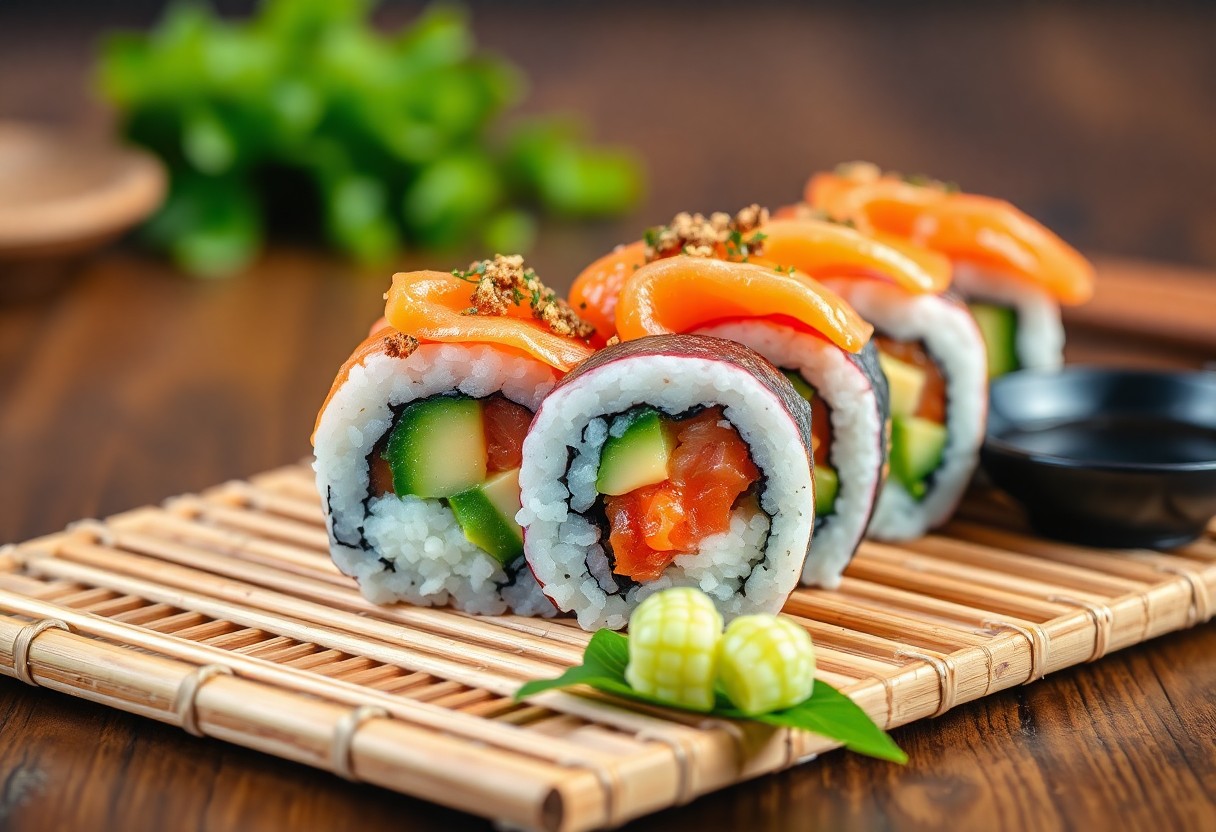
How to Nail the Perfect Sushi Roll Every Time

It’s time to elevate your sushi-making skills and impress your friends and family with perfectly crafted sushi rolls. In this guide, you will learn imperative techniques for selecting the right ingredients, preparing the sushi rice, and mastering the rolling process to achieve those restaurant-quality rolls at home. With the right tips and practice, you’ll be rolling like a pro in no time. Get ready to discover the secrets to creating delicious sushi that showcases your culinary creativity!

Key Takeaways:

  • Rice Preparation: Achieve sticky and flavorful sushi rice by using the right type of rice and properly rinsing and seasoning it.
  • Rolling Technique: Utilize a bamboo mat for even pressure and consistent rolls; practice the technique to perfect your form.
  • Fresh Ingredients: Choose high-quality, fresh ingredients as they significantly enhance the overall taste and texture of your sushi rolls.
  • Balance of Flavors: Aim for a harmonious balance of flavors and textures; combine different elements like crunch and creaminess for an enjoyable experience.
  • Presentation: Pay attention to the aesthetics; cut the rolls neatly and arrange them beautifully for a professional look.

Understanding Sushi Ingredients

A successful sushi roll begins with a solid understanding of its primary ingredients, which can significantly affect the flavor and overall appeal. Sushi is not just about raw fish; it encompasses a variety of components, including rice, fresh seafood, vegetables, and seaweed. Each ingredient plays a unique role in creating harmony and balance in your roll. By mastering these elements, you can elevate your sushi-making skills and impress friends and family with delightful creations.

Rice Selection and Preparation

After selecting the right type of rice, typically short grain sushi rice, you must rinse and soak it to remove excess starch. This process ensures a sticky texture vital for binding your ingredients together when rolling. Cooking the rice with the correct water-to-rice ratio will yield fluffy grains perfect for sushi. Don’t forget to season the cooked rice with a mix of rice vinegar, sugar, and salt to achieve that authentic sushi flavor.

Fresh Fish and Vegetable Choices

Around the world of sushi, your choice of fish and vegetables can make or break your roll. Prioritize high-quality, fresh ingredients that complement each other with flavor and texture. Varieties like salmon, tuna, and eel provide rich taste profiles, while crisp vegetables like cucumber and avocado add refreshing contrast. Ultimately, the right combination can transform your sushi-making experience into an art form.

But beyond just selecting any fish or vegetable, it’s important to consider freshness and quality. When choosing fish, look for sushi-grade selections, which are often available at higher-end grocery stores or dedicated fish markets. As for vegetables, opt for seasonal and locally sourced options to ensure optimal flavor. Explore unique combinations that excite your palate and innovate beyond the classic choices, turning your sushi rolls into personal culinary masterpieces.

Essential Sushi Tools

Any sushi enthusiast knows that having the right tools can make all the difference in the quality of your rolls. From specialized knives to mats and measuring tools, each piece of equipment plays a significant role in mastering your sushi-making skills. Investing in these crucial tools will not only enhance your efficiency but also elevate your sushi game to new heights.

Sushi Mats and Knives

Along with basic kitchen tools, sushi mats and sharp knives are indispensable for crafting the perfect sushi roll. A bamboo sushi mat, or makisu, helps you shape and roll your sushi with precision, while a high-quality sushi knife ensures clean cuts that present your rolls beautifully. With these tools, you can take your sushi-making to the next level.

Measuring Tools for Precision

Any successful sushi maker understands the importance of precision, and measuring tools help you achieve just that. To ensure your rice, fillings, and nori are perfectly balanced, you might consider using measuring cups, spoons, and even a food scale. These items allow you to replicate your favorite recipes consistently and with ease, taking the guesswork out of your sushi preparation.

Knives are not just for cutting; they also play a vital role in the sushi-making process. Ensuring you have a proper sushi knife, typically a yanagiba or usuba, can greatly impact the quality of your ingredients’ presentation. Use a ruler or measuring cup to portion your fillings accurately, giving you the ideal balance of flavors in every bite. By being precise, you elevate your sushi craftsmanship and impress anyone lucky enough to taste your creations.

The Perfect Rice Technique

For achieving the ultimate sushi roll, mastering the rice technique is vital. You must focus on selecting the right short-grain rice, as its sticky texture helps bind the rolls together. To start, you need to wash and soak your rice properly for optimal results.

Washing and Soaking

Among the first steps in preparing sushi rice is to wash it thoroughly. This removes excess starch and prevents your rice from getting gummy. Soak the washed rice in cold water for about 30 minutes, allowing it to absorb moisture evenly, which promises a perfectly cooked texture when you proceed to the next steps.

Cooking and Seasoning

Against common belief, cooking sushi rice requires precision. You must use the proper rice-to-water ratio, typically 1:1, and bring it to a boil before reducing the heat to simmer. Once cooked, season your rice with a mixture of rice vinegar, sugar, and salt while gently folding it to preserve its texture.

But the seasoning is what ultimately elevates your sushi rice. Balance is key, as too much vinegar can overpower the flavor, while too little leaves the rice bland. Aim for a subtle sweetness with a hint of tang, and allow the rice to cool to room temperature before using it in your sushi rolls. This ensures that your rolls maintain their shape without compromising on taste.

Rolling Techniques

To master the art of sushi making, understanding various rolling techniques is imperative. Each technique brings unique characteristics to your rolls, allowing for creativity and personalization. Practicing these methods will not only enhance your skills but also ensure consistency and appeal in your sushi creations.

The Standard Roll

By using the standard rolling method, you create a classic sushi roll that serves as a foundation for your sushi skills. Start by placing your nori on a bamboo mat, layering with sushi rice and fillings, then use the mat to carefully roll it into a tight cylinder. This technique promotes a uniform shape, which is imperative for presentation.

Advanced Techniques for Specialty Rolls

As you advance in your sushi-making journey, exploring specialty rolls adds variety and excitement to your creations. These techniques often involve unique ingredients and styles that set your sushi apart from traditional rolls.

  1. Consider layering multiple types of fish and vegetables.
  2. Experiment with tempura or crispy elements for texture.
  3. Try different sauces or toppings like spicy mayo or eel sauce.
Specialty Roll Techniques

Layering Ingredients Combine various textures and flavors within the roll.
Crispy Elements Incorporate crunchy tempura bits or fried onions.
Unique Sauces Enhance your rolls with rich or tangy sauces.

As you explore advanced techniques, you’ll realize that creativity is key. These specialty rolls often require a bit more finesse, allowing you to play with flavors, textures, and visual appeal. Integrating innovative ingredients can elevate your sushi game significantly.

  1. Incorporate unexpected fillings, like fruits or pickled vegetables.
  2. Use colored rice for a striking appearance.
  3. Shape your rolls into unique forms, such as spirals or stacks.
Innovative Approaches

Unexpected Fillings Add a sweet twist with fruits or unique vegetables.
Colored Rice Create visual excitement with vibrant sushi rice.
Unique Shapes Experiment with different forms for eye-catching presentation.

Presentation and Serving

Keep in mind that the visual appeal of your sushi can elevate the dining experience. Use a clean, flat platter to showcase your rolls, and consider contrasting colors to make your sushi stand out. Garnish with edible flowers, microgreens, or fresh herbs to add a touch of sophistication. Proper arrangement enhances enjoyment, so practice arranging your rolls neatly and thoughtfully.

Plating Your Sushi

Before serving your sushi, take a moment to arrange your rolls thoughtfully on a plate. Employ various angles and placements to create an eye-catching presentation. This not only makes your sushi more inviting but can also highlight the ingredients you’ve used, showcasing their freshness and vibrant colors.

Accompaniments and Condiments

On the side, include a variety of accompaniments and condiments to enhance your sushi experience. Standard options like soy sauce, wasabi, and pickled ginger can complement the flavors of your rolls. You may also consider adding a few unique dipping sauces or garnishes to offer guests a personalized touch to their meal.

Also, tailoring your accompaniments to suit the specific flavors of your sushi will impress your guests. For instance, a zesty ponzu sauce can elevate a citrusy roll, while spicy mayo pairs beautifully with tempura options. Serve freshly grated wasabi instead of the pre-packaged kind for a more robust flavor. These thoughtful details can turn a good sushi experience into an exceptional one.

Common Mistakes to Avoid

Not paying attention to common pitfalls can sabotage your sushi-making efforts. Many beginners overlook simple details such as the quality of ingredients or the importance of technique, leading to disappointing results. By identifying and addressing these mistakes, you will enhance your sushi-making skills and achieve rolls that impress every time.

Ingredient Overloading

Between the excitement of making sushi and the plethora of delicious fillings available, it’s easy to overload your rolls with too many ingredients. While creativity is encouraged, an excessively stuffed roll can become unwieldy and difficult to eat. Aim for a harmonious balance that allows each flavor to shine through while maintaining structural integrity.

Improper Rolling Techniques

For perfecting your sushi rolls, mastering the rolling technique is imperative. It’s not just about rolling the ingredients tightly; you need to use the right amount of pressure and technique to keep everything intact. A loose roll can fall apart, while excessive force can crush the delicate ingredients within, leading to a less enjoyable eating experience.

A good technique involves starting at the edge of the mat closest to you and gradually rolling it away from you while tucking the ingredients in securely. Use the mat to guide the roll, allowing it to shape and compress naturally without squeezing too hard. Practicing this technique will lead to more consistent and beautiful sushi rolls that showcase your skills.

Final Words

Presently, mastering the art of sushi rolling can enhance your culinary skills and impress your friends and family. By focusing on the right techniques, ingredients, and practice, you can consistently create beautiful and delicious sushi rolls. Don’t forget to pay attention to the amount of rice you use, as it can make a significant difference. For detailed insights, check out How Much Sushi Rice Per Roll Perfect Sushi Every Time. Enjoy your sushi-making journey!

FAQ

Q: What type of rice should I use for sushi rolls?

A: The best type of rice for sushi rolls is short-grain Japanese rice, often referred to as sushi rice. It has a higher starch content, which helps the grains stick together when cooked. Look for rice labeled as “sushi rice” or “short-grain rice” in your local grocery store. Make sure to rinse the rice before cooking to remove excess starch, as this results in a more pleasing texture.

Q: How do I prevent my sushi rolls from falling apart?

A: To ensure your sushi rolls stay intact, make sure you use enough sushi rice to provide a solid foundation. Spread the rice evenly on the nori (seaweed) and allow it to cover at least three-quarters of the sheet. When rolling, apply gentle but firm pressure and use a bamboo mat to help guide the roll. Finally, be careful not to overfill your roll with ingredients, as this can lead to difficulty closing it properly.

Q: What ingredients are necessary for a classic sushi roll?

A: A classic sushi roll typically includes sushi rice, nori, and fresh ingredients such as fish (like salmon or tuna), vegetables (like cucumber or avocado), and optional condiments (like wasabi or pickled ginger). For a more traditional approach, you might also include a splash of rice vinegar in your sushi rice to enhance flavor. Combining these ingredients will help you create a delicious and authentic sushi roll.

Q: Can I prepare sushi rolls in advance?

A: Yes, you can prepare sushi rolls in advance, but it’s important to store them properly to maintain freshness. After rolling, cover the sushi with a damp cloth or plastic wrap to keep it from drying out. It’s best to consume them within a few hours. If you need to store them longer, keep them in an airtight container in the refrigerator, but be aware that the texture may change. Slice them just before serving for the best presentation.

Q: How do I slice my sushi rolls for the best presentation?

A: Slicing your sushi rolls can make a significant difference in presentation. To achieve clean cuts, use a sharp knife and wet the blade with a little water to prevent the rice from sticking. Slice the roll into 6 to 8 pieces with a gentle sawing motion, rather than pressing down hard. This technique preserves the shape of the roll and keeps the fillings intact, resulting in an appealing appearance on your serving plate.
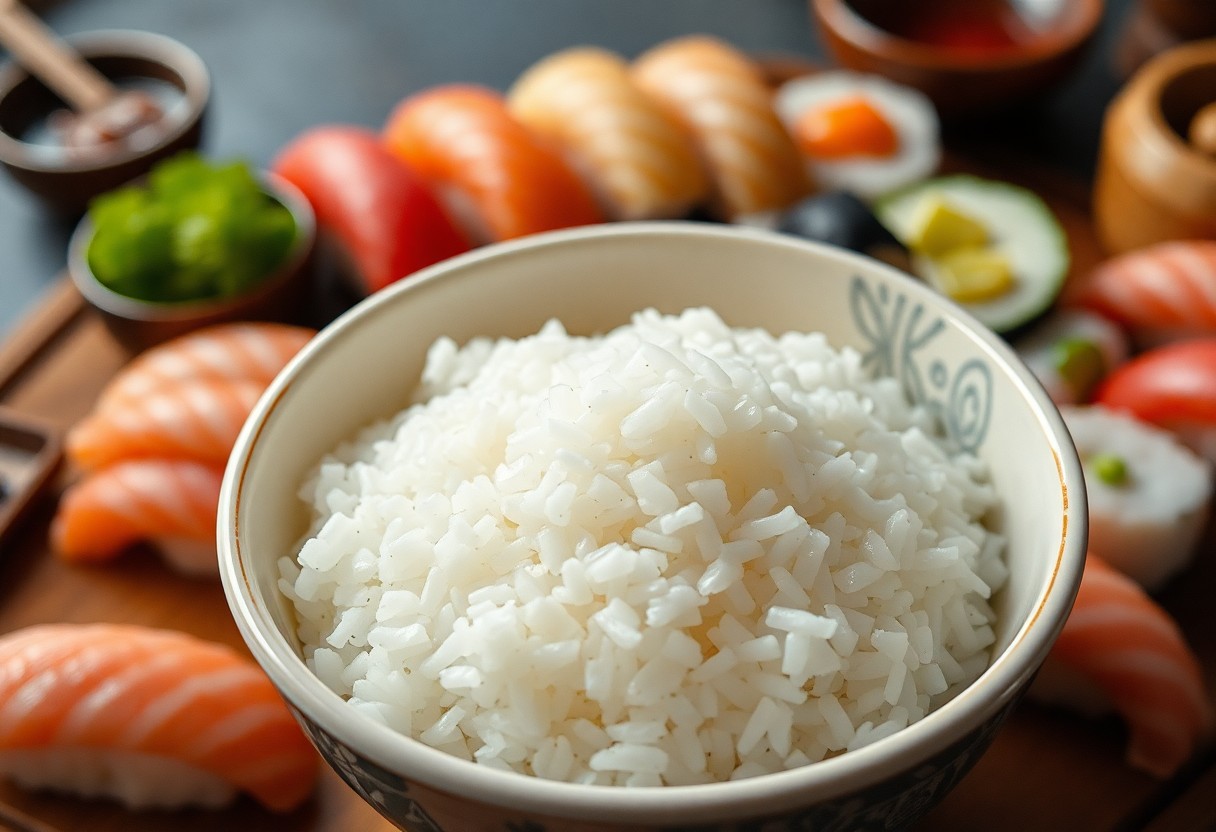
The Science of Sushi Rice – Why It’s Sticky but Not Gummy

Sushi rice is the foundation of this beloved dish, and understanding its unique texture can elevate your culinary skills. You might wonder why sushi rice is sticky yet not gummy; it’s all about the starch composition and cooking techniques used. This post explores the science behind achieving that ideal balance, so you can master sushi rice in your own kitchen. For a deep investigate the process, check out this resource on Achieving the Perfect Texture and Flavor.

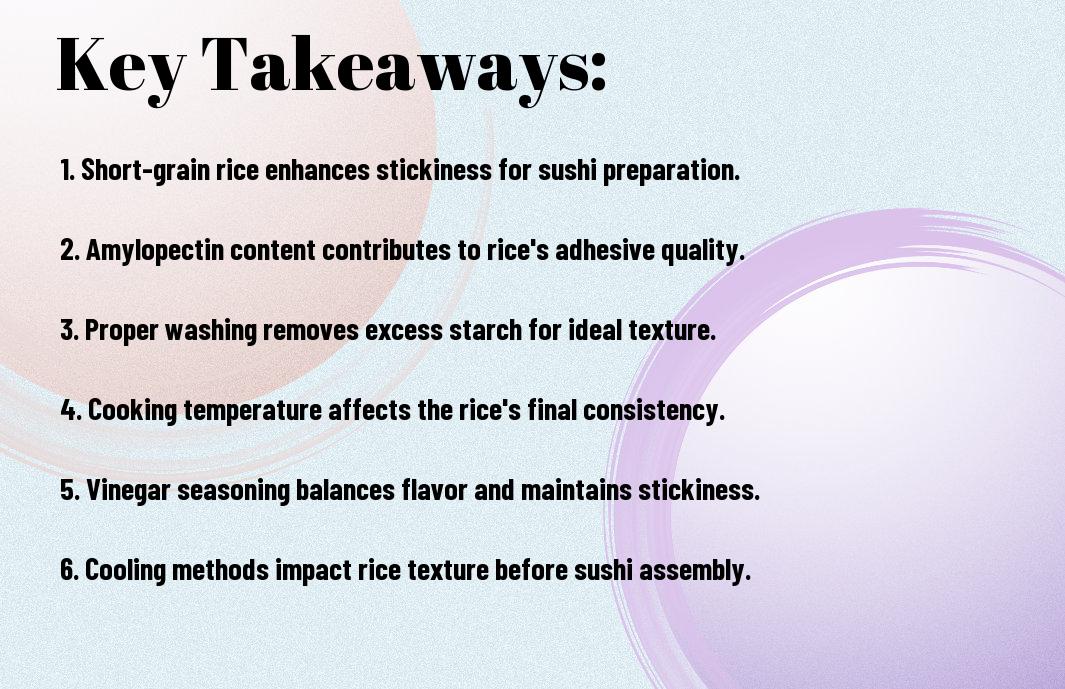
Key Takeaways:

  • Rice Variety: The type of rice used, typically short-grain Japonica, contributes to its stickiness due to higher amylopectin content.
  • Washing Rice: Rinsing the rice before cooking removes excess starch, which helps achieve the desired texture without becoming gummy.
  • Cooking Technique: The right water-to-rice ratio and cooking method are vital for producing rice that is sticky but not overly wet.
  • Cooling Process: Proper cooling after cooking allows the rice to firm up, enhancing its stickiness while retaining separation.
  • Seasoning: Adding vinegar mix after cooking helps create the characteristic flavor and enhances the adhesion of the grains.

The Composition of Sushi Rice

A key factor in achieving the perfect sushi lies in the composition of the rice itself, which is different from regular rice varieties. Sushi rice, primarily made from short-grained Japonica rice, has specific characteristics that contribute to its stickiness and texture. This unique composition allows the rice to clump together without becoming overly gummy, creating the ideal base for nigiri and rolls.

Types of Rice Used

Against the backdrop of various rice options, it is imperative to recognize the types suited for sushi-making. Here are the most commonly utilized rice varieties:

  • Japonica rice
  • Calrose rice
  • Short-grain rice
  • Medium-grain rice
  • Specialty sushi rice

Knowing these types can help you make informed choices when selecting sushi rice for your culinary endeavors.

Essential Ingredients

Ingredients that enhance the flavor and texture of sushi rice play a significant role in the overall experience. These components are vital for balancing the rice’s natural sweetness and umami flavor, giving your sushi its distinctive taste.

With the right elements, including rice vinegar, sugar, and salt, you can elevate your sushi rice from ordinary to extraordinary. Each ingredient serves a specific purpose: rice vinegar adds acidity, sugar brings sweetness, and salt enhances overall flavor. Combining these imperative ingredients in the right proportions not only improves the taste but also contributes to that desired signature stickiness in your rice, ensuring a perfect base for sushi.

The Role of Starch

Assuming you’ve ever wondered why sushi rice clumps without becoming overly sticky, it’s all in the starch composition. Sushi rice primarily contains two types of starch: amylose and amylopectin. They play distinct roles in how your rice will feel and behave after cooking. For a practical application, check out this Sumeshi (Seasoned Sushi Rice) Recipe that highlights the art of preparing sushi rice perfectly.

Amylose vs. Amylopectin

Around 20% of the starch in sushi rice is amylose, while the remaining 80% is amylopectin. Amylose contributes to the rice’s ability to hold its shape after cooking, providing that wonderful sushi texture you enjoy. On the other hand, amylopectin is what gives sushi rice its delicious stickiness, allowing the individual grains to bind together nicely.

Starch Gelatinization

Across cooking, starch gelatinization is the process where heat transforms starch granules in rice, making them absorb water and swell. This transformation is what allows sushi rice to become tender while still maintaining that perfect balance between stickiness and texture. Understanding this process is key to achieving the right sushi rice for your meals.

Amylose helps stabilize the structure of cooked rice by retaining its form and preventing it from becoming mushy. You achieve the right sushi consistency by allowing the starch to gelatinize properly, so keep an eye on the temperature and cooking time. This results in a delightful texture that makes sushi enjoyable, whether you’re rolling it yourself or savoring it at your favorite restaurant.

The Cooking Process

Many factors come into play when it comes to cooking sushi rice. From the type of rice you choose to the precise cooking methods employed, each step contributes significantly to achieving that perfect balance of stickiness without becoming gummy. Proper cooking techniques ensure that the grains hydrate evenly, resulting in a delightful texture that holds together well for sushi making.

Rinsing and Soaking

Along with choosing the right rice, rinsing and soaking your sushi rice is imperative to remove excess starch. By rinsing the rice under cold water until the water runs clear, you reduce the stickiness that causes gumminess. Once rinsed, soaking the grains for 30 minutes allows them to absorb some water, promoting even cooking and enhancing their texture.

Cooking Techniques

Against common perceptions, the best techniques for cooking sushi rice involve precise timing and temperature controls. You wouldn’t want to rush the cooking process, as it may lead to uneven results.

Cooking sushi rice involves using the absorption method, which allows the rice to cook evenly and maintain the right moisture content. Begin by placing the soaked rice in a pot with a measured amount of water, typically at a 1:1.2 rice-to-water ratio. Bring it to a boil, then reduce to a simmer and cover tightly. The key is to let it steam for 18 to 20 minutes, followed by resting for an additional 10 minutes off the heat. This technique not only ensures perfectly sticky rice but also allows each grain to retain its individuality, resulting in an enjoyable sushi experience.

Seasoning the Rice

Now that you’ve cooked your sushi rice to perfection, it’s time to season it to elevate its flavor. Achieving the right balance of seasoning enhances the rice and helps with its stickiness, which is imperative for making sushi. This step requires a careful blend of ingredients to ensure your rice delivers that authentic sushi taste and texture.

Vinegar Mixture

On your journey to create the perfect sushi rice, the vinegar mixture plays an important role. This combination typically consists of rice vinegar, sugar, and salt, which together bring a sweet and tangy flavor that complements the rice. Using the right proportions will help achieve the desired taste without overpowering the dish.

Proper Mixing Techniques

By applying effective mixing techniques, you can evenly distribute the vinegar mixture throughout your sushi rice, ensuring consistent flavor and texture. Gently folding the rice with a spatula or paddle allows you to incorporate the seasoning without damaging the delicate grains.

Also, it’s imperative to mix your rice while it’s still warm to facilitate better absorption of the vinegar mixture. Use a gentle, lifting motion rather than stirring vigorously to avoid making the rice overly mushy. This technique not only ensures your rice remains fluffy but also helps maintain the beautiful shine that distinguishes high-quality sushi rice.

Achieving the Perfect Texture

All sushi rice aficionados know that the ideal texture is both sticky and firm, perfect for molding into nigiri or rolls. Mastering this balance can be a challenge, leading many to wonder why can’t I get my rice to be sticky like the Japanese. The key lies in understanding the nuances of cooking techniques, water-to-rice ratios, and cooling practices that contribute to this signature texture.

Measuring Water Ratios

After selecting the right type of rice, precise water measurement is crucial for achieving the perfect stickiness. A common ratio is 1:1.2, rice to water, but adjustments may be needed depending on your rice variety and personal preference. So, experimenting with these ratios will help you find the sweet spot for your sushi rice.

Cooling Techniques

At the end of cooking, the way you cool your rice impacts its final texture. Gently fluffing the rice with a paddle and spreading it on a wooden or bamboo surface creates a desirable consistency. This technique allows the steam to escape while preventing the rice from becoming too gummy.

Due to the gentle cooling process, excess moisture dissipates, leaving you with sushi rice that is both sticky and light. Using a fan or open window can further help cool the rice evenly. The key is to avoid aggressive mixing, which may break grains and compromise the texture. By paying attention to these details, you can elevate your sushi-making to restaurant-quality results.

Common Mistakes to Avoid

To achieve perfect sushi rice, it’s vital to steer clear of common pitfalls that can compromise texture and flavor. Pay close attention to your cooking techniques, water ratios, and cooling methods to ensure your rice comes out just right for sushi preparation.

Overcooking

Below optimal cooking time can lead to rice that is overly soft and mushy. This is imperative as the texture of your sushi rice plays a significant role in the overall dining experience. To avoid overcooking, closely monitor the cooking duration and use a timer, allowing yourself the opportunity to stop the heat at the right moment.

Using the Wrong Rice

Against popular belief, not all rice is suitable for sushi. Using long-grain varieties can lead to less sticky and undesirable textures. Opting for short-grain or medium-grain rice will give you that ideal stickiness needed for sushi preparation.

Further emphasizing this point, short-grain sushi rice, often labeled as ‘shari’ or ‘sushi-meshi,’ has a higher starch content, which is responsible for its unique adhesive quality. This type of rice swells and clumps when cooked, allowing it to hold together perfectly for sushi rolls. Always choose rice specifically intended for sushi to achieve the desired results in your dishes.

Summing up

Presently, understanding the science of sushi rice helps you appreciate its unique texture and flavor. The starch composition and moisture content play significant roles in making the rice sticky yet not gummy, allowing it to hold together without losing its distinct bite. By selecting the right type of rice and cooking it precisely, you can achieve the perfect sushi rice. This knowledge not only enhances your sushi-making skills but also enriches your overall dining experience.

FAQ

Q1: What makes sushi rice different from regular rice?

A: Sushi rice, or shari, is typically made from short-grain japonica rice. This variety has a higher starch content compared to long-grain rice, which results in its unique sticky texture crucial for forming sushi. The stickiness allows the rice to hold together, making it easy to shape and eat without falling apart.

Q2: Why is the cooking method important for sushi rice?

A: The cooking method plays a significant role in achieving the desired texture of sushi rice. It is important to wash the rice thoroughly to remove excess surface starch before cooking. This process helps to prevent the rice from becoming overly gummy. Cooking it with the right water-to-rice ratio—typically 1:1.2 or 1:1.5—ensures that the rice is cooked through while remaining firm yet sticky.

Q3: How does seasoning affect sushi rice?

A: After the rice has been cooked, it is typically mixed with a seasoning made from rice vinegar, sugar, and salt. This not only enhances the flavor but also contributes to the overall texture. The acidity from the vinegar helps maintain the rice’s stickiness while allowing it to remain light and not clumpy or gummy. The balancing of these ingredients is vital for achieving the ideal sushi rice experience.

Q4: Can I use different types of rice for sushi?

A: While sushi rice is specifically designed for sushi-making, some people experiment with other varieties. However, using long-grain rice or non-sticky varieties may result in a texture that doesn’t hold together well, making it challenging to shape rolls. If short-grain japonica rice is not available, glutinous rice can be a substitute, but it will create a different flavor and texture profile.

Q5: How should sushi rice be stored after preparation?

A: After preparing sushi rice, it is best to keep it at room temperature, covered with a damp cloth, to maintain its moisture and prevent it from drying out. Keeping it too hot or too cold can alter its texture. It is advisable to use the rice within a few hours of cooking for the best results; after this, it can become increasingly difficult to work with for making sushi.

How Sushi Chefs Use Geometry in Roll Preparation

There’s a fascinating intersection between art and science in the world of sushi-making, especially when it comes to roll preparation. As you research into the techniques employed by skilled sushi chefs, you’ll discover how geometric principles guide the shaping and construction of each roll. From the precision of cutting ingredients to the careful alignment of rice and fillings, you’ll learn that geometry is not just for classrooms; it plays a vital role in creating visually appealing and perfectly balanced sushi rolls.

Key Takeaways:

  • Slicing Techniques: Sushi chefs employ specific angles and proportions when slicing fish and vegetables, ensuring optimal presentation and flavor distribution.
  • Rice Ratio: The geometry of rice distribution within a roll is imperative for maintaining the right balance, preventing overstuffing and achieving a perfect bite.
  • Rolling Method: Understanding curvature and pressure applied during the rolling process helps achieve uniformity and prevents ingredients from spilling out.
  • Ingredient Placement: Using geometric principles, chefs strategize the placement of fillings to create visually appealing and well-balanced rolls.
  • Cutting Shapes: The precise use of geometry guides sushi chefs in cutting rolls into equal-sized pieces, enhancing the visual appeal and making them easier to eat.

The Basics of Sushi Geometry

Before submerging into the art of sushi roll preparation, it’s imperative to understand the geometry that underpins this culinary tradition. Sushi chefs utilize various geometric principles, from the shapes of the ingredients to the angles at which they are cut, to create visually appealing and delicious rolls. By grasping these basics, you can elevate your sushi-making skills and appreciate the craftsmanship involved in each roll.

Understanding Shapes and Angles

Any sushi chef will tell you that the shapes and angles of your ingredients serve a functional purpose. Different shapes—notably the triangles, rectangles, and circles—are employed to enhance texture and flavor perception. By mastering these shapes and angles, you can create rolls that are not only aesthetically pleasing but also achieve optimal flavor combinations.

Importance of Proportion and Balance

Any dish, including sushi, relies on the principles of proportion and balance. The size of the fish, the amount of rice, and the layering of ingredients all play roles in creating a harmonious flavor profile. Achieving the right balance ensures that every bite is evenly flavored and satisfying, making your sushi more enjoyable.

Proportion is vital when assembling sushi rolls, as it affects both texture and taste. For example, a roll with too much rice may overwhelm the flavor of the fish, while too little rice risks falling apart. By practicing proper ratios and adjusting ingredient quantities based on the roll type, you can create sushi that embodies both taste and visual appeal, enhancing your overall experience.

Techniques in Sushi Roll Preparation

Now you’re venturing into the intricate techniques that sushi chefs employ to create perfect rolls. Precision is key, and every step involves a keen understanding of geometry, from cutting fish to measuring ingredients. Mastering these techniques ensures the final product not only looks good but also offers a harmonious balance of flavors and textures.

Slicing Fish with Precision

An effective sushi chef knows that slicing fish with precision is vital for both taste and presentation. You need to make clean, angular cuts that enhance the texture and appearance of the fish. This requires an understanding of the fish’s anatomy and the angles necessary to maximize flavor and visual appeal.

Measuring Rice and Ingredients

Sushi chefs consistently measure rice and other ingredients to ensure balance in every bite. You will find that the right proportions lead to the perfect flavor profiles and textures, enhancing the overall enjoyment of your sushi rolls.

The measuring process often involves geometric principles, where ratios and portions are calculated to achieve optimal results. For example, using precise measurements of rice helps create a stable roll that holds together well and provides the right mouthfeel. Essential ingredients, such as fish and vegetables, are also measured to maintain harmony in taste and presentation. By honing this skill, you enhance the sushi-making experience and ensure that each roll is a delicious masterpiece.

Forming the Perfect Roll

Unlike conventional cooking techniques, forming the perfect sushi roll requires a precise understanding of geometry. Each chef at sushi emperor prepares 15 regular rolls and… This experience helps them master the dimensions and proportions needed to create aesthetically pleasing and well-balanced rolls. The shape of each ingredient plays a critical role, as their arrangement affects the overall harmony of flavors and textures.

Geometry in Rolling Techniques

For you to achieve a well-formed sushi roll, understanding geometry is vital. The angles at which you place your fillings and the amount of pressure you use while rolling directly impact the roll’s shape. By employing methods like the pinch and roll technique, you can ensure that each component is evenly distributed while creating a cohesive structure.

The Role of Tension and Compression

About the formation of sushi rolls, tension and compression are key elements that influence the final product’s integrity. These forces help maintain the roll’s shape while ensuring that the ingredients meld together seamlessly.

A sushi roll relies on your ability to balance tension and compression during the creation process. Properly applying tension while rolling prevents the ingredients from spilling out, ensuring a tight and compact roll. On the other hand, if you apply too much pressure, it can lead to compression, causing the ingredients to squeeze out or become mushy. Learning how to manage these forces is vital for achieving perfect sushi rolls every time.

Visual Presentation and Aesthetics

All sushi chefs understand that visual presentation plays a significant role in the overall dining experience. The way a sushi roll is presented can enhance the anticipation and enjoyment of each bite. By applying principles of geometry in the arrangement of ingredients, textures, and colors, chefs captivate the eye while ensuring that the structure of each roll remains intact. This emphasis on aesthetics not only showcases their skill but also elevates the dish into an art form.

Creating Symmetry and Patterns

An crucial aspect of sushi presentation involves creating symmetry and geometric patterns. By carefully placing each ingredient, you can achieve a balanced look that pleases the eye. Chefs often use techniques that involve repeating shapes and aligning ingredients to form harmonious compositions. This attention to detail creates an illusion of order and elegance, enriching the experience of enjoying sushi.

The Impact of Color and Arrangement

Around each sushi plate, the interplay of color and arrangement can significantly influence your perception of flavor. Vibrant hues from fresh fish, vegetables, and garnishes not only attract attention but also evoke emotions associated with taste. Moreover, the strategic placement of these elements can guide your eyes across the plate, enhancing your overall enjoyment.

The visual impact of color in sushi is profound, as vibrant greens, pinks, and shades of orange can evoke freshness and vitality. These colors stimulate your appetite and curiosity, making the dish more appealing. Arrangement plays its own role; carefully stacked ingredients create height, while a scattered approach can suggest abundance. Understanding these elements can greatly enhance your sushi experience, transforming it from a simple meal into a visual feast that engages all your senses.

The Science of Freshness and Texture

To create the perfect sushi roll, understanding the freshness and texture of your ingredients is fundamental. The harmony of taste and mouthfeel relies heavily on the quality of the fish, the ripeness of the vegetables, and the stickiness of the rice. Each component must not only be fresh but also complement each other in both flavor and structure. This combination determines the overall success of your sushi-making endeavor, allowing your rolls to exemplify ultimate balance and satisfaction.

Geometric Considerations in Ingredient Selection

To achieve the best sushi rolls, the geometric properties of your ingredients significantly influence both appearance and flavor. You should select fish that can be cut into even slices, maintaining uniformity in shape and thickness, while vegetables should be chosen for their ability to add crunch and vibrancy. The angles and dimensions of the ingredients contribute to a visually appealing and harmonious roll.

Maintaining Balance Through Temperature Control

By managing the temperature of your sushi components, you enhance the balance of flavors and textures. Different ingredients have specific temperature ranges that help bring out their best qualities. For example, fish should be served chilled to maintain freshness, while sushi rice must be at room temperature to ensure proper stickiness and flavor infusion. Proper temperature control is important for achieving an optimal sushi experience.

Temperature Management Strategies

Ingredient Optimal Temperature
Fresh Fish 32°F – 40°F (0°C – 4°C)
Sushi Rice Room Temperature (70°F or 21°C)
Vegetables Chilled or Room Temperature

Due to the diverse temperature requirements of sushi ingredients, it is important to organize your workspace accordingly. Chilling fish helps maintain its firmness and enhances its flavor, while room temperature rice promotes optimal stickiness and easy handling. This necessitates a thorough understanding of each ingredient’s needs and careful regulation of your workspace environment, ensuring every element is at its perfect state when it comes time to create your roll.

Ingredient Temperature Guidelines

Ingredient Temperature Benefits
Fresh Fish Maintains texture and prevents spoilage
Sushi Rice Enhances flavor and adhesive quality
Vegetables Preserves crunch and vibrant color

Mastering Advanced Sushi Techniques

For aspiring sushi chefs, mastering advanced techniques requires a solid grasp of geometry during roll preparation. You can enhance your skills by focusing on the following elements:

  1. Precision in cutting ingredients
  2. Symmetry in ingredient placement
  3. Understanding angles of rolling
  4. Calculating proportions for flavor balance
  5. Visualizing the final presentation
Technique Description
Cutting Utilizing geometry for precise portions
Placement Arranging ingredients symmetrically
Rolling Utilizing the right angles during the roll

Incorporating Complex Shapes

Below, you will find different techniques to incorporate complex geometric shapes into your sushi rolls. These shapes can elevate your presentation and make your rolls more visually appealing, which is necessary in sushi artistry.

Understanding the Physics of Movement

Any sushi chef must grasp the physics involved in the movement of their hands during the roll preparation process. You will benefit from understanding how leverage and force play a role in the rolling technique, allowing you to achieve the perfect tightness and consistency.

Understanding the physics of movement helps you execute each roll with precision. This involves adjusting your grip, positioning your fingers, and applying the right amount of pressure. By mastering these concepts, you will not only improve your speed but also enhance the overall quality of your sushi. This connection between body mechanics and technique is necessary for fine-tuning your craftsmanship in sushi preparation.

Final Words

With these considerations, you can appreciate how sushi chefs skillfully employ geometry in roll preparation. Understanding angles, symmetry, and proportions not only enhances the aesthetic appeal of each roll but also optimizes texture and flavor balance. By applying geometric principles, you can elevate your sushi-making skills, ensuring a harmonious blend of ingredients that will impress your diners. As you explore this culinary art, embracing these geometric concepts will undoubtedly refine your technique and deepen your appreciation for this traditional cuisine.

FAQ

Q: How does geometry play a role in determining the shape of sushi rolls?

A: The shape of sushi rolls is significant for presentation and eating ease. Sushi chefs use geometric principles to create cylindrical shapes, ensuring uniformity and balance. By applying techniques involving circles and arcs, chefs achieve aesthetically pleasing and functional rolls that maximize the flavor experience.

Q: In what way do measurements and angles influence the cutting of sushi rolls?

A: Accurate measurements and angles are crucial when cutting sushi rolls to prevent squishing and ensure even slices. Chefs often use a guiding technique where they visualize angles, cutting each roll at a 45-degree angle. This approach yields optimal portion sizes while enhancing the visual appeal, allowing diners to enjoy a complete view of the ingredients.

Q: What geometric patterns do sushi chefs consider when arranging ingredients?

A: When preparing sushi, chefs arrange ingredients according to geometric patterns that enhance flavor balance and visual symmetry. They might use radial symmetry to display toppings or create layers that mirror tessellation patterns. This engaging use of geometry not only elevates aesthetics but also contributes to a harmonious taste experience for diners.

Q: How does the size of sushi rice influence the overall geometry of the roll?

A: The size of sushi rice grains impacts the overall geometry of the roll by determining how tightly ingredients can be compacted. Chefs consider the volume and surface area of the rice to achieve optimal adhesion and shape. The principles of volume help ensure that rolls maintain their structure, resulting in the desired cylindrical shape and preventing them from falling apart.

Q: Can geometry assist in portion control for sushi servings?

A: Yes, geometry aids in portion control by allowing chefs to calculate the ideal dimensions for each sushi piece. By dividing rolls into equal segments using geometric division, chefs can ensure consistency in size without compromising quality. This calculated approach maintains a well-balanced meal experience for diners while minimizing food waste.

The World’s Most Expensive Sushi Platter

Many sushi enthusiasts dream of indulging in lavish culinary experiences, but few can fathom the price tag of the world’s most expensive sushi platter. This extravagant dish boasts luxurious ingredients that create a unique gastronomic experience that is hard to replicate. If you’re curious about how a Japanese restaurant serves the world’s most expensive sushi, you can learn more about it by checking out this link. Discover the opulence that awaits you in this spectacular showcase of sushi artistry.

Key Takeaways:

  • Price: The platter is notoriously priced at around $2,000, making it one of the most extravagant sushi experiences in the world.
  • Ingredients: It features high-quality, exotic ingredients such as rare fish, including bluefin tuna, and delicacies like artisanal wasabi.
  • Presentation: Each piece is meticulously crafted and presented, highlighting the artistry and skill of the sushi chef.
  • Experience: Diners are not just enjoying a meal, but an exclusive culinary journey that emphasizes the culture and tradition behind sushi-making.
  • Location: This luxurious platter is typically available at high-end sushi restaurants, often in locations like Tokyo or Dubai.

The Art of Sushi Making

For a sushi platter to truly shine, you must appreciate the intricate art of sushi making. This craft goes beyond just combining ingredients; it involves a deep understanding of flavors, textures, and techniques. Mastering the balance of rice and fish is crucial, and the aesthetics of presentation can elevate your dining experience to new heights. By immersing yourself in the artistry of sushi, you’ll learn to not only create unforgettable meals but also develop a deeper respect for this traditional Japanese cuisine.

Traditional Techniques

For centuries, sushi making has relied on traditional techniques passed down through generations. From selecting the finest fish to perfecting the seasoned rice, these methods emphasize precision and attention to detail. Utilizing sharp knives for slicing and mastering the art of rolling helps you create sushi that is flavorful and visually striking. Embracing these practices enables you to connect with the rich heritage of sushi and uphold its authenticity.

Modern Innovations

On the other hand, modern innovations in sushi making introduce exciting elements that enhance your culinary experience. Chefs are experimenting with new ingredients, fusions of flavors, and updated presentation styles that push the boundaries of traditional sushi. This evolution invites you to explore creative combinations and unique textures that cater to contemporary palates, making sushi more accessible and vibrant.

Innovations in sushi making often incorporate global influences while maintaining a connection to traditional roots. Chefs may add unexpected ingredients like truffles, fruit purees, or even molecular gastronomy techniques to elevate a sushi dish. These advancements not only challenge your perceptions of what sushi can be but also encourage you to think outside the box when crafting your own sushi platter. By embracing these modern twists, you can create a unique dining experience that reflects your personal tastes.

The Ingredients that Justify the Price

The world’s most expensive sushi platter boasts an exquisite selection of ingredients that elevate its status to unparalleled heights. Each component is meticulously sourced to highlight rarity and quality, culminating in a dining experience that justifies the price tag. From unique fish varieties to premium condiments, every aspect of this dish is designed to create a memorable culinary journey that showcases the art of sushi craftsmanship.

Rare Fish Varieties

One of the standout features of the platter is the use of rare fish varieties that are hard to come by. For instance, bluefin tuna, known for its rich flavor and buttery texture, can fetch astronomical prices on the market. You’ll also find the exquisite Yamakawa yellowtail, revered for its delicate balance of sweetness and umami, adding an exclusive edge that few can replicate.

Premium Condiments and Accompaniments

Among the finishing touches that elevate this dish are premium condiments and accompaniments. From artisanal soy sauce with a complex flavor profile to hand-grated wasabi harvested from specific regions, these extras dramatically enhance your tasting experience. Accompaniments like luxury garnishes and unique dipping sauces crafted from rare ingredients further showcase the attention to detail and quality inherent in this exquisite platter.

Premium condiments and accompaniments signify the extra effort put into ensuring that every bite is extraordinary. You might encounter truffle-infused soy reduction or microgreens handpicked for their flavor and visual appeal. Each element is purposefully chosen to complement the rare fish varieties, creating a harmonious blend of flavors that tantalizes your palate. This meticulous attention to detail is why these ingredients justify the staggering price of the sushi platter, driving home the artistry behind sushi-making.

Notable Sushi Chefs and Their Creations

Many sushi chefs have gained global recognition for their extraordinary skills and innovative creations. These culinary artists elevate sushi to an art form, showcasing their mastery through unique flavor pairings and presentation techniques. As you explore their work, you’ll discover how each chef interprets traditional sushi-making, often blending it with modern influences to craft unforgettable dining experiences. Their commitment to quality ingredients and aesthetic presentation sets the stage for the world’s most exquisite sushi platters.

Profiles of Renowned Sushi Chefs

Any sushi enthusiast will appreciate the incredible talent behind the world’s finest sushi chefs. Chefs like Jiro Ono, known for his meticulous attention to detail, and Nobu Matsuhisa, famed for fusing Japanese and Peruvian influences, exemplify the dedication required to craft exceptional sushi. Their personal stories and culinary journeys not only highlight their impressive skills but also inspire you to further explore the world of sushi.

Signature Dishes

Sushi chefs often have signature dishes that showcase their individual style and culinary philosophies. From Jiro Ono’s elegantly prepared omakase to Nobu’s miso black cod sushi, these dishes are emblematic of their creators’ expertise and vision. Having a taste of these masterpieces offers you a glimpse into the world of high-end sushi, where each bite tells a story of passion and craftsmanship.

Even within signature dishes, you will find variations that reflect seasonal ingredients and chefs’ personal preferences. These carefully crafted creations often include unique components like truffles, gold leaf, or rare fish varieties, fostering a sense of exclusivity. By trying these dishes, you immerse yourself in an experience that transcends mere dining, allowing you to appreciate the artistry that goes into each exquisite bite of sushi.

The Experience of Dining on an Expensive Sushi Platter

After savoring each delicately crafted piece of the world’s most expensive sushi platter, you quickly realize that this dining experience transcends the mere act of eating. It’s a culinary journey that engages all your senses, where every bite tells a story of tradition, craftsmanship, and luxury. You find yourself enveloped in an ambiance that celebrates the art of sushi, highlighting the careful preparation and premium ingredients that make each piece a masterpiece. It’s an occasion that elevates your dining expectations and leaves an indelible mark on your palate.

Ambiance and Service

Between the dimly lit setting and the serene artistry of the dishes, the ambiance enhances your experience. You are greeted by attentive staff who are knowledgeable about each ingredient, ensuring you feel welcomed and cared for throughout your meal. The meticulous attention to detail in presentation and service mirrors the intricacies of the sushi itself, creating a harmonious balance that draws you deeper into the experience.

Pairing with Fine Beverages

Platter experiences elevate further when you pair your exquisite sushi with fine beverages that complement each flavor profile. The right drink can highlight the subtle nuances of the fish while enhancing the overall enjoyment of your meal. It’s all about selecting beverages that harmonize with your sushi, creating a divine culinary pairing.

For instance, you might choose to sip on a high-quality sake, which can elevate the umami flavors of the fish, or perhaps a carefully selected sake cocktail that adds a unique twist. A cold glass of premium champagne can also work beautifully, cleansing your palate between each bite and enhancing the experience with its effervescence. The perfect beverage pairing not only enhances your sushi but also adds layers to your dining adventure, making it a celebration of taste and sophistication.

Sushi Platter Competitions and Record Holders

Your fascination with sushi can be deepened by exploring the competitive world of sushi platter creations. Sushi chefs showcase their skills and creativity, often leading to extravagant and visually stunning displays that push culinary boundaries. Competitions for the most expensive sushi platter not only highlight the chefs’ artistry but also the high-end ingredients sourced from around the globe. These events bring together the finest techniques and innovative presentations, enticing both sushi lovers and food enthusiasts alike.

Most Expensive Sushi Platter to Date

About the most expensive sushi platter to date, it features an extravagant combination of rare ingredients. This platter has been crafted with exceptional precision and creativity, showcasing a variety of luxurious fish such as Otoro, uni, and even the elusive bluefin tuna. Its premium components elevate the price beyond what most are accustomed to, making it a fascinating centerpiece in the culinary world.

Guinness World Records and Sushi

Above the world of sushi lies records, with various entries related to this beloved cuisine. Sushi has captured attention not only for its taste but also for the astonishing feats achieved by chefs and enthusiasts globally. From the largest sushi roll to the most intricate sushi art, these records highlight the versatility and appeal of sushi as both a food and a form of culinary expression.

Platter records often focus on the size, cost, or uniqueness of the sushi, leading to incredible achievements worth noting. Some chefs dedicate months to perfect their creations, each detail meticulously planned to impress not just the taste buds but also the eyes. Whether you wish to learn about the artistry of sushi-making or simply indulge in the finest offerings, Guinness World Records provides a captivating glimpse into extraordinary sushi showcases across the globe.

Cultural Significance of Luxury Sushi

Keep in mind that luxury sushi transcends mere food; it embodies artistry and tradition. In Japan, serving high-end sushi signifies respect for the diner’s palate and showcases the chef’s skill. This exquisite cuisine often represents honor and status, making it a staple in celebratory gatherings and significant events. Engaging with this culinary masterpiece allows you to appreciate the intricate connections between food, culture, and community.

Sushi in Japanese Culinary Heritage

Sushi, a fundamental aspect of Japanese culinary heritage, has evolved over centuries, rooted in cultural practices and rituals. Initially served as a method of preserving fish, it gradually transformed into a celebrated dining experience. The balance of flavors, emphasis on fresh ingredients, and meticulous presentation reflect the deep respect Japanese culture places on nature and craftsmanship. When enjoying sushi, you partake in a tradition that honors the past while delighting in the present.

Global Influence and Trends

Culinary trends have embraced sushi on a global scale, with influences emerging from diverse cultures. Sushi bars and restaurants have sprouted worldwide, adapting traditional recipes to create unique fusion dishes. The growing appreciation for sustainability and ethically sourced ingredients has also led to innovations, ensuring that your sushi experience is not only delightful but also responsible. This blend of cultures encourages you to explore new flavors while fostering worldwide connections in the culinary realm.

But this global influence also brings a responsibility to preserve the integrity of sushi. As chefs around the world experiment with bold reinventions, it becomes imperative to maintain a reverence for the traditional techniques and ingredients that honor its origins. You can appreciate these innovative adaptations while still valuing the craftsmanship that makes sushi a beloved dish across cultures. Engaging with both the classic and modern takes on sushi enhances your overall dining experience, expanding your palate and deepening your understanding of its cultural significance.

Conclusion

Drawing together the intriguing world of high-end sushi, you now have insight into what makes the world’s most expensive sushi platter truly extraordinary. From rare ingredients to masterful preparation, this culinary experience is unmatched. As you explore your options, be sure to check out Where to Find the Most Expensive Sushi in the World for a taste of luxury that promises to elevate your dining experiences to new heights.

FAQ

Q: What makes the World’s Most Expensive Sushi Platter so costly?

A: The World’s Most Expensive Sushi Platter is characterized by its use of rare and high-quality ingredients. It often includes premium fish such as Bluefin tuna, and exotic items like gold flakes, and specially sourced seafood from remote regions. The meticulous preparation and presentation by highly skilled chefs also contribute significantly to its price.

Q: Where can one find this extravagant sushi platter?

A: This sushi platter is typically offered at high-end sushi restaurants, predominantly in major cities known for their culinary scene, such as Tokyo, New York, and London. Some renowned establishments may have a limited availability of the platter, so reservations or inquiries ahead of time are recommended.

Q: How much does the World’s Most Expensive Sushi Platter cost?

A: The cost of the World’s Most Expensive Sushi Platter can vary widely depending on the restaurant and specific ingredients used. Prices can go upwards of several thousand dollars, with some reports placing it at around $2,000 to over $5,000 for a single serving. Such a price reflects the exclusivity and luxury associated with the dish.

Q: Is the experience of eating this sushi platter worth the high price tag?

A: Many critics and food enthusiasts feel that the experience goes beyond just the food itself. Diners are often treated to an exquisite tasting journey, featuring unique flavors and textures. The ambiance, chef’s expertise, and attention to detail in presentation also play a significant role in creating a memorable culinary experience, often perceived as worth the splurge.

Q: Can the World’s Most Expensive Sushi Platter be customized according to dietary preferences?

A: Some high-end sushi restaurants may offer customization options for their sushi platter, accommodating dietary needs such as vegetarian or gluten-free ingredients. However, due to the premium quality and specific sourcing of the ingredients, modifications may be limited. It is advisable to discuss preferences with the restaurant in advance to understand what can be adjusted.

Sushi in Space – What Astronauts Are Eating

There’s a fascinating world of culinary innovation happening aboard the International Space Station, where astronauts are served sushi and other gourmet meals that defy the constraints of gravity. As you investigate space food, you’ll discover how astronauts enjoy carefully prepared dishes ranging from traditional sushi rolls to rehydrated delicacies, all designed to meet their nutritional needs in a zero-gravity environment. You might be surprised to learn how these meals are crafted and how they adapt classic flavors to ensure that your favorite dishes can be enjoyed even in space.

Key Takeaways:

  • Innovative Cuisine: Astronauts are experiencing new culinary trends, including sushi, which enhances their dining experience in space.
  • Special Packaging: Foods like sushi are specially prepared and packaged to prevent spoilage and to ensure they can be consumed in microgravity.
  • Nutrition Focus: Nutritional balance is key; sushi provides protein and vital nutrients, catering to the dietary needs of astronauts.
  • International Influence: The inclusion of sushi reflects the diverse cultural backgrounds of astronauts and their love for international cuisine.
  • Psychological Benefits: Enjoying familiar comfort foods like sushi can improve morale and mental well-being during long missions in space.

The Evolution of Space Food

Before the era of astronauts enjoying sushi in space, the journey of space food began with basic rations designed for practicality. Early space missions featured pre-packaged meals with limited flavors and textures, as ensuring nutritional value and safety were the primary focuses. Over time, as technology advanced, the landscape of space dining transformed dramatically, allowing for a wider variety of foods and enhancing the overall eating experience for astronauts in orbit.

Historical Overview

Beside the advancements in technology, the historical context of space food reveals a fascinating evolution. In the 1960s, early astronauts consumed items such as freeze-dried fruits and pureed meals in aluminum tubes, which offered little in terms of culinary enjoyment. As space exploration continued, NASA and other space agencies recognized the importance of taste and variety, leading to improvements in food packaging and preparation methods.

Advances in Food Technology

Between those early days and the present, food technology has evolved significantly, allowing astronauts to enjoy diverse and appealing meals in space. Modern space food utilizes techniques such as freeze-drying, vacuum sealing, and even 3D printing to create nutritious meals that retain flavor and freshness, making mealtimes in orbit a more enjoyable experience.

Space food innovations not only enhance the flavors you experience during missions but also prioritize your nutritional needs. For instance, the development of modular meal components allows for customizable dishes suited to individual preferences. Advanced packaging technologies also help reduce waste while ensuring safety, preserving food quality, and extending shelf life. These improvements reflect a growing understanding of how important proper nutrition and satisfying meals are for your well-being and performance while living and working in space.

Sushi: A Popular Choice for Astronauts

Assuming you’re curious about the culinary preferences of astronauts, you’ll be intrigued to learn that sushi has made its way into space food menus. This popular choice combines taste and nutritional value, providing astronauts with a fresh alternative to traditional meals. The bite-sized nature and versatile ingredients allow for a variety of flavors, making it not only nutritious but also mentally uplifting during long missions. As a result, sushi has gained recognition for enhancing the dining experience on space expeditions.

Nutritional Benefits

With its combination of protein-rich fish, healthy fats, and fiber-filled vegetables, sushi offers numerous nutritional benefits to astronauts. It provides imperative omega-3 fatty acids, which are important for maintaining cardiovascular health, as well as vitamins and minerals that support the immune system. This makes sushi an excellent addition to the space diet, ensuring that astronauts receive the necessary nutrients to sustain their physical and mental performance during missions.

Adaptations for Space Consumption

Sushi prepared for space travel undergoes specific adaptations to ensure it is safe and easy to eat in microgravity. For example, sushi is often packaged in vacuum-sealed containers to preserve freshness and prevent spoilage during long missions. Additionally, ingredients are selected and prepared in ways that minimize crumbs or spills, which could pose hazards in a weightless environment. The result is a carefully crafted meal that allows you to enjoy the taste of sushi while accommodating the challenges of space dining.

Another adaptation involves leveraging unique packaging solutions that make it simple for you to enjoy sushi in space without mess. Containers designed to hold sushi securely allow for easy consumption, while also featuring seals that prevent any accidental leaks. Moreover, many astronauts can choose between various sushi options, ensuring you can savor your favorite flavors safely and conveniently. This thoughtful approach proves that even in space, you can enjoy familiar and culturally significant foods like sushi.

The Process of Preparing Sushi for Space Travel

After developing recipes suitable for microgravity, the process of preparing sushi for space travel involves precise planning and execution. Each ingredient must be selected for its shelf stability and nutritional value, ensuring that astronauts receive balanced meals without compromising on taste. The sushi is then assembled in controlled environments, where hygiene is paramount, to adhere to food safety protocols before being packed for launch.

Ingredients and Sourcing

Travel to various locations is necessary to source high-quality ingredients for sushi. Fresh fish, seaweed, and rice must meet strict space mission safety standards to ensure they are safe and nutritious for astronauts. Collaborating with suppliers who specialize in space-approved food products helps guarantee that your sushi retains its flavor and texture even in orbit.

Packaging and Preservation

Among the most demanding aspects of preparing sushi for space travel is the need for effective packaging and preservation techniques. Each component must be vacuum-sealed and stored in lightweight, durable containers to minimize spoilage and maximize freshness when consumed on the International Space Station.

Sushi must withstand the rigors of space travel while remaining appealing and palatable. To achieve this, packaging is designed to protect against contamination and ensure that ingredients do not blend prematurely. The use of modified atmospheres in packaging helps maintain freshness by reducing oxygen exposure and moisture, giving you a delightful sushi experience even in the unique environment of orbit.

Astronaut Experiences with Sushi in Space

For many astronauts, trying sushi in space offers a unique blend of culinary adventure and cultural exploration. The absence of gravity alters how flavors and textures are perceived, allowing astronauts to experience sushi in a new way. NASA has even collaborated with sushi chefs to create meals that maintain quality and taste, ensuring you can enjoy a little taste of Earth, even while orbiting it.

Taste Tests and Feedback

Any astronaut will tell you that taste tests are a fascinating part of the space experience. After trying specially prepared sushi, many have reported delight at how well the flavors carry through despite the challenges of eating in microgravity. They provide valuable feedback that helps refine these culinary experiments for future missions.

Cultural Significance

On your journey into space, encountering sushi can deepen your appreciation for culinary traditions from around the world. It serves not only as nourishment but also as a bridge to culture. Sharing meals like sushi fosters camaraderie among diverse crews, highlighting the importance of food in human connection.

Indeed, sushi’s cultural significance transcends its role as mere sustenance. When astronauts share sushi, they partake in a ritual that transcends borders, allowing them to celebrate their shared humanity despite being light-years away from home. The preparation and consumption of sushi in space cultivates a sense of normalcy and comfort, reinforcing the idea that even in the vastness of space, cultural traditions remain vital to human experience.

The Future of Culinary Options in Space

Once again, advancements in space food technology are paving the way for more diverse culinary experiences aboard spacecraft. As researchers explore sustainable food systems, astronauts can expect an array of options that not only nourish but also satisfy taste buds. Future innovations reflect a growing movement towards appealing food aesthetics and flavors. For more insights on this evolving subject, check out Space Food.

Innovations on the Horizon

After years of experimentation, new techniques such as 3D food printing are set to revolutionize meal preparation in space. These innovations will enable you to customize your meals based on personal preference and nutritional needs, creating a more enjoyable dining experience in microgravity.

Expanding Palate for Astronauts

Along with technological advancements, the food selection for astronauts is diversifying, allowing for a more varied diet than ever before. As the culinary landscape evolves, you might find traditional cuisine from Earth making its way into orbit.

In fact, chefs and scientists are collaborating to introduce flavors and textures that are palatable to astronauts, enhancing mealtime satisfaction. New ingredients, herbs, and spices are being tested to elevate the mundane eating experience. With an emphasis on comfort foods, your journey into space may soon include options like gourmet pizzas and artisanal sushi, making space travel not only adventurous but also a gastronomic delight.

Conclusion

With these considerations, you can appreciate how astronauts are challenging the boundaries of cuisine by enjoying sushi in space. As you learn more about the dietary advancements in space missions, you may find it fascinating that astronauts can indulge in gourmet experiences like sushi, even beyond Earth’s atmosphere. For an exciting glimpse into how this is possible, check out this article about Astronaut Makes Sushi in Space. This innovation not only enhances morale among the crew but also showcases the flexibility of space food technology.

Q: What types of sushi do astronauts eat in space?

A: Astronauts typically consume specially designed sushi that can withstand the conditions of space travel. These include sushi made with vacuum-sealed ingredients, such as seaweed and rice, alongside protein sources like fish or tofu that are freeze-dried or packaged to ensure freshness and safety while in a microgravity environment.

Q: How is sushi prepared and packaged for space missions?

A: Sushi intended for space travel goes through a meticulous preparation process. Ingredients are carefully selected for nutritional quality and longevity. They are then cooked, assembled, and packaged in vacuum-sealed pouches or containers that prevent spoilage and contamination. The packaging also ensures that the food can be easily consumed with minimal waste in microgravity.

Q: Can astronauts make sushi themselves in space?

A: While astronauts may not have all the traditional tools and ingredients available for making sushi from scratch, they can assemble pre-prepared sushi kits that include various components like rice, seaweed sheets, and fillings. These kits allow astronauts to enjoy a hands-on cooking experience while adhering to safety protocols and dietary restrictions.

Q: Is sushi in space nutritious for astronauts?

A: Yes, the sushi consumed by astronauts is designed to be nutritious. It often includes a balance of carbohydrates from rice, proteins from fish or plant-based options, and vitamins from vegetables. The meals are carefully crafted to meet the dietary needs of astronauts, ensuring they receive the necessary nutrients to maintain health and energy levels during their missions.

Q: Are there any challenges related to eating sushi in space?

A: Eating sushi in space presents unique challenges due to the absence of gravity. The ingredients can float away if not secured, making it imperative for packaging to be user-friendly and mess-proof. Additionally, astronauts need to be mindful of how they handle food materials to avoid contamination and waste in the spacecraft. Consequently, modifications are made to classic sushi to accommodate these conditions.

Why Sushi Rice Is Never Served Hot

There’s a specific reason sushi rice is never served hot, and understanding this can enhance your sushi experience. The ideal temperature for sushi rice is slightly warm or at room temperature, which allows the flavors of the rice, vinegar, and accompanying ingredients to shine without overwhelming your palate. If sushi rice is served hot, it can alter the texture and taste, making it less enjoyable and potentially affecting the integrity of the sushi itself. By adhering to this practice, you ensure that each bite is a harmonious blend of flavors and textures.

Key Takeaways:

  • Texture: Sushi rice that is served hot can become sticky and difficult to handle, which affects the overall texture and experience of the sushi.
  • Temperature control: The temperature of sushi rice is typically regulated to allow for better flavors and proper pairing with fish, enhancing the overall taste.
  • Fish preservation: Serving hot rice can increase the risk of bacterial growth in raw fish, creating food safety concerns.
  • Moisture balance: Cold or slightly warm rice maintains moisture balance, ensuring that each bite of sushi is pleasant and cohesive without overpowering flavors.
  • Tradition: Serving sushi rice at a slightly cooler temperature is a time-honored practice rooted in Japanese culinary tradition, highlighting the importance of balance in sushi preparation.

Understanding Sushi Rice

Before preparing sushi, it is important to understand the specific qualities that sushi rice possesses. Sushi rice is unique due to its short-grain variety that becomes sticky when cooked, allowing for easy molding and shaping. For more details on What is the proper way to cool sushi rice after cooking?, explore reputable resources that explain the cooling process necessary to achieve the ideal texture.

Definition and Characteristics

With its signature stickiness and slightly sweet flavor, sushi rice is primarily made from short-grain japonica rice. This variety absorbs water effectively during cooking, resulting in a chewy yet tender texture, perfect for rolling or pressing into sushi shapes.

The Role of Rice in Sushi

Behind every great sushi dish lies perfectly prepared rice, which serves as the foundation for your culinary creation. The rice not only holds the sushi ingredients together but also complements the flavors of the fish or vegetables used. You might not realize it, but the attention to detail in preparing sushi rice significantly affects your overall dining experience.

For instance, using the right type of rice and following specific cooking methods ensures that the grains remain cohesive while retaining the desired level of moistness. The seasoned vinegar added to your sushi rice enhances its flavor profile, balancing the freshness of the fish and other fillings. Being mindful of these elements allows you to create an authentic sushi experience that delights your palate.

The Importance of Temperature

Assuming you’re curious about the nuances of sushi rice, understanding temperature plays a significant role in its enjoyment. Sushi rice is served at a specific temperature to enhance its flavor and texture. To dive deeper into the finer points of sushi rice preparation, you can find insightful discussions on the topic [here](https://www.kitchenknifeforums.com/threads/sushi-rice-lil-help.9913/).

Temperature Factors

Flavor Release Temperature affects the perception of flavor compounds.
Texture Serving at the right temperature maintains the desired mouthfeel.

Optimal Serving Temperature

Any sushi rice connoisseur knows that optimal serving temperature is around body temperature, which is about 37°C (98°F). This temperature allows the rice to be pleasantly warm yet not hot, enabling the flavors of the vinegar and rice to meld perfectly.

Optimal Temperature Range

Ideal 37°C (98°F)
Too Hot Over 43°C (110°F)

How Heat Affects Flavor and Texture

Temperature influences the way you experience flavor and texture in sushi rice. When rice is served hot, the heat tends to mute delicate flavors and alters the texture, making it less enjoyable.

Even subtle temperature variations can dramatically impact how you perceive the rice’s flavor profile and its tactile sensations. Serving sushi rice at the optimal temperature helps you appreciate the intricate balance of sweet, sour, and savory notes, while maintaining that ideal sticky yet fluffy texture. This careful consideration enhances the overall sushi experience, making it more pleasurable for your palate.

Sushi Craftsmanship

For any sushi enthusiast, understanding the art of sushi craftsmanship is imperative. It involves a delicate balance of ingredients, technique, and cultural traditions that elevate sushi beyond mere food into a culinary experience. As you explore deeper into this craft, you’ll appreciate the precision and care that goes into creating each piece of sushi, where every detail is significant and contributes to the overall flavor and presentation.

The Art of Sushi Making

The art of sushi making combines creativity and skill, drawing on centuries of tradition. You will find that sushi is as much about the visual appeal as it is about the taste. From selecting the freshest ingredients to crafting the perfect roll, every step involves a meticulous approach that requires both practice and passion. Engaging in this process allows you to appreciate sushi in a whole new light.

Techniques for Preparing Perfect Sushi Rice

Between selecting the right type of rice and perfecting its cooking method, preparing sushi rice is a meticulous process that significantly impacts your sushi’s taste and texture. Achieving the ideal balance of stickiness and fluffiness is imperative for creating the perfect sushi experience, enabling each piece to hold together while being easily biteable.

For instance, the process begins with rinsing the rice thoroughly to remove excess starch, ensuring it doesn’t become gummy. You will then soak the rice for a specified period to allow it to absorb water, followed by steaming it for the right timing and temperature. Once cooked, it’s important to season the rice with a mixture of rice vinegar, sugar, and salt while gently folding it to avoid crushing the grains. This careful preparation allows your sushi rice to achieve that ideal flavor and texture that complements the freshness of other ingredients perfectly.

Cultural Perspectives

Now, understanding why sushi rice is never served hot involves exploring various cultural nuances. The way sushi is enjoyed in Japan is deeply intertwined with traditions that elevate not only the dish itself but the dining experience as a whole. For sushi purists, the temperature of the rice plays a significant role in how the flavors, textures, and crafting techniques are appreciated.

Japanese Traditions Surrounding Sushi

Below, you’ll discover that in Japan, sushi is esteemed for its precision and artistry. The temperature of the rice must be carefully balanced; being served warm can mask its delicate flavors and interfere with the overall harmony of the dish. Sushi chefs, known as itamae, take great care in ensuring the rice is at the perfect temperature, contributing to a timeless culinary practice.

Global Perception of Sushi Rice

Above, the perception of sushi rice varies around the world. As sushi has gained popularity beyond Japan, some global adaptations have emerged. People often experiment with different ingredients and flavors, sometimes serving sushi rolls warm or incorporating various styles that may not honor traditional practices. This fusion can create new experiences, but the integrity of sushi rice remains a topic of interest and discussion.

Perspectives on sushi rice have evolved, especially as sushi has traveled from Japan’s shores to global cuisine. Diners and chefs alike might incorporate different culinary techniques, leading to variations that may include warm rice or alternate grains. These innovations showcase the versatility of sushi while also prompting discussions about authenticity. Many still prefer the traditional coolness of sushi rice, as it brings out a nuanced flavor profile that reflects the meticulous nature of this cherished dish.

Common Misconceptions

Unlike what many people believe, sushi rice should never be hot when served. The idea that hot rice enhances flavor and texture is a misconception. In fact, using hot rice can compromise the integrity of the sushi, making it difficult to handle and unappetizing. If you’re curious about the true reasons behind this, you might find this discussion on Should I use hot rice for sushi? enlightening.

Myths About Serving Temperature

For many sushi enthusiasts, the idea of hot rice is tied to tradition and flavor. Here’s a breakdown of some common myths about serving temperature:

Myths vs. Truths

Myth: Hot rice enhances sushi flavor. Truth: Hot rice sacrifices texture and makes sushi harder to eat.
Myth: Sushi should always be served warm. Truth: Sushi is best enjoyed at room temperature for optimal flavor.

Correct Practices and Recommendations

Below are some guidelines you can follow to ensure your sushi rice is at the perfect temperature. Allow your rice to cool to room temperature after cooking to achieve the ideal texture and flavor balance for sushi. This not only makes it easier to handle, but it also prevents the nori from becoming soggy.

And, to maintain quality, consider using a fan or a cool surface to speed up the cooling process if you’re making a large batch. It’s crucial to handle your ingredients with care and keep them at safe temperatures to ensure a delightful sushi experience. Always prioritize quality and freshness in your rice preparation for the best results.

Health and Safety Considerations

Keep in mind that food safety is paramount when preparing sushi. Sushi rice, ideally served at room temperature, minimizes the risk of harmful bacteria growth, which can occur when rice is kept hot for extended periods. Proper handling and storage practices are vital in ensuring the safety of your sushi, giving you peace of mind while enjoying this delicious dish.

Risks of Serving Hot Rice

Safety becomes a concern when rice is served hot, as it can create an environment suitable for bacteria like Bacillus cereus to thrive. This bacteria can fill your sushi with a higher risk of foodborne illness. By keeping your rice at lower temperatures, you reduce this risk, ensuring a safer dining experience.

Best Practices for Food Safety

Safety practices should always include proper cooling techniques after cooking rice. It’s vital that you allow your rice to cool to room temperature quickly and store it in a clean, airtight container. This minimizes the potential for any bacteria growth, making your sushi preparation safer for everyone involved.

To maintain optimum food safety, you should spread cooked sushi rice on a flat surface or a tray to help it cool down evenly and quickly. Avoid stacking the rice, as this can retain heat and encourage bacterial growth. Additionally, always cover the rice with a damp cloth to prevent it from drying out, while still allowing it to cool effectively. Implementing these best practices will not only enhance the flavor of your sushi but also ensure that you and your guests stay safe while enjoying this delightful cuisine.

To wrap up

On the whole, understanding why sushi rice is never served hot enhances your appreciation for this culinary art. Serving it at room temperature or slightly warm allows the flavors to shine and complements the freshness of the fish. Hot rice can affect the texture and balance of your sushi, making it gummy and overwhelming. By enjoying sushi rice as intended, you elevate your dining experience and respect the traditional practices of this beloved cuisine.

FAQ

Q: Why is sushi rice served at room temperature and not hot?

A: Sushi rice is traditionally served at room temperature to enhance the overall dining experience. The texture and flavor of the rice are best appreciated when it is cooled. Hot rice can clump together and lose the ideal consistency for sushi preparation, making it difficult to roll or mold.

Q: What happens to sushi rice if it is served hot?

A: If sushi rice is served hot, it tends to become sticky and mushy, which can interfere with the intended texture of sushi. This consistency is not suitable for making rolls or nigiri, where each grain should remain distinct. Furthermore, hot rice can affect the flavors of the sushi toppings, making them taste different than intended.

Q: How should sushi rice be cooled down after cooking?

A: After cooking, sushi rice should be fluffed gently and then allowed to cool in a shallow container. It can be fanned, or a small amount of sushi vinegar can be gently folded into it, which not only enhances flavor but also helps to regulate the temperature. The goal is to bring the rice to a pleasantly warm or room temperature without losing its ideal texture.

Q: Does the temperature of the rice affect the overall taste of sushi?

A: Yes, serving sushi rice at room temperature allows the subtle flavors of the rice and accompanying ingredients to shine through. Hot rice can mask these flavors and create an overwhelming sensation, detracting from the delicate balance of taste intended in sushi. The cooling process also allows the seasoning to meld more effectively with the rice.

Q: Are there any variations in sushi types that might use hot rice?

A: While traditional sushi is typically made with room temperature rice, certain dishes, such as some types of chirashi or hot rolls, may use warm rice. However, even in these cases, the rice is not served piping hot, as it could compromise the quality of the sushi. The emphasis remains on achieving the right texture and flavor balance to enhance the overall dish.

Pairing Sushi with Japanese Whisky

There’s a delightful journey waiting for you when you explore the art of pairing sushi with Japanese whisky. This combination elevates your dining experience, bringing out the unique flavors of both the fresh fish and the smooth grains of whisky. Understanding the nuances of taste and texture will enable you to make informed choices that enhance your palate. In this guide, you’ll uncover important tips and recommendations, ensuring that your next sushi meal is perfectly complemented by the right whisky selection.

Key Takeaways:

  • Sushi Types Matching: Different types of sushi, like nigiri, sashimi, and rolls, pair better with specific types of whisky, enhancing the overall flavor experience.
  • Flavor Balancing: The natural umami in sushi complements the oaky and fruity notes of certain Japanese whiskies, creating a harmonious balance in taste.
  • Serving Temperature: Enjoying whisky at the right temperature—preferably slightly chilled—can amplify the flavors when paired with sushi.
  • Regional Influences: Consider the regional characteristics of both the sushi and the whisky; local ingredients often work well together for authentic flavors.
  • Experimentation: Trying various pairings can lead to delightful discoveries, as personal preferences play a vital role in finding the perfect combination.

Understanding Sushi

To appreciate the harmony of sushi and Japanese whisky, you must first understand sushi itself. This traditional Japanese dish showcases a fusion of flavors, textures, and ingredients that make every bite an experience. For a deep examine enhancing your pairings, check out A guide to pairing Japanese whisky and food.

Types of Sushi

By understanding the different types of sushi, you can select choices that mesh well with your whisky selection.

Sushi Type Description
Nigiri Hand-formed rice topped with sashimi.
Sashimi Thinly sliced raw fish, often served alone.
Maki Rice and fillings rolled in seaweed.
Temaki Hand-rolled cone of nori filled with rice and ingredients.
Uramaki Inside-out roll with rice on the outside.

After exploring these different types, you can select the sushi that enhances your overall dining experience.

Flavor Profiles

Sushi presents a diverse range of flavor profiles, influenced by the choice of fish, seasonings, and accompaniments. This variety allows you to explore different combinations with your whisky.

Indeed, each sushi style brings unique tastes—from the richness of fatty fish like toro to the delicate flavors of white fish. Pairing these with Japanese whisky allows you to elevate the experience, balancing the umami of the sushi with the nuanced flavors of the whisky. You’ll find that some whiskies can enhance the subtlety of your sushi, while others add a delightful contrast that intrigues your palate.

The Essence of Japanese Whisky

Any exploration of Japanese whisky reveals its unique character and depth. Defined by a harmonious blend of tradition and innovation, Japanese whisky embodies the meticulous craftsmanship and philosophy of its makers. When you indulge in a glass, you experience not just a beverage but a reflection of the landscape and culture that nurtured it. This extraordinary spirit complements your sushi experience, enhancing the delicate flavors and textures while providing a remarkable journey for your palate.

Production Process

Beside a rich heritage, Japanese whisky’s production process is marked by precision and artistry. Distilleries often use pure water from pristine sources, which contributes to the whisky’s smoothness. Each step, from malting to maturation, is executed with utmost care and attention, ensuring that the final product reflects quality and elegance. You’ll find that this meticulous approach results in a whisky that complements sushi beautifully, harmonizing with the meal rather than overpowering it.

Varieties of Japanese Whisky

To appreciate Japanese whisky fully, you must be aware of its diverse varieties. The landscape is home to single malts, blended whiskies, grain whiskies, and even limited editions, each offering distinct flavor profiles influenced by the region and production methods. Exploring these options allows you to find the perfect pairing for your sushi, enhancing your dining experience.

Japanese whisky has gained a reputation for its exceptional quality and craftsmanship. Well-known brands like Yamazaki, Hakushu, and Nikka offer a range of flavor profiles, from fruity and floral to rich and smoky. The diversity within these varieties presents you with an opportunity to experiment and discover which whisky best suits your sushi choices. Whether you prefer the crispness of a single malt or the smoothness of a blended whisky, Japanese whisky allows your palate to play and explore new depths of flavor.

The Art of Pairing

Many enthusiasts believe that pairing sushi and Japanese whisky is a sophisticated interplay of flavors and sensations. This art invites you to experiment and discover combinations that enhance both your dining experience and your palate. By understanding the principles behind pairing, you can elevate a simple meal into a delightful exploration of taste and aroma.

Complementary Flavors

One effective technique in pairing sushi with Japanese whisky is to seek complementary flavors. The delicate umami of sushi often harmonizes beautifully with the nuanced notes of whisky, facilitating a synergy that enhances each bite and sip. By aligning similar flavor profiles or contrasting notes, you can create a captivating experience that showcases the best of both worlds.

Balancing Textures

Against traditional beliefs, successful pairings also focus on balancing textures. The contrast between the silky smoothness of sushi and the rich, complex texture of whisky can truly elevate your meal. Each component offers a distinctive mouthfeel, creating a dynamic experience that invites you to savor each bite and sip with intention.

Flavors play a significant role in emphasizing textures, as the interplay between creamy, crunchy, or tender elements enhances your overall tasting experience. For example, a rich, oily sushi like salmon sashimi could be paired with a whisky possessing a light, crisp finish to create a delightful contrast. This careful consideration adds depth to your meal, making it memorable and enjoyable.

Recommended Pairings

Once again, the fusion of sushi and Japanese whisky is a delightful adventure for your palate. You can explore various Japanese Whisky Food Pairings: Drink and Eat Better that complement the delicate flavors of sushi. Whether it’s the smoothness of a single malt or the rich notes of a blended whisky, there’s a perfect match waiting for you.

Classic Sushi and Whisky Pairings

To truly appreciate the harmony of flavors, consider pairing a classic tuna nigiri with a light, fruity whisky. The umami richness of the fish balances the whisky’s subtle sweetness, creating a seamless flow of taste that enchants your senses.

Innovative Pairing Ideas

With a touch of creativity, you can elevate your sushi experience by exploring unconventional whisky pairings. Think about trying a bold peated whisky with spicy tuna rolls, where the smoke complements the heat, or even a sweeter bourbon with eel to balance the richness of the dish.

Plus, you can also experiment with different elements like adding citrus notes to your whisky cocktails, which can enhance the freshness of your sushi. Consider a citrus-infused whisky alongside a sashimi platter or a playful cocktail that features both whisky and yuzu flavors to awaken your taste buds in unexpected ways. The possibilities are endless, inviting you to discover personalized pairings that resonate with your unique palate.

Tasting Notes and Experiences

Keep your palate engaged as you explore the delightful interplay of flavors between sushi and Japanese whisky. The delicate notes of umami from sushi can harmonize beautifully with the complex layers of your chosen whisky, leading to an exquisite tasting journey. You may discover hints of fruit, spice, and oak that complement the fresh seafood and vinegared rice, elevating your overall dining experience.

Notable Whisky Brands

Along your whisky adventure, you might want to focus on notable brands such as Yamazaki, Hakushu, and Nikka. Each label showcases unique expressions that can enhance your sushi pairing, offering a diverse array of tasting profiles that cater to your personal preferences.

Enhancing the Dining Experience

Experiences like pairing sushi with Japanese whisky can transform a simple meal into a cultural exploration. You’ll find that the right whisky can accentuate the flavors of your sushi, creating a memorable culinary journey. The fusion of tastes encourages you to savor each sip and bite, making your dining moment truly special.

This thoughtful pairing invites you to appreciate the craftsmanship behind both the sushi and the whisky. As you explore different combinations, you will likely uncover a greater understanding of these traditional Japanese culinary arts. Enjoying the nuanced flavors while dining can lead to a more enriching and pleasurable experience, where each element heightens your appreciation of the other.

Cultural Significance

Your appreciation for sushi and whisky extends beyond just flavor; it taps into rich cultural traditions. In Japan, food and drink are deeply intertwined with social customs, rituals, and celebrations. The pairing of sushi and Japanese whisky embodies a connection to history and craftsmanship, reflecting the meticulous attention to detail and the artistry that is inherent in both culinary practices. Understanding these cultural ties enhances your experience, allowing you to savor each bite and sip with greater meaning.

Sushi and Whisky in Japanese Tradition

Across Japan, whisky and sushi have traditionally been enjoyed together, often emphasizing harmony in flavors and textures. Many Japanese whiskies are crafted to enhance the umami found in sushi, highlighting the restaurant experience where diners can enjoy both dishes in a seamless pairing. This cultural connection lends depth to your tasting experience, marrying two distinctive elements of Japan’s culinary heritage.

Modern Trends and Pairing Practices

Cultural shifts in Japan and abroad have led to innovative practices in pairing sushi with whisky. As sushi continues to gain global popularity, chefs and mixologists are experimenting with flavor combinations that cater to modern palates. You will find that blending artisanal whiskies with various sushi forms, including sashimi and rolls, often highlights the natural interplay of flavors, making for a contemporary dining experience that respects tradition while embracing creativity.

At the intersection of tradition and modernity, today’s pairing practices often include inventive whisky cocktails that enhance sushi offerings. As chefs and bartenders experiment, you may discover unique flavor profiles that complement classic nigiri or spicy rolls. Additionally, tasting menus that feature curated whisky selections demonstrate a growing trend toward elevating the dining experience. By exploring these modern practices, you can enjoy not only the profound cultural heritage of sushi and whisky but also the inventive ways they continue to evolve together.

Final Words

On the whole, as you explore the delightful world of pairing sushi with Japanese whisky, you’ll find a unique harmony that enhances both experiences. Consider the distinct flavor profiles of your sushi and how they complement or contrast with various whiskies. This thoughtful approach allows you to elevate your dining experience significantly. For more insights and tips, check out this guide on How to Pair Whisky with Your Sushi. Enjoy your culinary journey!

FAQ

Q: What is the best type of Japanese whisky to pair with sushi?

A: When pairing Japanese whisky with sushi, it’s necessary to consider the flavor profile of both the whisky and the sushi. Lighter whisky, such as Yamazaki 12 Year Old, complements delicate sushi like white fish or cucumber rolls. Meanwhile, richer whiskies like Hakushu Distiller’s Reserve can enhance the flavors of more robust fish, such as salmon or mackerel. It’s all about finding balance; a smooth, well-rounded whisky can elevate the sushi experience without overpowering it.

Q: Should I serve Japanese whisky neat or on the rocks with sushi?

A: The way you serve Japanese whisky can significantly influence the pairing experience. If you’re enjoying sushi with subtle flavors, serving the whisky neat allows you to appreciate its complexity and nuanced notes. However, if you’re indulging in richer, more robust sushi, serving the whisky on the rocks can soften its intensity and provide a refreshing contrast. Ultimately, it’s a matter of personal preference and the specific sushi being enjoyed.

Q: How can I enhance the flavors of both sushi and whisky during a pairing?

A: To enhance the flavors when pairing sushi with Japanese whisky, consider incorporating elements that complement both. For instance, using a soy sauce with a hint of citrus or a mild wasabi can bring out the whisky’s floral or fruity notes. Additionally, try tasting a small piece of sushi followed by a sip of whisky to create a contrast between the seafood and the spirit. Also, experimenting with different types of sushi and whiskies can lead to delightful discoveries and a more enjoyable dining experience.

The Best Beers to Drink with Sushi

You may be surprised to learn that beer can enhance your sushi experience just as much as traditional sake. With a variety of flavor profiles available, the right beer can complement the delicate tastes of sushi while also cutting through the richness of certain ingredients. In this guide, we’ll explore some of the best beer options that pair beautifully with your favorite sushi rolls, helping you elevate your dining experience and discover new flavor combinations that you might not have considered before.

Key Takeaways:

  • Light Lagers: Pairing sushi with light lagers enhances the delicate flavors without overpowering them.
  • Wheat Beers: The fruity and spicy notes of wheat beers complement sushi rolls, particularly those with sweet or fruity elements.
  • Pale Ales: A balanced pale ale can provide a hoppy contrast that works well with richer sushi varieties, including fatty fish.
  • Sour Beers: The acidity in sour beers can cleanse the palate between bites, making them a unique choice for certain sushi types.
  • Flavor Compatibility: Choosing beers with flavors that match or contrast sushi ingredients enhances the overall tasting experience.

Understanding Sushi Types

For sushi enthusiasts, recognizing various sushi types is crucial for pairing beers thoughtfully. Here’s a breakdown of common sushi varieties:

Sushi Type Description
Nigiri Hand-formed rice topped with a slice of fish or seafood.
Sashimi Raw fish or seafood served without rice.
Maki Rolled sushi with rice and fillings wrapped in nori.
Temaki Hand-rolled sushi with a cone shape.
Uramaki Inside-out rolls with rice on the outside.

The How to Pair Beer and Sushi guide will enhance your sushi experience.

Nigiri

Around the world, nigiri is celebrated for its simplicity and elegance, often showcasing the quality of the fish. The combination of vinegared rice and fresh seafood makes it an excellent candidate for pairing with crisp beers.

Sashimi

Behind the delicate slices of sashimi lies a focus on pure flavor, emphasizing the freshness of the seafood. This style of sushi is all about appreciating the taste and texture of fish.

Plus, you may find that a light beer complements the natural flavors of sashimi beautifully, allowing the freshness of the fish to shine through.

Maki

After examining the rolled varieties, maki stands out due to its variety of ingredients that can lead to delightful flavor combinations. The rice and nori help hold the fillings together, making it a fun and accessible sushi type.

It’s worth noting that different fillings in maki can guide your beer choices, as you can taste contrasting flavors that harmonize perfectly with certain brews.

Temaki

Maki-style hand rolls, known as temaki, provide a casual dining experience, allowing you to enjoy sushi with your hands. Typically filled with a mix of fresh ingredients, temaki offers a unique flavor profile.

Even though it’s a finger food, the bold flavors in temaki can pair well with a range of beers, making each bite an exceptional experience worth savoring.

Beer Characteristics to Pair with Sushi

Assuming you want to elevate your sushi experience, selecting the right beer characteristics is necessary. Each beer’s unique attributes can either complement or clash with the delicate flavors of sushi. Factors such as flavor profiles, carbonation levels, and alcohol content play an integral role in creating a harmonious pairing. By focusing on these characteristics, you can enhance the overall dining experience and enjoy a perfect fusion of tastes.

Flavor Profiles

After considering your sushi selection, it’s important to match it with a beer that has a complementary or contrasting flavor profile. Light lagers and crisp pilsners work well with fresh, delicate fish like sashimi, whereas wheat beers or IPAs bring out the richness of rolls featuring fried ingredients or spicy sauces. Understanding the flavor notes of both the sushi and beer will help you create a balanced pairing.

Carbonation Levels

Carbonation can significantly impact your tasting experience. A beer with higher carbonation can cleanse your palate between bites, especially when enjoying rich or oily sushi like salmon or mackerel. On the other hand, lower-carbonated beers may offer a smoother mouthfeel, which can enhance the subtle flavors of lighter sushi options. Finding the right balance allows you to experience every nuance of your meal.

It’s worth noting that the right level of carbonation can enhance your meal’s enjoyment. Lively, effervescent beers help cut through the richness of certain sushi, offering a refreshing cleanse with each sip. Conversely, beers with softer carbonation can provide a more mellow experience, suitable for those who prefer to savor the dish without overwhelming sensations. Experimenting with carbonation levels can lead to delightful discoveries in your sushi and beer pairings.

Alcohol Content

By selecting beers with moderate alcohol content, you can fully appreciate the flavors of your sushi without the risks of overpowering them. Generally, beers ranging from 4-6% ABV are ideal, as they provide enough body to complement your food while keeping the focus on the sushi’s freshness. Tailoring your choice can result in a more enjoyable pairing experience.

For instance, choosing a sessionable beer allows you to appreciate the subtlety of each sushi bite without being overwhelmed by strong alcohol flavors. In contrast, higher ABV beers might overshadow the delicate aspects of your meal. Keeping alcohol content in check ensures that your beer enhances rather than distracts from the intricate flavors of sushi, allowing you to savor every bite.

Best Beer Styles for Sushi

Many beer styles pair beautifully with sushi, enhancing the delicate flavors of the fish and accompanying ingredients. Whether you are enjoying a rich roll or a light sashimi, you can explore various options to find the perfect match. For more insights, check out What’s a good beer to pair with sushi?

Lager

Along with its refreshing crispness, lager complements sushi’s subtleties well, especially when enjoying lighter options. The clean finish of a cold lager does not overpower the delicate flavors of your rolls, making it an excellent choice.

Pilsner

Lager lovers will also delight in pilsners, which offer a slightly hoppy twist. This beer style is perfect when you crave something with a bit more zing to balance the sweetness of the fish and the acidity of soy sauce.

With their floral and grassy notes, pilsners create a palate-cleansing experience, making them highly compatible with various sushi offerings. Their robust yet balanced flavors will elevate the meal, allowing the freshness of the sushi to shine through. 

Wheat Beer

Among your choices, wheat beers stand out for their fruity and spicy character. This style works particularly well with sushi that features tangy sauces or rich ingredients, perfectly enhancing your dining experience.

A wheat beer’s smooth texture and citrusy notes complement the fresh flavors of sushi, making it a delightful option for those who enjoy a bit of zest. The slight sweetness can really enhance sushi varieties that lean toward savory or spicy, ensuring a balanced harmony on your palate.

Sours

Around sushi enthusiasts, sours have gained popularity for their tangy profiles that provide a refreshing contrast. These beers can cut through richness, making them an attractive pairing with filling rolls or creamy toppings.

Another fantastic option, sours bring an exciting range of flavors to the table, from fruity to funky. Their acidity offers a burst of refreshing flavor, helping to cleanse your palate between bites and ensuring that each sushi experience is distinct and vibrant.

Regional Beer Recommendations

Now, when it comes to pairing beer with sushi, consider exploring regional breweries that complement the unique flavors of your meal. Different regions offer a wealth of distinct styles and tastes that can enhance your overall dining experience. Whether you’re enjoying fresh sashimi or a colorful maki roll, selecting the right beer from these regions can elevate the harmony between food and drink, making every bite more enjoyable.

Japanese Beers

After sushi originated in Japan, it’s no surprise that some of the best beer pairings come from there. Japanese beers, such as Asahi, Sapporo, and Kirin, are designed to be crisp and refreshing. Their clean taste and subtle hop bitterness create a perfect counterbalance to the delicate flavors of sushi, making them an ideal choice for your next sushi night.

Craft Beers from Around the World

Around the globe, craft breweries are crafting delicious beers that can pair beautifully with sushi. With a focus on quality ingredients and innovative brewing techniques, these beers often bring unique flavor profiles that can complement various sushi types. From the hoppy notes of an American IPA to the fruity undertones of a Belgian witbier, there’s a craft beer out there for every sushi lover, allowing you to explore exciting new combinations that will undoubtedly enhance your dining pleasure.

Serving Techniques and Temperature

Not all beers are created equal when it comes to pairing with sushi, and the way you serve your beer plays a significant role in enhancing the dining experience. Serving techniques and temperature can elevate the flavors and ensure a perfect balance with your sushi feast.

Proper Serving Techniques

Technique Description
Chill the Beer Always serve your beer cold to maintain its refreshing taste.
Pouring Pour your beer at a 45-degree angle to preserve carbonation.
Aroma Focus Swirl the beer gently to release its aromatic qualities.

Proper Glassware

Glassware significantly impacts your beer experience. You should choose the right glass that complements the beer you’ve selected. Using specific glass shapes can enhance aroma and flavor, making each sip more enjoyable.

Ideal Serving Temperatures

Glassware choice is just as important as temperature when pairing beers with sushi. The right temperature maintains carbonation and aroma for a more refreshing taste.

Ideal Beer Serving Temperatures

Beer Style Recommended Temperature (°F)
Lagers 38-45°F
Ales 45-55°F
Wheat Beers 40-50°F

The right serving temperature is vital for your beer to deliver its full flavor profile. Generally, lighter beers like lagers are best served colder (38-45°F) to make them crisp, while ales benefit from a slightly warmer temperature (45-55°F) to allow their malt sweetness to shine. Wheat beers are enjoyable at around 40-50°F, highlighting their fruity and spicy notes.

Common Pairing Mistakes to Avoid

Once again, avoid assuming that all beers pair well with sushi. Many people make the mistake of choosing heavy, dark beers, which can overpower delicate flavors. Instead, opt for lighter, crisper options that complement your sushi, like pilsners or pale ales. Also, steer clear of overly hoppy beers, as their bitterness can clash with the subtlety of your dish. Lastly, don’t overlook the importance of temperature; serving beer too warm can emphasize undesirable flavors, while serving it too cold can dull the impact of its character. Choose wisely to enhance your overall experience.

To wrap up

The best beers to drink with sushi enhance your dining experience by complementing the delicate flavors of the fish and the subtlety of the rice. You may find that light lagers, wheat beers, and certain IPAs bring out the freshness of your sushi while balancing the dish’s umami elements. When dicking out your beer, consider the specific types of sushi you are enjoying, as each pairing can elevate your meal. With these options, you’re sure to find a perfect match for your sushi that will delight your palate.

FAQ

Q: What types of beer pair well with sushi?

A: In terms of pairing beer with sushi, lighter options generally work best. Beers such as pilsners, lagers, and wheat beers complement the delicate flavors of sushi without overpowering them. Japanese beers like Asahi, Sapporo, and Kirin are traditional choices that enhance the experience. For those who enjoy craft beer, trying a citrus-infused pale ale or a Belgian-style witbier can also offer a refreshing contrast to the taste of sushi.

Q: Are there specific sushi types that pair better with certain beers?

A: Yes, certain sushi types can enhance the pairing experience. For example, light and delicate nigiri, such as tuna or salmon, can be well complemented by a crisp lager or a light-bodied ale. Richer rolls with spicy ingredients, like spicy tuna or tempura rolls, can hold up to pale ales or IPAs that provide a bit more flavor and bitterness. Meanwhile, sweeter sushi rolls, like mango or eel, can pair beautifully with a fruity beer such as a wheat beer or a Belgian ale.

Q: Can I drink craft beers with sushi, or are only light beers suitable?

A: While light beers are traditional choices for sushi, craft beers can also offer delightful pairings if chosen thoughtfully. Look for craft beers that have a balanced flavor profile and moderate bitterness to avoid overpowering the sushi. For instance, an American pale ale with citrus notes can harmonize with fish, while a fruity sour beer can complement spicy sushi rolls. Experimenting with various craft options can lead to surprising and enjoyable pairings.

Why Green Tea Complements Sushi Flavors

There’s a harmonious relationship between green tea and sushi that elevates your dining experience. As you explore this delicate pairing, you’ll discover how the subtle, grassy notes of green tea enhance the natural flavors of sushi, balancing the richness of fish and the umami from soy sauce. Additionally, green tea offers refreshing qualities that cleanse your palate, making each bite of sushi more enjoyable. Join us as we examine deeper into the reasons behind this perfect culinary match and how you can enhance your sushi meals with green tea.

Key Takeaways:

  • Flavor Balance: Green tea offers a subtle bitterness that complements the delicate, umami flavors of sushi, creating a harmonious taste experience.
  • Anti-Oxidants: The high levels of antioxidants in green tea can enhance the health benefits of sushi, making it a nutritious choice for diners.
  • Digestive Aid: Green tea helps in digestion, which is beneficial after consuming sushi, especially ingredients like rice and fish that can be heavy on the stomach.
  • Temperature Contrast: The warm or hot temperature of green tea contrasts with the coolness of sushi, enhancing the sensory experience of the meal.
  • Subtle Versatility: The light and grassy notes of green tea make it versatile enough to pair well with various sushi types, from nigiri to rolls.

Understanding Sushi: Types and Ingredients

A sushi experience can vary widely depending on its types and ingredients, each bringing its own unique flavor and texture. Here is a breakdown of popular sushi types:

Sushi Type Description
Sashimi Thinly sliced raw fish served without rice.
Nigiri Hand-formed rice topped with a slice of fish.
Maki Rolled sushi with rice and fillings wrapped in seaweed.
Temaki Hand-rolled cones of rice and fillings wrapped in seaweed.
Uramaki Inside-out rolls with rice on the outside and seaweed on the inside.

This broad range of sushi types allows you to explore different flavors and textures, making each meal unique.

The Art of Sushi Making

Around every sushi bar, a skilled chef perfects the art of sushi making, blending precision, tradition, and creativity. You will witness how each ingredient is meticulously prepared and combined in harmony, enhancing the overall experience of eating sushi.

Key Ingredients in Sushi

Ingredients play a vital role in creating sushi’s distinctive flavors and textures. You primarily encounter:

Also, high-quality rice is imperative, often seasoned with vinegar to give it a slight tang. Fresh fish, such as tuna and salmon, is commonly used, alongside various vegetables like cucumber and avocado. Seaweed, or nori, holds the structure together for rolls, while soy sauce and wasabi add depth and heat to each bite. Choosing the right balance of these ingredients ensures a sushi experience that is both delightful and authentic.

The Unique Flavors of Green Tea

Some might assume green tea has a straightforward flavor, but it actually boasts a rich diversity. Its unique flavors range from grassy and vegetal to floral and nutty, depending on the variety and preparation method. These nuanced tastes are influenced by factors such as the region where the tea is grown, the processing techniques, and even the brewing temperature.

Types of Green Tea

Behind the world of green tea lies a variety of types, each offering a distinct taste experience:

Type Description
Sencha Sweet, grassy, and umami flavors.
Matcha Rich, creamy, and slightly bitter.
Gyokuro Delicate, sweet, and a hint of seaweed.
Bancha Robust, with a hint of earthiness.
Genmaicha Nutty, toasty flavor from brown rice.

Knowing which type of green tea you prefer can enhance your sushi experience, as certain flavors pair better with specific sushi dishes.

Flavor Profiles and Aromatics

Unique aromas and flavor profiles contribute significantly to the green tea drinking experience. Each cup offers an opportunity to explore fragrant notes ranging from floral and citrusy to earthy and roasted.

Even a subtle shift in the brewing time or temperature can change the flavor dynamics. It’s you who gets to experiment with these variables, ultimately finding the perfect brew that complements your sushi selection, making your culinary experience all the richer. Enjoy the journey of discovering these exquisite flavors, and let your palate guide you.

The Science of Pairing Flavors

Many culinary experts agree that understanding the science of flavor pairing can enhance your dining experiences. Concerning sushi, the delicate balance of its flavors can be elevated by the right beverage, such as green tea. By exploring the chemical compounds and sensory properties of different ingredients, you can create harmonious combinations that accentuate both the food and drink, making each bite and sip enjoyable and memorable.

Basic Principles of Flavor Pairing

On your culinary journey, it’s vital to grasp the basic principles of flavor pairing. Certain flavors complement each other based on their chemical makeup, which can enhance or contrast the taste profile of your meal. When you understand these principles, you can select pairings that bring out the best in each component, creating a more cohesive dining experience.

The Role of Acidity and Bitterness

The interplay between acidity and bitterness is fundamental in flavor pairing. These two characteristics can balance richness and enhance freshness, which is particularly important in sushi. When you incorporate green tea with its subtle bitter notes, you can round out the umami and delicate flavors of raw fish and rice, making every bite satisfying.

In fact, the bitterness from green tea complements the natural sweetness of sushi’s rice and the umami of the fish. This balance can awaken your palate and cleanse your taste buds between bites, providing a refreshing contrast that enhances the overall experience. By appreciating this dynamic, you can better appreciate how acidity and bitterness can transform your favorite sushi dishes into culinary masterpieces.

Enhancing Sushi with Green Tea

Keep your culinary experience elevated by pairing sushi with green tea. This combination not only enhances the flavors of the sushi but also introduces a well-balanced harmony that leaves a lasting impression. Green tea’s subtle notes complement the umami in sushi, enriching each bite without overshadowing the delicate flavors of the fish.

Complementary Flavor Profiles

An crucial aspect of sushi tasting lies in the balance of flavors. Green tea contributes grassy and earthy notes that harmonize with the fresh ingredients in sushi, creating a delightful experience for your palate.

Texture and Temperature Considerations

At the dining table, temperature and texture play vital roles in your enjoyment. The warm, refreshing qualities of green tea contrast beautifully with the coolness of sushi, enhancing each bite’s sensory appeal.

Texture and Temperature Dynamics

Aspect Description
Temperature Green tea is typically served warm, balancing the coldness of sushi.
Texture The smoothness of green tea brings a pleasant contrast to the firm textures of sushi.

Due to the inherent warmth of green tea, you’ll notice how it contrasts with the cool, delicate nature of sushi. This contrast accentuates the freshness of the fish while giving each bite warmth and depth. The combination of textures creates a pleasant mouthfeel that heightens your overall dining experience.

Temperature and Texture Insights

Aspect Benefit
Warm Green Tea Helps to cleanse the palate, preparing you for the next delicious piece of sushi.
Cold Sushi Provides a refreshing contrast that makes each bite more enjoyable and unique.

Cultural Significance of Green Tea with Sushi

To truly appreciate sushi, understanding the cultural significance of green tea in Japanese cuisine is vital. Traditionally, green tea, or ‘ryokucha’, has been an integral part of Japanese dining. It symbolizes purity, tranquility, and health, aligning perfectly with the values associated with sushi. The pairing not only enhances the meal’s flavors but also reflects the rituals and philosophies of Japanese culture, enriching your dining experience with a deeper sense of tradition.

Traditional Japanese Dining Practices

Below is a glimpse into how green tea has been woven into traditional Japanese dining practices. It is typically served during and after meals to cleanse the palate and aid digestion. Additionally, the act of pouring tea for one another signifies respect and harmony among diners, creating a sense of togetherness that complements the communal aspect of enjoying sushi.

Modern Interpretations and Trends

Behind the scenes, contemporary culinary trends are reshaping the way you enjoy sushi and green tea. Chefs and food enthusiasts are experimenting with matcha-infused sushi rolls and iced green tea cocktails, blending traditional flavors with innovative approaches to dining. This creative fusion offers a fresh perspective on pairings, making sushi and green tea more accessible and appealing to new generations of food lovers.

A significant trend you may notice is the rising popularity of matcha, a powdered green tea known for its vibrant color and unique taste. Many sushi bars now incorporate matcha into their menus, using it in marinades, snacks, or even as a base for desserts. This modern adaptation offers an exciting twist on traditional practices, allowing you to experience the harmonious relationship between sushi and green tea in new and inventive ways.

Brewing and Serving Green Tea with Sushi

All the nuances of sushi flavors can be beautifully enhanced by green tea, making it an ideal pairing. When brewing your green tea, focus on the quality of the leaves and the temperature of the water to extract the best flavors. You can dive deeper into this pairing by exploring Healthy & Delicious Green Tea: A Perfect Match With … for more insights.

Optimal Brewing Techniques

To brew the perfect cup of green tea for your sushi experience, use water heated to around 160-180°F (70-80°C). Steep the leaves for 1-3 minutes depending on your preference, allowing the delicate flavors to unfold. Always use high-quality tea leaves for the best results.

Serving Suggestions and Etiquette

Behind every great sushi meal, the presentation and serving of green tea play an important role. Pour the tea into small cups to enjoy with your sushi, aiming for a balance where the tea complements rather than overpowers the flavors of the roll.

In addition to careful brewing, the etiquette of serving green tea includes offering it warm and not allowing the cups to be filled to the brim. This practice not only shows respect for your guests but also allows them to appreciate the aromas better. Encourage your guests to sip the tea alongside each sushi piece, enhancing the overall dining experience.

Final Words

As a reminder, pairing green tea with sushi enhances your dining experience by highlighting the subtle flavors and freshness of the fish. The tea’s natural antioxidants and light, grassy notes cleanse your palate, allowing you to fully appreciate each piece of sushi. Additionally, the umami characteristics of green tea complement the soy sauce and wasabi, making your meal more enjoyable. By choosing green tea, you elevate your sushi experience, creating a delightful harmony between drink and dish.

Q: How does green tea enhance the taste of sushi?

A: Green tea has a subtle flavor profile that complements the delicate tastes of sushi. The umami notes in the tea can enhance the flavors of the fish or vegetables used in sushi, making the overall experience more enjoyable. Additionally, the slight bitterness of green tea can cut through the richness of certain sushi ingredients, providing a balanced contrast that refreshes the palate.

Q: Are there specific types of green tea that pair better with sushi?

A: Yes, certain types of green tea are particularly well-suited for pairing with sushi. Sencha, a popular Japanese green tea, tends to have a grassy flavor that complements the freshness of fish. Matcha, with its vibrant green color and rich taste, can also enhance sushi flavors, especially when used in sauces or dressings that accompany the dishes. Overall, choosing a lightly brewed green tea tends to be the best option for a harmonious pairing.

Q: What is the cultural significance of drinking green tea with sushi?

A: In Japan, drinking green tea with meals is a long-standing tradition that goes beyond just flavor pairing. It reflects the cultural appreciation for balance and harmony in dining. Green tea is believed to aid digestion and cleanse the palate, enhancing the experience of enjoying sushi. This practice symbolizes the Japanese value placed on mindfulness and careful consideration of sensory experiences in food, making green tea an integral part of sushi culture.

Sushi and Pickles – An Underrated Duo

You may not have considered the delightful combination of sushi and pickles, but this pairing can elevate your culinary experience to new heights. Sushi, with its delicate rice and fresh ingredients, offers a wonderful canvas for the tangy crunch of pickles. Whether it’s the zing of traditional Japanese pickles or the familiar zing of dill pickles, these contrasting flavors can enhance your taste buds in unexpected ways. Join us as we explore the intriguing relationship between sushi and pickles and discover how you can incorporate this underrated duo into your meals.

Key Takeaways:

  • Flavor Contrast: The combination of sushi and pickles offers a delightful balance of fresh and tangy flavors, enhancing the overall taste experience.
  • Texture Variety: The crunchy texture of pickles complements the tender nature of sushi, adding an enjoyable crunch to each bite.
  • Cultural Pairing: Both sushi and pickles have deep roots in their respective cultures, showcasing the versatility and richness of Asian cuisine.
  • Nutritional Benefits: Incorporating pickles with sushi can boost your meal with probiotics and additional vitamins, making it a nutritious choice.
  • Creative Pairing: Experimenting with different types of pickles can lead to unique sushi variations, bringing a creative twist to traditional recipes.

The History of Sushi and Pickles

Before stepping into the culinary pleasures of sushi and pickles, it’s vital to understand their rich history. Both foods originate from Japan but have evolved over centuries to become vital components of modern Japanese cuisine. This chapter will uncover their unique beginnings and explore how their roles have developed, revealing the remarkable connection between these two seemingly simple foods.

Origins of Sushi

Below the surface of contemporary sushi lies its ancient roots, dating back to the 8th century. Initially, sushi developed as a method of preserving fish by fermenting it with rice. Over time, this preservation technique transformed into a culinary art, leading to various sushi styles you enjoy today, including nigiri and maki. As sushi became more mainstream, its flavors and presentations evolved, solidifying its place in Japanese culture and cuisine.

The Role of Pickles in Japanese Cuisine

Against the backdrop of Japanese dining, pickles, or “tsukemono,” play a supportive yet impactful role. They serve to elevate and balance flavors, complementing the delicacy of sushi. Often enjoyed alongside rice and other dishes, they provide not only a burst of brightness but also a distinct texture contrast that enhances your overall culinary experience.

Due to their preservation methods, pickles have long been integral to Japanese meals, often made from seasonal vegetables and combined with varying spices and flavors. This variety allows you to explore a plethora of tastes that are uniquely Japanese. Through the centuries, pickles have transcended mere side dishes, becoming vital accompaniments that spotlight and enhance the flavors of sushi. Their tangy crunch invites a delightful contrast, enriching your dining experience and reinforcing the harmony of Japanese cuisine.

Flavor Profiles: A Perfect Match

Even though sushi is often celebrated for its delicate flavors, when paired with pickles, it transforms into an extraordinary dining experience. The sweet and umami notes of sushi harmonize beautifully with the tangy crunch of pickles, creating a delightful contrast. You can explore this unique combination through various recipes, like Primal Kitchen | 𝐭𝐡𝐢𝐬 𝐢𝐬 𝐠𝐢𝐫𝐥 𝐝𝐢𝐧𝐧𝐞𝐫 𝐚𝐭 𝐢𝐭𝐬 …, which highlight how these flavors can work together.

The Umami of Sushi

By focusing on umami, you experience a depth of flavor in sushi that is truly unmatched. This savory “fifth taste” enriches the sushi, enhancing the fresh fish, seasoned rice, and seaweed. As a lover of flavor, you’ll appreciate how this complexity creates a multidimensional taste experience that sets sushi apart from other cuisines.

The Tanginess of Pickles

Perfectly selected pickles add a bright, tangy flavor that cuts through the richness of sushi. When you bite into a pickle, you awake your palate to a fresh, zesty burst that complements the softer notes of sushi. This dynamic interplay makes each bite exciting and satisfying.

Sushi aficionados often overlook the pivotal role of pickles in enhancing flavor. The acidity of pickles not only refreshes your tastebuds but also balances the fatty elements within sushi, creating a well-rounded dish. Exploring various types of pickles, from tangy dill to sweet bread and butter, can elevate your sushi experience and introduce new dimensions to your meals.

Health Benefits of Sushi and Pickles

After exploring the delicious combination of sushi and pickles, you may be pleased to learn about their impressive health benefits. Sushi is packed with nutrients, offering a blend of healthy fats, protein, and vital vitamins, while pickles, particularly those that are fermented, deliver gut-friendly probiotics. Together, they create a flavorful duo that not only tantalizes your taste buds but also supports your overall well-being, making them a noteworthy addition to your diet.

Nutritional Value of Sushi

Benefits of sushi extend beyond its tantalizing flavors; it’s a nutrient-dense food that can enrich your diet. Sushi often incorporates fish, which is rich in omega-3 fatty acids that promote heart health, along with seaweed that provides vital minerals like iodine. Additionally, the combination of carbohydrates from rice and fibers found in vegetables makes sushi a balanced meal that fuels your body while satisfying your hunger.

Probiotic Benefits of Fermented Pickles

Pickles, especially when fermented, are renowned for their probiotic content, which plays a significant role in gut health. These beneficial bacteria help maintain a balanced microbiome, improving digestion and enhancing nutrient absorption.

This impact on your digestive health can lead to a number of benefits including reduced bloating and healthier gut flora. Fermented pickles can also support your immune system, as a strong gut microbiome is linked to better immunity. Including fermented pickles in your meals, especially alongside sushi, can be an easy and delicious way to boost your probiotic intake and overall health.

Creative Pairings: How to Enjoy Them Together

Your culinary journey into the sushi and pickle realm doesn’t have to be bland. Experiment with various flavors and textures by combining sushi rolls and pickles to create an explosion of taste. Think outside the box—pairing sweet, tangy, or spicy pickles with your sushi can elevate both dishes, creating a unique and exciting dining experience. With the right creative combinations, you’re sure to impress your palate and those of your guests.

Sushi Rolls and Pickle Combinations

Rolls filled with fresh ingredients such as creamy avocado, succulent shrimp, or spicy tuna can be beautifully complemented by pickles. For example, a tangy dill pickle adds a crunchy contrast to a rich cream cheese roll, while sweet pickled ginger harmonizes with the spiciness of a jalapeño roll. Get adventurous with different pickle varieties to find the perfect balance that excites your taste buds.

Side Dishes and Accents

Combinations of sushi and pickles extend beyond the rolls themselves, offering endless opportunities for creativity. Various side dishes can enhance your meal when harmonized with pickles. Consider serving sushi with a side of sesame pickles, which provide a light crunch and nutty flavor that complements your main dish. Furthermore, you can incorporate pickled vegetables into your sushi salads, refreshing your palate with each bite.

Consequently, incorporating pickles into side dishes amplifies the overall taste experience. Try serving sushi alongside a salad of pickled daikon or a tangy cucumber slaw. These accents not only enhance the flavors of your sushi but also provide additional textures, making your meal more engaging. The versatility of pickles allows you to create dishes that cater to a range of tastes, ensuring a satisfying and well-rounded dining experience.

Cultural Significance and Trends

Now, the connection between sushi and pickles extends beyond culinary delight; it reflects evolving cultural trends. As global cuisines blend, your palate becomes a canvas for experimentation, embracing unique flavor pairings. This trend highlights the growing appreciation for the intricate balance of flavors, prompting chefs and home cooks alike to explore innovative combinations that incorporate traditional elements from various cuisines. As you navigate modern dining experiences, these unexpected pairings present an opportunity to expand your culinary horizons.

Sushi in Modern Cuisine

By incorporating sushi into modern cuisine, chefs are redefining how you experience this traditional dish. You’ll find sushi not only in its classic form but also creatively adapted into rolls that utilize local ingredients and flavors. This evolution allows for more personalized versions, catering to your taste preferences while maintaining the integrity of the original dish.

The Rise of Pickle Enthusiasts

The trend of pickle enthusiasts has surged, as you witness a growing fascination with these tangy condiments. From artisanal pickle shops to pickle-flavored snacks, your options are expanding. This renaissance celebrates both classic pickling techniques and adventurous flavors, inviting you to explore and elevate your meals, like sushi, through the vibrant zing that pickles provide.

A fascinating aspect of this rise is the movement towards homemade pickling, where you can experiment with various vegetables and spices to create personalized flavors. You may find workshops and online resources that guide you in this craft, turning it into a fun and rewarding hobby. This not only connects you with the food but enhances your appreciation for flavors that can elevate your dining experiences, including the delightful pairing of sushi and pickles.

Tips for Making Your Own Sushi and Pickles

Despite the perceived complexity of making sushi and pickles at home, it’s quite straightforward and rewarding. Keep these tips in mind:

  • Use high-quality ingredients for the best flavors.
  • Invest in a bamboo sushi mat for rolling your sushi.
  • Experiment with different fillings and vegetables to find your favorites.
  • Check out this amazing video for Delicious Homemade Pickled Ginger for Sushi Nights!

Assume that with practice, you’ll impress everyone with your delicious creations.

Essential Ingredients and Tools

Essential tools and ingredients to make your sushi and pickles include sushi rice, nori sheets, fresh fish or vegetables, rice vinegar, and your favorite pickling spices. You’ll also need a sharp knife, a bamboo mat, a mixing bowl, and jars for storing pickles.

Step-by-Step Instructions

To effectively prepare your sushi and pickles, follow these steps:

Instructions

1. Cook sushi rice according to package instructions. 2. Let the rice cool; season with rice vinegar.
3. Prepare fillings (e.g., sliced fish or vegetables). 4. Lay out nori on the bamboo mat.
5. Spread rice on nori, leaving a border. 6. Add fillings and roll tightly using the mat.
7. Slice into pieces with a sharp knife. 8. Make pickles by combining veggies with vinegar and spices.

Also, for the best results, ensure you have all your ingredients prepped before starting. This will streamline the process and reduce any potential chaos in the kitchen. Don’t forget to adjust the flavors in your pickles based on your preferences; you can add sugar for sweetness or chili flakes for kick!

Additional Tips

Experiment with different types of fish for flavor variety. Store your sushi and pickles in airtight containers for freshness.
Practice rolling sushi to enhance your skills. Pair your creations with soy sauce and wasabi for added zest.

To wrap up

As a reminder, exploring the combination of sushi and pickles can elevate your culinary experiences beyond the ordinary. This underrated duo not only provides a delightful contrast in flavors but also enhances the overall taste and texture of your meal. You can watch Replying to @kate midwestern sushi with @SuckerPunch … for inspiration on how to incorporate this pairing into your dining options. Give this unique combination a try—you might just discover your new favorite flavor profile.

FAQ

Q: What makes sushi and pickles pair well together?

A: Sushi and pickles create an exciting flavor contrast that elevates the dining experience. The fresh, delicate taste of sushi is complemented by the tangy, crunchy texture of pickles. Pickles, particularly those that are vinegary or slightly sweet, can enhance the umami flavor of sushi, making each bite more dynamic. Furthermore, the acidity from pickles helps to cleanse the palate, allowing you to fully enjoy the range of flavors found in different types of sushi.

Q: Are there specific types of pickles that go best with sushi?

A: While many kinds of pickles can accompany sushi, Japanese pickles, known as “tsukemono,” are particularly harmonious with sushi dishes. Varieties like pickled ginger, pickled daikon, or umeboshi (pickled plum) not only pair beautifully with sushi’s flavors but also offer traditional elements to complement the meal. You can also explore different fermented or vinegary pickles from various culinary traditions, as they can introduce unique tastes that enhance sushi’s subtle notes.

Q: How can I include pickles in my sushi meal?

A: There are several ways to integrate pickles into your sushi experience. One option is to serve a selection of pickles as a side dish to your sushi platter, allowing guests to mix and match at their leisure. Additionally, you can roll pickled vegetables directly into your sushi, such as incorporating thinly sliced pickles with your fish and rice. Another creative idea is to use pickles in sushi-inspired dishes, like sushi bowls or salads, to give a fresh crunch. Exploring these options can add a delightful twist to your sushi enjoyment!

Pairing Sushi with Dessert – Sweet Endings for Savory Rolls

Sushi enthusiasts often revel in the delightful combination of flavors presented in each roll, but have you considered the perfect dessert to conclude your meal? Pairing your savory sushi with a complimentary sweet treat can elevate your dining experience, enhancing the balance of tastes on your palate. In this guide, you will discover the art of selecting desserts that beautifully harmonize with various types of sushi, ensuring your meal culminates in a satisfying and memorable way. Let’s investigate the world of sweet endings that perfectly complement your savory rolls!

Key Takeaways:

  • Complementary Flavors: Pairing sushi with dessert involves balancing flavors, such as using sweet elements that contrast with savory ingredients in rolls.
  • Seasonal Ingredients: Utilize seasonal fruits and flavors to create desserts that enhance the freshness of the sushi experience.
  • Texture Variety: Consider desserts with different textures, like creamy or crunchy, to provide a delightful contrast to the smoothness of sushi.
  • Presentation Matters: A visually appealing dessert can elevate the dining experience; think colorful and artful arrangements that reflect the sushi’s aesthetic.
  • Sweet Pairings: Popular dessert options include mochi, fruit sushi, or green tea ice cream, which can seamlessly follow a sushi meal.

Understanding Sushi Flavors

For sushi enthusiasts, understanding the diverse flavors is crucial for an enjoyable dining experience. The balance between savory elements, such as fresh fish and seasoned rice, and subtle condiments can create harmonious bites. By mastering these flavor profiles, you can elevate your sushi pairing with desserts that complement rather than overpower the rolls.

Types of Sushi Rolls

For those exploring sushi, it’s key to know the various types of rolls available. Each offers a unique combination of ingredients that can influence your dessert pairing choices. Consider the following:

  • California Roll
  • Spicy Tuna Roll
  • Shrimp Tempura Roll
  • Dragon Roll
  • Rainbow Roll

After familiarizing yourself with the types, you can better appreciate how their flavors may interact with sweet endings.

Type of Roll Flavor Profile
California Roll Creamy and mild
Spicy Tuna Roll Spicy and savory
Shrimp Tempura Roll Crispy and sweet
Dragon Roll Rich and complex
Rainbow Roll Fresh and vibrant

Flavor Profiles in Sushi

Below you will discover how different ingredients contribute to the overall flavor of sushi. These flavors can create a delightful contrast when paired with desserts, enhancing your overall dining experience. Knowing the primary components helps you anticipate how they will work together with sweets.

Sushi features a spectrum of flavors, from the umami of fresh fish to the slight acidity of vinegared rice. You’ll also find notes of sweetness from ingredients like eel sauce or the crunchy texture from vegetables. By identifying these flavor profiles, you can select desserts that mirror or contrast these tastes, enhancing your meal and ending it on a sweet note.

Dessert Pairing Basics

The art of pairing desserts with sushi revolves around balancing flavors and textures to enhance your dining experience. As you explore various combinations, consider both the sweetness of the dessert and the nuanced flavors of the sushi you enjoy. The right dessert can elevate your meal, providing a satisfying conclusion that complements or contrasts the savory elements of your rolls.

Balancing Sweet and Savory

Above all, achieving a balance between sweet and savory is crucial in your dessert selection. When you enjoy sushi, you encounter a variety of flavors that deserve a thoughtful counterpart. A dessert that is too sweet may overwhelm your palate, while one that is too subtle could get lost in the vibrant taste of your sushi. Aim for a harmony that allows both your dish and your dessert to shine.

Complementary vs. Contrasting Flavors

Flavors can be paired in two broad categories: complementary and contrasting. Complementary flavors enhance each other, creating a cohesive taste experience, while contrasting flavors provide a delightful interplay that surprises your palate. Understanding which approach to take can elevate your sushi and dessert pairing to a new level.

In addition to simply pairing flavors, think about the overall dining experience you wish to create. Complementary desserts, such as a mango mousse with sushi featuring sweet shrimp, can enhance the natural flavors in your rolls. On the other hand, a contrasting dessert, like a tangy lemon tart after a rich eel roll, can invigorate your taste buds and leave a lasting impression. Exploring these two approaches allows you to customize your sushi experience and discover delightful combinations you may not have considered before.

Recommended Dessert Pairings

Once again, it’s time to elevate your sushi experience by pairing it with delightful desserts. Consider visiting Dessert Sushi – Recipes – Haniela’s for inspiration on creating sweet rolls that beautifully complement savory sushi. These unique combinations can enhance your meal and satisfy your cravings for both savory and sweet flavors.

Fruit-based Desserts

Pairings with fresh fruit-based desserts can be a refreshing way to balance your sushi with sweetness. Think of delightful options like mochi filled with sweet red bean paste and seasonal fruits like mango or strawberry that add a vibrant touch. These light and crispy treats will leave your palate invigorated after indulging in savory sushi rolls.

Creamy and Custard Desserts

Along with fruity delights, creamy and custard desserts provide a rich, velvety experience to contrast with the textures of sushi. These might include delectable options like crème brûlée or panna cotta, which can meld beautifully with the umami flavors of various sushi selections. Creamy desserts can provide that indulgent finish that makes your sushi night feel extra special.

A thoughtful choice of creamy or custardy desserts can elevate your dining experience. The rich textures of desserts like custard-filled pastries or rich chocolate pots de crème can provide a lovely mouthfeel, balancing the often delicate tastes of sushi. The warm, sweet notes in these desserts create an exquisite end to your meal, ensuring that every bite is a satisfying treat for your senses.

Cultural Considerations

Keep in mind that pairing sushi with desserts can vary widely across cultures. While Japan offers specific traditional sweets, global influences have broadened your options. It’s vital to consider the culture and flavors of the dishes you’re enjoying, ensuring that your dessert complements the savory notes of your sushi rather than overpowering them.

Traditional Japanese Desserts

Behind the delightful world of Japanese cuisine lies a variety of traditional desserts that harmonize beautifully with sushi. Choices like mochi, dorayaki, and matcha-flavored treats often highlight the subtle sweetness that contrasts with savory sushi flavors. These desserts are crafted to celebrate seasonal ingredients, providing an authentic and harmonious ending to your meal.

Global Influences on Dessert Choices

Traditional Japanese confections have inspired an array of dessert options worldwide, enhancing your sushi dining experience. Different cultures bring unique flavors and textures that can elevate sushi, from fruity tarts to creamy gelato.

A growing global palate means that you now have access to a diverse assortment of desserts that can complement your sushi experience. Influences from fusion cuisine have led to exciting pairings like sushi with mango mousse or green tea ice cream. As your taste evolves, experimenting with sweet options from various cultures allows you to discover delightful contrasts that effectively balance the savory elements of your sushi rolls.

Wine and Beverage Pairings

Many sushi lovers seek the perfect wine or beverage to complement their savory rolls and sweet desserts. Whether you’re enjoying a classic roll or an innovative creation, the right pairing can enhance your entire culinary experience. For ideas and inspiration, check out Top Sushi Pairings in NYC: Discover the Best Combinations.

Wines that Pair with Sushi and Dessert

The best wines to pair with sushi and dessert are often light and crisp. Consider a dry Riesling or a sparkling Moscato to balance the saltiness of sushi while complementing the sweet notes of your dessert. These wines elevate the flavors in both courses, making for a delightful dining experience.

Alternative Beverages for the Meal

With sushi, you can explore various non-wine beverages that enhance your meal. Craft beers, sake, and even fruit-infused teas can complement the freshness of sushi while providing a unique finishing touch to your dessert.

Hence, opting for craft beers can be an adventurous choice, especially flavors like a citrusy IPA or a light lager. Sake, with its subtle flavors, offers a perfect bridge between the savory and sweet, allowing you to experience a refreshing contrast. A delightful fruit-infused tea not only cleanses your palate but also pairs harmoniously with your dessert, adding an additional layer of enjoyment to your meal. Embrace these alternative options to create a memorable sushi dining experience!

Tips for Hosting a Sushi and Dessert Dinner

Now that you’re ready to probe this culinary adventure, preparing for your sushi and dessert dinner can be a delightful experience. Here are a few tips to elevate your event:

  • Choose a mix of sushi types, including rolls, nigiri, and sashimi.
  • Serve a variety of dessert options that complement your sushi selections.
  • Prepare your sushi ahead of time to reduce stress during the dinner.
  • Pair sake or green tea with your sushi, and consider dessert wines or coffee for sweets.

Recognizing the importance of ambiance will also enhance your guests’ experience.

Presentation and Serving Suggestions

Against a backdrop of carefully curated sushi, presentation matters significantly for desserts. Use elegant serving platters for both sushi and sweets, ensuring there’s a beautiful contrast. Arrange sushi on bamboo boards and desserts on delicate china or vibrant plates. Incorporate garnishes like edible flowers or fresh fruit to create visual interest. Lastly, consider using chopsticks for sushi and dessert forks or spoons for sweets to encourage exploration of flavors.

Creating a Balanced Menu

Against the notion that sushi and dessert should remain separate, blending them creates a more dynamic dining experience. Aim for harmony between flavors, textures, and colors to ensure each dish complements the others. You might choose lighter fish and vegetables in your sushi to pair them with rich or creamy desserts. Additionally, spicy rolls can be balanced with sweet, tangy desserts to highlight contrast and bring excitement to each bite.

Indeed, crafting a balanced menu for your sushi and dessert dinner means considering the diversity in your selections. Mix different fish types, vegetables, and sauces to provide a range of flavors, while your desserts should balance sweetness with acidity or bitterness. Think of matcha-infused cakes or citrus-flavored tarts that resonate with the fresh ingredients of your sushi. This strategy enhances the entire meal, giving your guests an engaging and memorable tasting journey.

Conclusion

On the whole, pairing sushi with dessert offers you a delightful way to enhance your dining experience. By selecting sweet options that complement the flavors of your savory rolls, you can create a harmonious balance on your palate. Consider flavors and textures that contrast or elevate the elements of your sushi, allowing for a memorable finale to your meal. Whether you choose a light mochi or a decadent green tea cake, indulging in dessert after sushi can transform your culinary journey.

Q: What are some dessert options that pair well with sushi?

A: When pairing sushi with desserts, consider options that complement the flavors of the rolls. Mochi ice cream is a fantastic choice, as its chewy texture and various flavors enhance the experience. Additionally, fruit-based desserts like mango or lychee sorbet provide a refreshing contrast to the savory elements of sushi. For something richer, consider green tea cheesecake, which adds a creamy layer that harmonizes well with the flavors found in sushi.

Q: How can I balance flavors between sushi and dessert?

A: Balancing flavors is key to enjoying both sushi and dessert. When your sushi roll has bold flavors like spicy tuna or eel, opt for a dessert that is light and fruity, such as a fruit tart or citrus sorbet, to cleanse the palate. Conversely, if you’re indulging in a milder roll like cucumber or avocado, you might choose a dessert with more intense sweetness or richness, such as a chocolate mousse or a matcha-flavored treat. The idea is to create a contrast or enhance the overall experience without overwhelming the senses.

Q: Are there any beverages that pair well with sushi and dessert combinations?

A: Yes, selecting the right beverage can enhance your sushi and dessert experience. For a refreshing pairing, consider green tea or iced matcha, which complements the umami flavors in sushi while providing a smooth finish with dessert. If you prefer something bubbly, sparkling sake or a light prosecco can create a delightful contrast, especially with fruit-based desserts. For a more indulgent option, a dessert wine, like Moscato, pairs beautifully with richer desserts and balances out the flavors of the sushi as well.

How to Create a Sushi Board for Entertaining

Sushi is not just a dish; it’s an art form that you can bring to your next gathering. Creating an impressive sushi board will not only elevate your entertaining game but also allow your guests to indulge in the delightful flavors of this beloved cuisine. In this guide, you’ll discover vital techniques and tips to assemble a stunning and delicious sushi spread that will have everyone raving. Get ready to impress as you learn to curate the perfect selection of sushi rolls, sides, and presentation styles that will make your event unforgettable.

Key Takeaways:

  • Variety of Items: Include a mix of sushi types such as nigiri, maki, and sashimi to cater to different tastes.
  • Fresh Ingredients: Source high-quality, fresh fish and vegetables to enhance flavor and presentation.
  • Presentation Matters: Use a large wooden board or platter to display sushi artfully, adding color with garnishes and condiments.
  • Condiments Selection: Offer a variety of sauces and sides like soy sauce, wasabi, and pickled ginger to complement the sushi.
  • Engagement: Encourage guests to build their own rolls or pick from the board, making the experience interactive and fun.

Selecting the Right Ingredients

To create an enticing sushi board, focus on freshness and variety. Select high-quality fish, such as salmon, tuna, or shrimp, and complement them with vegetables like avocado and cucumber. Don’t forget to include sushi rice, nori sheets, and dipping sauces. For detailed guidance on ingredient selection, check out How to Make Your Own Sushi Board.

Types of Sushi

To enhance your board, consider incorporating various types of sushi. Here are some popular options:

Maki Rolls Rolled sushi, with seaweed on the outside
Sashimi Thinly sliced fish, served raw
Nigiri Rice topped with a slice of fish
Temaki Hand-rolled sushi cones
Uramaki Inside-out sushi rolls
  • Traditional options
  • Creative fusion rolls
  • Vegetable-based sushi
  • Seasonal specialties
  • Assume that variety elevates your sushi experience.

Accompaniments and Garnishes

On your sushi board, garnishes and accompaniments play a vital role. Consider adding pickled ginger, wasabi, and soy sauce to enhance flavors. You can also include colorful vegetables and herbs for visual appeal and freshness.

Even simple additions can elevate your sushi experience. Try incorporating sesame seeds, green onions, or a drizzle of spicy mayo for an extra flavor component. Additionally, placing decorative elements, like edible flowers or small dishes of dipping sauce, can create a stunning presentation that will impress your guests.

Choosing the Perfect Board

If you want to create an inviting sushi board, selecting the right board is key. Consider the size and material that best suits your needs and style. A well-chosen board not only enhances the presentation but also accommodates all the delicious ingredients you plan to include. With the right board, you can elevate your sushi gathering and impress your guests.

Material and Size

Any effective sushi board should be made of a material that supports the aesthetic and practicality of your presentation. Wooden boards add a rustic touch, while ceramic or glass options lend a modern flair. In terms of size, ensure your board is large enough to display all the elements without overcrowding.

Presentation Tips

Size matters, but so does the arrangement. To maximize visual appeal, consider the following tips:

  • Use a variety of colors and textures in your sushi.
  • Layer different types of sushi and related ingredients, like pickled ginger and wasabi.
  • Add garnishes like microgreens or edible flowers for aesthetic contrast.

Perceiving your sushi board as an artistic display will make your entertaining experience more enjoyable and memorable for your guests.

This approach to presentation not only makes your board visually striking but also encourages interaction among your guests. By using diverse shapes and styles, you can create an inviting atmosphere that fosters conversation:

  • Vary the height of the ingredients to create depth.
  • Place sushi rolls beside accompaniments for balanced composition.
  • Incorporate small bowls for sauces or toppings to add uniqueness.

Perceiving the sushi board as a centerpiece will make it a delightful focus of your gathering, leaving a lasting impression on your visitors.

Preparing Sushi at Home

Keep your guests impressed by mastering at-home sushi preparation. With the right ingredients and techniques, you can create a delightful sushi board that showcases your culinary skills. For more insights on making your sushi gathering memorable, check out Hosting a Sushi Party at Home: Tips and Tricks.

Sushi Rice Preparation

Rice is the foundation of great sushi. Start by selecting high-quality sushi rice, rinse it thoroughly until the water runs clear, and soak it for about 30 minutes. Cooking it with the right water-to-rice ratio and seasoning it with a mixture of vinegar, sugar, and salt creates a perfect balance of flavors.

Essential Sushi Techniques

On your sushi-making journey, mastering vital techniques will elevate your skills. Begin with basic rolls, like maki, and progress to more complex styles. Familiarize yourself with knife skills for precise cuts and practice using a bamboo mat for even rolling.

Even the simplest sushi preparations can become an art form with a bit of practice. Focus on the arrangement of your ingredients and the careful rolling of your sushi to enhance the presentation. With persistence, you’ll find yourself effortlessly crafting beautifully styled sushi rolls that will impress your guests.

Arranging Your Sushi Board

Despite the variety of sushi choices available, arranging your sushi board is about finding the right combination that looks inviting and is easy for guests to enjoy. You can achieve a beautiful layout by categorizing your sushi types—nigiri, rolls, sashimi—and spacing them out proportionately. Don’t hesitate to let your creativity shine through by adding in complementary garnishes and dipping sauces to enhance the overall presentation.

Visual Appeal

Along with the diverse flavors, presenting your sushi board in an aesthetically pleasing way will elevate the dining experience. Use different colors and shapes to create a vibrant display that captures your guests’ attention. Arrange items in clusters or line them up in a way that draws the eye and invites all to indulge.

Balancing Flavors and Textures

Among the keys to a great sushi board is the balance of flavors and textures. You should aim to offer a variety of tastes—from sweet to savory—and textures, like creamy avocado and crunchy tempura. This diversity not only excites the palate but also keeps your guests engaged and wanting to try each item.

Also, don’t shy away from mixing contrasting ingredients. Pair spicy tuna rolls with cooling cucumber slices, or complement rich avocado with zesty pickled ginger. Thoughtfully curating these contrasts will elevate your sushi board, encouraging your guests to explore and enjoy the multitude of flavors your creation offers.

Serving Suggestions

Many factors come into play when serving your sushi board. Consider the arrangement of your sushi, ensuring that each piece is easily accessible for your guests. Incorporate garnishes like pickled ginger and wasabi, and offer dipping sauces such as soy sauce to elevate the experience. Don’t forget to provide small plates and napkins for convenience, creating a relaxed atmosphere that encourages socializing and enjoyment.

Beverage Pairings

By choosing the right beverages to complement your sushi board, you enhance the overall dining experience. Traditional pairings include sake, which offers a smooth contrast to sushi flavors, and light, crisp white wines like Sauvignon Blanc. For non-alcoholic options, consider serving green tea or sparkling water with a splash of citrus to cleanse the palate.

Serving Utensils and Dishes

Around your sushi board, the right utensils and dishes contribute to an enjoyable presentation. Provide chopsticks for an authentic touch, along with small dipping bowls for sauces. Consider using beautiful, decorative plates to showcase your sushi artfully, creating an inviting atmosphere. It’s imperative to provide adequate serving boards or platters to accommodate your selections while allowing easy access for your guests.

Due to the meticulous nature of sushi presentation, opt for high-quality serving utensils and dishes that enhance your overall setup. Wooden or bamboo chopsticks are excellent choices for an authentic feel, while ceramic dipping bowls add elegance. Layer your sushi board on a large wooden platter or slate board to contrast the colors of the sushi. Additionally, decorative touches like fresh flowers or edible garnishes can provide visual appeal and enhance the dining experience for your guests.

Tips for Entertaining

Unlike average gatherings, serving sushi creates a lively atmosphere. To elevate your sushi board experience, consider these tips:

  • Choose a variety of sushi types: nigiri, rolls, and sashimi.
  • Include complementary sides like edamame and seaweed salad.
  • Provide assorted dipping sauces: soy sauce, wasabi, and spicy mayo.
  • Use eye-catching garnishes like pickled ginger and edible flowers.

Perceiving your guests’ preferences will enhance their enjoyment of the meal.

Creating a Sushi Experience

Sushi is not just food; it’s an experience that brings people together. Consider setting up a sushi-making station where guests can roll their own sushi. Provide different fillings and wrappers, allowing creativity to flourish. Pair your sushi with themed drinks, such as sake or green tea, to enhance the overall dining experience.

Engaging Your Guests

Any gathering is more enjoyable when you actively engage your guests. Encourage conversation by asking open-ended questions related to sushi or Japan. You could also consider a sushi trivia game to spark interest. Allow your guests to share their sushi experiences or preferences, fostering connection and creating lasting memories.

At your event, the right activities can foster a fun and interactive environment. You might set up a friendly sushi-rolling contest or invite a local sushi chef for a brief demonstration, adding an entertaining twist to your gathering. By participating in these activities, guests will feel included and connected, ultimately enhancing their enjoyment of your carefully crafted sushi board.

Conclusion

Ultimately, creating a sushi board for entertaining is an enjoyable way to impress your guests and indulge in delicious flavors. By carefully selecting a variety of sushi, garnishments, and accompaniments, you can craft a visually appealing and satisfying spread. Don’t forget the importance of presentation, as an eye-catching arrangement will elevate your gathering. With a bit of practice and creativity, you can confidently make a sushi board that reflects your style and palate, making your event memorable.

Q: What are the crucial components to include on a sushi board for entertaining?

A: To create an inviting sushi board, focus on a variety of sushi types to cater to different tastes. Essential components include:

  • Sushi Rolls: Include a mix of classic rolls like California rolls, spicy tuna rolls, and vegetarian options.
  • Nigiri and Sashimi: Offer slices of fresh fish over rice for nigiri, and thin slices of raw fish for sashimi.
  • Accompaniments: Add pickled ginger, wasabi, and soy sauce for flavor enhancement. Consider including sliced avocado and cucumber for freshness.
  • Presentation Elements: Use decorative garnishes like microgreens and edible flowers to elevate the visual appeal of your board.

Q: How can I make my sushi board visually appealing?

A: A visually stunning sushi board can enhance the overall dining experience. Here are some tips:

  • Variety of Colors: Incorporate sushi rolls that have vibrant ingredients such as orange (mango or salmon), green (avocado or cucumber), and pink (spicy tuna) to create a colorful display.
  • Layer Textures: Arrange sushi items with different shapes and textures. Contrast the roundness of sushi rolls with the flatness of nigiri and the delicate slices of sashimi.
  • Design Layout: Start with larger items at the corners and fill in with smaller ones. Use different tiers or stands if available to give dimension to your board.
  • Serving Utensils: Include chopsticks, small serving dishes, and decorative plates or bowls to create an organized yet artistic presentation.

Q: What drinks pair well with a sushi board for entertaining?

A: Selecting the right drinks can enhance the sushi experience. Consider these pairings:

  • Green Tea: A warm or chilled green tea is a traditional pairing that complements the flavors of sushi without overpowering them.
  • Sake: Offer a selection of sake—both warm and chilled—allowing guests to choose according to their preference. Light, fruity sakes pair well with fish, while full-bodied sakes accompany richer flavors.
  • White Wine: Crisp white wines like Sauvignon Blanc or a lightly oaked Chardonnay can harmonize with the freshness of sushi.
  • Cocktails: Consider cocktails like a gin and tonic or a citrus-based drink for a refreshing contrast.
Skip to content