You have the power to introduce your children to the delicious world of sushi, making mealtime an exciting adventure. Emphasizing creativity and fun can help your kids embrace new flavors and textures. Start by engaging them in the process—consider activities like Monday Funday: Sushi Play!, where they can create their own sushi rolls and learn about the ingredients. By fostering curiosity and participation, you can turn sushi into a meal they truly love.
Key Takeaways:
- Exposure: Introduce different types of sushi gradually to spark interest and curiosity in children.
- Involvement: Encourage kids to participate in sushi-making at home, allowing them to engage with the ingredients and process.
- Creativity: Allow children to customize their sushi with their preferred fillings and toppings, making it a fun and personal experience.
- Education: Teach kids about the cultural significance of sushi, enhancing their appreciation and understanding of this cuisine.
- Variety: Offer a range of sushi options, including vegetarian and cooked varieties, to accommodate different taste preferences.
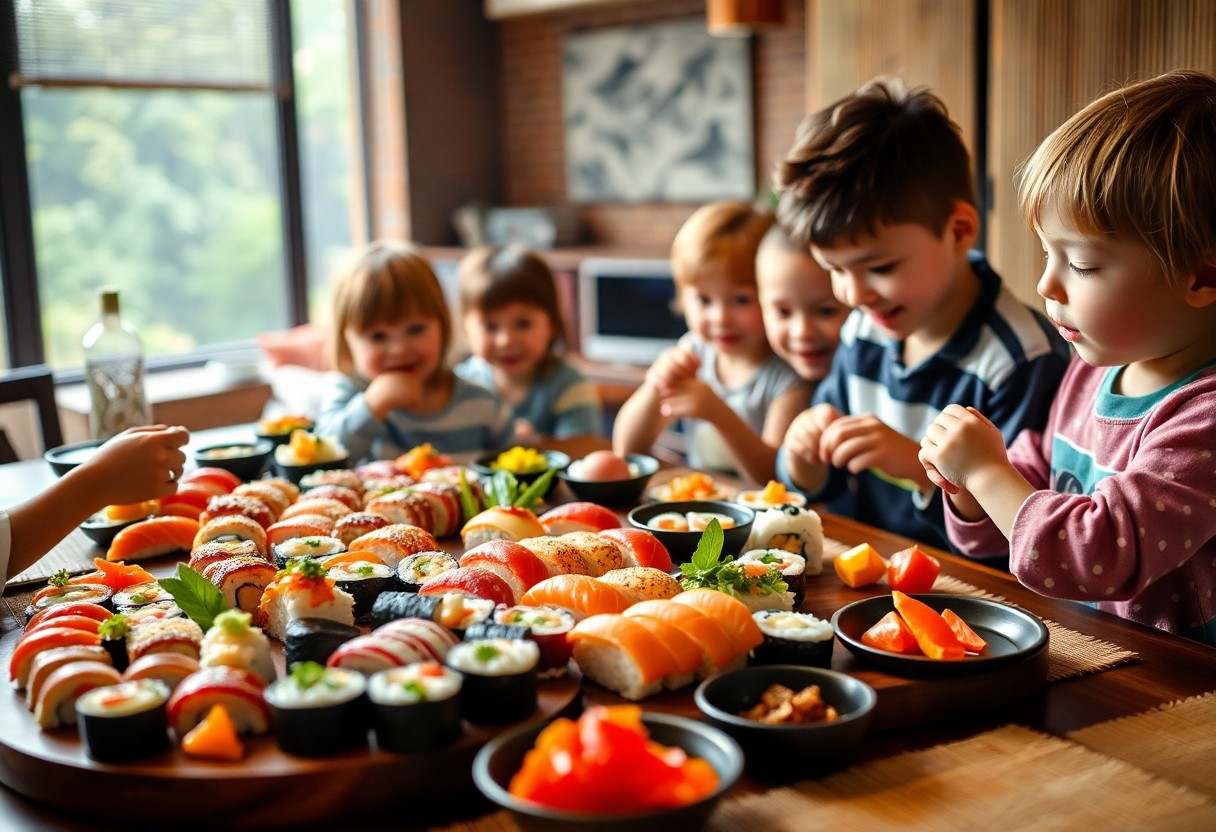
The Nutritional Benefits of Sushi
To cultivate a love for sushi, it’s important to recognize its numerous nutritional benefits. Sushi is a source of high-quality protein, healthy fats, and crucial vitamins and minerals. Ingredients like fish and vegetables provide omega-3 fatty acids and antioxidants, contributing to your child’s overall health. By introducing sushi as a meal option, you can encourage healthy eating habits and ensure your kids receive vital nutrients for their growth and development.
Understanding Key Ingredients
On your sushi journey, familiarize yourself with its key ingredients to make informed choices. Sushi typically features rice, seaweed, and various fillings, such as fresh fish, vegetables, or tofu. The rice provides carbohydrates for energy, while seaweed is packed with vitamins and minerals. Teaching your kids about these components will help them appreciate the flavors and textures, sparking their interest in this delicious cuisine.
Health Benefits for Kids
Along with being tasty, sushi offers significant health benefits for your kids’ development. With ingredients rich in protein and healthy fats, sushi promotes muscle growth and brain development. The inclusion of vegetables also ensures that your children receive crucial vitamins and minerals. Additionally, introducing sushi to your child’s diet may encourage them to try various foods, fostering open-mindedness in their eating habits.
And by incorporating sushi into your child’s meals, you’re providing them with a wide range of nutrients that support their physical and cognitive growth. Fish like salmon and tuna are excellent sources of omega-3 fatty acids, known for their role in enhancing brain function and concentration. Moreover, the vibrant colors and diverse textures of sushi can make mealtime more exciting, motivating your kids to explore new ingredients and flavors while nourishing their bodies in the process.
Making Sushi Fun and Accessible
If you’re looking to introduce your kids to sushi, making the experience enjoyable is key. By incorporating fun elements and engaging activities, you can transform sushi-making into an exciting family event. Explore more insights on How to Introduce Your Kids to Sushi – SimpleStepsForLivingLife to learn how to make sushi accessible for the little ones.
Choosing Kid-Friendly Recipes
Above all, selecting kid-friendly recipes is your best starting point. Opt for sushi rolls with familiar ingredients, such as cucumber, avocado, or cooked shrimp. Introducing these flavors can help your kids feel more comfortable and willing to try sushi, making food exploration a fun experience.
Incorporating Playful Presentation
Across the board, playful presentation can significantly enhance your sushi experience. Arrange rolls in fun shapes or create animal faces using the ingredients you have. This can turn a simple meal into an art project that sparks your children’s imaginations.
Also, think about using a variety of colors and textures when plating your sushi to engage their senses. You can use vibrant toppings or create a colorful serving platter filled with different types of sushi. Personalizing each plate with their favorite ingredients not only makes it more fun but encourages your kids to take pride in the meal they helped prepare.
Engaging Kids in the Process
Once again, getting kids involved in the sushi-making process can spark their interest and excitement. When they participate in activities like selecting ingredients, rolling sushi, or even arranging the colorful rolls on a platter, they develop a sense of ownership and accomplishment. This hands-on approach not only makes sushi more appealing but also fosters positive family interactions around food. Plus, when kids feel empowered to create their own sushi, they are more likely to try different flavors and textures.
Involving Them in the Cooking
Across the sushi-making experience, you can let your children take charge of certain tasks, like washing rice or slicing vegetables. This level of involvement helps them gain confidence in the kitchen and build culinary skills. Encourage them to express their creativity by choosing their favorite fillings or experimenting with their own unique sushi styles. By offering age-appropriate tasks, you create a supportive environment where they can learn and have fun simultaneously.
Creating a Family Sushi Night
Above all, a dedicated family sushi night can turn a simple meal into a delightful tradition that everyone looks forward to. Setting aside a specific evening each week or month allows you to plan ahead, create a menu, and get your kids excited. By leveraging this time together, you can enjoy quality bonding while teaching them the cultural significance and cuisine of sushi.
And, to make family sushi night even more enjoyable, consider incorporating themed elements, like a Japanese movie or music in the background. You can have fun creating an array of sushi types, from classic rolls to more adventurous combinations. Encourage everyone to share their creations and give feedback, which promotes a sense of collaboration. This setting not only makes preparing sushi enjoyable but strengthens family ties, turning mealtime into an event that everyone eagerly anticipates.
Overcoming Picky Eaters’ Challenges
Keep in mind that introducing sushi to picky eaters can be a gradual process. Start by offering simpler options, such as rolls filled with familiar ingredients, and encourage conversation about texture and flavors. For more strategies, check out Sushi for Kids: Making Sushi Fun for the Whole Family. This approach can help create a comforting environment for your children as they learn to appreciate sushi.
Gradually Introducing New Flavors
On your journey to making sushi a family favorite, gradually introducing new flavors can make a significant difference. Transition gently from familiar tastes, such as crab or avocado, to more adventurous ingredients like eel or spicy tuna. This slow approach not only familiarizes your kids with different textures but also builds their confidence in trying new foods one step at a time.
Encouraging Experimentation
With a little creativity and encouragement, you can turn mealtime into a fun culinary adventure. Allow your kids to assemble their sushi with various ingredients, letting them mix and match fillings. This hands-on experience not only makes eating sushi exciting but also empowers your children to take charge of their food choices.
Due to the interactive nature of sushi-making, your kids will likely feel more invested in what they’re eating. By letting them select ingredients, they can explore flavors they might not have tried otherwise. This encourages an adventurous spirit around food and helps them feel proud of the sushi they create, making them more willing to taste new combinations in the future.
Cultural Appreciation Through Sushi
After introducing sushi to your kids, you provide them with a unique opportunity to appreciate Japanese culture. Sushi is not just a meal; it embodies centuries of tradition, art, and culinary skill. By sharing the story behind sushi-making, you foster a deeper understanding of Japan’s cultural heritage. Encourage your children to explore the history of sushi and its regional variations, transforming mealtime into a delightful cultural experience that broadens their horizons.
Teaching Kids About Japanese Culture
After establishing a sushi routine, you can research into Japanese culture with your kids. Utilize books, documentaries, and cooking sessions to explain the significance of sushi in Japanese society. Discuss the various types of sushi and their origins, helping your children appreciate the artistic nature of sushi preparation. This cultural immersion will cultivate their respect for traditions and widen their understanding of the world.
Expanding Their Culinary Horizons
On the path of embracing sushi, you also pave the way for expanding your child’s culinary horizons. Introducing them to sushi can lead to curiosity about other cuisines and flavors, encouraging adventurous eating. As they discover different tastes and textures, their palate matures, making them more open to trying new foods from various cultures.
Japanese cuisine is rich and diverse, offering much more than just sushi. By engaging your kids in conversations about other Japanese dishes, such as ramen, tempura, or takoyaki, you help them appreciate a broader range of flavors. Letting them assist in preparing these dishes also enhances their cooking skills and encourages creativity in the kitchen. This comprehensive culinary journey will inspire them to explore cuisines from around the globe, fostering an appreciation for diverse cultures and enriching their dining experiences.
Safety and Dietary Considerations
Despite the appeal of sushi, it’s important to prioritize safety and dietary needs when introducing it to your kids. You should ensure that the ingredients are age-appropriate and verify that your child has no allergies to seafood or other components of sushi. Educating yourself about food safety practices can help mitigate risk, while being mindful of specific dietary restrictions allows you to create enjoyable sushi experiences tailored to your family’s needs.
Ensuring Freshness and Quality
The freshness and quality of the sushi ingredients are vital for both safety and taste. When purchasing seafood, opt for reputable suppliers who maintain high standards in handling and storing their products. Fresh fish should have a clean, ocean-like smell, firm texture, and vibrant color. You can also incorporate cooked proteins, such as shrimp or crab, to ensure you’re minimizing any risks associated with raw fish for your little ones.
Adapting Recipes for Food Allergies
The customization of sushi recipes can help accommodate various food allergies your child may have. It’s necessary to understand each ingredient and explore alternatives to classic components that may trigger a reaction. You can substitute traditional fish with cooked options, swap soy sauce for gluten-free alternatives, or use tamari to cater to those sensitive to gluten.
With a little creativity, you can create delicious and safe sushi options for children with food allergies. Experiment with different fillings such as cucumber, avocado, or cooked chicken to maintain flavor while avoiding allergens. You can also explore sushi rolls made with rice paper or vegetable wrappers for a unique twist that’s perfect for those with gluten sensitivities. Embracing these adaptations allows you to introduce your kids to sushi in a way that keeps them safe and enthusiastic about trying new foods.
To wrap up
So, by introducing your kids to the delightful world of sushi, you can foster their appreciation for diverse flavors and cultures. Start with simple ingredients and fun presentations to make the experience enjoyable. Encourage them to participate in the preparation, turning mealtime into an exciting culinary adventure. As they explore various types of sushi, you’ll enhance their taste buds and create lasting memories. With your guidance, your children will not only learn to love sushi but may develop a lifelong passion for trying new foods.
Q: What are some kid-friendly sushi options to start with?
A: When introducing kids to sushi, it’s best to start with options that have familiar flavors and textures. Some kid-friendly sushi choices include vegetable rolls, such as cucumber or avocado rolls, and rolls with cooked seafood, like shrimp tempura or eel. You can also make sushi using fruits, like mango or strawberries, wrapped in rice and seaweed. Soft textures and mild flavors can help kids enjoy sushi without overwhelming their taste buds.
Q: How can I make sushi-making fun for my kids?
A: Making sushi can become a fun and engaging activity for the whole family. Start by setting up a sushi-making station with all the ingredients laid out, such as rice, nori (seaweed), vegetables, and proteins. Encourage your kids to design their own rolls, choosing combinations that appeal to them. You can also create a sushi-making challenge, where everyone competes to make the most creative roll. This interaction not only teaches kids about sushi but also bonds the family through shared creativity and culinary exploration.
Q: Are there any nutritional benefits to teaching kids about sushi?
A: Yes! Teaching kids about sushi comes with several nutritional benefits. Sushi often includes ingredients like fish, which is a good source of protein and omega-3 fatty acids, crucial for brain development. Additionally, sushi can incorporate a variety of vegetables, introducing kids to different flavors and providing important vitamins and minerals. By learning to enjoy sushi, kids gain exposure to diverse, healthy eating habits that can foster a lifelong appreciation for nutritious foods.