Mastering chopstick etiquette is crucial for enhancing your dining experience at a sushi restaurant. Whether you’re a novice or looking to refine your skills, understanding the proper techniques will not only impress your fellow diners but also show respect for the culinary art of sushi. In this guide, you will learn the correct way to hold chopsticks, the etiquette of navigating sushi dishes, and tips for avoiding common mishaps. Prepare to elevate your sushi experience with confidence and grace!
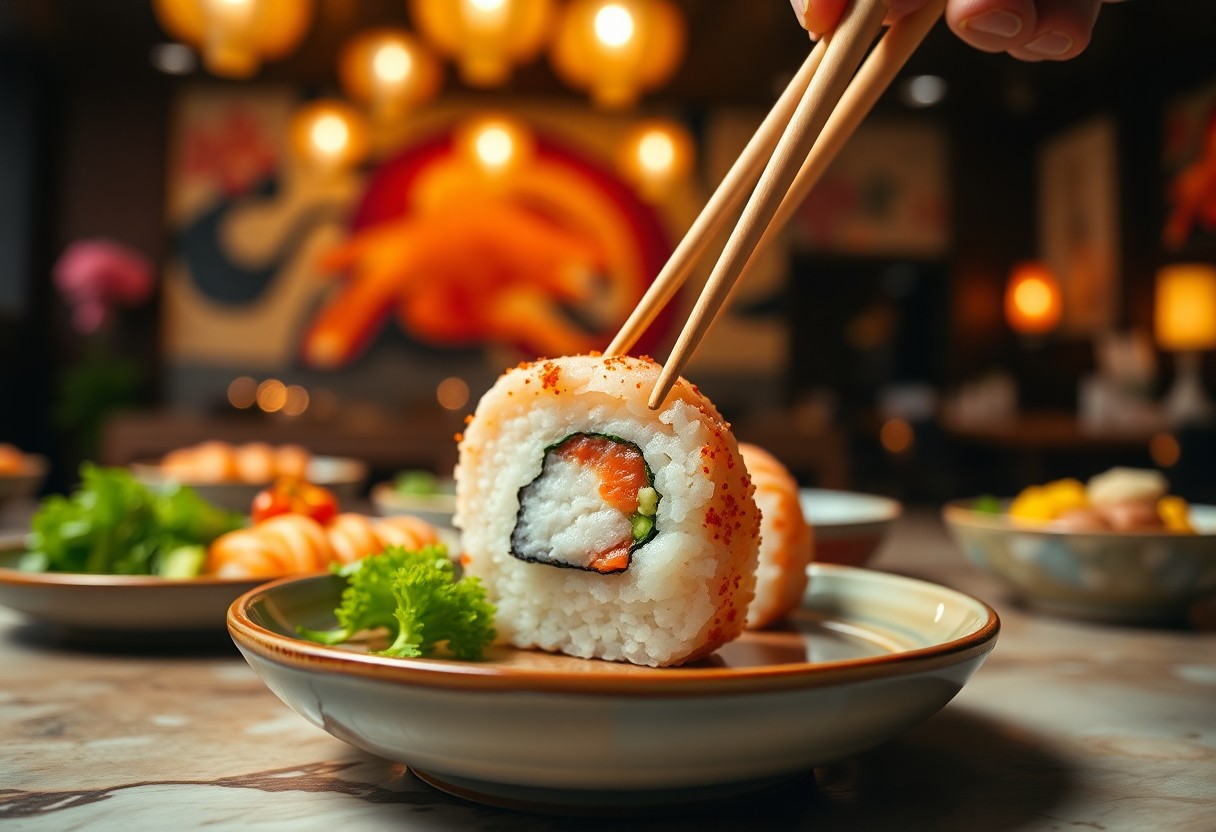
Key Takeaways:
- Grip: Hold the first chopstick like a pencil, resting it between your thumb and index finger, while the second chopstick remains stationary against your ring finger.
- Movement: Use your index and middle fingers to move the top chopstick. Avoid moving the bottom chopstick to maintain control.
- Picking Up Food: Practice picking up small pieces of sushi or other food items by gently squeezing and lifting, ensuring not to pinch too hard.
- Etiquette: Avoid sticking chopsticks upright in rice, as this resembles a funeral offering; instead, place them on a holder or the plate when not in use.
- Sharing: If sharing food with others, use the opposite end of your chopsticks to transfer items to avoid cross-contamination.
Understanding Chopsticks
Before you pick up your chopsticks at a sushi restaurant, it’s crucial to understand their significance in Japanese culture and dining etiquette. Familiarize yourself with the guidelines of proper sushi etiquette by visiting How to Practice Sushi Etiquette (with Pictures) to enhance your experience.
Anatomy of Chopsticks
For effective use of chopsticks, you should familiarize yourself with their anatomy. A typical pair consists of two tapered sticks that allow you to grasp food delicately. The upper stick is the one you move, while the lower stick remains stationary. Knowing how to hold them properly is key to mastering their use.
Material Types and Their Uses
The material of your chopsticks can greatly influence their functionality and your dining experience. Here’s a comparison of common materials:
| Material | Common Uses |
| Wood | Everyday meals, sushi |
| Bamboo | Disposable chopsticks |
| Plastic | Casual settings, children |
| Metal | Formal dining |
| Ceramic | Special occasions |
This variety allows you to choose the perfect chopsticks for your dining experience.
Plus, understanding the characteristics of each material can enhance your usability and comfort with chopsticks. For example, wooden chopsticks offer a bit of grip making them ideal for sushi, while metal ones are slick but durable:
| Material | Characteristic |
| Wood | Good grip |
| Bamboo | Lightweight |
| Plastic | Color variety |
| Metal | Durable |
| Ceramic | Decorative |
This understanding will help you choose chopsticks that not only fit the occasion but also enhance your overall dining experience.
Correct Grip Technique
Some may find using chopsticks challenging at first, but mastering the correct grip technique can enhance your dining experience. Hold one chopstick between your thumb and the base of your index finger, using your ring finger to stabilize it. The second chopstick should rest against your middle finger and be maneuvered using your index finger and thumb. This method ensures that you have control and precision when picking up sushi and other food items.
Hand Positioning
By aligning your fingers properly, you create a stable grip on the chopsticks. Position your thumb, index, and middle fingers to control the upper chopstick, while the lower chopstick remains stationary. Maintain a gentle grip to avoid excessive pressure, which can make it difficult to pick up food effectively. Your hand should feel relaxed and agile, allowing for smooth movements.
Movement Practice
Practice opening and closing the chopsticks by moving only the upper stick. Focus on coordinating your thumb and index finger, which should create a pinching motion. Initially, it may help to use larger items like vegetables or sushi rolls, as they are easier to grasp. Move on to smaller items as you gain confidence.
Indeed, practice makes perfect when it comes to refining your technique with chopsticks. You can start by picking up items at home, gradually increasing the difficulty level. Try to incorporate different shapes and sizes of food to enhance your skills. With time and persistence, you will find that your dexterity improves, allowing you to enjoy your meal at the sushi restaurant without stress.
Picking Up Sushi
Once again, using chopsticks properly is key for enjoying your sushi experience. To pick up sushi, grasp the upper chopstick in your dominant hand. Then, place the lower chopstick securely against your thumb and index finger. Use the top chopstick to pinch the sushi firmly, ensuring you have a good grip before lifting it to your mouth. This way, you can enjoy your sushi without the risk of dropping it or damaging the delicate piece.
Types of Sushi and Best Practices
To navigate the various types of sushi, you should know their characteristics and handle them appropriately. Here’s a quick guide:
| Type of Sushi | Best Practice |
|---|---|
| Nigiri | Grip the rice, not the fish. |
| Maki | Hold the roll at the ends. |
| Sashimi | Use your fingers if preferred. |
| Temaki | Gently hold the cone shape. |
| Uramaki | Pinch from the side. |
Knowing the best practices for each type of sushi can enhance your dining experience.
Common Mistakes to Avoid
Behind the art of sushi etiquette are some common mistakes that you should avoid while using chopsticks. Many people tend to use their chopsticks incorrectly, leading to an awkward dining experience and potentially embarrassing situations.
In fact, being aware of what not to do can elevate your skill with chopsticks. It’s a good idea to avoid poking, stabbing, or trying to cut through the sushi with your chopsticks. Instead, treat sushi as a delicate food item, keeping a gentle but firm grip. Additionally, refrain from pointing your chopsticks and do not stick them upright in a bowl of rice, as this is considered disrespectful. Being conscious of these habits will improve your sushi enjoyment.
Table Etiquette
For a pleasant dining experience, it’s imperative to observe proper table etiquette at your sushi restaurant. This includes being polite to the staff, waiting patiently for your order, and ensuring your seating is respectful of others. Avoid loud conversations and keep your phone on silent mode to maintain a tranquil atmosphere. Your behavior reflects not only on you but also the restaurant, so being aware of your surroundings is paramount.
Dos and Don’ts
After you’ve settled in, focus on the dos and don’ts of dining with chopsticks. Do pick up your sushi with the chopsticks when possible, and use them to dip your sushi in soy sauce lightly. Don’t stab your sushi or use your chopsticks to push food around the plate. Avoid sticking your chopsticks upright in a bowl of rice as it resembles a funeral rite in Japanese culture. These simple guidelines will enhance your experience.
Sushi Restaurant Customs
Before you begin on your sushi journey, familiarize yourself with the common customs observed in sushi restaurants. These can vary by location, but understanding basic practices will contribute to a more enjoyable meal. Be mindful of how you greet the staff, and consider culturally appropriate phrases or gestures to show your respect. Communicating your preferences politely will not only help you get what you desire but can also create a more favorable interaction.
Considering that sushi is deeply rooted in Japanese tradition, following customs shows respect for the cuisine. Many sushi chefs appreciate patrons who honor their craft, so whether it’s expressing gratitude after your meal or properly addressing them, such gestures go a long way. Additionally, observing how others behave in the restaurant can provide valuable insight into the unwritten rules of etiquette, making you feel more confident during your dining experience.
Cleaning and Caring for Chopsticks
All chopsticks require proper cleaning and maintenance to ensure longevity and hygiene. When using how to eat with chopsticks, it’s necessary to incorporate care into your routine. Regular cleaning not only keeps them sanitary but also enhances your dining experience.
Proper Cleaning Techniques
Across various materials, cleaning techniques for chopsticks may vary. Take wooden chopsticks, for example; they should be hand washed with warm soapy water and never soaked or placed in a dishwasher to avoid warping. Ensure they are thoroughly dried to prevent moisture buildup.
Storage Tips
With the right storage, you can prolong the life of your chopsticks. Follow these tips:
- Store in a dry, cool place to avoid mold or damage.
- Use a chopstick holder or container to keep them organized.
- Avoid placing them in direct sunlight, which can cause discoloration or warping.
Assume that following these guidelines will maintain the integrity of your chopsticks for future use.
Another important aspect of chopstick care is ensuring they are free from contaminants. Follow these additional storage tips:
- Keep them away from strong odors that could seep into the material.
- If possible, avoid stacking them with other utensils to prevent scratches.
- Consider using a designated space in your kitchen specifically for chopsticks.
Assume that organized storage will not only protect your chopsticks but also enhance your overall dining experience.
Alternatives to Chopsticks
Despite the tradition of using chopsticks at sushi restaurants, there are alternatives that can enhance your dining experience. If you find chopsticks difficult to handle, feel free to request a fork or a spoon. Many sushi establishments accommodate diners who prefer these utensils, allowing you to enjoy your meal with ease while still respecting the culinary culture.
When to Use Other Utensils
Beside personal preference, there are specific instances when other utensils might be more suitable. For example, when enjoying saucier dishes like maki rolls or sushi with extra toppings, using a fork can provide a more practical experience. If you have mobility issues or are dining with children, opting for a spoon or fork can make the meal more enjoyable for everyone.
Cultural Considerations
Considerations around utensils can vary greatly between cultures, and it’s important to be aware of these nuances. While chopsticks are widely accepted in sushi restaurants, using a fork or spoon may be viewed differently. Some sushi chefs pride themselves on the traditional methods of serving and eating sushi, and they appreciate when diners engage with the cuisine as intended. Being mindful of this culture will enrich your sushi experience.
Chopsticks are integral to many Asian cultures, embodying not just a practical tool for eating but also a symbol of tradition. When embracing local dining customs, you show respect for the culinary art form. If you choose to use alternative utensils, do so thoughtfully and considerately, understanding that your approach to the meal can reflect your appreciation of the culture you’re engaging with.
Summing up
Following this guide, you can confidently navigate using chopsticks at a sushi restaurant. Begin by holding the chopsticks correctly, using the top stick to move while keeping the bottom one stable. Practice picking up sushi pieces gently, avoiding excessive pressure to maintain their delicate structure. When you’re done, place your chopsticks neatly on the rest provided, ensuring you show respect for the dining experience. With these tips, you’ll not only enjoy your sushi more but also impress others with your chopstick skills.
FAQ
Q: How do I hold chopsticks correctly?
A: To hold chopsticks correctly, start by holding the first chopstick like a pencil, using your thumb, index, and middle fingers. The first chopstick should stay stationary while the second chopstick, held by your thumb and ring finger, moves to grip food. Practice opening and closing them by moving only the top chopstick. This will give you better control for picking up sushi and other items.
Q: What is the proper etiquette for using chopsticks at a sushi restaurant?
A: Proper etiquette involves several important practices. Firstly, avoid sticking your chopsticks vertically into a bowl of rice, as this resembles a funeral rite in Japanese culture. Instead, place them on a designated rest or your plate when not in use. Additionally, refrain from using your chopsticks to point at people or dishes, as this is considered disrespectful. It is also advisable to pick up sushi from the side rather than through the middle, which helps maintain its structure.
Q: Can I use my chopsticks to dip sushi into soy sauce?
A: Yes, you can use chopsticks to dip sushi into soy sauce, but do it carefully. Instead of submerging the sushi, lightly dip the fish side into the sauce to avoid overpowering the delicate flavor. If you are eating nigiri, it is polite to dip the fish, not the rice, as the rice may absorb too much sauce and fall apart. Additionally, avoid using your chopsticks to scoop up more soy sauce—it’s best to pour a small amount into a dish for dipping.