tips

Sushi for a Balanced Diet – Tips and Tricks

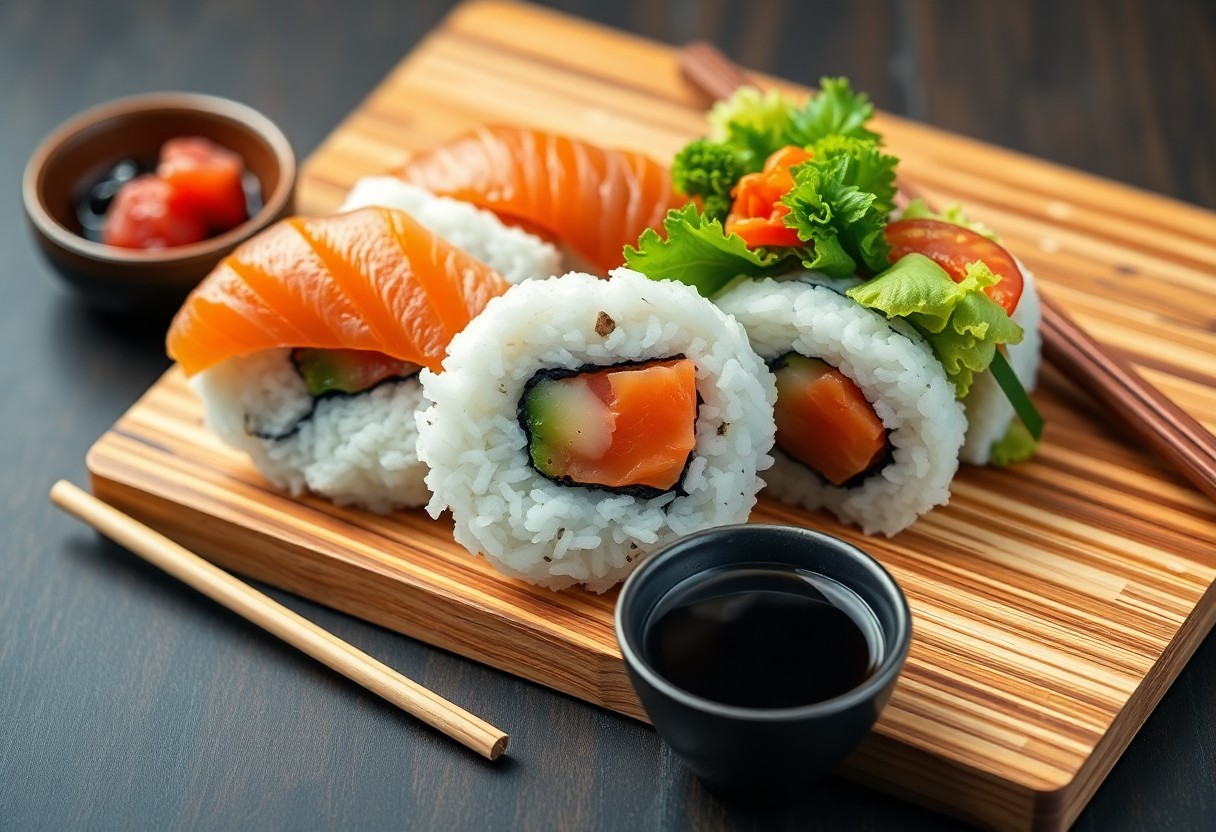
Sushi offers you a delicious and nutritious way to enhance your balanced diet. By incorporating a variety of ingredients like fish, vegetables, and whole grains, you can create meals that are rich in important nutrients. In this post, you’ll discover practical tips and tricks to maximize the health benefits of sushi, ensuring that it fits seamlessly into your lifestyle. Whether you’re a sushi aficionado or new to the world of sushi, you’ll find valuable insights to help you enjoy this flavorful cuisine while prioritizing your overall well-being.

Key Takeaways:

  • Ingredient Variety: Incorporating a range of ingredients like fish, vegetables, and rice can enhance the nutritional profile of sushi.
  • Portion Control: Be mindful of sushi portions to maintain a balanced diet and avoid excessive calorie intake.
  • Whole Grains: Choosing brown rice or other whole grain alternatives can increase fiber and nutrient content in sushi.
  • Sustainable Choices: Opt for sustainably sourced fish and seafood to promote environmental health while enjoying sushi.
  • Homemade Options: Preparing sushi at home allows for better control over ingredients and healthiness, making it easier to balance your diet.

Understanding Sushi Ingredients

Your journey into sushi begins with understanding its diverse ingredients. Sushi is not just about fish; it incorporates a variety of components that contribute to its overall taste and nutrition. From rice to seaweed, each ingredient plays a pivotal role in ensuring a satisfying and balanced meal. Being aware of these elements allows you to make more informed choices that cater to your dietary needs and preferences.

Types of Fish and Their Nutritional Benefits

Your choice of fish in sushi offers a wealth of nutritional benefits. Different types of fish provide varying levels of omega-3 fatty acids, proteins, and vitamins. Here’s a breakdown:

Type of Fish Nutritional Benefit
Salmon Rich in omega-3s and vitamin D
Tuna High in protein and low in fat
Mackerel Packed with omega-3s and vitamin B12
Sardines Excellent source of calcium and potassium
Halibut Low in calories, high in protein
  • Choose fatty fish for heart health.
  • Opt for lean fish for lower calorie intake.
  • Incorporate different fish to maximize nutrients.
  • Fresh fish ensures better taste and health benefits.
  • Thou will enjoy a variety of flavors and benefits.

The Role of Vegetables in Sushi

Role of vegetables in sushi is vital for adding flavor, texture, and important nutrients. Ingredients like avocado, cucumber, and carrots not only enhance the overall taste but also contribute vitamins, minerals, and dietary fiber. Including vegetables in your sushi helps balance the meal and provides a refreshing contrast to the fish and rice.

It is beneficial to explore various vegetables when creating or ordering sushi rolls. They are often rich in antioxidants, which can help boost your immune system and lower inflammation. Incorporating a mix of colorful vegetables increases the visual appeal and ensures that you’re getting a wide array of nutrients. From seaweed wraps to crunchy toppings, these plant-based ingredients elevate the nutrition of your sushi.

Sushi Preparations for a Balanced Diet

The key to enjoying sushi while maintaining a balanced diet lies in the preparations. You can enhance your sushi experience by selecting fresh, quality ingredients and opting for healthier choices. Consider reading How To Eat Clean At A Sushi Restaurant – Estee AlIAS for more tips on making wise selections.

Choosing Whole Grains vs. White Rice

Any time you are selecting rice for your sushi, consider whole grains as a better option than white rice. Brown rice not only adds a nuttier flavor but also provides additional fiber and nutrients, making your sushi meal more filling and nutritious.

The Importance of Portion Control

Preparations for a balanced sushi meal also involve being mindful of portion sizes. You may find it easy to overindulge when faced with an array of delicious sushi, but appropriate servings can help maintain your dietary goals.

Another effective way to manage your portion sizes is by sharing rolls with friends or opting for smaller plates. This practice allows you to enjoy a variety of flavors without consuming excessive calories. Balancing your sushi intake with fresh sides, like salads or vegetable-based dishes, will keep your meal satisfying yet well-portioned.

Creative Sushi Varieties for Health

After exploring traditional sushi options, it’s time to get creative with your selections. Incorporating unique ingredients and flavors can elevate your sushi experience while keeping it healthy. Consider a variety of fillings and toppings, such as grilled chicken, avocado, or mango, which can enhance both nutritional value and taste. For more insights, check out the 10 Tips for Ordering Healthy Sushi – US News Health.

Sushi Bowls and Rolls

For a fresh twist on traditional sushi, try sushi bowls, where you can mix your favorite ingredients in a bowl instead of rolling them. This option allows you to control your portions and choose nutrient-dense foods like brown rice, fresh vegetables, and protein sources, making it a customizable meal that fits your dietary preferences.

Vegetarian and Vegan Sushi Options

About the popularity of vegetarian and vegan sushi is on the rise, providing delicious alternatives that are both nutritious and satisfying. With options like cucumber rolls, avocado nigiri, and sweet potato tempura, you can enjoy all the flavors of sushi without any fish or meat.

And by getting creative with plant-based ingredients, you can make your sushi not just a meal, but a celebration of flavors and textures. Try adding ingredients like marinated tofu, pickled vegetables, or even fruit for a refreshing twist. These options ensure you enjoy a balanced diet while still indulging in your favorite sushi delicacies.

Health Considerations

Keep in mind that while sushi can be a nutritious choice, it’s important to consider certain health factors. Quality and preparation make a significant difference in the health benefits as well as potential risks. By being aware of the types of seafood and practices involved, you can enjoy sushi without compromising your well-being.

Mercury Levels in Fish

Above all, you should be aware that certain fish used in sushi, particularly larger species like tuna and swordfish, may contain higher mercury levels. Regular consumption of these types of fish can lead to mercury accumulation in your body, posing health risks. It’s beneficial to vary the types of seafood you consume to minimize exposure while still enjoying your sushi experience.

Safe Food Handling Practices

Between raw ingredients and their preparation, you must ensure that your sushi is handled safely to prevent foodborne illnesses. Always choose reputable establishments or practice stringent hygiene if making sushi at home.

Considering safe food handling practices involves maintaining a clean workspace, properly washing your hands, and using fresh ingredients. Ensure that raw fish is sourced from high-quality suppliers and stored at the correct temperatures. Avoid cross-contaminating ingredients by using separate utensils for raw and cooked items. Following these guidelines will help you enjoy sushi safely, maintaining both your health and the delicious experience.

Sushi Pairings for Enhanced Nutrition

Once again, enhancing your sushi experience is as simple as considering the right pairings. Incorporating a variety of vegetables, such as avocado, cucumbers, and pickled ginger, not only adds texture but also boosts your meal’s nutrient profile. You can also choose whole grain sushi rolls, which provide fiber and crucial minerals. By selecting high-quality fish, you enjoy healthy fats and proteins that round out your balanced diet while ensuring that every bite is both delicious and nourishing.

Complementary Sides and Sauces

For optimal nutrition, pair your sushi with sides that pack a nutritional punch. Consider options like seaweed salad, edamame, or miso soup, all of which contribute vitamins and minerals. In terms of sauces, opt for lighter condiments like low-sodium soy sauce or ponzu to enhance flavor without excessive calories or sodium. These smart choices elevate your meal’s nutritional value while still satisfying your taste.

Beverages That Balance Your Meal

One excellent way to complement your sushi is by choosing beverages that not only enhance your meal’s flavor but also contribute to your overall health. Green tea is a popular choice, known for its antioxidants and metabolism-boosting properties, making it an ideal partner for sushi. Alternatively, consider sparkling water with a splash of lemon for a refreshing, calorie-free option that cleanses your palate between bites.

In fact, beverages can significantly impact your dining experience. Choosing beverages with health benefits, such as matcha or kombucha, can provide additional nutrients and probiotics. These drinks can aid digestion and offer a satisfying contrast to the flavors of sushi. By being mindful of what you drink alongside your meal, you can enhance both enjoyment and nutrition, making every sushi outing a delicious and healthful affair.
Making Sushi at Home

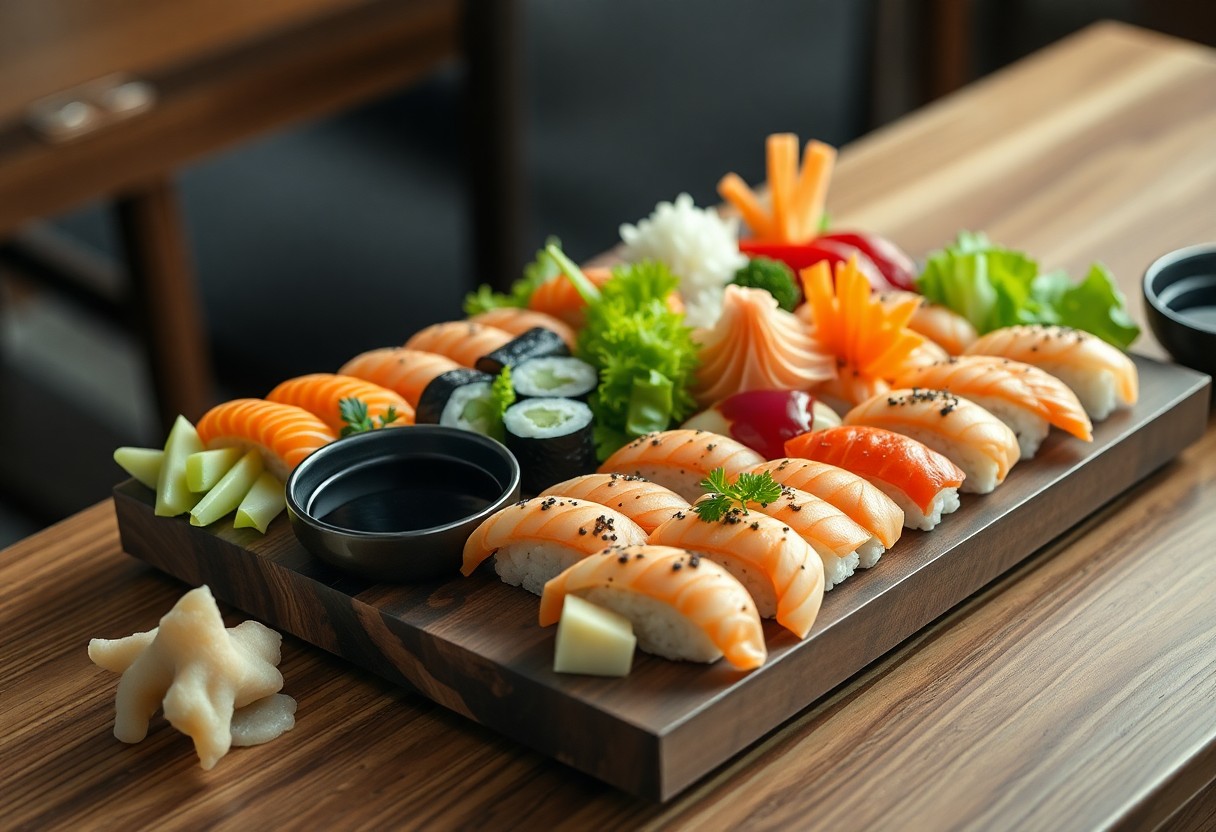
Not only is making sushi at home a fun and rewarding experience, but it also allows you to control the ingredients for a healthier option. With a little practice, you’ll find that you can create delicious sushi rolls that fit into your balanced diet. For more insights on how to improve your sushi choices, check out How to Eat Sushi The Healthy Way.

Essential Tools and Ingredients

Among the key components for making sushi at home, you’ll need a few vital tools and fresh ingredients. Here is a list to get you started:

Essential Tools and Ingredients

Tools Ingredients
Sushi mat Sushi rice
Sharp knife Nori (seaweed sheets)
Rice cooker or pot Fresh fish or vegetables
Wooden paddle Soy sauce

Step-by-Step Instructions for Beginners

Making sushi involves several steps, but with practice, you’ll become proficient. Follow this simple outline:

Step-by-Step Instructions for Beginners

1. Prepare Sushi Rice Cook sushi rice and let it cool.
2. Prepare Fillings Slice your choice of fish or veggies.
3. Assemble Sushi Place nori on sushi mat, add rice and fillings.
4. Roll Sushi Carefully roll using the mat.
5. Slice and Serve Cut into bite-sized pieces and enjoy.

Further honing your sushi skills will require practice. Start slowly and follow each step to build confidence. You can customize ingredients based on your preferences or dietary needs. Don’t hesitate to experiment with flavors and textures until you discover your perfected sushi style. Happy rolling!

Tips for Perfecting Your Sushi

1. Consistent Rice Avoid overly sticky or too dry rice.
2. Fresh Ingredients Always use the freshest fish and vegetables.
3. Even Pressure Use gentle, even pressure while rolling.
4. Sharp Knife A sharp blade ensures clean cuts.

Final Words

Taking this into account, incorporating sushi into your balanced diet can be both enjoyable and beneficial. By selecting a variety of ingredients, such as fresh fish, vegetables, and whole grains, you can enhance your nutritional intake while indulging in this flavorful cuisine. Be mindful of your portion sizes and choose healthier options like sashimi or vegetable rolls when possible. With these tips and tricks, you can savor sushi guilt-free, knowing that you are making choices that align with your health goals.

Q: What types of sushi are best for maintaining a balanced diet?

A: When aiming for a balanced diet, look for sushi options that incorporate a variety of ingredients. Sashimi, which consists of fresh fish without rice, provides high-quality protein and omega-3 fatty acids. Rolls that contain vegetables, such as cucumber or avocado, alongside lean proteins like tuna or salmon can create a nutritious meal. Additionally, consider ordering sushi made with brown rice instead of white rice to increase fiber content, which aids in digestion and promotes satiety.

Q: How can I enhance the nutritional value of my sushi choices?

A: To boost the nutritional value of your sushi meal, incorporate additional toppings and sides. Opt for rolls that include ingredients like seaweed, which is rich in vitamins and minerals, or add wasabi and ginger for added flavor and antibacterial properties. Including a side of miso soup or a salad made with fresh greens can further enhance your meal’s nutrient profile while contributing vital vitamins and hydration. Additionally, choosing sushi made with sustainable fish options can support both your health and environmental sustainability.

Q: What should I consider regarding portion sizes when enjoying sushi?

A: Portion control is important when enjoying sushi to maintain a balanced diet. Sushi rolls can vary in size and can contain multiple ingredients, making it easy to consume more than intended. Aim to limit your intake to a few rolls, perhaps 2-3, and complement your meal with lighter options, such as edamame or a small salad. If you’re dining out, sharing several different types of sushi with others can also help control portions while allowing you to enjoy a variety of flavors. Pay attention to how your body feels during the meal, and stop eating when you begin to feel satisfied.
Sushi for Picky Eaters – Tips to Get Them to Try It

With the rising popularity of sushi, you might find yourself wondering how to introduce this delicious cuisine to someone who’s a bit hesitant. Whether it’s a child, a friend, or even yourself, getting a picky eater to embrace sushi can feel like a challenge. This guide will provide you with practical tips and tricks to make sushi more appealing, helping you navigate their taste preferences while still enjoying the diverse flavors and textures that sushi has to offer. Let’s look into the world of sushi and transform it into an exciting culinary adventure!

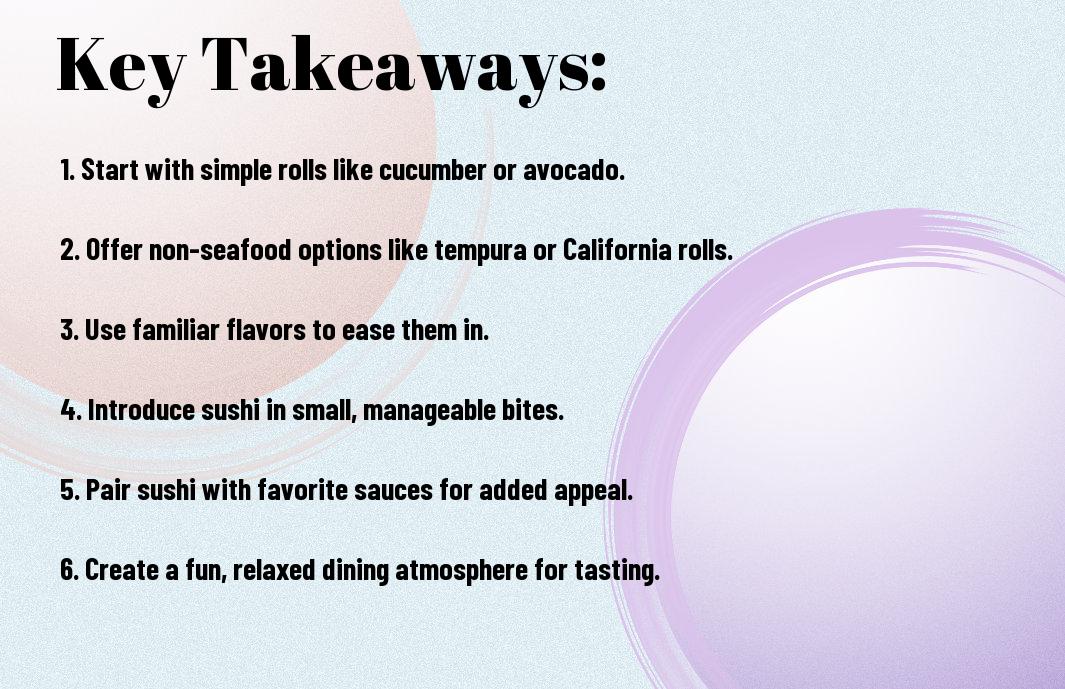
Key Takeaways:

  • Introduce Gradually: Start with familiar flavors to ease picky eaters into sushi.
  • Creative Presentation: Make sushi visually appealing and fun, which can entice children and picky eaters.
  • Offer Variety: Provide different types of sushi, including rolls with non-seafood ingredients for more options.
  • Involve Them: Encourage picky eaters to help make sushi at home, fostering a sense of ownership and adventure.
  • Sauce and Dips: Use sauces and dips to enhance flavor and make sushi more appealing to those hesitant to try it plain.

Understanding Picky Eaters

While every child has unique taste preferences, picky eating often stems from various influences, including genetics, past experiences, and developmental stages. As a parent, understanding your picky eater’s personality can be key to introducing new foods effectively, particularly something like sushi. The goal is to create a positive and open dialogue about food, allowing your child to feel comfortable exploring unfamiliar flavors and textures.

The Psychology Behind Picky Eating

Eating habits are often shaped by sensory experiences. Many picky eaters are sensitive to textures and flavors, which can make trying new foods intimidating. You’ll find that understanding these sensitivities can guide your approach, making sushi more relatable and enjoyable for your child.

Common Food Preferences

Between familiar favorites and texture aversions, picky eaters gravitate towards foods that feel safe and comfortable. Your child may prefer bland, non-spicy options and limit themselves to a narrow range of flavors, often resisting anything new or different.

And when it comes to sushi, noting these common preferences can help you select options that resonate with your child’s existing taste. For instance, choosing sushi rolls that feature milder ingredients like cucumber or avocado may appeal more than those with stronger flavors such as raw fish. You can gradually introduce new elements, allowing your child to explore the sushi experience without overwhelming them.

Sushi Basics for Beginners

There’s a world of flavors waiting for you in sushi, making it an exciting culinary discovery. If you’re hesitant about trying it, check out A Picky Eater Tries Sushi for the First Time for an encouraging perspective. Sushi is not just raw fish; it encompasses a variety of styles that can cater to various tastes.

Types of Sushi

Among the diverse sushi offerings, you will encounter flavors and textures sure to pique your interest. Here are some common types:

Type Description
Nigiri Hand-formed rice topped with fish or seafood.
Sashimi Thin slices of fresh, raw fish, without rice.
Maki Rice and fillings rolled in seaweed.
Temaki Hand-rolled cones of seaweed filled with rice and ingredients.

Recognizing the variety can help you choose what to try first.

Ingredients Used in Sushi

One of the keys to enjoying sushi is knowing the ingredients it commonly incorporates. Sushi features a mix of fresh fish, seasoned rice, and a variety of fillings and toppings, ranging from vegetables to sauces.

Beginners may find the ingredient list vast, but understanding the basics can enhance your experience. Sushi rice is typically seasoned with vinegar to give it a slight tang. Fresh fish options, like salmon, tuna, and shrimp, are popular choices, along with plant-based ingredients such as avocado, cucumber, and carrots. The addition of seaweed and sauces like soy sauce or wasabi can further elevate the flavors, making your sushi experience enjoyable and satisfying.

Tips to Encourage Sushi Tasting

All sushi lovers know that trying new foods can be daunting for picky eaters. Here are some tips to make the experience enjoyable:

  • Start with a fun sushi-themed event.
  • Involve them in the selection process.
  • Keep it light and positive.
  • Encourage them to try just a bite.

Knowing how to create a welcoming experience will make any sushi tasting adventure smoother.

Introducing Familiar Flavors

Before venturing into sushi, introduce your picky eaters to familiar flavors they already enjoy. This could involve selecting sushi rolls that feature ingredients they love, such as avocado, cream cheese, or cooked seafood. Consider highlighting these familiar elements to build their confidence in trying new dishes.

Starting with Non-Fish Options

To ease into the world of sushi, begin with non-fish options that can help your picky eater feel more comfortable. This strategy involves introducing rolls featuring vegetables, tofu, or cooked proteins like chicken or shrimp. By focusing on these flavors, you can help them discover the sushi experience without overwhelming them with raw fish right away.

Further, non-fish sushi options often appeal to those who are wary of seafood. Vegetable rolls packed with cucumbers, carrots, and avocado present a colorful and crunchy experience, while tempura rolls offer a crispy texture that many find delightful. Pairing these non-fish rolls with flavorful sauces or dipping them in soy sauce can enhance their taste and make the transition to trying sushi seamless and enjoyable.

Creating a Fun Sushi Experience

Your approach to introducing sushi can make all the difference. By creating a fun and engaging environment, you can help picky eaters feel more comfortable trying something new. Consider incorporating games, educational elements, or even themed nights. The goal is to foster excitement and curiosity about sushi, turning the dining experience into a memorable adventure for everyone involved.

Sushi Making at Home

The process of making sushi at home can be a fantastic bonding activity. Gather your picky eaters and choose various ingredients that appeal to their taste buds, encouraging them to customize their rolls. This hands-on experience not only demystifies sushi but also allows them to experiment with flavors without the pressure of dining out.

Taking Them to a Sushi Restaurant

Creating the right atmosphere at a sushi restaurant can also encourage your picky eaters to broaden their horizons. Opt for a casual, welcoming spot where you can share dishes and make the experience interactive. Allow them to explore different types of sushi, from classic rolls to unique specials that might pique their interest.

The positive energy of dining out can help them feel more open to new tastes. Consider ordering a variety of sushi styles so they can sample before committing to a full piece. This ‘try before you buy’ approach, combined with the experience of dining out, can transform their perception of sushi, making it less intimidating and more enticing.

Addressing Common Concerns

Despite the apprehension many picky eaters may have towards sushi, understanding and addressing common concerns can ease their fears. You can help them feel more comfortable by discussing their specific worries, whether it’s about food safety, allergies, or texture. By providing clear information and options, you can open the door to new culinary experiences that might have once seemed intimidating.

Food Safety and Allergies

For those concerned about food safety and allergies, it’s important to choose reputable restaurants or buy sushi prepared by trusted sources. Many sushi options are made with cooked ingredients, such as shrimp tempura or eel, which eliminate concerns about raw fish. Always communicate any allergies to ensure safe dining experiences.

Overcoming Texture Issues

Between the rice, fish, and seaweed, sushi presents a unique texture that might be off-putting to picky eaters. However, you can introduce sushi with textures that align more closely with their preferences. For instance, sushi made with cooked seafood or avocado might be more appealing, as these ingredients offer creaminess rather than the chewiness of raw fish.

And exploring various textures can increase your comfort level with sushi. Consider offering sushi rolls with crunch, like those containing tempura flakes or vegetables. Additionally, sushi burritos or hand rolls allow for a more customizable experience, letting you control the texture and ingredients more easily. Engaging your taste buds in this way can help bridge the gap between familiar and unfamiliar foods while making the experience enjoyable.

Success Stories

For many picky eaters, trying sushi can seem intimidating. However, there are numerous success stories that demonstrate how straightforward approaches can lead to positive experiences. You can explore these inspiring transformations in the Sushi for Picky Eaters – The COMPLETE Guide!

Case Studies of Picky Eaters

Behind each success story, there are individuals who took the leap. Here are some compelling case studies:

  • Case 1: A 7-year-old girl tried sushi for the first time and loved the simplicity of cucumber rolls, increasing her sushi interest by 75%.
  • Case 2: A teenage boy initially rejected sushi but found his favorite dish through tempura rolls, leading to a 50% increase in trying different flavors.
  • Case 3: A mother introduced sushi night, helping her two picky eaters try at least three different sushi types over one month.

Encouragement from Parents and Chefs

Studies show that encouragement from parents and chefs plays a significant role in overcoming picky eating habits. From sharing your enthusiasm for trying new foods to creating a fun and relaxed environment, these strategies can significantly influence your child’s willingness to embrace sushi.

To wrap up

Conclusively, introducing sushi to picky eaters can be a rewarding experience if approached thoughtfully. Start by selecting familiar ingredients and gradually expanding their palate with various types. Utilizing fun presentations and educational opportunities can pique their interest, making sushi less intimidating. Don’t forget the importance of positive reinforcement; encouraging your eater’s curiosity can lead to new culinary adventures. With patience and creativity, you can transform sushi into an enjoyable dining option that satiates their taste buds.

Sushi for Picky Eaters – Tips to Get Them to Try It

Q: What types of sushi are best for kids or picky eaters?

A: For kids or picky eaters, sushi varieties that feature familiar ingredients tend to be more appealing. Options like California rolls, which contain imitation crab and avocado, or cucumber rolls (kappa maki) are often well-received. Sushi made with tempura (fried shrimp or vegetables) can also be a hit, as the crispy texture is usually more acceptable. Additionally, sushi that avoids strong flavors or raw fish is a safer choice. Consider making sushi rolls at home where you can customize the ingredients to suit personal preferences.

Q: How can you introduce sushi to someone who is resistant to trying new foods?

A: Start by creating a fun and engaging atmosphere around the sushi experience. You can begin with sushi-themed nights at home where everyone is encouraged to build their own rolls with a selection of safe ingredients. Offer a taste-testing plate with small portions of various sushi types to encourage trying without pressure. Discuss the textures, flavors, and presentation to pique their interest. It might also help to serve sushi alongside a dip that they enjoy, such as soy sauce or a mild ponzu sauce, to ease the transition into new flavors.

Q: Should I focus on traditional sushi or fusion styles for picky eaters?

A: Fusion sushi can often be more appealing to picky eaters since it incorporates familiar flavors and ingredients. For instance, sushi burritos or sushi bowls are fun alterations that can include traditional sushi components in a less intimidating format. Introducing more classic forms of sushi can always be done later once someone is more comfortable with sushi in general. Ultimately, gauge the preferences of the individual and adjust accordingly to find the right balance that encourages trying new things.

Q: What are some easy, homemade sushi recipes for beginners?

A: Homemade sushi can be a great way to let picky eaters participate in the sushi-making process. Start with simple recipes like avocado rolls, using just sushi rice, nori, and ripe avocado. Vegetable rolls with carrots, cucumber, and cream cheese are also easy to make. If the person is willing to try fish, consider cooked shrimp or crab in a roll. Provide various dipping sauces and toppings so they can personalize their sushi. Online resources often have step-by-step videos, making it easy to follow along while creating fun and simple sushi rolls.

Q: How can I make sushi more visually appealing to entice a picky eater?

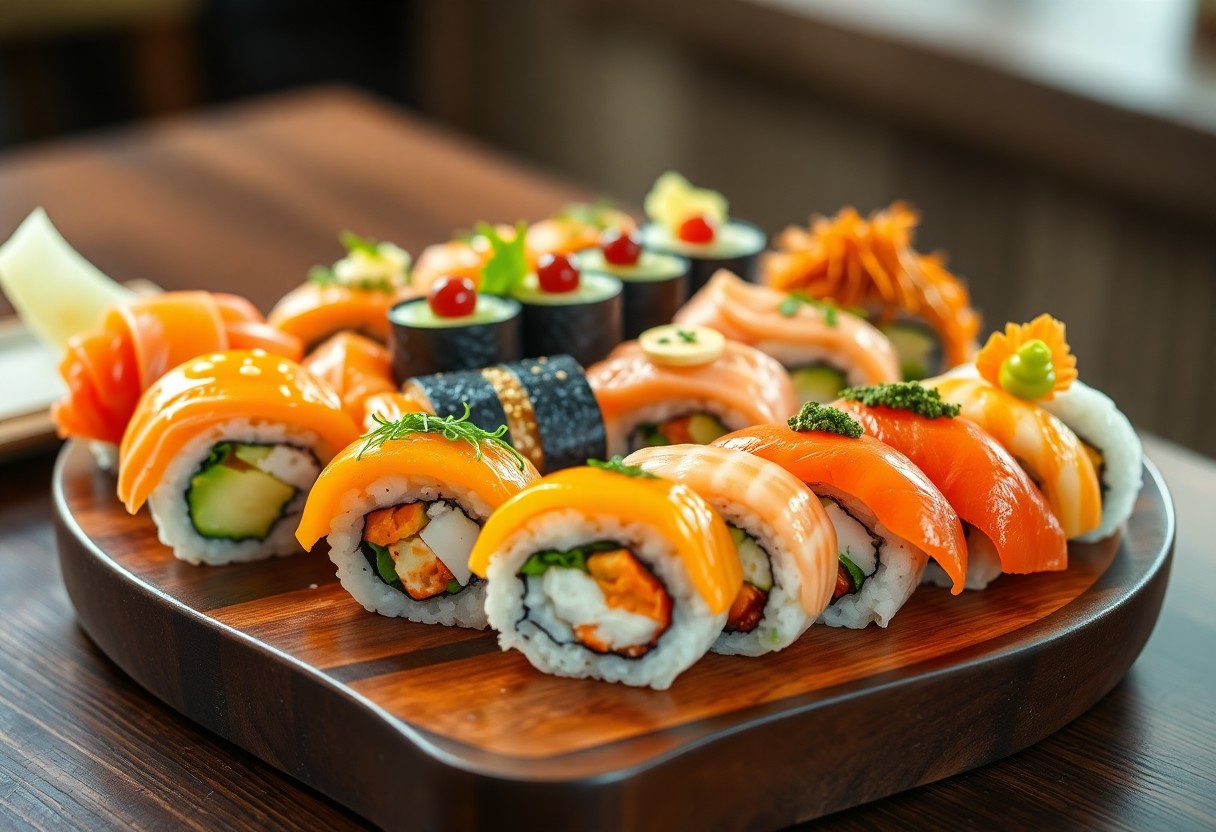
A: Presentation plays a key role in making sushi enticing. Arrange the sushi in colorful and artistic ways, using garnishes like sesame seeds or slices of colorful vegetables to enhance the visual appeal. Creating a sushi platter with a variety of shapes and colors can draw attention. Use bright plates or serving boards to contrast against the sushi and make it stand out. Encouraging playfulness with shapes—like rounds or triangles—can also make sushi more fun and appealing for someone who is hesitant to try it.

Tips for Avoiding Sticky Sushi Rice Mishaps

With the right techniques, you can achieve perfect sushi rice that enhances your culinary creations. Preparing sushi rice can be tricky, but avoiding the common pitfalls will elevate your homemade dishes. This guide will provide you with practical tips that ensure your rice stays fluffy and easy to work with, allowing you to create authentic sushi that impresses family and friends. Let’s investigate the vital steps and expert advice for perfect sushi rice every time.

Key Takeaways:

  • Wash the rice thoroughly to remove excess starch before cooking, ensuring it achieves the right texture.
  • Soak the rice for at least 30 minutes to allow grains to absorb water, promoting even cooking.
  • Use the right water-to-rice ratio, typically about 1.2 to 1 for sushi rice to achieve perfect stickiness.
  • Cook at low heat and let the rice rest after cooking to enhance flavor and consistency.
  • Season the rice with a mixture of rice vinegar, sugar, and salt for the ideal sushi flavor and to help maintain its stickiness.

Understanding Sushi Rice

A delicious sushi experience begins with understanding sushi rice. This short-grain variety is specially designed to be sticky and flavorful, making it ideal for sushi. To learn how to prepare it perfectly, check out this Perfect Sushi Rice Recipe (Easy + Foolproof) that takes the guesswork out of the process.

The Importance of Rice Quality

On your sushi-making journey, the quality of your rice can greatly impact the overall taste and texture. Using high-quality sushi rice ensures a delightful sticky consistency, enhancing your sushi’s flavor. Choosing reputable brands will give you the best results in your sushi dishes.

Types of Rice Best for Sushi

One of the keys to successful sushi lies in selecting the right type of rice. The following varieties are ideal for creating that perfect sushi texture and taste:

Rice Type Description
Sushi Rice Short-grain rice, high in starch, for the ultimate stickiness.
Jasmine Rice A fragrant option, but less sticky than sushi rice.
Arborio Rice Commonly used in risottos, creates a creamy texture.
Calrose Rice A medium-grain rice that adapts well for sushi.
Brown Sushi Rice More nutritious, slightly chewier than traditional sushi rice.

To achieve the best sushi, always opt for authentic sushi rice, ensuring it features the right texture and flavor. Here’s a closer look at some suitable options:

Rice Type Notes
Short-Grain White Rice Ideal for sushi with great stickiness.
Medium-Grain Rice Offers good balance, can work for various dishes.
Glutinous Rice Very sticky, sometimes used in more creative sushi.
Converted Rice A parboiled option with slightly different texture.
Sushi Rice Blend Pre-mixed varieties can yield unique results.
  • Make sure you store your rice correctly to maintain its quality.
  • Assume that testing a few varieties may lead you to your favorite.

Washing and Soaking Rice

While it may seem like an extra step, washing and soaking your sushi rice is key to achieving the perfect texture. Rinsing the rice removes excess starch, which prevents clumping and stickiness during cooking. For more insights on cooking rice, check out 4 Common Mistakes When Cooking Rice.

The Correct Washing Technique

About 2-3 washes are typically needed to ensure your rice is properly cleaned. Start by placing the rice in a bowl, covering it with cold water. Gently scrub the grains with your fingers, then drain the water, repeating until it runs clear. This method helps to remove excess surface starch, yielding fluffy, non-sticky sushi rice.

Soaking Time Recommendations

An appropriate soaking period for sushi rice enhances the grains’ texture and flavor. It is ideal to soak your washed rice for about 30 minutes to 1 hour before cooking. This allows the grains to absorb moisture, leading to better cooking results.

Another factor to consider is that soaking too long can result in overly soft rice, affecting your sushi’s integrity. Keep a watchful eye on the time and adjust based on your specific brand of rice. Finding the right balance in soaking time will lead to a delightful sushi experience.

Cooking the Rice

Despite the simplicity of sushi rice preparation, it’s crucial to follow the right process for a successful outcome. Start by rinsing the rice thoroughly to remove excess starch, which helps achieve a perfectly sticky yet manageable texture. Use the appropriate water-to-rice ratio to ensure even cooking, and be mindful of the timing to prevent overcooking or undercooking the grains.

Choosing the Right Equipment

Among the tools you should consider are a heavy-bottomed pot or a rice cooker, which help maintain even heat during cooking. A fine-mesh strainer is ideal for rinsing the rice, while a wooden spoon is gentle enough to avoid crushing the grains. Having the right equipment can make a significant difference in the final texture of your sushi rice.

Optimal Cooking Methods

Cooking sushi rice can be done using various methods, but the stovetop and rice cooker are the most commonly recommended. Each method has its own set of advantages, including convenience and precision in achieving desired results. Cooling the rice properly after cooking is equally important for ensuring its final consistency and flavor.

Further refining your cooking technique will enhance your sushi-making experience. If using the stovetop, bring the rice and water to a boil, then reduce the heat to low and cover. For rice cookers, simply follow the manufacturer’s instructions for the best results. Once cooked, allow the rice to rest for about 10-15 minutes before gently fluffing it. This resting period allows moisture to redistribute, creating the perfect texture for sushi assembly.

Seasoning the Rice

All great sushi starts with perfectly seasoned rice. After cooking your rice, allow it to cool slightly before introducing your seasoning. The right balance of vinegar, sugar, and salt creates a harmonious flavor without overwhelming the delicate grains. Use a wooden or bamboo spatula to fold the seasoning in gently, ensuring each grain is coated while maintaining their integrity.

Balancing Vinegar, Sugar, and Salt

Beside the texture, the flavor profile of your sushi rice is enhanced by finding the right ratio of vinegar, sugar, and salt. Aim for a balance that suits your personal taste, but a common starting point is 1 part vinegar, 1 part sugar, and 0.25 parts salt. Adjust these proportions as necessary to achieve your desired taste.

Timing and Technique for Mixing

To achieve the best results when mixing your seasoned rice, timing and technique are crucial. Allow the rice to cool down to a manageable temperature before mixing to avoid burning yourself and ensure the grains stay intact. Use a gentle folding motion, scraping from the bottom of the bowl, to avoid mashing the rice. This technique incorporates the seasoning evenly for a uniformly flavorful dish.

Consequently, proper timing and technique not only help in evenly distributing the seasoning but also maintain the desired texture of your rice. If you mix too aggressively or while the rice is too hot, you risk turning your fluffy grains into a sticky paste. By letting the rice cool slightly and mixing with care, you ensure a delightful base for your sushi that enhances each bite.

Handling and Storing Sushi Rice

Once again, the proper handling and storage of sushi rice is critical to achieving that perfect texture. Once your rice is cooked and seasoned, keep it in a controlled environment to maintain its quality. Always utilize non-metal containers to prevent any unwanted reactions. Your sushi rice should stay moist, so don’t allow it to dry out, and avoid placing it in the fridge for long periods, as this can harden the grains.

Keeping Rice at the Right Temperature

Above all, maintaining the right temperature is key to ensuring your sushi rice stays fluffy and perfect. Check out the following table for guidance:

Temperature Guidelines

Warm (Preferred for Serving) 140°F to 160°F (60°C to 71°C)
Room Temperature 68°F to 72°F (20°C to 22°C)
Cold (Not Recommended) Below 50°F (10°C)

Best Practices for Storage

Above all, proper storage practices will extend the life of your sushi rice. Place your rice in an airtight container at room temperature if you plan to use it within a few hours. For longer storage, you can refrigerate the rice; just make sure to warm it up before serving. Avoid exposing it to humidity and avoid mixing it with strong-smelling foods, as it can absorb those flavors.

Due to the delicate nature of sushi rice, maintaining its texture and taste is paramount. Always allow any leftover rice to cool slightly before transferring it to an airtight container. When refrigerating, sprinkle some water over it to maintain moisture, and use it within a couple of days for optimal freshness. When reheating, gently steam the rice to bring back its original fluffiness.

Common Mishaps and Solutions

Keep an eye out for common mishaps that can lead to sticky sushi rice. If you’re struggling with your sushi-making skills, you might want to Take Sushi Making Class to Avoid These Mistakes. With the right tips and tricks, you can avoid the pitfalls of sticky rice and create perfect sushi every time.

Recognizing Overcooked Rice

Between the appearance and texture of your rice, overcooked sushi rice will often become mushy and clump together. You should look for a slightly translucent grain that holds its shape but maintains a soft consistency. If your rice is too soft and gummy, it may already be too far gone to salvage.

Fixing Sticky Rice Issues

Mishaps happen, but you can fix sticky rice issues with ease. If your rice becomes too sticky while cooking, consider rinsing it with cold water to remove excess starch. This method can help achieve a less sticky texture, making it easier to handle while preparing sushi.

In fact, one of the best solutions is to let your sticky rice cool down naturally on a bamboo mat or clean surface to avoid additional moisture buildup. You can also sprinkle a small amount of rice vinegar mixed with a bit of water to help separate the grains without compromising flavor. This approach not only fixes the texture but enhances the overall taste of your sushi. You’ve got this!

Conclusion

From above, it’s clear that avoiding sticky sushi rice mishaps requires attention to detail in your preparation process. By washing your rice thoroughly, controlling your cooking time and temperature, and utilizing the right type of rice, you can achieve that perfect, non-sticky texture. Additionally, using a fan or letting the rice cool naturally can enhance its quality. With these tips in your culinary arsenal, you’ll be well on your way to creating sushi that delights both you and your guests.

FAQ: Tips for Avoiding Sticky Sushi Rice Mishaps

Q: What type of rice is best for making sushi to avoid stickiness?

A: Short-grain sushi rice is the ideal choice for sushi preparation. Its higher starch content allows it to become sticky enough to hold together while still maintaining the perfect texture. Using the right type of rice is the first step in avoiding sticky mishaps.

Q: How important is washing the rice before cooking?

A: Washing the rice thoroughly is very important. Rinsing removes excess surface starch that can lead to overly sticky rice after cooking. Place the rice in a bowl, cover it with cold water, and gently swish it around. Drain and repeat until the water runs clear. This process helps create a better texture for your sushi.

Q: What is the best way to cook sushi rice to prevent it from becoming too sticky?

A: The cooking process greatly influences the texture of your sushi rice. Use a rice cooker or a pot with a tight-fitting lid. The common water-to-rice ratio is 1:1.2, which means for every cup of rice, use about 1.2 cups of water. After bringing it to a boil, reduce the heat to low and simmer for 18-20 minutes. Allow the rice to rest covered for 10 minutes after cooking to achieve the desired consistency.

Q: Should vinegar be added right after cooking, or do you wait?

A: It’s best to add the vinegar mixture after the rice has cooled slightly. Once the rice is done cooking, transfer it to a large wooden or plastic bowl. Gently fold in the seasoned vinegar while the rice is still warm, taking care not to mash the grains. Allow the rice to cool to room temperature naturally before using it for sushi, as this helps prevent it from becoming gummy.

Q: How can I avoid the rice sticking to my hands while shaping it?

A: To keep sushi rice from sticking to your hands, wet your hands with a mixture of water and a little rice vinegar before shaping the rice. This creates a barrier that helps prevent stickiness. Additionally, work quickly and use a gentle touch to shape the rice, as pressing too hard can cause the grains to break and become more sticky.

How to Make Sushi

Watch more Introduction to Sushi Making videos: http://www.howcast.com/videos/270-How-to-Make-Sushi

You may think sushi is just raw fish, but you’d only be half right. It’s actually the combination of fish and rice – and how it’s combined is an art form in itself.

Step 1: Slice fish
With a very sharp knife, slice the trimmed fish slab into individual portions so each piece is a rectangle approximately 2-inches long and ¼-inch thick.

Tip
To make things easier, cut all your fish at one time, but keep the pieces cold until you use them —put them on a plate and keep it in the refrigerator or on top of some ice.

Step 2: Roll rice into ball
Moisten your hands with water from your bowl, and scoop an ounce of sushi rice—about the amount that will fit into your palm—and roll it into a ball.

Step 3: Shape rice ball
Shape the rice ball into an oblong by squeezing it with firm but gentle pressure.

Tip
Your rice should be about the same size as your cut piece of fish.

Step 4: Dab wasabi on fish
Pick up a piece of sliced fish. While palming the shaped rice, scoop up a tiny amount of wasabi with your index finger and gently dab it onto the middle of the fish.

Step 5: Press rice against fish
Press the shaped rice against the fish and gently but firmly cup the two together until they adhere.

Step 6: Squeeze together
Firmly squeeze the sushi together until the fish and rice become one. Tap with your right index finger as you go to create a uniform shape.

Step 7: Continue process
Place the finished sushi on a serving plate or sushi board, and continue making pieces until all the fish is used.

Step 8: Garnish plate
Garnish the plate with a mound of Japanese pickled ginger and a smaller mound of wasabi. Pour some soy sauce into a small dish and get ready to dunk.

Did You Know?
Real wasabi is notoriously expensive, so most sushi restaurants just use a mixture of horseradish, mustard powders, and food coloring.

Skip to content