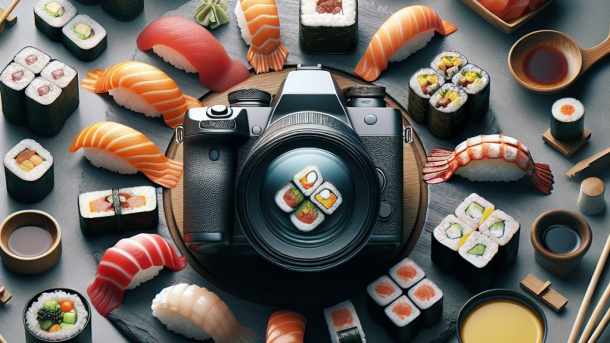
Sushi

Sushi

Why is it called sushi?

Why is it Called Sushi?

Introduction

Once upon a time, in a bustling fishing village in Japan, a culinary revolution was taking place. The humble beginnings of sushi—a dish that would later capture the hearts and taste buds of millions across the globe—can be traced back to these shores. But have you ever paused to ponder why this exquisite delicacy is called “sushi”? In this article, we embark on a captivating journey through time and taste, unraveling the story behind the name and exploring how sushi has enchanted the United Kingdom.

  • The Origins of Sushi
  • Decoding the Name: Why “Sushi”?
  • Sushi’s Journey to the UK
  • The Modern British Palate and Sushi
  • Key Takeaways
  • FAQs About Sushi
  • Conclusion

The Origins of Sushi

The tale of sushi begins over a thousand years ago. Picture this: a marketplace brimming with fresh catches, fishermen hustling to preserve their bounty. Originally, sushi wasn’t the elegant bite-sized morsel we know today. It was a preservation method known as “narezushi,” where fish was fermented with rice and salt. This ancient technique allowed fish to be stored for months, ensuring sustenance through the harshest seasons.

From Fermentation to Freshness

As centuries unfolded, so did the evolution of sushi. The art of fermentation gradually gave way to the use of vinegar rice, leading to the birth of “edomae-zushi” in Tokyo during the Edo period. This new incarnation was a revelation—it was fresh, flavorful, and fast—perfectly suited to the vibrant pace of city life.

Decoding the Name: Why “Sushi”?

The term “sushi” itself is steeped in etymology. Derived from an archaic grammatical form that means “sour-tasting,” it reflects its origins in fermented rice. Isn’t it fascinating how a single word encapsulates both history and flavor? Imagine biting into a piece of sushi; its name alone is a whisper from the past, a reminder of its transformative journey from preservation to culinary art.

Sushi’s Journey to the UK

Crossing oceans and cultures, sushi found its way to the United Kingdom like a culinary ambassador bearing flavors of the East. The British palate, ever curious and adventurous, embraced this exotic dish with open arms. Today, sushi restaurants dot high streets from London to Edinburgh, offering a tantalizing array of rolls and nigiri that cater to both traditionalists and modern adventurers.

A Fusion of Flavors

In the land of tea and crumpets, sushi has woven itself seamlessly into the gastronomic fabric. It resonates with a nation known for its eclectic tastes and multicultural influences. For those eager to explore this fusion further, our guide on installing laravel on a local server delves into bridging traditions with modernity.

The Modern British Palate and Sushi

Today, sushi is more than just food; it’s an experience—a symphony of textures and flavors that dance upon the tongue. From high-end dining establishments to supermarket shelves, this Japanese treasure has carved out its niche in the UK’s culinary landscape. It’s no longer just a meal; it’s a metaphor for global connectivity, innovation, and cultural exchange.

Key Takeaways

  • Sushi began as a method of preserving fish in ancient Japan.
  • The name “sushi” reflects its origins in sour-tasting fermented rice.
  • Sushi has become a beloved part of the UK’s diverse culinary scene.
  • Its journey symbolizes cultural exchange and globalization.

FAQs About Sushi

Q: Is all sushi raw?

A: Not at all! While some sushi features raw fish, many varieties include cooked ingredients or vegetables.

Q: Why is sushi so expensive?

A: The cost often reflects the quality of ingredients and the skill involved in preparation. It’s an art form that requires precision and care.

Conclusion

As we close our exploration into why sushi is called what it is, we’re reminded of its journey—a delicious odyssey from ancient preservation methods to modern-day delicacy. Like a well-crafted haiku, sushi captures a moment in time, transcending borders to unite us through taste. Next time you savor a piece of sushi, remember its story; it’s an edible poem that speaks to the heart of cultural legacy and innovation.

For more insights into global cuisines and culinary journeys, explore articles such as BBC Food or delve into the history of international dishes on Wikipedia’s page on Sushi.


How many sushi daily in the UK?

How many sushi daily in the UK?

Introduction

Imagine a bustling street in London, where the aroma of freshly prepared sushi wafts through the air, enticing passersby with its fragrant allure. This Japanese delicacy has taken the United Kingdom by storm, becoming as quintessential to British cuisine as fish and chips. Sushi, with its humble beginnings, has become a culinary staple for many across the UK. But have you ever wondered just how many sushi are consumed on a daily basis? Join us on this flavorful journey as we delve into the sushi phenomenon sweeping the United Kingdom.

  • The Rise of Sushi in the UK
  • Sushi Consumption Trends
  • The Cultural Impact of Sushi
  • Why Brits Love Sushi
  • Key Takeaways
  • FAQs
  • Conclusion

The Rise of Sushi in the UK

Once an exotic indulgence reserved for special occasions, sushi has transformed into an everyday delight for many Britons. From high-end restaurants to supermarket shelves, sushi is accessible like never before. The UK’s love affair with sushi mirrors a global trend where traditional boundaries are transcended, allowing flavors from distant lands to mingle with local tastes. This culinary journey was akin to a daring expedition into uncharted waters, but one that led to a treasure trove of tastes now cherished by many.

Sushi Consumption Trends

Sushi’s popularity in the UK has soared, much like a kite catching the wind on a breezy day. The British appetite for sushi is reflected in the burgeoning number of sushi bars and takeaway options available across the nation. According to industry reports, it is estimated that millions of sushi portions are consumed each week. This number continues to grow as more people are captivated by its unique blend of flavors and health benefits.

For those interested in the nitty-gritty details of food trends, our article on latest food trends in the UK offers a comprehensive look at how sushi fits into the larger picture.

The Cultural Impact of Sushi

Sushi is more than just food; it is a cultural bridge between Japan and the UK. This delightful dish has become a symbol of modern culinary fusion, celebrating diversity and global gastronomic exchange. As sushi continues to grace British tables, it fosters cross-cultural appreciation, much like a harmonious symphony composed of various notes yet producing a singular melody.

Why Brits Love Sushi

What makes sushi such a beloved choice among Britons? It’s not just the tantalizing taste or the artistic presentation; it’s the experience it offers. Picture yourself savoring a piece of nigiri—its delicate balance of rice, fish, and wasabi orchestrating a dance of flavors on your palate. This is a momentary escape to Japan without leaving the comfort of your own city.

Moreover, sushi is often lauded for its health benefits. Rich in omega-3 fatty acids and offering a low-calorie option, it aligns perfectly with contemporary health-conscious lifestyles. If you’re curious about other healthful eating practices, explore our insights on healthy eating tips.

Key Takeaways

  • Sushi has become an integral part of British cuisine, enjoyed by millions each week.
  • The cultural impact of sushi extends beyond taste, fostering greater cultural understanding.
  • Brits love sushi for its taste, health benefits, and the experience it provides.

FAQs

How many pieces of sushi are consumed daily in the UK?

While exact daily figures can vary, it’s estimated that millions of pieces of sushi are consumed throughout the UK each week.

Why has sushi become so popular in the UK?

Sushi’s popularity stems from its unique flavor profile, health benefits, and cultural significance as a modern culinary fusion.

Where can I find authentic sushi in the UK?

Authentic sushi can be found in numerous locations across the UK, including renowned sushi bars and even some supermarkets that offer quality options.

Conclusion

Sushi, once a mere whisper of foreign cuisine, has grown into a roaring favorite across the UK. Its rise from niche delicacy to mainstream marvel reflects broader societal shifts towards embracing culinary diversity. So next time you’re contemplating dinner options, consider indulging in a roll or two. After all, with every bite, you’re not just savoring sushi—you’re partaking in a global gastronomic adventure.

For further exploration of this delightful dish or other healthy eating habits, visit our section on healthy eating tips.

What are 5 facts about sushi?

What are 5 Facts About Sushi?

Introduction

Sushi: a word that rolls off the tongue like a gentle wave lapping at the shore. This culinary gem, with its delicate balance of flavors and textures, has journeyed far from the bustling markets of Tokyo to become a staple in the United Kingdom’s diverse gastronomic landscape. But do we truly know this tantalizing creation beyond its surface allure? Join us as we delve into five captivating facts about sushi that will deepen your appreciation for this artful cuisine.

  • The Origin Story of Sushi
  • The Art of Sushi Making
  • Types of Sushi You Should Know
  • Nutritional Benefits of Sushi
  • Sushi in British Culture

The Origin Story of Sushi

Did you know that sushi’s roots stretch back over a thousand years? Originally developed as a preservation method for fish, sushi began as “narezushi,” where fish was fermented with rice for months on end. This ancient practice paved the way for modern sushi, which blossomed into an iconic culinary art form during the Edo period. Just as the River Thames meanders through London, sushi made its way through time, evolving with each twist and turn.

The Transition to Modern Sushi

It wasn’t until the 19th century that sushi transformed into what we recognize today—a quick meal combining raw fish with vinegared rice. This innovation is attributed to Hanaya Yohei, who introduced nigiri sushi in Edo (now Tokyo), forever changing the course of this delectable delicacy.

The Art of Sushi Making

Imagine a symphony where each ingredient plays its unique note, creating harmony on your palate. This is the art of sushi making. Behind every slice of sashimi and perfect roll lies a world of intricate techniques and traditions passed down through generations.

Mastering the Craft

A true sushi chef, or “itamae,” undergoes years of rigorous training, mastering not only the skillful knife work but also the art of balancing flavors. It’s akin to the dedication seen in artisans [perfecting their craft](https://en.wikipedia.org/wiki/Sushi). The result? A culinary masterpiece that speaks volumes without uttering a word.

Types of Sushi You Should Know

Much like the vibrant tapestry of cultures across Britain, sushi comes in various forms, each with its distinct character.

  • Nigiri: Hand-pressed rice topped with a slice of fish.
  • Maki: Rolled sushi wrapped in seaweed, offering a delightful bite-sized experience.
  • Sashimi: Pure slices of raw fish, emphasizing simplicity and purity.
  • Temaki: Cone-shaped hand rolls that bring a playful touch to your plate.
  • Uramaki: Inside-out rolls with rice on the outside, often adorned with sesame seeds.

Nutritional Benefits of Sushi

Sushi isn’t just a feast for the senses; it’s also a nourishing choice for your body. Rich in omega-3 fatty acids, sushi promotes heart health and cognitive function. The rice provides essential carbohydrates, while seaweed is packed with vitamins and minerals—a veritable treasure trove from the ocean.

For those mindful of their dietary choices, sushi offers a nutritious alternative to traditional Western meals. As you savor each piece, you’re not only indulging your taste buds but nurturing your well-being too.

Sushi in British Culture

From bustling cities to quaint towns, sushi has found its place in the hearts and plates of Britons across the country. With sushi bars and restaurants flourishing like wildflowers in spring, this Japanese delight has seamlessly woven itself into the fabric of British dining culture.

The popularity of sushi reflects Britain’s embrace of global cuisine, much like its vibrant multicultural society. It stands as a testament to our desire to explore new flavors and experiences, broadening our culinary horizons one roll at a time.

Key Takeaways

  • Sushi originated as a preservation method and evolved into an art form in Japan.
  • The craft of sushi making requires years of training and dedication.
  • Sushi comes in various types, each offering unique flavors and textures.
  • Nutritionally rich, sushi supports heart health and overall well-being.
  • Sushi has become an integral part of British dining culture.

Frequently Asked Questions (FAQ)

Q: What is the most popular type of sushi in the UK?

A: Nigiri and Maki are among the most popular types enjoyed by sushi enthusiasts across the UK.

Q: Is sushi safe to eat?

A: Yes, when prepared properly with fresh ingredients, sushi is safe to consume. Always choose reputable establishments for the best experience.

Q: Can vegetarians enjoy sushi?

A: Absolutely! Many sushi restaurants offer vegetarian options like cucumber rolls and avocado nigiri, ensuring everyone can partake in this culinary delight.

Conclusion

Sushi is more than just food; it is an experience that transports us to another world with each bite. As it continues to captivate palates across Britain and beyond, we are reminded of its profound journey—from humble beginnings to a global sensation. So next time you indulge in this exquisite dish, take a moment to appreciate the rich history and artistry that make sushi truly extraordinary.

Is sushi on healthy?

Is Sushi Healthy?

Introduction

Sushi, the culinary masterpiece from Japan, has gracefully danced onto the plates of food enthusiasts across the globe. But as we indulge in this exquisite experience, a question lingers: Is sushi truly healthy? Join us on a flavorful journey as we delve into the various ingredients of sushi, uncover its nutritional treasures, and determine if this beloved dish is a friend or foe to our health.

  • What is Sushi?
  • The Nutritional Value of Sushi
  • Health Benefits of Eating Sushi
  • Potential Health Concerns
  • Tips for Choosing Healthy Sushi
  • Key Takeaways
  • Conclusion

What is Sushi?

Imagine a symphony of flavors where vinegar-kissed rice embraces fresh fish, vegetables, and sometimes even tropical fruits. This is sushi—a traditional Japanese dish that has captured the hearts and palates of many. From the minimalist nigiri to the intricate maki rolls, sushi offers a diverse array of choices for every taste bud.

The Nutritional Value of Sushi

The nutritional profile of sushi can vary widely based on its ingredients. Generally, sushi is rich in protein, low in fat, and packed with essential vitamins and minerals. Here’s a closer look:

  • Protein Powerhouse: Fish such as salmon and tuna are high in quality protein and omega-3 fatty acids.
  • Vitamin Treasure: Seaweed used in sushi wraps is abundant in iodine, vitamin A, and vitamin C.
  • Low-Calorie Delight: Traditional sushi is often low in calories, making it an ideal choice for those mindful of their caloric intake.

Health Benefits of Eating Sushi

Picture sushi as a bridge connecting you to a healthier lifestyle. The benefits extend beyond its delicious taste:

  • Heart Health: Omega-3 fatty acids found in fish can reduce the risk of heart disease.
  • Brain Boost: Nutrients like DHA and EPA may improve cognitive function.
  • Weight Management: Low-calorie options assist in maintaining optimal weight.

For further information on maintaining a balanced diet, you might find valuable insights in the NHS Eatwell Guide.

Potential Health Concerns

Even the fairest roses have thorns. While sushi is generally healthy, some concerns should be kept on your radar:

  • Mercury Content: Some fish may contain high levels of mercury.
  • Sodium Levels: Soy sauce and pickled accompaniments can contribute to high sodium intake.
  • Raw Fish Risks: Consumption of raw fish may pose bacteria and parasite risks.

If you’re curious about food safety standards, explore guidelines provided by the Food Standards Agency.

Tips for Choosing Healthy Sushi

Navigating the sushi menu can feel like walking through an art gallery—each piece is inviting, but some choices are better than others for your health. Consider these tips:

  • Select Fresh Ingredients: Opt for restaurants known for their freshness.
  • Go Easy on Sauces: Limit soy sauce and creamy dressings to reduce sodium and calories.
  • Balance with Veggies: Include vegetable rolls to add fiber and nutrients.

Key Takeaways

  • Sushi can be a part of a healthy diet due to its protein content and low calorie count.
  • Be mindful of potential health risks like mercury and high sodium levels.
  • Choose wisely by opting for fresh ingredients and balancing your meal with vegetables.

Conclusion

Sushi, much like a delicate bonsai tree, requires careful consideration to appreciate its full beauty without being pricked by hidden thorns. When chosen thoughtfully, sushi can be a harmonious addition to your diet, offering both flavor and nutrition. Next time you savor a piece of sushi, let your heart dance with joy knowing you’ve made a choice that supports your well-being.

If you want to explore more about healthy eating habits, check out the comprehensive resources available at BBC Good Food.

In conclusion, sushi isn’t just food; it’s an experience—one that nourishes the body and soul. So go ahead, embrace the art of sushi with open arms and relish each bite with confidence.

What is the full name of sushi?

What is the Full Name of Sushi?

Introduction

Sushi – a word that instantly conjures up images of vibrant rolls, delicate nigiri, and artfully arranged sashimi. But have you ever paused to ponder what the full name of sushi truly signifies? In the United Kingdom, where multicultural flavors flourish like wildflowers in an English meadow, sushi has become a cherished part of the culinary landscape. Join us on a flavorful journey as we delve into the origins, varieties, and cultural significance of this iconic Japanese dish.

  • Unveiling the Mystery: What Does “Sushi” Mean?
  • The Rich History of Sushi
  • Exploring the Varieties of Sushi
  • The Cultural Significance of Sushi
  • Key Takeaways
  • Frequently Asked Questions
  • Conclusion

Unveiling the Mystery: What Does “Sushi” Mean?

At first glance, the word “sushi” might appear as enigmatic as a Shakespearian play without any context. The term “sushi” actually refers to the vinegared rice at the heart of the dish, rather than the fish or other ingredients that accompany it. This humble yet versatile base serves as a canvas for a myriad of flavors, much like how the rolling hills of Britain offer endless inspiration to painters and poets alike.

The Rich History of Sushi

Let us turn back the pages of time to ancient Japan, where sushi began its journey as a method of preserving fish through fermentation. Originally known as “narezushi,” this early form bore little resemblance to the sushi we enjoy today. Over centuries, this preservation technique evolved into “edomae-zushi,” which became popular in Edo (now Tokyo) during the 19th century. Much like how the industrial revolution transformed Britain, these culinary innovations eventually gave birth to the sushi we now cherish worldwide.

Exploring the Varieties of Sushi

The world of sushi is as diverse as the tapestry of cultures found across the British Isles. Here are some of the most popular types:

  • Nigiri: This hand-formed sushi features slices of raw fish laid over compacted rice.
  • Maki: Rolled sushi wrapped in seaweed, often with colorful fillings that make it as visually appealing as a sunset over London Bridge.
  • Sashimi: Often mistaken for sushi, this dish consists solely of expertly sliced raw fish without rice.
  • Temaki: Also known as hand rolls, these cone-shaped delights are perfect for those who prefer a more casual dining experience.

The Cultural Significance of Sushi

Sushi is not just a dish; it’s an integral part of Japanese culture, much like afternoon tea is woven into Britain’s social fabric. It embodies principles of balance and harmony, celebrating fresh ingredients and skilled craftsmanship. In Japan, sushi is often enjoyed with family and friends during special occasions, symbolizing togetherness and celebration—a sentiment that resonates deeply with British values of community and tradition.

Key Takeaways

  • Sushi, meaning “vinegared rice,” is central to various dishes, not just raw fish.
  • With deep roots in Japanese history, sushi has evolved significantly over time.
  • Diverse sushi varieties cater to different tastes and preferences.
  • Sushi reflects core Japanese values and is celebrated globally for its artistry.

Frequently Asked Questions

Q: Is sushi always made with raw fish?

A: No, not all sushi contains raw fish. Some versions include cooked ingredients or vegetables.

Q: How should I eat sushi properly?

A: Traditionally, sushi is eaten with hands or chopsticks, followed by a small piece of pickled ginger to cleanse the palate.

Conclusion

In conclusion, sushi is much more than just a delightful dish; it’s a culinary symphony that harmonizes flavors, traditions, and cultures. Like a bridge connecting two worlds, it links ancient practices with modern tastes, offering a delectable experience that captivates and unites people from all walks of life. Whether you’re savoring sushi in a traditional Japanese setting or enjoying it amidst the bustling streets of London, each bite tells a story—a story as rich and varied as the journey of sushi itself.

For further exploration into Japanese cuisine’s wonders, consider visiting reputable sources such as Japan National Tourism Organization. Additionally, uncover more about food safety practices through resources like Food Standards Agency, ensuring your culinary adventures are both enjoyable and safe.

What qualifies as sushi?

What Qualifies as Sushi?

Introduction

Sushi is not merely a dish; it is an art that dances on your palate with a delicate balance of flavors. This Japanese delicacy has made its way across the globe, charming its way into the hearts of food enthusiasts. But what really qualifies as sushi? Is it just a fancy rice ball with fish, or does it carry deeper stories? As we unravel this culinary enigma, let’s journey into the world of sushi, where history and taste blend seamlessly.

  • The Origins of Sushi
  • Types of Sushi
  • Traditional Ingredients
  • Sushi in the UK
  • Key Takeaways
  • FAQs on Sushi
  • Conclusion

The Origins of Sushi

Once upon a time, in the ancient lands of Southeast Asia, sushi began its life as a method of preserving fish. Imagine a world where refrigeration was a mere dream — fermented rice played hero by keeping fish fresh for extended periods. This technique traveled to Japan, evolving into the sushi we cherish today. The story isn’t just about food; it’s about human ingenuity and tradition interwoven like a tapestry.

Evolution Over Centuries

As centuries flowed like a river carving canyons, sushi transformed from a preservation method into an art form. It became synonymous with celebrations and precision, akin to a symphony orchestrated with rice and seafood. In the Edo period, street vendors introduced nigiri-zushi, aligning with modern sushi’s birth. With each piece crafted with meticulous attention, sushi became not only a meal but an experience.

Types of Sushi

As diverse as the colors of a painter’s palette, sushi comes in various types, each offering a unique gustatory adventure:

  • Nigiri: Hand-formed rice topped with a sliver of fish, embodying simplicity and elegance.
  • Sashimi: Pure slices of raw fish, without rice, allowing the natural flavors to shine.
  • Maki: Rolled sushi wrapped in seaweed, showcasing creativity through various fillings.
  • Uramaki: Inside-out rolls with rice on the outside, adding a modern twist to traditional maki.
  • Temaki: Cone-shaped hand rolls that offer a casual yet delightful experience.

Traditional Ingredients

Sushi’s soul lies in its ingredients. The harmony between vinegared rice and fresh seafood creates a symphony of taste, much like the perfect notes in a melody. Yet, it’s not just about fish; vegetables and other elements play their parts in this orchestra too. From tuna to eel, cucumber to avocado, each ingredient is selected with care, ensuring balance in every bite.

Sushi in the UK

The UK has embraced sushi with open arms and an open mind. From chic restaurants in bustling London to quaint sushi bars in quieter towns, it’s become a staple in British culinary culture. With local twists and fusion flavors, British chefs have added their own chapters to the sushi saga. For those curious souls eager to indulge at home, exploring recipes for preparing sushi at home can be an exciting journey.

The Fusion Revolution

The UK’s sushi scene is like an artist mixing hues on a canvas — traditional techniques blend with modern creativity. The result? Unique offerings that pay homage to classic flavors while embracing the contemporary. It’s akin to dancing between two worlds, where age-old traditions meet inventive genius.

Key Takeaways

  • Sushi originated as a method of preserving fish but evolved into an art form over centuries.
  • Diverse types of sushi offer different tastes and experiences.
  • The UK has embraced sushi culture, offering both traditional and fusion varieties.

FAQs on Sushi

  1. Is all sushi raw?
    No, not all sushi is raw. Some varieties are cooked or use cured ingredients.
  2. Can I make sushi at home?
    Absolutely! With fresh ingredients and some practice, making sushi at home can be both fun and rewarding.
  3. What makes good sushi?
    Quality ingredients, proper technique, and attention to detail contribute to excellent sushi.

Conclusion

Sushi is more than just a dish; it’s a narrative — one that speaks of history, culture, and innovation. With roots deep in Asian soil and branches reaching around the world, it has captivated taste buds far and wide. Whether you savor it at a high-end restaurant or attempt crafting it at home, let each piece transport you on a journey through time and taste. As [you explore](http://blogstorm-blog.local/how-to-install-laravel-on-a-local-server/) more about this culinary masterpiece, may your appreciation for its intricate beauty deepen with each bite.

Dive into the world of sushi and let it tell you its story — one flavor at a time.

Is sushi healthy?

Is Sushi Healthy?

Introduction

Picture yourself walking through the bustling streets of London, the air rich with the scent of diverse cuisines. Among them, the tantalizing aroma of fresh sushi calls out—a culinary siren song that has captivated the taste buds of millions across the United Kingdom. But as you savor each bite, a question lingers: Is sushi healthy? In this journey through flavors and facts, we will unravel the nutritious tapestry of sushi while exploring its cultural resonance within Britain’s gastronomic landscape.

  • The Rise of Sushi in the UK
  • Nutritional Breakdown of Sushi
  • Health Benefits of Sushi Ingredients
  • Sustainability and Ethical Considerations
  • Potential Health Risks
  • Key Takeaways
  • Frequently Asked Questions
  • Conclusion

The Rise of Sushi in the UK

Once an exotic delicacy, sushi has soared to become a ubiquitous fixture in the UK’s culinary landscape. From upscale restaurants to supermarket aisles, sushi has threaded its way into the very fabric of British dining culture. But what fuels this fascination? Perhaps it’s the allure of a light, yet flavorful meal that aligns perfectly with today’s health-conscious consumer. Or could it be the artistry and precision involved in crafting each piece, mirroring an ancient tradition that transcends borders?

Nutritional Breakdown of Sushi

When dissecting the nutritional value of sushi, it’s akin to peeling back layers of an onion—each component brings its unique contribution to the table. The primary element, rice, serves as a source of carbohydrates, providing energy to fuel your day. Meanwhile, the seaweed wrap is laden with vitamins A, C, and E, akin to nature’s multivitamin capsule.

Fish: Protein Powerhouse

At the heart of sushi lies fish—the protagonist in this delicious drama. Rich in omega-3 fatty acids, fish like salmon and tuna are akin to nature’s elixir for heart health. These essential fats are celebrated for reducing inflammation and lowering the risk of cardiovascular diseases, much like a knight defending its castle.

Vegetables: Nature’s Palette

Complementing this ensemble are vibrant vegetables such as avocado and cucumber. These ingredients not only add color but also infuse vitamins and fiber into every bite. It’s as if Mother Nature herself decided to create a symphony of flavors and nutrients.

Health Benefits of Sushi Ingredients

Do you ever find yourself wondering how something so delicious can be good for you? Sushi is a prime example of this delightful paradox. For instance, the omega-3 fatty acids found in fish are known to enhance brain function—a veritable fountain of youth for your mind. Furthermore, the antioxidants present in seaweed may help combat chronic diseases by fending off free radicals, much like a stealthy ninja protecting your health.

Sustainability and Ethical Considerations

In an era where sustainability takes center stage, sushi invites us to ponder our choices. Are we savoring sustainably sourced fish? Much like choosing a path through a dense forest, being mindful of our seafood choices can lead to a more sustainable future. Organizations like the Marine Conservation Society provide guidelines to ensure that our seafood consumption does not deplete ocean resources.

Potential Health Risks

Despite its many virtues, sushi is not without its shadows. Consuming raw fish may pose risks such as exposure to bacteria or parasites. However, these risks can be mitigated by choosing reputable establishments that adhere to rigorous food safety standards. It’s akin to selecting a trusted guide before embarking on an adventurous journey.

Key Takeaways

  • Sushi offers a wealth of nutrients from its combination of rice, fish, and vegetables.
  • Omega-3 fatty acids in fish contribute significantly to heart and brain health.
  • Sustainability should be a key consideration when selecting sushi ingredients.
  • Avoid potential health risks by opting for trusted sushi vendors.

Frequently Asked Questions

Is sushi safe to eat during pregnancy?

While certain types of sushi are safe during pregnancy, it’s best to avoid raw fish due to potential bacterial or parasitic contamination. Opt for cooked varieties instead, ensuring both safety and satisfaction.

Can sushi be part of a weight loss diet?

Sushi can indeed complement a weight loss plan due to its low-calorie content and high nutrient density. However, be cautious with portion sizes and sauces that may add extra calories.

Conclusion

As we conclude our exploration into the world of sushi, we are reminded that it is more than just a meal—it is a tapestry woven with threads of culture, nutrition, and sustainability. By making informed choices, sushi can be a harmonious balance of taste and health, offering nourishment for both body and soul. So next time you find yourself reaching for that delectable roll, remember: you’re indulging in a culinary masterpiece that has gracefully stood the test of time.

If you’re eager to delve deeper into sustainable eating practices or discover more about healthy dietary options, explore our insightful resources on sustainable eating practices.

What is sushi short for?

What is Sushi Short For? Delving into the Depth of Japan’s Culinary Jewel

Introduction

In the heart of every bustling street in Tokyo to the refined dining tables of London, there lies a culinary tapestry woven with tradition, innovation, and artistry—known as sushi. But have you ever paused to ponder, what is sushi short for? Is it merely a dish or does it encapsulate a larger narrative, a profound essence from the Land of the Rising Sun?

Sushi is not just an edible delight—it’s a bridge that connects cultures and transcends boundaries. This article will journey through the alleys of history, unravel sushi’s cultural significance, and explore its myriad forms as they grace our plates today.

  • The Historical Roots of Sushi
  • Cultural Significance of Sushi
  • Modern Variations of Sushi
  • Sushi in the UK: A Growing Phenomenon
  • Key Takeaways
  • Frequently Asked Questions
  • Conclusion

The Historical Roots of Sushi

Like the intricate layers of a traditional kimono, the history of sushi is layered and fascinating. Originating from a method of preserving fish in fermented rice over 1,000 years ago in Southeast Asia, sushi has evolved dramatically. The term “sushi” itself is derived from an ancient grammatical form meaning “sour,” reflecting its early preservation technique.

Fast forward to the Edo period (1603-1868), sushi underwent a transformation akin to a caterpillar blossoming into a butterfly. It became a fast food sold on the streets of Edo (now Tokyo), with fresh fish laid atop vinegared rice—a precursor to the nigiri we adore today.

Cultural Significance of Sushi

Sushi is not just nourishment; it’s a celebration of simplicity and precision. In Japan, it embodies a philosophy that respects the natural essence of ingredients. Each piece of sushi is a testament to meticulous craft—like an artist painting on a canvas with flavors.

But why has this traditional dish become an international sensation? It is perhaps sushi’s ability to adapt while preserving its core identity that has made it beloved across the globe. For anyone looking to delve deeper into Japanese cuisine, sushi serves as both an introduction and an invitation to explore further.

Modern Variations of Sushi

With globalization acting as a culinary catalyst, sushi has morphed into various forms. From California rolls to the avant-garde fusion sushi found in Michelin-starred restaurants, these variations are like new verses added to an age-old poem.

Yet, no matter how diverse the forms become, each bite remains a harmonious blend of taste and aesthetics—an ode to its ancestral roots. As you navigate through this gastronomic journey, consider exploring more about how cultural exchanges influence modern cuisine.

Sushi in the UK: A Growing Phenomenon

In the United Kingdom, sushi has blossomed like cherry blossoms in springtime. From high-end restaurants to local supermarkets, it has captured the British palate with its elegance and subtlety. It’s not just about eating; it’s about experiencing a slice of Japanese life right in the heart of Britain.

The rise of sushi in the UK reflects broader culinary trends where people seek authenticity mixed with creativity. To better understand why this trend has taken root so deeply, consider reading more about Japanese cuisine’s influence on global food culture.

Key Takeaways

  • Sushi originated as a method of preserving fish in fermented rice over 1,000 years ago.
  • It embodies cultural significance in Japan as a symbol of simplicity and precision.
  • Modern variations have made sushi a global phenomenon.
  • The UK has embraced sushi, reflecting its growing popularity and cultural exchange.

Frequently Asked Questions

What is the origin of the word ‘sushi’?

The word ‘sushi’ comes from an ancient Japanese grammatical form meaning “sour,” referring to its original method of preparation.

Why is sushi popular worldwide?

Sushi’s popularity stems from its adaptability, aesthetic appeal, and ability to offer a unique combination of flavors while respecting traditional methods.

How has sushi evolved over time?

From preserving fish in fermented rice to becoming an iconic street food in Edo, and now a global culinary delight, sushi has continually transformed while maintaining its essence.

Conclusion

As we close this exploration into the world of sushi, remember that it’s more than just a dish—it’s an experience steeped in history and crafted with love. Whether you’re savoring traditional nigiri or indulging in a modern Californian roll, sushi invites you to partake in a rich tapestry of cultural heritage.

So next time you reach for those chopsticks, pause and reflect on what lies beyond the plate—a story that spans centuries, cultures, and continents.

Is sushi halal?

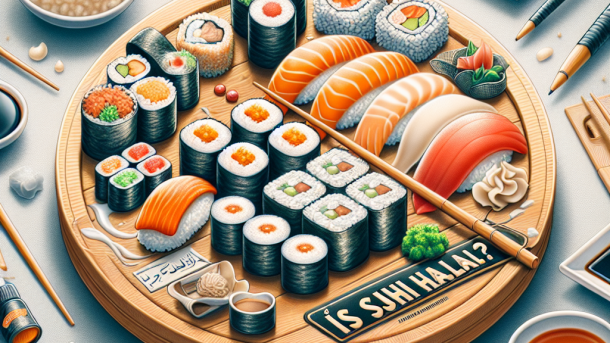
Is Sushi Halal?

Introduction

Imagine walking through a bustling street in London, the aroma of Japanese cuisine wafting through the air. You find yourself drawn to the vibrant display of sushi rolls, artfully arranged like edible jewels. But then comes the pressing question that lingers in your mind: Is sushi halal? Let’s embark on a flavorful journey to unravel this mystery, exploring the intersection of culture, religion, and culinary artistry.

  • The Cultural Significance of Sushi
  • Understanding Halal and Its Importance
  • Is Sushi Halal? The Ingredients Matter
  • How to Ensure Your Sushi is Halal
  • Key Takeaways
  • Frequently Asked Questions
  • Conclusion

The Cultural Significance of Sushi

Sushi is more than just food; it is a cultural emblem, a delicate balance of tradition and innovation. Originating from Japan, sushi has traversed continents, becoming a global sensation. In the UK, sushi’s popularity is a testament to our multicultural tapestry, embracing flavors from all corners of the world.

From Tokyo to London: The Journey of Sushi

Like a traveler with tales to tell, sushi has made its way from the heart of Tokyo to the vibrant streets of London. With each bite, we savor not just fish and rice but centuries of history and craftsmanship. But as we indulge in this culinary delight, the question of its halal status remains pertinent for many.

Understanding Halal and Its Importance

The term “halal” refers to what is permissible according to Islamic law. For many Muslims in the UK and beyond, consuming halal food is an essential aspect of their faith. It is not merely about dietary restrictions; it is about upholding a spiritual connection through mindful eating.

The Core Principles of Halal Food

Halal food adheres to specific guidelines, ensuring that every ingredient and preparation method aligns with Islamic teachings. This includes the humane treatment of animals and the absence of prohibited substances such as alcohol and pork.

Is Sushi Halal? The Ingredients Matter

At first glance, sushi may appear innocuous—just rice and fish. However, beneath its simple exterior lies a complex tapestry of ingredients. To determine whether sushi is halal, we must scrutinize each component:

  • Seafood: Most types of seafood are considered halal, but caution must be exercised when it comes to shellfish and certain types of fish.
  • Rice and Vinegar: Sushi rice is often seasoned with rice vinegar, which can sometimes contain alcohol. Seek out vinegar labeled as halal-certified.
  • Soy Sauce: Traditional soy sauce fermentation involves alcohol. Opt for halal-certified soy sauce or tamari as an alternative.
  • Other Ingredients: Look out for hidden non-halal additives in imitation crab meat and sauces.

How to Ensure Your Sushi is Halal

If you’re navigating the sushi scene in the UK with a halal compass, here are some guiding stars:

  • Choose Reputable Restaurants: Establishments displaying halal certification are your best bet for worry-free dining.
  • Ask Questions: Never shy away from asking about ingredient sources and preparation methods.
  • DIY Sushi: Embrace your inner chef by preparing sushi at home using halal-certified ingredients.

For further insights into selecting quality ingredients, check out our guide on installing laravel on a local server, which offers practical advice on sourcing authentic components.

Key Takeaways

Sushi is both a cultural treasure and a culinary delight. While its halal status depends on various factors, with careful consideration and inquiry, it is possible to enjoy sushi that aligns with your dietary beliefs. By understanding the intricacies of its ingredients and preparation, one can savor sushi without compromise.

Frequently Asked Questions (FAQs)

Can sushi be considered halal?

Yes, sushi can be halal if it meets Islamic dietary guidelines regarding ingredients and preparation methods.

Are all types of fish used in sushi halal?

Most fish are generally considered halal, but it’s important to verify each type based on individual Islamic interpretations.

Where can I find halal-certified sushi in the UK?

You can find halal-certified sushi at select restaurants and shops that display proper certification or offer detailed ingredient transparency.

Conclusion

Sushi is like a beautiful symphony—each ingredient plays a part in creating harmony on your palate. As you explore the delightful world of sushi in the UK, remember that understanding its halal status requires diligence and curiosity. With this knowledge tucked into your pocket, you can continue to enjoy sushi while adhering to your values—a true feast for both body and soul.

To learn more about maintaining a healthy lifestyle while enjoying diverse cuisines, explore resources from reputable sources like NHS. Additionally, for a deeper dive into cultural foods, you might find extensive insights from Wikipedia’s entry on Sushi.

What was the purpose of sushi?

What was the purpose of sushi?

Introduction

Sushi – a word that evokes images of vibrant rolls, succulent fish, and exotic flavors. Yet, beyond its tantalizing taste lies a story as rich and layered as the dish itself. What was the purpose of sushi? How did this seemingly simple food item journey from its humble origins to become a global culinary sensation with a strong presence in the United Kingdom? This article peels back the layers to reveal the cultural tapestry that sushi weaves.

  • The Origins of Sushi: A Journey Through Time
  • The Evolution of Sushi in British Culture
  • The Culinary Appeal of Sushi
  • Key Takeaways
  • Frequently Asked Questions
  • Conclusion

The Origins of Sushi: A Journey Through Time

Imagine ancient Japan, where preservation was a crucial aspect of survival. Sushi was born not out of culinary curiosity but necessity. **The earliest form of sushi**, known as “narezushi,” was a method to preserve fish using fermented rice. This practice was akin to a time capsule, locking in nutrients for months on end.

Sushi’s Cultural Significance

As the tides of history shifted, so did the purpose of sushi. From preservation, it transformed into an art form, symbolizing harmony and precision. It is said that sushi mirrors life itself – balancing simplicity with complexity, much like a delicate dance on the brink of flavor and aroma. The Japanese ethos of “wabi-sabi,” finding beauty in imperfection, resonates deeply with sushi’s creation process.

For more insight into Japanese culture and its impact on culinary arts, visit the comprehensive resources by Japan National Tourism Organization.

The Evolution of Sushi in British Culture

Fast forward to the bustling streets of modern-day London, where sushi stands as a testament to globalization. But how did this foreign dish captivate the British palate? Was it the allure of exoticism or the promise of healthfulness? Perhaps it is both, intertwined with the threads of curiosity and adventure.

A Tale of Taste and Acceptance

Like a river flowing through time, sushi meandered into the UK through cultural exchange and travel. Initially an enigma, it gradually became a staple in urban areas, embraced by those seeking both tradition and novelty. The rise of sushi bars and conveyor belts in cities like Manchester reflects this culinary revolution.

To explore more about how global cuisines have influenced British culinary traditions, delve into insights provided by BBC Food.

The Culinary Appeal of Sushi

What makes sushi irresistible? Is it the artistry in presentation, or the orchestra of flavors that play upon your taste buds? Sushi is a symphony – each piece a note, contributing to a harmonious whole.

Sushi’s Health Benefits

  • Rich in Omega-3 Fatty Acids
  • Low in Calories and Fats
  • A Source of High-Quality Protein
  • Packed with Vitamins and Minerals

These health benefits are not just whispers in the wind; they are backed by nutritional science, making sushi not only a delight for your senses but a boon for your body.

Key Takeaways

  • Sushi originated as a method of preserving fish in ancient Japan.
  • It evolved into an art form reflecting Japanese cultural values.
  • Sushi’s journey into the UK signifies globalization and cultural acceptance.
  • The dish offers both aesthetic appeal and numerous health benefits.

Frequently Asked Questions

What is the traditional type of sushi?

Narezushi is considered the traditional form of sushi, consisting of fermented fish preserved in rice.

How popular is sushi in the UK?

Sushi has become increasingly popular in urban areas across the UK, with many restaurants and supermarkets offering various sushi options.

Is eating sushi healthy?

Yes, sushi can be a healthy choice as it is typically low in calories and high in essential nutrients, though it’s important to choose varieties low in sodium and added sugars.

Conclusion

In the grand tapestry of global cuisine, sushi stands as a unique thread – one that binds tradition with innovation, simplicity with sophistication. Its journey from ancient preservation technique to modern-day delicacy in the UK is not just a tale of food but a story of human connection across cultures.

As you embark on your own sushi adventures, remember that each bite carries with it centuries of history and the promise of new experiences. For those keen on exploring further, our guide on local resources for healthy living might offer additional insights into incorporating such nutritious options into your diet.

What is the purpose of sushi?

What is the Purpose of Sushi?

Introduction

In the heart of Japanese culture lies a culinary masterpiece that transcends mere food—sushi. But what is the true purpose of sushi? Is it simply a delightful gastronomic experience, or does it hold deeper significance in the tapestry of Japanese tradition and modern global cuisine?

  • The Cultural Significance of Sushi
  • Health Benefits of Sushi
  • The Art and Craftsmanship Behind Sushi Making
  • Key Takeaways
  • FAQs about Sushi
  • Conclusion

The Cultural Significance of Sushi

Sushi is not just a dish; it is an expression of Japan’s rich historical heritage. Originating as a means to preserve fish, sushi evolved over centuries into an art form revered across the globe. Like a haiku poetically captures emotions in brevity, sushi encapsulates the essence of Japanese culture in each bite.

The Evolution of Sushi: From Preservation to Perfection

Initially, sushi began as “narezushi,” a method to ferment fish with rice for preservation. As time progressed, this fermentation technique transformed into edomae-zushi during the Edo period, where fresh fish adorned vinegared rice. This evolution mirrors Japan’s own journey from tradition to modernization.

For those intrigued by Japan’s culinary innovations, exploring how Japanese cuisine has shaped global tastes can be enlightening.

Health Benefits of Sushi

Beyond its cultural allure, sushi offers a plethora of health benefits. Rich in omega-3 fatty acids, proteins, and essential nutrients, sushi can be likened to nature’s very own multivitamin wrapped in seaweed. It provides a balanced diet while tantalizing taste buds with its savory flavors.

Moreover, studies show that consuming sushi can improve heart health and brain function. According to the research conducted by NHS, incorporating fish into your diet supports cardiovascular wellbeing.

The Art and Craftsmanship Behind Sushi Making

Crafting sushi is akin to painting a masterpiece on a canvas of rice. Every roll and nigiri are meticulously crafted by skilled artisans whose dedication transforms simple ingredients into culinary symphonies. The mastery required to perfect this art form is passed down through generations, reminiscent of a delicate ballet performed with precision and grace.

The Role of the Itamae: A Culinary Maestro

An itamae, or sushi chef, holds a position akin to that of a maestro conducting an orchestra. Their expertise in balancing flavors and textures while maintaining aesthetic appeal is truly remarkable. The rigorous training they undergo reflects their unyielding commitment to preserving the sanctity of sushi-making.

For aspiring chefs and enthusiasts, delving into our guide on developing culinary skills could be your first step toward mastering such intricate art forms.

Key Takeaways

  • Sushi is a symbol of Japan’s cultural heritage and evolution.
  • It offers numerous health benefits, including improved heart health.
  • The craftsmanship involved in sushi making is an art form passed down through generations.

FAQs about Sushi

Q: What are the main types of sushi?

A: The primary types include nigiri (rice with topping), maki (rolled sushi), sashimi (sliced raw fish), and temaki (hand-rolled cone-shaped sushi).

Q: Is sushi healthy for everyone?

A: Generally, sushi is healthy due to its nutrient-rich ingredients. However, individuals with dietary restrictions should choose their sushi options carefully.

Q: Can I make sushi at home?

A: Absolutely! With the right ingredients and techniques, anyone can create delicious sushi at home. For beginners, following a detailed recipe can be helpful.

Conclusion

Sushi is more than a dish; it is a journey—a voyage through history, culture, and art. Its purpose extends beyond filling our stomachs; it enriches our souls and connects us to a world where tradition meets innovation. So next time you savor a piece of sushi, remember you are partaking in a story that has traveled through time and space to reach your plate.

To delve deeper into the fascinating world of global cuisines and culinary arts, consider exploring resources provided by esteemed organizations like UNESCO.

Is it OK to eat sushi daily?

“`html

Is it OK to eat sushi daily?

Introduction

Imagine a world where every bite is a journey across oceans, wrapped in a delicate symphony of flavors. Sushi, the quintessential emblem of Japanese cuisine, has transcended borders, capturing hearts in the United Kingdom and beyond. But with its rise in popularity comes an intriguing question: Is it OK to eat sushi daily? Embark on this culinary exploration as we delve into the health implications, cultural narratives, and nutritional treasures hidden within each sushi roll.

  • The Allure of Sushi: A Culinary Art Form
  • Nutritional Breakdown: What Lies Beneath the Rice?
  • Health Benefits of Eating Sushi Regularly
  • Potential Risks: When Too Much is Too Much
  • A Balanced Approach to Daily Sushi Consumption
  • Key Takeaways
  • FAQs About Sushi Consumption
  • Conclusion: Savoring Sushi with Mindfulness

The Allure of Sushi: A Culinary Art Form

In the vibrant tapestry of global cuisines, sushi stands out like a masterpiece—a fusion of art and taste. Each piece is a canvas where chefs paint with precision, balancing textures and aromas. The story of sushi is interwoven with tradition, yet it evolves with every chopstick lift in modern eateries across the UK. It’s not just food; it’s an experience, an invitation to partake in Japan’s rich heritage.

Nutritional Breakdown: What Lies Beneath the Rice?

Beneath its simple exterior lies a complex blend of nutrients that make sushi both a delight and a powerhouse for the body. From omega-3-rich salmon to vitamin-packed seaweed, sushi offers a medley of health benefits. Consider the humble rice—more than just a filler, it provides energy and complements the protein-rich ingredients. Curious about making your own? Our guide to cooking rice in a microwave can be your starting point.

Health Benefits of Eating Sushi Regularly

  • Omega-3 Fatty Acids: Essential for heart health, these are abundantly present in fish like salmon and tuna.
  • Low Calorie: With its light ingredients and small portions, sushi can be part of a calorie-conscious diet.
  • Antioxidants: Seaweed and ginger provide antioxidants that combat free radicals.

For more comprehensive dietary advice, explore recommendations from the NHS Eat Well Guide.

Potential Risks: When Too Much is Too Much

Yet, as with any indulgence, moderation is key. Consuming sushi daily might lead to mercury exposure from certain types of fish or sodium overload from soy sauce. Balance is crucial—consider varying your seafood choices and opting for low-sodium alternatives. Dive deeper into FDA guidelines on fish consumption to make informed decisions.

A Balanced Approach to Daily Sushi Consumption

Picture a scale where each sushi piece adds weight to one side. To achieve equilibrium, pair sushi with diverse foods to ensure a holistic diet. Incorporate vegetables, grains, and proteins from other sources. Our discussion on crafting balanced meals in the article about meal prep order can guide you further.

Key Takeaways

  • Sushi is a nutritious option but should be consumed mindfully due to potential risks like mercury and sodium intake.
  • A varied diet, incorporating different food groups, enhances overall nutritional balance.
  • Understanding the sourcing and preparation of sushi ensures a safer dining experience.

FAQs About Sushi Consumption

Can I eat sushi while pregnant?

It is advisable to avoid raw fish during pregnancy due to potential pathogens. Refer to the NHS guidelines on foods to avoid during pregnancy.

Is vegetarian sushi healthier?

Vegetarian sushi can be a lower-calorie option with less mercury risk, offering a variety of vitamins through vegetables and fruits.

Conclusion: Savoring Sushi with Mindfulness

Sushi is more than just a meal; it’s an odyssey of flavors that transports you to distant shores, yet calls for thoughtful consumption. By embracing diversity in your diet and savoring each bite with awareness, you can enjoy the best of what sushi has to offer without tipping the scales towards excess. So, next time you find yourself reaching for that chopstick, remember that balance is the secret ingredient to relishing this exquisite dish daily.

“`

Skip to content