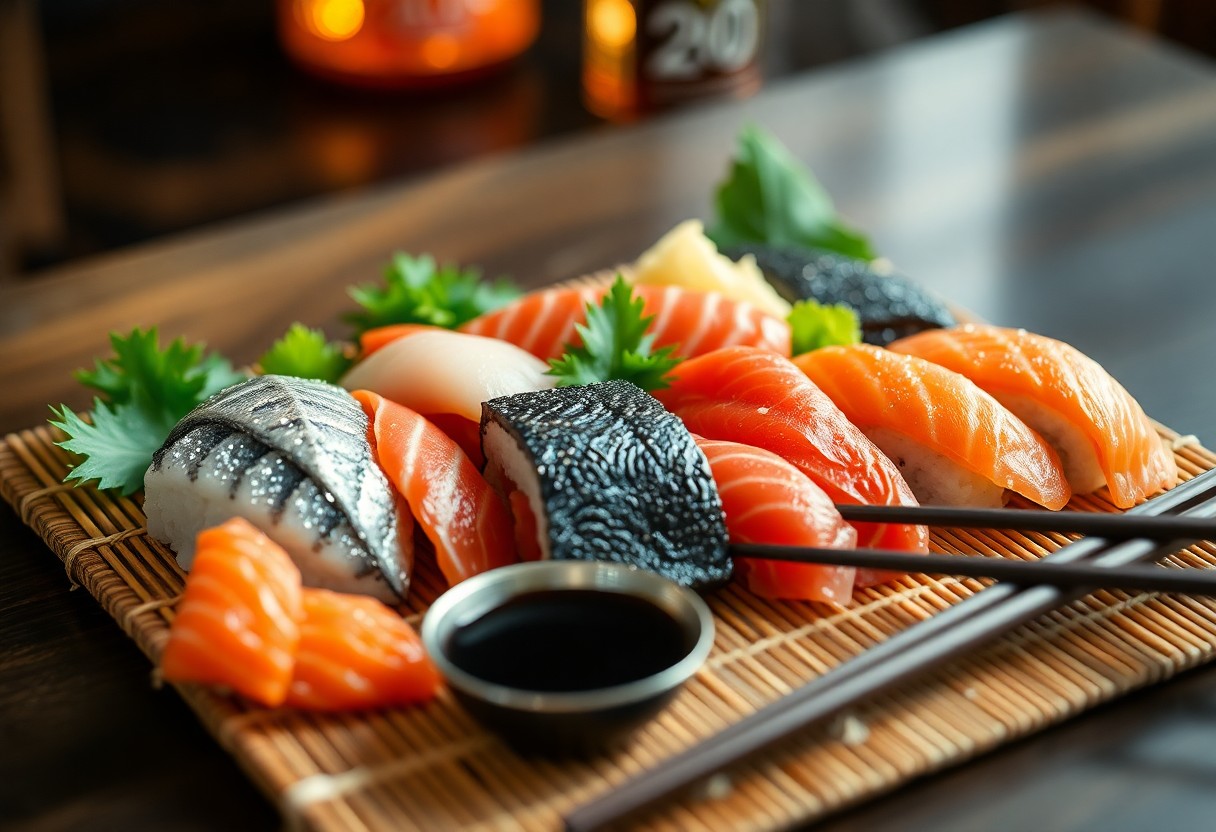
Fish

Guide to Sushi-Grade Fish – What You Need to Know

Understanding sushi-grade fish is crucial for anyone looking to enjoy high-quality sushi at home or in a restaurant. This guide will help you navigate the various types of fish available, what to look for when purchasing, and the importance of sourcing from reputable suppliers. By following these insights, you’ll ensure that your sushi experience not only tastes incredible but is also safe for consumption. Dive into the world of sushi-grade fish and elevate your culinary adventures.

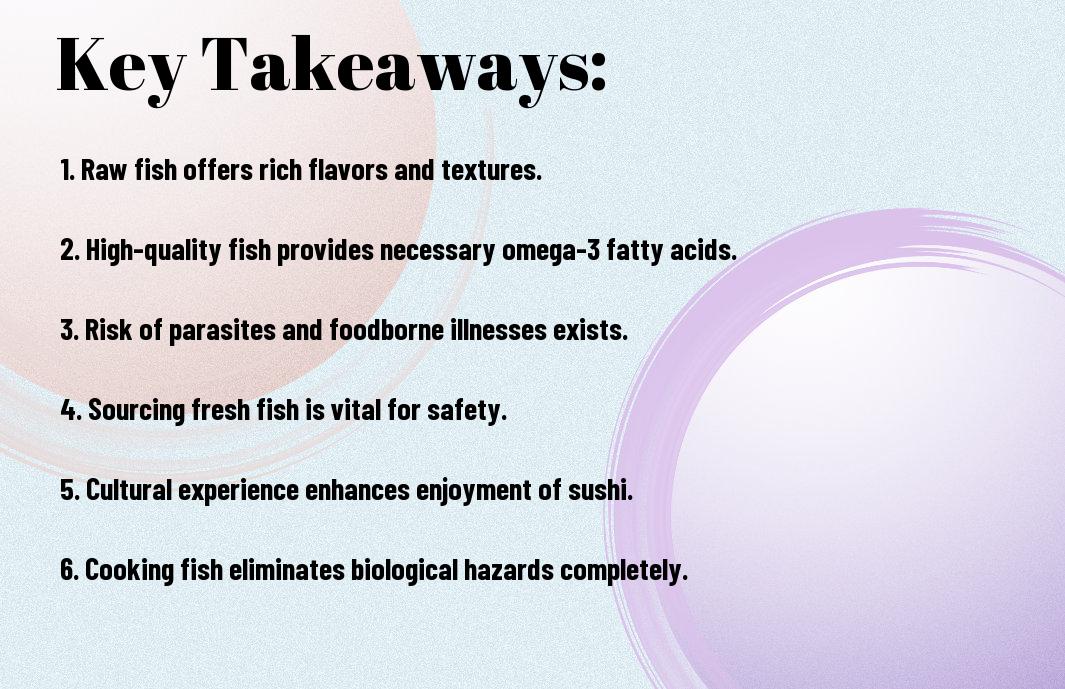
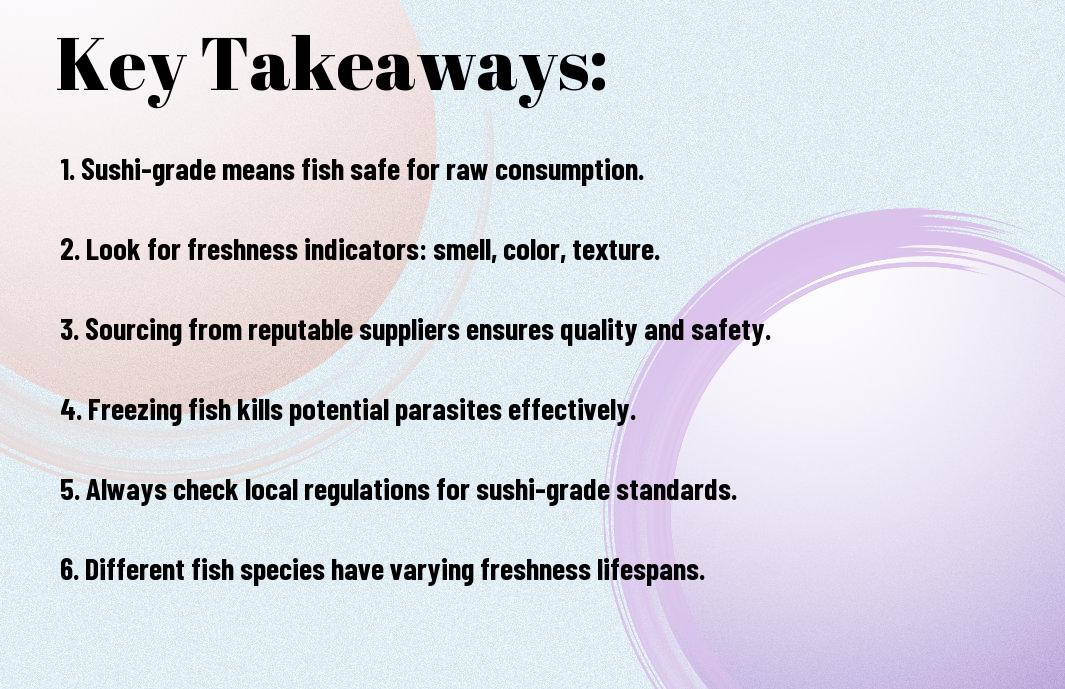
Key Takeaways:

  • Sourcing: Always buy fish from reputable suppliers who specifically label their products as sushi-grade to ensure safety and quality.
  • Freezing Standards: Sushi-grade fish should be frozen at specific temperatures to kill parasites, which is vital for safe raw consumption.
  • Freshness: Look for fish that exhibits firm texture, bright color, and a clean, ocean-like smell, as these are indicators of freshness.
  • Species Type: Familiarize yourself with common sushi-grade fish varieties, such as tuna, salmon, and mackerel, for optimal sushi-making.
  • Handling Techniques: Follow proper handling and preparation techniques when working with sushi-grade fish to ensure the highest quality and safety.

Understanding Sushi-Grade Fish

As you initiate on your sushi-making journey, understanding sushi-grade fish is important. This term refers to seafood that is safe for raw consumption, indicating a level of quality and freshness that meets stringent health standards. With various species of fish in the market, knowing how to identify sushi-grade options can elevate your culinary experience and ensure your safety while enjoying this delicacy.

Definition of Sushi-Grade Fish

Before you select your fish, it’s important to clarify what sushi-grade actually means. Typically, this designation indicates that the fish has been frozen at specific temperatures to eliminate harmful parasites, making it safe to consume raw.

Standards and Regulations

For you to truly appreciate sushi-grade fish, understanding the standards and regulations that govern its classification is beneficial. These guidelines ensure that the fish you choose has been processed and handled in a way that minimizes health risks.

SushiGrade emphasizes that various organizations, such as the FDA and local health departments, provide standards for sushi-grade fish. These regulations stipulate freezing protocols that kill parasites and ensure the fish’s freshness. As a consumer, it’s important you source your fish from reputable suppliers who adhere to these standards to guarantee you are purchasing high-quality sushi-grade fish, making your dining experience both enjoyable and safe.

Types of Sushi-Grade Fish

There’s a variety of sushi-grade fish that you should be familiar with when hunting for quality ingredients. Here’s a list of some common types:

  • Tuna
  • Salmon
  • Yellowtail
  • Mackerel
  • Snapper

Knowing the differences among these fish will help you select the right options for your sushi creations.

Fish Type Flavor Profile
Tuna Rich, meaty
Salmon Buttery, rich
Yellowtail Light, slightly sweet
Mackerel Bold, strong
Snapper Delicate, mild

Common Varieties

Varieties of sushi-grade fish include favorites like tuna, salmon, and yellowtail. Each type boasts unique textures and flavors, allowing you to create diverse sushi experiences. Selecting the right variety will enhance your sushi dishes while catering to your taste preferences.

Seasonal Availability

Any sushi-grade fish may have specific times of the year when they are at their best. This seasonal availability can influence freshness and flavor, making some fish more desirable than others during different times of the year.

For instance, certain varieties like tuna are often more abundant in the warmer months, while salmon tends to peak in early spring or late fall. Familiarizing yourself with when specific fish are in season helps ensure that you are choosing the freshest, highest quality ingredients for your sushi preparations.

Sourcing Sushi-Grade Fish

Once again, sourcing sushi-grade fish is imperative for those who want to enjoy the delicate flavors and textures of raw seafood safely. To ensure freshness and quality, it’s important to find reputable suppliers who adhere to strict handling practices. Look for fish labeled as “sushi-grade” or “sashimi-grade,” as these designations indicate the fish meets specific standards for raw consumption.

Where to Buy

One excellent option for purchasing sushi-grade fish is your local fish market or seafood specialty store. These places often provide more information about their sourcing practices and can help you choose the right fish for sushi. Additionally, some supermarkets have dedicated seafood counters where you can find high-quality options, but always ask about their freshness and handling procedures.

Identifying Quality Fish

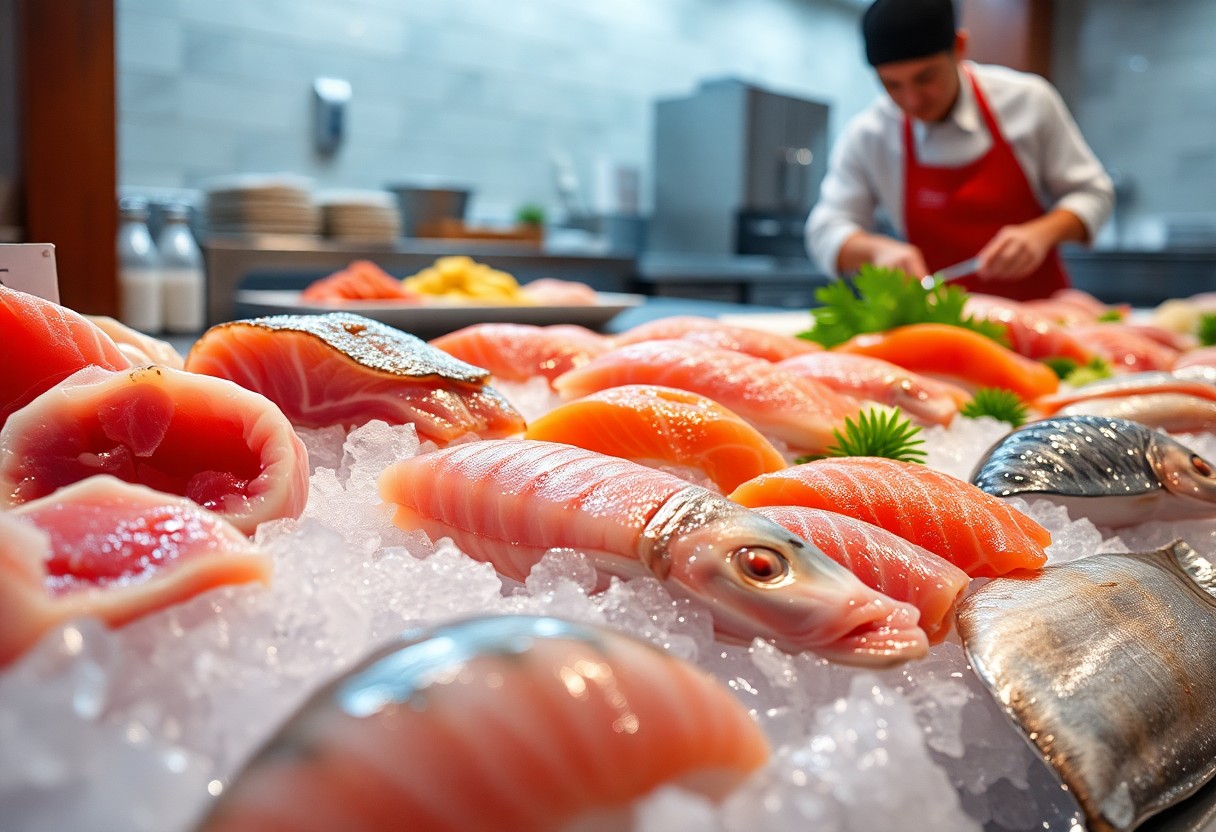
Fish is considered sushi-grade when it has been frozen at specific temperatures to eliminate parasites and bacteria. Look for fish with bright, clear eyes, vibrant colors, and firm flesh that springs back when pressed. Fresh sushi-grade fish should also have a clean, ocean-like aroma without any off-putting smells.

Consequently, it’s important to inspect every aspect of the fish before making a purchase. The texture should be smooth and shiny, indicating freshness, while marbled fish like salmon should have well-defined, translucent fat lines. If you’re unsure, don’t hesitate to ask your fishmonger for advice on the best options available, ensuring a safe and delicious sushi experience.
Safety and Handling

Many people underestimate the importance of proper safety and handling when it comes to sushi-grade fish. Ensuring you have the right practices in place is crucial to minimize the risk of foodborne illnesses. Sushi-grade fish must be handled with care, so it’s important to understand how to maintain its quality from the moment you purchase it until you’re ready to enjoy your meal.

Storage Tips

Among the key aspects of safely handling sushi-grade fish is knowing how to store it properly. Whether you’re purchasing fish from a market or having it delivered, it’s vital to follow these guidelines:

  • Keep your fish refrigerated at 32°F (0°C).
  • Store it in the coldest part of your refrigerator.
  • Use airtight containers to prevent cross-contamination.
  • Consume the fish within 24 hours for the best quality.

The goal is to maintain freshness and prevent spoilage.

Preparation Guidelines

Beside proper storage, preparation plays a significant role in ensuring safe sushi-making. You should always use clean utensils and cutting boards designated for fish to avoid contamination. Thoroughly wash your hands before and after handling any seafood and be mindful of your surroundings to prevent cross-contact with raw ingredients.

It is also advisable to inspect the fish for any off smells or unusual textures before preparation. When cutting fish, sharp and sanitized knives will yield the best results and help maintain the integrity of the fish. Always slice against the grain to preserve tenderness. By following these guidelines, you can ensure that your sushi preparation process remains as safe and enjoyable as possible.

Health Benefits of Sushi-Grade Fish

To enjoy sushi-grade fish is not only a culinary delight but also brings numerous health benefits. Packed with imperative nutrients, this type of fish can enhance your diet and contribute to your overall well-being. For more insights on what qualifies as sushi-grade fish, check out What Is Sushi Grade Fish?.

Nutritional Value

With sushi-grade fish, you receive an excellent source of high-quality protein, vitamins, and minerals. This nutrient-dense food contributes to strong muscles and healthy bodily functions, making it a smart addition to your meals.

Omega-3 Fatty Acids

Benefits of sushi-grade fish include its high content of omega-3 fatty acids, which are imperative for your heart and brain health. These fatty acids have been linked to reduced inflammation and improved cognitive function, making them a valuable component of a balanced diet.

Consequently, incorporating omega-3 fatty acids from sushi-grade fish can support your cardiovascular health by lowering blood pressure and reducing the risk of heart disease. Additionally, they play a significant role in maintaining optimal brain function, which can enhance your mood and memory. Embracing sushi-grade options can thus lead to lasting health benefits.

Sushi Preparation Techniques

For anyone interested in mastering the art of sushi-making, understanding the proper preparation techniques is imperative. Sushi-grade fish requires careful handling and specific methods to ensure safety and quality. You can find valuable insights in this guide about How to Choose Sushi-Grade Seafood.

Knife Skills

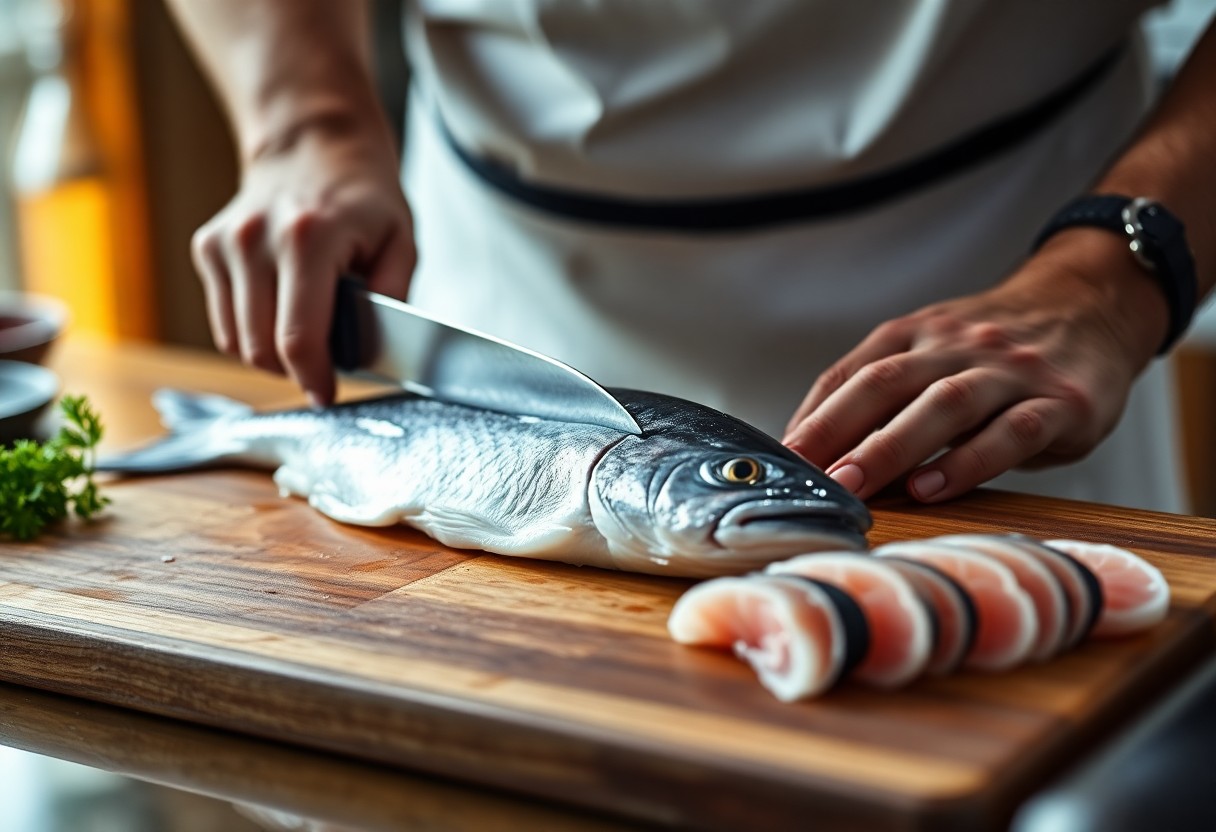
Any sushi chef will tell you that honing your knife skills is vital for preparing sushi. Proper technique ensures clean cuts that enhance the texture and presentation of your fish, allowing the flavors to shine. Practice different slicing methods, such as the “push and pull” technique, to achieve the perfect cut for sashimi or nigiri.

Plating and Presentation

Against common belief, plating is not just about aesthetics; it’s also about enhancing the dining experience. The way you present your sushi can elevate its appeal and make your dish more inviting. Consider using contrasting colors, unique arrangements, and decorative garnishes to showcase the freshness and artistry of your sushi.

At the end of the day, plating and presentation allow you to express your creativity while highlighting the quality of your ingredients. Strategic arrangements can guide your diners’ focus and enhance their anticipation. Experiment with different styles, like minimalist or elaborate designs, to find the best presentation that reflects your own culinary identity.
To wrap up

Summing up, understanding sushi-grade fish is important for ensuring safety and quality in your culinary creations. You should prioritize sourcing fish from reputable suppliers who adhere to strict food safety standards. Additionally, look for indicators of freshness, such as clear eyes and firm texture. By making informed choices and handling your fish properly, you can enjoy a delightful sushi experience at home. Your commitment to these practices not only enhances the flavors but also ensures a safer dining experience.

Q: What defines sushi-grade fish?

A: Sushi-grade fish refers to seafood that is deemed safe for raw consumption. It is typically frozen at very low temperatures to eliminate parasites and pathogens. The term is not regulated, so it’s important to buy sushi-grade fish from reputable sources that adhere to high safety standards. Look for clear labeling and ask fishmongers about their sourcing and handling practices to ensure the quality.

Q: How can I tell if the fish is fresh enough for sushi?

A: Fresh fish for sushi should have a clean, ocean-like smell, not a strong or fishy odor. The flesh should be firm and resilient to the touch, with a moist appearance. Additionally, the color should be vibrant and uniform without discoloration or dull spots. Inspect the eyes; they should be clear and bulging. It’s also wise to inquire when the fish was delivered to the seller for the most accurate indication of its freshness.

Q: What types of fish are commonly considered sushi-grade?

A: Various types of fish can be served as sushi, commonly including tuna, salmon, mackerel, and yellowtail. Tuna, especially bluefin, is often prized for its rich flavor and texture, while salmon is renowned for its buttery taste. Other favorites include halibut and sea bass. Typically, any fish that is safe for raw consumption can qualify as sushi-grade, but the best choices often depend on availability and personal preference.

How to Spot Fresh Fish for Sushi

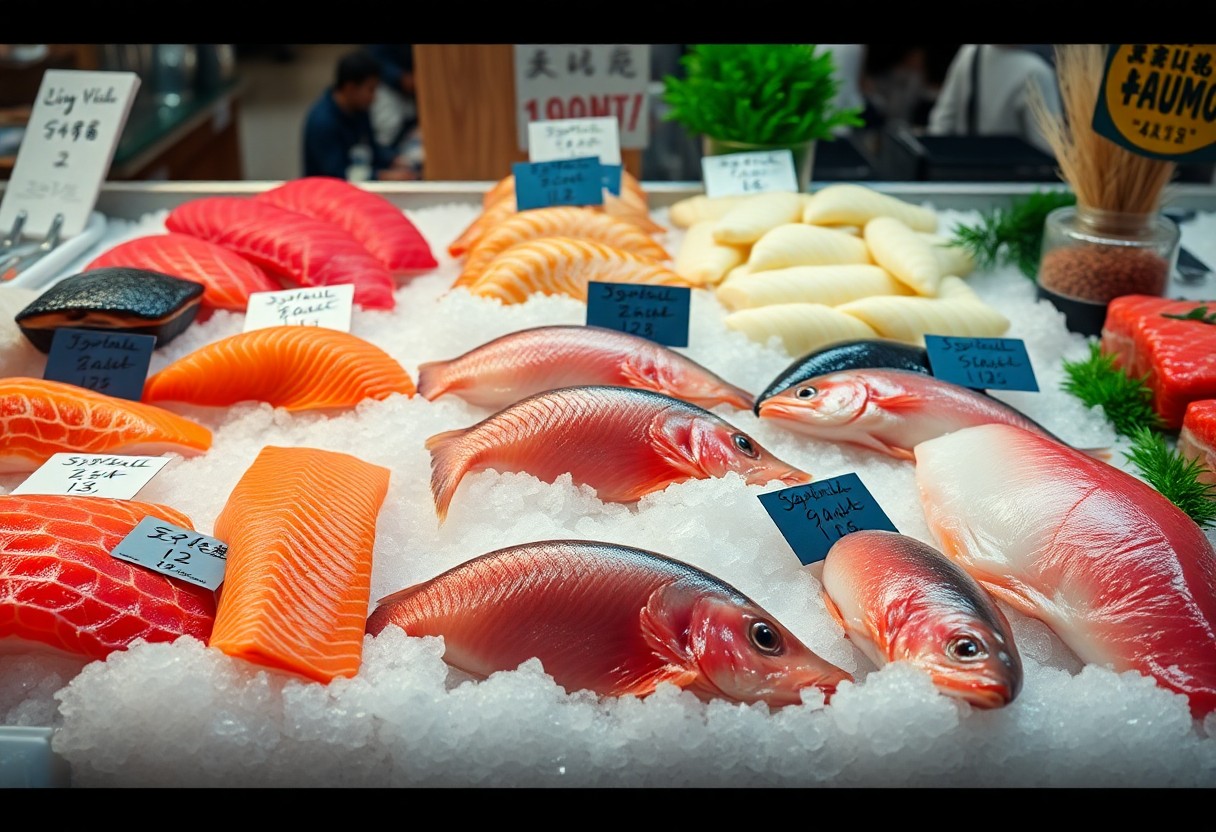
Many sushi enthusiasts are keen to ensure they are selecting the freshest fish possible for their culinary creations. Understanding how to identify high-quality seafood is vital for both taste and safety. In this guide, you will learn the key characteristics to look for when choosing fish, from visual cues to sensory checks that ensure you can confidently select the best options for your sushi dishes. With the right knowledge, you can enhance your sushi experience and impress your friends with your expertise.

Key Takeaways:

  • Appearance: Fresh fish should have bright, clear eyes and vibrant, shiny skin without any dullness.
  • Smell: A fresh fish will have a mild, ocean-like scent, while any strong or fishy odor indicates it’s not fresh.
  • Texture: The flesh of fresh fish should be firm and spring back when pressed, indicating freshness.
  • Color: Look for vibrant and natural color. For example, tuna should have a deep red hue, while salmon should be a bright orange or pink.
  • Source: Knowing the source of the fish can help assess its quality; fish from reputable markets or trusted suppliers are usually a safer choice.

Understanding Fish Freshness

Before you look into making sushi, it’s vital to gauge the freshness of the fish. Knowing how to select the right seafood is vital for taste and safety. To help guide your decision-making process, check out How to Buy Sushi Grade Raw Fish for Sushi and Poke Bowls, which will provide you with detailed insights on purchasing the freshest ingredients.

Appearance

By closely examining the fish you consider for sushi, you can assess its quality. Fresh fish should appear vibrant and glistening. Look for clear, bright eyes and firm flesh that bounces back when pressed. The scales should be shiny and intact, while discoloration or dullness is often a sign of inferior quality.

Smell

An vital aspect of determining fish freshness is its smell. Fresh fish has a mild scent reminiscent of the ocean, while bad fish emits a strong, sour odor. Trust your nose; if the fish smells off, it’s best to avoid it.

The odor is an excellent indicator of freshness. While a little briny scent is natural, anything resembling ammonia or a fishy smell indicates that the fish has gone bad. Always prioritize your safety and pleasure by relying on both your sense of smell and visual cues to assess the fish before preparation.

Key Indicators of Quality

The quality of fish for sushi can be assessed through various indicators, helping you ensure that you are purchasing the freshest product available. Look for specific signs in the fish’s appearance, smell, and texture to determine its overall freshness. Each detail plays an important role in guaranteeing a delicious sushi experience at home or in a restaurant.

Eyes

With fresh fish, you should check the eyes closely. They should be clear, bright, and bulging. Cloudy, sunken, or dull eyes typically indicate that the fish is not fresh and may not be suitable for sushi. Trust your instincts and choose fish with mesmerizing eyes that reflect its vitality.

Flesh Texture

Any fish you consider should exhibit a firm and elastic texture. Gently press your finger into the flesh; it should spring back instantly. If the flesh feels mushy or leaves an indentation, it may indicate past its prime. Quality fish will also appear moist without excessive dryness or sliminess.

Flesh texture is significant for determining the freshness of your fish. A vibrant, glossy exterior combined with a taut and resilient surface suggests that the fish was recently caught and handled properly. Soft or grainy flesh can lead to an unpleasant texture in sushi, compromising the overall dining experience. When opting for fish, prioritize those with a firm body that shows vitality and care in its handling.

Handling and Storage

Once again, how you handle and store your fish plays a significant role in its freshness and safety for sushi. Always keep your fish at the proper temperature to maintain its quality, and be mindful of how you interact with the fish from the market to your kitchen. By adhering to best practices in handling and storage, you ensure the best experience when preparing sushi.

Proper Refrigeration

Against common belief, simply putting your fish in the fridge isn’t sufficient. Fish should be stored at a temperature below 40°F (4°C) to inhibit the growth of harmful bacteria. Ensure your refrigerator maintains this temperature consistently to preserve the freshness and flavor of your sushi fish.

Handling Techniques

Storage is just one part of the equation; your handling techniques are equally important. When you’re preparing fresh fish, always make sure your hands and surfaces are clean to avoid cross-contamination. Use a sharp knife for cutting to prevent damaging the fish’s flesh, which can negatively impact its texture and taste.

This extends to how you transfer and store fish; always handle it with care. Use gloves if you’re concerned about cleanliness or if you’re handling fish for extended periods. When transferring fish, use a non-reactive tray and avoid piling pieces on top of one another. This prevents bruising and maintains the integrity of the fish, ensuring every piece is as delectable as possible when it comes time to prepare your sushi.

Types of Fish Suitable for Sushi

Your choice of fish can enhance your sushi experience significantly. Here are some popular varieties that are often used in sushi preparation:

Salmon Rich in omega-3 fatty acids and has a beautiful pink color.
Tuna Meaty texture, with varieties like Bluefin and Yellowfin being preferred.
Snapper Delicate flavor and firm texture make it a favorite.
Mackerel Strong flavor and high-fat content, often served marinated.
Halibut Smooth and mild, a great base for various flavors.

This variety allows you to experiment and find your favorites.

Common Sushi Fish

Above all, you’ll likely encounter a few staple types of fish that are widely acknowledged in the sushi world. Salmon, tuna, and yellowtail are among the most popular choices for their flavors and textures, ensuring a delightful sushi experience. Additionally, mackerel, with its rich taste, often appeals to more adventurous eaters.

Seasonal Variations

On top of choosing the right fish, you should also consider the seasonality of certain options. Different fish varieties peak at various times of the year, which can affect their availability and freshness. Seasonal selections can introduce you to unique flavors and experiences in sushi.

Plus, understanding the seasonal variations in fish can deepen your appreciation for sushi craftsmanship. For instance, fatty tuna is often best enjoyed in the winter months, while spring may bring delicious options like sea bass. By being mindful of these seasonalities, you can enjoy fish at its freshest and fullest flavor, allowing you to fully relish your sushi dining experience.

Where to Buy Fresh Fish

Not all fish sources are the same when it comes to freshness. To find the best options, consider checking out local fish markets or places that specialize in seafood. Additionally, you can gain insights into selecting high-quality fish by exploring discussions on Sushi and sashimi: identifying freshness : r/AskCulinary.

Local Fish Markets

Beside grocery stores, local fish markets usually offer fresher selections due to their direct supply chains. The freshness is often reflected in the display, with vibrant colors and a clean smell. Engaging with the fishmongers can also provide you insight into when the fish was caught, ensuring a better culinary experience.

Grocery Stores vs. Specialty Shops

Among the various options, grocery stores can vary widely in quality when it comes to fish. Specialty shops, on the other hand, often prioritize freshness and selection tailored for seafood lovers.

For instance, specialty shops typically have a more knowledgeable staff who can guide you on handling and preparing fresh fish for sushi. You’ll find a broader selection of high-quality options, including seasonal catches and rarer varieties. This expert guidance can be invaluable in ensuring that you select the best fish for your sushi experiences.

Preparing Fish for Sushi

Keep in mind that proper preparation is important for creating high-quality sushi. You should take the time to ensure your fish is cleaned and filleted with precision. This will not only enhance the presentation but also improve the taste and texture of your sushi. Always work on a clean surface and use sanitized tools to maintain freshness and avoid contamination.

Cleaning and Filleting

Cleaning the fish properly is the first step in preparation. This involves removing scales, guts, and any impurities to ensure the fish meets your safety standards. Once cleaned, carefully fillet the fish, making precise cuts to maximize yield and quality. Your technique during this stage will determine the final quality of your sushi, so take your time and work carefully.

Essential Tools

Tools like a sharp fillet knife, cutting board, and tweezers are fundamental for preparing fish for sushi. The right knife allows you to make clean cuts, while a sturdy cutting board provides a stable surface. Tweezers come in handy for removing any remaining pin bones that may disrupt the texture of your sushi.

Understanding the significance of your tools is vital for optimal results. A high-quality fillet knife, for example, will not only glide through the fish effortlessly but also help maintain the integrity of the flesh, preventing bruising. Additionally, investing in a reliable cutting board will ensure safety and hygiene. Being equipped with the right tools will streamline your process and elevate your sushi preparation experience.

Conclusion

To wrap up, identifying fresh fish for sushi involves observing several key factors. Look for bright, clear eyes and vibrant, moist skin, which indicate quality. Fresh fish should also have a mild ocean scent rather than a strong fishy odor. Pay attention to the firmness of the flesh, as it should bounce back when pressed. By keeping these tips in mind, you can ensure that your sushi experience is both safe and delicious, allowing you to savor every bite with confidence.

FAQ

Q: What are the visual indicators of fresh fish for sushi?

A: When assessing fish for freshness, look for bright, clear eyes that are bulging slightly. The skin should be shiny with vibrant colors, and the scales should be intact and not falling off. The flesh should appear moist and firm, with no discoloration or dullness.

Q: How should fresh fish smell when considering it for sushi?

A: Fresh fish should have a clean, ocean-like scent. It should not have any strong or overly fishy smells, which can indicate spoilage. A slight briny aroma is a good sign, indicating it was recently caught and is still in good condition.

Q: Are there specific types of fish that are better for sushi?

A: Yes, various fish are commonly used for sushi. Striped bass, salmon, tuna, and yellowtail are popular choices due to their flavor and texture. It’s important to ensure that any fish you select is sourced from reputable suppliers known for their quality and freshness.

Q: How can I check the firmness of the fish before purchasing?

A: To test the firmness, gently press the flesh with your finger. Fresh fish should bounce back immediately without leaving an indentation. If the flesh remains indented or feels mushy, it may not be fresh and is best avoided.

Q: Is there a difference between fresh fish and fish labeled as ‘sushi grade’?

A: Yes, ‘sushi grade’ fish has undergone specific handling and storage practices that maintain its integrity for raw consumption. This designation can vary by supplier, so it’s important to purchase from trusted sources that provide clear information about their fish’s handling and freshness.

The Pros and Cons of Raw Fish in Sushi

With the rising popularity of sushi, you may be wondering about the implications of consuming raw fish. While enjoying this delicacy can offer a unique culinary experience and a wealth of nutrients, there are important considerations regarding safety and health risks. In this post, you’ll explore the advantages and potential downsides of integrating raw fish into your sushi repertoire, helping you make informed choices about your dining experiences.

Key Takeaways:

  • Freshness: Raw fish must be incredibly fresh to ensure safety and flavor, making quality sourcing important.
  • Health Benefits: Consuming raw fish can provide high levels of omega-3 fatty acids and protein, contributing to overall health.
  • Risk of Parasites: Eating raw fish can pose a risk of parasitic infections, necessitating proper handling and preparation methods.
  • Flavor Profile: Raw fish brings a unique taste and texture to sushi that is often preferred for its authenticity and freshness.
  • Dietary Preferences: Some individuals may avoid raw fish due to dietary restrictions, ethical concerns, or personal preferences.

Nutritional Benefits of Raw Fish

Before entering into the world of sushi, it’s crucial to understand the nutritional advantages that raw fish offers. Incorporating raw fish into your diet can provide a variety of health benefits, including a wealth of vitamins and minerals that support overall well-being. The freshness of raw fish preserves the nutrients, making it a delicious and nutritious choice for health-conscious individuals.

High Protein Content

To fuel your body effectively, raw fish is an excellent source of high-quality protein. This crucial macronutrient plays a vital role in building and repairing tissues, making it important for muscle health and overall physical performance. Choosing sushi with raw fish can help you meet your protein needs while enjoying a flavorful meal.

Omega-3 Fatty Acids

Content rich in omega-3 fatty acids, raw fish is famous for its heart-healthy benefits. These crucial fats are known for reducing inflammation, lowering blood pressure, and improving overall cardiovascular health. Including omega-3s in your diet can help support brain function and may even protect against chronic diseases.

The incorporation of raw fish into your diet not only makes sushi a tasty option but also a source of omega-3 fatty acids that enhance your health. Fish like salmon and mackerel are particularly high in these beneficial fats, allowing you to enjoy a flavorful dish while reaping the cardiovascular and cognitive advantages that omega-3s provide. Prioritizing raw fish in your meals can significantly contribute to a balanced and healthful eating pattern.

Risks Associated with Raw Fish

While raw fish is a highlight of sushi, it carries certain risks that you should be aware of. Consuming raw fish can expose you to foodborne illnesses, which can lead to uncomfortable symptoms or more severe health issues. For more insights, check out Q. What are the pros and cons of eating raw fish, as in sushi?

Foodborne Illnesses

To mitigate the risks of foodborne illnesses, it’s vital to obtain your sushi from reputable sources that adhere to proper food safety protocols. Ingesting bacteria like Salmonella or Listeria can lead to serious health complications, and those with weakened immune systems or underlying health conditions should exercise caution.

Contaminants and Parasites

About the contaminants found in raw fish, various species may harbor parasites, toxins, and heavy metals like mercury. Your level of exposure often depends on the fish type, origin, and preparation methods. Making informed choices can greatly reduce your risk.

Parasites, such as anisakis, are a significant concern when it comes to consuming raw fish. These organisms can cause gastrointestinal disturbances if ingested. Properly freezing fish for a required period can eliminate many parasites, but you should always ensure that your sushi is prepared by professionals who follow safety guidelines.

Quality and Sourcing Considerations

Now, understanding the quality and sourcing of raw fish in sushi is crucial for your health and experience. When opting for sushi, you should ensure that the fish comes from reputable sources that prioritize food safety and freshness. For detailed insight on the health benefits of sushi, you can read more about it in this Sushi: Is It Good for You? article.

Sustainable Fishing Practices

Against the backdrop of the seafood industry, choosing sustainably sourced fish is a vital aspect of enjoying sushi responsibly. As a consumer, you impact fish populations and marine ecosystems. Research fishery practices to support those that prioritize sustainability and use eco-friendly harvesting methods.

Choosing Fresh Fish

About freshness, selecting fish that has been handled and stored properly is crucial for both taste and safety. Fresh fish should have a clean, ocean-like smell and firm flesh that springs back when touched. Avoid fish with a dull color or off-putting odor, as these are signs of spoilage.

The ideal sushi experience relies significantly on choosing the freshest fish available. You should look for trusted suppliers or local fish markets where the fish is caught and sold quickly. Additionally, inquire about the fish’s origin, as more information about its freshness can help you avoid potential health risks associated with raw consumption.

Culinary Experience and Flavor

Despite the initial hesitation some may feel towards raw fish, it is an integral part of the sushi experience. The delicate flavors and unique culinary practices involved in preparing sushi highlight the simplicity and freshness of high-quality ingredients. When you indulge in sushi, the raw fish often transports you to its place of origin, offering a symphony of taste that cooked fish simply cannot replicate.

Taste and Texture

The combination of taste and texture in raw fish is an art form in itself. When you bite into sushi, the tender and silky smoothness of the fish melds seamlessly with the slight chewiness of the rice, creating a harmony that is both refreshing and satisfying. The freshness of raw fish elevates the flavors, making each piece an unforgettable experience.

Presentation in Sushi

The visual appeal of sushi plays a significant role in your dining experience. The vibrant colors of fresh fish, combined with artistic presentation, invite you to indulge. Each roll or piece of nigiri is crafted with care, showcasing the chef’s skill and attention to detail. This aesthetic not only entices you but also enhances the overall taste, as you appreciate the beauty of your dish before even taking the first bite.

In addition, the careful arrangement of ingredients, such as garnishes or sauces, adds another layer to the visual spectacle. When you see sushi presented beautifully, it heightens your anticipation and stimulates your appetite, making the entire dining experience more engaging. This artistry encourages you to savor not only the flavor but also the creativity behind each dish, making sushi a multisensory pleasure.

Cultural Perspectives on Sushi

All around the world, sushi has become a symbol of Japanese cuisine, reflecting diverse cultural interpretations. This dish connects not only to tradition but also to social interactions and family gatherings. Understanding the varying perspectives on sushi helps you appreciate its role in global gastronomy. Explore more about the Pros & Cons Of Eating Sushi: Here Is What You Need To … to deepen your insight into this beloved dish.

Traditional Values

Behind every sushi roll lies a rich tapestry of cultural heritage that celebrates craftsmanship, seasonal ingredients, and respect for nature. In Japan, sushi is not just a meal; it embodies meticulous preparation, showcasing the chef’s skill and reverence for fresh ingredients. Each piece serves as a fusion of taste and art, reflecting a deep-rooted cultural significance that enhances your dining experience.

Modern Adaptations

About sushi’s evolution, you’ll find that modern adaptations have transformed how this classic dish is perceived and enjoyed. Sushi has crossed international borders and has been reimagined to cater to local tastes, leading to the introduction of unique ingredients and flavors. This evolution means you can now experience sushi in a variety of formats, including sushi burritos and even vegan options.

But these modern adaptations, while exciting and innovative, sometimes stray from the traditional essence of sushi. You might notice ingredients such as cream cheese or spicy sauces incorporated into rolls that once focused solely on simplicity and freshness. This blend of creativity and traditional values offers you a unique sushi experience, reflecting the ongoing dialogue between cultural heritage and modern culinary trends.

Health Guidelines and Recommendations

After considering the potential benefits and risks of consuming raw fish in sushi, it’s necessary to follow health guidelines and recommendations. Organizations like the FDA advise that you choose high-quality, sushi-grade fish sourced from reputable suppliers. Pregnant women, young children, and individuals with weakened immune systems should be particularly cautious and informed about the potential risks associated with eating raw fish.

Safe Consumption Practices

Against the backdrop of possible health risks, practicing safe consumption is key. Always verify that the fish you choose is labeled sushi-grade and ensure it has been frozen at the appropriate temperatures to eliminate parasites. Additionally, consider consuming sushi in reputable restaurants where safety standards are strictly adhered to.

Who Should Avoid Raw Fish

Below are groups of individuals who should consider avoiding raw fish: pregnant women, young children, the elderly, and those with compromising health conditions such as liver disease or weakened immune systems.

This precaution is vital because these populations are more susceptible to foodborne illnesses that raw fish can harbor. The potential consequences can be more severe for individuals in these groups, making it important for you to opt for fully cooked alternatives instead. Prioritizing your health and safety should always take precedence, and consulting with your healthcare provider can offer personalized guidance.

Summing up

From above, it’s clear that raw fish in sushi offers both benefits and drawbacks for you to consider. On the positive side, raw fish can provide a rich source of omega-3 fatty acids and an authentic culinary experience. However, you should also be aware of potential risks, such as foodborne illnesses and allergies. Ultimately, balancing these factors will help you make informed choices about incorporating raw fish into your diet, allowing you to enjoy sushi while prioritizing your health and safety.

FAQ

Q: What are the health benefits of consuming raw fish in sushi?

A: Raw fish, which is often used in sushi, is a rich source of omega-3 fatty acids, which can contribute to heart health, improve brain function, and reduce inflammation. It is also high in protein and provides important nutrients such as vitamins D and B12, iron, and selenium. Some studies suggest that the high omega-3 content can help lower blood pressure and maintain cholesterol levels.

Q: Are there any risks associated with eating raw fish?

A: Yes, consuming raw fish can pose certain health risks. There is a potential for foodborne illnesses caused by parasites, bacteria, and viruses, which can lead to infections. It is important to ensure that the fish is sourced from reliable suppliers and has been properly frozen if necessary to kill harmful parasites. Pregnant women, young children, and individuals with compromised immune systems should exercise caution or avoid raw fish entirely.

Q: How can I tell if the fish used in sushi is fresh and safe to eat?

A: Fresh fish should have a clean, ocean-like smell, firm texture, and bright coloration. When opting for sushi, it is advisable to choose reputable restaurants that prioritize quality and food safety. Observing the handling and storage practices in sushi establishments can also help ensure that the fish is fresh. Additionally, some restaurants are transparent about their sourcing practices and can provide information about the fish they serve.

Q: What are the environmental concerns associated with consuming raw fish in sushi?

A: The popularity of sushi has raised concerns regarding overfishing and the sustainability of certain fish species. Many fish commonly used in sushi, such as tuna and salmon, are at risk due to overharvesting and habitat destruction. It is crucial to be mindful of these issues and to look for sushi made from sustainably sourced fish, which can often be verified through eco-labels or certifications from responsible fisheries.

Q: How can I enjoy sushi while minimizing the risks of consuming raw fish?

A: If you want to enjoy sushi but are concerned about the risks of raw fish, consider opting for cooked sushi options like eel (unagi), shrimp (ebi), or tempura rolls. Additionally, sushi made with vegetables or grains may offer a delicious alternative without the risks associated with raw fish. Educating yourself about sushi preparation and choosing establishments that prioritize food safety can also enhance your overall experience.

How to Slice Fish for Perfect Sashimi

It’s imperative to master the art of slicing fish if you want to create perfect sashimi at home. Understanding the right techniques and knife skills will elevate your culinary experience, allowing you to present beautifully cut pieces that highlight the fish’s texture and flavor. In this guide, you’ll discover step-by-step instructions on how to properly slice various types of fish, ensuring that every piece is a delight to your palate. Whether you’re a beginner or looking to refine your skills, this post will equip you with the knowledge to impress your guests and enhance your sashimi-making journey.

Key Takeaways:

  • Quality Fish: Always choose the freshest fish available to ensure the best flavor and texture for sashimi.
  • Sharp Knife: Use a high-quality, sharp knife to make clean cuts, minimizing damage to the fish’s flesh.
  • Cutting Angle: Slice the fish against the grain, at a 45-degree angle, to create tender pieces that are easier to chew.
  • Slice Thickness: Aim for uniform slices—typically around 1/4 inch thick—for an ideal balance of presentation and bite.
  • Presentation: Pay attention to the arrangement of sashimi on the plate, as visual appeal enhances the dining experience.

Understanding Sashimi

A renowned dish in Japanese cuisine, sashimi refers to thinly sliced raw fish or seafood served without rice. The art of sashimi is not just about the freshness of the fish; it also encompasses the slicing technique, presentation, and accompanying condiments. Exploring sashimi offers an immersive experience into the culinary traditions of Japan, inviting you to appreciate the delicate textures and flavors of high-quality fish.

Definition and Origin

To truly appreciate sashimi, it’s necessary to understand its origins as a dish that emerged from Japan’s rich fishing culture. Traditionally served with soy sauce and wasabi, sashimi highlights the quality and freshness of the seafood, elevating a simple meal into an extraordinary one.

Types of Fish Commonly Used

Beside being an intricately prepared dish, sashimi often features various types of fish that showcase their distinct flavors and textures. Some common varieties include:

  • Salmon
  • Tuna
  • Yellowtail
  • Mackerel
  • Snapper

Any of these fish can be expertly sliced to reveal their natural beauty and tenderness, perfect for your next sashimi experience.

Fish Type Flavor Profile
Salmon Rich, buttery
Tuna Clean, meaty
Yellowtail Slightly sweet, rich
Mackerel Strong, oily
Snapper Mild, delicate

The quality of the fish you choose can significantly enhance the overall sashimi experience. Each type of fish brings unique flavors and textures to the plate, allowing you to experiment with different combinations. Whether you prefer the richness of salmon or the delicate profile of snapper, you will find that the right fish elevates your sashimi experience.

  • Consider the freshness of the fish.
  • Choose varieties that appeal to your palate.
  • Don’t hesitate to try less common options.
  • Mix and match to discover your favorite combinations.
  • Any fish, when prepared well, can be a sushi delight.
Fish Type Texture
Salmon Soft, tender
Tuna Firm, meaty
Yellowtail Buttery, rich
Mackerel Oily, robust
Snapper Flaky, tender

The texture of your chosen fish plays an instrumental role in how your sashimi is presented and enjoyed. For instance, the soft, tender structure of salmon contrasts beautifully with the firm, meaty characteristics of tuna. You can explore these textures to enhance your palate and presentation. Not all textures will suit every craving, allowing you to choose what fits best for you.

Preparing the Fish

Assuming you want to create the best sashimi, the first step begins with proper preparation of the fish. This involves cleaning and filleting the fish to ensure it is ready for slicing. A clean workspace is important, so make sure to sanitize your cutting board and knives. Additionally, having a sharp knife will not only enhance the quality of your slices but also ensure your safety while working with fish. Pay attention to the fish’s texture and quality, ensuring you’re working with the freshest ingredients possible.

Selecting Fresh Fish

Across various markets, the freshness of your fish dramatically impacts the flavor and overall quality of your sashimi. Look for fish with a bright, clear appearance and a clean, ocean-like scent. The flesh should be firm to the touch, with no signs of browning or discoloration. Ask your fishmonger about sourcing; fish caught the same day will always yield the best results.

Essential Tools for Slicing

Fish preparation requires specific tools to achieve the precise cuts necessary for sashimi. A sharp, long-bladed knife, preferably a yanagiba or a debá, is ideal for slicing fish cleanly without tearing the delicate flesh. You may also find a flexible cutting board helpful for stability while cutting, and a fish spatula can assist in transferring the sashimi onto serving plates without damaging your carefully sliced pieces.

Understanding the importance of your tools will elevate your sashimi preparation. A high-quality knife is an investment that pays off in both the aesthetics and taste of your dish. Make sure to regularly sharpen your knife for optimal performance; a sharp blade will glide through the fish, allowing you to create even slices effortlessly. A well-rounded setup, including a cutting board and additional kitchen tools, will streamline your process and enhance your culinary skills.

The Art of Slicing

Many people underestimate the importance of slicing fish for sashimi. Mastering this skill not only enhances the dish’s presentation but also influences the overall taste and texture. The precise cut you make can elevate your sashimi from ordinary to extraordinary, ultimately impressing those you serve. A well-sliced piece of fish will showcase its freshness and encourage the flavors to unfold beautifully on your palate.

Techniques for Perfect Cuts

Above all, using the right technique is imperative for achieving perfect cuts. Start by ensuring your knife is incredibly sharp, as a dull blade can crush the flesh rather than slice through it. It’s beneficial to utilize a single, smooth motion rather than a sawing technique, which will help preserve the delicate structure of the fish. Practicing consistent movements will lead to uniform slices, providing an enjoyable eating experience.

Thickness and Angle Considerations

One key aspect to consider is the thickness and angle of your cuts. You should aim for slices that are about 1/4 inch thick, as this allows for the right balance of flavor and texture. The angle at which you slice can significantly impact the mouthfeel; cutting against the grain enhances tenderness while keeping the fish’s integrity intact.

Thickness plays a vital role in the enjoyment of sashimi. If your slices are too thick, they might overpower the palate, while those that are too thin could lead to a loss of flavor. The ideal thickness provides you with a delightful balance, allowing the natural taste of the fish to shine through. Adjusting the angle of your cuts between 45 and 90 degrees can also affect the release of the fish’s oils and essence, ultimately enhancing the overall experience when you enjoy your sashimi.

Presentation of Sashimi

Once again, the presentation of your sashimi plays a vital role in the overall dining experience. Beautifully arranged sashimi not only showcases your skill but also enhances the visual appeal of the dish. For inspiration on how to present your sashimi, check out Sashimi (Sliced Raw Fish) – RecipeTin Japan.

Plating Techniques

Presentation is key when plating sashimi. Use a variety of plates such as wooden boards or elegant ceramic dishes to create a more authentic Japanese experience. Arrange your fish slices in a fan shape or stack them neatly to draw the eye, and don’t shy away from incorporating elements that add height and dimension to your presentation.

Garnishes and Accompaniments

On top of the fish itself, garnishes and accompaniments elevate your sashimi experience. Thinly sliced vegetables, such as daikon or cucumbers, not only provide color but also add a refreshing crunch that complements the silky texture of the fish.

For instance, consider adding shiso leaves, wasabi, and pickled ginger as traditional accompaniments that not only enhance flavor but also add visual interest to your dish. The key is to balance the garnish with the sashimi to create a harmonious presentation that invites your guests to indulge in the freshness of the seafood. Experiment with different combinations to find the perfect pairing for your creations.

Safety and Hygiene

To ensure the best sashimi experience, it’s vital to prioritize safety and hygiene when handling fish. This includes proper cleaning, storage, and preparation techniques to minimize the risk of foodborne illnesses. By adhering to safe practices, you can enjoy fresh and delicious sashimi without worry.

Best Practices for Handling Fish

Safety begins with careful handling of your fish. Always wash your hands thoroughly before and after handling fish and use designated cutting boards and utensils to prevent cross-contamination. Additionally, ensure your fish is sourced from reputable suppliers and stored at appropriate temperatures to maintain its freshness.

Common Safety Concerns

Against the backdrop of preparing sashimi, several common safety concerns arise, including the risk of parasites and bacterial contamination. Understanding the potential hazards associated with raw fish consumption can help you take the necessary precautions to safeguard your health.

Best practices for addressing common safety concerns include purchasing sushi-grade fish, which has been frozen to kill parasites, and inspecting the fish for freshness before use. Always pay attention to the environment where you prepare sashimi, ensuring your workspace is clean and sanitized. Avoid using fish that has an off smell or unusual texture, as these may indicate spoilage. By staying informed and taking proactive steps, you can mitigate risks and enjoy your sashimi with confidence.

Pairing Sashimi with Condiments

Despite the simplicity of sashimi, the right condiments can elevate your dish to new heights. You can enhance your experience by exploring various accompaniments like soy sauce, wasabi, and pickled ginger. For a deeper look into the art of slicing fish, check out Seafood 101: How to Slice Sashimi | Yellowtail Sashimi.

Traditional Sauces

At the heart of sashimi pairs are traditional sauces like soy sauce, which adds a salty umami flavor. You may also want to experiment with ponzu, a citrus-based sauce, to introduce a refreshing twist.

Complementary Side Dishes

Dishes such as thinly sliced cucumbers, daikon radish, or a light salad can beautifully complement your sashimi. You can also add a bowl of miso soup to add warmth and balance to your meal.

Condiments play a significant role in enhancing the overall sashimi experience. Freshly grated wasabi adds a spicy kick, while pickled ginger serves as a palate cleanser. You can enjoy these alongside your sashimi to create a symphony of flavors that harmonize with the delicate taste of the fish.

Summing up

On the whole, mastering the art of slicing fish for perfect sashimi requires careful attention to technique and quality. Focus on using a sharp, thin knife while ensuring your fish is fresh and properly chilled. By making clean, precise cuts at the appropriate angle, you elevate the texture and presentation of your sashimi. As you practice these steps consistently, you’ll gain confidence and develop your skill, allowing you to impress your guests with beautifully crafted sashimi that enhances their dining experience.

FAQ

Q: What type of fish is best for making sashimi?

A: The best types of fish for sashimi are those that are high in fat and have a firm texture. Popular choices include tuna, salmon, mackerel, and yellowtail. Ensure the fish is sushi-grade, which means it has been frozen at specific temperatures to kill any parasites, ensuring safety when consumed raw.

Q: How should I prepare the fish before slicing?

A: Before slicing, make sure to clean the fish properly. First, remove the scales, gut it, and rinse it thoroughly under cold water. Pat the fish dry with paper towels to remove excess moisture, which can affect the slicing process. It’s also important to chill the fish in the refrigerator for about 30 minutes to firm it up, making it easier to slice.

Q: What tools do I need for slicing fish for sashimi?

A: To achieve the perfect sashimi slices, you will need a sharp, long-bladed knife, such as a yanagiba or sashimi knife. A clean cutting board is vital as well. Some sushi chefs use a wooden board to help maintain the knife’s sharp edge, while a plastic board can be easier to clean.

Q: What is the best technique for slicing fish for sashimi?

A: The slicing technique involves holding the knife at a slight angle and using long, smooth strokes rather than sawing motions. Start by cutting against the grain of the fish to create tender slices. Aim for slices that are about 1/4 inch thick, and be sure to maintain a steady hand for an even cut. Practice makes perfect, so be patient with yourself as you refine your technique.

Q: How should I plate sashimi once it’s sliced?

A: When plating sashimi, arrange the slices artfully on a chilled plate. You can fan out the slices for a visually appealing presentation and garnish with shiso leaves, thinly sliced green onions, or edible flowers for color. Serve with a small bowl of soy sauce and wasabi, allowing guests to dip or mix according to their taste. Additionally, including some pickled ginger on the side can enhance the dining experience.

Trying Sushi at the World’s Largest Fish Market

You will discover a culinary adventure like no other when you try sushi at the world’s largest fish market. Known for its fresh seafood and vibrant atmosphere, this iconic destination offers a unique opportunity to taste sushi made from the freshest ingredients right at the source. As you navigate the bustling aisles filled with fishmongers and culinary artisans, you’ll gain insight into the traditional methods and cultural significance behind this beloved dish. Prepare to engage your senses and elevate your dining experience to unforgettable heights.

Key Takeaways:

  • Freshness: The quality of sushi is highly dependent on the freshness of the fish, which can be experienced first-hand at the market.
  • Diversity: Discover a wide variety of sushi types, showcasing different fish species, preparations, and regional specialties.
  • Experience: Trying sushi at such a renowned location provides a unique cultural and culinary experience that enhances your appreciation.
  • Expertise: Watch skilled chefs at work, highlighting the craftsmanship involved in sushi preparation and presentation.
  • Local Favorites: Engage with locals and vendors for their recommendations, discovering hidden gems and popular spots for the best sushi.

The History of the World’s Largest Fish Market

A visit to the world’s largest fish market offers a glimpse into its rich history, dating back to the early Edo period in Japan. Established as a significant trade center for seafood, this market has transformed over centuries, evolving to accommodate the changing demands of the fishing industry and the culinary preferences of locals and tourists alike. Its longevity and importance underscore its role as a hub for fresh fish and seafood.

Origins and Development

To understand the origins of the world’s largest fish market, you must look back to the early 17th century, when it began as a humble marketplace near Nihonbashi. Over time, it grew in size and influence, relocating to its current site in Tsukiji during the 1930s, which marked a significant development in its operations and accessibility, allowing for a wider variety of fish and seafood to be offered to the public.

Cultural Significance

Along with being the epicenter of seafood trade, this market holds immense cultural significance, representing not just a place to buy fish, but a critical aspect of Japan’s culinary heritage. You will discover how traditional methods, unique dishes, and local customs are deeply intertwined with the market’s ongoing legacy, highlighting the fascinating relationship between food and culture in Japan.

Consequently, the market serves as a living museum of culinary arts, inviting you to experience the vibrancy of Japan’s food culture firsthand. You will see chefs and home cooks alike sourcing ingredients, all while embracing the age-old traditions that define Japanese cuisine. This connection to the past enriches your culinary journey and deepens your appreciation for the food you enjoy here, making it an integral part of your exploration of Japan.

Types of Sushi Available

One of the most thrilling aspects of visiting the world’s largest fish market is the variety of sushi you can try. From traditional to innovative options, there’s something for everyone. Here’s a glance at the sushi types available:

  • Sashimi
  • Maki
  • Nigiri
  • Temaki
  • Uramaki

Perceiving the wide range of sushi offerings can enhance your experience as you explore each unique flavor.

Type Description
Sashimi Fresh, thinly sliced raw fish or seafood.
Maki Rice and fillings rolled in seaweed.
Nigiri Hand-formed rice topped with fish.
Temaki Hand-rolled sushi cones filled with ingredients.
Uramaki Inside-out rolls with rice on the outside.

Traditional Sushi Varieties

Any food lover visiting the market will be delighted to encounter traditional sushi varieties that highlight authentic Japanese flavors and techniques. Classics such as nigiri and sashimi capture the essence of fresh fish, while maki rolls offer a delightful combination of rice and various fillings, all expertly prepared to ensure a memorable dining experience.

Innovative Fusion Creations

The blend of cultures has birthed creative sushi fusion dishes that surprise and excite your palate. Chefs experiment with flavors and ingredients, resulting in sushi that transcends traditional boundaries.

In fact, the innovation in fusion sushi allows you to savor exciting combinations such as spicy tuna tacos or sushi burritos that combine traditional ingredients with global flavors. The marriage of classic sushi techniques with unconventional ingredients creates a unique experience, enticing you to discover new favorites while still enjoying the essence of sushi.

Choosing the Right Sushi Vendor

Many vendors at the world’s largest fish market offer a rich variety of sushi that can be overwhelming. To make an informed choice, it’s wise to look for sellers who are busy, as high foot traffic often indicates quality and freshness. Additionally, pay attention to the presentation of their offerings and observe how the vendor interacts with customers, as this reflects their commitment to service.

Tips for Selection

One way to enhance your sushi experience is to follow these tips for selection:

  • Look for fresh, vibrant ingredients.
  • Choose vendors who are knowledgeable and friendly.
  • Ask for recommendations from other customers.

Thou should take time to explore before making your final decision.

Understanding Market Dynamics

With so many options available, it’s important to understand the market dynamics that influence sushi quality. Each vendor has unique sourcing practices, and the best ones prioritize local, sustainable fish. Additionally, peak hours can affect freshness and variety, as vendors are more likely to serve out their inventory quickly. Observing these patterns will help you make a better choice and enhance your overall sushi experience.

And, market dynamics often shift based on supply and demand. Some vendors may offer discounts during quieter times, while others boast unique specialty rolls that are highly sought after. By being mindful of these fluctuations, you can navigate the market like a pro and discover hidden gems among the bustling stalls.

The sushi tasting experience

Unlike any other culinary adventure, sushi tasting at the world’s largest fish market is a feast for the senses. The vibrant colors of fresh sashimi and nigiri, the delicate aromas of rice and seaweed, and the artistry behind each roll create an unforgettable experience. As you savor each bite, the explosion of flavors transports you to the serene waters where the fish was caught, making it an experience that combines taste with the rich culture of sushi-making.

Best practices for enjoyment

Across your sushi tasting journey, engaging fully in the experience enhances your enjoyment. Start with lighter flavors before moving to richer, spicier options. Each sushi piece is crafted to deliver a specific taste, so try to savor the nuances of each one. Take your time; enjoy the textural contrasts and the recommended pairing of soy sauce and wasabi, allowing your palate to appreciate the intricacies of this traditional cuisine.

Pairing sushi with beverages

About pairing beverages with sushi, the right drink can elevate your tasting experience significantly. Traditional choices like sake or green tea complement sushi beautifully and enhance the flavors of the seafood. Depending on your taste, you might also consider aromatic wines or even light beers to balance the meal.

Due to the delicate flavors of sushi, pairing your meal with the right beverage can bring out the best in each bite. Sake, with its varying sweetness levels, often matches perfectly with the umami of fish, while green tea acts as a refreshing palate cleanser between bites. If you prefer something with a fizz, opt for a light lager that won’t overpower the sushi’s taste. The key is to experiment and discover what combinations appeal to your palate, enhancing your overall dining experience.

Additional attractions at the fish market

Now that you’ve experienced the thrill of sushi, it’s time to explore the other offerings at the world’s largest fish market. You can enhance your visit with a Tsukiji Fish Market Visit and Sushi Making Experience, where the vibrant atmosphere and diverse attractions await you. From seafood auctions to unique local dining spots, there’s plenty to see and taste beyond the sushi counter.

Seafood auctions and tours

Tours of the seafood auctions give you a behind-the-scenes look at the bustling world of fish trading. Watching the skilled auctioneers as they call out bids adds to the excitement of your visit. Be sure to arrive early to secure the best viewing spots and soak in the intense energy of the market.

Local dining and shopping options

Tours of the Tsukiji Fish Market lead you to an array of local dining and shopping options. From fresh seafood restaurants to specialty shops offering unique Japanese culinary products, you’ll be spoiled for choice. It’s an excellent opportunity to try delicious dishes, sample street food, or pick up souvenirs like condiments and kitchenware that capture the essence of this thriving market. Enjoy exploring the vibrant stalls and taste what makes this place truly special.

Sushi Etiquette

For your first sushi experience, it’s imperative to familiarize yourself with proper etiquette to fully enjoy and appreciate this culinary art form. From the way you hold your chopsticks to how you consume the sushi, each action conveys respect for the chef and the tradition. Understanding these practices will enhance your encounter and ensure a positive impression in sushi dining environments.

Do’s and Don’ts

Etiquette dictates that you should always use chopsticks when handling sushi, unless you are offered a hand roll, which can be eaten directly. Don’t dunk your sushi in soy sauce—just a light dip on the fish side is ideal, preserving the balance of flavors. Always savor your sushi in one bite to respect the artistry behind it.

Cultural Customs and Practices

An important aspect of sushi etiquette involves recognizing the cultural significance behind its preparation and presentation. You should be aware that many sushi chefs take years to perfect their craft, and each piece you receive reflects their dedication. Greeting your chef with a respectful itadakimasu before your meal shows appreciation for the meal and its origins.

Donts include using your chopsticks to point or stab at the sushi, as this can be considered disrespectful. Also, avoid speaking with your mouth full or slurping your food, which can be seen as inconsiderate. By respecting these practices, you contribute to the atmosphere of honor and enjoyment that surrounds this exquisite dining experience.

Final Words

So, when you try sushi at the world’s largest fish market, you begin on an unforgettable culinary adventure that showcases the freshest seafood in vibrant surroundings. Your palate will dance with the unique flavors that only the finest fish can provide, giving you a true taste of local culture. Engaging with knowledgeable vendors and enjoying meticulously crafted sushi elevates your experience, making it a must-do during your visit. You’ll leave not just satisfied, but with a deeper appreciation for the artistry of sushi-making and the importance of sustainable seafood practices.

FAQ

Q: What is the best time to visit the world’s largest fish market for sushi?

A: The best time to visit the market for sushi is early in the morning. This is when the freshest fish is delivered, and you can witness the lively atmosphere as vendors prepare for the day. Arriving around 7 AM allows you to enjoy not only the freshest sushi but also to avoid the larger crowds that tend to build as the day progresses.

Q: Are there any specific sushi types that I should try while at the fish market?

A: While exploring the market, you should definitely try the nigiri sushi, particularly the ones made with freshly caught tuna and salmon. Additionally, look out for unique offerings like sea urchin (uni) or seasonal specialties. Each vendor may have their own signature dishes, so don’t hesitate to ask for recommendations based on what is freshest that day.

Q: Is it possible to take a guided tour of the fish market to enhance the sushi experience?

A: Yes, many local guides offer tours of the fish market that include sushi tastings. These tours can provide valuable insights into the market’s history, the different types of seafood available, and the best practices for selecting fresh fish. Participating in a guided tour can enrich your experience as you learn about sushi preparation, while enjoying tasting sessions with expert explanations.

Lab-Grown Fish – The Future of Sushi

Sushi lovers, your culinary experience is on the verge of transformation. Lab-grown fish offers a sustainable and ethical alternative to traditional seafood, addressing issues like overfishing and environmental degradation. Imagine enjoying your favorite sushi without compromising the ocean’s ecosystems. In this post, you’ll explore the technological advancements driving this innovation, the benefits of lab-grown seafood, and what it means for your future dining choices. Get ready to discover how lab-grown fish could redefine your sushi experience.

Key Takeaways:

  • Sustainability: Lab-grown fish offers a more sustainable alternative to traditional fishing methods, significantly reducing overfishing and environmental impact.
  • Food Security: Cultivating fish in laboratories could enhance food security by providing a steady, controlled supply of seafood.
  • Health Benefits: Lab-grown fish can be produced with tailored nutrition profiles, reducing harmful substances often found in wild fish.
  • Consumer Acceptance: As awareness increases, consumers are becoming more open to lab-grown options, including sushi made from cultivated fish.
  • Technological Advancements: Ongoing advancements in biotechnology are making it more feasible and cost-effective to produce high-quality lab-grown fish products.

Understanding Lab-Grown Fish

While the concept of lab-grown fish might seem futuristic, it’s an important development in sustainable seafood. This innovative approach to aquaculture enables you to enjoy seafood without the environmental concerns associated with overfishing and habitat destruction. By cultivating fish cells in a controlled environment, you gain access to a product that can help combat the depletion of our oceans.

The Science Behind Cultivated Seafood

Across the globe, scientists are harnessing cellular agriculture techniques to grow seafood. By taking a small sample of fish cells and placing them in a nutrient-rich culture, they can stimulate growth and replicate the natural muscle tissue found in fish. This process not only enhances freshness but also allows for customizable flavors and textures, giving you a sushi experience tailored to your preferences.

Differences Between Lab-Grown and Traditional Fish

Seafood cultivated in labs differs significantly from its traditional counterparts. The production process eliminates the need for fishing, which in turn reduces the impact on marine ecosystems. Lab-grown fish can also be produced without antibiotics and harmful additives, leading to a cleaner, more sustainable product. This not only addresses health concerns but also aligns with current trends towards more responsible consumption.

For instance, when you compare the environmental footprint of lab-grown fish to farmed or wild-caught varieties, you’ll notice significant benefits. Traditional fishing methods often result in bycatch and habitat destruction, while lab-grown options offer a more eco-friendly alternative. Additionally, lab-grown fish can be tailored to be free from contaminants that may be present in wild fish, providing you with peace of mind regarding the quality of what you consume.

Environmental Impact

Some experts believe that lab-grown fish could dramatically lessen the environmental footprint associated with traditional seafood production. By shifting to lab-grown alternatives, you can contribute to a significant reduction in pollution and resource depletion commonly linked to wild fishing and fish farming. This advancement not only helps in conserving marine ecosystems but also supports a more sustainable future for our planet.

Reducing Overfishing and Habitat Destruction

Around the globe, overfishing and habitat destruction have become pressing issues that threaten fish populations and marine ecosystems. By opting for lab-grown fish, you actively participate in diminishing these harmful practices. This innovative approach to seafood production can alleviate the stress on natural habitats, ensuring that aquatic life can thrive without the threat of overexploitation.

Carbon Footprint and Sustainability

Before you consider the carbon footprint of your food choices, it’s important to recognize that lab-grown fish can offer a more sustainable alternative to traditional fishing methods. While conventional seafood sourcing often involves significant greenhouse gas emissions, lab-grown processes are designed to optimize resource efficiency and minimize environmental impact.

Further, as you explore lab-grown fish, it’s worth noting that these alternatives typically require less land, water, and energy compared to conventional fish farming. This efficiency means that you can enjoy your sushi without contributing heavily to climate change. By choosing lab-grown options, you are supporting practices that have the potential to significantly lower overall carbon emissions, paving the way for a more sustainable future in food production.

Nutritional Aspects

Many consumers seek healthier options when it comes to food choices, and lab-grown fish provides a compelling alternative. With controlled production processes, these fish can be enriched with crucial nutrients, such as omega-3 fatty acids, while potentially reducing harmful elements like mercury and pollutants found in wild-caught varieties. This innovative approach allows you to enjoy the flavors of sushi without compromising on nutritional quality.

Health Benefits of Lab-Grown Fish

Aspects of lab-grown fish highlight its potential to offer a healthier alternative to traditional seafood. It is generally richer in vital nutrients and can be tailored to enhance specific health benefits, aligning with dietary preferences and needs. Additionally, the absence of toxins often found in wild fish further positions lab-grown options as a more appealing choice for your overall well-being.

Comparison with Wild-Caught Alternatives

For those comparing lab-grown fish to wild-caught options, there are several vital differences to consider. Below is a summary of key nutritional comparison points:

Comparison of Nutritional Aspects

Aspect Lab-Grown Fish
Omega-3 Levels Can be enhanced during cultivation
Mercury Content Virtually non-existent
Pollutants Free from oceanic pollutants

But it’s important to also evaluate the benefits of wild-caught fish. While lab-grown fish is designed with your health in mind, wild-caught options offer their unique advantages. Many prefer the taste and texture of traditional seafood, and some argue that wild fish can provide a more natural and diverse nutrient profile. Below is a comparison summarizing these perspectives:

Wild-Caught vs Lab-Grown Fish

Aspect Wild-Caught Fish
Flavor Often considered superior
Environmental Impact Varies based on fishing practices
Cost Can be more expensive

Ultimately, your choice will depend on your personal preferences and values regarding sustainability and nutrition. Both options present opportunities to incorporate crucial nutrients into your diet while enjoying delicious sushi.

Economic Implications

After considering the rise of lab-grown fish, you must analyze its economic implications on traditional seafood markets. With the potential to reduce fishing pressure on wild stocks, these innovations could stabilize fish populations and potentially lower prices. However, the transition to lab-grown alternatives also raises questions about the sustainability of existing fisheries and the livelihoods of those who depend on them. Balancing the advantages of lab-grown fish with its impact on established industries is key to understanding its full economic footprint.

Cost of Production vs. Market Price

By examining the cost of production for lab-grown fish, you will find that it is currently higher than that of wild-caught or farmed fish. However, as technology advances and production scales up, these costs are expected to decrease. This could lead to competitive pricing in the seafood market, making lab-grown fish a viable and appealing option for consumers while encouraging sustainable practices in the industry.

Future of Jobs in the Seafood Industry

Implications for job security in the seafood industry are significant, especially as lab-grown fish becomes more mainstream. The demand for skilled workers in biotechnological fields may rise, while traditional fishing roles might face a decline. You will need to consider how this shift could impact your local economy, particularly in coastal communities reliant on fishing and seafood processing.

Price fluctuations and the evolving landscape of the seafood industry will necessitate a workforce that is adaptable and skilled in new technologies. As lab-grown fish gains market share, you may see a shift in job opportunities from traditional fishing roles toward positions in research, development, and production facilities. This transition offers both challenges and opportunities for you and your community, as upskilling and workforce retraining programs become increasingly important to ensure a smooth transition to a new economic reality.

Consumer Perception

Your feelings about lab-grown fish can significantly influence its acceptance in the market. As society becomes more environmentally conscious, it’s important to understand the evolving attitudes towards sustainable alternatives. In fact, Why We May Soon Be Eating Sushi Made With Lab-Grown … showcases the growing interest in this innovation and its potential to reshape dining experiences, particularly in sushi culture.

Acceptance of Lab-Grown Products

Around the world, acceptance of lab-grown products is gradually increasing as consumers seek more ethical and sustainable eating options. This shift is driven by a desire to reduce overfishing and support food security, making lab-grown fish an appealing choice for many sushi lovers. Education plays a pivotal role in fostering positive perceptions, as more individuals learn about the benefits these products offer.

Marketing Strategies for Adoption

Above all, effective marketing strategies will be important in driving the adoption of lab-grown fish. A focus on transparency and education can help demystify the technology, allowing you to see the benefits of choosing lab-grown alternatives. Highlighting endorsements from culinary experts and chefs can also build trust, encouraging you to try these innovative products in your meals.

LabGrown fish’s introduction into sushi culture requires tailored approaches for successful market penetration. It’s vital to connect with your values by emphasizing sustainability, health benefits, and taste. Engaging storytelling and experiential marketing, such as tastings and cooking demonstrations, can foster a personal connection, making you more likely to embrace lab-grown options. By addressing potential concerns and showcasing the product’s positive impact, you can support a future where lab-grown fish becomes a staple in your sushi experience.

Regulatory Challenges

Unlike traditional seafood, lab-grown fish must navigate a complex landscape of regulatory challenges that vary by country. As you explore the future of sushi, it’s vital to understand the myriad regulations that govern the production and sale of cultured seafood. Regulatory bodies need to assess the safety, quality, and environmental impacts of these products before they hit the market, ensuring that consumers receive a product that meets established safety standards.

Food Safety and Approval Processes

For lab-grown fish to gain acceptance in the market, they must undergo rigorous food safety evaluations and approval processes. Regulatory authorities assess the production methods, ingredients, and potential health impacts to ensure that these innovative seafood alternatives are safe for consumer consumption.

Labeling and Transparency Issues

Food labeling and transparency issues arise when introducing lab-grown fish to the market, as consumers have a right to know what they are eating. You might wonder how these products are represented on packaging and whether they are labeled accurately to distinguish them from traditionally sourced fish.

Understanding labeling and transparency issues is vital to fostering consumer trust in lab-grown fish. Clear labeling practices will empower you to make informed choices, allowing you to differentiate between conventional and lab-grown products. Regulatory agencies are working on establishing standards for labeling, which may involve terms like “cultured” or “cell-cultured seafood.” Your awareness of these emerging standards can ultimately influence the accountability of manufacturers in providing accurate information that aligns with your values and preferences when it comes to seafood consumption.

Final Words

Summing up, lab-grown fish represents a transformative shift in the way you may think about sushi. As technology evolves, you could soon enjoy delicious, sustainable sushi without the environmental impact of overfishing. By opting for lab-grown options, you support both innovation and sustainability in your culinary choices. To explore more about this topic, check out how your future sushi dinner could be cultivated, not caught. Embrace the future of seafood with confidence.

Q: What are lab-grown fish, and how are they created?

A: Lab-grown fish, also known as cell-cultured fish, are produced through a process called cellular agriculture. This technology involves taking a small sample of fish cells, which can be muscle or fat cells, and then cultivating those cells in a controlled environment. By providing the right nutrients and conditions, these cells can grow and multiply, ultimately forming muscle tissue that resembles traditional fish meat. The result is a product that maintains the taste and nutritional value of fish without the environmental impacts associated with overfishing or aquaculture.

Q: What benefits do lab-grown fish offer compared to traditional fishing methods?

A: Lab-grown fish provide several advantages over conventional fishing practices. First, they have the potential to significantly reduce the environmental impact associated with fishing, such as depletion of fish populations and destruction of habitats. Additionally, lab-grown fish can be produced with a lower carbon footprint, as they require less land and water compared to traditional farming methods. Furthermore, cell-cultured fish can be tailored in terms of flavor, texture, and nutritional content, offering consumers a sustainable and customizable seafood option that addresses growing concerns around food security.

Q: Are lab-grown fish safe to eat, and how do they compare nutritionally to wild-caught fish?

A: Yes, lab-grown fish are deemed safe to eat and undergo rigorous safety assessments and quality control processes before they reach consumers. In terms of nutrition, lab-grown fish can be engineered to retain the beneficial properties of wild-caught fish, such as omega-3 fatty acids and proteins. Moreover, they can be modified to enhance positive attributes, such as increased omega-3 levels or reduced levels of harmful substances like mercury, which can be present in some wild fish. The result is a seafood alternative that not only matches the nutritional profile of traditional fish but has the potential to offer enhanced health benefits.

How to Make Sushi

Watch more Introduction to Sushi Making videos: http://www.howcast.com/videos/270-How-to-Make-Sushi

You may think sushi is just raw fish, but you’d only be half right. It’s actually the combination of fish and rice – and how it’s combined is an art form in itself.

Step 1: Slice fish
With a very sharp knife, slice the trimmed fish slab into individual portions so each piece is a rectangle approximately 2-inches long and ¼-inch thick.

Tip
To make things easier, cut all your fish at one time, but keep the pieces cold until you use them —put them on a plate and keep it in the refrigerator or on top of some ice.

Step 2: Roll rice into ball
Moisten your hands with water from your bowl, and scoop an ounce of sushi rice—about the amount that will fit into your palm—and roll it into a ball.

Step 3: Shape rice ball
Shape the rice ball into an oblong by squeezing it with firm but gentle pressure.

Tip
Your rice should be about the same size as your cut piece of fish.

Step 4: Dab wasabi on fish
Pick up a piece of sliced fish. While palming the shaped rice, scoop up a tiny amount of wasabi with your index finger and gently dab it onto the middle of the fish.

Step 5: Press rice against fish
Press the shaped rice against the fish and gently but firmly cup the two together until they adhere.

Step 6: Squeeze together
Firmly squeeze the sushi together until the fish and rice become one. Tap with your right index finger as you go to create a uniform shape.

Step 7: Continue process
Place the finished sushi on a serving plate or sushi board, and continue making pieces until all the fish is used.

Step 8: Garnish plate
Garnish the plate with a mound of Japanese pickled ginger and a smaller mound of wasabi. Pour some soy sauce into a small dish and get ready to dunk.

Did You Know?
Real wasabi is notoriously expensive, so most sushi restaurants just use a mixture of horseradish, mustard powders, and food coloring.

People Learn Disturbing Sushi Facts While Eating Sushi

These facts will ruin your life.

Check out more awesome videos at BuzzFeedBlue!
https://bit.ly/YTbuzzfeedblue1

GET MORE BUZZFEED:
https://www.buzzfeed.com
https://www.buzzfeed.com/videos
https://www.youtube.com/buzzfeedvideo
https://www.youtube.com/boldly
https://www.youtube.com/buzzfeedblue
https://www.youtube.com/buzzfeedviolet
https://www.youtube.com/perolike
https://www.youtube.com/ladylike

BuzzFeedBlue
Sports, video games, Unsolved & more epic daily videos!

Created by https://www.buzzfeed.com/bfmp/videos/14463

Sushi Lovers Guess Cheap Vs. Expensive Sushi

This is such an orgasmic experience.

Check out more awesome videos at BuzzFeedVideo!
http://bit.ly/YTbuzzfeedvideo

GET MORE BUZZFEED:
www.buzzfeed.com
www.buzzfeed.com/video
www.buzzfeed.com/videoteam
www.youtube.com/buzzfeedvideo
www.youtube.com/buzzfeedyellow
www.youtube.com/buzzfeedblue
www.youtube.com/buzzfeedviolet
www.youtube.com/buzzfeed

BuzzFeedVideo
BuzzFeed Motion Picture’s flagship channel. Sometimes funny, sometimes serious, always shareable. New videos posted daily!

MUSIC
Build It Up
Licensed via Warner Chappell Production Music Inc.

Made by BFMP www.buzzfeed.com/videoteam.

Koi fish sushi コイ寿司

Click CC for English caption! 日本語字幕は設定からご覧いただけます。

►EQUIPMENT I use in my channel(Amazon affiliates links)

Damascus Chef's Knife (http://amzn.to/2APxc8w)

Chef Knife: Sekimagoroku Gyuto (http://amzn.to/1OkxnYt)

Chef & Utility Knife: Zwilling twin fin (http://amzn.to/1OkzyLF)

Japanese slicer: http://amzn.to/1TpgMTj

Utility Knife: http://amzn.to/1Okz3RH

Camera: Panasonic Lumix FZ-1000 (http://goo.gl/htPRH1)

►Main Channel (メイン): https://www.youtube.com/user/MyHusbandisJapanese
 
 Instagram (インスタ): https://www.instagram.com/junskitchen/

【Ingredients】

-Sushi rice –

Rice 180ml
Vinegar 15g
Sugar 10g
salt 5g

-Squid koi-

1 block of Squid (Diamondback squid)
1 piece of Spicy cod roe
Seaweed

-Shrimp koi-

2 – 3 Shrimp
1 Cucumber
2 Cherry radish
Black sesame or seaweed (for eyes)

音楽:「old Gold」http://musmus.main.jp/

Kontinuum – First Rain [NCS Release] (https://www.youtube.com/watch?v=SKI1P2gEK54)
▽ Follow Kontinuum
SoundCloud https://soundcloud.com/kontinuum
Facebook http://www.facebook.com/itsKontinuum
Instagram https://instagram.com/itskontinuum
Twitter https://twitter.com/itsKontinuum

How to Eat Sushi: You’ve Been Doing it Wrong

Click here to learn all the rules of eating sushi: http://bit.ly/1p8UQ3p

Coming to you straight from the sushi chef’s mouth, MUNCHIES presents the dos and don’ts of eating sushi, as taught by Tokyo's Naomichi Yasuda. Be warned: You’ve been doing it wrong.

Subscribe to Munchies here: http://bit.ly/Subscribe-to-MUNCHIES

Click here for more How-To videos: http://bit.ly/1tT33ut

Check out http://munchies.tv for more!

Follow Munchies here:
Facebook: http://facebook.com/munchies
Twitter: http://twitter.com/munchies
Tumblr: http://munchies.tumblr.com
Instagram: http://instagram.com/munchiesvice

Skip to content