With the rising popularity of sushi, you may be wondering about the implications of consuming raw fish. While enjoying this delicacy can offer a unique culinary experience and a wealth of nutrients, there are important considerations regarding safety and health risks. In this post, you’ll explore the advantages and potential downsides of integrating raw fish into your sushi repertoire, helping you make informed choices about your dining experiences.
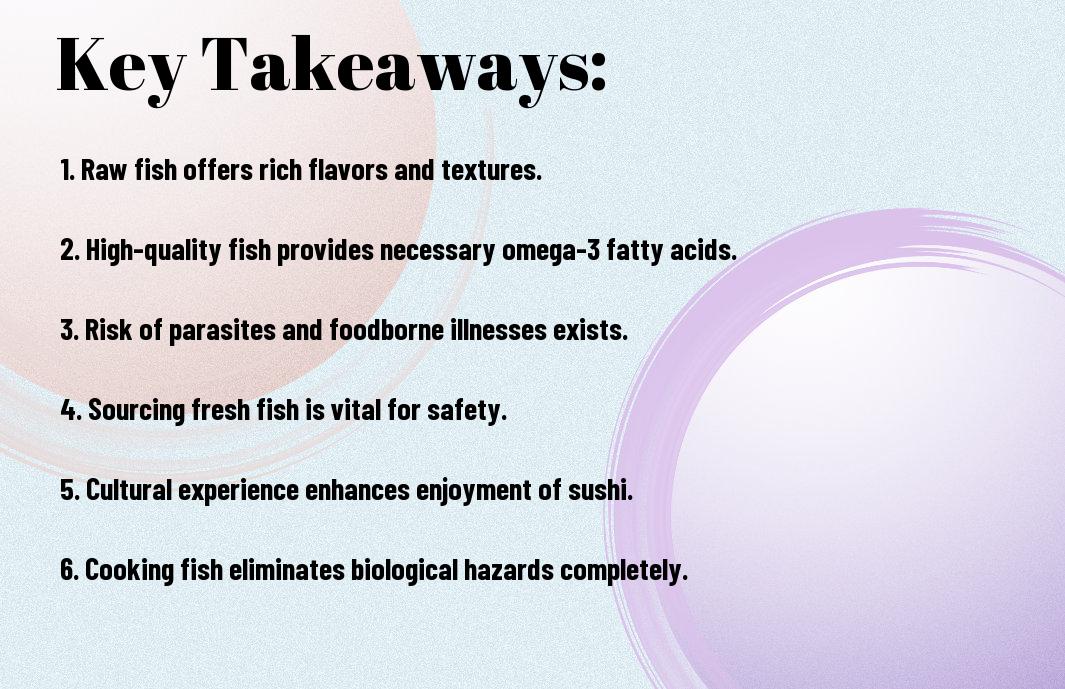
Key Takeaways:
- Freshness: Raw fish must be incredibly fresh to ensure safety and flavor, making quality sourcing important.
- Health Benefits: Consuming raw fish can provide high levels of omega-3 fatty acids and protein, contributing to overall health.
- Risk of Parasites: Eating raw fish can pose a risk of parasitic infections, necessitating proper handling and preparation methods.
- Flavor Profile: Raw fish brings a unique taste and texture to sushi that is often preferred for its authenticity and freshness.
- Dietary Preferences: Some individuals may avoid raw fish due to dietary restrictions, ethical concerns, or personal preferences.
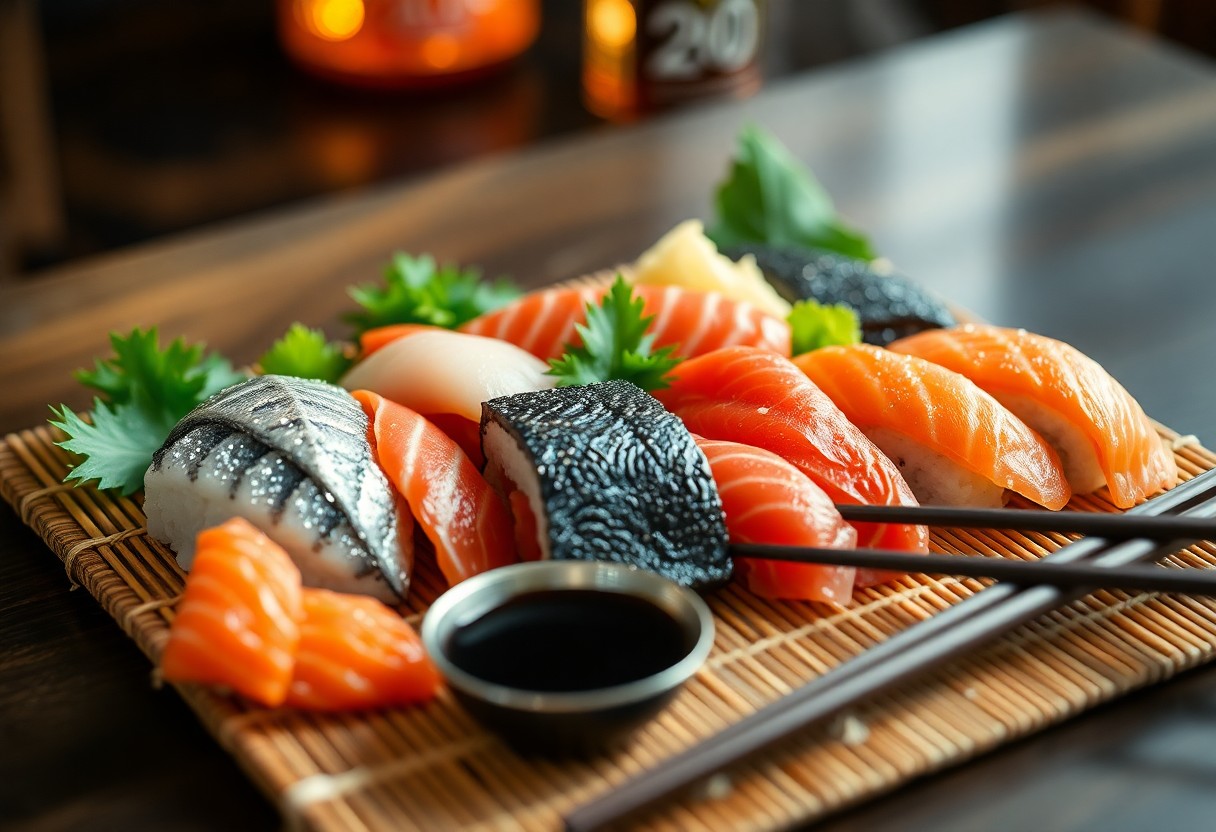
Nutritional Benefits of Raw Fish
Before entering into the world of sushi, it’s crucial to understand the nutritional advantages that raw fish offers. Incorporating raw fish into your diet can provide a variety of health benefits, including a wealth of vitamins and minerals that support overall well-being. The freshness of raw fish preserves the nutrients, making it a delicious and nutritious choice for health-conscious individuals.
High Protein Content
To fuel your body effectively, raw fish is an excellent source of high-quality protein. This crucial macronutrient plays a vital role in building and repairing tissues, making it important for muscle health and overall physical performance. Choosing sushi with raw fish can help you meet your protein needs while enjoying a flavorful meal.
Omega-3 Fatty Acids
Content rich in omega-3 fatty acids, raw fish is famous for its heart-healthy benefits. These crucial fats are known for reducing inflammation, lowering blood pressure, and improving overall cardiovascular health. Including omega-3s in your diet can help support brain function and may even protect against chronic diseases.
The incorporation of raw fish into your diet not only makes sushi a tasty option but also a source of omega-3 fatty acids that enhance your health. Fish like salmon and mackerel are particularly high in these beneficial fats, allowing you to enjoy a flavorful dish while reaping the cardiovascular and cognitive advantages that omega-3s provide. Prioritizing raw fish in your meals can significantly contribute to a balanced and healthful eating pattern.
Risks Associated with Raw Fish
While raw fish is a highlight of sushi, it carries certain risks that you should be aware of. Consuming raw fish can expose you to foodborne illnesses, which can lead to uncomfortable symptoms or more severe health issues. For more insights, check out Q. What are the pros and cons of eating raw fish, as in sushi?
Foodborne Illnesses
To mitigate the risks of foodborne illnesses, it’s vital to obtain your sushi from reputable sources that adhere to proper food safety protocols. Ingesting bacteria like Salmonella or Listeria can lead to serious health complications, and those with weakened immune systems or underlying health conditions should exercise caution.
Contaminants and Parasites
About the contaminants found in raw fish, various species may harbor parasites, toxins, and heavy metals like mercury. Your level of exposure often depends on the fish type, origin, and preparation methods. Making informed choices can greatly reduce your risk.
Parasites, such as anisakis, are a significant concern when it comes to consuming raw fish. These organisms can cause gastrointestinal disturbances if ingested. Properly freezing fish for a required period can eliminate many parasites, but you should always ensure that your sushi is prepared by professionals who follow safety guidelines.
Quality and Sourcing Considerations
Now, understanding the quality and sourcing of raw fish in sushi is crucial for your health and experience. When opting for sushi, you should ensure that the fish comes from reputable sources that prioritize food safety and freshness. For detailed insight on the health benefits of sushi, you can read more about it in this Sushi: Is It Good for You? article.
Sustainable Fishing Practices
Against the backdrop of the seafood industry, choosing sustainably sourced fish is a vital aspect of enjoying sushi responsibly. As a consumer, you impact fish populations and marine ecosystems. Research fishery practices to support those that prioritize sustainability and use eco-friendly harvesting methods.
Choosing Fresh Fish
About freshness, selecting fish that has been handled and stored properly is crucial for both taste and safety. Fresh fish should have a clean, ocean-like smell and firm flesh that springs back when touched. Avoid fish with a dull color or off-putting odor, as these are signs of spoilage.
The ideal sushi experience relies significantly on choosing the freshest fish available. You should look for trusted suppliers or local fish markets where the fish is caught and sold quickly. Additionally, inquire about the fish’s origin, as more information about its freshness can help you avoid potential health risks associated with raw consumption.
Culinary Experience and Flavor
Despite the initial hesitation some may feel towards raw fish, it is an integral part of the sushi experience. The delicate flavors and unique culinary practices involved in preparing sushi highlight the simplicity and freshness of high-quality ingredients. When you indulge in sushi, the raw fish often transports you to its place of origin, offering a symphony of taste that cooked fish simply cannot replicate.
Taste and Texture
The combination of taste and texture in raw fish is an art form in itself. When you bite into sushi, the tender and silky smoothness of the fish melds seamlessly with the slight chewiness of the rice, creating a harmony that is both refreshing and satisfying. The freshness of raw fish elevates the flavors, making each piece an unforgettable experience.
Presentation in Sushi
The visual appeal of sushi plays a significant role in your dining experience. The vibrant colors of fresh fish, combined with artistic presentation, invite you to indulge. Each roll or piece of nigiri is crafted with care, showcasing the chef’s skill and attention to detail. This aesthetic not only entices you but also enhances the overall taste, as you appreciate the beauty of your dish before even taking the first bite.
In addition, the careful arrangement of ingredients, such as garnishes or sauces, adds another layer to the visual spectacle. When you see sushi presented beautifully, it heightens your anticipation and stimulates your appetite, making the entire dining experience more engaging. This artistry encourages you to savor not only the flavor but also the creativity behind each dish, making sushi a multisensory pleasure.
Cultural Perspectives on Sushi
All around the world, sushi has become a symbol of Japanese cuisine, reflecting diverse cultural interpretations. This dish connects not only to tradition but also to social interactions and family gatherings. Understanding the varying perspectives on sushi helps you appreciate its role in global gastronomy. Explore more about the Pros & Cons Of Eating Sushi: Here Is What You Need To … to deepen your insight into this beloved dish.
Traditional Values
Behind every sushi roll lies a rich tapestry of cultural heritage that celebrates craftsmanship, seasonal ingredients, and respect for nature. In Japan, sushi is not just a meal; it embodies meticulous preparation, showcasing the chef’s skill and reverence for fresh ingredients. Each piece serves as a fusion of taste and art, reflecting a deep-rooted cultural significance that enhances your dining experience.
Modern Adaptations
About sushi’s evolution, you’ll find that modern adaptations have transformed how this classic dish is perceived and enjoyed. Sushi has crossed international borders and has been reimagined to cater to local tastes, leading to the introduction of unique ingredients and flavors. This evolution means you can now experience sushi in a variety of formats, including sushi burritos and even vegan options.
But these modern adaptations, while exciting and innovative, sometimes stray from the traditional essence of sushi. You might notice ingredients such as cream cheese or spicy sauces incorporated into rolls that once focused solely on simplicity and freshness. This blend of creativity and traditional values offers you a unique sushi experience, reflecting the ongoing dialogue between cultural heritage and modern culinary trends.
Health Guidelines and Recommendations
After considering the potential benefits and risks of consuming raw fish in sushi, it’s necessary to follow health guidelines and recommendations. Organizations like the FDA advise that you choose high-quality, sushi-grade fish sourced from reputable suppliers. Pregnant women, young children, and individuals with weakened immune systems should be particularly cautious and informed about the potential risks associated with eating raw fish.
Safe Consumption Practices
Against the backdrop of possible health risks, practicing safe consumption is key. Always verify that the fish you choose is labeled sushi-grade and ensure it has been frozen at the appropriate temperatures to eliminate parasites. Additionally, consider consuming sushi in reputable restaurants where safety standards are strictly adhered to.
Who Should Avoid Raw Fish
Below are groups of individuals who should consider avoiding raw fish: pregnant women, young children, the elderly, and those with compromising health conditions such as liver disease or weakened immune systems.
This precaution is vital because these populations are more susceptible to foodborne illnesses that raw fish can harbor. The potential consequences can be more severe for individuals in these groups, making it important for you to opt for fully cooked alternatives instead. Prioritizing your health and safety should always take precedence, and consulting with your healthcare provider can offer personalized guidance.
Summing up
From above, it’s clear that raw fish in sushi offers both benefits and drawbacks for you to consider. On the positive side, raw fish can provide a rich source of omega-3 fatty acids and an authentic culinary experience. However, you should also be aware of potential risks, such as foodborne illnesses and allergies. Ultimately, balancing these factors will help you make informed choices about incorporating raw fish into your diet, allowing you to enjoy sushi while prioritizing your health and safety.
FAQ
Q: What are the health benefits of consuming raw fish in sushi?
A: Raw fish, which is often used in sushi, is a rich source of omega-3 fatty acids, which can contribute to heart health, improve brain function, and reduce inflammation. It is also high in protein and provides important nutrients such as vitamins D and B12, iron, and selenium. Some studies suggest that the high omega-3 content can help lower blood pressure and maintain cholesterol levels.
Q: Are there any risks associated with eating raw fish?
A: Yes, consuming raw fish can pose certain health risks. There is a potential for foodborne illnesses caused by parasites, bacteria, and viruses, which can lead to infections. It is important to ensure that the fish is sourced from reliable suppliers and has been properly frozen if necessary to kill harmful parasites. Pregnant women, young children, and individuals with compromised immune systems should exercise caution or avoid raw fish entirely.
Q: How can I tell if the fish used in sushi is fresh and safe to eat?
A: Fresh fish should have a clean, ocean-like smell, firm texture, and bright coloration. When opting for sushi, it is advisable to choose reputable restaurants that prioritize quality and food safety. Observing the handling and storage practices in sushi establishments can also help ensure that the fish is fresh. Additionally, some restaurants are transparent about their sourcing practices and can provide information about the fish they serve.
Q: What are the environmental concerns associated with consuming raw fish in sushi?
A: The popularity of sushi has raised concerns regarding overfishing and the sustainability of certain fish species. Many fish commonly used in sushi, such as tuna and salmon, are at risk due to overharvesting and habitat destruction. It is crucial to be mindful of these issues and to look for sushi made from sustainably sourced fish, which can often be verified through eco-labels or certifications from responsible fisheries.
Q: How can I enjoy sushi while minimizing the risks of consuming raw fish?
A: If you want to enjoy sushi but are concerned about the risks of raw fish, consider opting for cooked sushi options like eel (unagi), shrimp (ebi), or tempura rolls. Additionally, sushi made with vegetables or grains may offer a delicious alternative without the risks associated with raw fish. Educating yourself about sushi preparation and choosing establishments that prioritize food safety can also enhance your overall experience.