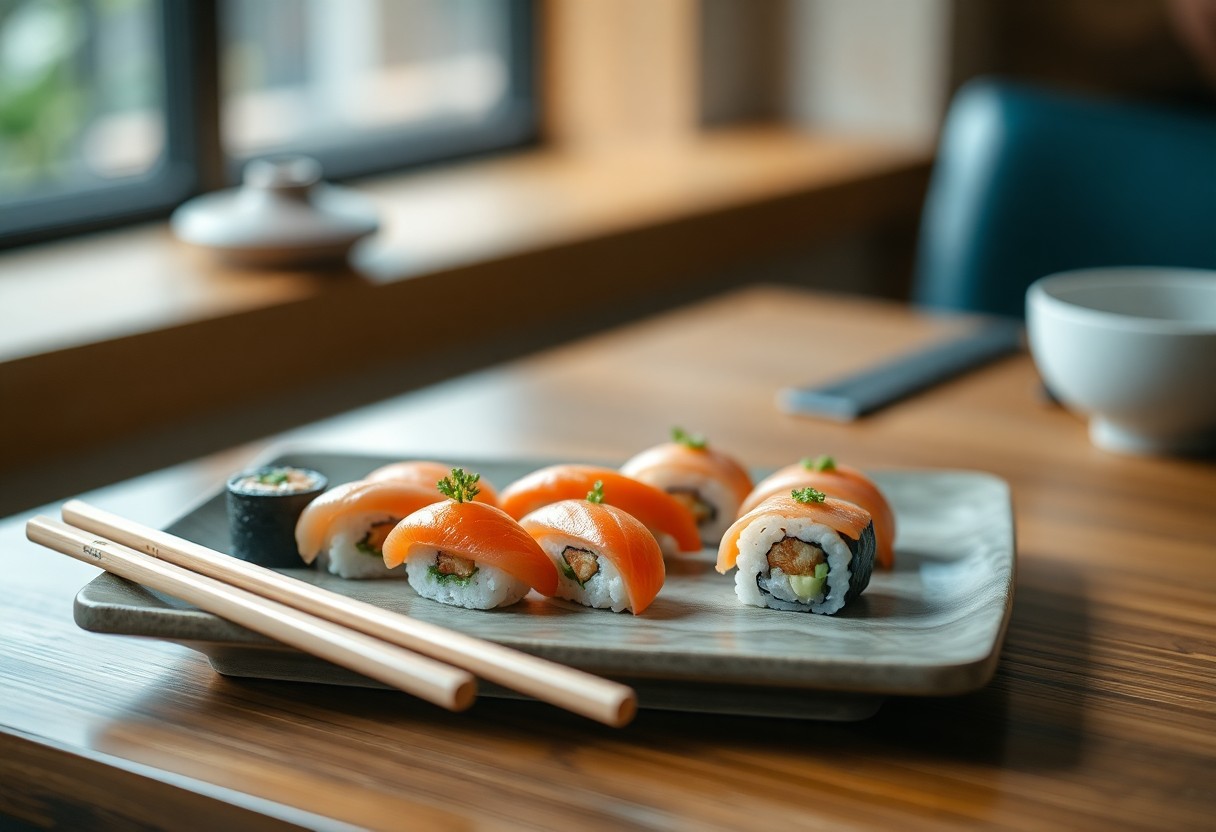
Just as you savor your next sushi roll, it’s important to consider the impact of your choices on the ocean’s health. Overfishing poses serious threats to fish populations and aquatic ecosystems, raising questions about the sustainability of the sushi you love. This post will guide you through the current state of overfishing and its implications for sustainable sushi, empowering you to make informed decisions that benefit both your palate and the planet.
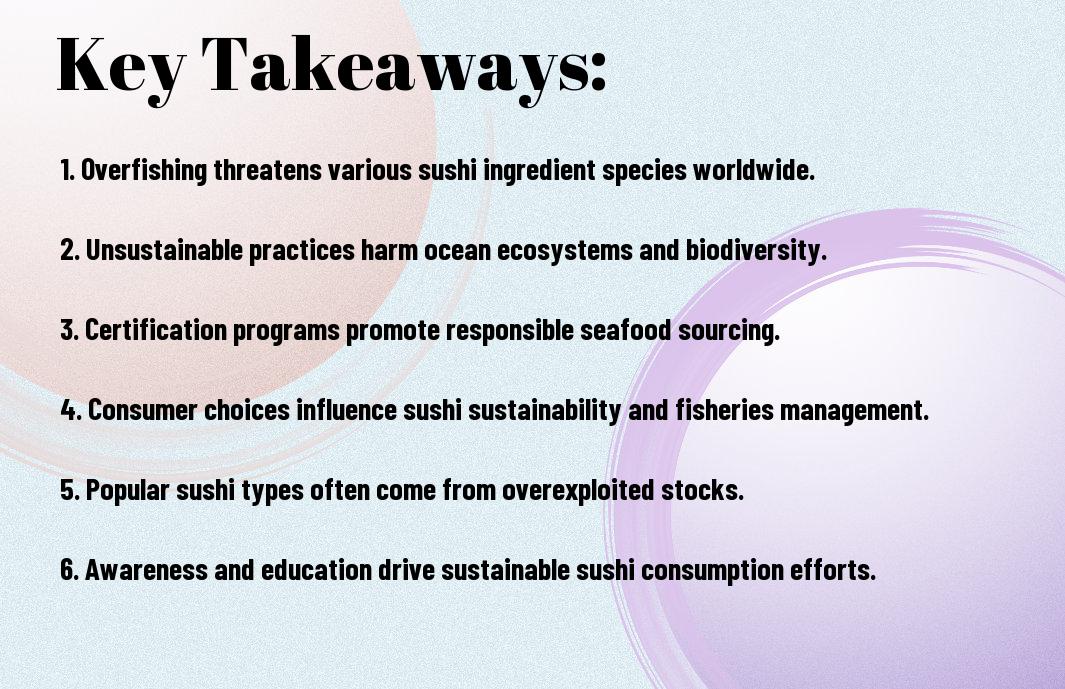
Key Takeaways:
- Overfishing Impact: Sushi consumption contributes significantly to global overfishing, particularly of popular species like tuna and swordfish, threatening their populations.
- Eco-Friendly Alternatives: Opting for sustainable seafood options can help alleviate pressure on overfished species, encouraging responsible fishing practices.
- Consumer Awareness: Increased awareness and demand for sustainably sourced sushi promote better practices within the seafood industry, fostering conservation efforts.
The Impact of Overfishing
A significant concern in today’s marine ecosystems is the impact of overfishing. Practicing unsustainable fishing methods can lead to depleted fish populations, disrupt aquatic food webs, and damage habitats, making it vital to assess how overfishing affects the future of our oceans and sushi supply.
Definition and Causes of Overfishing
Above all, overfishing refers to harvesting fish from a population at a rate faster than the population can replace itself. This occurs due to high market demand, lack of regulation, and advancements in fishing technology, leading to excessive capture and destruction of marine species.
Ecological Consequences
Before addressing sustainable sushi practices, you should understand the ecological consequences of overfishing. Frequent depletion of fish stocks disrupts marine ecosystems, endangering species that rely on them for survival and altering predator-prey relationships.
Even the most resilient marine environments can’t withstand the pressures of overfishing indefinitely. When key species are removed from an ecosystem, it can lead to the overpopulation of certain species and the decline of others, resulting in unbalanced ecosystems. This not only impacts the biodiversity that maintains healthy waters but also affects the livelihoods of communities dependent on fishing. Consequently, understanding these consequences can help you make more informed decisions about your seafood consumption.
Sushi Ingredients and Sourcing
The ingredients used in sushi play a significant role in its sustainability. The source of fish, rice, and other components greatly impacts the overall ecological footprint of this beloved dish. As a responsible consumer, it’s vital for you to be aware of where your sushi ingredients come from and how they are harvested, ensuring you support practices that do not contribute to overfishing or environmental degradation.
Popular Fish Varieties in Sushi
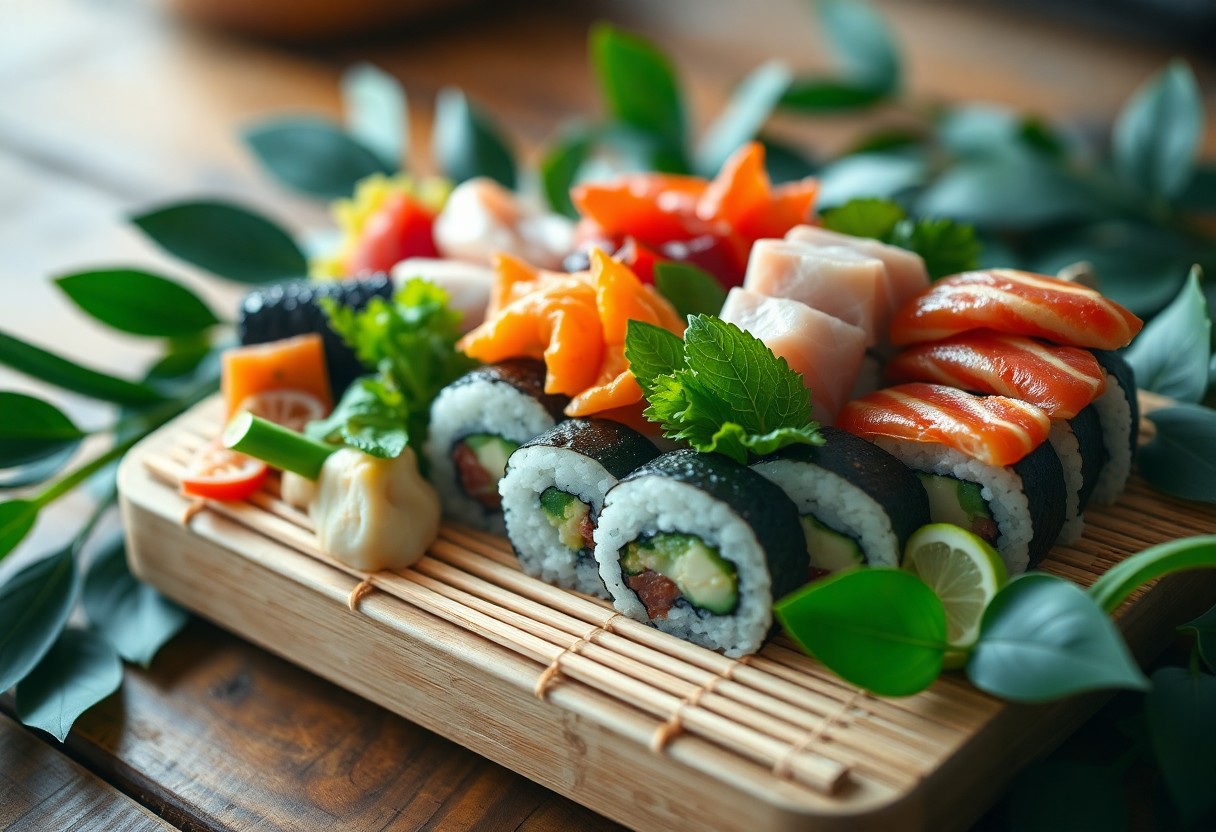
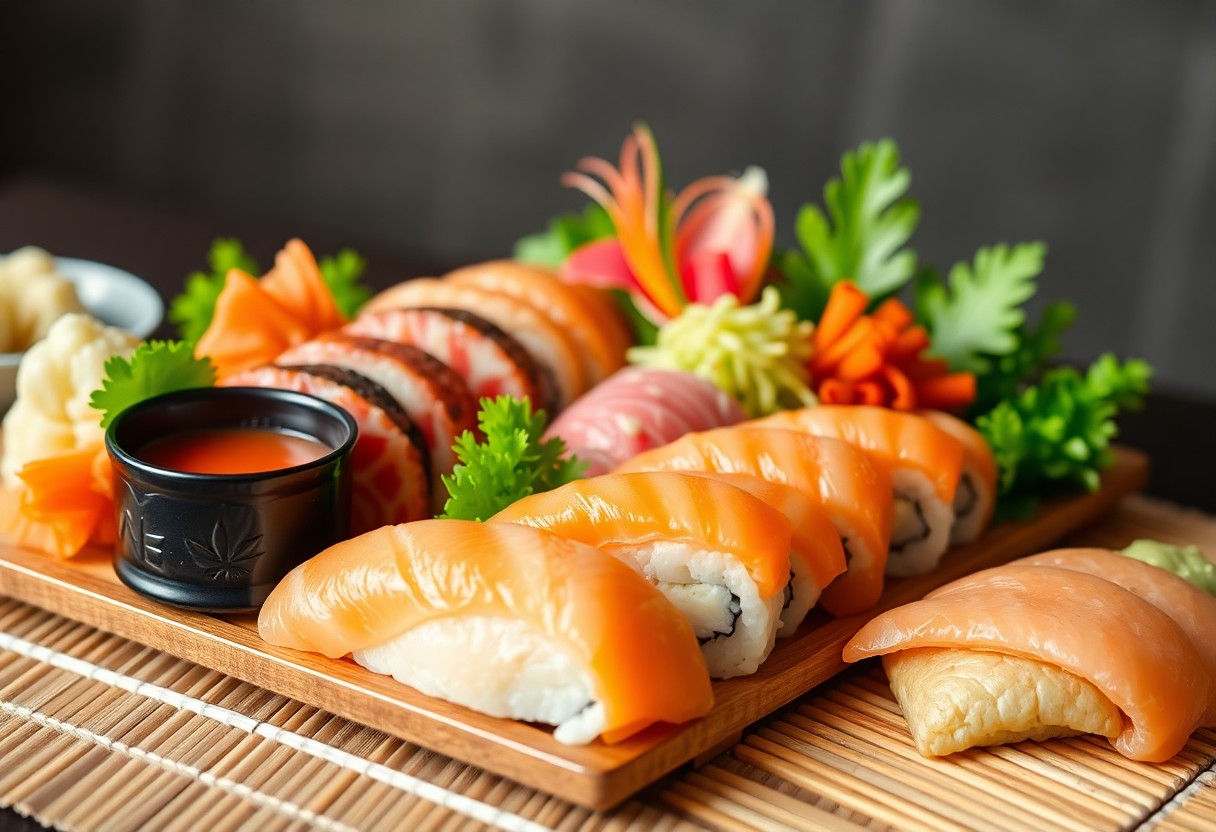
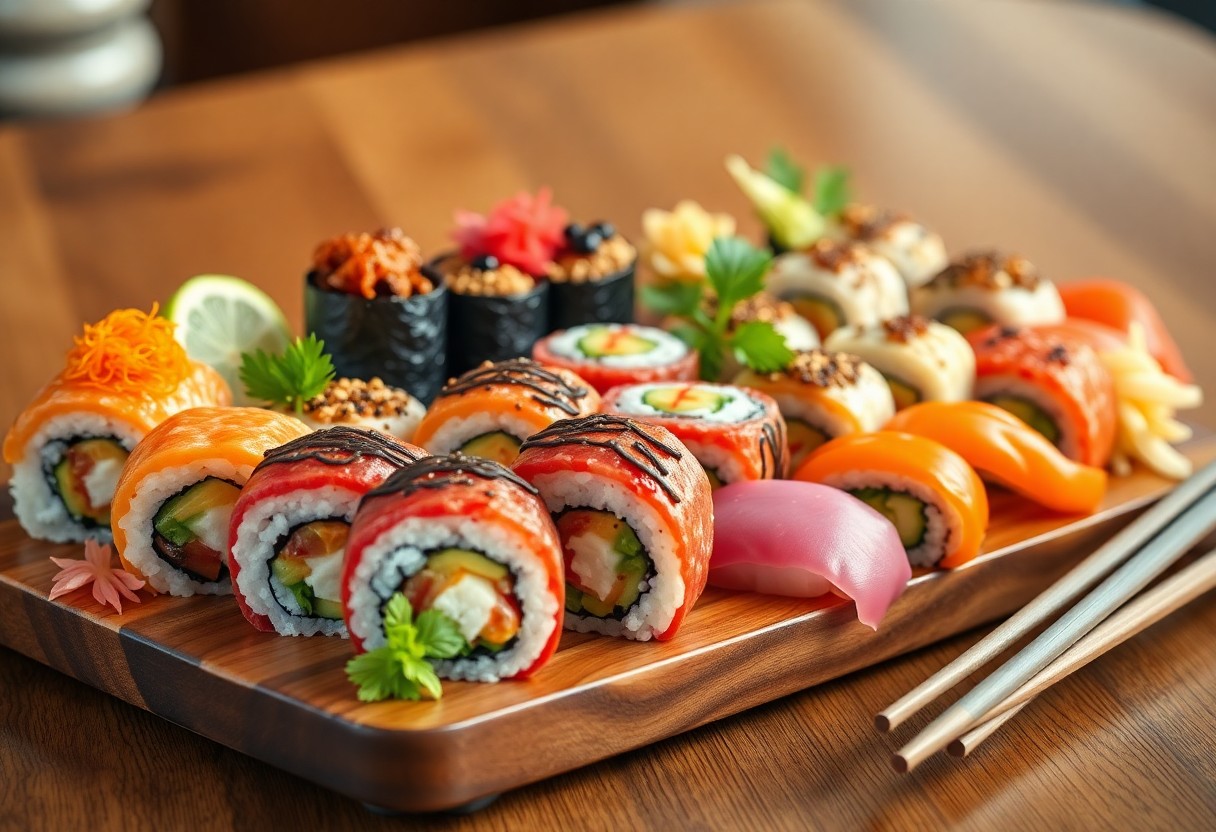
On your sushi adventure, you’ll likely encounter popular fish varieties such as tuna, salmon, and eel. While these species are favored for their flavors and textures, their demand can strain global fish populations. By choosing wisely, you can help mitigate the effects of overfishing and promote a healthier ocean ecosystem.
Sustainable Sourcing Practices
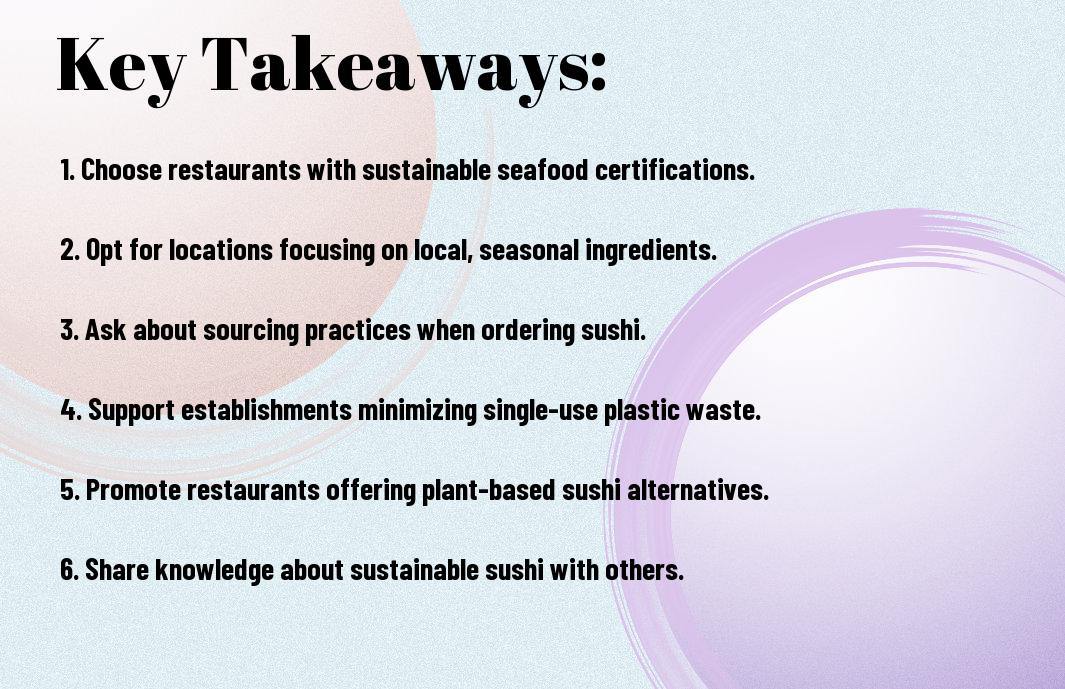
With an increasing awareness of sustainability in seafood, many sushi restaurants are adopting responsible sourcing practices. These include sourcing fish from well-managed fisheries, using farmed fish that follow strict environmental regulations, and prioritizing seasonal and local ingredients. By looking for restaurants that commit to sustainable practices, you can enjoy your sushi while also supporting efforts to protect marine life.
In addition to choosing restaurants that prioritize sustainability, you can also engage with organizations that certify seafood as sustainably sourced. Certifications such as the Marine Stewardship Council (MSC) or the Aquaculture Stewardship Council (ASC) indicate that the fish has been caught or farmed using practices that minimize environmental impact. As a conscious consumer, actively seeking out these certifications promotes a healthier lifecycle for marine species and encourages fisheries to adopt sustainable methods, ultimately supporting the balance of our oceans.

Certification and Labeling
Many consumers are becoming more aware of the sustainability of their food choices, especially when it comes to sushi. Certification and labeling play an crucial role in guiding you towards seafood that is sourced responsibly. By seeking out products that carry these labels, you can make informed decisions that support sustainable fishing practices.
Understanding Sustainability Labels
After exploring the world of sustainable seafood, you’ll come across various labels that signify responsible practices. These labels help you identify products from fisheries that adhere to environmental standards, ensuring that the fish you consume is not contributing to overfishing or habitat destruction. Familiarizing yourself with these labels equips you to make better choices for the oceans and your dining experience.
Key Certification Organizations
Organizations dedicated to certifying sustainable seafood help you navigate the complex landscape of fishing practices. These groups assess fisheries based on strict criteria, including the health of fish populations and the impact on marine ecosystems. Their certifications provide you with the assurance that your seafood has been sourced responsibly.
Further, notable organizations include the Marine Stewardship Council (MSC) and the Aquaculture Stewardship Council (ASC). The MSC focuses on wild-caught seafood, promoting sustainable fishing practices that protect fish populations and marine habitats. On the other hand, ASC certifies farmed seafood, ensuring that aquaculture operations minimize environmental impact. By looking for these certification labels on your sushi, you can enjoy your meal while supporting sustainable fishing efforts.
Consumer Awareness and Responsibility
After gaining knowledge about overfishing and unsustainable practices, it’s your responsibility as a consumer to make informed choices when enjoying sushi. Being aware of the environmental impact of your food choices can lead to a positive change in demand for sustainably sourced seafood. By prioritizing eco-conscious selections, you contribute to better fishing practices and help protect marine ecosystems for future generations.
How to Choose Sustainable Sushi
Responsibility lies in your hands when it comes to selecting sushi that supports sustainability. Look for certifications such as the Marine Stewardship Council (MSC) or the Aquaculture Stewardship Council (ASC) logo on menus or product packaging. Engaging with local sushi chefs and restaurants can provide insights into their sourcing practices, allowing you to make choices that align with your values.
The Role of Consumers in Conservation
Between individual purchases and broader environmental trends, every choice you make impacts aquatic conservation efforts. By opting for sustainable sushi, you support fisheries that prioritize balanced ecosystems and responsible practices. Your collective choices encourage businesses to adapt and prioritize sustainability, creating a ripple effect throughout the seafood industry.
Understanding the influence of your purchasing decisions is key to fostering significant change in the sushi market. When you choose sustainable options, you send a clear message to suppliers and restaurants about the growing demand for ethically sourced seafood. Additionally, your actions can inspire others to follow suit, amplifying the movement towards conservation and sustainability in marine environments. Through awareness and responsibility, you can play an integral role in the future of our oceans, bolstering efforts to protect marine wildlife and habitats.
Case Studies of Sustainable Practices
Despite concerns about overfishing, several case studies highlight sustainable practices in the sushi industry. These practices demonstrate that responsible sourcing is possible:
- Major grocery chain reports a 50% increase in sales of certified sustainable sushi over three years.
- Research indicates that 75% of sushi restaurants that use sustainable seafood experienced improved brand loyalty.
- A pilot program for local fishermen led to a 30% increase in catch yields over time, supporting community livelihoods.
For further insights, check out There are more fish in the sea (Sustainable Seafood/Sushi).
Successful Sustainability Initiatives
Before launching sustainability initiatives, some organizations conducted comprehensive assessments of their supply chains. By doing so, they identified key opportunities for improvement and collaboration with local fishery partners. These initiatives not only led to better resource management but also increased awareness among consumers about the importance of sustainable sourcing in their dining choices.
Lessons Learned from Industry Leaders
After analyzing successful sustainability strategies, it’s clear that collaboration is necessary for positive change. Industry leaders emphasize the significance of transparency in sourcing, as well as the necessity of educating consumers on sustainable seafood options. Engaging with various stakeholders—ranging from suppliers to local communities—can foster innovative solutions and drive demand for environmentally friendly practices.
Industry leaders have illustrated that proactive approaches yield meaningful results in sustainable practices. By prioritizing partnerships, sharing data, and maintaining open lines of communication, businesses can adapt to emerging challenges while promoting a sustainable seafood culture. Sharing strategies across the industry strengthens your commitment to sustainability and inspires others to follow suit.
The Future of Sushi and Sustainability
Your choices as a consumer play an important role in shaping the future of sushi and sustainability. By being informed about the origins of your seafood, supporting sustainable practices, and opting for alternatives that prioritize ecological balance, you can contribute to the preservation of marine ecosystems. The sushi industry is evolving, with chefs and restaurants increasingly focusing on sustainability, ensuring that both you and the planet can enjoy this delicacy responsibly.
Innovations in Aquaculture
One way to enhance sustainability in sushi is through advancements in aquaculture. Innovations like offshore fish farming and recirculating aquaculture systems allow for more efficient and environmentally friendly cultivation of fish, minimizing the impact on wild populations. By supporting these methods, you can help ensure a more sustainable supply of seafood for sushi lovers everywhere.
Trends in Sustainable Seafood Consumption
On the consumer side, there’s a growing trend toward sustainable seafood consumption that reflects your desire for ethically sourced options. Many sushi establishments now offer certified sustainable seafood, giving you the opportunity to make informed choices while dining. This shift not only benefits marine ecosystems but also encourages more restaurants to adopt responsible sourcing practices.
Plus, the increased awareness around sustainability has prompted various initiatives and certifications, guiding you in making environmentally conscious decisions. Brands like Seafood Watch provide resources to help you identify sustainable seafood options, and many restaurants showcase their commitment to these practices in their menus. By choosing sushi that aligns with these sustainability trends, you’re actively participating in the movement toward healthier oceans and a more responsible culinary landscape.
Summing up
On the whole, as you explore the sustainability of sushi, it’s vital to consider the impact of overfishing on marine ecosystems. You can make informed choices by seeking out sushi made from responsibly sourced fish and supporting fisheries that prioritize sustainability. By being mindful of your sushi selections, you contribute to preserving fish populations and promoting healthier oceans for future generations. Your informed decisions today can help balance your love for sushi with the need for environmental stewardship.
FAQ
Q: What is the current status of sushi sustainability in relation to overfishing?
A: The sustainability of sushi is greatly affected by overfishing in various regions. Many popular sushi ingredients, such as tuna and eel, are being harvested at unsustainable rates, leading to declining populations. Some fisheries have implemented practices to regulate and manage fish stocks effectively, but overfishing remains a significant concern globally. Consumers are encouraged to seek out sushi made from fish that are sourced from certified sustainable fisheries, which can help alleviate the pressure on overfished species.
Q: How can consumers make informed choices when eating sushi?
A: Consumers can make informed choices by researching the sources of their sushi ingredients. Many restaurants now offer information on the sustainability of their seafood. Checking resources such as the Marine Stewardship Council (MSC) and the Seafood Watch program can guide consumers toward restaurants and sushi options that prioritize sustainable practices. Additionally, asking sushi chefs about their sourcing can lead to more responsible dining choices, promoting the health of marine ecosystems.
Q: What alternatives to traditional sushi ingredients are considered more sustainable?
A: Many alternatives to traditional sushi ingredients are recognized for their sustainability. Options such as farmed fish that adhere to strict farming standards, local seafood that is caught responsibly, and plant-based sushi ingredients like vegetables and tofu provide delicious alternatives without contributing to overfishing issues. Additionally, some restaurants are now experimenting with sustainable seafood alternatives like farmed eel or using lesser-known fish species that are abundant and managed sustainably.