How to Spot Fresh Fish for Sushi

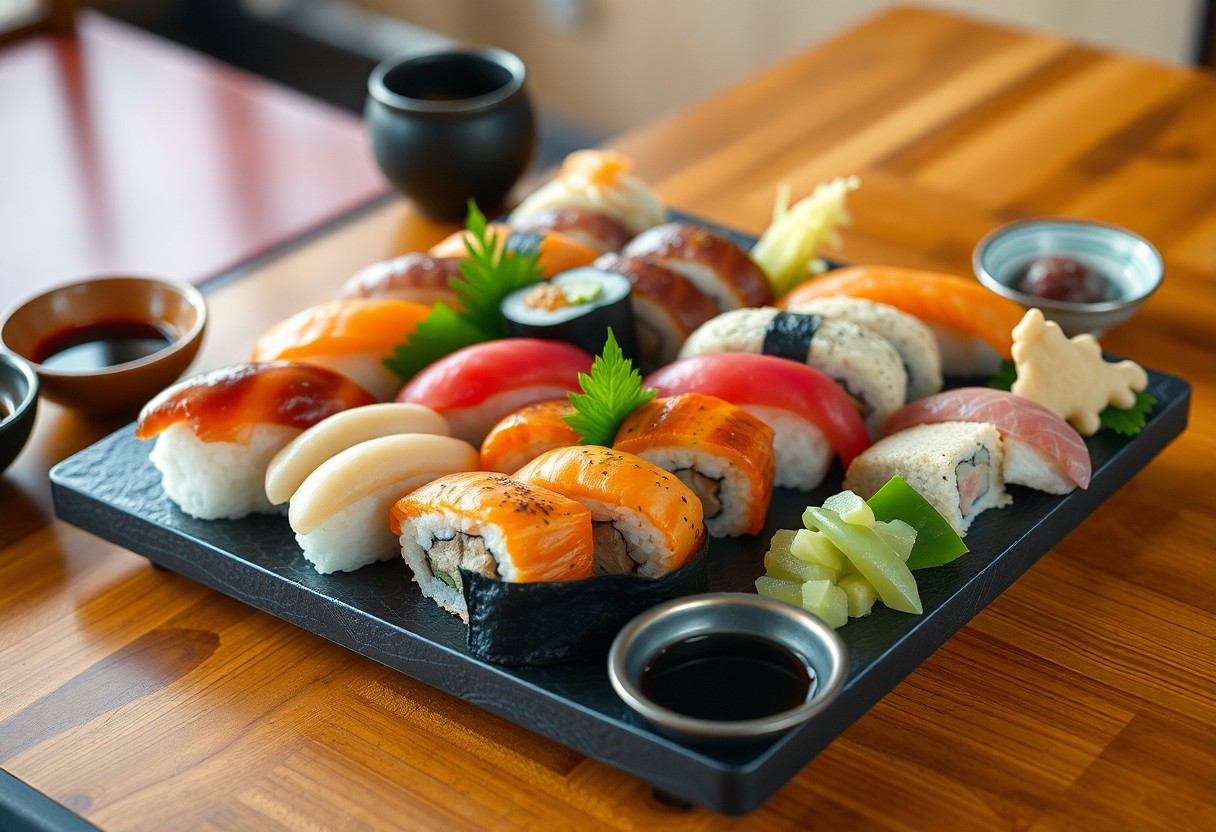
Many sushi enthusiasts are keen to ensure they are selecting the freshest fish possible for their culinary creations. Understanding how to identify high-quality seafood is vital for both taste and safety. In this guide, you will learn the key characteristics to look for when choosing fish, from visual cues to sensory checks that ensure you can confidently select the best options for your sushi dishes. With the right knowledge, you can enhance your sushi experience and impress your friends with your expertise.
Key Takeaways:

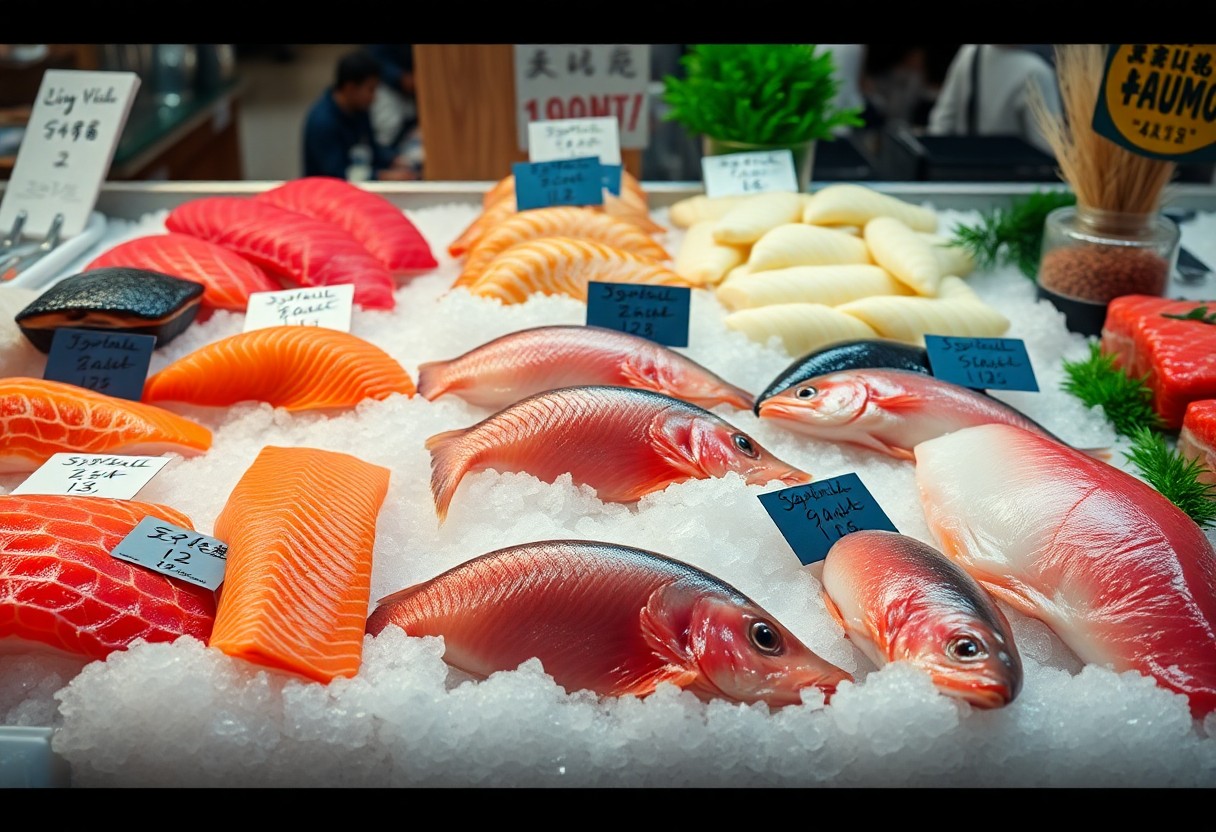
  • Appearance: Fresh fish should have bright, clear eyes and vibrant, shiny skin without any dullness.
  • Smell: A fresh fish will have a mild, ocean-like scent, while any strong or fishy odor indicates it’s not fresh.
  • Texture: The flesh of fresh fish should be firm and spring back when pressed, indicating freshness.
  • Color: Look for vibrant and natural color. For example, tuna should have a deep red hue, while salmon should be a bright orange or pink.
  • Source: Knowing the source of the fish can help assess its quality; fish from reputable markets or trusted suppliers are usually a safer choice.

Understanding Fish Freshness

Before you look into making sushi, it’s vital to gauge the freshness of the fish. Knowing how to select the right seafood is vital for taste and safety. To help guide your decision-making process, check out How to Buy Sushi Grade Raw Fish for Sushi and Poke Bowls, which will provide you with detailed insights on purchasing the freshest ingredients.

Appearance

By closely examining the fish you consider for sushi, you can assess its quality. Fresh fish should appear vibrant and glistening. Look for clear, bright eyes and firm flesh that bounces back when pressed. The scales should be shiny and intact, while discoloration or dullness is often a sign of inferior quality.

Smell

An vital aspect of determining fish freshness is its smell. Fresh fish has a mild scent reminiscent of the ocean, while bad fish emits a strong, sour odor. Trust your nose; if the fish smells off, it’s best to avoid it.

The odor is an excellent indicator of freshness. While a little briny scent is natural, anything resembling ammonia or a fishy smell indicates that the fish has gone bad. Always prioritize your safety and pleasure by relying on both your sense of smell and visual cues to assess the fish before preparation.

Key Indicators of Quality

The quality of fish for sushi can be assessed through various indicators, helping you ensure that you are purchasing the freshest product available. Look for specific signs in the fish’s appearance, smell, and texture to determine its overall freshness. Each detail plays an important role in guaranteeing a delicious sushi experience at home or in a restaurant.

Eyes

With fresh fish, you should check the eyes closely. They should be clear, bright, and bulging. Cloudy, sunken, or dull eyes typically indicate that the fish is not fresh and may not be suitable for sushi. Trust your instincts and choose fish with mesmerizing eyes that reflect its vitality.

Flesh Texture

Any fish you consider should exhibit a firm and elastic texture. Gently press your finger into the flesh; it should spring back instantly. If the flesh feels mushy or leaves an indentation, it may indicate past its prime. Quality fish will also appear moist without excessive dryness or sliminess.

Flesh texture is significant for determining the freshness of your fish. A vibrant, glossy exterior combined with a taut and resilient surface suggests that the fish was recently caught and handled properly. Soft or grainy flesh can lead to an unpleasant texture in sushi, compromising the overall dining experience. When opting for fish, prioritize those with a firm body that shows vitality and care in its handling.

Handling and Storage

Once again, how you handle and store your fish plays a significant role in its freshness and safety for sushi. Always keep your fish at the proper temperature to maintain its quality, and be mindful of how you interact with the fish from the market to your kitchen. By adhering to best practices in handling and storage, you ensure the best experience when preparing sushi.

Proper Refrigeration

Against common belief, simply putting your fish in the fridge isn’t sufficient. Fish should be stored at a temperature below 40°F (4°C) to inhibit the growth of harmful bacteria. Ensure your refrigerator maintains this temperature consistently to preserve the freshness and flavor of your sushi fish.

Handling Techniques

Storage is just one part of the equation; your handling techniques are equally important. When you’re preparing fresh fish, always make sure your hands and surfaces are clean to avoid cross-contamination. Use a sharp knife for cutting to prevent damaging the fish’s flesh, which can negatively impact its texture and taste.

This extends to how you transfer and store fish; always handle it with care. Use gloves if you’re concerned about cleanliness or if you’re handling fish for extended periods. When transferring fish, use a non-reactive tray and avoid piling pieces on top of one another. This prevents bruising and maintains the integrity of the fish, ensuring every piece is as delectable as possible when it comes time to prepare your sushi.

Types of Fish Suitable for Sushi

Your choice of fish can enhance your sushi experience significantly. Here are some popular varieties that are often used in sushi preparation:

Salmon Rich in omega-3 fatty acids and has a beautiful pink color.
Tuna Meaty texture, with varieties like Bluefin and Yellowfin being preferred.
Snapper Delicate flavor and firm texture make it a favorite.
Mackerel Strong flavor and high-fat content, often served marinated.
Halibut Smooth and mild, a great base for various flavors.

This variety allows you to experiment and find your favorites.

Common Sushi Fish

Above all, you’ll likely encounter a few staple types of fish that are widely acknowledged in the sushi world. Salmon, tuna, and yellowtail are among the most popular choices for their flavors and textures, ensuring a delightful sushi experience. Additionally, mackerel, with its rich taste, often appeals to more adventurous eaters.

Seasonal Variations

On top of choosing the right fish, you should also consider the seasonality of certain options. Different fish varieties peak at various times of the year, which can affect their availability and freshness. Seasonal selections can introduce you to unique flavors and experiences in sushi.

Plus, understanding the seasonal variations in fish can deepen your appreciation for sushi craftsmanship. For instance, fatty tuna is often best enjoyed in the winter months, while spring may bring delicious options like sea bass. By being mindful of these seasonalities, you can enjoy fish at its freshest and fullest flavor, allowing you to fully relish your sushi dining experience.

Where to Buy Fresh Fish

Not all fish sources are the same when it comes to freshness. To find the best options, consider checking out local fish markets or places that specialize in seafood. Additionally, you can gain insights into selecting high-quality fish by exploring discussions on Sushi and sashimi: identifying freshness : r/AskCulinary.

Local Fish Markets

Beside grocery stores, local fish markets usually offer fresher selections due to their direct supply chains. The freshness is often reflected in the display, with vibrant colors and a clean smell. Engaging with the fishmongers can also provide you insight into when the fish was caught, ensuring a better culinary experience.

Grocery Stores vs. Specialty Shops

Among the various options, grocery stores can vary widely in quality when it comes to fish. Specialty shops, on the other hand, often prioritize freshness and selection tailored for seafood lovers.

For instance, specialty shops typically have a more knowledgeable staff who can guide you on handling and preparing fresh fish for sushi. You’ll find a broader selection of high-quality options, including seasonal catches and rarer varieties. This expert guidance can be invaluable in ensuring that you select the best fish for your sushi experiences.

Preparing Fish for Sushi

Keep in mind that proper preparation is important for creating high-quality sushi. You should take the time to ensure your fish is cleaned and filleted with precision. This will not only enhance the presentation but also improve the taste and texture of your sushi. Always work on a clean surface and use sanitized tools to maintain freshness and avoid contamination.

Cleaning and Filleting

Cleaning the fish properly is the first step in preparation. This involves removing scales, guts, and any impurities to ensure the fish meets your safety standards. Once cleaned, carefully fillet the fish, making precise cuts to maximize yield and quality. Your technique during this stage will determine the final quality of your sushi, so take your time and work carefully.

Essential Tools

Tools like a sharp fillet knife, cutting board, and tweezers are fundamental for preparing fish for sushi. The right knife allows you to make clean cuts, while a sturdy cutting board provides a stable surface. Tweezers come in handy for removing any remaining pin bones that may disrupt the texture of your sushi.

Understanding the significance of your tools is vital for optimal results. A high-quality fillet knife, for example, will not only glide through the fish effortlessly but also help maintain the integrity of the flesh, preventing bruising. Additionally, investing in a reliable cutting board will ensure safety and hygiene. Being equipped with the right tools will streamline your process and elevate your sushi preparation experience.

Conclusion

To wrap up, identifying fresh fish for sushi involves observing several key factors. Look for bright, clear eyes and vibrant, moist skin, which indicate quality. Fresh fish should also have a mild ocean scent rather than a strong fishy odor. Pay attention to the firmness of the flesh, as it should bounce back when pressed. By keeping these tips in mind, you can ensure that your sushi experience is both safe and delicious, allowing you to savor every bite with confidence.

FAQ

Q: What are the visual indicators of fresh fish for sushi?

A: When assessing fish for freshness, look for bright, clear eyes that are bulging slightly. The skin should be shiny with vibrant colors, and the scales should be intact and not falling off. The flesh should appear moist and firm, with no discoloration or dullness.

Q: How should fresh fish smell when considering it for sushi?

A: Fresh fish should have a clean, ocean-like scent. It should not have any strong or overly fishy smells, which can indicate spoilage. A slight briny aroma is a good sign, indicating it was recently caught and is still in good condition.

Q: Are there specific types of fish that are better for sushi?

A: Yes, various fish are commonly used for sushi. Striped bass, salmon, tuna, and yellowtail are popular choices due to their flavor and texture. It’s important to ensure that any fish you select is sourced from reputable suppliers known for their quality and freshness.

Q: How can I check the firmness of the fish before purchasing?

A: To test the firmness, gently press the flesh with your finger. Fresh fish should bounce back immediately without leaving an indentation. If the flesh remains indented or feels mushy, it may not be fresh and is best avoided.

Q: Is there a difference between fresh fish and fish labeled as ‘sushi grade’?

A: Yes, ‘sushi grade’ fish has undergone specific handling and storage practices that maintain its integrity for raw consumption. This designation can vary by supplier, so it’s important to purchase from trusted sources that provide clear information about their fish’s handling and freshness.
Unique Ingredients That Elevate Sushi to the Next Level

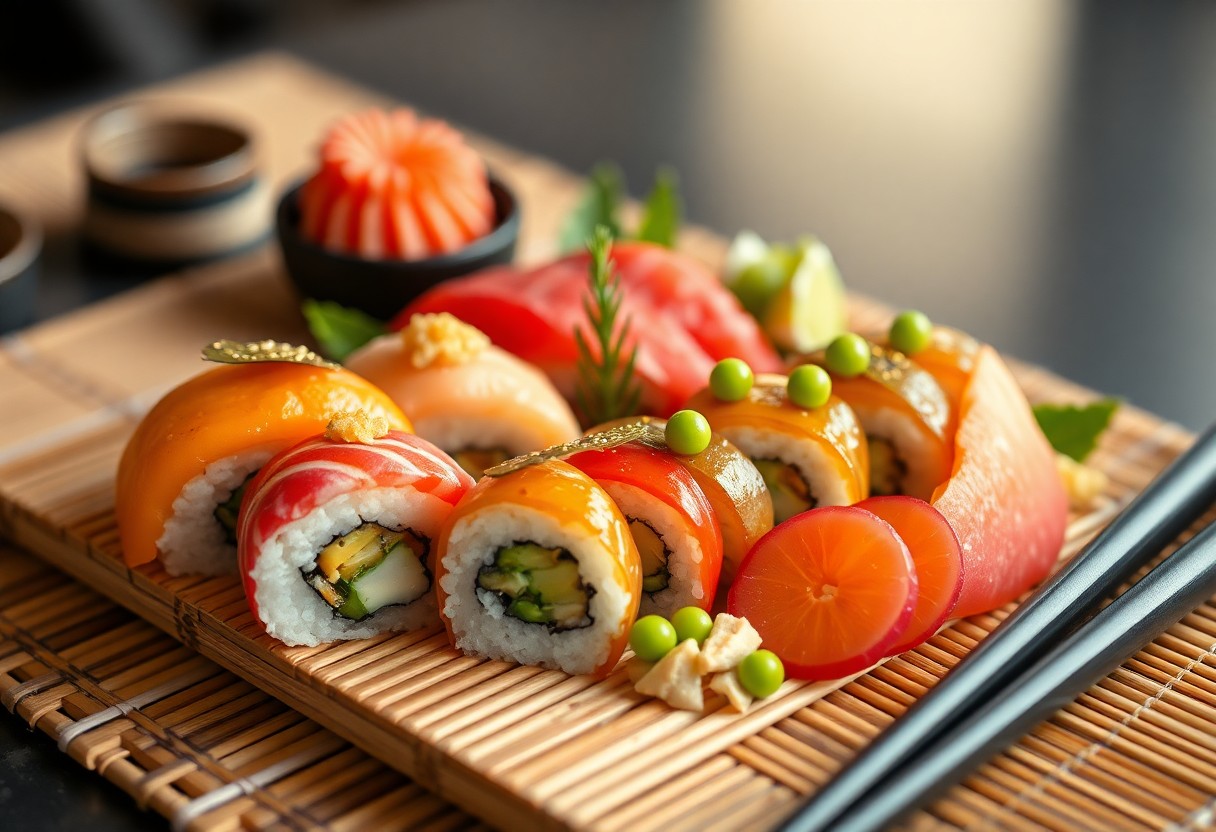
Ingredients play a vital role in elevating your sushi-making experience from ordinary to extraordinary. Exploring unique additions can transform the flavors and textures of your sushi, tantalizing your taste buds and impressing your guests. From innovative garnishes to unexpected fillings, you have the opportunity to experiment and create delightful variations that showcase your culinary creativity. In this blog post, you’ll discover a variety of unique ingredients that can elevate your sushi game and take your dishes to new heights.

Key Takeaways:

  • Truffle Oil: A drizzle of truffle oil adds a luxurious aroma and flavor profile to traditional sushi, enhancing the overall experience.
  • Yuzu Kosho: This Japanese chili paste, made from yuzu citrus and peppers, offers a unique tangy heat that pairs well with fish.
  • Microgreens: Using microgreens as a topping not only adds visual appeal but also introduces fresh flavors and textures to sushi rolls.
  • Saffron Infusion: Incorporating saffron into rice or sauces can elevate the taste with its unique earthiness and vibrant color.
  • Smoked Ingredients: Adding smoked components, such as smoked salmon or smoked tofu, brings depth and complexity to the sushi dish.

Traditional Sushi Ingredients

To truly appreciate the art of sushi, you need to understand the traditional ingredients that form its backbone. Rice, nori (seaweed), fish, and vegetables come together to create a harmony of flavors and textures. Each component serves a distinct purpose, enhancing the overall experience of sushi. These ingredients are not just foundational; they reflect centuries of culinary practice and cultural significance.

Fundamental Components

Fundamental to any sushi recipe are high-quality short-grain rice, which provides that iconic sticky texture, and fresh fish, often chosen for both taste and texture. Nori wraps are vital for holding the components together while imparting a subtle umami flavor. Additionally, pickled ginger and wasabi play significant roles in enhancing the experience, making every bite more memorable.

Importance of Freshness

The quality of sushi is closely tied to the freshness of your ingredients, particularly when it comes to fish and produce. Using the freshest ingredients ensures that you experience the full range of flavors inherent to each component.

Indeed, the freshness of ingredients not only impacts flavor but also affects the dish’s safety and presentation. Fresh fish should have a clean, ocean-like scent and a firm texture, while vegetables must be crisp and vibrant. Sourcing local and seasonal ingredients can significantly elevate your sushi experience, bringing out the natural flavors and allowing the artistry of sushi to shine through. When you prioritize freshness, you ensure that every bite delivers the intended taste and joy of authentic sushi.

Exotic Sauces and Condiments

Some of the most exciting aspects of sushi are the exotic sauces and condiments that can elevate your dining experience. From spicy and tangy to sweet and savory, these unique flavor enhancers add depth and complexity to your sushi creations. Experimenting with different sauces will open up new taste profiles and help you discover the perfect pairing for your favorite rolls.

Unique Sauces that Enhance Flavor

Any sushi lover should explore unique sauces like sesame ponzu, miso aioli, or yuzu kosho. These flavorful additions not only amplify the taste of your sushi but also provide a delightful contrast to the seafood’s natural flavors. Incorporating these sauces can transform a simple sushi dish into a gourmet experience.

Influential Condiments

By integrating influential condiments into your sushi, you can access a world of flavor that complements and enhances the overall dish. Wasabi, pickled ginger, and soy sauce are staples, but incorporating items like garlic chili oil or sriracha can add an exciting twist to your sushi experience.

That being said, choosing the right condiments can significantly impact your sushi experience. Wasabi adds a sharp heat that can elevate any slice of fish, while pickled ginger offers a refreshing contrast that cleanses your palate. Exploring beyond the traditional options and experimenting with bold flavors like chili garlic sauce or a tangy ponzu can create a personalized sushi experience that excites your taste buds.

Innovative Toppings

Despite traditional sushi toppings like wasabi and pickled ginger, innovative additions can transform your sushi experience. Think beyond the norm by incorporating unexpected ingredients such as truffle oil, spicy miso, or tangy ponzu sauce. These unique finishes not only amplify flavors but also introduce a modern twist to your favorite rolls, inviting your palate to explore beyond the familiar.

Unconventional Fish Varieties

On your sushi journey, don’t limit yourself to standard fish options. Consider trying unconventional varieties like mackerel, sardines, or even amberjack. These fish can add depth and a rich flavor profile, making every bite an exciting adventure that enhances the overall experience of sushi dining.

Vegetables and Fruits for Texture

One way to enhance your sushi is by incorporating vegetables and fruits that provide textural contrast. Ingredients such as cucumber, radish, and avocado can bring a refreshing crunch, while fruits like mango or kiwi can add a subtle sweetness that complements the seafood. The interplay of these textures not only elevates the dish but also engages your senses in unexpected ways.

It’s necessary to explore how the right combination of vegetables and fruits can enhance your sushi experience. For instance, incorporating crispy daikon or roasted sweet potatoes can introduce delightful contrasts, while a drizzle of citrus-infused olive oil over fresh greens adds a burst of flavor. With the right balance, these elements can elevate your sushi rolls, turning a simple meal into a culinary masterpiece that keeps your taste buds excited.

Specialty Rice Variations

Not all sushi begins and ends with traditional sticky white rice. Specialty rice variations can add unique flavors and textures, taking your sushi experience to new heights. Experimenting with different rice types not only enhances the taste but also introduces vibrant colors to your dish. From black rice to sushi rice infused with seasonings, your creativity is the only limit when it comes to elevating your sushi with these exciting options.

Flavored Rice Options

Below are some examples of flavored rice options that can transform your sushi. Try incorporating ingredients like sesame oil, shiso leaves, or ginger into your rice to evoke luxurious and intriguing flavors. These enhancements create a delicious backdrop for your fresh fish and vibrant veggies, making each bite an unforgettable experience.

Alternative Grain Choices

By opting for alternative grain choices, you can explore healthier or gluten-free sushi options that still deliver on taste and texture. Varieties like quinoa, farro, or even brown rice not only complement the flavors of your sushi fillings but also provide unique nutritional benefits.

But alternative grains can offer more than just health perks. Each grain brings its own distinctive flavor profile, giving you the freedom to tailor your sushi to your personal preferences. Quinoa has a light, nutty flavor that pairs wonderfully with seafood, while brown rice adds a hearty, chewy texture that’s satisfying. You can even experiment with mixed grains for added complexity and visual appeal, allowing you to create sushi that truly reflects your culinary artistry.

Regional and Cultural Influences

Unlike traditional sushi, which relies heavily on Japanese flavors and techniques, modern sushi incorporates regional and cultural elements from around the world. You’ll find ingredients such as avocado from California, spicy mayo from Peru, and even tropical fruits that reflect the local produce of many different countries. These adaptations showcase how sushi can be a canvas for diverse culinary traditions, allowing you to experience new flavor profiles and textures that elevate your sushi enjoyment.

Global Twists on Classic Sushi

The incorporation of global flavors has led to exciting variations of classic sushi. You can enjoy sushi rolls filled with cream cheese, pineapple, or even tempura shrimp, each bringing a unique flair that contrasts with traditional ingredients. This opens up endless possibilities and encourages you to experiment with flavors that resonate with your own tastes.

Fusion Recipes

The world of sushi has embraced fusion recipes that blend different cooking styles and cultures, creating unique dishes that break the mold. From Korean BBQ sushi to Italian-inspired sushi burritos, you have the chance to explore combinations that surprise your palate and redefine your sushi experience.

Plus, fusion recipes invite you to unleash your creativity in the kitchen. You can combine ingredients from your favorite international cuisines, producing delightful creations that cater to your tastes. Experiment with flavors, such as teriyaki chicken layered with Mediterranean-style tzatziki or sushi made with smoked salmon and cream cheese. These recipes encourage you to personalize your sushi dishes, making every bite a reflection of your culinary journey.

Presentation Techniques

Now that you’ve gathered unique sushi ingredients, it’s time to consider how you present your masterpiece. The way you arrange your sushi can elevate its appeal and entice your guests even before they take a bite. Explore the Best Ikura Sushi Toppings: Unique Ingredients to Elevate … for ideas on how to incorporate stunning visuals into your unique sushi combinations.

Plating Styles that Impress

Against a simple plate, your sushi can easily fade from view, but by experimenting with different plating styles, you can make your dish truly stand out. Use vibrant colors and varying textures to create a dynamic presentation that captures attention. Consider setting your sushi on a slate board or incorporating fresh herbs as accents to invite sensory exploration.

Edible Garnishes

That extra touch of flavor and flair can come from unique edible garnishes. Fresh herbs, edible flowers, or intriguing condiments can enhance your sushi both visually and taste-wise. By incorporating these elements, you create a layered experience for your guests that goes beyond just the sushi itself.

This artistic addition can transform an ordinary plate into an eye-catching display. Experimenting with microgreens, citrus zests, or even a drizzle of fragrant oils can elevate your sushi experience. The right garnish does not just beautify your plate; it also adds another dimension of flavor that invites your audience to savor every bite.

To Wrap Up

Presently, you have the opportunity to transform your sushi experience by exploring unique ingredients that add depth and flavor to your dishes. By incorporating artisanal sauces, specialty seafood, and vibrant garnishes, you can impress your palate and those of your guests. Delve into the world of sushi refinement and enhance your culinary skills. For more inspiration on premium ingredients, check out Beyond the Basics: Elevate Your Sushi Selections with … to further elevate your sushi creations.

FAQ

Q: What are some unique ingredients that can elevate homemade sushi?

A: Using unique ingredients like truffle oil, yuzu citrus, and wasabi-infused ponzu sauce can significantly enhance the flavor profile of your sushi. Truffle oil adds an earthy richness, while yuzu provides a bright, zesty kick. Wasabi-infused ponzu sauce offers a refreshing twist that can complement various fish and vegetables beautifully.

Q: How can I incorporate seasonal ingredients into my sushi?

A: To incorporate seasonal ingredients, consider sourcing fresh produce like asparagus in spring, heirloom tomatoes in summer, or root vegetables in fall. Ingredients like wild mushroom tempura or grilled corn can add a unique texture and taste. Using local, seasonal offerings not only enhances flavor but also supports sustainability.

Q: What unconventional toppings can I use to customize my sushi rolls?

A: To customize your sushi rolls, you can experiment with unconventional toppings such as crushed wasabi peas for crunch, spicy mayonnaise for creaminess, or even mango slices for a sweet contrast. Other popular options include capers, pickled daikon, or even deep-fried onion bits for an added texture and flavor explosion.

Q: Are there any rare fish or seafood types that can be used in sushi?

A: Yes! Rare fish and seafood such as bluefin tuna, o-toro (the fatty belly of tuna), or uni (sea urchin) can elevate your sushi experience. Additionally, surf clams and sweet shrimp offer unique textures and flavors. These specialty ingredients can create a luxurious sushi dish that stands out from standard offerings.

Q: Can I use non-traditional grains for sushi rice?

A: Absolutely! While traditional sushi rice is typically made with short-grain white rice, you can use quinoa, brown rice, or even black rice as alternatives. These grains bring their own health benefits and flavors, and when seasoned correctly, can still provide a satisfying base for your sushi creations.

How to Spot an Authentic Sushi Restaurant

There’s a world of difference between genuine sushi and its imitations, and knowing how to distinguish them can elevate your dining experience. When you’re on the hunt for authentic sushi, you’ll want to pay attention to factors like the quality of ingredients, the skill of the chef, and the overall ambiance of the restaurant. For insights on sushi authenticity, check out Answerman – Is My Sushi Authentic?. In this post, you’ll explore key indicators that will guide you to making the right choice for your sushi cravings.

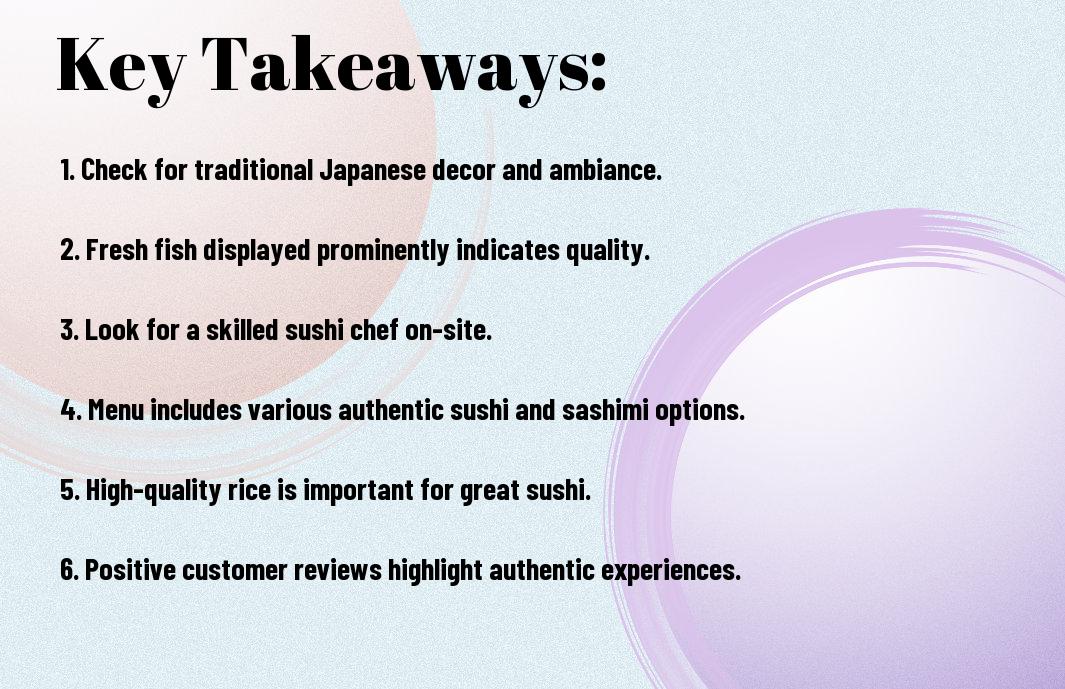
Key Takeaways:

  • Fresh Ingredients: An authentic sushi restaurant prioritizes the use of high-quality, fresh fish and other ingredients, ensuring a superior dining experience.
  • Omakase Menu: A legitimate sushi establishment often offers an omakase menu, showcasing the chef’s specialty and seasonal ingredients, allowing for a unique culinary journey.
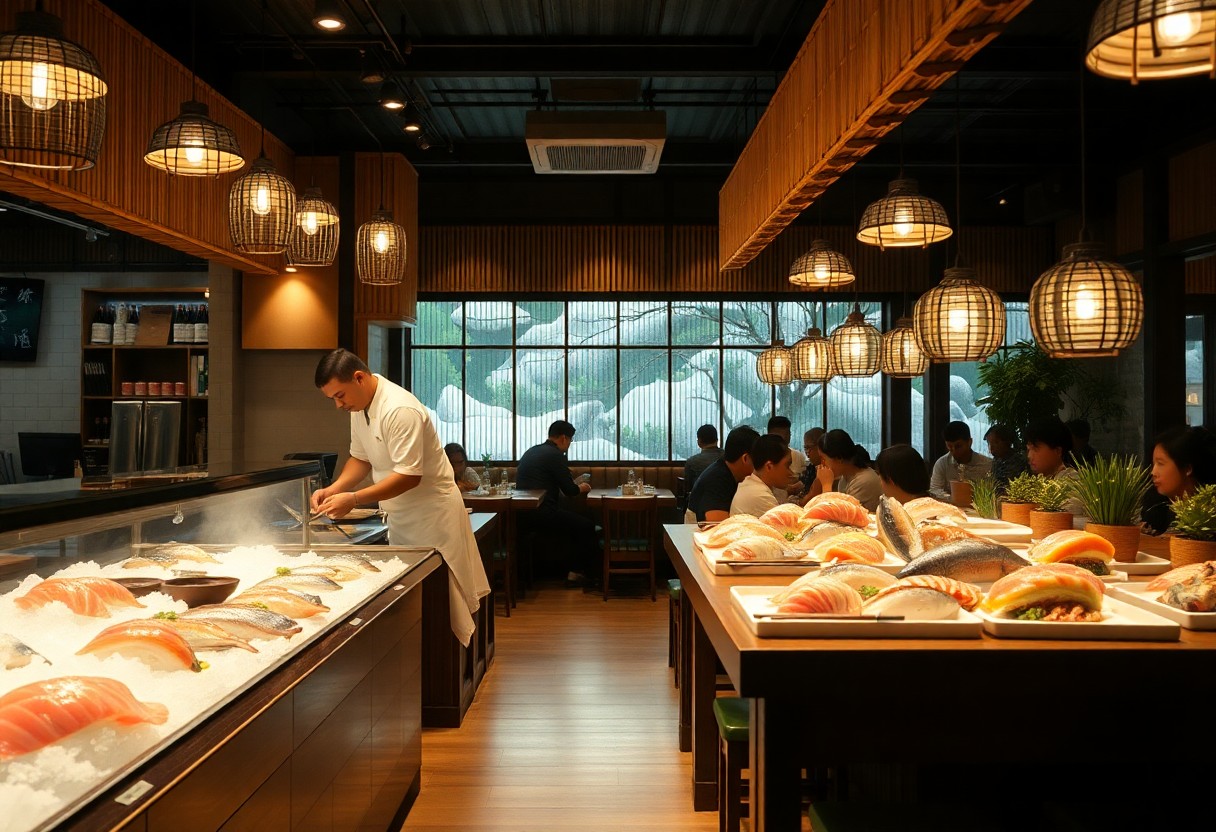
  • Skilled Sushi Chefs: Look for well-trained sushi chefs, usually wearing traditional attire, who have honed their skills over years of practice, reflecting artistry and dedication.
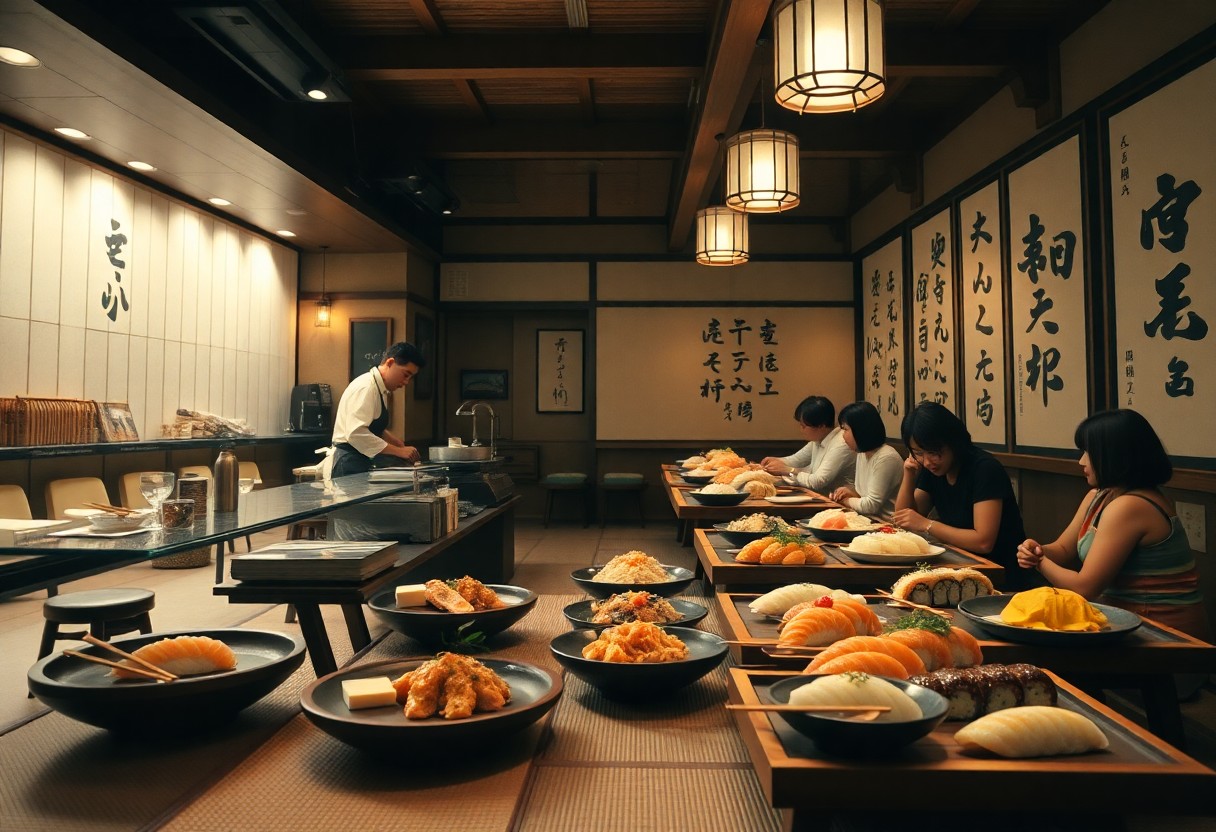
  • Traditional Atmosphere: Authentic sushi restaurants often feature minimalistic decor and a serene ambiance that complements the dining experience, including bar seating for direct chef interaction.
  • Respect for Craft: Observe the level of care and respect shown by the staff towards the sushi, including proper slicing techniques and plating, which signifies commitment to the craft.

Recognizing the Quality of Ingredients

A key indicator of an authentic sushi restaurant is the quality of ingredients used in its dishes. You should seek out establishments that prioritize fresh, high-grade fish and produce. Inspecting the freshness and sourcing of these ingredients can help you evaluate authenticity. You can learn more about this in our guide on How to Spot An Authentic Japanese Restaurant.

Freshness of Fish

With sushi, the freshness of the fish is paramount. Look for restaurants that offer daily deliveries of fish, and take note of the color, smell, and texture. Fresh fish will have a bright color and a clean, oceanic aroma, while fish that is past its prime may appear dull or have a strong, unpleasant smell.

Sourcing Practices

With an increasing awareness of sustainability, the sourcing practices of sushi restaurants matter greatly. Seek out places that prioritize seasonal fish and are transparent about their sources. Authentic sushi chefs often have relationships with trusted suppliers and may even display certifications or sourcing information on their menus.

And engaging with the restaurant staff can provide insight into their sourcing standards. Ask where the fish comes from, and if they follow sustainable practices. A restaurant that takes pride in its sourcing will be eager to share this information, ensuring that you are not only enjoying quality sushi but also supporting responsible seafood practices.

Understanding the Menu

There’s a distinct difference between authentic sushi restaurants and their imitations, starting with the menu. When reviewing the offerings, look for an emphasis on traditional Japanese dishes that showcase both simplicity and quality ingredients. Authentic menus typically reflect a commitment to genuine flavors and preparation methods, allowing you to appreciate the essence of Japanese cuisine.

Authentic Japanese Dishes

Dishes like nigiri, sashimi, and temaki should take center stage, as they embody the true spirit of sushi. You may also find seasonal items that highlight the freshness and quality of ingredients used. A focus on these established staples indicates the restaurant’s dedication to preserving culinary traditions.

Specialty Items

One aspect that distinguishes authentic sushi restaurants is their specialty items, often featuring unique and regional offerings. These items typically showcase innovation while still adhering to traditional techniques. By exploring these selections, you enhance your dining experience and gain insight into the chef’s creativity.

Consequently, specialty items can provide a deeper connection to Japanese culinary culture. Think of local fish varieties seldom found in typical sushi spots or exclusive rolls that incorporate seasonal ingredients. These dishes not only elevate your meal but also serve as a testament to the chef’s expertise and passion for authentic Japanese cuisine.

Evaluating the Atmosphere

For an authentic sushi experience, the restaurant’s atmosphere plays a vital role. You should look for a clean, well-maintained space that reflects the Japanese dining culture, showcasing a balance between simplicity and elegance. Ambient lighting, calming colors, and subtle decorations can all enhance your dining experience, immersing you in a true sushi atmosphere.

Traditional Decor

One of the first elements to notice is the traditional decor, which typically includes bamboo accents, washi paper, and art with a Japanese influence. These design features are intentional, creating a warm and inviting environment that honors the cultural significance of sushi.

Dining Experience

Behind the decor, the dining experience itself is a hallmark of authenticity. You should expect attentive service that enhances your meal, as well as an ambiance that encourages appreciation of the food.

To elevate your experience, pay attention to how the staff interacts with you and the attention to detail in service. Authentic sushi restaurants often emphasize the art of dining, where you can savor each dish at a leisurely pace. This approach allows you to appreciate the presentation and flavors as they were intended, creating an unforgettable culinary journey.

Observing the Chef’s Skills

To determine the authenticity of a sushi restaurant, take a moment to observe the chef at work. An experienced sushi chef will deftly handle every aspect of sushi preparation, showcasing their mastery of knife skills, rice precision, and ingredient selection. Look for their focus on technique and the pride they take in crafting each piece of sushi, as these qualities are indicative of a genuine commitment to their craft.

Techniques and Presentation

Below are critical indicators of an authentic sushi experience. Pay attention to the chef’s knife techniques—watch how they slice fish with precision and manage the rice with care. A true sushi artist will ensure that each piece looks visually appealing, with an eye for detail that elevates the presentation, maximizing your enjoyment of the food.

Interaction with Patrons

At authentic sushi restaurants, chefs often engage with patrons, sharing their knowledge and passion for sushi. A welcoming demeanor and readiness to answer inquiries about the ingredients or preparation process foster a genuine connection. This interaction not only enhances your dining experience but also reflects the chef’s commitment to creating a warm, inviting atmosphere.

Plus, when chefs interact with you, it demonstrates their confidence and enthusiasm about their craft. They may share insights into the origins of different sushi styles, recommend pairings, or even teach you about seasonal ingredients. This personal engagement enhances your appreciation for the meal and creates a memorable experience, showing that the restaurant values not just the food, but also the relationships built with its customers.

Checking Customer Reviews

All the information you gather about a sushi restaurant will help you assess its authenticity. Customer reviews provide valuable insights, highlighting both the quality of the food and the overall dining experience. Whether they rave about the freshness of the fish or the skill of the sushi chef, these reviews can help you make an informed decision before stepping inside.

Online Feedback

Customer reviews found online, on platforms like Yelp or Google, are a great tool for gauging the reputation of a sushi restaurant. Take note of the frequency and consistency of positive comments regarding specific dishes, as well as any criticisms that may suggest a lack of authenticity or poor practices.

Word of Mouth

Mouth-to-mouth recommendations from family and friends can be powerful indicators of a genuine sushi dining experience. Personal experiences often provide a sense of trust that online reviews might not convey. You can learn about hidden gems in your area or avoid places that may not meet your expectations.

Even if a restaurant has glowing online reviews, word of mouth from those you trust can offer unique perspectives that aren’t captured in online feedback. Friends and family might share stories about their dining experiences or even the specific sushi chef’s expertise, helping you find establishments that consistently deliver authentic flavors and quality. When seeking sushi, be sure to ask around—those personal anecdotes can guide you toward a memorable meal.

Assessing Service Quality

Once again, the service quality at a sushi restaurant can offer great insight into its authenticity. An attentive and knowledgeable staff can enhance your dining experience, making you feel welcome and informed about the dishes being served. Pay attention to how the servers interact with you; they should be eager to share their expertise and guide you through your meal, ensuring you get the full sushi experience.

Knowledge and Attentiveness

Above all, a knowledgeable staff plays a significant role in assessing the authenticity of a sushi restaurant. You should expect your servers to be well-versed in the menu, including different types of sushi, ingredients, and preparation methods. Their attentiveness to your needs and questions will indicate a commitment to providing a genuine dining experience.

Cultural Practices

Among the key elements to consider are the cultural practices observed by the restaurant. Authentic sushi restaurants often adhere to traditional Japanese customs, from the way sushi is presented to the etiquette followed during meal service.

And, these cultural practices can manifest in several ways. For instance, some restaurants may offer a traditional omakase experience, where the chef hand-selects dishes tailored to your tastes. You might also notice specific rituals, such as proper chopstick etiquette or a bow upon entering. The attention to detail in these practices not only enriches your meal but also reflects the restaurant’s dedication to preserving the authentic sushi dining culture.

Summing up

Presently, spotting an authentic sushi restaurant involves a few key observations. You should pay attention to the restaurant’s decor, which often reflects traditional Japanese aesthetics, and gauge the freshness and quality of the fish, as well as the variety offered. Notice how the chefs prepare your sushi; skilled chefs demonstrate craftsmanship and passion for the art. Additionally, examining the clientele can provide insights—locals often favor genuine establishments. By considering these factors, you can enhance your sushi dining experience and confidently choose a restaurant that offers true authenticity.

FAQ

Q: What are the signs of an authentic sushi restaurant?

A: Look for a focus on traditional Japanese techniques and ingredients. An authentic sushi restaurant often features a limited menu with fresh, high-quality fish and vinegar-seasoned rice. Additionally, the presence of a sushi chef with experience in traditional preparation methods can indicate authenticity.

Q: How does the atmosphere help determine if a sushi restaurant is authentic?

A: An authentic sushi restaurant typically has a warm, inviting atmosphere that reflects Japanese culture. Look for traditional decorations, such as calligraphy or Japanese art, and a clean, minimalist aesthetic. Comfortable seating at the sushi bar where you can observe the chefs at work is another positive sign.

Q: What should I look for in the menu of a sushi restaurant?

A: An authentic sushi restaurant will offer a concise menu that highlights seasonal fish and authentic preparations, like nigiri, sashimi, and rolls that are true to Japanese tradition. Avoid places with overly elaborate or fusion dishes, as this may deviate from authentic sushi preparations.

Q: How important is the fish quality in an authentic sushi restaurant?

A: The quality of fish is one of the most significant indicators of an authentic sushi restaurant. Fresh, high-quality fish should have a vibrant color and a clean, ocean-like smell. Sushi chefs take great care in sourcing their fish, often specializing in particular types or regions, so inquire about their fish sourcing methods to gauge authenticity.

Q: What role does the sushi chef play in identifying an authentic sushi restaurant?

A: The sushi chef’s skill and knowledge are vital in determining the authenticity of a sushi restaurant. An experienced chef will have undergone years of training in traditional sushi preparation and etiquette. Engaging the chef in conversation can provide insight into their background, the techniques they use, and their approach to sourcing ingredients, which can all help establish authenticity.

The Most Instagrammable Sushi Restaurants Worldwide

Instagrammable sushi spots aren’t just about great taste; they offer unique aesthetics that elevate your dining experience. If you’re looking to enhance your feed with colorful rolls and stunning presentations, you’ve come to the right place. In this blog post, you’ll discover the most visually striking sushi restaurants around the globe that are sure to impress your followers and deliver an unforgettable meal. Get ready to add some flair to your culinary adventures!

Key Takeaways:

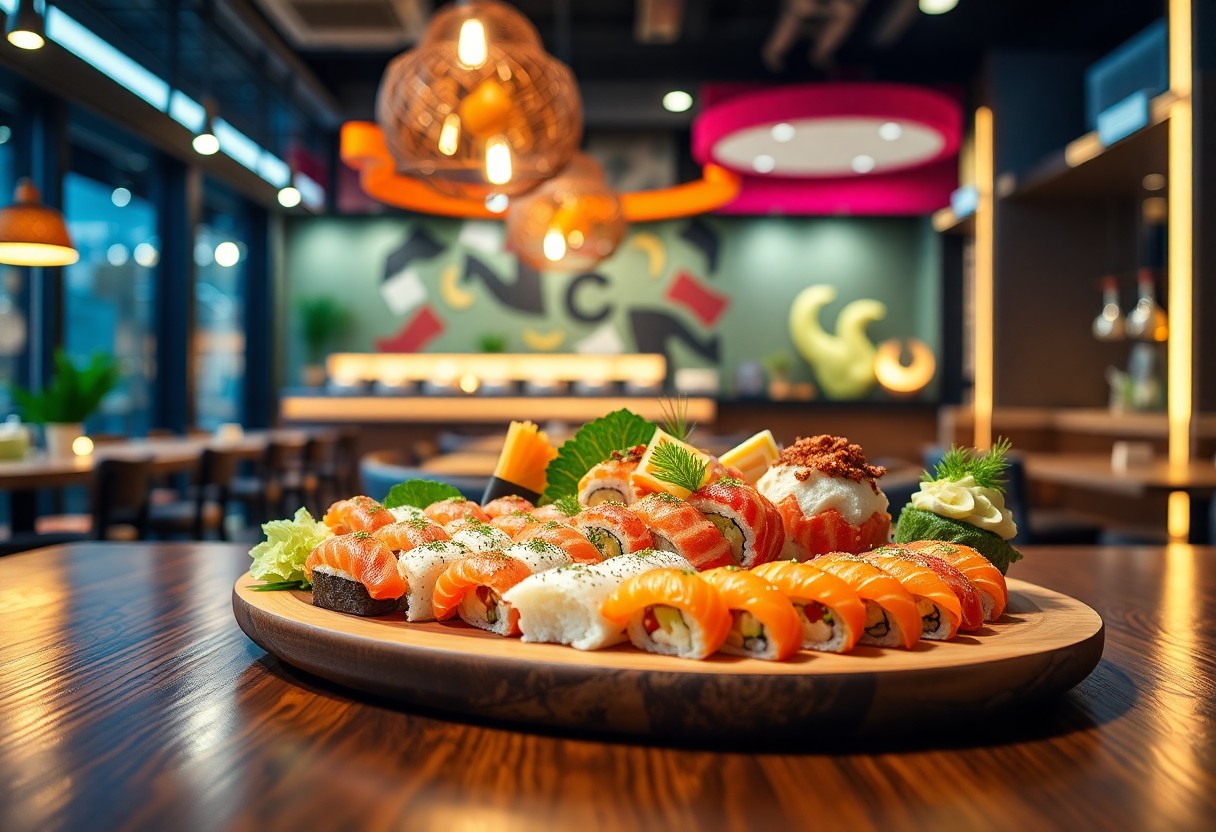
  • Visual Appeal: Sushi restaurants are increasingly focusing on presentation, turning their dishes into eye-catching pieces of art ideal for Instagram.
  • Unique Ambiances: Many of these establishments feature distinctive interiors that enhance the overall dining experience and provide Instagram-worthy backdrops.
  • Creative Menus: Innovative sushi rolls and fusion dishes can attract food enthusiasts looking for unique photographs alongside their meals.
  • Social Media Engagement: Restaurants are tapping into social media trends, often introducing limited-time offerings that encourage patrons to share their experiences online.
  • Global Locations: From Tokyo to Los Angeles, the most Instagrammable sushi spots can be found worldwide, showcasing diverse culinary styles and local flavors.

Top Sushi Restaurants in Japan

Your culinary adventure begins in Japan, where sushi culture thrives in its most authentic form. Exploring the country’s top sushi restaurants not only satisfies your taste buds but also offers picturesque backdrops perfect for Instagram. If you’re curious about what is the most famous sushi restaurant in the world?, you’ll discover plenty of contenders right here in Japan. Prepare to be amazed by the artistry and flavors that these locales offer!

Tokyo’s Most Photogenic Sushi Spots

One must-visit location is Tsukiji Outer Market, where you can snap vibrant photos of fresh sushi being prepared right before your eyes. Another gem is Sushi Saito, known for its exclusive dining experience, where the beautifully plated sushi is sure to impress your followers. Don’t overlook the traditional Edomae sushi served at places like Sushi Dai, where the atmosphere and presentation are as stunning as the flavors.

Hidden Gems in Kyoto

About those lesser-known sushi spots in Kyoto, they offer a unique blend of tradition and innovation that shouldn’t be overlooked. These hidden gems cater to both sushi aficionados and those looking for a memorable dining experience, showing off local ingredients and craftsmanship.

Spots like Izuju and Kiyamachi Dentansho present Kyoto-style sushi that’s beautifully crafted and bursting with local flavor. Their serene settings combined with the exquisite presentation of each dish create stunning photogenic moments, perfect for your Instagram feed. Enjoy the authentic sushi experience while capturing the essence of Kyoto in every bite and every snapshot!

Trends in Sushi Presentation

Clearly, sushi presentation has evolved into an art form that not only satisfies the palate but also delights the eyes. Restaurants around the world are embracing creative and colorful plating styles that take advantage of vibrant ingredients, intricate designs, and unique serving dishes. This trend not only elevates the dining experience but also provides you with the perfect backdrop for your Instagram posts. Whether it’s using edible flowers, bamboo boards, or elaborate arrangements, the focus on presentation is an crucial part of modern sushi culture.

The Art of Sushi Plating

The art of sushi plating focuses on the visual appeal of each dish, transforming a simple meal into an exquisite display. Chefs pay close attention to the color contrast, shapes, and heights of the ingredients, arranging them thoughtfully on the plate. By utilizing techniques such as layering and careful placement, you’ll find that even classic maki rolls can be showcased in an entirely new way, ensuring that your culinary experience is as beautiful as it is delicious.

Incorporating Seasonal Ingredients

Seasonal ingredients are becoming increasingly important in sushi restaurants, as they provide freshness and enhance flavors. By incorporating locally sourced produce and seafood, chefs can adapt their menus to reflect the changing seasons, creating a dynamic dining experience for you. This commitment to freshness not only ensures the best taste but also allows for more creative sushi options that showcase the beauty of what nature has to offer.

For instance, during spring, you might find sushi featuring delicate cherry blossoms or vibrant asparagus, while summer could bring a refreshing touch of watermelon or heirloom tomatoes. Autumn may offer roasted pumpkin or earthy mushrooms, and winter can highlight luxurious fatty fish that are in their prime. By utilizing seasonal ingredients, sushi chefs can surprise you with exciting flavors and stunning presentations that feel connected to the time of year, enriching your overall dining experience.

Sushi Restaurants in North America

Unlike many other continents, North America boasts a dynamic sushi scene, blending traditional flavors with unique local twists. From coast to coast, you’ll find sushi restaurants that not only serve delicious dishes but also provide stunning visuals for your Instagram feed. These spots often employ innovative presentations and artistic plating techniques, ensuring that every bite is as beautiful as it is tasty.

Must-Visit Spots in New York City

Any sushi lover in New York City knows that the vibrant culinary scene offers an array of must-visit spots. Places like Sushi Nakazawa and Nobu are renowned not only for their exquisite cuisine but also for their elegant ambience and visually impressive presentations. Whether you’re indulging in a classic omakase experience or a creative roll, NYC’s sushi spots provide the perfect backdrop for your next Instagram post.

Instagrammable Sushi in Los Angeles

To capture the essence of sushi in Los Angeles, you must explore its top Instagrammable spots. With numerous restaurants showcasing visually striking presentations and a range of creative rolls, LA provides a feast for the eyes and the palate. From artisanal sushi bars to trendy eateries, each locale offers unique aesthetics to elevate your dining experience.

Further enhancing your sushi adventure in Los Angeles, you will find places like Sugarfish and KazuNori, where the minimalist design complements the artistry of the dishes served. Innovative takes on traditional sushi, along with vibrant colors and textures, ensure that each photograph tells a story. With outdoor seating options and chic interiors, these restaurants create not just a meal, but an entire experience that’s perfect for your Instagram feed.

Unique Sushi Experiences Around the World

Keep your culinary adventures exciting by exploring the unique sushi experiences available worldwide. From conveyor belt sushi cafes to high-end omakase bars, there’s a variety of ways to enjoy this beloved Japanese cuisine. Each location offers its own distinct ambiance and specialties, making your dining experience not just a meal, but a memorable event that delights all your senses.

Sushi Bars with a View

Among the most enticing sushi experiences are those that offer stunning views. Imagine savoring expertly crafted rolls while overlooking a breathtaking skyline or the serene ocean. Restaurants perched on rooftops or coastal cliffs create the perfect backdrop for your dining experience, elevating both the food and the ambiance in a way that will leave you captivated and eager to snap the perfect Instagram photo.

Interactive Sushi Dining

Beside traditional dining, interactive sushi experiences engage you in the process of creation. Many restaurants offer sushi-making classes, where you can learn the art of sushi from skilled chefs. This hands-on approach not only allows you to customize your rolls live but also deepens your appreciation for the craft involved in sushi-making, making it a fun and educational experience.

Plus, you can often enjoy a communal atmosphere, where sharing techniques and flavors with fellow diners transforms your meal into a lively social event. Imagine rolling sushi next to friends or meeting fellow sushi enthusiasts—all while learning about the freshest ingredients and proper techniques, making your outing not just a meal but an engaging and informative adventure you won’t soon forget.

Social Media Strategies for Sushi Restaurants

Not only can social media platforms elevate your sushi restaurant’s visibility, but they can also foster a loyal customer base. By employing effective strategies, you can attract food enthusiasts and visitors alike, showcasing your unique offerings and vibrant atmosphere. Prioritizing Instagram can help you tap into innovative ways to connect with potential diners, making your restaurant a go-to spot for foodies and photographers.

Engaging Customers Through Instagram

Across Instagram, your visual storytelling should highlight the artistry of sushi-making, mouth-watering presentations, and seasonal specials. Utilize features like Stories and Instagram Live to create interactive experiences that invite followers into your restaurant’s world, keeping them engaged and eager to visit. By encouraging user-generated content with branded hashtags, you can amplify your reach and build a community of sushi lovers.

Utilizing Influencer Marketing

The power of influencer marketing lies in its ability to connect your sushi restaurant with authentic voices in the food and travel space. By partnering with local influencers who share your brand values, you can leverage their audience to broaden your restaurant’s visibility and credibility.

Further, collaborating with influencers to showcase your signature dishes, ambiance, and unique dining experiences can create compelling content that resonates with their followers. By providing them with a memorable visit, you encourage honest recommendations and beautiful photography that can entice their audience to explore your offerings. This strategy not only boosts your brand exposure but also can lead to increased foot traffic and a loyal following of food enthusiasts eager to indulge in your sushi creations.

Tips for Capturing the Perfect Sushi Photo

Once again, capturing the perfect sushi photo requires a little finesse and planning. Here are some vital tips to elevate your sushi photography:

  • Choose the right time for natural light.
  • Experiment with different angles.
  • Add props or ingredients for a pop of color.
  • Clean your plate before shooting.

Knowing these techniques will help you create an Instagram-worthy post. For more inspiration, check out Sushi: The best restaurants across the world.

Lighting and Angles

Against harsh midday sun, aim for softer lighting conditions such as early morning or late afternoon. Position your sushi near a window to take advantage of natural light, as this enhances colors and textures. Play with different angles; overhead shots often work well for capturing the full layout of a sushi platter.

Composition Techniques

Any sushi photo can be enhanced by applying smart composition techniques that draw the viewer’s eye. Utilize the rule of thirds by placing your sushi off-center or highlight unique textures and colors by filling the frame appropriately.

Sushi offers a vibrant array of colors and textures that can captivate your audience. Try different framing options to focus on intricate details or layering of sushi pieces, and use leading lines to guide the viewer’s attention towards your main subject. Consider the background and surrounding elements to create a balanced visual story that highlights not just the sushi, but the dining experience.

Summing up

Hence, exploring the most Instagrammable sushi restaurants worldwide offers you a delightful combination of stunning aesthetics and exquisite flavors. As you indulge in these culinary experiences, not only will your taste buds rejoice, but your social media feed will also be enhanced with vibrant, eye-catching imagery. Each restaurant provides a unique ambiance and beautifully presented dishes just waiting to be captured for your followers. Embrace the opportunity to savor exceptional sushi while sharing your unforgettable gastronomic adventures with the world.

FAQ

Q: What are some of the most Instagrammable sushi restaurants worldwide?

A: Some of the most Instagrammable sushi restaurants include Sushi Saito in Tokyo, Japan; Sushisamba in Las Vegas, USA; Sushi Shikon in Hong Kong; Yasu in Toronto, Canada; and Taku in Bangkok, Thailand. Each of these restaurants not only serves exquisite sushi but also features stunning interiors and beautifully presented dishes that are perfect for social media sharing.

Q: Why are presentation and ambiance important for Instagrammable sushi restaurants?

A: Presentation and ambiance play a significant role in making sushi restaurants Instagrammable. Guests are looking for a visual experience that can enhance their dining moments. Beautifully plated sushi and aesthetically pleasing restaurant interiors provide an opportunity for diners to capture and share their culinary experiences with their social circles, making the meal more memorable.

Q: How do sushi restaurants create Instagrammable dishes?

A: Sushi restaurants often focus on colorful ingredients, detailed garnishes, and innovative plating techniques to create Instagrammable dishes. Chefs may incorporate unique ingredients, play with textures, and use artistic designs to elevate traditional sushi presentations. Additionally, seasonal ingredients can inspire limited-time offerings that are photogenic and trendy.

Q: Are there any specific dining trends influencing Instagrammable sushi restaurants?

A: Yes, several dining trends are influencing Instagrammable sushi restaurants. For example, the rise of plant-based sushi appeals to vegan and vegetarian diners while providing vibrant colors and unique presentations. Additionally, the trend of fusion cuisine often results in creative sushi rolls that incorporate unexpected flavors, making them visually striking and shareable on Instagram. The focus on craft cocktails and unique beverages also adds to the overall dining experience.

Q: How can diners make the most of their experience at Instagrammable sushi restaurants?

A: Diners can enhance their experience by considering the following tips: arrive during the day for natural lighting, explore the menu for visually appealing dishes, and engage with the staff for recommendations on Instagrammable items. Finding interesting angles and backgrounds while photographing their meals can also help achieve better visual content. Lastly, sharing the experience with friends can create a fun and interactive atmosphere that enhances the overall enjoyment of the meal.

Sushi on a Budget – Where to Find Affordable Rolls

Sushi lovers know that indulging in sushi can sometimes break the bank, but it doesn’t have to! You can enjoy delicious rolls without emptying your wallet by seeking out the best local spots and deals. In this guide, you’ll discover where to find affordable sushi options, from hidden gems to popular chains offering budget-friendly menus. Get ready to savor your favorite sushi while keeping your budget intact!

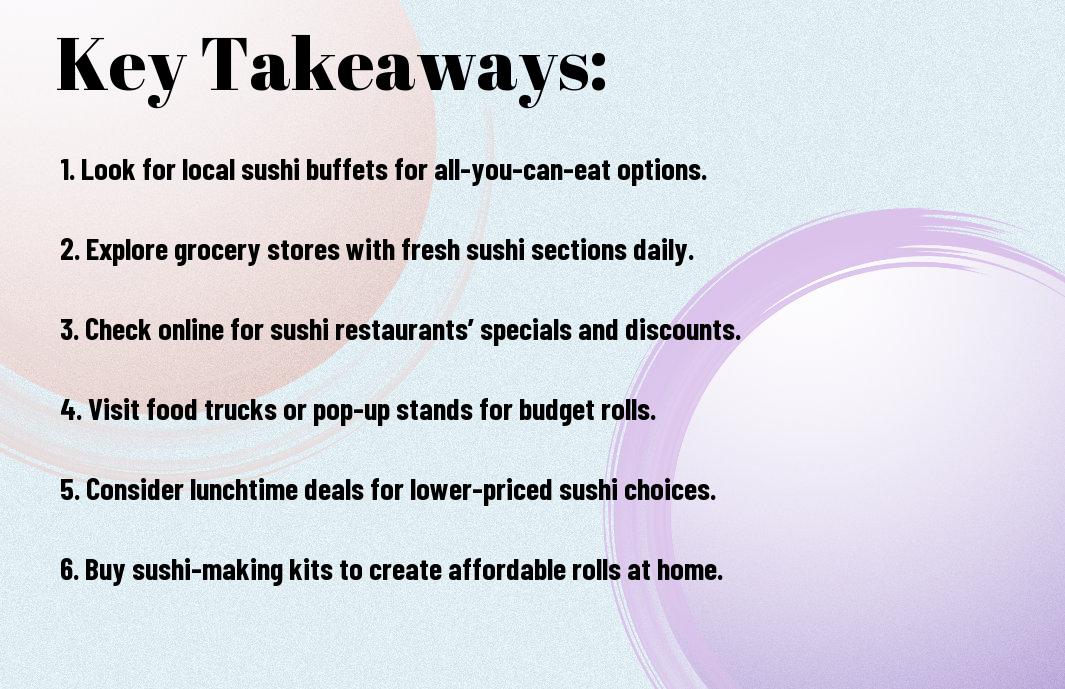
Key Takeaways:

  • Local Reviews: Check online platforms and local guides for affordable sushi restaurants recommended by others in your area.
  • Happy Hours: Many sushi spots offer discounted rolls during happy hour, making it a great time to enjoy sushi on a budget.
  • Special Deals: Look out for daily specials or promotions that sushi places may have, often featuring discounted rolls or combo deals.
  • Takeout Options: Consider ordering takeout rather than dining in, as many restaurants offer lower prices for takeaway sushi.
  • Grocery Store Sushi: Explore grocery stores with sushi counters, as they often sell fresh rolls at a fraction of the price of restaurants.

Understanding Sushi Pricing

Before stepping into the world of sushi rolls, it’s necessary to grasp how pricing works. The cost of sushi can vary considerably based on various factors, from the type of fish used to the restaurant’s location and ambiance. By understanding these nuances, you can make better choices that align with your budget while still enjoying delicious sushi.

Factors Affecting Sushi Costs

Along with ingredients, the following factors can influence sushi pricing:

  • Quality of fish
  • Restaurant’s reputation
  • Location and rent costs
  • Preparation and presentation style
  • Additional offerings like drinks and sides

This knowledge equips you to assess sushi options effectively.

Types of Sushi and Their Price Points

Beside understanding sushi pricing factors, knowing different types of sushi can also help you navigate menus more easily:

Type Typical Price Range
Nigiri $2 – $6 per piece
Sashimi $3 – $15 per serving
Maki Rolls $5 – $15 per roll
Temaki (Hand Roll) $4 – $10 each
Specialty Rolls $8 – $20 per roll

This table provides a clear overview of what you might expect to pay for various types of sushi, helping you plan accordingly.

Sushi pricing can also vary based on factors like portion sizes and the inclusion of premium ingredients. Your experience can greatly differ depending on whether you opt for simple nigiri or elaborate specialty rolls. Here’s a handy breakdown:

Type Typical Price Range
Futomaki (Thick Rolls) $6 – $12 per roll
Uramaki (Inside-Out Rolls) $8 – $15 per roll
Chirashi $10 – $20 per bowl
Omakase $30 – $150 per meal
Vegetarian Rolls $5 – $12 per roll

This comprehensive guide ensures that you can select sushi options that fit within your budget while indulging in the flavors you enjoy.

Best Affordable Sushi Chains

Assuming sushi is on your mind but budget is a concern, looking at chains can be a smart move. Affordable sushi chains often provide consistent quality and taste, making it easier for you to enjoy your favorite rolls without breaking the bank. These establishments not only simplify your sushi experience but also make dining out more accessible when you’re watching your expenses.

Notable National Chains

Chains like Sushi Stop and Kura Revolving Sushi Bar offer you diverse menus and budget-friendly pricing nationwide. These establishments are designed with the casual diner in mind, allowing you to enjoy fresh and delicious sushi without overspending. They frequently feature all-you-can-eat options and rotating sushi selections, making it easy for you to sample a variety of flavors.

Regional Favorites

Between local favorites like Sushi Zushi in Texas and California’s Sushi Train, you’ll find chains that offer incredible dishes at surprisingly reasonable prices. These establishments often focus on using fresh ingredients while letting you explore regional flavors without excessive costs.

In addition, regional favorites often have unique offerings that reflect local tastes, giving you the opportunity to try something new while sticking to your budget. You might find that these chains offer specialty rolls exclusive to your area, thus enhancing your sushi experience. Keep an eye out for special promotions or loyalty programs, as many of these regional chains reward regular customers with discounts or exclusive deals. Exploring these options allows you to savor delicious sushi while staying within your financial limits.

Local Sushi Spots

Despite the perception that sushi is a luxury food, local sushi spots often offer delicious rolls at wallet-friendly prices. Neighborhood sushi bars and eateries can be goldmines for affordable options that maintain quality and flavor. With a little exploration, these hidden gems can satisfy your sushi cravings without breaking the bank.

How to Find Hidden Gems

Between bustling cities and quiet suburbs, you’ll find countless sushi joints that may not be on your radar. To uncover these hidden gems, keep an eye out for local recommendations, explore food blogs, and check social media for nearby sushi spots that locals rave about.

Recommended Local Establishments

Among the best local sushi spots are those that not only provide quality rolls but also a cozy and welcoming atmosphere. Many of these establishments prioritize fresh ingredients and friendly service, ensuring that your dining experience is both satisfying and enjoyable.

It’s worth trying out places like family-owned sushi houses or those with a long history in your community. These establishments typically offer reasonable prices for lunch specials or combo plates, making it easy to enjoy a variety of rolls without overspending. Look for places with good reviews on Yelp or Google Maps, and don’t hesitate to ask locals for their favorites!

Sushi Promotions and Deals

To save money while enjoying your favorite sushi, keep an eye out for promotions and deals at local restaurants. Many sushi joints offer limited-time offers or discounts on specific days to attract customers. These deals can significantly lower your dining costs, allowing you to indulge in more rolls without breaking the bank.

Happy Hour Specials

To make the most of your sushi experience, take advantage of happy hour specials that many establishments host. During these hours, you can often find discounted sushi rolls, appetizers, and drinks. Make it a point to visit your favorite sushi spot after work to enjoy these budget-friendly offers.

Loyalty Programs and Discounts

For sushi lovers, joining loyalty programs and looking for discounts can lead to significant savings over time. Many restaurants reward their regular customers with points that can be redeemed for free items or discounts on future purchases, which is a great way to enjoy more sushi for less money.

Due to the competitive nature of the sushi market, establishments offer a variety of loyalty programs to encourage you to return. These programs can range from simple stamp cards to digital apps that track your purchases. Some restaurants even send exclusive discounts via email or text, ensuring you never miss a deal. By joining these programs, you can enjoy additional savings and enhance your sushi outings without overspending.

Making Sushi at Home

Now you can enjoy sushi in the comfort of your own kitchen while saving money. Making sushi at home allows you to get creative with ingredients and flavors while also keeping costs low. With a few basic techniques and some practice, you can impress your friends and family with delicious homemade rolls without breaking the bank.

Essential Ingredients and Tools

Sushi requires a handful of crucial ingredients and tools to get started. You’ll need sushi rice, nori (seaweed sheets), rice vinegar, a bamboo mat for rolling, and a sharp knife for cutting. Fresh vegetables, canned seafood, or even leftovers can be used as fillings to suit your taste and budget.

Simple Budget-Friendly Recipes

Along with basic ingredients, a few simple recipes can help you create tasty sushi without spending much. Start with easy rolls such as cucumber or avocado rolls, which are not only affordable but also refreshing. You can also experiment with different fillings based on what you have on hand, helping you reduce waste and maximize flavors.

Plus, exploring budget-friendly recipes means you can customize your sushi to suit your preferences while keeping costs in check. Try variations like a simple California roll with imitation crab or a veggie roll bursting with seasonal greens. The flexibility of sushi-making allows you to use diverse ingredients, ensuring that you enjoy satisfying rolls tailored to your tastes—all for a fraction of restaurant prices.

Tips for Saving Money on Sushi

Not every sushi experience has to break the bank. Here are some effective ways to save without sacrificing quality:

  • Look for all-you-can-eat sushi specials.
  • Check for happy hour discounts at local restaurants.
  • Try making sushi at home using affordable ingredients.
  • Share rolls with friends to cut costs.

Thou can enjoy delicious sushi on a budget with a little planning.

Choosing the Right Time to Eat Out

Choosing the right time to frequent sushi spots can lead to significant savings. Many restaurants offer discounts or specials during specific days of the week or at certain hours, such as early bird specials or late-night deals. Even weekdays can provide lower prices compared to weekends when dining out, so keep an eye on local promotions and plan your visits accordingly.

Ordering Strategies to Maximize Value

Choosing the best ordering strategies can help you get the most bang for your buck at sushi restaurants. Start by considering combo platters or roll specials that offer various items at a lower price. Opt for the chef’s selection or seasonal rolls, as they are often more affordable than individual items. Additionally, asking about daily specials can uncover hidden gems on the menu.

And to truly maximize value, don’t hesitate to customize your order. Many restaurants are willing to accommodate your preferences, such as exchanging expensive ingredients for more affordable alternatives. You can also opt for smaller sizes or split dishes with friends. Taking advantage of these strategies will ensure you enjoy a satisfying sushi experience without overstretching your budget.

Conclusion

Following this guide, you can satisfy your sushi cravings without breaking the bank. By exploring local affordable sushi spots and considering DIY options, you can enjoy delicious rolls at a fraction of the price. If you’re up for a culinary adventure, check out How To Make Cheap Sushi Rolls At Home for simple recipes that fit your budget. Dive into the world of sushi and experience its flavors without compromising your financial goals!

FAQ

Q: Where can I find the best affordable sushi in my area?

A: To discover affordable sushi options, start by exploring local reviews on platforms like Yelp or Google Maps. Look for smaller, family-owned sushi restaurants or chains known for budget-friendly options. Some grocery stores also feature deli sections offering sushi at lower prices. Be sure to check for special deals on certain days, as many sushi restaurants run promotions to attract customers.

Q: Are there specific types of sushi rolls that are more budget-friendly?

A: Yes, certain sushi rolls tend to be more affordable than others. Basic rolls like cucumber rolls (kappa maki), avocado rolls, or spicy tuna rolls are typically less expensive due to their simpler ingredients. Avoid specialty rolls that contain multiple ingredients or elaborate toppings, as these can significantly increase the price. Look for combo deals that allow you to sample various rolls without breaking the bank.

Q: Can I save money by making sushi at home?

A: Absolutely! Making sushi at home can be a fun and cost-effective way to enjoy your favorite rolls. Invest in some basic ingredients like sushi rice, nori (seaweed sheets), and fresh fillings like cucumber, avocado, and imitation crab. While the initial setup may require a small investment in tools like a bamboo rolling mat, over time, making sushi at home can save you significant money, especially if you enjoy it often.

Q: How can I find sushi happy hours or discounts?

A: Many sushi restaurants offer happy hour specials or discount nights, typically during slower business hours. Check the restaurant’s website or social media pages for any promotions. You can also sign up for loyalty programs or newsletters, as these often provide exclusive discounts or announcements about upcoming deals. Networking with friends and family who share your passion for sushi can also lead you to hidden gems with affordable options.

Q: Are there sushi options that cater to dietary restrictions while being budget-friendly?

A: Yes, many sushi places offer vegetarian or vegan options at reasonable prices. Look for rolls that are primarily made up of vegetables or fruit, such as avocado rolls or vegetable tempura rolls. Additionally, some restaurants cater to gluten-free dining by offering gluten-free soy sauce and rice wraps. It’s always a good idea to inquire about dietary options when ordering, as many places are eager to accommodate your needs without inflated prices.

Revolving Sushi Bars – A Dining Experience Like No Other

You might be looking for a fresh way to enjoy sushi, and revolving sushi bars offer a unique dining experience that tantalizes your taste buds while entertaining your senses. As plates glide past you on a conveyor belt, you can select your favorites, creating a personalized meal at your own pace. With options varying from traditional nigiri to inventive rolls, there’s something for everyone. Check out the KURA REVOLVING SUSHI BAR – Updated November 2024 for a glimpse into this innovative sushi experience.

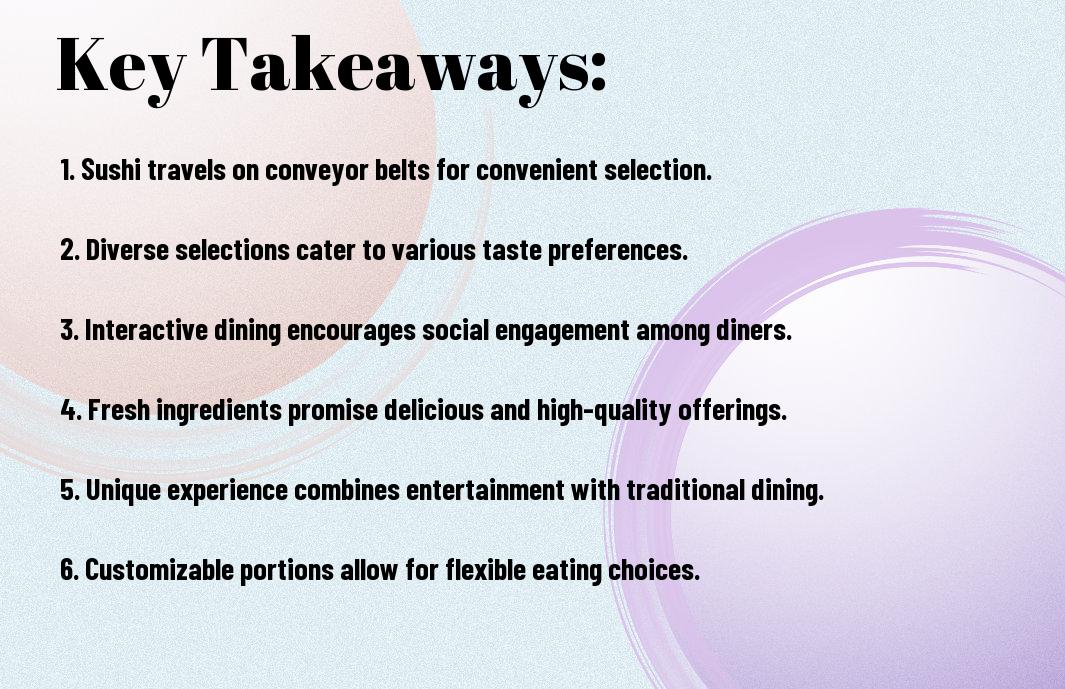
Key Takeaways:

  • Innovative Dining: Revolving sushi bars offer a unique and interactive dining experience where diners can select dishes as they pass by on a conveyor belt.
  • Variety of Choices: Customers can enjoy a vast selection of sushi and other Japanese dishes, allowing for a personalized meal tailored to their tastes.
  • Visual Appeal: The presentation of food on the conveyor encourages a visually stimulating atmosphere, making dining an enjoyable experience.
  • Efficient Service: The fast-paced nature of revolving sushi bars minimizes waiting times, making them a great option for those on-the-go.
  • Cost-Effective: Many revolving sushi bars offer affordable pricing, often based on the color or style of plates, making it easy to budget for a meal.

The Concept of Revolving Sushi Bars

A revolving sushi bar, also known as kaiten sushi, offers a unique dining experience where plates of sushi glide past your table on a conveyor belt. This innovative style allows you to select your favorite dishes as they pass by, ensuring the freshest options. You can explore various selections from your seat, making it a fun and interactive mealtime experience. If you’re curious about expanding your sushi horizons, check out Sushi Restaurants in the United States | kurasushi.com.

History and Origin

After the post-World War II era in Japan, the concept of revolving sushi bars was born, revolutionizing traditional sushi dining. It was inspired by the convenience and efficiency of assembly lines, allowing chefs to prepare sushi in mass and deliver it via conveyor belts. This innovative dining method quickly gained popularity, allowing guests to enjoy a variety of sushi without the formality of traditional restaurants.

How They Work

Beside offering a diverse range of sushi, the operational mechanics of revolving sushi bars are straightforward. Plates of sushi are beautifully displayed on a conveyor belt, continuously moving around the restaurant. Each plate is color-coded to represent its price, allowing you to easily track your total as you enjoy your meal.

Further, each revolving sushi bar is typically set up with a designated seating area that encircles the conveyor belt, giving you a 360-degree view of the available dishes. Once your eyes land on a plate of sushi that piques your interest, you simply grab it from the belt. The efficiency of this system ensures that your sushi is always fresh, allowing chefs to prepare dishes in real-time while maintaining a lively atmosphere. Additionally, many establishments offer special orders, so you can request your favorite sushi if you don’t find it on the conveyor.

The Dining Experience

The moment you step into a revolving sushi bar, you’re greeted by a vibrant atmosphere filled with the enticing colors of fresh sushi spinning past your table. Each plate tells a story awaiting your selection, creating an experience that combines convenience with culinary adventure. As you enjoy the delightful journey of flavors, you can even join the conversation online about your favorite spots by checking out Let’s talk about conveyer belt sushi places : r/FoodNYC.

Menu Variety

Between the endless rows of colorful plates, you’ll find an impressive variety of sushi options. From classic nigiri and sashimi to creative rolls and seasonal specials, there’s something to satisfy every palate. This wide selection encourages you to try new flavors, adding an element of excitement to your meal.

Interactive Dining

Between the revolving conveyor belt and the enticing dishes, you will find the unique interaction that comes with dining at a sushi bar. Choosing your plate becomes a thrilling experience as you observe the diverse offerings whizzing by, making every decision a delightful surprise.

Indeed, the interactive nature of revolving sushi bars enhances your dining experience significantly. You play an active role in selecting your food, which adds a personal touch to each meal. This dynamic setup not only allows you to enjoy your favorite dishes but also encourages experimentation with new ones, fostering a sense of adventure. Plus, as plates keep coming, you can chat with companions or fellow diners, making for an engaging and communal experience.

Advantages of Revolving Sushi Bars

For food enthusiasts seeking a unique dining experience, revolving sushi bars offer a vibrant atmosphere where you can enjoy delicious sushi at your own pace. The interactive nature of these establishments allows you to sample a variety of dishes without the need to make extensive menu choices, ensuring that each meal is both satisfying and fun. You can explore new flavors while enjoying the convenience of a quick bite, making it ideal for both seasoned sushi lovers and newcomers alike.

Convenience and Efficiency

Efficiency defines the charm of revolving sushi bars, as dishes are delivered directly to your table on a moving conveyor belt. This quick service allows you to grab your favorite sushi whenever you like, eliminating long wait times associated with traditional dining experiences. You can enjoy a meal that suits your schedule—perfect for busy days when you want a delightful and satisfying meal without the hassle of ordering.

Freshness of Ingredients

About the freshness of ingredients, revolving sushi bars excel at delivering delectable dishes made with high-quality seafood and produce. The continuous movement of plates ensures that the sushi remains enticingly fresh, and you often have the opportunity to watch the chefs prepare your meal right before your eyes. This transparent preparation process can enhance your confidence in the quality of the food being served.

Sushi served in revolving sushi bars highlights freshness by prioritizing high-quality ingredients sourced from local suppliers. Many establishments receive daily deliveries of fish, ensuring that each piece you select is not only visually appealing but also brimming with flavor. The rapid turnover of sushi on the conveyor belt keeps the selection vibrant and varied, allowing you to enjoy everything from classic nigiri to innovative fusion rolls. This focus on fresh ingredients elevates your dining experience and enhances the overall enjoyment of your meal.

Cultural Significance

Now that you’re exploring the world of revolving sushi bars, it’s crucial to recognize their cultural significance. Originating in Japan, these eateries reflect the country’s dedication to culinary craftsmanship, embracing an innovative approach that makes sushi more accessible. By embracing a communal and casual dining atmosphere, revolving sushi bars encourage social interaction, as you share this unique experience with fellow diners, creating a sense of community around a cherished food tradition.

Influence on Sushi Culture

About the influence of revolving sushi bars on sushi culture, you’ll find that they have democratized the dining experience by offering a delightful variety of dishes in a convenient setting. This format allows you to sample multiple flavors without the commitment of a full meal, fostering an appreciation for the intricate artistry of sushi and its diverse offerings.

Popularity Worldwide

To understand the popularity of revolving sushi bars, you can observe how they have captured the interest of food lovers globally. As one of the most interactive and enjoyable dining experiences, they invite you to be part of the culinary journey, breaking down cultural barriers and introducing sushi to a broader audience.

A testament to their widespread appeal, revolving sushi bars have become a trend in various countries beyond Japan. From metropolitan centers in the United States to bustling cities in Europe and Asia, you’ll find these vibrant spaces creating a fusion of culture and cuisine. As you sit by the conveyor belt, surrounded by a diverse range of dishes from traditional nigiri to innovative sushi rolls, you are not only indulging your palate but also participating in a global dining phenomenon that invites you to explore the rich tapestry of sushi culture.

Health and Safety Considerations

Despite the fun and interactive nature of revolving sushi bars, it’s imperative to be mindful of health and safety protocols. These establishments must adhere to stringent food safety regulations, ensuring that the sushi you enjoy is not only flavorful but also safe to eat. Choose a restaurant that is transparent about its practices, as this will enhance your overall dining experience.

Food Quality Standards

Safety is paramount when it comes to food quality in revolving sushi bars. Freshness is integral, and you should look for places that regularly replenish their offerings to maintain high standards. Additionally, clean preparation areas and responsible sourcing of ingredients indicate a strong commitment to quality.

Allergen Awareness

Considerations about allergens are imperative for a safe dining experience. It’s important for you to communicate any allergies or dietary restrictions to the staff when ordering, as many sushi ingredients can pose allergic reactions. Always inquire about the specific ingredients in each dish to ensure your safety.

Food allergies can vary widely, and it’s critical to be proactive in understanding what you’re consuming. If you’re allergic to shellfish or gluten, for example, you should seek clarification on a dish’s ingredients before indulging. Sushi chefs are usually well-informed about their offerings and can provide valuable information regarding cross-contamination risks and alternative options, ensuring that your meal is both enjoyable and safe.

Tips for Dining at a Revolving Sushi Bar

Your experience at a revolving sushi bar can be elevated with a few helpful tips. Follow these guidelines to make the most of your visit:

  • Arrive early to avoid crowds.
  • Choose plates based on color; they often indicate freshness.
  • Don’t hesitate to explore beyond the conveyor belt.
  • Be mindful of your pace to enjoy the variety.

This approach will enhance your dining experience.

Selecting the Best Plates

Sushi options can vary in quality, so take the time to choose plates that look most appealing to you. Inspect the freshness of the fish and other ingredients. Colorful garnishes often indicate that a dish has just been prepared, while thoughtful presentation usually suggests a more skilled chef. Trust your instincts when selecting plates and try to balance flavors by mixing different types of sushi.

Engaging with the Chefs

Tips for building rapport with the chefs can enhance your dining experience. Don’t be shy about striking up a conversation; they often appreciate your interest in their craft.

Revolving sushi bars offer a unique opportunity to interact with chefs who are passionate about their food. Ask them about the best dishes or the origins of certain ingredients; this not only enriches your meal but fosters a connection that can make your visit more enjoyable. Engaging with chefs can also lead to special recommendations you might otherwise overlook, ensuring you leave satisfied and informed.

Conclusion

Now that you’ve discovered the unique appeal of revolving sushi bars, you can appreciate how they elevate your dining experience. With an engaging atmosphere, a wide variety of fresh sushi, and the convenience of choosing your favorites as they glide past, you’re sure to indulge in an unforgettable culinary adventure. Whether you’re a sushi connoisseur or trying it for the first time, revolving sushi bars offer something for everyone, making it a delightful outing with friends or family.

FAQ

Q: What is a revolving sushi bar?

A: A revolving sushi bar, also known as a conveyor belt sushi restaurant, is a unique dining experience that involves a conveyor belt carrying various sushi dishes around the restaurant. Guests can enjoy freshly prepared sushi by selecting items from the belt as they pass by. The convenience of the moving belt allows diners to sample a wide variety of sushi without the need to order individually.

Q: How does the pricing work at a revolving sushi bar?

A: Pricing at revolving sushi bars typically operates on a color-coded plate system. Each color represents a different price point, allowing guests to gauge their spending as they select dishes. At the end of the meal, servers tally the cost based on the colors of the plates collected. Some establishments may offer an all-you-can-eat option as well, providing a fixed price for unlimited sushi within a specified time period.

Q: Is the sushi at revolving sushi bars fresh?

A: Yes, sushi served at revolving sushi bars is generally fresh and made continuously throughout the day. Many establishments pride themselves on sourcing high-quality ingredients and preparing dishes on-site to ensure freshness. However, the quality can vary by location, so it’s advisable to choose a reputable restaurant with positive reviews.

Q: Are there options for diners with dietary restrictions at these sushi bars?

A: Most revolving sushi bars offer a variety of options to cater to different dietary preferences, including vegetarian and gluten-free choices. It’s best to check the menu ahead of time or ask staff about specific items if you have dietary restrictions. Many restaurants are accommodating and can provide alternative dishes upon request.

Q: What should I consider when visiting a revolving sushi bar for the first time?

A: When visiting a revolving sushi bar for the first time, it’s helpful to keep a few tips in mind. Start by familiarizing yourself with the color-coded plate system for pricing. Be open to trying new sushi varieties as most places offer a diverse selection. Don’t hesitate to inquire about daily specials or chef recommendations. Lastly, enjoy the unique experience of dining as the plates pass by, and savor the fresh flavors!

Sushi Chains vs. Local Gems – What’s the Difference

There’s a vibrant sushi landscape waiting to be explored, where sushi chains offer convenience, consistency, and familiarity, while local gems provide unique flavors and personalized experiences. As you navigate this delicious divide, understanding the key differences will enhance your sushi adventures. From the sourcing of ingredients to the craftsmanship behind each roll, knowing what sets chains apart from local eateries can help you make informed decisions for your next dining experience. Let’s examine what distinguishes these two sushi realms and how to choose the best option for your taste buds.

Key Takeaways:

  • Sourcing Ingredients: Sushi chains often rely on mass-produced ingredients, while local gems prioritize fresh and seasonal offerings.
  • Authenticity: Local sushi spots usually preserve traditional techniques and recipes, whereas chains may adapt to broader consumer preferences.
  • Atmosphere: Local gems often provide a unique dining experience with personalized service, in contrast to the uniformity found in chain restaurants.
  • Menu Diversity: Sushi chains may offer a standardized menu, but local gems often feature creative and unique dishes that reflect regional influences.
  • Community Engagement: Local sushi establishments frequently engage with their communities, while chains focus more on brand consistency across locations.

The Rise of Sushi Chains

To understand the sushi landscape today, it’s important to recognize the emergence of sushi chains that have rapidly gained popularity. These establishments cater to the increasing demand for sushi by offering a convenient, consistent dining experience. As you explore this phenomenon, you’ll find that sushi chains focus on efficient service and broad accessibility, allowing you to enjoy sushi without compromising on quality.

Business Model and Strategy

Chains utilize a streamlined business model that emphasizes scalability and uniformity. By developing efficient supply chains and standardized processes, these establishments can maintain quality while serving large volumes. This strategy allows you to expect a familiar menu and taste regardless of the location, making sushi a more accessible dining option for many.

Standardization vs. Customization

Among the key distinctions in sushi chains is the emphasis on standardization rather than customization. This approach ensures that you receive a consistent product each time you visit, which can be particularly appealing if you enjoy specific items. However, it may limit your opportunity to explore unique flavors or dishes that come from more personalized, local sushi restaurants.

Strategy often drives the standardization seen in sushi chains, with a focus on creating a predictable experience for diners. While this means that you can find favorite dishes reliably, it may also result in a more limited selection when compared to local gems that thrive on seasonal ingredients and chef creativity. Consequently, as you consider your options, you may find that choice and individuality take a backseat in the chain experience, while reliability and convenience take center stage.

The Allure of Local Sushi Gems

You can find a delightful variety of local sushi gems that offer more than just a meal; they provide a unique dining experience. These establishments often emphasize personalization and creativity, enticing you to explore their signature rolls and seasonal offerings. To deepen your appreciation, you can Learn about All Different Types of Sushi Rolls (w/Photos), showcasing the diverse world of sushi crafted by passionate local chefs.

Unique Recipes and Techniques

Against the backdrop of mass-produced options, local sushi chefs often introduce unique recipes and techniques that reflect their cultural heritage and personal flair. Their intimate knowledge of ingredients and traditional methods allows them to craft extraordinary flavors that elevate your sushi experience.

Community Impact and Support

Above the culinary delights, local sushi spots thrive on community engagement. They often collaborate with local suppliers for fresh ingredients, which not only enhances the quality of their dishes but also strengthens local economies. This synergy creates a supportive environment where everyone benefits.

And by choosing to dine at these local gems, you play an imperative role in fostering a sense of community. Your patronage helps sustain these businesses, allowing them to continue showcasing their unique culinary contributions. Plus, you often become part of a close-knit atmosphere, making your dining experience all the more memorable. Supporting local sushi not only satisfies your cravings but also nurtures the vibrant food culture in your area.

Quality of Ingredients: Chains vs. Locals

All sushi is not created equal, and the quality of ingredients often highlights the distinction between sushi chains and local gems. Sushi chains typically rely on mass-produced ingredients, resulting in a uniform but less personalized taste. In contrast, local establishments often gather fresh, seasonal offerings from trusted suppliers, enhancing the overall flavor of your meal. For insight on how ingredient quality impacts sushi, check out The difference between Grocery Store Sushi vs Local Joint ….

Sourcing Practices

The sourcing practices employed by chains versus local sushi spots can significantly affect your dining experience. Chains may source ingredients from bulk suppliers to ensure consistency, while local eateries often prioritize relationships with local fishermen and farmers. This dedication to sourcing often means higher-quality fish and organic vegetables in your rolls.

Freshness and Authenticity

The freshness and authenticity of sushi can notably vary between chains and local gems. While sushi chains may offer convenience, you might find that local spots provide a more authentic experience, utilizing ingredients that are often freshly caught or harvested. This authenticity reflects not only in flavor but also in the overall presentation of your meal.

Due to the local suppliers’ connections and commitment to quality, your sushi experience at an independent restaurant can greatly surpass that of a chain. Locally sourced fish often arrives at restaurants daily, allowing chefs to craft dishes that celebrate the flavors of each ingredient. This focus on freshness and authenticity not only elevates the taste but also allows you to enjoy a meal that embodies the rich cultural heritage of sushi-making.

Customer Experience: Atmosphere and Service

Not every sushi experience is created equal—customer experience can vary significantly between chains and local gems. While chains often focus on efficiency, local gems prioritize creating a welcoming atmosphere, allowing you to enjoy your meal in a more relaxed environment. The service you receive can greatly influence your dining experience, as attentive staff can make you feel special and valued, enhancing the overall enjoyment of your meal.

Dining Environment

An inviting environment can greatly affect your meal, and local sushi places often excel in this aspect. Local gems usually boast distinctive décor and more intimate settings that encourage you to linger over your food, fostering a genuine connection to the culinary experience. In contrast, chains may offer a more sterile ambiance designed for quick turnover, lacking the charm that local spots provide.

Customer Interaction and Personalization

Against the backdrop of personalized service, local sushi establishments often shine, providing you with a unique experience that chains simply cannot replicate. By fostering relationships with their customers, local gems can tailor recommendations based on your preferences and dietary needs, allowing you to explore new tastes and creations. This interaction not only makes you feel valued but also enhances your connection to the cuisine.

Atmosphere matters in customer interaction. A personalized approach not only enhances your experience but also creates lasting memories tied to the food. Local sushi spots often know regular customers by name, inviting you into a community where your preferences are acknowledged. This level of engagement invites you to relax and enjoy more than just a meal; it transforms dinner into an unforgettable culinary journey.

Price Point Considerations

Keep in mind that price is one of the primary factors when deciding between sushi chains and local gems. Chains often have standardized pricing due to their bulk purchasing power, while local spots may have varied pricing based on ingredients and location. Understanding these differences can help you make an informed choice that fits your budget.

Cost Comparison: Chains vs. Local Spots

Cost Comparison

Sushi Chains Local Spots
Lower average prices Higher average prices
Value deals and promotions Seasonal pricing variations
Fixed menu options Unique, customizable selections

Value for Money

By evaluating value for money, you will find that it often extends beyond just the price tag. Sushi chains typically offer a clear price point with set portions, which can be appealing for budget-conscious diners. However, local gems may match or exceed that value by providing fresh, high-quality ingredients and a unique dining experience.

Another aspect to consider is the authenticity and creativity that local spots often bring to the table. While you might pay a bit more, local sushi restaurants frequently focus on fresh, seasonal ingredients and artisanal preparation methods. This can lead to a more satisfying and memorable meal, ultimately giving you a better overall experience for your investment.

Cultural Significance and Culinary Tradition

Now, sushi chains often prioritize consistency and accessibility, leaving the rich cultural significance and culinary traditions of sushi underexplored. Locally-owned establishments often respect these customs, providing an authentic experience that reflects the intricate world of Japanese cuisine. For deeper insights, consider visiting this Complete Guide to Ordering Sushi in Japan: Local ….

Preservation of Japanese Cuisine

For many local sushi gems, preserving the heritage of Japanese cuisine goes beyond just serving food; it’s about storytelling through culinary art. Each dish often reflects seasonal ingredients and regional techniques, allowing you to experience the depth of flavors and culture that sushi represents.

Innovation vs. Tradition

By exploring the balance between innovation and tradition, you can gain a better understanding of how sushi adapts over time. While sushi chains might experiment with flavors and presentations, local gems often honor age-old techniques and recipes, providing you with a taste of history alongside innovation.

Understanding this balance invites you to appreciate the multifaceted nature of sushi. You may find that while innovation brings exciting twists and modern interpretations, the traditional methods rooted in historical context can offer a more profound dining experience. Each bite carries a legacy, whether it’s a classic nigiri crafted with precision or a creative roll that pushes culinary boundaries.

Final Words

With these considerations, you can better appreciate the differences between sushi chains and local gems. While chains often provide consistency and convenience, their offerings may lack the unique flavors and creativity that local establishments can deliver. Your choice will depend on whether you prioritize uniformity or seek an authentic dining experience that showcases local artistry. Ultimately, trusting your taste preferences will guide you toward the sushi experience that best suits your palate.

FAQ

Q: What are sushi chains?

A: Sushi chains are large, often franchised restaurants that provide a standardized menu and dining experience across multiple locations. These establishments focus on efficiency and consistency, typically offering a variety of sushi rolls, sashimi, and other Japanese dishes. They often prioritize speed and convenience, making them a popular choice for diners looking for quick meals.

Q: What defines local gem sushi restaurants?

A: Local gem sushi restaurants are usually independently owned and operated establishments that offer unique and creative dishes. They often prioritize fresh ingredients and traditional preparation methods, resulting in a more personalized dining experience. These restaurants tend to reflect the chef’s individual style and may offer limited, seasonal menus that showcase local flavors and ingredients.

Q: How do the prices compare between sushi chains and local gems?

A: Sushi chains generally have lower prices due to their standardized menu and cost-saving operations. They may offer promotions and deals to attract customers. In contrast, local gem sushi restaurants often charge higher prices, reflecting the quality of ingredients, the skill of the chefs, and the overall dining experience. However, the prices can vary greatly depending on the specific restaurant and location.

Q: Which type of sushi restaurant is better for trying new flavors?

A: For those looking to try new and innovative flavors, local gem sushi restaurants are typically the better option. These establishments often experiment with unique ingredients and presentation styles, offering a diverse culinary experience tailored to their clientele. Sushi chains usually stick to traditional sushi offerings and popular favorites, which may limit the range of flavors available.

Q: What is the atmosphere like in sushi chains versus local gems?

A: Sushi chains often provide a vibrant and bustling atmosphere, focusing on a fast-paced dining experience. They may feature modern decor and a casual vibe, appealing to a wide range of customers. In contrast, local gem sushi restaurants tend to offer a more intimate and cozy environment, with personalized service that allows diners to engage with the chefs or staff. This atmosphere fosters a unique and memorable dining experience.

Sushi Etiquette at an Omakase Table

There’s a unique dining experience awaiting you at an omakase table, where you relinquish control to the chef and embrace the artistry of sushi preparation. To fully appreciate this culinary journey, it’s important to understand the key etiquette that enhances both your experience and the chef’s. From how to interact with the chef to the appropriate way to savor each piece, these guidelines will help you navigate the delicate balance of respect and enjoyment in this traditional setting.

Key Takeaways:

  • Dining Pace: Enjoy the experience at a comfortable pace, as the chef will serve dishes to complement the flow of your meal.
  • Chopstick Usage: Use chopsticks properly and avoid sticking them upright in rice, as this symbolizes death in Japanese culture.
  • Taste Order: Savor the sushi in the order presented, and appreciate each piece as a unique creation from the chef.
  • Communication: Engage with the chef if comfortable, as they appreciate feedback and interaction, enhancing your dining experience.
  • Finishing Entire Dish: It’s polite to finish each piece of sushi, respecting the craftsmanship and ingredients used.

Understanding Omakase

Your journey into the world of sushi starts with understanding omakase, which translates to “I leave it up to you.” In this dining experience, the chef selects a series of dishes, showcasing the freshest ingredients and their culinary expertise. Embrace the adventure of tasting unique flavors and textures as you savor each carefully curated course. For insightful tips from some of America’s finest chefs, check out these 14 Pro Sushi Tips From America’s Top Omakase Chefs.

Definition of Omakase

Definition: Omakase is a style of dining where the chef prepares a meal based on the ingredients of the day, allowing you to experience the freshest and most seasonal offerings. This approach emphasizes trust in the chef’s expertise and allows for an intimate connection between you and the culinary artistry.

History and Cultural Significance

About: Omakase has deep roots in Japanese culture, evolving from the traditional sushi bars of Tokyo. The practice emphasizes seasonality, craftsmanship, and the relationship between the chef and diners. This cultural experience enriches your understanding of Japanese cuisine and showcases the artistry involved in sushi-making.

For instance, as you sit at the sushi bar, each dish served reflects the chef’s skill and the availability of fresh ingredients. The intimate setting fosters a bond between you and the chef, who learns your preferences while delighting you with an array of flavors. This connection amplifies the overall experience and artfully highlights the rich cultural heritage of omakase dining.

Preparing for Your Omakase Experience

Any sushi aficionado knows that an omakase experience is not just a meal; it’s an art form. Before diving in, familiarize yourself with the process by checking out How to Eat Omakase: A Complete Guide. Understanding the flow and etiquette will enhance your enjoyment and appreciation of the chef’s culinary mastery.

Choosing the Right Restaurant

With many options available, selecting the right restaurant for your omakase experience is important. Look for establishments that focus on high-quality, seasonal ingredients and have skilled chefs who are passionate about their craft. Reading reviews and seeking recommendations will help you find a venue that delivers an unforgettable meal.

Reservation and Arrival Tips

On your journey to the perfect omakase, making a reservation is often the first step. Be sure to:

  • Book your table well in advance, especially at popular spots.
  • Inform the restaurant of any dietary restrictions or allergies.
  • Arrive at least 15 minutes early to relax and orient yourself.

This preparation sets the stage for an impressive dining experience.

It’s important to approach your reservation and arrival with mindfulness. Being punctual not only shows respect for the chef and the dining experience but also allows you to settle in and soak up the ambiance. Consider these additional tips:

  • Dress appropriately for the restaurant’s vibe.
  • Turn off your phone or put it in silent mode to avoid distractions.
  • Engage with your chef; they appreciate guests who show interest in their craft.

This will contribute to a more immersive and enjoyable experience.

Seating Etiquette

All diners should be aware that seating etiquette at an omakase table can enhance your overall dining experience. When you arrive, wait for the host or chef to guide you to your seat, as this demonstrates respect for their process. Typically, the most honored position is at the center, while other seats are assigned based on the flow of service and interaction between diners and the chef.

The Importance of Seating Arrangement

Below the surface, the seating arrangement at an omakase table is thoughtfully designed to create a harmonious atmosphere for both the chef and the diners. Your place can influence your interaction with the culinary experience, while also allowing you to enjoy the interplay of flavors and presentation as they unfold.

Communicating with the Chef

With the chef directly in front of you, this is an opportunity to engage and share your preferences. A simple acknowledgment and a polite greeting can set a positive tone for the evening. Make sure to express any dietary restrictions or preferences early in the meal, as this can help the chef tailor the experience to your taste.

Considering that the omakase experience relies heavily on the relationship between the chef and diners, effective communication will enrich your evening. Feel free to ask questions about the dishes, such as their origins or preparation methods, to deepen your appreciation. However, be mindful of the chef’s pace and avoid interrupting the flow of service, as this ensures that everyone enjoys the experience fully.

Dining Etiquette at the Omakase Table

After being seated at the omakase table, it’s important to immerse yourself in the experience with appreciation and respect. Engage with the chef and staff, as they are dedicated to curating a memorable dining experience for you. Maintain a sense of curiosity and gratitude, as this journey is as much about the artistry of the food as it is about the flavors. Keep your conversations pleasant and avoid distractions; this allows both you and the chef to focus on the exquisite creations being presented.

Accepting the Chef’s Recommendations

About embracing the omakase experience means trusting the chef’s expertise and accepting their recommendations. By allowing the chef to guide your meal, you commence on a culinary adventure that highlights the best seasonal ingredients and their unique preparations. Relinquish control and remain open-minded; this approach not only enhances your enjoyment but also shows appreciation for the chef’s artistry and skills.

Proper Use of Chopsticks and Condiments

Omakase dining genuinely encourages respectful use of chopsticks and condiments. You should use chopsticks to pick up sushi with care, avoiding piercing or mashing delicate pieces. In the matter of condiments like soy sauce or wasabi, the general practice is to apply them sparingly, allowing the natural flavors of the fish to shine. This not only helps you savor the dish fully but also demonstrates a respectful attitude toward the chef’s preparation.

Recommendations for proper use of chopsticks and condiments include holding the chopsticks towards their ends for a precise grip, ensuring you can pick up each piece easily. Dip the fish side into soy sauce rather than soaking the rice, as this preserves the integrity of the sushi. If using wasabi, a small amount can be gently placed on top of the fish rather than mixing it into the soy sauce, to honor the chef’s intention. Following these guidelines enhances your dining experience and upholds the etiquette of omakase.

Tipping and Payment Practices

For sushi aficionados, navigating tipping and payment at an omakase table is imperative to a well-rounded experience. It’s advisable to familiarize yourself with Sushi Etiquette: How To Dine Omakase Properly to ensure you respect local customs, especially regarding service charges and tips.

Understanding Service Charges

An omakase meal often includes a service charge embedded in the bill, reflecting the chef’s artistry and dedication. This can vary by establishment, so checking your receipt is smart to discern any additional costs.

Appropriate Tipping Guidelines

Service in a sushi omakase setting can differ significantly from Western norms, making it important to adjust your tipping habits accordingly. Consider that the personal touch provided by the chef is integral to your experience, and showing appreciation enhances the overall dining atmosphere.

Guidelines suggest that if your omakase meal includes a service charge, further tipping may not be necessary, but rounding up or adding a little extra can express your gratitude. In contrast, if no service charge is included, tipping around 10-15% of your total bill is appropriate. Always reflect on the quality of service and remember that chefs treasure your thoughtful acknowledgment.

Common Misconceptions About Sushi Etiquette

Keep in mind that sushi etiquette varies, and many misconceptions could affect your experience at an omakase table. For example, some people think it’s disrespectful to ask questions about the dishes, while in fact, it shows your genuine interest in the chef’s craft. Furthermore, many believe that you must only use chopsticks, but hand-eating is perfectly acceptable for sushi, especially nigiri. Understanding these nuances will enhance both your sushi experience and your interaction with the chef.

Myths Debunked

Etiquette surrounding sushi can often be tangled in myths. One common misunderstanding is that it’s rude to leave food on your plate. In reality, leaving a small amount can demonstrate that you’ve enjoyed the meal without feeling pressured to finish every last bite. Also, some patrons believe that tipping is frowned upon at omakase tables, yet it is typically embraced as a gesture of appreciation for exceptional service and skill.

Cultural Differences in Sushi Etiquette

After exploring the myths, it’s important to recognize that sushi etiquette varies significantly across cultures. In Japan, traditional practices may differ from those of Western countries, influencing everything from how you taste the food to how you interact with the chef. For example, in Japan, you might observe that diners avoid using soy sauce excessively as this can overpower the nuanced flavors of fresh fish.

Common cultural differences can lead to misunderstandings. In certain regions, the way you eat sushi can reflect your respect for the craft. For instance, in Japan, you should not mix wasabi into your soy sauce, as this is seen as a lack of appreciation for the chef’s flavor pairing. On the other hand, in Western sushi restaurants, such practices might not hold the same weight. Being aware of these variations can enhance your sushi dining experience and help you communicate effectively with your chef.

Final Words

So, as you navigate the experience of dining at an omakase table, your adherence to sushi etiquette enhances not only your enjoyment but also the overall atmosphere. Respect the chef’s creations by sampling each piece as it is served, using your hands when appropriate, and refraining from excessive conversation. By being mindful of your actions and showing appreciation for the artistry involved, you contribute to a respectful dining experience that honors both the chef and the tradition of omakase sushi.

FAQ

Q: What is the proper way to eat sushi at an omakase table?

A: When enjoying sushi at an omakase table, it’s best to eat each piece in one bite. This allows you to fully appreciate the balance of flavors and textures. If the piece is too large, you can take a small bite to make it manageable. It’s also polite to avoid using too much soy sauce since the chef typically seasons each piece to perfection.

Q: Is it acceptable to mix wasabi with soy sauce during an omakase experience?

A: It is generally not advisable to mix wasabi into your soy sauce at an omakase table. Skilled chefs often prepare sushi with the right amount of wasabi already incorporated. If you prefer extra wasabi, a small dab placed on top of the sushi piece before eating is more acceptable than mixing it with soy sauce.

Q: Can I request modifications to the sushi served during an omakase meal?

A: While you can politely express food preferences or allergies before the meal starts, requesting modifications to the dishes themselves is not typical in an omakase dining experience. The concept of omakase relies on the chef’s expertise and vision for the meal, so it’s best to embrace the offerings as presented.

Q: How should I behave when seated at an omakase table?

A: At an omakase table, maintaining a respectful demeanor is key. Speak softly, avoid using loud phones, and engage in polite conversation with fellow diners and the chef. If you’re uncertain or have questions, feel free to ask them as they come, but always be considerate of the chef’s pace and focus.

Q: What should I do with the remaining sushi pieces at the end of the meal?

A: If you have any sushi pieces left at the end of your omakase meal, it’s polite to leave them on your plate. If you wish to take leftovers home, kindly ask the staff beforehand if that is an option. Generally, omakase is designed to be enjoyed in one sitting, so it’s best to savor each piece while it’s fresh, rather than focusing on taking any home.

The Unspoken Rules of Eating Sushi in Japan

You may think you know how to enjoy sushi, but dining in Japan involves nuances that go beyond the menu. Understanding the unspoken rules of sushi etiquette not only enhances your dining experience but also shows respect for this esteemed culinary tradition. From how to use chopsticks to the proper way to appreciate the flavors, knowing these guidelines will elevate your sushi meal and help you connect with the culture. Dive into this guide to ensure your sushi experience in Japan is authentic and enjoyable.

Key Takeaways:

  • Etiquette: Always be polite and follow local customs when dining.
  • Chopsticks: Avoid sticking chopsticks upright in your rice, as it resembles a funeral rite.
  • Dipping Sauce: Dip the fish side of the sushi into soy sauce, not the rice side, to prevent it from soaking too much sauce.
  • Wasabi Use: Use wasabi sparingly; it’s often already included by the chef for balance.
  • Eating Order: Savor sushi from lighter flavors to stronger ones for the best tasting experience.

Understanding Sushi Culture

For anyone exploring Japan, understanding sushi culture is important. This culinary art form goes beyond merely eating; it encompasses tradition, etiquette, and a deep appreciation for the craftsmanship that goes into each piece. It is vital to grasp the importance of fresh ingredients, presentation, and the rituals surrounding sushi consumption to fully savor the experience.

Historical Context

Beside its contemporary popularity, sushi has a rich history that dates back centuries. Originating as a preservation method for fish, sushi evolved from fermented rice to the various styles we see today. The transformation reflects Japan’s changing palate and cultural influences, making sushi a mirror of the nation’s culinary evolution.

Types of Sushi

By stepping into the types of sushi, you can enhance your appreciation for this beloved dish. Sushi comes in numerous forms, each offering a unique flavor profile and presentation. Here’s a quick overview of popular types:

Type Description
Nigiri Hand-formed rice topped with fish or seafood.
Maki Rolls of rice and fillings wrapped in seaweed.
Sashimi Thinly sliced raw fish, served without rice.
Temaki Hand-rolled sushi cones filled with rice and ingredients.
Uramaki Inside-out rolls with rice on the outside.

Understanding these types ensures you can choose dishes that suit your palate when dining out. Each type brings something unique to the table, creating an expansive sushi journey waiting for you to explore. Here are some highlights:

  • Nigiri showcases the quality of the fish used.
  • Maki is often colorful and visually appealing.
  • Sashimi emphasizes the fresh taste of the fish alone.
  • Temaki allows for a fun, hands-on eating experience.
  • Uramaki offers a contrast in textures and flavors.

Recognizing the various types of sushi enhances your dining experience, allowing you to savor each creation fully.

Traditional Etiquette

Assuming you want to fully immerse yourself in the sushi experience in Japan, understanding traditional etiquette is vital. You can refer to the 10 Unique Japanese Eating Etiquette Rules to enhance your dining experience. Proper respect for sushi chefs and the food prepared is deeply ingrained in Japanese culture, making it beneficial to familiarize yourself with these customs.

How to Use Chopsticks

Across various dining settings, using chopsticks correctly is important. Hold them near the top, avoid pointing them at others, and never use them to spear food. Additionally, do not stick chopsticks upright in rice, as this resembles a funeral practice in Japan. Instead, place them on the holder when not in use.

Proper Ways to Dine at a Sushi Bar

Between the chef’s counter and your plate, the way you engage in the sushi bar experience can significantly impact your meal. Sit at the counter when possible, as this allows direct interaction with the sushi chef, who may prepare special items just for you. Taking a moment to appreciate the craftsmanship before enjoying each piece reflects your respect for their skill.

In fact, many sushi chefs take pride in hand-picking fish and preparing sushi to showcase their techniques. Engaging in conversation, expressing gratitude, and even trying the sushi in the order recommended shows your appreciation for their artistry. Observing these nuances not only enhances your experience but also fosters a warm connection with the chef, enriching your sushi journey in Japan.

Ordering Sushi

To order sushi in Japan, it’s best to approach the counter and greet the chef politely. You may want to follow a traditional method, perhaps by using simple phrases like “Omakase,” which means you’d like the chef’s selection. For further insights, check out A cool guide on sushi etiquette : r/coolguides to enrich your understanding of the dining experience.

Communicating with Chefs

Against common belief, you don’t have to know Japanese to communicate with sushi chefs. A warm smile and pointing at the menu can work wonders. Most chefs will appreciate your effort, even if it’s minimal. Express your preferences or dietary restrictions simply, while being open to suggestions.

Choosing the Right Variety

Around sushi restaurants, you’ll find a wide variety of options, from nigiri to sashimi and rolls. To make an informed choice, consider what flavors and textures you prefer from seafood and ingredients. If you’re new to sushi, start with milder flavors like salmon or shrimp and gradually explore stronger tastes like mackerel or sea urchin.

Also, keep in mind that certain sushi types are seasonal. Engaging with the chef about what’s best during your visit can enhance your experience; they can recommend the freshest options available. Taking a moment to ask can lead to discovering unique flavors that are often overlooked.

Tasting and Appreciating Sushi

Not only is sushi a culinary delight, but it’s also an experience for your senses. Each bite speaks to the harmony of flavors, textures, and techniques that define this Japanese cuisine. To truly appreciate sushi, take your time and savor each piece, allowing the freshness and craftsmanship to shine through. Engaging with your meal at this level fosters a deeper connection to the artistry behind it and enhances your overall dining experience.

Balancing Flavors

Behind every piece of sushi lies a delicate balance of flavors. This interplay of sweet, salty, sour, and umami is intentional, designed to elevate your tasting experience. Each ingredient, from the fish to the rice, complements one another in a way that creates a harmonious dish. As you eat, focus on how these flavors work together and appreciate the skill involved in achieving this balance.

The Role of Soy Sauce and Wasabi

Wasabi plays an crucial role in the sushi experience, offering a fiery kick that enhances the flavor of the fish. Striking the right balance of wasabi can elevate the sushi’s taste without overpowering it. The same goes for soy sauce; it’s a seasoning tool rather than a dip. Your goal is to enhance the flavor of the sushi, so use it sparingly to respect the chef’s artistry and the quality of the ingredients.

To best enjoy soy sauce and wasabi, apply a small amount of wasabi directly onto the fish rather than mixing it into the soy sauce. This preserves the integrity of the sushi and allows you to appreciate the carefully crafted flavors. When dipping, make sure to immerse only the fish side into the soy sauce, avoiding the rice. This not only protects the rice from becoming soggy but also lets you fully enjoy the full experience without overpowering the delicate taste of your sushi.

Common Mistakes to Avoid

Unlike in Western countries, dining etiquette in Japan holds significant importance. One common mistake is using your hands to eat sushi instead of chopsticks; while it’s acceptable for nigiri, be mindful of presentation. Additionally, avoid placing soy sauce on rice, as this can overwhelm the delicate flavors. Lastly, skipping the ginger is a misstep, as it’s intended to cleanse your palate between different types of sushi.

Do’s and Don’ts

An effective way to enjoy sushi in Japan is to follow a few simple do’s and don’ts. Do try a variety of sushi types to appreciate the artistry involved. Don’t overwhelm your taste buds with excessive soy sauce; a dip is sufficient. Do acknowledge the sushi chef with a nod or “Arigato” when receiving your meal, as this shows respect for their craft.

Misconceptions About Sushi

Avoid the common misunderstandings about sushi, such as believing that sushi is merely raw fish. Sushi encompasses a variety of preparations, including cooked ingredients and vegetarian options, presenting a wide culinary experience.

In fact, many people think sushi is limited to raw seafood alone, overlooking the range of flavors and textures available. Cooked items like eel and shrimp are just as popular, and vegetarian options like cucumber or avocado rolls are widely enjoyed. Additionally, sushi can differ greatly between regions, offering unique local specialties that go beyond traditional raw fish. Embracing the diversity of sushi will enhance your dining experience in Japan.

Summing up

With these considerations in mind, you can enhance your sushi dining experience in Japan. By adhering to the unspoken rules—such as using your hands for certain types of sushi, avoiding soy sauce on particular pieces, and understanding the etiquette of ordering—you show respect for the culture and its culinary traditions. This knowledge will not only make your meal enjoyable but also foster a deeper connection to Japan’s rich dining customs, ensuring that you appreciate every bite fully.

FAQ about The Unspoken Rules of Eating Sushi in Japan

Q: What is the proper way to eat sushi in Japan?

A: When dining on sushi, many patrons prefer to eat each piece with their hands. However, using chopsticks is also acceptable, particularly for nigiri sushi. It’s important to take the piece of sushi in one bite, enjoying the combination of flavors as intended by the chef. Dipping the sushi into soy sauce should be done carefully, preferably by dipping only the fish side to prevent the rice from soaking up too much sauce.

Q: Is it appropriate to mix wasabi with soy sauce?

A: Mixing wasabi into soy sauce is generally discouraged in Japan. Chefs usually prepare sushi with the right amount of wasabi already placed between the fish and the rice. If you feel the need for extra wasabi, it’s best to apply it directly on the sushi piece rather than blending it with soy sauce. This respects the chef’s artistry and the intended flavor balance.

Q: Can I ask for modifications to my sushi order?

A: While it’s not uncommon for diners in Western countries to request specific modifications, it’s typically frowned upon in Japan, especially at traditional sushi counters. Chefs take great pride in their craft, and altering a dish might be seen as disrespectful. If you have dietary restrictions or allergies, it’s advisable to explain these needs politely rather than asking for changes to the sushi itself.

Q: Should I finish all the rice on my plate?

A: In Japan, finishing the rice on your plate is a sign of appreciation for the meal, but it’s important to understand that sushi is often served in bites. Therefore, it’s acceptable to leave some rice behind if you feel full. However, avoid leaving large amounts of food uneaten, as this can be perceived as wasteful. Striking a balance between enjoying your meal and being mindful of portion sizes is key.

Q: Is it expected to tip in sushi restaurants in Japan?

A: Tipping is not a customary practice in Japan and can even be considered rude in some situations. Service charges are typically included in the meal price, and excellent service is expected as part of the dining experience. If you want to express gratitude, a polite thank you or a genuine compliment to the chef can convey your appreciation without the need for a monetary tip.

When and How to Use Ginger with Sushi

Over time, you’ve likely encountered sushi paired with pickled ginger, a flavorful condiment that enhances your dining experience. If you’re curious about its proper use, you’re not alone—many enthusiasts find themselves unsure about when and how to incorporate it into their meal. This informative guide will enlighten you on the crucial role of ginger in sushi dining, helping you elevate your tasting experience. For instance, did you know you’re eating sushi all wrong! Tokyo sushi chef teaches …, so read on to enjoy your sushi to the fullest.

Key Takeaways:

  • Complimentary Flavor: Ginger enhances the taste of sushi, providing a spicy and refreshing contrast.
  • Purifying Palate: Consuming pickled ginger between different sushi pieces helps cleanse the palate, allowing distinct flavors to shine.
  • Traditional Pairing: It is traditionally served with sushi and is considered an important accompaniment to various types of rolls and sashimi.
  • Usage Guidelines: Use ginger sparingly; too much can overpower the flavors of the sushi.
  • Health Benefits: Ginger is known for its anti-inflammatory properties and can aid digestion, making it a healthy addition to your meal.

The Role of Ginger in Sushi

While enjoying sushi, you may notice pickled ginger served on the side. This isn’t just a garnish; its purpose is multi-faceted. This vibrant root acts as a palate cleanser, preparing your taste buds for the next bite of sushi. Additionally, it adds a unique zing that complements the flavors of various fish, enhancing your overall dining experience.

Cultural Significance

Around sushi menus, you’ll find pickled ginger, known as ‘gari,’ which holds historical importance in Japanese cuisine. Traditionally, it served not only to cleanse the palate but also as a means of preserving the freshness of fish. Incorporating ginger into your sushi meal allows you to embrace the authentic cultural practices that enhance the dining experience.

Flavor Enhancement

For the sushi enthusiast, ginger plays an exciting role in elevating the flavors of your meal. Its sharpness cuts through the richness of fatty fish, providing a refreshing contrast that enhances every bite.

Hence, when you savor sushi, using ginger can transform your experience. The interplay of pickled ginger’s spicy notes with the umami of the fish allows each bite to shine. It also works well with soy sauce, balancing the saltiness and providing a necessary freshness. By incorporating ginger thoughtfully, you gain a deeper appreciation for the flavors and textures present in sushi, creating a well-rounded and satisfying culinary adventure.

Types of Ginger Used in Sushi

Some common types of ginger used in sushi include:

Type Description
Pickled Ginger (Gari) Sweetened and preserved, served as a palate cleanser.
Fresh Ginger Raw and spicy, typically grated or sliced.
Shredded Ginger Finely shredded, used as a garnish.
Marinated Ginger Picked in vinegar, adding acidity.
Young Ginger (Shoga) Tender and less spicy, often used in salads.

The choice of ginger can enhance the overall sushi experience.

Pickled Ginger (Gari)

Types of ginger used in sushi often highlight different flavors and textures. Pickled ginger, known as gari, is made by soaking young ginger in a sweet vinegar solution. It is commonly served alongside sushi and sashimi to cleanse your palate between bites, allowing you to appreciate the distinct flavors of various fish.

Fresh Ginger

On the other hand, fresh ginger offers a robust and spicy flavor that can complement the taste of sushi. You’ll often find it grated or thinly sliced, adding a zesty kick to your meal. Fresh ginger can also enhance the sushi’s aroma, making it more appetizing.

Hence, incorporating fresh ginger into your sushi experience not only adds flavor but also introduces a layer of complexity to your palate. You can experiment with different preparations, like grating or finely slicing the ginger, to discover which version you enjoy most. Enjoy fresh ginger enhances your dining experience and balances the rich, umami flavors of sushi.

When to Use Ginger

Keep ginger as an necessary component of your sushi experience. It serves as a palate cleanser and enhances your dining experience by contrasting the flavors of the fish and rice. Enjoy it in-between different sushi pieces to reset your taste buds, allowing for a more enjoyable tasting journey.

Pairing with Different Sushi Types

  • Salmon: Ginger complements the fatty richness.
  • Tuna: Contrast with ginger’s spiciness enhances its flavor.
  • Eel: The sweetness of eel pairs well with ginger’s tang.
  • Vegetable Rolls: Elevate the fresh taste with ginger.
  • Tempura: Ginger adds a zesty balance to fried textures.

Knowing how ginger interacts with various sushi types allows you to elevate your meal with purpose.

Sushi Type Recommended Ginger Usage
Salmon Use ginger to cut through the richness.
Tuna Pair with ginger for enhanced flavors.
Eel Enjoy ginger for a sweet-tangy balance.
Vegetable Rolls Add ginger for a fresh kick.
Tempura Use ginger to complement fried textures.

Situational Usage

Behind your sushi experience, the usage of ginger differs according to the context of your meal. In casual settings, feel free to partake as you please, savoring each piece with ginger alongside. In formal dining arrangements, use ginger as a deliberate tool to cleanse your palate after richer flavors, signaling a shift between different sushi styles.

To enhance your sushi dining experience, consider the situation you find yourself in. At a sushi bar, you might enjoy various types of sushi consecutively; therefore, using ginger frequently will help keep your palate fresh. In social gatherings or more formal occasions, you may choose to use ginger strategically to appreciate the distinct flavors of the sushi being served. By understanding these situational usages, you can maximize the enjoyment and appreciation of your sushi meals.

How to Properly Use Ginger

Not everyone knows the best way to enjoy ginger with sushi. You should use it as a palate cleanser between different types of sushi, allowing you to fully appreciate the flavors of each piece. Place a small amount of pickled ginger on the side of your plate and enjoy it between bites. For more tips on sushi etiquette, check out 5 Japanese Sushi Etiquette Tips – Cobo Sushi Bistro and Bar.

Serving Suggestions

One effective way to serve ginger is by placing a few pieces alongside your sushi. This allows you to enjoy it as desired without overwhelming the main dish. Pair it with soy sauce and wasabi for a complete experience, ensuring that each sushi bite remains distinct and flavorful.

Common Mistakes to Avoid

After serving ginger with sushi, it’s important to avoid common errors. One major mistake is treating ginger as a condiment to mix with soy sauce, which can overwhelm the flavor profiles of your sushi. Instead, use it sparingly to enhance your tasting experience.

Ginger can be a delightful companion to sushi when used correctly. Avoid overloading your plate with ginger or using it as a dip, as doing so can detract from your appreciation of the sushi’s unique flavors. Steer clear of mixing ginger with sauces, which can mask the freshness of the fish. By using ginger thoughtfully, you elevate your sushi experience while staying aligned with proper etiquette.

Health Benefits of Ginger

After enjoying sushi, you may want to consider adding ginger not only for its flavor but also for its numerous health benefits. This ancient root is packed with vitamins and antioxidants, which can help support your immune system and improve overall well-being. You can easily incorporate ginger into your diet to boost digestion, manage inflammation, and enhance your culinary experiences with sushi.

Digestive Aid

By consuming ginger, you can promote better digestion and alleviate discomfort. This root stimulates the secretion of digestive enzymes, which can help your body process food more efficiently. Whether you enjoy pickled ginger or fresh slices, it can significantly enhance your sushi experience while supporting your digestive health.

Anti-inflammatory Properties

Among ginger’s many benefits are its powerful anti-inflammatory properties. Regular consumption of ginger can help reduce inflammation in your body, making it beneficial for those with conditions like arthritis or muscle soreness. By adding ginger to your meals, you can take proactive steps toward minimizing inflammation and enhancing your overall health.

Antiinflammatory compounds called gingerols are primarily responsible for these health benefits. These compounds work by blocking pro-inflammatory substances and cytokines in your body, thus helping to reduce discomfort and pain associated with inflammation. Including ginger in your sushi can contribute to greater overall wellness and help you feel better in the long run.

Conclusion

Upon reflecting on your sushi experience, incorporating ginger can enhance your meal significantly. Use pickled ginger between different types of sushi to cleanse your palate and appreciate the distinct flavors of each piece. When enjoying sushi, you can experiment with adding a thin slice of fresh ginger on top for an added kick. By knowing when and how to use ginger properly, you elevate your sushi dining experience and indulge in the art of sushi tasting more fully.

FAQ

Q: When should I eat ginger in relation to my sushi?

A: Ginger is typically served as a palate cleanser, and it is best enjoyed between different types of sushi rather than with a single piece. This allows you to reset your taste buds and fully appreciate the unique flavors of each type of sushi. To enhance your experience, take a small slice of ginger after finishing a piece of sushi before moving on to the next.

Q: How should I incorporate ginger into my sushi experience?

A: You can use ginger in several ways during your sushi meal. It is commonly presented alongside sushi, often pickled and often referred to as “gari.” To incorporate it, you can place a small piece on your plate and enjoy it after eating a piece of sushi, or you can take a small bite of it between different sushi varieties to cleanse your palate. However, it’s not typically meant to be used as a topping on sushi.

Q: Can I use ginger with all types of sushi?

A: Yes, ginger can be paired with various types of sushi, including nigiri, maki, and sashimi. It works particularly well with sushi that contains stronger flavors, such as fatty tuna or mackerel, as the ginger complements the richness. However, it’s best to enjoy it according to your personal taste preferences, as not everyone likes ginger with every sushi type.

Q: Is there a specific type of ginger I should use with sushi?

A: The most common type of ginger served with sushi is pickled ginger, known as gari. It’s lightly sweetened and has a refreshing taste, which makes it a great match for sushi. Fresh ginger can also be used, but its stronger flavor might overwhelm the delicate taste of sushi. For an authentic experience, stick with the pickled variety when enjoying sushi.

Q: Are there any health benefits to eating ginger with sushi?

A: Ginger is known for several health benefits, including aiding digestion, reducing nausea, and possessing anti-inflammatory properties. When paired with sushi, consuming ginger can help promote digestive comfort, especially since sushi often contains raw fish and other rich components. Enjoying ginger while eating sushi can provide both a flavor enhancement and potential health advantages.

Should You Eat Sushi with Your Hands

Most people often wonder about the proper etiquette when it comes to enjoying sushi, particularly whether it’s acceptable to use your hands. This question researchs into cultural practices and personal preferences that vary across different regions and types of sushi. In this post, you’ll discover the nuances of sushi etiquette, the benefits of eating sushi with your hands, and tips for doing it tastefully. By the end, you’ll feel more confident in making the best choice for your sushi experience.

Key Takeaways:

  • Tradition: In Japan, it is common to eat sushi with hands, particularly nigiri, as it enhances the experience.
  • Hygiene: Ensure your hands are clean before eating sushi with them, as cleanliness is paramount.
  • Flavor Experience: Using your hands can create a more intimate connection to the sushi, allowing you to appreciate its texture and flavor.
  • Etiquette: While using fingers is acceptable, always be mindful of the setting and follow the host’s lead.
  • Type of Sushi: Opt for hand-eaten sushi types, like nigiri or maki rolls, as they are designed to be enjoyed this way.

The Traditional Etiquette of Sushi Eating

To fully appreciate sushi, it’s crucial to understand its traditional etiquette. In Japan, sushi is often enjoyed using your hands, especially nigiri, as a way to connect with the food. However, etiquette varies, and using chopsticks is also acceptable, particularly in more formal settings. If you’re curious about the broader implications of sushi-eating techniques, you can explore Why not just eat sushi with your hands? – Food Factory – Quora for more insights.

Cultural Significance

Along with the techniques, the cultural significance of sushi eating plays a key role in the overall experience. Sushi is more than just a meal; it’s a culinary art that reflects Japanese tradition. Ordering and enjoying sushi in the right manner showcases your respect for its origins and the craftsmanship that goes into each piece.

When to Use Hands vs. Chopsticks

Along with understanding cultural norms, knowing when to use your hands versus chopsticks can enhance your sushi experience. Generally, it’s acceptable to use your hands for nigiri and maki, where you can pick up pieces without much trouble. Chopsticks may be more suitable for sushi that has sauces or toppings, providing greater control.

Also, consider the setting when deciding between hands and chopsticks. In casual sushi bars, it’s perfectly fine to eat with your fingers, while fine-dining restaurants may encourage the use of chopsticks. Observing the behavior of those around you can often guide your choice. Ultimately, both methods allow you to enjoy sushi while respecting its culinary artistry.

The Benefits of Eating Sushi with Your Hands

One significant benefit of eating sushi with your hands is the connection it creates between you and your meal. This traditional method allows for a more intimate dining experience, enabling you to engage more deeply with the flavors and textures of each piece. By using your fingers, you can appreciate the unique craftsmanship of the sushi, enhancing your overall enjoyment of this culinary art form.

Improved Flavor Experience

Among the many reasons to savor sushi with your hands, improved flavor experience stands out. When you grasp sushi with your fingers, you can feel the temperature and texture, influencing your perception of taste. This tactile engagement allows you to take note of the delicate nuances in flavor, encouraging a more mindful eating experience.

Enhanced Textural Appreciation

An important aspect of sushi is its diverse textures, which play a vital role in your overall enjoyment. By using your hands, you can better experience the contrast between the soft rice, the tender fish, and the crunch of any added ingredients. This direct interaction with your food creates a more profound appreciation for the artistry behind sushi preparation.

Another reason to embrace eating sushi with your hands lies in the celebration of textural elements. Each bite offers a unique combination of sensations, from the silky smoothness of sashimi to the slight crispness of tempura. When you carefully handle the sushi, you enhance your ability to identify and enjoy these distinctions, transforming your meal into a sensory adventure that deepens your love for this Japanese cuisine.

The Case for Chopsticks

Many sushi enthusiasts argue that chopsticks enhance the overall experience of enjoying sushi. Using chopsticks allows you to appreciate the artistry of each piece while providing a level of sophistication to your dining experience. Additionally, they enable you to navigate various sushi types, including nigiri and sashimi, with grace and minimal mess, making them an indispensable tool for sushi lovers.

Precision and Control

Before delving into your sushi, it’s important to understand the precision and control that chopsticks provide. These utensils offer you the ability to pick up delicate pieces without crushing or damaging them, letting you enjoy the intricate flavors and textures of your meal. By using chopsticks, you can navigate around garnishes and sauces while maintaining a firm but gentle grip on your sushi.

Hygiene Considerations

To prioritize proper hygiene while dining, using chopsticks can help you avoid direct contact with your food, especially in a communal setting. This practice not only shows respect for others at the table but also may help reduce the risk of transferring bacteria or germs between hands and food.

It’s vital to recognize that when dining out, restaurants often prioritize cleanliness and hygiene. By using chopsticks, you minimize the chances of contaminating your sushi or sharing germs. Many establishments offer disposable or sanitized reusable chopsticks, ensuring that you can enjoy your meal without compromising health. This added layer of cleanliness promotes a more enjoyable dining experience, allowing you to focus on the delightful flavors of your sushi while maintaining good hygiene practices.

Different Types of Sushi and Eating Methods

Unlike traditional Western meals, sushi features a variety of types, each with distinct eating methods. Here’s a quick breakdown:

Sushi Type Eating Method
Nigiri Using hands or chopsticks
Maki Typically using chopsticks
Sashimi Best enjoyed with chopsticks
Inari Usually eaten with hands
Temaki Commonly eaten with hands

Any proper sushi experience includes an understanding of How to Eat Sushi and Dining Etiquette in Japan.

Nigiri vs. Maki

Above all, understanding the difference between nigiri and maki enhances your sushi experience. Nigiri consists of hand-formed rice topped with fish, while maki is sushi rolled into bite-sized pieces of seaweed wrapped around rice and fillings. You can opt for chopsticks or your hands, depending on the setting and your preference.

Sushi Rolls and Temaki

By contrast, sushi rolls and temaki provide a fun dining encounter. Sushi rolls, or maki, are often made with various ingredients rolled together, while temaki is a hand-rolled cone filled with rice and vegetables. You can enjoy temaki with your hands, offering a unique way to experience the flavors.

Eating temaki allows for interactive enjoyment as you customize each roll according to your taste preferences. The hands-on approach makes it a favorite among sushi enthusiasts, as you can engage with your food. Choose your fillings, wrap it up, and savor the blend of ingredients. This social aspect of sushi dining adds to its charm and creates a memorable experience.

Sushi Restaurants: Expectations and Norms

Once again, navigating the world of sushi restaurants can be an adventure filled with diverse expectations and norms. Understanding the etiquette – from ordering to eating – can significantly enhance your dining experience. Whether you find yourself at a traditional sushi bar or a contemporary fusion spot, being aware of what’s considered respectful and enjoyable will not only impress your hosts but also elevate your appreciation for this exquisite cuisine.

Fine Dining vs. Casual Sushi Spots

Any sushi experience can vary immensely based on the setting, from fine dining establishments offering meticulously crafted omakase to casual sushi spots with a laid-back vibe. Fine dining often involves a more formal approach, where the chef’s art is on full display, and delicate customs are observed. In contrast, a casual sushi spot may encourage a more relaxed atmosphere, allowing for easier navigation of sushi etiquette.

When in Rome: Adapting to Local Customs

Among the important aspects of enjoying sushi is adapting to local customs that may affect how you dine. Different regions and cultures have unique approaches to sushi, including how it is served and consumed. Being attentive to these variations not only shows respect for the tradition but also offers a richer dining experience.

To fully embrace the local sushi customs, take time to observe what others are doing in the restaurant. If you’re in Japan, for example, you might find that hand-rolling sushi or using chopsticks is a common practice, depending on the type of sushi being served. Engaging with staff and asking questions can also enhance your understanding, making your meal not just about food but an engaging cultural experience. Each unique norm you encounter will enrich your appreciation for sushi cuisine.

Final Words

With these considerations in mind, you can confidently decide whether to eat sushi with your hands or chopsticks. Understanding the cultural context, your personal preference, and the type of sushi can guide you in making your choice. Eating sushi with your hands can enhance the experience, allowing you to savor the texture and flavor more intimately. Ultimately, choose what feels right for you, as enjoying sushi should be a pleasurable and personal experience.

FAQ

Q: Should I eat sushi with my hands or chopsticks?

A: While sushi can be eaten with either hands or chopsticks, it often comes down to personal preference. Traditional practice allows for eating nigiri sushi (a type of sushi with a rice base topped with fish) with your hands, as it is more common in Japan. However, maki rolls (sushi rolls) are typically eaten with chopsticks. If you’re more comfortable with one method over the other, feel free to choose what works best for you.

Q: Is it considered rude to use my hands when eating sushi?

A: No, it is not considered rude to eat sushi with your hands. In fact, many sushi chefs and connoisseurs believe that using your hands can enhance the experience of enjoying sushi, especially nigiri. It is perfectly acceptable in many cultures, so if you prefer to use your hands, go ahead.

Q: How do I properly eat sushi with my hands?

A: To eat sushi with your hands, gently pick up the piece of nigiri by the rice side. This helps maintain the integrity of the piece. You can then dip the fish side into soy sauce, if desired, but avoid soaking the rice, as it can fall apart. Take a bite in one go to appreciate the flavors and textures fully.

Q: Are there types of sushi that are better suited for hand-eating?

A: Yes, nigiri sushi is particularly well-suited for hand-eating due to its small, manageable size and compact structure. Additionally, sashimi (sliced raw fish without rice) can also be eaten with your hands if you prefer. However, larger rolls or intricate sushi types may be easier to eat with chopsticks.

Q: What should I do if I’m dining in a formal sushi restaurant?

A: In a formal sushi restaurant, either method of eating is generally acceptable. If unsure, observe how other diners are eating their sushi or ask your server for guidance. Ultimately, choosing the way that feels most comfortable for you will create the best dining experience. The focus should be on enjoying the meal and appreciating the craftsmanship behind the sushi.

How to Properly End a Sushi Meal

You may find yourself wondering how to gracefully conclude your sushi dining experience. Understanding the etiquette and customs surrounding the end of your meal can enhance your appreciation for this artful cuisine. From the final sips of tea to expressing gratitude, knowing the right steps ensures you acknowledge the chef’s artistry while respecting Japanese traditions. This guide will walk you through the vital practices to wrap up your sushi dining elegantly and respectfully.

Key Takeaways:

  • Express Gratitude: Thank the chef or staff for their service to acknowledge their efforts and enhance the dining experience.
  • Finish with Tea: Conclude your meal with a cup of warm green tea, as it is a traditional way to cleanse the palate.
  • Properly Dispose of Items: Ensure to leave chopsticks and any used utensils in the appropriate place, respecting the restaurant’s etiquette.
  • Consider Tipping: If service was exceptional, leaving a tip is a kind gesture that is appreciated in many cultures.
  • Share Your Experience: Taking a moment to write a review or share your experience can help others discover the restaurant and provide feedback to the staff.

Understanding Sushi Etiquette

While enjoying sushi, grasping the nuances of sushi etiquette enhances your experience. You’re likely to wonder what do sushi restaurants serve at the end of a meal? Knowing these traditions will help you appreciate the culture behind each dish, ensuring you respect the culinary art form that sushi represents.

Table Manners

Any sushi meal comes with specific table manners that you should observe. For instance, when using chopsticks, avoid sticking them upright in your rice as it resembles a funeral offering. Additionally, serve only what you can eat to prevent waste, and always thank the chef or staff for their service.

Cultural Significance

Among sushi aficionados, understanding the cultural significance of sushi adds depth to your dining experience. Sushi is not just a dish but a reflection of Japanese values, emphasizing fresh ingredients and artistry in presentation.

Significance goes beyond mere flavors; it encompasses traditions that are centuries old. Sushi making is an art form, with each piece signifying a commitment to quality and craftsmanship. By recognizing these elements, you not only enhance your appreciation for the meal but also show respect for the culinary heritage behind your dining experience.

The Final Rolls: What to Order Last

You might wonder how to finish your sushi dining experience on a high note. Choosing what to order last can wrap up your meal beautifully. You should consider items that cleanse the palate or leave a lasting impression. With a variety of options available, selecting the perfect final roll can elevate your dining experience and enhance your overall enjoyment.

Ending with Simplicity

Before making your final order, consider keeping it simple. A straightforward roll, like a cucumber or avocado maki, allows the meal to conclude on a light note without overwhelming your taste buds. This minimalist approach not only balances your previous choices but also prepares your palate for a delightful finish.

Popular Choices

To help you choose, consider some popular choices that many diners opt for as their final rolls. Classic selections like the spicy tuna roll, rainbow roll, or shrimp tempura are favorites for their balanced flavors and satisfying textures. These options offer a delightful mix of taste, making them perfect for those last bites.

Plus, these popular choices come with various ingredients and preparations that cater to different preferences. For instance, the spicy tuna roll provides a kick of flavor, while the rainbow roll presents a colorful medley of fish that makes your meal visually appealing. Whether you prefer something hearty or light, these classic options promise to deliver deliciousness right to the end of your sushi experience.

Complementing Your Meal

Once again, elevating your sushi experience involves selecting the right accompaniments. After enjoying a delightful array of sushi, think about how you can enhance the flavors and textures with complementary items that expand your palate. Whether you choose to indulge in beverages or side dishes, these elements will complete your meal, leaving you thoroughly satisfied and impressed.

Sake and Other Beverages

Between the various types of sake, green tea, or perhaps a refreshing beer, your choice of beverage can significantly enhance your sushi meal. Sake, for instance, pairs beautifully with fish and rice, elevating the overall dining experience. You might also consider exploring other Japanese beverages, like umeshu or hojicha, for a unique twist.

Side Dishes to Consider

On the table, side dishes can play a vital role in rounding out your sushi meal. Options like edamame, miso soup, or seaweed salad add flavor and nutritional value, complementing the primary dishes. These sides not only provide additional textures but also help cleanse your palate between bites.

Plus, diving deeper into side dishes, think about incorporating pickled ginger or wasabi, as they refresh your taste buds while offering their own unique flavors. Teriyaki chicken, gyoza, or tempura can also serve as satisfying additions, balancing the lightness of sushi with heartier elements. Exploring these options allows you to curate a memorable meal that caters to various tastes, ensuring you leave the table feeling delighted and fulfilled.

The Art of Proper Etiquette

After finishing your sushi meal, it’s necessary to practice good etiquette to show respect for the cuisine and your dining companions. This includes being aware of local customs, such as refraining from discussing business over sushi or raising your voice. To deepen your understanding, check out this comprehensive guide on How to Eat Sushi and Dining Etiquette in Japan. Following these traditions can enhance your overall dining experience.

Using Chopsticks

The proper use of chopsticks enhances your sushi dining experience. Always hold the chopsticks towards the end, and avoid sticking them upright in rice, as this is associated with funerary practices. When you’re finished, place them neatly on the sushi plate or holder, parallel to each other, to signify you’re done.

How to Dispose of Leftover Sushi

Along with practicing good table manners, it’s important to consider how to dispose of leftover sushi properly. If you find yourself unable to finish your meal, ask your server about their policy on takeout. Many sushi restaurants encourage you to take leftovers home, allowing you to enjoy the flavors later.

In fact, taking the leftovers can also minimize waste and allow you to appreciate the meal a second time. Just ensure you store it safely in the refrigerator, as sushi is best enjoyed fresh. If takeout isn’t an option, politely declining any leftover sushi and expressing gratitude for the meal is appreciated, reinforcing your respectful approach towards the cuisine.

Expressing Gratitude

Your dining experience doesn’t truly end after the last bite; it extends to expressing gratitude. A simple thank you to the staff or chef shows appreciation for their hard work and dedication. This small gesture goes a long way in enhancing the overall experience and can develop a sense of community and respect within the dining culture. Acknowledging the service and quality of the food reflects positively on you as a patron and encourages the establishment to continue delivering excellence.

Thanking the Chef

About expressing thanks to the chef, this can be done in various ways—either by verbally complimenting them if they are visible or leaving a note of appreciation. Your acknowledgment of their craft not only enhances your connection to the meal but also boosts morale within the culinary team. Chefs typically take great pride in their work, and hearing positive feedback can be especially rewarding for them.

Tipping Practices

Below are some common practices related to tipping at sushi restaurants. Tipping typically reflects the quality of service you received and can vary based on the dining format. An ideal tip usually ranges from 15% to 20% of the total bill, with higher percentages for exceptional service. Some sushi establishments may include a service charge, so be sure to review your bill before tipping.

In fact, if you are dining at an upscale sushi restaurant where the chefs are involved in the dining experience, it’s common practice to offer a larger tip directly to the chef, especially if you’ve indulged in omakase, where the chef selects and presents the meal. This not only shows appreciation for their artistry but also supports the chefs directly, affirming their efforts. Understanding these tipping norms can enhance your overall dining experience and reflect well on you as a patron.

Summing up

So, to properly end your sushi meal, take a moment to express your gratitude to the chef, which shows appreciation for their craft. If you enjoyed your meal, consider leaving a tip to reflect it, as this is a customary practice in many places. Finally, it’s thoughtful to savor a light dessert or drink to cleanse your palate. For a detailed guide on sushi etiquette, refer to this resource on How to Eat Sushi in 6 Steps – 2024.

FAQ

Q: What is the appropriate way to signal that I have finished my sushi meal?

A: To indicate you have completed your meal, place your chopsticks neatly on the designated rest or plate without crossing them. If no chopstick rest is available, laying them parallel across your empty plate is acceptable. This gesture shows respect for the food and the chef.

Q: Should I leave any food on my plate after finishing?

A: It is generally considered polite to finish all the sushi served to you. Leaving food on your plate can be seen as wasteful. If you’re unable to finish, you may politely inform the server beforehand or leave only a small amount to avoid any offense.

Q: Is it customary to tip after a sushi meal?

A: Tipping practices can vary based on location. In many places, it is customary to leave a tip of around 15-20% of the total bill for good service. In some countries, service charges are included, so it’s best to check the bill or ask the staff regarding tipping etiquette.

Q: How should I express my appreciation for the sushi meal?

A: A simple “Arigato gozaimasu” (thank you very much) towards the chef or staff members is a gracious way to show your appreciation. In some establishments, sharing positive feedback or complimenting specific dishes can also convey your gratitude.

Q: Is it acceptable to take leftovers home after a sushi meal?

A: While it varies by restaurant, some sushi establishments may allow takeout for leftovers, particularly if you ask beforehand. However, sushi is best enjoyed fresh, so consider whether the dish will maintain its quality during transport before making the decision to take any home.

Skip to content