Eco-friendly sushi options not only promote environmental sustainability but also enhance your dining experience. As a conscious consumer, you have the power to make informed choices that support the ocean’s health while enjoying delicious sushi. In this post, you’ll discover tips on selecting sustainable seafood, the importance of sourcing ingredients responsibly, and how to identify eco-friendly restaurants. Your choices can contribute to the well-being of marine ecosystems while satisfying your palate. Dive into the world of sustainable sushi with us!
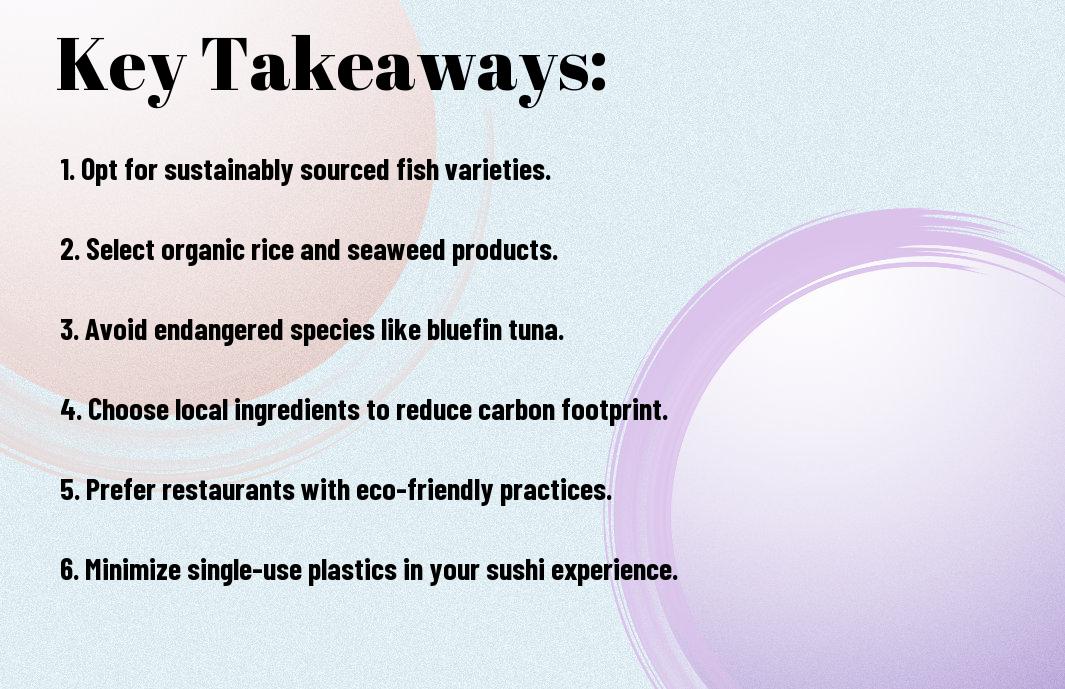
Key Takeaways:
- Fish Sourcing: Opt for sushi made from sustainably sourced fish, such as those certified by the Marine Stewardship Council.
- Local Ingredients: Choose sushi restaurants that prioritize local and seasonal produce to reduce carbon footprints.
- Plastic Reduction: Support establishments that minimize single-use plastics by offering eco-friendly packaging and utensils.
Understanding Sustainable Seafood
The pursuit of sustainable seafood is important to protecting marine ecosystems and ensuring the long-term availability of seafood. By choosing sustainable options, you contribute to healthier oceans and make a positive impact on the environment. For more information, refer to A Guide to Sustainable Sushi in the US.
The Importance of Overfishing
To understand sustainable seafood, you must recognize the impact of overfishing on our oceans. Overfishing not only depletes fish populations but also disrupts entire marine ecosystems. By making informed choices, you can help alleviate this pressing issue and support responsible fishing practices.
Seafood Certifications Explained
Certifications play an important role in identifying sustainable seafood sources. They provide assurance that fish and seafood products are harvested responsibly, ensuring minimal environmental impact. By looking for certifications, you can make better choices and confidently enjoy your sushi.
A variety of certification programs exist, such as the Marine Stewardship Council (MSC) and the Aquaculture Stewardship Council (ASC). Each program has its own standards for sustainability, covering aspects like fishing practices and habitat preservation. When you actively seek certified seafood, you support fisheries committed to sustainability while promoting responsible consumption in your sushi choices.
Sourcing Eco-Friendly Ingredients
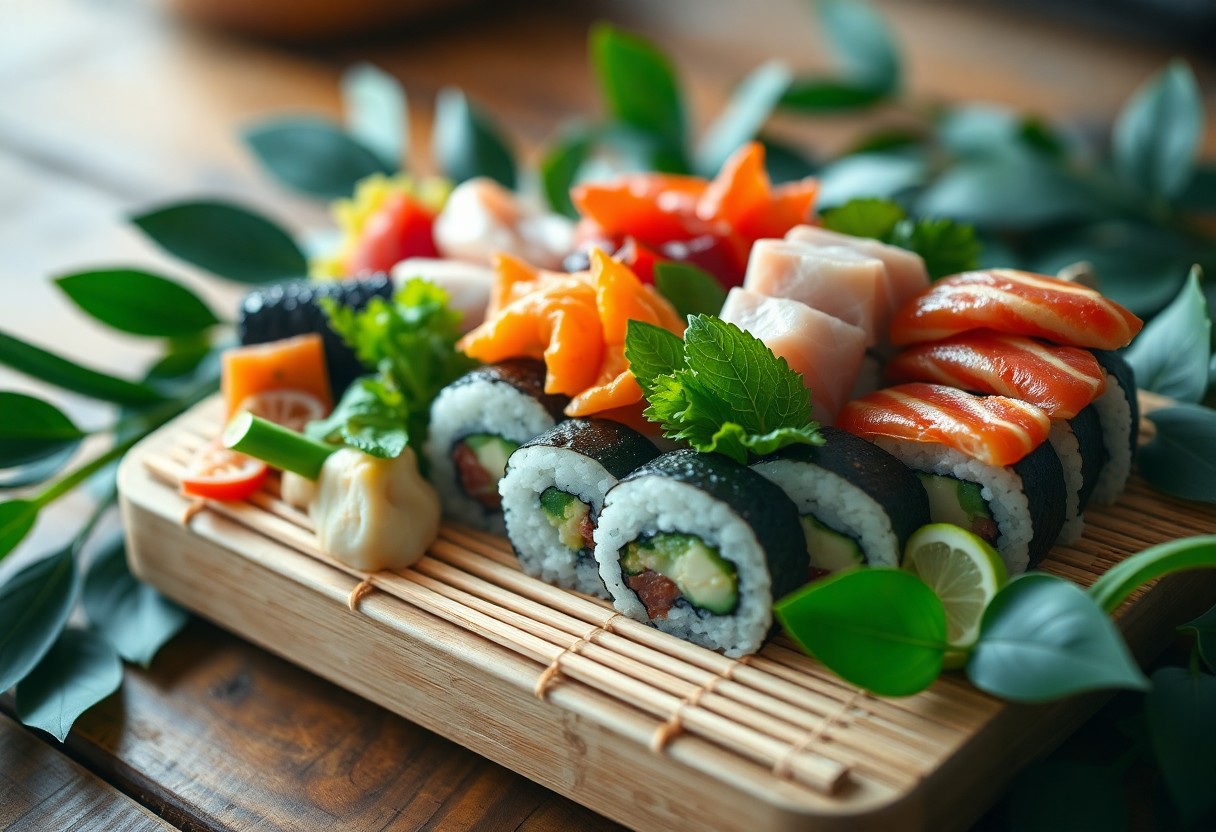
Now, when it comes to sushi, sourcing eco-friendly ingredients is fundamental to reducing your environmental impact. Look for fish that comes from sustainable fisheries or aquaculture, as these practices help preserve marine ecosystems. Additionally, incorporating locally sourced and organic vegetables can minimize the carbon footprint associated with long-distance transportation and chemical farming methods. By prioritizing eco-friendly ingredients, you not only enhance your sushi’s flavor but also contribute to a healthier planet.
Prioritizing Local and Seasonal Produce
Any time you can choose local and seasonal produce, you make a positive impact on the environment. Local vegetables and fruits require less transportation, leading to lower carbon emissions. Seasonal ingredients are often fresher, tastier, and more nutritious, which enhances the overall quality of your sushi. By supporting local farmers, you also foster economic growth within your community.
Choosing Sustainable Rice Varieties
Behind every great sushi roll is the right rice. This often overlooked ingredient plays a significant role in your sushi’s overall environmental impact. Opting for sustainably grown rice varieties not only supports more eco-friendly farming practices but also ensures that you are part of a larger movement towards agricultural sustainability. By selecting rice that has been cultivated with a focus on reducing water usage and avoiding harmful pesticides, you contribute to maintaining a healthy ecosystem.
Another vital aspect of choosing sustainable rice varieties is understanding the impact of traditional rice farming methods on the environment. Conventional rice cultivation can involve significant water consumption and the use of harmful fertilizers. By opting for rice that is grown using organic methods or varieties specifically bred for lower water consumption, like certain strains of japonica or indica, you can make a notable difference. Look for certifications or labels indicating sustainable practices to ensure you make an informed choice that aligns with your eco-friendly sushi goals.
Responsible Ingredients in Sushi
Your choice of ingredients plays a significant role in creating eco-friendly sushi. Opting for sustainable seafood sources ensures the preservation of marine life and supports responsible fishing practices. Look for fish that are certified by organizations like the Marine Stewardship Council (MSC) or the Aquaculture Stewardship Council (ASC). Additionally, incorporating seasonal and local produce not only reduces your carbon footprint but also enhances the freshness and flavor of your sushi. By making informed decisions about your ingredients, you contribute to a healthier planet and a more ethical food system.
Alternatives to Traditional Fish
To explore sustainable sushi options, consider alternatives to traditional fish that have a lower environmental impact. Non-seafood options like marinated tofu, tempeh, or even jackfruit can create satisfying textures and flavors, mirroring the experience of eating sushi without harming ocean ecosystems. These alternatives often offer unique taste profiles, allowing you to experiment while being mindful of sustainability.
Plant-Based Sushi Concepts
At the forefront of sustainable cuisine, plant-based sushi concepts offer a creative twist on traditional sushi while prioritizing environmental health. You can delight in sushi rolls filled with vegetables like avocado, cucumber, and sweet potato, paired with zesty sauces or wraps made from seaweed. This approach not only appeals to vegans but also introduces new textures and flavors for all sushi lovers.
PlantBased sushi is rapidly gaining popularity as it showcases the versatility of vegetables and grains. Chefs are now crafting delicious rolls using ingredients like marinated or grilled eggplant, spicy tofu, and even fruits such as mango or pineapple. These innovative dishes give you the opportunity to enjoy sushi that aligns with your eco-friendly lifestyle, proving that delicious flavors can go hand-in-hand with a commitment to sustainability.
Supporting Eco-Conscious Restaurants
Many sushi lovers are becoming more mindful about where they dine, opting for restaurants that prioritize sustainability. By supporting eco-conscious establishments, you promote responsible sourcing practices that help protect our oceans and fish populations. Look for restaurants that emphasize local and seasonal ingredients, use sustainable seafood certifications, and have transparent sourcing practices. When you choose to dine at these places, you not only enjoy delicious sushi but also contribute to a healthier planet.
What to Look for in Sustainable Sushi Restaurants
Between local sourcing, ethical fisheries, and eco-friendly practices, sustainable sushi restaurants should be easy to spot. Seek out establishments that clearly indicate their commitment to sustainability on their menus or websites. Check if they offer organic ingredients, utilize reusable or biodegradable materials, and provide information about their seafood sourcing, which showcases their dedication to making a positive environmental impact.
Questions to Ask When Dining Out
Dining at a sushi restaurant gives you the perfect opportunity to inquire about their sustainability practices. Don’t hesitate to ask thoughtful questions regarding their seafood sourcing, such as whether their fish is wild-caught or farmed, and if they follow sustainable fishing guidelines. Furthermore, request information about their ingredients and preparation methods, as knowing more about how your meal is made can enhance the entire dining experience.
Plus, being proactive with your inquiries can encourage restaurants to prioritize sustainability even more. By expressing your interest in eco-friendly practices, you send a message that you value and support their efforts. The more customers engage with restaurants about sustainability, the more likely these establishments will adapt their practices to meet consumer demand, fostering a culture of environmental responsibility in the dining industry.
DIY Eco-Friendly Sushi at Home
For those looking to enjoy sushi while minimizing environmental impact, making it at home is a fantastic option. Not only can you source sustainable ingredients, but preparing sushi yourself allows for creativity and personalization. Through conscious choices regarding fish, vegetables, and rice, you can create delightful rolls that align with your eco-friendly values.
Essential Tools and Ingredients
Sushi making requires a few important tools to ensure you achieve the best results. You will need a bamboo sushi mat for rolling, a sharp knife for cutting, and shallow dishes for serving. As for ingredients, opt for organic sushi rice, nori (seaweed), fresh vegetables, and sustainably sourced fish or plant-based alternatives to keep it eco-friendly.
Simple Recipes to Get Started
On your sushi-making journey, start with simple recipes that allow you to master the basics before exploring more complex rolls. Try a classic cucumber roll using fresh sushi rice, sliced cucumber, and nori. Experiment with avocado sushi or even vegetable tempura for delightful variations that highlight flavors without relying on fish.
Ingredients for these simple recipes include sushi rice, rice vinegar, nori, fresh cucumber, avocado, and any other veggies you enjoy. Once cooked and seasoned, the rice should be spread thinly on the nori, followed by your chosen fillings. Roll tightly using the bamboo mat, slice into bite-sized pieces, and serve with soy sauce or wasabi for an exquisite, eco-friendly dining experience at home.
Educating Others about Eco-Friendly Sushi
Not everyone is aware of the impact their sushi choices have on the environment. By sharing your knowledge about eco-friendly sushi options, you can inspire friends, family, and local sushi restaurants to make better selections. Whether it’s discussing sustainable seafood practices or promoting local ingredients, your efforts can help create a more informed community that prioritizes ocean health and supports responsible fisheries.
The Importance of Spreading Awareness
Alongside your personal choices, educating others can amplify the movement towards sustainable sushi consumption. Engaging conversations can lead to greater awareness about endangered species and overfishing. When you share information about eco-friendly options, you not only help others make better choices but also contribute to a collective effort in protecting our oceans and marine life.
Resources for Further Learning
After raising awareness among your peers, it’s helpful to direct them to reliable resources for deeper learning. Numerous organizations, websites, and books provide insightful information on sustainable seafood practices and the environmental impact of certain sushi grades. These resources will equip you and others with the knowledge needed to choose responsibly and advocate for sustainable living.
Understanding which resources to explore can significantly enhance your sushi experience and environmental impact. Organizations like the Monterey Bay Aquarium’s Seafood Watch provide consumer guides on sustainable seafood, while documentaries and books discuss the intricacies of seafood sourcing and its ecological footprint. Engaging with these resources not only boosts your personal awareness but also empowers you to encourage sustainability within your circle, creating a more eco-conscious community.
To wrap up
On the whole, choosing eco-friendly sushi options allows you to enjoy this beloved cuisine while supporting sustainable practices. By selecting options that prioritize responsibly sourced fish and organic ingredients, you contribute to the well-being of marine ecosystems and local communities. Pay attention to certifications and educate yourself about the origins of the seafood you consume. With your informed choices, you can indulge in delicious sushi without compromising the health of our planet or its resources.
Q: What should I look for in eco-friendly sushi options?
A: When searching for eco-friendly sushi, pay attention to the sourcing of the fish. Look for sushi made from sustainably caught seafood, which is often certified by organizations like the Marine Stewardship Council (MSC). Additionally, consider sushi that incorporates locally sourced vegetables and rice grown with environmentally friendly methods. You may also want to choose sushi that uses alternatives to endangered species, such as farmed shrimp or plant-based ingredients.
Q: Are there specific types of fish I should avoid when choosing sushi?
A: Yes, certain fish species are overfished or caught through methods that harm the environment. It’s advisable to avoid fish like bluefin tuna, yellowfin tuna, and swordfish, as they are often rated as unsustainable. Instead, you might opt for fish that are more sustainably managed, such as pole-and-line caught albacore tuna or sustainably farmed salmon. Always check for sustainability ratings and guidelines provided by seafood watch programs.
Q: How can I identify restaurants that serve eco-friendly sushi?
A: To find restaurants that prioritize eco-friendly sushi, look for establishments that display certifications related to sustainability, such as the MSC label. Many restaurants will also provide information about their sourcing practices on their menus or websites. Additionally, you can consult local guides or apps designed to highlight sustainable dining options. Checking customer reviews can also give insight into the restaurant’s commitment to eco-friendly practices.