eco-friendly

Choosing Eco-Friendly Sushi Options

Eco-friendly sushi options not only promote environmental sustainability but also enhance your dining experience. As a conscious consumer, you have the power to make informed choices that support the ocean’s health while enjoying delicious sushi. In this post, you’ll discover tips on selecting sustainable seafood, the importance of sourcing ingredients responsibly, and how to identify eco-friendly restaurants. Your choices can contribute to the well-being of marine ecosystems while satisfying your palate. Dive into the world of sustainable sushi with us!

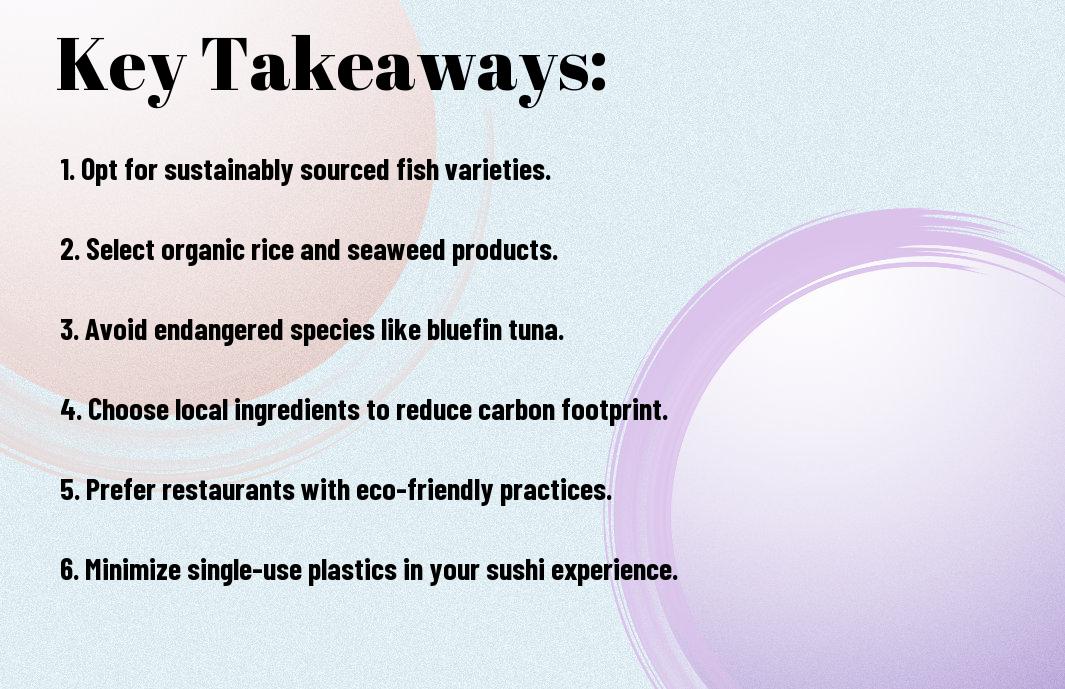
Key Takeaways:

  • Fish Sourcing: Opt for sushi made from sustainably sourced fish, such as those certified by the Marine Stewardship Council.
  • Local Ingredients: Choose sushi restaurants that prioritize local and seasonal produce to reduce carbon footprints.
  • Plastic Reduction: Support establishments that minimize single-use plastics by offering eco-friendly packaging and utensils.
Understanding Sustainable Seafood

The pursuit of sustainable seafood is important to protecting marine ecosystems and ensuring the long-term availability of seafood. By choosing sustainable options, you contribute to healthier oceans and make a positive impact on the environment. For more information, refer to A Guide to Sustainable Sushi in the US.

The Importance of Overfishing

To understand sustainable seafood, you must recognize the impact of overfishing on our oceans. Overfishing not only depletes fish populations but also disrupts entire marine ecosystems. By making informed choices, you can help alleviate this pressing issue and support responsible fishing practices.

Seafood Certifications Explained

Certifications play an important role in identifying sustainable seafood sources. They provide assurance that fish and seafood products are harvested responsibly, ensuring minimal environmental impact. By looking for certifications, you can make better choices and confidently enjoy your sushi.

A variety of certification programs exist, such as the Marine Stewardship Council (MSC) and the Aquaculture Stewardship Council (ASC). Each program has its own standards for sustainability, covering aspects like fishing practices and habitat preservation. When you actively seek certified seafood, you support fisheries committed to sustainability while promoting responsible consumption in your sushi choices.
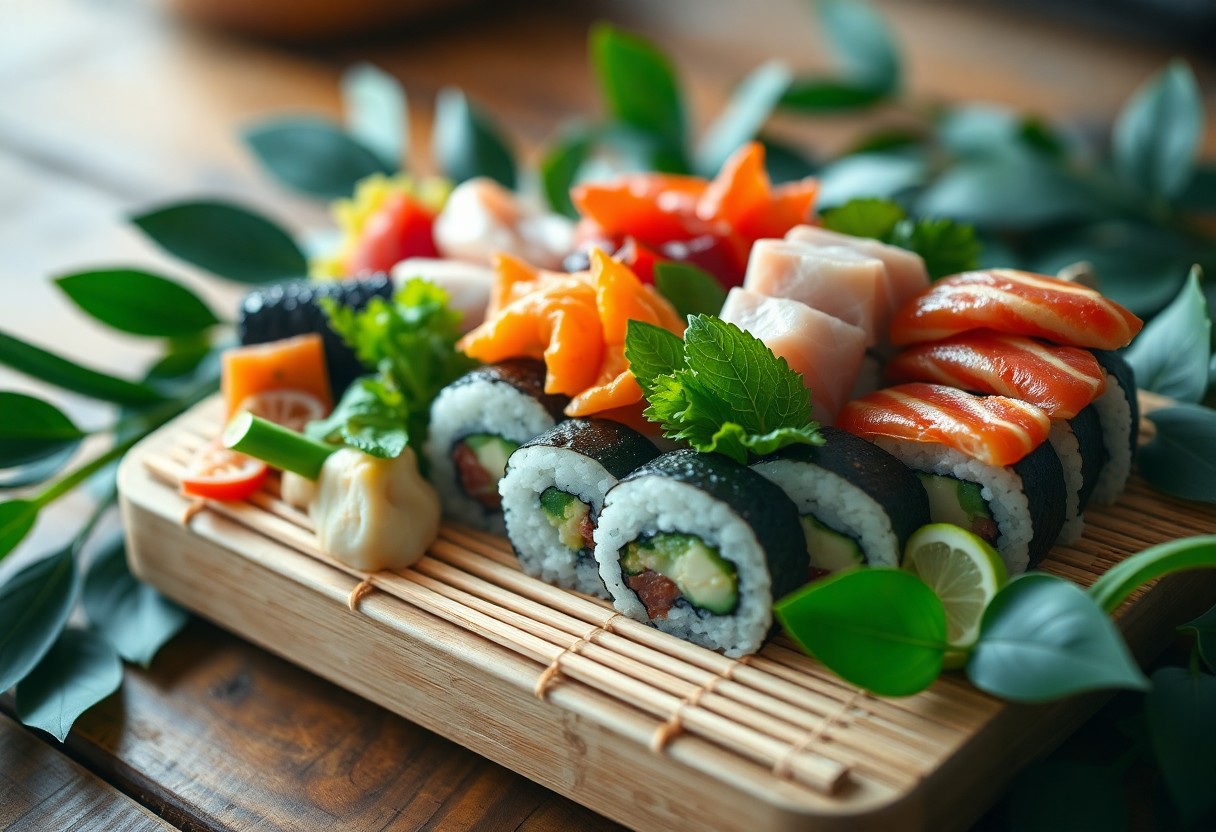
Sourcing Eco-Friendly Ingredients

Now, when it comes to sushi, sourcing eco-friendly ingredients is fundamental to reducing your environmental impact. Look for fish that comes from sustainable fisheries or aquaculture, as these practices help preserve marine ecosystems. Additionally, incorporating locally sourced and organic vegetables can minimize the carbon footprint associated with long-distance transportation and chemical farming methods. By prioritizing eco-friendly ingredients, you not only enhance your sushi’s flavor but also contribute to a healthier planet.

Prioritizing Local and Seasonal Produce

Any time you can choose local and seasonal produce, you make a positive impact on the environment. Local vegetables and fruits require less transportation, leading to lower carbon emissions. Seasonal ingredients are often fresher, tastier, and more nutritious, which enhances the overall quality of your sushi. By supporting local farmers, you also foster economic growth within your community.

Choosing Sustainable Rice Varieties

Behind every great sushi roll is the right rice. This often overlooked ingredient plays a significant role in your sushi’s overall environmental impact. Opting for sustainably grown rice varieties not only supports more eco-friendly farming practices but also ensures that you are part of a larger movement towards agricultural sustainability. By selecting rice that has been cultivated with a focus on reducing water usage and avoiding harmful pesticides, you contribute to maintaining a healthy ecosystem.

Another vital aspect of choosing sustainable rice varieties is understanding the impact of traditional rice farming methods on the environment. Conventional rice cultivation can involve significant water consumption and the use of harmful fertilizers. By opting for rice that is grown using organic methods or varieties specifically bred for lower water consumption, like certain strains of japonica or indica, you can make a notable difference. Look for certifications or labels indicating sustainable practices to ensure you make an informed choice that aligns with your eco-friendly sushi goals.

Responsible Ingredients in Sushi

Your choice of ingredients plays a significant role in creating eco-friendly sushi. Opting for sustainable seafood sources ensures the preservation of marine life and supports responsible fishing practices. Look for fish that are certified by organizations like the Marine Stewardship Council (MSC) or the Aquaculture Stewardship Council (ASC). Additionally, incorporating seasonal and local produce not only reduces your carbon footprint but also enhances the freshness and flavor of your sushi. By making informed decisions about your ingredients, you contribute to a healthier planet and a more ethical food system.

Alternatives to Traditional Fish

To explore sustainable sushi options, consider alternatives to traditional fish that have a lower environmental impact. Non-seafood options like marinated tofu, tempeh, or even jackfruit can create satisfying textures and flavors, mirroring the experience of eating sushi without harming ocean ecosystems. These alternatives often offer unique taste profiles, allowing you to experiment while being mindful of sustainability.

Plant-Based Sushi Concepts

At the forefront of sustainable cuisine, plant-based sushi concepts offer a creative twist on traditional sushi while prioritizing environmental health. You can delight in sushi rolls filled with vegetables like avocado, cucumber, and sweet potato, paired with zesty sauces or wraps made from seaweed. This approach not only appeals to vegans but also introduces new textures and flavors for all sushi lovers.

PlantBased sushi is rapidly gaining popularity as it showcases the versatility of vegetables and grains. Chefs are now crafting delicious rolls using ingredients like marinated or grilled eggplant, spicy tofu, and even fruits such as mango or pineapple. These innovative dishes give you the opportunity to enjoy sushi that aligns with your eco-friendly lifestyle, proving that delicious flavors can go hand-in-hand with a commitment to sustainability.

Supporting Eco-Conscious Restaurants

Many sushi lovers are becoming more mindful about where they dine, opting for restaurants that prioritize sustainability. By supporting eco-conscious establishments, you promote responsible sourcing practices that help protect our oceans and fish populations. Look for restaurants that emphasize local and seasonal ingredients, use sustainable seafood certifications, and have transparent sourcing practices. When you choose to dine at these places, you not only enjoy delicious sushi but also contribute to a healthier planet.

What to Look for in Sustainable Sushi Restaurants

Between local sourcing, ethical fisheries, and eco-friendly practices, sustainable sushi restaurants should be easy to spot. Seek out establishments that clearly indicate their commitment to sustainability on their menus or websites. Check if they offer organic ingredients, utilize reusable or biodegradable materials, and provide information about their seafood sourcing, which showcases their dedication to making a positive environmental impact.

Questions to Ask When Dining Out

Dining at a sushi restaurant gives you the perfect opportunity to inquire about their sustainability practices. Don’t hesitate to ask thoughtful questions regarding their seafood sourcing, such as whether their fish is wild-caught or farmed, and if they follow sustainable fishing guidelines. Furthermore, request information about their ingredients and preparation methods, as knowing more about how your meal is made can enhance the entire dining experience.

Plus, being proactive with your inquiries can encourage restaurants to prioritize sustainability even more. By expressing your interest in eco-friendly practices, you send a message that you value and support their efforts. The more customers engage with restaurants about sustainability, the more likely these establishments will adapt their practices to meet consumer demand, fostering a culture of environmental responsibility in the dining industry.

DIY Eco-Friendly Sushi at Home

For those looking to enjoy sushi while minimizing environmental impact, making it at home is a fantastic option. Not only can you source sustainable ingredients, but preparing sushi yourself allows for creativity and personalization. Through conscious choices regarding fish, vegetables, and rice, you can create delightful rolls that align with your eco-friendly values.

Essential Tools and Ingredients

Sushi making requires a few important tools to ensure you achieve the best results. You will need a bamboo sushi mat for rolling, a sharp knife for cutting, and shallow dishes for serving. As for ingredients, opt for organic sushi rice, nori (seaweed), fresh vegetables, and sustainably sourced fish or plant-based alternatives to keep it eco-friendly.

Simple Recipes to Get Started

On your sushi-making journey, start with simple recipes that allow you to master the basics before exploring more complex rolls. Try a classic cucumber roll using fresh sushi rice, sliced cucumber, and nori. Experiment with avocado sushi or even vegetable tempura for delightful variations that highlight flavors without relying on fish.

Ingredients for these simple recipes include sushi rice, rice vinegar, nori, fresh cucumber, avocado, and any other veggies you enjoy. Once cooked and seasoned, the rice should be spread thinly on the nori, followed by your chosen fillings. Roll tightly using the bamboo mat, slice into bite-sized pieces, and serve with soy sauce or wasabi for an exquisite, eco-friendly dining experience at home.

Educating Others about Eco-Friendly Sushi

Not everyone is aware of the impact their sushi choices have on the environment. By sharing your knowledge about eco-friendly sushi options, you can inspire friends, family, and local sushi restaurants to make better selections. Whether it’s discussing sustainable seafood practices or promoting local ingredients, your efforts can help create a more informed community that prioritizes ocean health and supports responsible fisheries.

The Importance of Spreading Awareness

Alongside your personal choices, educating others can amplify the movement towards sustainable sushi consumption. Engaging conversations can lead to greater awareness about endangered species and overfishing. When you share information about eco-friendly options, you not only help others make better choices but also contribute to a collective effort in protecting our oceans and marine life.

Resources for Further Learning

After raising awareness among your peers, it’s helpful to direct them to reliable resources for deeper learning. Numerous organizations, websites, and books provide insightful information on sustainable seafood practices and the environmental impact of certain sushi grades. These resources will equip you and others with the knowledge needed to choose responsibly and advocate for sustainable living.

Understanding which resources to explore can significantly enhance your sushi experience and environmental impact. Organizations like the Monterey Bay Aquarium’s Seafood Watch provide consumer guides on sustainable seafood, while documentaries and books discuss the intricacies of seafood sourcing and its ecological footprint. Engaging with these resources not only boosts your personal awareness but also empowers you to encourage sustainability within your circle, creating a more eco-conscious community.

To wrap up

On the whole, choosing eco-friendly sushi options allows you to enjoy this beloved cuisine while supporting sustainable practices. By selecting options that prioritize responsibly sourced fish and organic ingredients, you contribute to the well-being of marine ecosystems and local communities. Pay attention to certifications and educate yourself about the origins of the seafood you consume. With your informed choices, you can indulge in delicious sushi without compromising the health of our planet or its resources.

Q: What should I look for in eco-friendly sushi options?

A: When searching for eco-friendly sushi, pay attention to the sourcing of the fish. Look for sushi made from sustainably caught seafood, which is often certified by organizations like the Marine Stewardship Council (MSC). Additionally, consider sushi that incorporates locally sourced vegetables and rice grown with environmentally friendly methods. You may also want to choose sushi that uses alternatives to endangered species, such as farmed shrimp or plant-based ingredients.

Q: Are there specific types of fish I should avoid when choosing sushi?

A: Yes, certain fish species are overfished or caught through methods that harm the environment. It’s advisable to avoid fish like bluefin tuna, yellowfin tuna, and swordfish, as they are often rated as unsustainable. Instead, you might opt for fish that are more sustainably managed, such as pole-and-line caught albacore tuna or sustainably farmed salmon. Always check for sustainability ratings and guidelines provided by seafood watch programs.

Q: How can I identify restaurants that serve eco-friendly sushi?

A: To find restaurants that prioritize eco-friendly sushi, look for establishments that display certifications related to sustainability, such as the MSC label. Many restaurants will also provide information about their sourcing practices on their menus or websites. Additionally, you can consult local guides or apps designed to highlight sustainable dining options. Checking customer reviews can also give insight into the restaurant’s commitment to eco-friendly practices.
Eco-Friendly Sushi Packaging – The Future of Takeout

It’s increasingly important to consider the impact of your choices on the environment, especially when it comes to takeout food like sushi. As you enjoy your favorite rolls, you might be surprised to learn about the eco-friendly packaging options that are transforming the sushi industry. This blog post will guide you through sustainable alternatives, highlighting their benefits not only for the planet but also for your dining experience. Discover how you can make a positive difference with each meal while still indulging in the deliciousness of sushi.

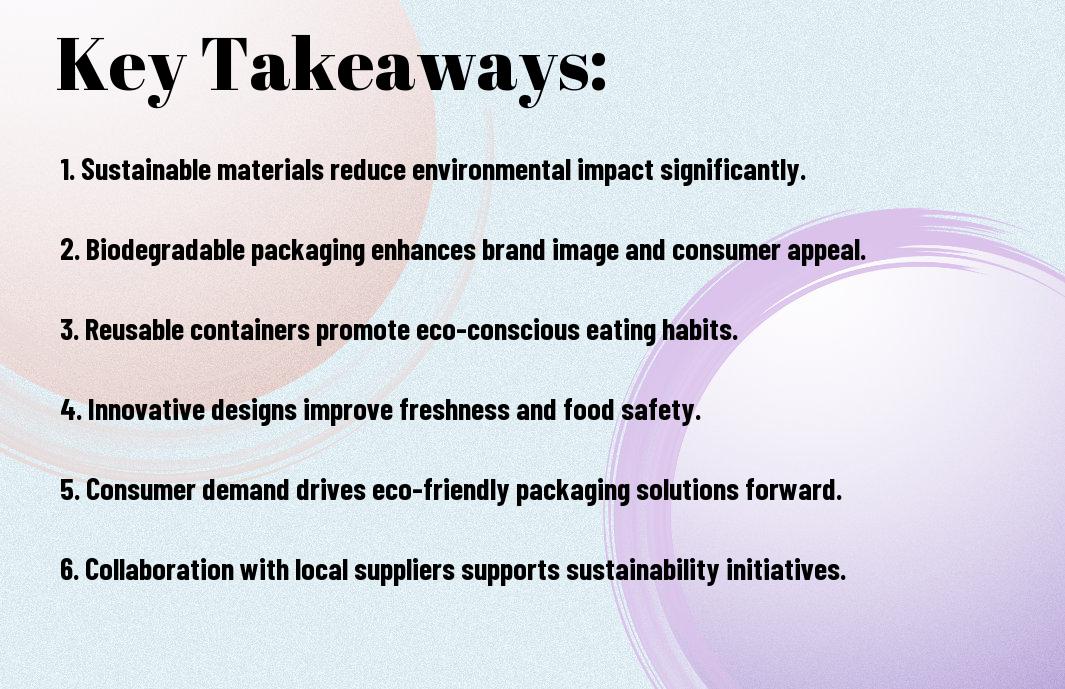
Key Takeaways:

  • Sustainability: Eco-friendly sushi packaging reduces environmental impact by utilizing biodegradable and recyclable materials.
  • Consumer Demand: There is a growing consumer preference for sustainable options, prompting restaurants to adopt greener packaging solutions.
  • Brand Image: Using eco-friendly packaging enhances a restaurant’s brand reputation and attracts eco-conscious customers.
  • Innovation: The market is witnessing innovative designs that maintain food quality while minimizing plastic use.
  • Cost-Effectiveness: Although eco-friendly packaging may have higher upfront costs, it can lead to savings in waste disposal and increased customer loyalty over time.

The Importance of Sustainable Packaging

A sustainable approach to packaging is imperative for reducing environmental impact and promoting a healthier planet. You should consider Eco-Friendly Food Packaging Options and Sustainability in every takeout decision, especially when dining on sushi. By opting for eco-friendly solutions, you contribute to cutting down waste and supporting a sustainable food industry.

Environmental Impact of Plastic

At its core, plastic pollution poses a significant threat to marine life and ecosystems. You might not realize that single-use plastics often end up in our oceans, harming aquatic species and disrupting habitats. This issue goes beyond aesthetics, affecting human health and the global environment. It’s vital to understand the consequences of plastic waste and consider alternatives.

Benefits of Eco-Friendly Materials

To embrace a sustainable lifestyle, choosing eco-friendly packaging materials is a powerful step you can take. These materials often biodegrade more easily and reduce the overall environmental footprint of your meals. Additionally, many eco-friendly options are derived from renewable resources, making them a smarter choice for our planet.

The benefits of eco-friendly materials extend beyond sustainability. They often enhance your dining experience by maintaining the quality and freshness of food, ensuring that each sushi bite is as delightful as intended. Moreover, using sustainable materials can also boost your brand reputation if you run a business. Consumers increasingly prefer companies that prioritize the environment, which can lead to greater customer loyalty and trust in your commitment to sustainability.

Innovative Eco-Friendly Packaging Solutions

You have the power to choose sustainable sushi packaging solutions that benefit both the environment and your culinary experience. As more consumers demand eco-friendly options, innovative packaging materials are emerging that reduce waste and promote a healthier planet. By opting for these streamlined solutions, you contribute to a greater movement toward sustainability in the food industry.

Biodegradable Containers

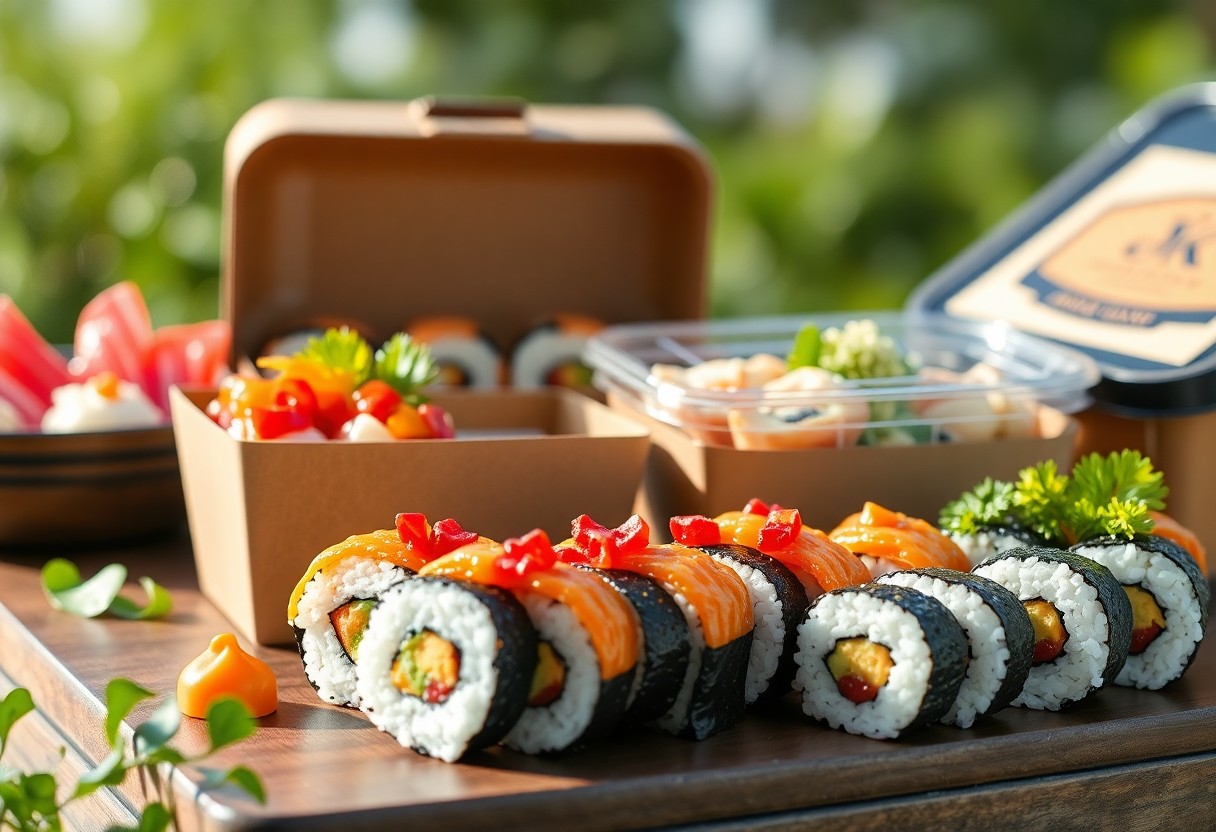
An excellent alternative to plastic, biodegradable containers break down naturally over time, minimizing their environmental impact. Made from materials like cornstarch or bamboo, these containers provide a perfect way to enjoy your sushi without the guilt of contributing to landfill waste. By selecting biodegradable options, you make a responsible choice that aligns with eco-conscious values.

Reusable Packaging Options

Against the backdrop of a throwaway culture, reusable packaging options offer a sustainable alternative that can significantly reduce waste. By investing in high-quality, washable containers for your sushi takeout, you can enjoy your favorite meals while minimizing your environmental footprint. These containers are not only practical but also encourage a long-term commitment to reducing single-use plastics.

EcoFriendly initiatives like reusable packaging provide a practical and stylish solution to combat waste generated from takeout food. With many restaurants and brands now offering returnable containers, you can enjoy your sushi without compromising convenience. These durable options allow you to carry your meal home while supporting sustainability. By embracing reusable packaging, you contribute to a circular economy that fosters environmental stewardship and encourages smart consumer choices.

Case Studies of Successful Implementation

Your exploration of eco-friendly sushi packaging reveals impressive examples of restaurants leading the change. Consider these noteworthy case studies:

  • Restaurant A: Reduced plastic waste by 70% after switching to compostable containers within six months.
  • Restaurant B: Increased customer satisfaction ratings by 25% following the transition to reusable packaging.
  • Restaurant C: Reported a 40% rise in takeout orders after launching a sustainable packaging initiative, showcasing strong consumer support.
  • Restaurant D: Achieved a 60% decrease in costs related to traditional packaging materials, highlighting economic benefits.

Restaurants Leading the Charge

Successful restaurateurs are setting an example for the future of sustainable sushi takeout. By adopting eco-friendly packaging solutions, many are not only improving their environmental impact but also enhancing their brand image and customer loyalty. The commitment to sustainability resonates with patrons, often resulting in an uptick in sales and positive feedback.

Consumer Responses and Market Trends

To better understand the evolving landscape, it’s vital to recognize how consumers are responding to sustainable initiatives. Many shoppers are actively seeking restaurants that prioritize environmental responsibility and are willing to pay a premium for eco-friendly options.

Restaurants are witnessing a significant shift in consumer preferences, with more diners favoring establishments that adopt sustainable practices. Consumers increasingly desire transparency, desiring to know where their food comes from and how it is packaged. Businesses committed to eco-friendly sushi packaging are not only attracting eco-conscious customers but also benefitting from positive word-of-mouth that drives organic growth and loyalty in an increasingly competitive market.

Challenges in Transitioning to Eco-Friendly Packaging

All businesses face challenges when transitioning to eco-friendly packaging solutions. These challenges can range from financial constraints to logistical complications, often requiring significant adjustments in operations. The journey towards sustainability demands careful planning and investment to balance ecological needs with customer expectations.

Cost Factors

Before making the switch to eco-friendly packaging, you should consider the cost factors involved. Sustainable materials often come with a higher upfront cost, which can be a barrier for many businesses. Key financial aspects to assess include:

  • Material costs
  • Production adjustments
  • Transportation of sustainable materials
  • Potential price increases for consumers

Recognizing these financial implications will help you strategize for a successful transition.

Supply Chain Considerations

Across the supply chain, you must evaluate various aspects that could impact your eco-friendly packaging initiatives. This involves sourcing sustainable materials, ensuring supplier compliance, and factoring in distribution methods that minimize environmental impact.

The journey towards eco-friendly sushi packaging necessitates a reevaluation of your entire supply chain. You will want to seek out suppliers who specialize in sustainable materials and support your green initiatives. Additionally, you should explore innovative logistics solutions that reduce your carbon footprint during transportation. Building strong relationships with responsible suppliers can streamline the sourcing process, making it easier for you to implement your eco-friendly packaging strategies effectively.

Regulations and Standards for Sustainable Packaging

For sustainable packaging to gain traction in the sushi takeout industry, it is vital for you to understand the various regulations and standards set by governments and organizations. These guidelines ensure that the materials used in your packaging are environmentally friendly and meet safety requirements. By adhering to these regulations, you can successfully contribute to a greener planet while satisfying customer demands for eco-friendly options.

Government Initiatives

Along with promoting sustainability, government initiatives are playing an vital role in guiding you toward eco-friendly packaging practices. Many governments worldwide have implemented policies aimed at reducing single-use plastics, thereby encouraging businesses like yours to explore alternative, biodegradable packaging solutions. By staying informed on local regulations, you can align your practices with these initiatives and strengthen your brand’s commitment to sustainability.

Industry Guidelines

For businesses like yours, adhering to industry guidelines is key to implementing sustainable sushi packaging. These guidelines provide best practices for material selection, waste management, and eco-friendly designs, enabling you to make informed decisions that minimize environmental impact. Compliance will not only meet consumer expectations but may also enhance your reputation as a responsible business.

Another vital aspect of industry guidelines is the emphasis on transparency and labeling. By clearly communicating the sustainability features of your packaging to customers, you can foster trust and encourage environmentally responsible choices. Additionally, using standardized symbols and certifications can help you showcase your commitment to sustainability while guiding customers toward informed purchasing decisions.

The Future of Sushi Takeout Packaging

Despite the challenges posed by conventional sushi packaging, a shift towards sustainable solutions is on the horizon. As consumers become increasingly environmentally aware, businesses are seeking innovative ways to reduce their ecological footprint. By exploring options like biodegradable containers and eco-friendly materials, you can contribute to a positive change. For more insights on sustainable packaging trends, check out this resource on Rolling into Green: Sushi Packaging.

Emerging Trends

Against the backdrop of increasing regulations on plastic usage, sushi restaurants are embracing innovative packaging solutions. Materials such as compostable and recyclable products are gaining traction. You’ll likely encounter more options that prioritize functionality and sustainability, ensuring your sushi arrives fresh, without harmful environmental impacts.

Consumer Awareness and Preferences

Any successful sushi business today must consider consumer preferences that lean towards sustainable practices. As you explore takeout options, you’ll likely find a growing demand for eco-conscious packaging that aligns with your values. This shift is influencing restaurants to adapt and meet your expectations.

The heightened consumer awareness regarding environmental issues drives sushi establishments to reevaluate their packaging choices. You may find yourself gravitating towards those that highlight their commitment to sustainability. By supporting businesses that prioritize eco-friendly practices, you not only enjoy your favorite sushi but also contribute to a positive environmental impact.

To wrap up

So, as you consider the future of takeout, embracing eco-friendly sushi packaging not only enhances your brand’s image but also reflects your commitment to sustainability. By choosing biodegradable materials and innovative designs, you contribute to reducing plastic waste and appeal to environmentally conscious customers. Your decisions can inspire change within the culinary industry, promoting a healthier planet for future generations. Join the movement towards sustainable practices, and let your sushi stand out as a delicious yet responsible choice.

FAQ

Q: What materials are commonly used in eco-friendly sushi packaging?

A: Eco-friendly sushi packaging typically includes materials such as biodegradable plastics, recycled paper, bamboo, and plant-based containers. These materials not only reduce environmental impact but also help to keep sushi fresh and intact during transport.

Q: How does eco-friendly packaging benefit restaurants and sushi businesses?

A: By adopting eco-friendly packaging, restaurants can enhance their brand image, attract environmentally conscious customers, and potentially reduce costs associated with disposal of traditional packaging. Additionally, it aligns with sustainability goals and can differentiate them in a competitive market.

Q: Are there any specific certifications or standards for eco-friendly sushi packaging?

A: Yes, various certifications exist, such as the Forest Stewardship Council (FSC) for paper products and the Biodegradable Products Institute (BPI) for compostable materials. These certifications ensure that the packaging meets specific environmental standards, increasing trust among consumers about the sustainability of the products.

Q: What challenges do businesses face when transitioning to eco-friendly sushi packaging?

A: Some challenges include higher costs of sustainable materials compared to traditional options, availability of eco-friendly suppliers, and the need for consumer education on the benefits of using such packaging. Restaurants may also need to redesign their packaging to ensure it meets food safety standards while remaining environmentally friendly.

Q: Can eco-friendly sushi packaging maintain food quality and safety?

A: Absolutely! Many eco-friendly packaging solutions are designed to preserve food quality and freshness. For example, certain biodegradable plastics are effective barriers against moisture and odors. Additionally, materials like bamboo are naturally resistant to bacteria, making them a safe choice for food packaging.

Skip to content