Over the past decade, the increasing awareness of environmental issues has shifted consumer behavior, particularly in food choices. Pertaining to sushi, understanding the importance of sustainability can significantly impact your health, the oceans, and the future of seafood supply. By choosing sustainable sushi, you not only enjoy delicious flavors but also support responsible fishing practices and promote the well-being of marine ecosystems. This post will explore the importance of sustainable sushi and how your choices make a difference.
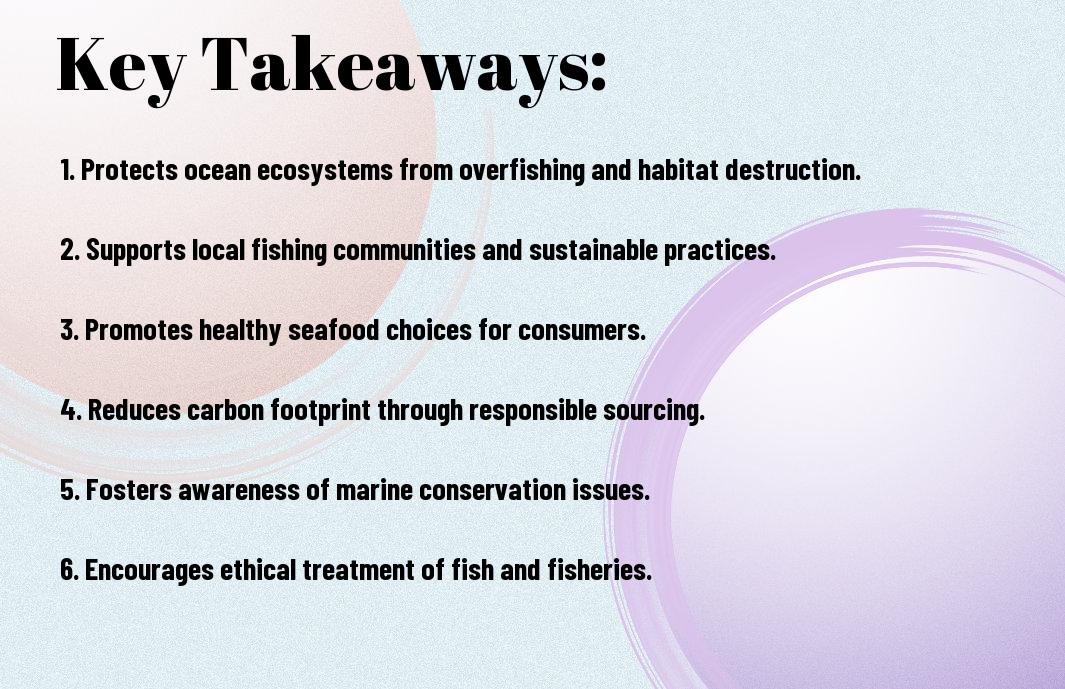
Key Takeaways:
- Overfishing: Sustainable sushi helps combat the issue of overfishing, ensuring fish populations remain healthy and ecosystems are preserved.
- Environmental Impact: The practices behind sustainable sushi minimize harm to marine environments, promoting biodiversity and ecological balance.
- Support Communities: Choosing sustainable options supports local fishing communities and promotes fair trade practices, fostering economic stability.
The Importance of Sustainable Sushi
To appreciate the significance of sustainable sushi, you must recognize how it promotes responsible fishing practices and supports ecosystems. By choosing sustainable options, you help protect marine life, reduce overfishing, and ensure that future generations can enjoy this culinary delight. Your choices matter, influencing both the fishing industry and the health of our oceans.
Environmental Impact
With the increasing demand for sushi, overfishing and habitat destruction have become pressing concerns. Unsustainable fishing practices can lead to the depletion of fish populations, disrupt marine ecosystems, and harm the delicate balance of ocean life. By opting for sustainable sushi, you contribute to the preservation of these ecosystems while enjoying your favorite dishes.
Ethical Considerations
Among the many reasons to embrace sustainable sushi are the ethical implications of fishing practices. By choosing fish from responsible sources, you are supporting communities that prioritize both the welfare of marine life and the livelihoods of local fishermen.
Sustainable fishing practices emphasize ethical standards, including fair treatment of workers and the protection of marine habitats. You play a role in ensuring that seafood is not only harvested responsibly but also that it supports the communities involved in its production. By making informed choices, you contribute to the integrity of both the ecosystem and the people who depend on it for their livelihoods.
Understanding Overfishing
Clearly, overfishing is a pressing issue that threatens the delicate balance of marine ecosystems. The relentless pursuit of fish, often driven by high demand, has led to the depletion of various species. As consumers, your choices can either contribute to this problem or help mitigate it. By understanding the consequences of overfishing, you can make informed decisions that support sustainable practices and protect our oceans.
Decline of Fish Populations
Across the globe, fish populations are decreasing at an alarming rate due to unsustainable fishing practices. Species like tuna, cod, and many others are nearing extinction levels, which not only affects marine biodiversity but also jeopardizes the livelihoods of millions who depend on fishing. Your awareness and avoidance of overfished species can promote recovery and restoration efforts in these vital waters.
Ecosystem Disruption
Populations of fish play a significant role in their ecosystems, and their decline disrupts the intricate web of marine life. Removing key species has a ripple effect, leading to increased algae growth, loss of coral reefs, and other detrimental changes. Hence, when you choose sustainable sushi, you are contributing to the restoration of balance in ocean ecosystems, ensuring that vital habitats remain intact for future generations. Your choice can foster healthier seas and support biodiversity, making a lasting difference in preserving our planet’s natural resources.
Sustainable Fishing Practices
Despite the increasing demand for sushi, sustainable fishing practices are vital to preserve marine ecosystems and ensure future generations can enjoy seafood. By supporting fisheries that use environmentally friendly methods, you contribute to the health of our oceans. Sustainable practices minimize overfishing and reduce bycatch, which can devastate both fish populations and other marine species. By choosing sushi made from sustainably sourced fish, you take an active role in promoting responsible stewardship of our ocean resources.
Certification Programs
After industry leaders recognized the importance of sustainable seafood, numerous certification programs emerged to guide consumers toward responsible choices. These programs, such as the Marine Stewardship Council (MSC) and the Aquaculture Stewardship Council (ASC), provide third-party verification of sustainable practices. When you seek out these certifications, you support fisheries and aquaculture operations that prioritize environmental integrity and social responsibility, helping to create a market for sustainable seafood.
Responsible Sourcing
On your journey toward enjoying sustainable sushi, responsible sourcing plays a significant role. This process entails selecting fish from populations that are well-managed and harvested in a manner that does not compromise their existence. By choosing sushi establishments that engage in responsible sourcing, you aid in reducing overfishing and environmental degradation. It is vital that the restaurant you choose values these practices and transparently sources their ingredients.
It is important to understand that responsible sourcing doesn’t just benefit fish populations; it also supports local communities and economies. When you support restaurants that prioritize sustainable sourcing, you empower fishers who are committed to ecological balance and fair labor practices. This commitment fosters a healthier ocean environment, ensuring that sustainable sushi remains available not just for you, but also for future diners who wish to savor the rich flavors of the sea.
Consumer Awareness and Education
For sustainable sushi to gain traction, it’s important for you to be informed about the choices you make. Consumer awareness can drive demand for sustainably sourced seafood and help protect ocean ecosystems. By understanding the impact of overfishing, pollution, and habitat destruction, you empower yourself to make better decisions when enjoying sushi. Education can take many forms, from reading labels to seeking out resources that highlight sustainable practices within the seafood industry.
Identifying Sustainable Options
Around the myriad sushi options available, it’s important for you to know how to identify those that are sustainable. Look for certifications such as the Marine Stewardship Council (MSC) label, which signifies that the seafood was sourced from fisheries that follow responsible practices. Additionally, familiarize yourself with local species that are abundant and in season, which can often reduce the carbon footprint associated with transportation.
The Role of Restaurants and Retailers
Behind the scenes, restaurants and retailers play a significant role in promoting sustainable seafood practices. By choosing to source from responsible suppliers, they can help shape consumer choices and create an industry shift towards more eco-friendly options.
Considering the influence of restaurants and retailers, your voice as a consumer becomes even more impactful. When you seek out establishments that prioritize sustainability, you not only endorse those practices but also encourage others in the industry to follow suit. Engaging with business owners about their sourcing practices and demanding transparency can lead to meaningful changes. By aligning your dining choices with your values, you contribute to a more sustainable future for sushi and marine life.
Innovations in Sustainable Seafood
Keep an eye on the future of seafood as groundbreaking innovations reshape the industry. Sustainable seafood practices are not only beneficial for the environment but also enhance your dining experience. With advancements in aquaculture, you can enjoy fish that are sourced responsibly, ensuring a healthy ocean ecosystem while maintaining the quality and taste you expect from your sushi.
Aquaculture and Farmed Fish
By choosing aquaculture and farmed fish, you contribute to reducing the pressure on wild fish populations. Sustainable fish farming practices aim to minimize environmental impact, ensuring that your seafood is not only delicious but also ethically sourced. This way, you can savor your sushi while knowing you’re making a positive choice for the planet.
Technological Advancements
Innovations in technology are revolutionizing how seafood is produced and distributed. Advanced monitoring systems and breeding techniques lead to higher yield, improved quality, and lower environmental impact. Oceanographic sensors and genetic research aid in responsibly managing fish populations. These technological strides empower you, the consumer, to make informed choices about your seafood while actively contributing to a more sustainable future.
The integration of technology in sustainable seafood farming is unfolding exciting possibilities. Techniques such as recirculating aquaculture systems (RAS) necessaryly allow for fish farming that requires minimal water usage and protects natural habitats. Automation and AI enhance the efficiency of fisheries, reducing waste while improving product traceability. Such advancements ensure that when you choose sustainable sushi, you’re not just enjoying a meal; you’re partaking in a movement toward a healthier ocean and planet.
Global Perspectives on Sushi Sustainability
Unlike traditional sushi practices, the push for sustainability varies across the globe, reflecting diverse cultural and environmental contexts. Understanding these international approaches is vital for enhancing your awareness of the sushi you consume. Explore 14 Things You Should Know About Sustainable Sushi to broaden your perspective and make informed choices.
Regional Practices and Challenges
Among the different regions cultivating sushi, unique practices and challenges emerge based on local ecosystems, fish populations, and culinary traditions. For instance, while some countries prioritize sustainable fishing methods, others may struggle with overfishing and inadequate regulations, making it vital for you to seek out sources that align with your values.
Cultural Significance of Sustainable Choices
Choices surrounding sushi sustainability extend far beyond taste; they deeply influence cultural identities and environmental health. As a conscious consumer, your decisions reflect a commitment to preserving marine ecosystems and promoting traditional culinary practices, fostering a balance between heritage and modern responsibility.
Also, engaging with sustainable sushi cultivates a deeper appreciation for the craftsmanship behind each roll and the environments that support these culinary traditions. By choosing sustainable options, you not only enrich your dining experience but also contribute to the livelihoods of communities that rely on healthy oceans for their cultural and economic well-being.
Conclusion
With these considerations, you can see why sustainable sushi matters not only for the health of our oceans but also for the future of culinary practices. By choosing sustainably sourced seafood, you support responsible fishing methods that protect marine ecosystems and promote biodiversity. Your choices can influence the fishing industry and help ensure that future generations can enjoy sushi with peace of mind. Embracing sustainable sushi allows you to relish your favorite dishes while contributing to a more sustainable gastronomic world.
Q: Why is sustainable sushi important for ocean health?
A: Sustainable sushi is vital for ocean health because it ensures that fish and seafood are harvested in a manner that does not deplete fish populations or damage marine ecosystems. Overfishing threatens the balance of oceanic food chains, leading to the decline of various species. By choosing sustainable options, consumers support fishing practices that protect marine biodiversity, enable fish populations to recover, and promote healthier oceans overall.
Q: How does the sourcing of ingredients affect the sushi we consume?
A: The sourcing of ingredients plays a significant role in the environmental impact of sushi. Sustainable sushi uses fish and seafood that are caught or farmed using responsible methods that minimize environmental degradation. This includes avoiding species that are endangered or overexploited, as well as supporting aquaculture practices that reduce pollution and habitat destruction. By prioritizing sustainably sourced ingredients, we can contribute to the preservation of marine resources and promote environmentally friendly practices in the seafood industry.
Q: In what ways can consumers identify sustainable sushi options?
A: Consumers can identify sustainable sushi options by looking for certain certifications and labels that indicate responsible sourcing. Some well-regarded certifications include the Marine Stewardship Council (MSC) for wild fish and the Aquaculture Stewardship Council (ASC) for farmed seafood. Additionally, restaurants and sushi bars that prioritize sustainability may offer information about their sourcing practices or have partnerships with local fishermen. Engaging in conversations with chefs and restaurant staff can further clarify the sustainability of their menu offerings.