Introduction
Imagine a world where every bite tells a story of tradition, culture, and artistry. Welcome to the realm of sushi—a culinary masterpiece that transcends borders and tantalizes taste buds across the globe. But what country is sushi from? As we embark on this flavorful journey, we’ll delve into the rich tapestry of sushi’s origins, its evolution, and why it has become a global phenomenon.
- The Birthplace of Sushi
- A Journey Through History
- Sushi’s Evolution and Globalization
- Understanding Different Types of Sushi
- Key Takeaways
- FAQs About Sushi
- Conclusion
The Birthplace of Sushi
Sushi finds its roots in the land of the rising sun—Japan. This captivating dish first emerged as a humble method of preserving fish by fermenting it with rice. Picture ancient Japanese fishermen, casting their nets into the vast sea, bringing back bountiful catches and preserving them through this ingenious technique. The result was a delectable fusion of flavors, an art form on a plate.
A Journey Through History
As time flowed like a river, so did the story of sushi. Around the Edo period in the early 19th century, sushi evolved from its fermented beginnings to the fresh delicacy we know today. Imagine walking through bustling streets adorned with vibrant stalls offering nigiri sushi—small vinegared rice balls topped with fresh fish. It was fast food with finesse, capturing the hearts of Edo’s locals.
For more insights into traditional Japanese cuisines and cultural practices, delve into Japan’s official travel guide.
Sushi’s Evolution and Globalization
The world watched as sushi migrated beyond Japan’s shores, weaving its way into international dining experiences. Like a wave sweeping across continents, its allure captivated chefs and food lovers alike, leading to creative interpretations and fusion dishes. Today, sushi bars are as common in London as they are in Tokyo, each offering unique twists and turns on this timeless favorite.
Understanding Different Types of Sushi
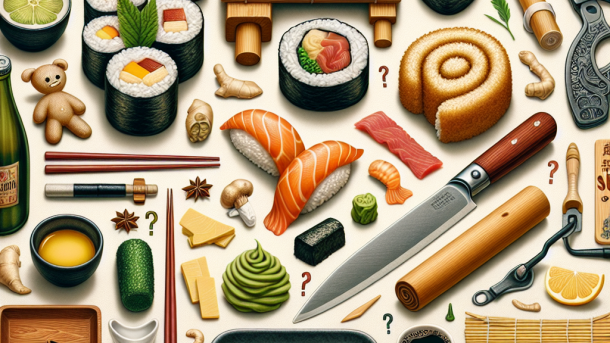
Sushi isn’t just a single dish; it’s a symphony of styles and flavors. Let’s unravel some popular types:
- Nigiri: The quintessential sushi—hand-shaped rice topped with slices of fish or seafood.
- Maki: Rolled sushi, often wrapped in seaweed (nori) and sliced into bite-sized pieces.
- Sashimi: Artfully sliced raw fish, served without rice to savor the pure essence of seafood.
- Temaki: Hand-rolled cones of nori filled with rice, fish, and vegetables—a fun and interactive treat.
While exploring various sushi styles, consider understanding the cultural dynamics through resources like UNESCO’s heritage insights.
Key Takeaways
- Sushi originated in Japan as a method to preserve fish using fermented rice.
- The Edo period marked the transformation of sushi into the fresh version enjoyed today.
- Sushi has become a global sensation, adapting to local tastes and preferences worldwide.
- Diverse styles such as nigiri, maki, sashimi, and temaki offer a wide range of flavors and experiences.
FAQs About Sushi
- What is the main ingredient in sushi?
Sushi primarily consists of vinegared rice combined with seafood or other ingredients. - Can you eat sushi if you’re vegetarian?
Yes! Many sushi places offer vegetarian options featuring vegetables or tofu. - Is it safe to eat raw fish?
When prepared properly by trained chefs, consuming raw fish is considered safe. Always choose reputable establishments.
Conclusion
In conclusion, sushi is more than just food—it’s a narrative woven into Japan’s cultural fabric and shared with the world. Whether you’re savoring traditional nigiri in Kyoto or enjoying a creative maki roll in London, sushi connects us through its universal language of flavor. So why not embark on your own sushi adventure today? For further exploration into Japanese culinary arts, explore our guide on installing laravel on a local server.
Discover the world one bite at a time. Let sushi be your compass!