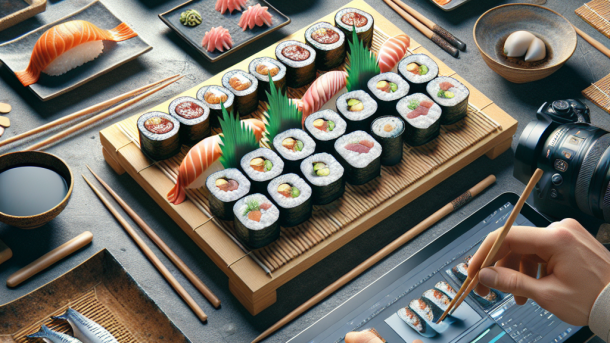
sushi history

What are 5 facts about sushi?

What are 5 Facts About Sushi?

Introduction

Sushi: a word that rolls off the tongue like a gentle wave lapping at the shore. This culinary gem, with its delicate balance of flavors and textures, has journeyed far from the bustling markets of Tokyo to become a staple in the United Kingdom’s diverse gastronomic landscape. But do we truly know this tantalizing creation beyond its surface allure? Join us as we delve into five captivating facts about sushi that will deepen your appreciation for this artful cuisine.

  • The Origin Story of Sushi
  • The Art of Sushi Making
  • Types of Sushi You Should Know
  • Nutritional Benefits of Sushi
  • Sushi in British Culture

The Origin Story of Sushi

Did you know that sushi’s roots stretch back over a thousand years? Originally developed as a preservation method for fish, sushi began as “narezushi,” where fish was fermented with rice for months on end. This ancient practice paved the way for modern sushi, which blossomed into an iconic culinary art form during the Edo period. Just as the River Thames meanders through London, sushi made its way through time, evolving with each twist and turn.

The Transition to Modern Sushi

It wasn’t until the 19th century that sushi transformed into what we recognize today—a quick meal combining raw fish with vinegared rice. This innovation is attributed to Hanaya Yohei, who introduced nigiri sushi in Edo (now Tokyo), forever changing the course of this delectable delicacy.

The Art of Sushi Making

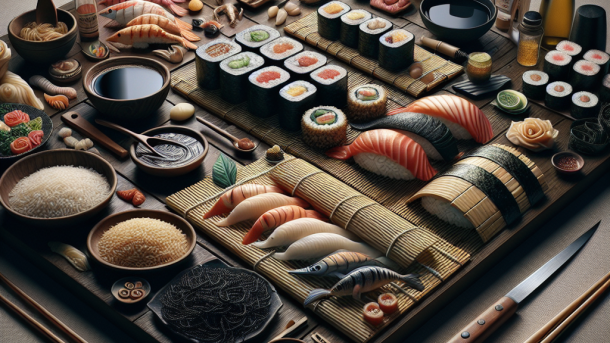
Imagine a symphony where each ingredient plays its unique note, creating harmony on your palate. This is the art of sushi making. Behind every slice of sashimi and perfect roll lies a world of intricate techniques and traditions passed down through generations.

Mastering the Craft

A true sushi chef, or “itamae,” undergoes years of rigorous training, mastering not only the skillful knife work but also the art of balancing flavors. It’s akin to the dedication seen in artisans [perfecting their craft](https://en.wikipedia.org/wiki/Sushi). The result? A culinary masterpiece that speaks volumes without uttering a word.

Types of Sushi You Should Know

Much like the vibrant tapestry of cultures across Britain, sushi comes in various forms, each with its distinct character.

  • Nigiri: Hand-pressed rice topped with a slice of fish.
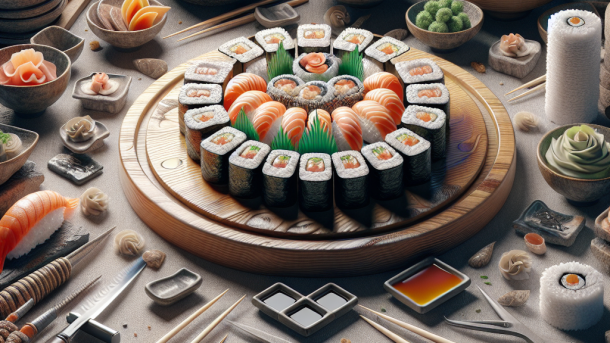
  • Maki: Rolled sushi wrapped in seaweed, offering a delightful bite-sized experience.
  • Sashimi: Pure slices of raw fish, emphasizing simplicity and purity.
  • Temaki: Cone-shaped hand rolls that bring a playful touch to your plate.
  • Uramaki: Inside-out rolls with rice on the outside, often adorned with sesame seeds.

Nutritional Benefits of Sushi

Sushi isn’t just a feast for the senses; it’s also a nourishing choice for your body. Rich in omega-3 fatty acids, sushi promotes heart health and cognitive function. The rice provides essential carbohydrates, while seaweed is packed with vitamins and minerals—a veritable treasure trove from the ocean.

For those mindful of their dietary choices, sushi offers a nutritious alternative to traditional Western meals. As you savor each piece, you’re not only indulging your taste buds but nurturing your well-being too.

Sushi in British Culture

From bustling cities to quaint towns, sushi has found its place in the hearts and plates of Britons across the country. With sushi bars and restaurants flourishing like wildflowers in spring, this Japanese delight has seamlessly woven itself into the fabric of British dining culture.

The popularity of sushi reflects Britain’s embrace of global cuisine, much like its vibrant multicultural society. It stands as a testament to our desire to explore new flavors and experiences, broadening our culinary horizons one roll at a time.

Key Takeaways

  • Sushi originated as a preservation method and evolved into an art form in Japan.
  • The craft of sushi making requires years of training and dedication.
  • Sushi comes in various types, each offering unique flavors and textures.
  • Nutritionally rich, sushi supports heart health and overall well-being.
  • Sushi has become an integral part of British dining culture.

Frequently Asked Questions (FAQ)

Q: What is the most popular type of sushi in the UK?

A: Nigiri and Maki are among the most popular types enjoyed by sushi enthusiasts across the UK.

Q: Is sushi safe to eat?

A: Yes, when prepared properly with fresh ingredients, sushi is safe to consume. Always choose reputable establishments for the best experience.

Q: Can vegetarians enjoy sushi?

A: Absolutely! Many sushi restaurants offer vegetarian options like cucumber rolls and avocado nigiri, ensuring everyone can partake in this culinary delight.

Conclusion

Sushi is more than just food; it is an experience that transports us to another world with each bite. As it continues to captivate palates across Britain and beyond, we are reminded of its profound journey—from humble beginnings to a global sensation. So next time you indulge in this exquisite dish, take a moment to appreciate the rich history and artistry that make sushi truly extraordinary.


What is the full name of sushi?

What is the Full Name of Sushi?

Introduction

Sushi – a word that instantly conjures up images of vibrant rolls, delicate nigiri, and artfully arranged sashimi. But have you ever paused to ponder what the full name of sushi truly signifies? In the United Kingdom, where multicultural flavors flourish like wildflowers in an English meadow, sushi has become a cherished part of the culinary landscape. Join us on a flavorful journey as we delve into the origins, varieties, and cultural significance of this iconic Japanese dish.

  • Unveiling the Mystery: What Does “Sushi” Mean?
  • The Rich History of Sushi
  • Exploring the Varieties of Sushi
  • The Cultural Significance of Sushi
  • Key Takeaways
  • Frequently Asked Questions
  • Conclusion

Unveiling the Mystery: What Does “Sushi” Mean?

At first glance, the word “sushi” might appear as enigmatic as a Shakespearian play without any context. The term “sushi” actually refers to the vinegared rice at the heart of the dish, rather than the fish or other ingredients that accompany it. This humble yet versatile base serves as a canvas for a myriad of flavors, much like how the rolling hills of Britain offer endless inspiration to painters and poets alike.

The Rich History of Sushi

Let us turn back the pages of time to ancient Japan, where sushi began its journey as a method of preserving fish through fermentation. Originally known as “narezushi,” this early form bore little resemblance to the sushi we enjoy today. Over centuries, this preservation technique evolved into “edomae-zushi,” which became popular in Edo (now Tokyo) during the 19th century. Much like how the industrial revolution transformed Britain, these culinary innovations eventually gave birth to the sushi we now cherish worldwide.

Exploring the Varieties of Sushi

The world of sushi is as diverse as the tapestry of cultures found across the British Isles. Here are some of the most popular types:

  • Nigiri: This hand-formed sushi features slices of raw fish laid over compacted rice.
  • Maki: Rolled sushi wrapped in seaweed, often with colorful fillings that make it as visually appealing as a sunset over London Bridge.
  • Sashimi: Often mistaken for sushi, this dish consists solely of expertly sliced raw fish without rice.
  • Temaki: Also known as hand rolls, these cone-shaped delights are perfect for those who prefer a more casual dining experience.

The Cultural Significance of Sushi

Sushi is not just a dish; it’s an integral part of Japanese culture, much like afternoon tea is woven into Britain’s social fabric. It embodies principles of balance and harmony, celebrating fresh ingredients and skilled craftsmanship. In Japan, sushi is often enjoyed with family and friends during special occasions, symbolizing togetherness and celebration—a sentiment that resonates deeply with British values of community and tradition.

Key Takeaways

  • Sushi, meaning “vinegared rice,” is central to various dishes, not just raw fish.
  • With deep roots in Japanese history, sushi has evolved significantly over time.
  • Diverse sushi varieties cater to different tastes and preferences.
  • Sushi reflects core Japanese values and is celebrated globally for its artistry.

Frequently Asked Questions

Q: Is sushi always made with raw fish?

A: No, not all sushi contains raw fish. Some versions include cooked ingredients or vegetables.

Q: How should I eat sushi properly?

A: Traditionally, sushi is eaten with hands or chopsticks, followed by a small piece of pickled ginger to cleanse the palate.

Conclusion

In conclusion, sushi is much more than just a delightful dish; it’s a culinary symphony that harmonizes flavors, traditions, and cultures. Like a bridge connecting two worlds, it links ancient practices with modern tastes, offering a delectable experience that captivates and unites people from all walks of life. Whether you’re savoring sushi in a traditional Japanese setting or enjoying it amidst the bustling streets of London, each bite tells a story—a story as rich and varied as the journey of sushi itself.

For further exploration into Japanese cuisine’s wonders, consider visiting reputable sources such as Japan National Tourism Organization. Additionally, uncover more about food safety practices through resources like Food Standards Agency, ensuring your culinary adventures are both enjoyable and safe.

What was the purpose of sushi?

What was the purpose of sushi?

Introduction

Sushi – a word that evokes images of vibrant rolls, succulent fish, and exotic flavors. Yet, beyond its tantalizing taste lies a story as rich and layered as the dish itself. What was the purpose of sushi? How did this seemingly simple food item journey from its humble origins to become a global culinary sensation with a strong presence in the United Kingdom? This article peels back the layers to reveal the cultural tapestry that sushi weaves.

  • The Origins of Sushi: A Journey Through Time
  • The Evolution of Sushi in British Culture
  • The Culinary Appeal of Sushi
  • Key Takeaways
  • Frequently Asked Questions
  • Conclusion

The Origins of Sushi: A Journey Through Time

Imagine ancient Japan, where preservation was a crucial aspect of survival. Sushi was born not out of culinary curiosity but necessity. **The earliest form of sushi**, known as “narezushi,” was a method to preserve fish using fermented rice. This practice was akin to a time capsule, locking in nutrients for months on end.

Sushi’s Cultural Significance

As the tides of history shifted, so did the purpose of sushi. From preservation, it transformed into an art form, symbolizing harmony and precision. It is said that sushi mirrors life itself – balancing simplicity with complexity, much like a delicate dance on the brink of flavor and aroma. The Japanese ethos of “wabi-sabi,” finding beauty in imperfection, resonates deeply with sushi’s creation process.

For more insight into Japanese culture and its impact on culinary arts, visit the comprehensive resources by Japan National Tourism Organization.

The Evolution of Sushi in British Culture

Fast forward to the bustling streets of modern-day London, where sushi stands as a testament to globalization. But how did this foreign dish captivate the British palate? Was it the allure of exoticism or the promise of healthfulness? Perhaps it is both, intertwined with the threads of curiosity and adventure.

A Tale of Taste and Acceptance

Like a river flowing through time, sushi meandered into the UK through cultural exchange and travel. Initially an enigma, it gradually became a staple in urban areas, embraced by those seeking both tradition and novelty. The rise of sushi bars and conveyor belts in cities like Manchester reflects this culinary revolution.

To explore more about how global cuisines have influenced British culinary traditions, delve into insights provided by BBC Food.

The Culinary Appeal of Sushi

What makes sushi irresistible? Is it the artistry in presentation, or the orchestra of flavors that play upon your taste buds? Sushi is a symphony – each piece a note, contributing to a harmonious whole.

Sushi’s Health Benefits

  • Rich in Omega-3 Fatty Acids
  • Low in Calories and Fats
  • A Source of High-Quality Protein
  • Packed with Vitamins and Minerals

These health benefits are not just whispers in the wind; they are backed by nutritional science, making sushi not only a delight for your senses but a boon for your body.

Key Takeaways

  • Sushi originated as a method of preserving fish in ancient Japan.
  • It evolved into an art form reflecting Japanese cultural values.
  • Sushi’s journey into the UK signifies globalization and cultural acceptance.
  • The dish offers both aesthetic appeal and numerous health benefits.

Frequently Asked Questions

What is the traditional type of sushi?

Narezushi is considered the traditional form of sushi, consisting of fermented fish preserved in rice.

How popular is sushi in the UK?

Sushi has become increasingly popular in urban areas across the UK, with many restaurants and supermarkets offering various sushi options.

Is eating sushi healthy?

Yes, sushi can be a healthy choice as it is typically low in calories and high in essential nutrients, though it’s important to choose varieties low in sodium and added sugars.

Conclusion

In the grand tapestry of global cuisine, sushi stands as a unique thread – one that binds tradition with innovation, simplicity with sophistication. Its journey from ancient preservation technique to modern-day delicacy in the UK is not just a tale of food but a story of human connection across cultures.

As you embark on your own sushi adventures, remember that each bite carries with it centuries of history and the promise of new experiences. For those keen on exploring further, our guide on local resources for healthy living might offer additional insights into incorporating such nutritious options into your diet.

Why is it called sushi?

Why is it Called Sushi?

Introduction

Once upon a time, in a bustling fishing village in Japan, a culinary revolution was taking place. The humble beginnings of sushi—a dish that would later capture the hearts and taste buds of millions across the globe—can be traced back to these shores. But have you ever paused to ponder why this exquisite delicacy is called “sushi”? In this article, we embark on a captivating journey through time and taste, unraveling the story behind the name and exploring how sushi has enchanted the United Kingdom.

  • The Origins of Sushi
  • Decoding the Name: Why “Sushi”?
  • Sushi’s Journey to the UK
  • The Modern British Palate and Sushi
  • Key Takeaways
  • FAQs About Sushi
  • Conclusion

The Origins of Sushi

The tale of sushi begins over a thousand years ago. Picture this: a marketplace brimming with fresh catches, fishermen hustling to preserve their bounty. Originally, sushi wasn’t the elegant bite-sized morsel we know today. It was a preservation method known as “narezushi,” where fish was fermented with rice and salt. This ancient technique allowed fish to be stored for months, ensuring sustenance through the harshest seasons.

From Fermentation to Freshness

As centuries unfolded, so did the evolution of sushi. The art of fermentation gradually gave way to the use of vinegar rice, leading to the birth of “edomae-zushi” in Tokyo during the Edo period. This new incarnation was a revelation—it was fresh, flavorful, and fast—perfectly suited to the vibrant pace of city life.

Decoding the Name: Why “Sushi”?

The term “sushi” itself is steeped in etymology. Derived from an archaic grammatical form that means “sour-tasting,” it reflects its origins in fermented rice. Isn’t it fascinating how a single word encapsulates both history and flavor? Imagine biting into a piece of sushi; its name alone is a whisper from the past, a reminder of its transformative journey from preservation to culinary art.

Sushi’s Journey to the UK

Crossing oceans and cultures, sushi found its way to the United Kingdom like a culinary ambassador bearing flavors of the East. The British palate, ever curious and adventurous, embraced this exotic dish with open arms. Today, sushi restaurants dot high streets from London to Edinburgh, offering a tantalizing array of rolls and nigiri that cater to both traditionalists and modern adventurers.

A Fusion of Flavors

In the land of tea and crumpets, sushi has woven itself seamlessly into the gastronomic fabric. It resonates with a nation known for its eclectic tastes and multicultural influences. For those eager to explore this fusion further, our guide on installing laravel on a local server delves into bridging traditions with modernity.

The Modern British Palate and Sushi

Today, sushi is more than just food; it’s an experience—a symphony of textures and flavors that dance upon the tongue. From high-end dining establishments to supermarket shelves, this Japanese treasure has carved out its niche in the UK’s culinary landscape. It’s no longer just a meal; it’s a metaphor for global connectivity, innovation, and cultural exchange.

Key Takeaways

  • Sushi began as a method of preserving fish in ancient Japan.
  • The name “sushi” reflects its origins in sour-tasting fermented rice.
  • Sushi has become a beloved part of the UK’s diverse culinary scene.
  • Its journey symbolizes cultural exchange and globalization.

FAQs About Sushi

Q: Is all sushi raw?

A: Not at all! While some sushi features raw fish, many varieties include cooked ingredients or vegetables.

Q: Why is sushi so expensive?

A: The cost often reflects the quality of ingredients and the skill involved in preparation. It’s an art form that requires precision and care.

Conclusion

As we close our exploration into why sushi is called what it is, we’re reminded of its journey—a delicious odyssey from ancient preservation methods to modern-day delicacy. Like a well-crafted haiku, sushi captures a moment in time, transcending borders to unite us through taste. Next time you savor a piece of sushi, remember its story; it’s an edible poem that speaks to the heart of cultural legacy and innovation.

For more insights into global cuisines and culinary journeys, explore articles such as BBC Food or delve into the history of international dishes on Wikipedia’s page on Sushi.

What is sushi short for?

What is Sushi Short For? Delving into the Depth of Japan’s Culinary Jewel

Introduction

In the heart of every bustling street in Tokyo to the refined dining tables of London, there lies a culinary tapestry woven with tradition, innovation, and artistry—known as sushi. But have you ever paused to ponder, what is sushi short for? Is it merely a dish or does it encapsulate a larger narrative, a profound essence from the Land of the Rising Sun?

Sushi is not just an edible delight—it’s a bridge that connects cultures and transcends boundaries. This article will journey through the alleys of history, unravel sushi’s cultural significance, and explore its myriad forms as they grace our plates today.

  • The Historical Roots of Sushi
  • Cultural Significance of Sushi
  • Modern Variations of Sushi
  • Sushi in the UK: A Growing Phenomenon
  • Key Takeaways
  • Frequently Asked Questions
  • Conclusion

The Historical Roots of Sushi

Like the intricate layers of a traditional kimono, the history of sushi is layered and fascinating. Originating from a method of preserving fish in fermented rice over 1,000 years ago in Southeast Asia, sushi has evolved dramatically. The term “sushi” itself is derived from an ancient grammatical form meaning “sour,” reflecting its early preservation technique.

Fast forward to the Edo period (1603-1868), sushi underwent a transformation akin to a caterpillar blossoming into a butterfly. It became a fast food sold on the streets of Edo (now Tokyo), with fresh fish laid atop vinegared rice—a precursor to the nigiri we adore today.

Cultural Significance of Sushi

Sushi is not just nourishment; it’s a celebration of simplicity and precision. In Japan, it embodies a philosophy that respects the natural essence of ingredients. Each piece of sushi is a testament to meticulous craft—like an artist painting on a canvas with flavors.

But why has this traditional dish become an international sensation? It is perhaps sushi’s ability to adapt while preserving its core identity that has made it beloved across the globe. For anyone looking to delve deeper into Japanese cuisine, sushi serves as both an introduction and an invitation to explore further.

Modern Variations of Sushi

With globalization acting as a culinary catalyst, sushi has morphed into various forms. From California rolls to the avant-garde fusion sushi found in Michelin-starred restaurants, these variations are like new verses added to an age-old poem.

Yet, no matter how diverse the forms become, each bite remains a harmonious blend of taste and aesthetics—an ode to its ancestral roots. As you navigate through this gastronomic journey, consider exploring more about how cultural exchanges influence modern cuisine.

Sushi in the UK: A Growing Phenomenon

In the United Kingdom, sushi has blossomed like cherry blossoms in springtime. From high-end restaurants to local supermarkets, it has captured the British palate with its elegance and subtlety. It’s not just about eating; it’s about experiencing a slice of Japanese life right in the heart of Britain.

The rise of sushi in the UK reflects broader culinary trends where people seek authenticity mixed with creativity. To better understand why this trend has taken root so deeply, consider reading more about Japanese cuisine’s influence on global food culture.

Key Takeaways

  • Sushi originated as a method of preserving fish in fermented rice over 1,000 years ago.
  • It embodies cultural significance in Japan as a symbol of simplicity and precision.
  • Modern variations have made sushi a global phenomenon.
  • The UK has embraced sushi, reflecting its growing popularity and cultural exchange.

Frequently Asked Questions

What is the origin of the word ‘sushi’?

The word ‘sushi’ comes from an ancient Japanese grammatical form meaning “sour,” referring to its original method of preparation.

Why is sushi popular worldwide?

Sushi’s popularity stems from its adaptability, aesthetic appeal, and ability to offer a unique combination of flavors while respecting traditional methods.

How has sushi evolved over time?

From preserving fish in fermented rice to becoming an iconic street food in Edo, and now a global culinary delight, sushi has continually transformed while maintaining its essence.

Conclusion

As we close this exploration into the world of sushi, remember that it’s more than just a dish—it’s an experience steeped in history and crafted with love. Whether you’re savoring traditional nigiri or indulging in a modern Californian roll, sushi invites you to partake in a rich tapestry of cultural heritage.

So next time you reach for those chopsticks, pause and reflect on what lies beyond the plate—a story that spans centuries, cultures, and continents.

How do you explain sushi?

How do you explain sushi?

Introduction

Imagine a symphony of flavors dancing on your palate; each note a testament to centuries of tradition and craftsmanship. This is the world of sushi—a culinary art form that has captivated gourmets worldwide. But what makes sushi more than just raw fish and rice? How does it weave the threads of history, culture, and gastronomy into an exquisite tapestry? Join us as we unravel these mysteries and explore the profound essence of sushi.

  • The Origins of Sushi: A Culinary Journey
  • Understanding Sushi: More Than Just Fish and Rice
  • Sushi Preparation: The Art Behind the Craft
  • The Cultural Significance of Sushi in Japan
  • Key Takeaways
  • Frequently Asked Questions
  • Conclusion

The Origins of Sushi: A Culinary Journey

Our story begins not in the bustling streets of Tokyo but rather along the tranquil banks of the Mekong River. Here, in ancient Southeast Asia, the practice of fermenting fish with rice was born—not for taste, but preservation. Over time, this method traveled northward, morphing into the sushi we know today. Yet, how did a humble preservation technique transform into a global culinary phenomenon? It’s a tale of evolution, adaptation, and boundless creativity.

Understanding Sushi: More Than Just Fish and Rice

Sushi is often mistakenly simplified to raw fish over vinegared rice. However, this is akin to calling the Mona Lisa just a painting. Sushi is an orchestra of flavors and textures—each ingredient chosen with precision, each piece crafted with dedication. From the buttery richness of toro (fatty tuna) to the delicate whisper of uni (sea urchin), sushi offers a diverse palette that challenges and delights.

Sushi Preparation: The Art Behind the Craft

Creating sushi is akin to sculpting marble—the artist must possess not only skill but also reverence for the medium. Sushi chefs train for years, perfecting their knife skills and mastering the subtle art of balance. Every cut, every roll is a brushstroke on a canvas of taste. For those eager to delve deeper into this craft, understanding the intricacies of preparing sushi can be as rewarding as enjoying it.

The Cultural Significance of Sushi in Japan

Sushi is not merely food—it is a cultural ambassador for Japan. In every bite lies a story of tradition, respect, and community. Whether served in a high-end Tokyo restaurant or a coastal village market stall, sushi embodies the Japanese philosophy of harmony with nature and mindfulness in every action. This cultural significance extends beyond the borders of Japan, offering a glimpse into a way of life that values precision and elegance.

Key Takeaways

  • Sushi originated from ancient preservation techniques in Southeast Asia.
  • It is a complex dish involving carefully selected ingredients and precise preparation methods.
  • Sushi holds significant cultural importance in Japan, symbolizing harmony and tradition.

Frequently Asked Questions

What are the main types of sushi?

Sushi comes in various forms such as nigiri (sliced fish on rice), maki (rolled sushi), sashimi (slices of raw fish), and more.

Is all sushi raw?

No, not all sushi involves raw fish. Some variations use cooked ingredients or vegetables.

Where can I learn more about Japanese cuisine?

For an extensive exploration of Japanese food culture, visit Wikipedia’s Japanese cuisine page.

Conclusion

Sushi is an art form that transcends mere sustenance. It is an expression of nature’s bounty and human ingenuity—a bridge between past and present, East and West. As you savor each piece, remember that you’re partaking in a rich tapestry woven over centuries. So next time you enjoy sushi, ponder its story and relish the journey it represents.

For more culinary explorations, consider visiting our page on the best Japanese restaurants in London, where tradition meets innovation in delightful harmony.

What is the explanation of sushi?

What is the explanation of sushi?

Introduction

Imagine a world where tradition meets innovation on a rolling canvas of vinegared rice, seafood, and vegetables. Yes, we are diving deep into the universe of sushi—a culinary art form that has crossed oceans to become a beloved delicacy here in Great Britain. But what exactly is sushi? How did it travel from the bustling markets of Japan to the sophisticated dining tables of London? Let’s explore this gastronomic journey together.

  • Understanding Sushi: A Historical Perspective
  • The Cultural Significance of Sushi
  • The Many Faces of Sushi: Varieties and Styles
  • Sushi’s Rise in Popularity in the UK
  • Health Benefits of Sushi
  • Key Takeaways
  • Frequently Asked Questions
  • Conclusion

Understanding Sushi: A Historical Perspective

Sushi, a dish synonymous with Japanese cuisine, has roots that trace back centuries. Originating as a method to preserve fish by fermenting it with rice, sushi has evolved remarkably over time. This evolution mirrors the journey of a river shaping its path through a valley—slowly, yet powerfully. In the Edo period, sushi found its modern form, transitioning from fermented delicacies to fresh and fast food for Tokyo’s busy streets.

The Cultural Significance of Sushi

Sushi is more than just food; it is a vessel of cultural heritage. Much like how Big Ben is an icon of London, sushi represents the precision and dedication of Japanese culinary arts. Each piece is a testament to craftsmanship, embodying harmony between taste and aesthetics. This cultural symbol has been embraced globally, reflecting the world’s appreciation for its rich traditions.

The Many Faces of Sushi: Varieties and Styles

Just as the United Kingdom boasts diverse landscapes, sushi offers a variety of styles that cater to different palates. From the delicate nigiri to the visually intriguing maki rolls, each type tells its own story. Consider sashimi as the purest expression of seafood—simple yet profound. Meanwhile, the vibrant colors and imaginative combinations found in fusion sushi push boundaries like a daring avant-garde painting.

Sushi’s Rise in Popularity in the UK

The UK has embraced sushi with open arms, much like welcoming a new friend to a dinner party. Once an exotic novelty, sushi bars now line the streets from Edinburgh to Brighton. The British love affair with sushi can be attributed to its health benefits and the increasing demand for diverse and exciting dining experiences. According to BBC Food, sushi’s popularity continues to soar, driven by its appeal to both traditionalists and adventurous eaters alike.

Health Benefits of Sushi

In the realm of healthy eating, sushi stands as a beacon of balance and nutrition. Rich in omega-3 fatty acids and low in calories, it’s akin to finding a treasure chest filled with gold doubloons of health benefits. Moreover, incorporating wasabi and pickled ginger not only enhances flavor but also boosts metabolism and immunity. These attributes make sushi an excellent choice for those seeking a wholesome diet.

Key Takeaways

  • Sushi originated as a preservation method, evolving into a global culinary delight.
  • It holds significant cultural value as an embodiment of Japanese artistry.
  • Sushi offers various styles, from traditional nigiri to modern fusion creations.
  • The UK’s sushi scene is thriving due to its health benefits and unique flavors.

Frequently Asked Questions

What is the most popular type of sushi in the UK?

Nigiri and maki rolls are particularly popular due to their accessibility and range of flavors.

Is sushi safe to eat during pregnancy?

While some types of sushi are safe if made with cooked ingredients, it’s best to consult with a healthcare professional.

Conclusion

In conclusion, sushi is not merely a meal; it is an experience—a symphony played out on your palate. Its journey from ancient Japan to modern-day Britain exemplifies how culinary traditions can transcend borders and unite cultures. Whether you’re savoring a simple salmon nigiri or indulging in a creative fusion roll, sushi beckons you to explore its depths with an open mind and eager taste buds.

If you wish to delve deeper into the world of diverse cuisines or are curious about other culinary journeys, explore our guide on installing laravel on a local server.

For more on worldwide culinary adventures, visit reputable sources like The New York Times and BBC News.

What country is sushi from?

What Country is Sushi From?

Introduction

Imagine a world where every bite tells a story of tradition, culture, and artistry. Welcome to the realm of sushi—a culinary masterpiece that transcends borders and tantalizes taste buds across the globe. But what country is sushi from? As we embark on this flavorful journey, we’ll delve into the rich tapestry of sushi’s origins, its evolution, and why it has become a global phenomenon.

  • The Birthplace of Sushi
  • A Journey Through History
  • Sushi’s Evolution and Globalization
  • Understanding Different Types of Sushi
  • Key Takeaways
  • FAQs About Sushi
  • Conclusion

The Birthplace of Sushi

Sushi finds its roots in the land of the rising sun—Japan. This captivating dish first emerged as a humble method of preserving fish by fermenting it with rice. Picture ancient Japanese fishermen, casting their nets into the vast sea, bringing back bountiful catches and preserving them through this ingenious technique. The result was a delectable fusion of flavors, an art form on a plate.

A Journey Through History

As time flowed like a river, so did the story of sushi. Around the Edo period in the early 19th century, sushi evolved from its fermented beginnings to the fresh delicacy we know today. Imagine walking through bustling streets adorned with vibrant stalls offering nigiri sushi—small vinegared rice balls topped with fresh fish. It was fast food with finesse, capturing the hearts of Edo’s locals.

For more insights into traditional Japanese cuisines and cultural practices, delve into Japan’s official travel guide.

Sushi’s Evolution and Globalization

The world watched as sushi migrated beyond Japan’s shores, weaving its way into international dining experiences. Like a wave sweeping across continents, its allure captivated chefs and food lovers alike, leading to creative interpretations and fusion dishes. Today, sushi bars are as common in London as they are in Tokyo, each offering unique twists and turns on this timeless favorite.

Understanding Different Types of Sushi

Sushi isn’t just a single dish; it’s a symphony of styles and flavors. Let’s unravel some popular types:

  • Nigiri: The quintessential sushi—hand-shaped rice topped with slices of fish or seafood.
  • Maki: Rolled sushi, often wrapped in seaweed (nori) and sliced into bite-sized pieces.
  • Sashimi: Artfully sliced raw fish, served without rice to savor the pure essence of seafood.
  • Temaki: Hand-rolled cones of nori filled with rice, fish, and vegetables—a fun and interactive treat.

While exploring various sushi styles, consider understanding the cultural dynamics through resources like UNESCO’s heritage insights.

Key Takeaways

  • Sushi originated in Japan as a method to preserve fish using fermented rice.
  • The Edo period marked the transformation of sushi into the fresh version enjoyed today.
  • Sushi has become a global sensation, adapting to local tastes and preferences worldwide.
  • Diverse styles such as nigiri, maki, sashimi, and temaki offer a wide range of flavors and experiences.

FAQs About Sushi

  1. What is the main ingredient in sushi?
    Sushi primarily consists of vinegared rice combined with seafood or other ingredients.
  2. Can you eat sushi if you’re vegetarian?
    Yes! Many sushi places offer vegetarian options featuring vegetables or tofu.
  3. Is it safe to eat raw fish?
    When prepared properly by trained chefs, consuming raw fish is considered safe. Always choose reputable establishments.

Conclusion

In conclusion, sushi is more than just food—it’s a narrative woven into Japan’s cultural fabric and shared with the world. Whether you’re savoring traditional nigiri in Kyoto or enjoying a creative maki roll in London, sushi connects us through its universal language of flavor. So why not embark on your own sushi adventure today? For further exploration into Japanese culinary arts, explore our guide on installing laravel on a local server.

Discover the world one bite at a time. Let sushi be your compass!

Skip to content