wasabi

Why You Shouldn’t Mix Wasabi Into Soy Sauce

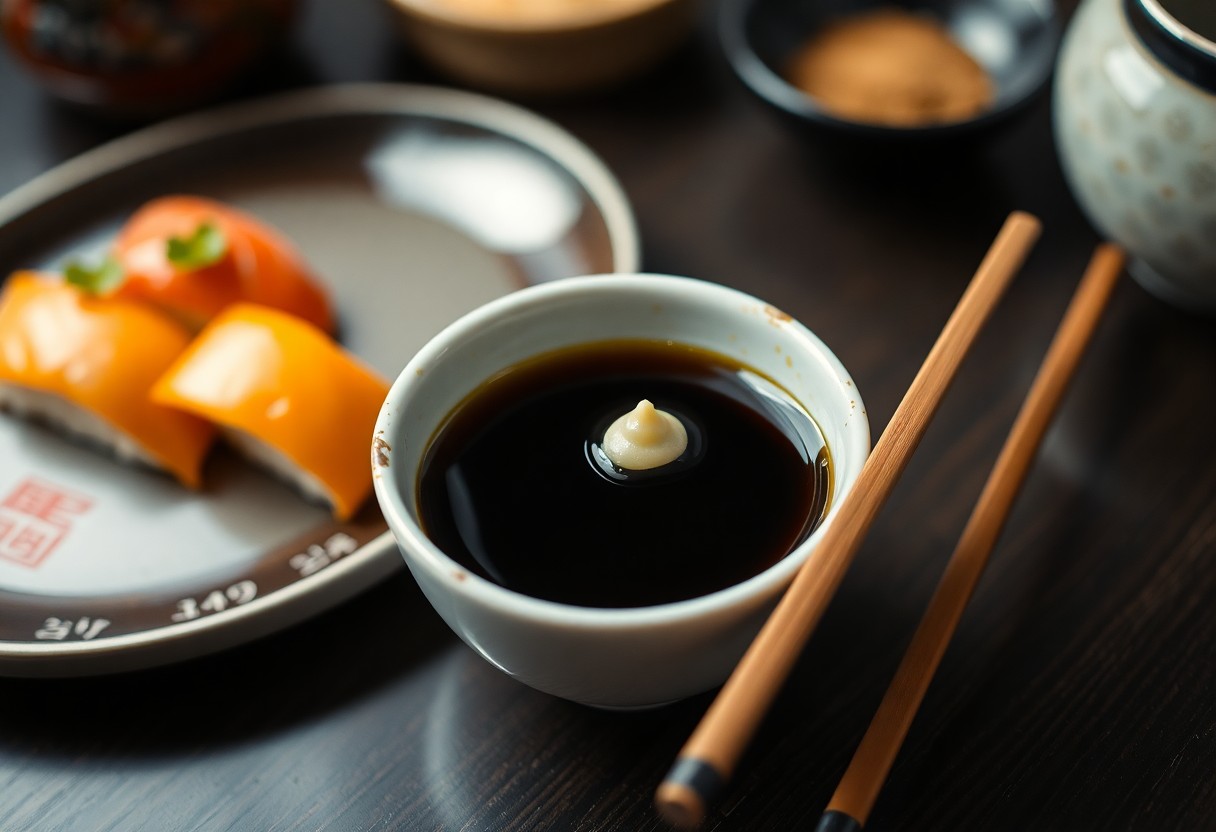
There’s a common practice among sushi lovers that might degrade your dining experience: mixing wasabi into soy sauce. While it may seem convenient for flavor enhancement, this combination can obscure the distinct tastes of both components and alter the traditional dining etiquette associated with sushi. Understanding the reasons behind this culinary guideline will not only elevate your sushi experience but also enhance your appreciation for Japanese cuisine. By keeping wasabi and soy sauce separate, you allow the unique characteristics of each to shine, providing you with a more authentic and satisfying meal.

Key Takeaways:

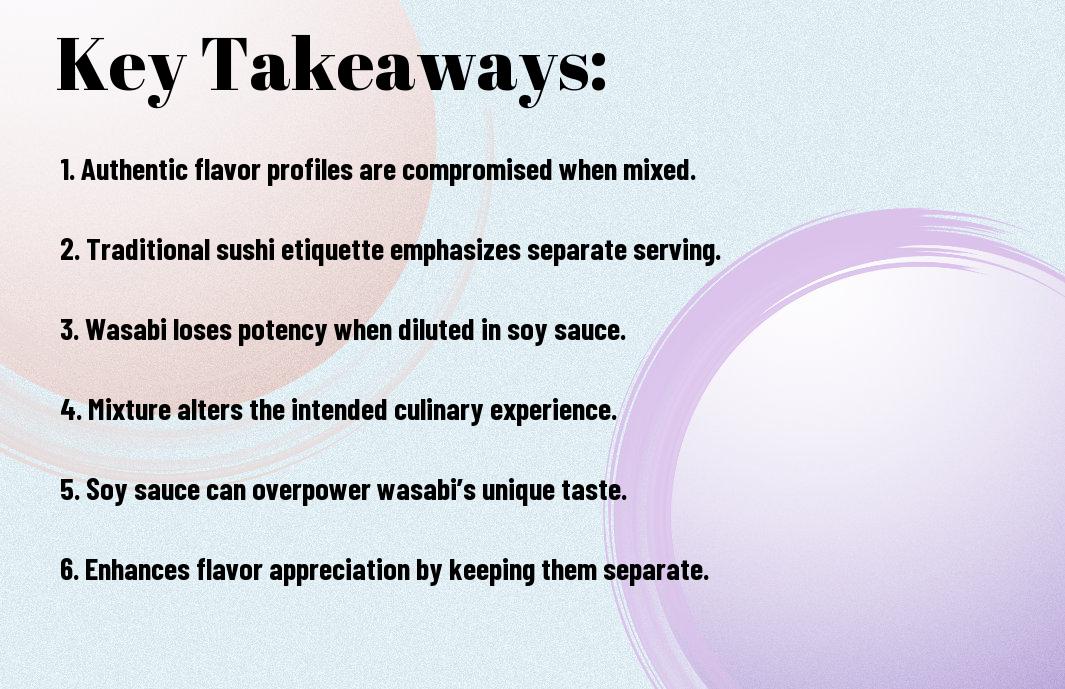
  • Flavor Balance: Mixing wasabi with soy sauce can compromise the delicate balance of flavors traditionally found in sushi and sashimi.
  • Cultural Tradition: In Japanese cuisine, serving wasabi separately honors the presentation and cultural significance of the meal.
  • Heat Sensitivity: Combining wasabi with soy sauce may affect the heat intensity, resulting in an uneven experience of the spice.
  • Textural Considerations: The consistency of wasabi can change when mixed with liquid, potentially altering the intended texture of the dish.
  • Optimal Enjoyment: Using wasabi and soy sauce independently enhances the overall dining experience by allowing diners to control the level of spice and saltiness.

The Cultural Significance of Wasabi and Soy Sauce

To truly appreciate the flavors of sushi, understanding the cultural significance of wasabi and soy sauce is important. Each serves a distinct purpose, enhancing not only the taste but also the experience of enjoying sushi. Mixing them diminishes their unique roles and undermines the respect for traditional culinary practices. For more information on how to savor sushi with wasabi, check out Eating Sushi with Wasabi | Asian Fusion Restaurant Sarasota.

Historical Context

After tracing the origins of sushi and its accompaniments, you’ll discover that wasabi has been an integral ingredient for centuries, often used for its antibacterial properties, and soy sauce has a long history as a flavor enhancer in Asian cuisine.

Traditional Usage

Before indulging in sushi, you should know that wasabi and soy sauce are traditionally used separately, with wasabi enhancing the flavor of the fish and soy sauce complementing the dish without overpowering it.

Hence, when you enjoy sushi, it’s important to apply just a small amount of wasabi directly onto the fish, allowing it to heighten the dish’s natural flavors. Soy sauce can be used for dipping, providing a savory balance that respects the delicate taste of the sushi. In this manner, you honor the culinary traditions that have been passed down through generations.

Flavor Profiles and Pairing

You might not realize that wasabi and soy sauce each bring distinct characteristics to your dish. While soy sauce offers a deep, umami-rich taste, wasabi introduces a sharp, peppery heat. When combined improperly, these profiles can clash rather than complement each other—altering the intended flavor experience of your meal.

Distinct Tastes of Wasabi and Soy Sauce

Profiles of wasabi and soy sauce highlight their unique contributions to flavor. Soy sauce is savory and salty, enhancing the umami notes of your dish. In contrast, wasabi delivers a pungent zing that can overpower more subtle flavors. This disparity in taste is why mixing them can undermine the overall dining experience.

Culinary Harmony vs. Conflict

Any dish thrives on balance, and the interaction between flavors can either elevate or detract from your meal. The combination of wasabi and soy sauce often creates a dish that is disjointed, where the heat of wasabi overwhelms the mellow saltiness of soy sauce. Instead, allowing them to shine individually preserves their culinary integrity.

Sauce blends should aim for a symphony of flavors rather than a jarring clash. When you use wasabi to accentuate the dish, you allow that zest to lift your meal’s essence while soy sauce adds depth. By keeping these profiles separate, you open yourself to a richer, more pleasurable tasting experience that highlights the best of both worlds.

Health Considerations

After considering the culinary implications, it’s important to examine the health risks associated with mixing wasabi into soy sauce. The combination may alter your body’s response to either ingredient, potentially leading to discomfort or adverse reactions. It’s vital to be mindful of how these elements can impact your digestive health and overall well-being.

Potential Digestive Issues

Behind the enjoyable flavor fusion, mixing wasabi with soy sauce can result in gastrointestinal discomfort. The strong compounds in wasabi, when combined with soy sauce’s sodium content, may lead to bloating, gas, or even acid reflux in sensitive individuals. Paying attention to how your body reacts is necessary for maintaining digestive health.

Allergies and Sensitivities

The combination of wasabi and soy sauce poses risks for those with specific food allergies or sensitivities. Both ingredients can trigger reactions in individuals sensitive to certain food compounds, such as soy or mustard, which are commonly found in wasabi. It’s advisable to familiarize yourself with your own dietary limits to avoid potential allergic responses.

Sensitivities can manifest in various ways, from mild discomfort to severe allergic reactions. If you have known allergies or intolerances, always check ingredient labels carefully. Additionally, consult with your healthcare provider about safe consumption practices, especially if you’re exploring new foods or flavor combinations like wasabi and soy sauce. Prioritizing your health should guide your culinary choices.

Alternative Ways to Enjoy Wasabi

Despite the temptation to mix wasabi with soy sauce, there are many better ways to appreciate its unique flavor. You can enjoy wasabi as a condiment with grilled meats, seafood, or even vegetables. If you want to understand the drawbacks of combining wasabi and soy sauce, check out What are the downsides to smashing the wasabi into …. By exploring these alternatives, you elevate your tasting experience beyond the norm.

Recommended Pairings

Alternative pairings for wasabi include using it alongside grilled salmon, seared steak, or even as a zesty addition to your sushi rolls. Wasabi can also complement pickled vegetables or a fresh salad, adding a delightful kick that enhances the dish without overpowering it.

Creative Recipes

Against the grain of traditional usage, you can incorporate wasabi into various recipes for an unexpected flavor boost. Think wasabi mashed potatoes, spicy wasabi mayonnaise for sandwiches, or even wasabi-infused dressings to elevate your salads.

Also, consider using wasabi in marinades for chicken or tofu, or whip up a wasabi dipping sauce perfect for fresh spring rolls. The versatility of wasabi allows you to experiment creatively in the kitchen, adding a punch of flavor that your taste buds are sure to love.

Common Misconceptions

Now, many people believe that mixing wasabi into soy sauce enhances the flavor of their sushi experience. This misconception stems from a desire to simplify the culinary experience, but it often leads to overpowering the delicate taste of the fish and the rice. Understanding the separate roles of each condiment can elevate your sushi enjoyment instead of masking it with a single mixture.

Myths about Mixing

Above all, some think that combining wasabi and soy sauce is a traditional practice that enriches the dish. In reality, this belief perpetuates a myth that overlooks the cultural nuances of sushi preparation and consumption. You may think this mix elevates flavors, but it can actually overwhelm the subtleties inherent in quality sushi.

Regional Variations

Mixing wasabi with soy sauce can vary significantly from one region to another. In Japan, many chefs specifically advise against this practice, preferring to serve wasabi on top of the sushi to maintain its unique flavor profile. However, in other parts of the world, you may find this mix more commonly accepted, revealing a blend of culinary traditions that differ greatly from their Japanese origins.

At the heart of these regional variations is not just preference, but also an understanding of the ingredients used. In Japan, sushi is often prepared with fresh wasabi and high-quality soy sauce, both of which are meant to enhance the natural flavors of the fish. When you mix them, you may be diluting the overall quality and complexity of your meal, especially if the soy sauce includes additives that aren’t present in traditional recipes. By respecting these variations, you can fully appreciate the intended culinary experience.
Expert Opinions

Your culinary experience is enhanced when you understand the insights of professionals in the field. Experts often advise against mixing wasabi into soy sauce due to the potential to overpower the delicate flavors of sushi. They believe that each component should shine individually, allowing you to appreciate the distinctiveness of both the wasabi and the soy sauce.

Chef Insights

Chef opinions consistently emphasize the importance of enjoying wasabi and soy sauce separately. By keeping them distinct, you elevate your tasting experience, allowing each ingredient to complement the sushi rather than compete with one another.

Food Scientists’ Views

Across various studies, food scientists point out the chemical reactions that occur when wasabi mixes with soy sauce. These reactions can alter the flavor compounds, leading to a diminished experience of both ingredients.

Indeed, food scientists argue that the pungency of wasabi, which contains allyl isothiocyanate, can interact unfavorably with the amino acids in soy sauce. This interaction can mask the umami flavor that makes soy sauce so appealing. By keeping wasabi separate, you allow your palate to experience the full spectrum of flavors, preserving the intended taste experience of your meal.
Summing up

Considering all points, you should think twice before mixing wasabi into your soy sauce. This combination can dilute the distinctive flavors of each ingredient, diminishing your overall sushi experience. Wasabi provides a unique kick that complements sushi, while soy sauce enhances umami. By keeping them separate, you can appreciate the full spectrum of flavors, ensuring that each bite is as enjoyable as possible. Ultimately, savoring these elements individually allows you to respect traditional practices and enhance your dining experience.

Q: Why is it considered a bad practice to mix wasabi into soy sauce?

A: Mixing wasabi into soy sauce can diminish the distinct flavors of both condiments. Wasabi provides a sharp, pungent heat that is meant to complement the umami flavor of the soy sauce when used separately. By blending them together, the individual characteristics get lost, leading to a less enjoyable dining experience. In traditional Japanese cuisine, each component serves its own purpose and enhances the overall taste of the meal when used correctly.

Q: How do the flavors of wasabi and soy sauce interact when mixed?

A: When wasabi is mixed with soy sauce, it can overwhelm the delicate balance of flavors that soy sauce brings. The strong heat from wasabi can mask the savory notes of the soy sauce, resulting in a blander overall taste. Additionally, wasabi’s volatile compounds can dissipate quickly once mixed, reducing its impact. Instead of maximizing flavor, the combination may lead to a one-dimensional taste that lacks complexity.

Q: What are the traditional ways to enjoy wasabi with sushi or sashimi?

A: Traditionally, wasabi is served alongside sushi or sashimi in its pure form, often placed directly on top of the fish or rolled inside sushi. Diners can choose to dip their sushi into soy sauce and then take a small amount of wasabi separately. This method allows each ingredient to shine and ensures that the heat from the wasabi enhances, rather than overpowers, the flavor of the fish. Enjoying them in this way respects the culinary customs and maximizes flavor enjoyment.
How to Grow Your Own Wasabi for Sushi

Most sushi enthusiasts appreciate the unique flavor of fresh wasabi, but few realize that you can grow your own at home. Although wasabi is often considered difficult to cultivate, with the right conditions and care, you can successfully produce this flavorful green ingredient in your garden. In this guide, you’ll learn about the ideal growing conditions, planting techniques, and maintenance tips to ensure your wasabi thrives, bringing your sushi-making experience to a whole new level.

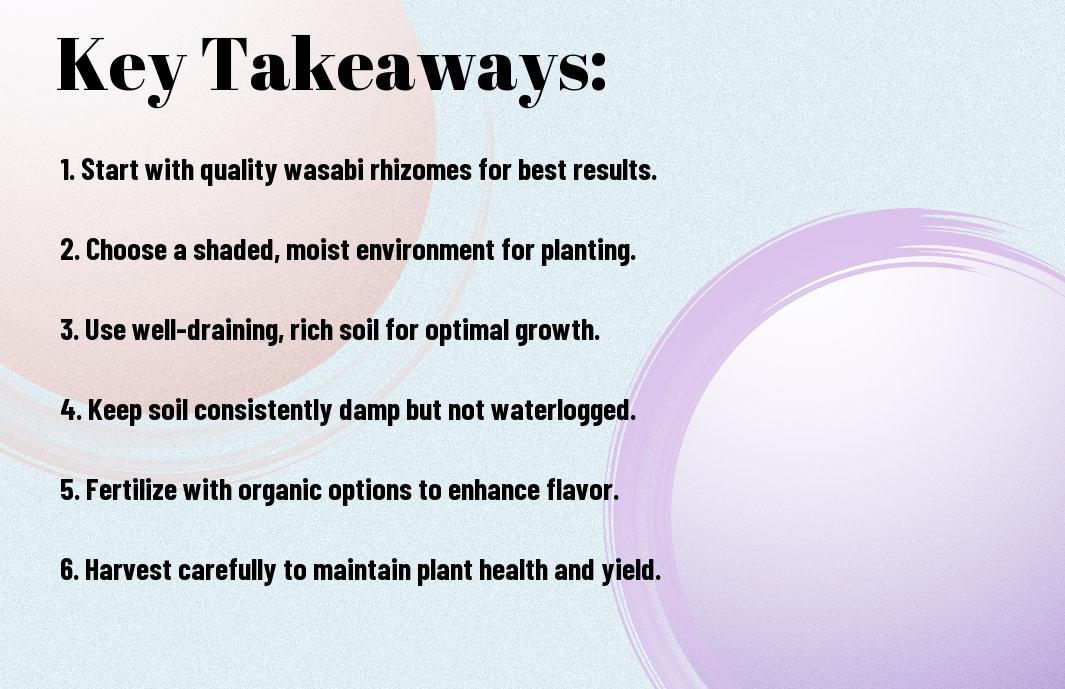
Key Takeaways:

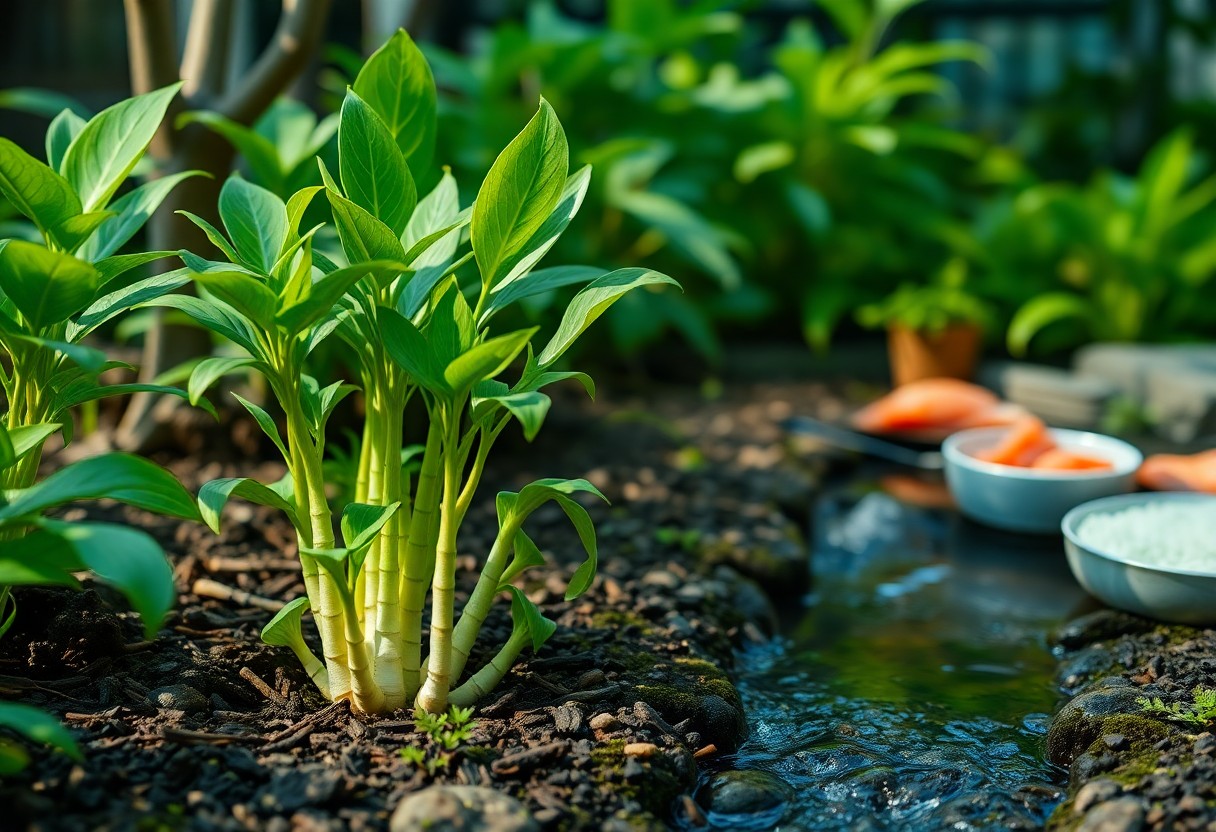
  • Environment: Wasabi thrives in cool, shaded areas with high humidity and consistent moisture, mimicking its natural stream-side habitat.
  • Soil Requirements: Use well-draining, rich, and organic soil to promote healthy growth, ensuring that it maintains adequate moisture levels without becoming waterlogged.
  • Patience: Growing wasabi takes time, typically 2-3 years before the roots can be harvested, so be prepared for a long-term commitment.

Understanding Wasabi

For sushi lovers, wasabi is an imperative ingredient that adds a unique flavor and heat to dishes. Derived from the wasabi plant, this spice has deep roots in Japanese cuisine. However, many are unaware that genuine wasabi is often rare and commands a higher price than its common counterpart, horseradish. By understanding the plant and its nuances, you can appreciate the difference in flavors and textures that authentic wasabi brings to your sushi experience.

What is Wasabi?

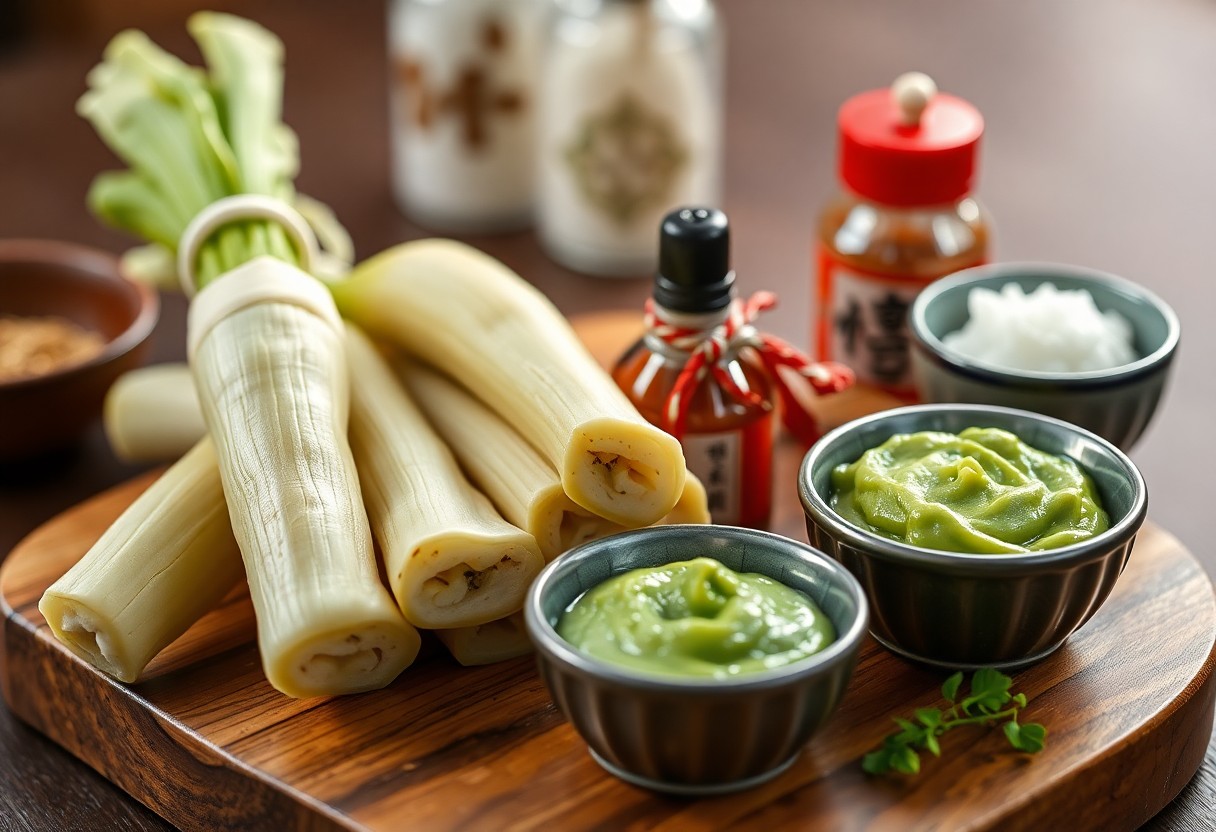
At its core, wasabi is a pungent green paste made from the rhizome of the Wasabia japonica plant. This plant is native to Japan and thrives in the cold, mountain streams of the region. The flavor it delivers can range from sharp and intense to subtly sweet, making it a beloved companion for sushi and sashimi dishes. When freshly grated, wasabi offers a vibrant taste that enhances rather than overpowers your meal.

Varieties of Wasabi

Against popular belief, not all wasabi served in restaurants is the authentic product. The most common variety is true wasabi (Wasabia japonica), but there are several cultivated varieties, including “Daruma” and “Koshino,” each with unique taste profiles and growing requirements. Many restaurants may use a blend of horseradish and food coloring as a substitute, which lacks the authentic flavor of real wasabi.

A true wasabi plant typically takes 18 months to 2 years to mature fully, and its flavor can vary based on the growing conditions. When you grow your own wasabi, understanding these varieties can help you choose the best one suited for your palate and gardening setup. Opting for authentic plants means you can enjoy the complex taste of fresh wasabi, elevating your sushi-making experience significantly.

Preparing for Cultivation

Some careful planning is necessary before you begin on growing your own wasabi. You need to ensure that your environment mimics the conditions of its natural habitat, focusing on aspects like location, soil, and water availability. By achieving the right conditions, you will increase your chances of successfully cultivating this unique plant for your sushi creations.

Choosing the Right Location

Between shaded areas, moisture levels, and temperature, selecting a suitable location is imperative for wasabi cultivation. Ideally, you should choose a site that provides dappled sunlight and protection from harsh winds. This mimics the plant’s natural habitat found alongside stream beds in the wild.

Soil Requirements

To grow wasabi successfully, you must provide well-draining, nutrient-rich soil with a pH level between 6.0 and 7.0. Amending the soil with organic matter can help achieve the desired texture and fertility, enhancing the plant’s growth and flavor profile.

And, when preparing your soil, consider mixing in organic compost or well-rotted manure to boost nutrient content. Avoid compacted soils and ensure adequate drainage to prevent root rot, as wasabi thrives in the cool, moist conditions found near water sources. By focusing on these soil requirements, you create an ideal environment for your wasabi plants to flourish.

Planting Wasabi

Many enthusiasts find planting wasabi a rewarding endeavor, especially given its unique flavor that enhances sushi dishes. To successfully cultivate wasabi, you’ll need to provide a suitable environment that mimics its native conditions, with cool, shaded spots and consistently moist soil. Prepare your planting area meticulously, ensuring well-drained, rich, and slightly acidic soil to support your new plants.

Propagation Methods

The most common propagation methods for wasabi include rhizome division and seed planting. While planting seeds can be more challenging and time-consuming, dividing an established rhizome is often the preferred way to propagate wasabi swiftly, enabling you to grow new plants from existing ones.

Planting Techniques

Propagation begins when you choose healthy, mature rhizomes for division, which should be at least a year old. Cut them into sections, ensuring each piece has at least one bud, then bury them about two inches deep in the prepared soil. Water them thoroughly after planting to promote root development, and keep the soil consistently moist to support your wasabi’s growth.

Consequently, providing the right environment is vital for successful growth. Wasabi thrives in shaded, cool areas, so consider using a shade cloth if planting outdoors. Regularly monitor soil moisture and avoid waterlogging, as this can cause root rot. With the right techniques and care, your wasabi plants will flourish, giving you fresh wasabi for your sushi needs.

Caring for Wasabi Plants

Once again, to cultivate healthy wasabi plants, you need to pay attention to their specific care requirements. Wasabi thrives in cool, shady environments with consistent moisture. You must monitor their growth regularly, as these plants can be sensitive to changes in temperature and light. Providing the right care will ensure that your wasabi develops a robust flavor, preparing you for a delightful sushi experience.

Watering and Drainage

To promote optimal growth, ensure your wasabi plants receive plenty of water, but also provide excellent drainage. They prefer consistently moist soil, so regular watering is vital, especially during dry spells. However, standing water can lead to root rot, so it’s a good idea to use raised beds or pots with drainage holes to keep the root system healthy.

Pest and Disease Management

Wasabi is prone to certain pests and diseases, so monitoring your plants is vital for maintaining their health. Regularly check for aphids, slugs, and fungal infections that may affect growth. If you notice any signs of infestations, act promptly by using organic insecticides or natural repellents to combat the issue.

Even minor infestations can escalate quickly, so keeping an eye out for signs of pests such as discoloration or wilting leaves is important. Hygiene plays a significant role in pest and disease management; ensure your gardening tools are clean, and avoid overcrowding the plants to improve air circulation. Implementing these practices will help maintain the vigor of your wasabi, allowing it to flourish in your garden.

Harvesting Wasabi

After nurturing your wasabi plants for about 18 months to 2 years, you’ll reach the exciting stage of harvesting. It’s important to harvest at the right time to ensure maximum flavor and quality. The rhizome is the part used for sushi and should be dug up with care to avoid damage. Timing your harvest will significantly impact the taste of your wasabi, so pay close attention to the signs of maturity.

Signs of Maturity

Wasabi plants show their readiness to harvest through several signs, including the size of the rhizome and the color of the leaves. A mature rhizome will be about 6-8 inches long and 2-3 inches wide, while the leaves will start to yellow slightly. When you notice these changes, it’s a good indicator that your wasabi is ready for harvest.

Harvesting Techniques

After determining that your wasabi is mature, using the right harvesting techniques helps ensure you don’t damage the plant or the rhizome. Start by carefully loosening the soil around the base of the plant using a trowel or garden fork. This allows you to lift the rhizome without breaking it. It’s important to handle the rhizome delicately, as excessive force could harm the tender roots and affect yield.

After you loosen the soil, gently pull the plant upwards while supporting the base. Make sure to keep the rhizome as intact as possible, as this will enhance the storage and usage quality of your wasabi. Once harvested, rinse the rhizome under cool water to remove any soil debris. You can then store it in the refrigerator, wrapped in a damp cloth, to maintain freshness until you’re ready to use it.

Using Homegrown Wasabi in Sushi

Not only does homegrown wasabi elevate your sushi, but it also offers a fresh and vibrant flavor that you won’t find in store-bought varieties. When you harvest and prepare your own wasabi, you can enjoy the delightful peppery kick that enhances the overall experience of your sushi dishes. Incorporating your wasabi into sushi will make your creations stand out and impress your guests at any gathering.

Preparation Methods

An ideal way to prepare wasabi is by grating the rhizome. Using a traditional wasabi grater or a fine microplane, you’ll create a fresh paste that retains the vital oils and flavors. Mix it with a bit of water, letting it rest for a few moments before serving, as this allows the flavors to develop. Avoid preparing too much in advance, as freshness is key to a delicious wasabi experience.

Pairing with Sushi

By integrating your homegrown wasabi into sushi, you create a harmonious blend of flavors that complement the fish and rice perfectly. Each bite becomes an explosion of taste, heightening the overall enjoyment of the dish.

Hence, when pairing wasabi with sushi, consider the type of fish you are using. Wasabi works beautifully with fatty fish like salmon and tuna, helping cut through their richness. It also pairs well with whitefish, enhancing its delicate flavor. For a zesty kick, you can try mixing wasabi with soy sauce for dipping, but be cautious not to overpower the natural flavors of your carefully prepared sushi. Experiment with various combinations to discover what suits your palate best!

Final Words

With this in mind, growing your own wasabi can be a rewarding endeavor that enhances your sushi experience. By following the steps outlined in this guide, you can create a suitable environment for your wasabi plants, ensuring optimal growth. For detailed guidance on your planting journey, refer to this resource on How to Plant and Grow Wasabi. Soon, you’ll be enjoying the unique flavors of homegrown wasabi in your dishes!

FAQ

Q: What are the ideal growing conditions for wasabi?

A: Wasabi thrives in cool, moist environments. The ideal temperature range for growing wasabi is between 45°F to 75°F (7°C to 24°C). It prefers partial to full shade and requires a high humidity level. The soil should be well-draining, rich in organic material, and slightly acidic, with a pH level of around 6 to 7. If you’re growing wasabi indoors or in a greenhouse, ensure proper ventilation to maintain humidity and temperature.

Q: How long does it take for wasabi to grow before it’s ready to harvest?

A: Wasabi typically takes about 18 to 24 months to mature before it can be harvested. If you’re growing it from seeds, it may take longer as it can take a few months for germination and the development of seedlings. Once planted, keep an eye on the size of the rhizomes, as they should reach about 6 to 8 inches in length for optimal flavor and quality before harvesting.

Q: Can wasabi be grown in pots or containers?

A: Yes, wasabi can be grown in pots or containers, provided the conditions are suitable. Choose a deep container to accommodate the rhizomes, and ensure it has good drainage to prevent waterlogging. Using a high-quality potting mix rich in organic matter will support healthy growth. Placing the pot in a shaded area that mimics its natural habitat will help maintain the required moisture and cool temperatures.

All About Wasabi – The Science Behind the Spice

Just when you thought you knew everything about sushi, you discover wasabi—a unique spice that elevates your culinary experience. In this post, you’ll learn about the science behind wasabi, its origins, and the fascinating compounds that give it that distinctive heat. By exploring how wasabi interacts with your taste buds and the health benefits it offers, you’ll not only enhance your appreciation for this vibrant condiment but also empower yourself with knowledge that can spice up your next dining adventure.

Key Takeaways:

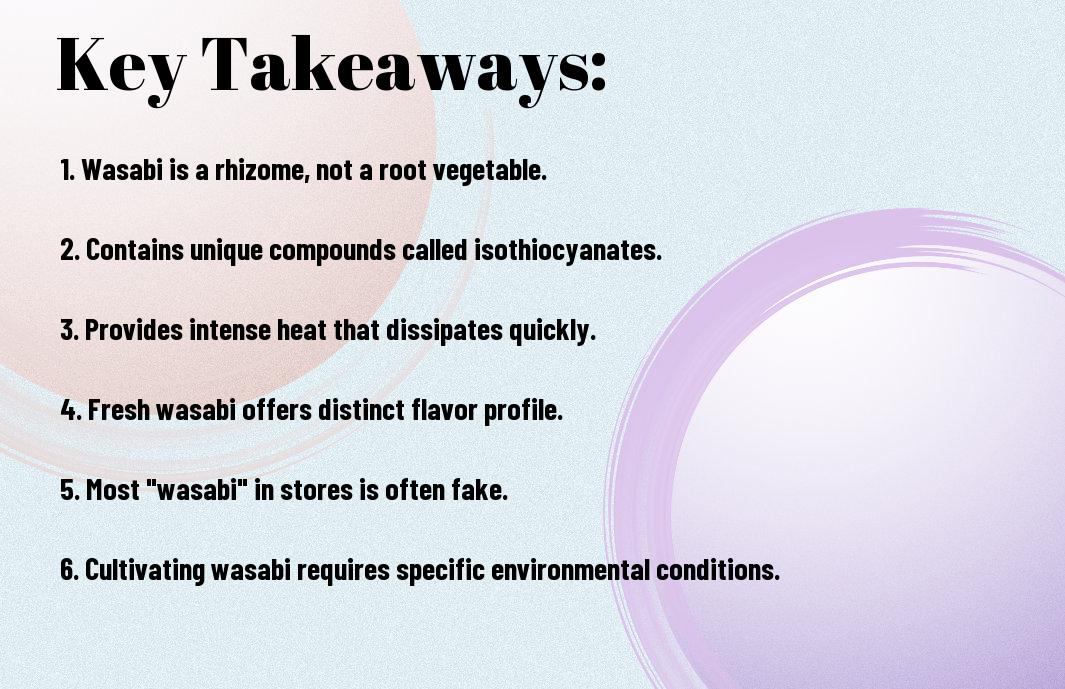
  • Origin: Wasabi is a traditional Japanese condiment derived from the rhizome of the wasabi plant, Wasabia japonica.
  • Pungency: The intense heat of wasabi is a result of allyl isothiocyanate, which stimulates the nasal passages rather than the taste buds.
  • Culinary Uses: It is commonly used in Japanese cuisine, particularly with sushi and sashimi, but is also gaining popularity in fusion dishes.
  • Health Benefits: Wasabi contains antioxidants and may offer anti-inflammatory properties, making it a beneficial addition to a balanced diet.
  • Authenticity: True wasabi is often substituted with horseradish in many dishes, as genuine wasabi is rare and expensive outside of Japan.

The Botany of Wasabi

As a member of the Brassicaceae family, wasabi (Wasabia japonica) is native to Japan and also grows in various regions of East Asia. With its vibrant green rhizome and large, heart-shaped leaves, the wasabi plant thrives in specific conditions, predominantly in shaded, moist environments near cold-running streams. This unique plant is not just admired for its culinary uses but also offers insight into the fascinating world of botany.

Wasabi Plant Characteristics

After establishing itself in your garden, you’ll notice that the wasabi plant can grow up to three feet tall. Its leaves can reach sizes of up to 12 inches, showcasing serrated edges. The rhizome, which is the edible part, grows underground and can sometimes exceed four inches in length. When you brush against its leaves, they emit a fresh, peppery aroma that hints at the potent flavor of this beloved spice.

Cultivation and Habitat

Botany reveals that wasabi prefers specific environmental conditions to thrive; it requires a cool, shaded habitat with consistent moisture levels. Growing in streams or riverbeds in the wild, the plant benefits from mineral-rich, well-draining soil, which you can replicate in your garden. Wasabi does not handle direct sunlight well, therefore, you should consider shade producers or planting during cooler months to maximize growth.

Wasabi is often cultivated in specialized conditions that mimic its natural habitat. Adequate water supply is imperative, as wasabi plants require a constant flow of fresh water. You can achieve this by creating a water feature or using drip irrigation in your garden. The temperature also plays a role; ideally, it should remain between 45°F and 75°F. In your quest for cultivation, patience is vital, as wasabi takes around 18 months to two years to mature fully before you can harvest its prized rhizome.

Chemical Composition of Wasabi

If you’re curious about what gives wasabi its distinctive heat, understanding its chemical composition is key. Wasabi contains a variety of compounds that contribute to its signature flavor and pungency, most notably allyl isothiocyanate. This compound is released when the wasabi root is grated, leading to that sharp, spicy sensation you experience. Additionally, wasabi is low in calories and packed with antioxidants, making it a fascinating food from both culinary and nutritional perspectives.

Key Compounds in Wasabi

Among the primary compounds found in wasabi are isothiocyanates, flavonoids, and vitamins. Isothiocyanates, particularly allyl isothiocyanate, provide the characteristic heat and aroma of wasabi. Flavonoids contribute to its antioxidant capacity, while vitamins A, C, and K support various bodily functions. Each of these elements plays an crucial role in enhancing your experience of this unique spice.

Health Benefits and Nutritional Values

Chemical compounds in wasabi not only create appealing flavors but also offer various health benefits. Studies suggest that allyl isothiocyanate possesses antimicrobial properties and may aid in preventing certain types of cancer, such as colorectal cancer. The antioxidant content supports your immune system and reduces inflammation, contributing to overall health. Wasabi is also low in calories, making it a flavorful addition to your meals without the guilt.

To enjoy the full benefits of wasabi, consider incorporating it into your diet as a condiment or ingredient in dishes. The antioxidants can help boost your immunity, while the anti-inflammatory properties support overall well-being. Additionally, the low-calorie nature of wasabi makes it an excellent choice for those looking to spice up their meals without adding unnecessary calories. Embracing wasabi can lead to enhanced culinary experiences and potential health advantages.

Culinary Uses of Wasabi

Now that you understand the unique characteristics of wasabi, it’s time to explore its culinary applications. Traditionally known as a condiment for sushi and sashimi, wasabi adds a bold kick to many dishes. Its peppery flavor enhances various food pairings, while offering a vivid green hue that catches the eye. Wasabi can also be used in sauces, dressings, marinades, and even desserts, showcasing its versatility beyond Asian cuisine.

Traditional Japanese Cuisine

For centuries, wasabi has been an integral part of traditional Japanese cuisine, primarily served as a condiment for sushi and sashimi. Its sharp flavor not only elevates the taste of raw fish but also plays a role in food safety by inhibiting bacteria. Authentic wasabi, derived from the Wasabia japonica plant, has a vibrant flavor profile that enhances classic dishes, allowing you to experience the true essence of Japanese gastronomy.

Modern Applications and Fusion Dishes

Cuisine has evolved, and wasabi is now making waves in modern culinary practices, featuring in fusion dishes that blend flavors and techniques. Chefs experiment by incorporating wasabi into sauces, dressings, and even grilled meats, expanding its role. You might find wasabi-infused mayonnaise paired with fries or a wasabi glaze drizzled over seafood, reflecting a creative twist that marries tradition with contemporary tastes.

Even as culinary trends evolve, the use of wasabi in fusion dishes showcases its adaptability. Many chefs incorporate wasabi into unexpected pairings like guacamole, elevated burgers, and even desserts such as wasabi-flavored chocolate or ice cream. This creative potential proves that wasabi can transcend its traditional roots, adding a delightful and spicy kick to various global cuisines, inviting you to explore and experiment in your own cooking.

Distinguishing Real Wasabi from Imitations

To differentiate real wasabi from its imitations, you should first understand that authentic wasabi comes from the Wasabia japonica plant, primarily grown in Japan. Unlike the common horseradish or green dye substitutes often found in sushi restaurants, true wasabi has a more complex flavor profile that is both sweet and slightly spicy, with a subtle earthiness. When purchasing wasabi, look for fresh grated wasabi, which has a vibrant green color and a refreshing aroma. Packaged products often contain additives that dilute this authentic experience.

Common Substitutes and Their Differences

Beside real wasabi, you’ll most frequently encounter substitutes like horseradish and mustard. While horseradish delivers a potent heat, it lacks the nuanced flavor and depth associated with genuine wasabi. Mustard, on the other hand, provides a sharp bite but doesn’t mimic the unique taste of wasabi, often leading to disappointment for enthusiasts seeking authenticity in their dishes.

How to Identify Authentic Wasabi

Differences in taste and appearance can help you identify authentic wasabi. True wasabi has a fresh, grassy aroma and a smooth texture, distinct from the gritty or grainy character of substitutes. When you taste it, authentic wasabi should offer a gentle, warming sensation that fades quickly, unlike the prolonged heat of horseradish. Additionally, you should take note of the color—real wasabi maintains a bright green hue and does not contain artificial coloring.

And, to further ensure you get genuine wasabi, look for it sold as whole rhizomes or freshly grated. Check labels for authenticity and inquire at restaurants about their wasabi source. If it’s pre-packaged, verify the ingredients—authentic wasabi should have minimal additives. By being informed and observant, you can elevate your culinary experiences with the true taste of wasabi.

The Science of Wasabi’s Flavor Profile

Once again, you find wasabi’s unique flavor profile stemming from its chemical composition. This green root’s pungency comes from compounds called isothiocyanates, which provide that signature heat that can catch you off guard. Unlike hot peppers, wasabi’s spiciness is fleeting, hitting your nose and sinuses rather than lingering on your tongue. The balance of sweet, savory, and spicy notes creates a complex taste experience that enhances your dishes rather than overpowering them.

Taste and Aroma Explanation

Behind wasabi’s flavor lies a complex interaction of volatile compounds that stimulate your olfactory senses. This aromatic profile is characterized by a sharp, green freshness that can elevate your dining experience. The intensity can vary depending on the preparation and freshness of the wasabi, making it a versatile element in many culinary applications.

Interaction with the Human Palate

Among the most captivating aspects of wasabi is how it interacts with your palate. Its primary heat activates pain receptors rather than taste buds, providing a unique sensation that can be exhilarating yet fleeting.

Considering how wasabi interacts with your palate can enhance your understanding of this intriguing spice. When you consume wasabi, it engages your trigeminal nerve, which is responsible for the sensation of heat and irritation, creating a distinctive experience. This interaction can refresh your taste buds and cleanse your palate, especially when paired with rich foods like sushi. By appreciating these dynamics, you can fully enjoy the complementing and contrasting flavors that wasabi brings to your culinary adventures.

Cultural Significance of Wasabi

Keep in mind that wasabi is not only a culinary delight but also holds a significant place in Japanese culture. Traditionally served with sushi, its unique flavor enhances the dining experience and symbolizes hospitality. For a deeper understanding of this fascinating spice, explore The Secrets of Wasabi.

Historical Context

Historical records indicate that wasabi has been cultivated in Japan for over a thousand years. Originating from the mountainous regions, this condiment was once revered for its medicinal properties and was used to combat foodborne illnesses, showcasing its importance beyond just flavor enhancement.

Symbolism in Japanese Culture

Japanese culture places considerable value on the symbolism of wasabi. It represents purity, quality, and the idea of ‘honesty’ in food preparation, aligning with the broader principles of Japanese aesthetics in cuisine.

Another aspect of wasabi’s symbolism is its connection to harmony and balance in meals. It’s believed that a proper balance of flavors, including the heat from wasabi, is crucial for culinary satisfaction. Additionally, in the context of sushi, serving wasabi reflects care and respect for the ingredients, creating an experience that goes beyond just taste.

Final Words

Following this exploration of wasabi, you now have a deeper understanding of the science behind this unique spice. From its complex chemical compounds to its health benefits, wasabi is much more than a mere condiment. As you enjoy wasabi in your favorite dishes, you can appreciate not just its flavor but also the fascinating biological mechanisms that contribute to its distinct kick. This knowledge enhances your dining experience, making each bite a celebration of both taste and science.

FAQ

Q: What is wasabi and where does it come from?

A: Wasabi, or Wasabia japonica, is a plant native to Japan known for its spicy rhizome, which is commonly used as a condiment in sushi and other Japanese dishes. It thrives in the cool, shady riverbeds of Japan, making it quite challenging to cultivate, which contributes to its rarity and high market value.

Q: How is wasabi different from horse radish?

A: While wasabi and horseradish share similar spicy flavor profiles, they are distinct plants. Wasabi is derived from the Wasabia japonica plant, while horseradish comes from the Armoracia rusticana plant. Wasabi has a different chemical composition and a more complex flavor, often described as a sharp and clean heat that quickly dissipates, whereas horseradish tends to have a more pungent and lingering taste.

Q: What compounds give wasabi its heat?

A: The heat in wasabi primarily comes from allyl isothiocyanate, a compound produced when the wasabi rhizome is grated or crushed. This compound activates the receptors in the nasal passages, causing the trademark sinuses-burning sensation often associated with wasabi, in contrast to the heat produced by capsaicin found in chili peppers, which affects the mouth and throat.

Q: Why is authentic wasabi so expensive?

A: Authentic wasabi is expensive due to its difficult cultivation process, which requires specific conditions such as clean, flowing water and shaded environments. Moreover, the plant takes about 2 to 3 years to fully mature before it can be harvested. These factors, along with its limited growing regions mainly in Japan, contribute to its high price in the market.

Q: How can I differentiate true wasabi from imitation wasabi?

A: True wasabi is generally brighter green and has a smoother texture compared to imitation products. Most imitation wasabi consists of horseradish, mustard, and green dye, which can have a sharper and more pungent flavor. When purchasing wasabi, look for terms like ‘wasabi root’ or ‘fresh wasabi,’ and be wary of pre-packaged mixes that may contain artificial colors and preservatives.

Sushi Chef Reviews Cheap Sushi

“Bad shrimp smell…I have to eat this one?”

Check out more awesome videos at BuzzFeedVideo!
http://bit.ly/YTbuzzfeedvideo

MUSIC
Koto Swang
Licensed via Warner Chappell Production Music Inc.

SFX provided by Audioblocks. 
(https://www.Audioblocks.com)

Made by BFMP www.buzzfeed.com/videoteam
+
Yoya Takahashi
http://hamasakula.com/
@HamasakuLA

STILLS
Vector gold star
nidwlw / Thinkstockphotos.com
Salmon sushi
Creatas / Thinkstockphotos.com
Sushi set
ksyfoto / Thinkstockphotos.com

GET MORE BUZZFEED:
www.buzzfeed.com
www.buzzfeed.com/video
www.buzzfeed.com/videoteam
www.youtube.com/buzzfeedvideo
www.youtube.com/buzzfeedyellow
www.youtube.com/buzzfeedblue
www.youtube.com/buzzfeedviolet
www.youtube.com/buzzfeed

BUZZFEED VIDEO
BuzzFeed is the world's first true social news organization. Featuring tasty, short, fun, inspiring, funny, interesting videos from the BuzzFeed. /BuzzFeedVideo is BuzzFeed's original YouTube Channel, with a focus on producing great short-form BuzzFeed videos for YouTube (and the world!). BuzzFeed Video will entertain, educate, spark conversation, inspire and delight. Subscribe to BuzzFeedVideo today and check us out at http://buzzfeed.com

Skip to content