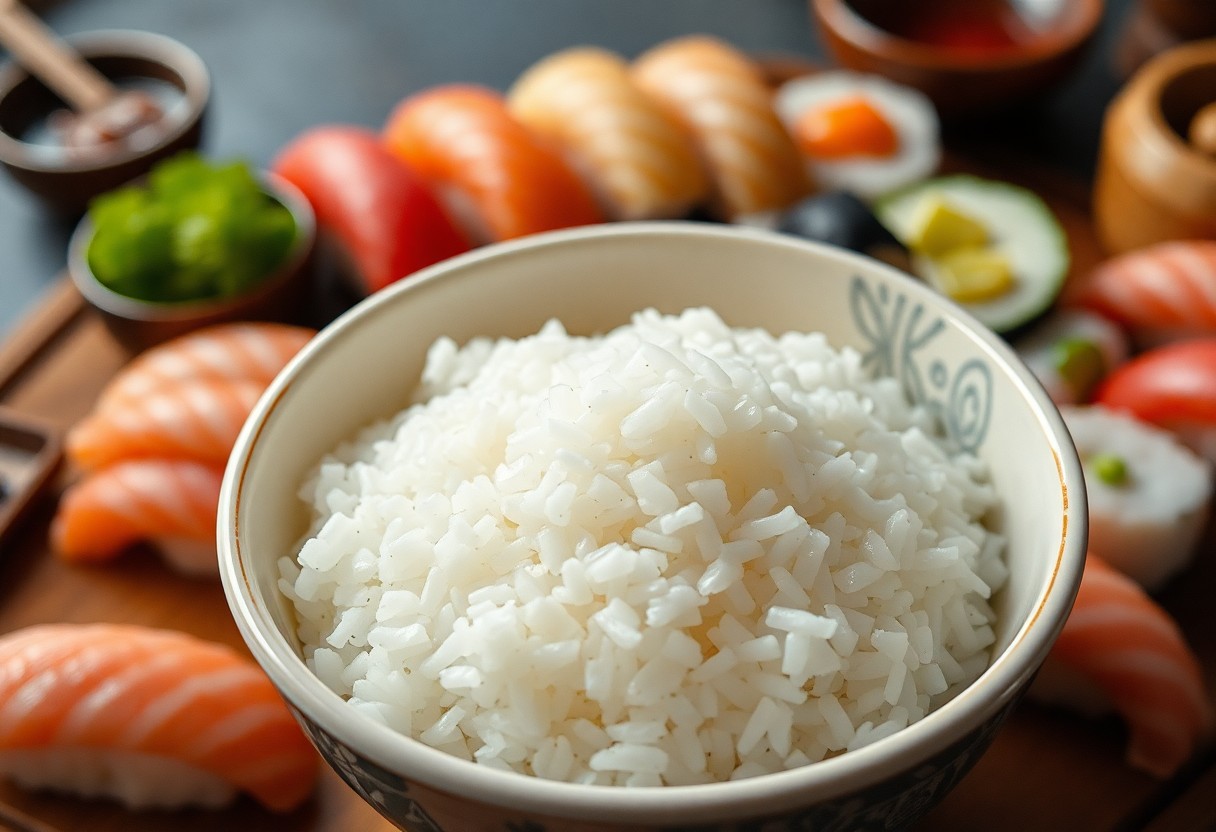
rice

How to Make Sushi Rice Like a Pro

Sushi rice serves as the foundation for creating delicious sushi, and mastering it can elevate your culinary skills significantly. In this guide, you will learn the important steps to prepare perfect sushi rice that boasts the right texture and flavor. With just a few simple techniques, you can impress your friends and family with homemade sushi that tastes just like it’s from a restaurant. To kick-start your journey, check out this discussion on How do you make good Sushi Rice at home? and get inspired!

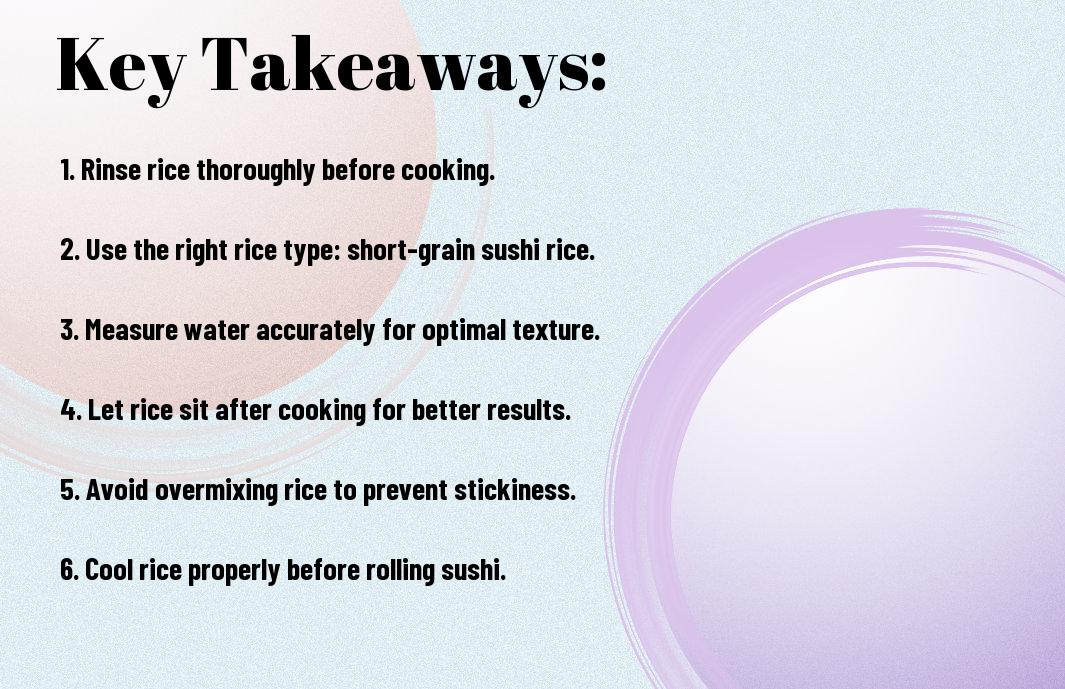
Key Takeaways:

  • Rice Selection: Use high-quality short-grain Japanese rice for the best texture and flavor.
  • Washing Rice: Rinse the rice multiple times until the water runs clear to remove excess starch.
  • Cooking Method: Utilize a rice cooker or a pot with a tight-fitting lid for even cooking.
  • Seasoning: Prepare a mixture of rice vinegar, sugar, and salt to achieve the classic sushi rice taste.
  • Cooling Technique: Spread the rice on a wooden or flat surface and fan it to cool down before use.
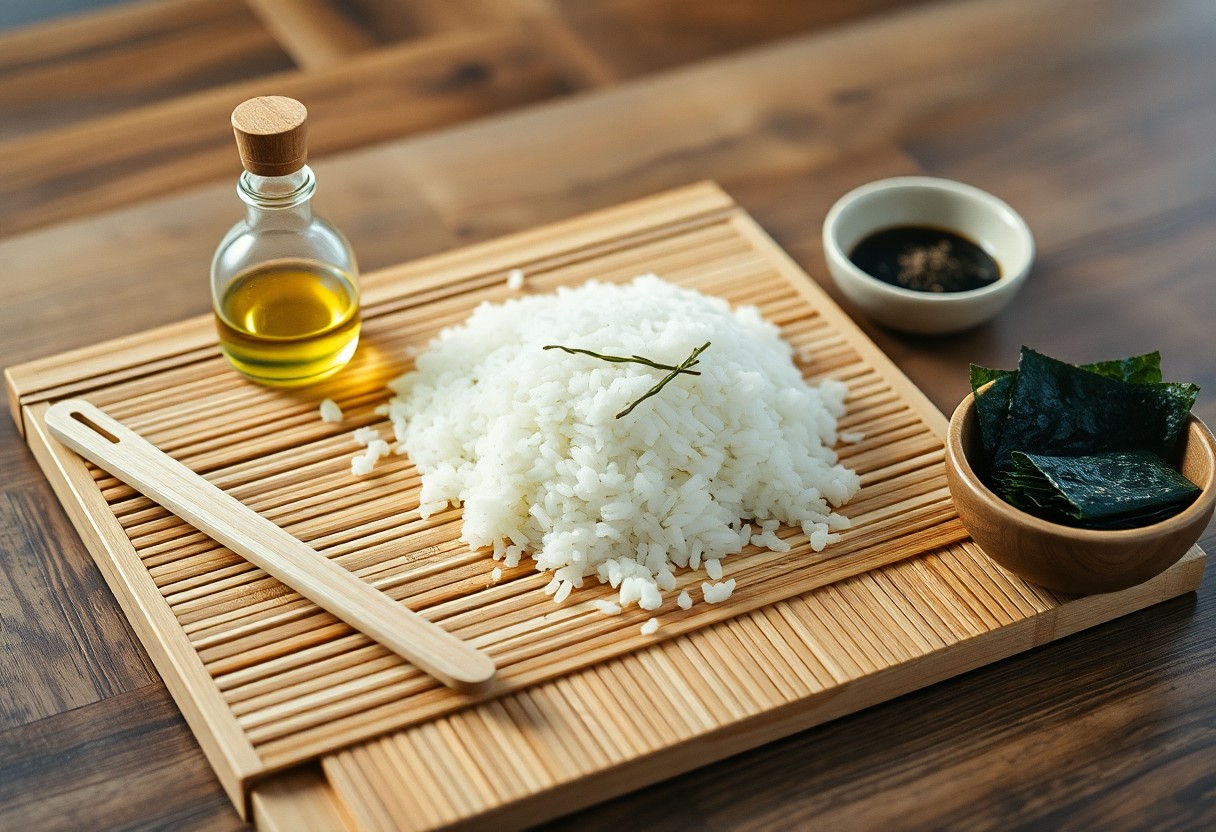
Understanding Sushi Rice

The foundation of great sushi lies in sushi rice, known as shari or sumeshi. This sticky, short-grain rice is vital for achieving the perfect texture and flavor in your sushi. To learn how to cook it properly, check out this Easy Sushi Rice Recipe. With the right method, you can elevate your sushi-making skills and impress your guests with authentic-tasting sushi.

The Importance of Rice Type

At the heart of successful sushi is the type of rice you choose. Sushi rice must be short-grain and high in starch, which creates the desired stickiness when cooked. This specific texture helps the rice hold its shape, making it an ideal base for various sushi forms.

The Role of Water Quality

Type of water used for cooking rice significantly influences the final taste and texture of your sushi rice. Using filtered or purified water removes impurities and enhances the rice’s flavor. This not only ensures a cleaner taste but also allows the rice to absorb water evenly, leading to a superior texture that binds well.

Water quality can have a profound impact on the cooking process of your sushi rice. Tap water, depending on the minerals and chemicals it contains, might affect the flavor profile of the rice. By opting for filtered water, you are helping your rice perform to its best potential, resulting in a pleasantly balanced taste and the right stickiness. Choosing the right water contributes to the overall authenticity of your sushi, showcasing the meticulous attention to detail that defines this beloved cuisine.

Preparing Sushi Rice

Some may overlook the importance of preparing sushi rice, but it is key to achieving the perfect texture and flavor. Start by selecting high-quality short-grain sushi rice, which will provide the right stickiness needed for rolling. The process involves washing, soaking, and cooking the rice properly, ensuring it will hold together beautifully as you create your sushi masterpieces.

Washing and Soaking

Preparing sushi rice begins with washing the grains to remove excess starch. Gently rinse the rice in cold water until the water runs clear, which helps improve texture. After washing, soak the rice for 30 minutes, allowing it to hydrate evenly, resulting in perfectly cooked grains.

Cooking Techniques

Beside the washing and soaking steps, mastering cooking techniques is vital for achieving sushi rice perfection. Cooking the rice with the right ratio of water—typically, 1 cup of rice to 1.2 cups of water—ensures it cooks evenly while retaining moisture. Utilizing a rice cooker or a pot with a tight-fitting lid can help produce the desired consistency.

Sushi rice should be cooked gently, allowing it to steam rather than boil. Once the water reaches a boil, reduce the heat to low and cover, cooking for about 18-20 minutes. Let it rest off the heat, covered, for another 10 minutes to enhance the texture. Fluff the rice gently with a wooden spoon before incorporating it with vinegar mixture for that signature sushi flavor.

Seasoning Sushi Rice

After cooking your rice, it’s time to season it for that authentic sushi flavor. Mix together rice vinegar, sugar, and salt to create a balance of sweet, salty, and tangy notes. Gradually fold this seasoning mixture into your rice while it is still warm, ensuring that every grain absorbs the flavors. This step is vital to achieving the perfect sushi rice that complements your ingredients and rolling technique.

Essential Ingredients

Beside the steamed rice, you will need rice vinegar, sugar, and salt as your key seasoning ingredients. The vinegar not only adds a distinct flavor but also helps to achieve the desired stickiness in the rice. Adjust the quantities based on your personal taste, but a typical ratio is 1/4 cup of rice vinegar, 2 tablespoons of sugar, and a teaspoon of salt for every 2 cups of uncooked rice.

Proper Mixing Methods

Essential to achieving perfectly seasoned sushi rice is how you mix in the seasoning. Avoid stirring too vigorously, as this can break the delicate grains and lead to a mushy texture. Instead, opt for a folding technique, gently incorporating the seasoning into the rice while fanning it to cool it down slightly.

For instance, use a shallow wooden paddle or spatula to scoop from the bottom and lift the rice while gently turning it over, allowing the seasoning to coat each grain evenly. This method helps maintain the rice’s texture while promoting an even distribution of flavors. Continue the process until all the rice is seasoned, and the mixture is well-combined, without losing the integrity of the rice grains.

Achieving the Right Texture

Now that you understand the importance of using the right type of rice, achieving the perfect sushi rice texture involves mastering both water ratios and cooking times. You want your rice to be firm yet tender, sticky enough to hold together, but not mushy. The ideal texture is what sets your sushi apart and enhances the overall dining experience.

Temperature Control

Along with cooking technique, managing the temperature of your rice is vital. A couple of factors that influence this process are:

Temperature Control Factors

Initial Cooking Temperature Medium-high heat to bring water to a boil, then reduce to low.
Resting Temperature Allow the rice to rest covered to steam for the right texture.

Cooling Techniques

Below, applying effective cooling techniques will enhance the texture of your sushi rice. After cooking, gently spread the rice onto a bamboo mat or a wooden platter for optimal cooling without creating excess moisture. Avoid plastic containers as they retain heat and moisture, which can alter the desired consistency.

Hence, the cooling process aids in creating a glossy finish while allowing the rice grains to firm up. A fan or traditional hand-held fan can help speed up this process while simultaneously dispersing the excess steam. This step ensures your sushi rice maintains an ideal texture that’s not only visually appealing but also easier to work with. By maintaining precise control over temperature throughout cooking and cooling, you will elevate your sushi-making skills significantly.

Tips for Perfect Sushi Rice

All sushi lovers will tell you that the texture and flavor of your rice are key to achieving authentic sushi. Follow these expert tips:

  • Use the right type of rice; short-grain Japanese rice is ideal.
  • Rinse your rice until the water runs clear to remove excess starch.
  • Don’t skip the soaking process; letting your rice soak for 30 minutes enhances its texture.
  • Use a rice cooker for consistent results.
  • Season your rice immediately after cooking for the best flavor.

Knowing these tips will elevate your sushi-making skills significantly.

Avoiding Common Mistakes

Against popular belief, it is easy to make mistakes when preparing sushi rice. Avoid using regular long-grain rice, as it lacks the necessary stickiness. Be careful not to skip rinsing the rice, as this can result in overly starchy grains. Additionally, let your rice cool to room temperature before adding vinegar; adding it too early can produce mushy rice.

Storage Suggestions

By properly storing your sushi rice, you can maximize its freshness and flavor. Ideally, sushi rice should be used immediately after preparation for the best taste, but if you have leftovers, cool it to room temperature and store it in an airtight container in the fridge.

For instance, leftover sushi rice can be kept in the refrigerator for up to two days. When ready to use, you can gently reheat it with a splash of water to restore some moisture. Just be cautious not to overheat, as it can lose its texture. The warmth will help maintain its stickiness when used for sushi rolls or onigiri (rice balls).

Pairing Sushi Rice with Sushi

Not all sushi rice is created equal, and it’s crucial to pair it with the right sushi types to elevate your culinary experience. The flavor, texture, and presentation of your sushi greatly depend on how well the rice complements the ingredients. Consider various sushi styles to discover the perfect match for your homemade sushi rice.

Types of Sushi to Consider

About the different sushi types, below are some varieties you should consider when pairing:

Sushi Type Description
Nigiri Hand-formed rice topped with fish or seafood.
Maki Rolled sushi with rice and fillings wrapped in seaweed.
Sashimi Thin slices of fresh fish served without rice.
Temaki Hand-rolled sushi cones filled with various ingredients.
Uramaki Inside-out rolls with rice on the outside.

Knowing how to select the right sushi style will help enhance the overall balance of flavors in your meal.

Flavor Enhancements

One way to elevate your sushi rice is by incorporating various flavor enhancements that marry well with the ingredients. Adding elements such as vinegar, sesame seeds, or even a dash of soy sauce can transform the taste of your sushi rice.

Types of flavor enhancements include rice vinegar mixed with sugar and salt, sesame oil for a nutty twist, or even mirin for a hint of sweetness. Experimenting with these ingredients can lead to delightful discoveries, enhancing both the rice’s flavor and its complement to the fish or vegetables you choose. You might find that a simple tweak makes your sushi stand out even more.

Final Words

From above, mastering the art of sushi rice takes practice, but with your newfound knowledge of rinsing, soaking, and cooking techniques, you’re well on your way to impressing friends and family. Keep experimenting with the rice-to-water ratio until you find your perfect balance, and don’t hesitate to explore additional resources to enhance your skills. If you’re curious about alternatives, check out Can you use regular white rice to make sushi at home? If … for more insights. Happy sushi-making!

Q: What type of rice is best for making sushi rice?

A: The best type of rice for sushi is short-grain Japanese rice, often labeled as sushi rice. This variety is known for its sticky texture, which helps the rice hold together when forming sushi rolls. Unlike long-grain rice, the shorter grains have a higher starch content, making them ideal for achieving that perfect sushi consistency.

Q: How do I properly season sushi rice?

A: To season sushi rice, you need to prepare a mixture of rice vinegar, sugar, and salt. Begin by heating about 1/4 cup of rice vinegar with 2 tablespoons of sugar and 1 teaspoon of salt in a small saucepan, stirring until dissolved. After cooking your rice and allowing it to cool slightly, drizzle the vinegar mixture over the rice and gently fold it in using a paddle or wooden spoon. Take care not to mash the rice while mixing, and fan the rice to help it cool down quickly and achieve a shiny appearance.

Q: What is the best way to cook sushi rice for optimal texture?

A: To achieve optimal texture, rinse the sushi rice under cold water until the water runs clear to remove excess starch. This prevents the rice from becoming overly sticky. Use a rice cooker or stovetop absorption method. If using a rice cooker, follow the manufacturer’s guidelines for water-to-rice ratios, typically 1:1.1 (rice to water). For stovetop cooking, use the same ratio but bring the water to a boil, reduce the heat to low, cover, and let it simmer for about 20 minutes. After cooking, let the rice sit covered for an additional 10 minutes to steam, ensuring a fluffy texture.
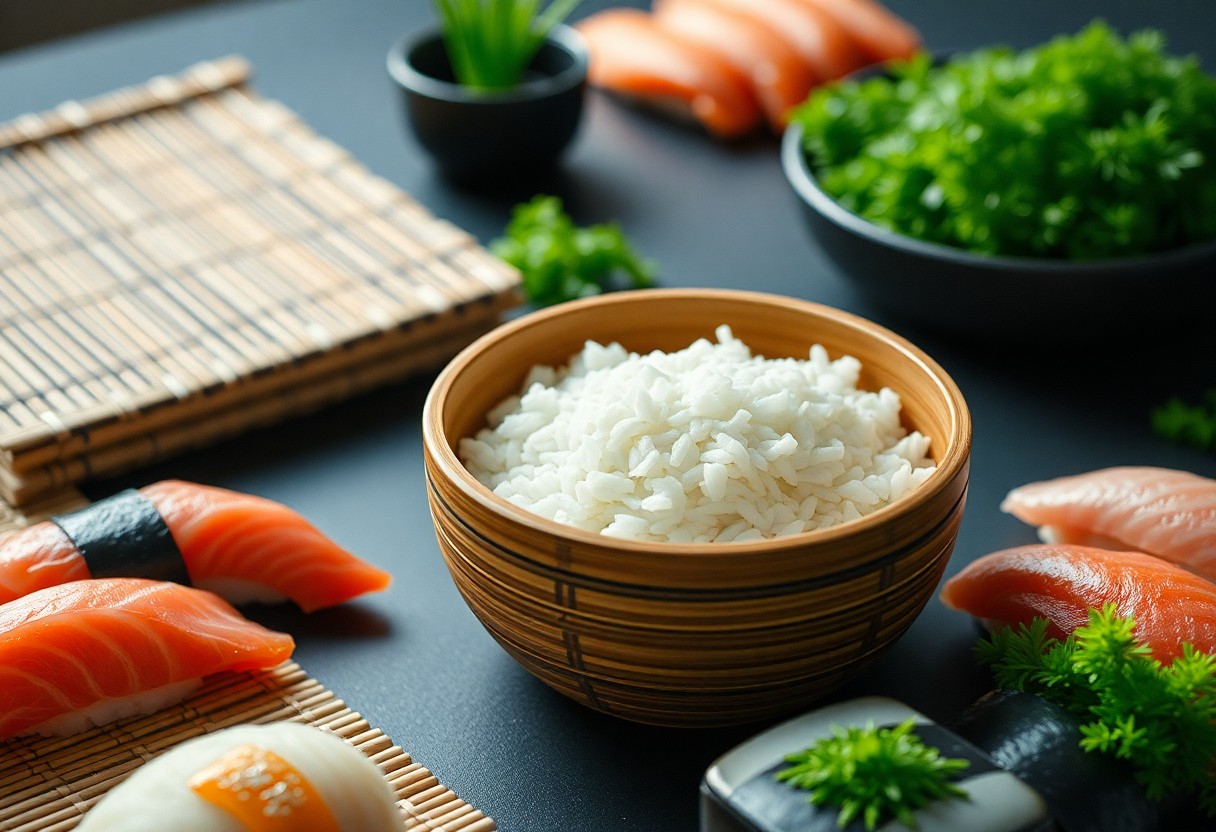
Sushi Rice Secrets – The Foundation of Every Roll

Just like a solid foundation supports a great building, perfectly prepared sushi rice is vital for creating delightful rolls at home. In this post, you will uncover the secrets behind achieving that ideal texture and flavor that makes sushi a beloved dish worldwide. From selecting the right rice to mastering the cooking techniques, you’ll learn everything needed to elevate your sushi-making skills. For a detailed guide, check out this How to Make Sushi Rice resource for step-by-step instructions.

Key Takeaways:

  • Quality of Rice: Choosing the right type of rice, ideally short-grain or sushi rice, is necessary for achieving the correct texture and stickiness.
  • Rinsing: Properly rinsing the rice multiple times removes excess starch, preventing it from becoming gummy during cooking.
  • Cooking Technique: Attention to the cooking method—using the right water-to-rice ratio and allowing rice to rest after cooking—affects the final outcome.
  • Sushi Vinegar: The combination of rice vinegar, sugar, and salt is key for flavor; it enhances the rice and balances the overall taste profile of the sushi.
  • Temperature: Serving sushi rice at the right temperature (slightly warm or at room temperature) is important for the best texture and flavor.

The Importance of Sushi Rice

The foundation of sushi lies in its rice, which plays a pivotal role in the overall flavor and texture of your rolls. You might think any rice will do, but sushi rice is specifically cultivated and prepared to achieve the perfect stickiness and taste. It’s the star that binds your ingredients together, enhancing the entire sushi experience. Understanding its importance is imperative for creating the best rolls at home.

Defining Sushi Rice

Among the various types of rice, sushi rice, or shari, is distinguished by its short grain, sticky nature, and specific preparation method. You should look for rice labeled as “sushi rice” or “shirataki” to ensure you’re using the appropriate variety. The unique properties of this rice allow it to hold its shape while complementing the flavors of the fish and vegetables that you choose.

Cultural Significance

Rice is not just a staple food in many cultures; it is a symbol of life and sustenance, especially in Japan. In sushi preparation, rice takes center stage, reflecting the deep bond between this staple and Japanese traditions. The meticulous process of cooking and seasoning sushi rice mirrors the careful craftsmanship found in all aspects of Japanese cuisine, where every ingredient is respected and valued.

Defining the cultural significance of sushi rice goes beyond its culinary role; it encapsulates the heart of Japanese heritage. You’ll find that rice is often associated with rituals and celebrations, making it more than just a meal component. When you prepare sushi rice, you are participating in a time-honored tradition that honors the connection between food, community, and culture. This respect for rice fosters a deeper understanding of the complexities and beauty of sushi making as an art form.

Selecting the Right Rice

Any sushi chef will tell you that selecting the right rice is necessary for a perfect roll. For your next sushi night, consider following an Easy Sushi Rice Recipe to ensure you’re using the best ingredients.

Types of Sushi Rice

  • Sushi Rice (Shari): Short-grain rice known for its stickiness.
  • Calrose Rice: A popular medium-grain option.
  • Brown Sushi Rice: A healthier alternative.
  • Sweet Rice: Used for specialty rolls.
  • White Rice: Commonly available, but lacks flavor.

Any type can work, but the flavor and texture can greatly affect your sushi experience.

Type of Rice Characteristics
Sushi Rice Short-grain, sticky texture.
Calrose Rice Medium grain, slightly nutty flavor.
Brown Sushi Rice Higher fiber, chewy texture.
Sweet Rice Sticks well, used in desserts.
White Rice Mild flavor, less sticky.

Sourcing Quality Ingredients

Below are some tips for sourcing quality sushi rice. Look for products labeled as sushi or short-grain rice, as they are specifically designed for making sushi.

Further, consider checking out local Asian grocery stores or reputable online shops to find authentic sushi rice brands. Avoid generic brands that may not provide the desired stickiness and flavor. Taking the time to source quality ingredients will enhance your sushi-making experience.

The Perfect Cooking Method

All sushi lovers know that perfect sushi rice is the backbone of every roll. To achieve this, you need the right cooking technique. The traditional method involves cooking sushi rice in a rice cooker or on the stovetop, ensuring a fluffy texture. For a detailed approach, check out A Step-by-Step Guide to Perfect Sushi Rice Recipe, which provides insights into water ratios and cooking times that yield the best results.

Rinsing and Soaking

On the path to perfect sushi rice, rinsing and soaking are necessary. Start by rinsing your rice under cold water until it runs clear, removing excess starch that can result in gummy rice. After rinsing, allow the rice to soak for about 30 minutes. This step not only helps achieve a better texture but also frees the grains from any residual impurities, setting up a solid foundation for cooking.

Steaming Techniques

Across many sushi culinary traditions, steaming techniques play a pivotal role in achieving the desired rice consistency. Instead of boiling, consider steaming your rice to retain moisture and prevent it from becoming overly sticky. This method helps the rice grains maintain their shape and improves the overall mouthfeel, key for any great sushi creation.

It’s important to note that steaming involves ensuring the right water-to-rice ratio, often an equal measure, and requires a few simple adjustments to your cooking setup. An efficient steaming basket or a setup with a fine mesh sieve over a pot can work wonders. As the steam circulates, the rice gently cooks, allowing the flavors to develop and the grains to remain distinct, ultimately elevating your sushi experience.

Seasoning Sushi Rice

Once again, the secret to incredible sushi lies in the seasoning of your rice. Achieving the perfect balance of flavors transforms simple rice into a delicious base for your rolls. By adding a unique mix of ingredients, you can elevate each bite, allowing the natural flavors of your fillings to shine through. Careful attention to the seasoning process is vital for creating sushi that delights the palate and leaves a lasting impression.

Traditional Seasoning Mix

An authentic sushi rice seasoning mix typically includes rice vinegar, sugar, and salt. This combination gives your rice a distinct flavor profile that is both tangy and slightly sweet, harmonizing beautifully with your other sushi ingredients. Achieving the right balance of these elements is key to producing rice that is the perfect companion to your favorite fillings.

Balancing Flavors

Against the backdrop of this traditional mix, finding harmony among the flavors is vital to your sushi’s overall taste. You want to ensure that the seasoning enhances your rice without overshadowing the other ingredients in your rolls. This means adjusting sweetness, acidity, and saltiness to achieve a cohesive and satisfying flavor experience.

In fact, balancing flavors in your sushi rice allows you to complement the diverse ingredients you use, from fresh fish to crunchy vegetables. Experiment with ratios of vinegar, sugar, and salt until you find the perfect blend that suits your palate. By fine-tuning your seasoning, you can highlight the unique characteristics of each filling, creating a memorable sushi experience with every bite.

Techniques for Perfect Texture

Your sushi rice journey begins with mastering the perfect texture that ensures your rolls hold together beautifully. Proper techniques in washing, cooking, and seasoning your rice will make a significant difference in achieving that coveted sushi rice consistency. By focusing on these methods, you’ll elevate your rolls to the next level and impress your guests with every bite.

Achieving Stickiness

An important aspect of sushi rice is its stickiness, which enables the grains to bind together. To achieve this, you must select the right type of rice, typically short-grain Japanese rice, and rinse it thoroughly to remove excess starch. Cooking the rice with the correct water-to-rice ratio ensures that it becomes tender yet retains just the right amount of stickiness for seamless rolling.

Preventing Overcooking

After cooking your sushi rice, take care to avoid overcooking, which can lead to mushy grains that won’t hold their shape. The key lies in monitoring your cooking time and using a rice cooker or stovetop method that provides consistent results. By allowing the rice to steam for an additional 10-15 minutes after cooking, you can achieve a fluffy texture without sacrificing structure.

Texture is vital in sushi rice as it contributes to the overall eating experience. Keep a close eye on your cooking process, ensuring that you don’t cook the rice beyond its ideal point. A gentle simmer, followed by a proper steam, will yield a firm yet tender grain that provides the perfect bite. If you follow these tips, your sushi will have the wonderful texture everyone looks forward to enjoying.

Storing Sushi Rice

After preparing your sushi rice, proper storage is imperative to maintain its quality and flavor. Sushi rice should ideally be used shortly after cooking, but if you need to store it, there are specific methods you can employ to keep it fresh. Avoid refrigeration, as cold temperatures can alter the texture. Instead, focus on short-term or long-term options that best suit your usage needs.

Short-term Storage

Above all, if you plan to use your sushi rice within a day, simply cover it with a damp cloth or plastic wrap at room temperature. This helps retain moisture and prevents it from drying out, which can impact the overall taste and texture when you’re ready to roll. Keep it in a cool area, away from direct sunlight, for the best results.

Long-term Preservation

Against the odds of spoilage, if you won’t be using your cooked sushi rice for a while, freezing is your best bet. Place the cooled rice in an airtight container or a heavy-duty freezer bag, ensuring to remove as much air as possible before sealing. This method preserves the rice’s flavor and prevents freezer burn, allowing you to enjoy sushi delights whenever you desire.

Rice is best stored in the freezer for up to three months. When you’re ready to use it, simply remove it from the freezer and allow it to thaw in the refrigerator or at room temperature. Reheat the rice gently, either in a microwave with a damp paper towel or by steaming, to restore its original texture before incorporating it into your sushi rolls. This way, you can easily prepare delicious sushi anytime without compromising on quality.

To wrap up

As a reminder, mastering sushi rice is necessary for crafting exceptional rolls. By understanding the proper techniques for washing, cooking, and seasoning your rice, you elevate your sushi experience significantly. The right texture and flavor of sushi rice serve as the perfect canvas for your fillings and toppings, enhancing the overall dish. With these secrets under your belt, you can confidently create sushi that not only delights your palate but also impresses your guests. Embrace these foundations, and you’ll unlock the true potential of your sushi-making skills.

Q: What type of rice is best for sushi, and why?

A: The ideal type of rice for sushi is short-grain Japanese rice, often referred to as “sushi rice.” This type of rice has a higher starch content compared to long-grain varieties, which creates a stickier texture when cooked. The stickiness is crucial because it helps the rice hold together, allowing it to form rolls and nigiri properly. Moreover, short-grain rice absorbs flavors beautifully, particularly when seasoned with vinegar, sugar, and salt after cooking, enhancing the overall taste of sushi.

Q: How should I properly prepare and season sushi rice?

A: To prepare sushi rice, start by rinsing it thoroughly under cold water to remove excess starch until the water runs clear. This helps achieve the desired texture. Afterward, soak the rice for about 30 minutes, then cook it using a rice cooker or on the stovetop, following a 1:1 ratio of rice to water. Once the rice is cooked, let it rest for about 10 minutes. For seasoning, combine rice vinegar, sugar, and salt; gently fold this mixture into the warm rice using a wooden paddle, being careful not to mash the grains. This step adds flavor and aids in achieving the ideal texture.

Q: How should sushi rice be stored to maintain its freshness?

A: Freshly prepared sushi rice is best consumed immediately, but if you need to store it, it should be kept at room temperature in a covered container to prevent it from drying out. Avoid refrigerating cooked sushi rice as the cold can alter the texture, making it hard. If you have leftovers, it’s recommended to lightly steam the rice briefly before using it again, as gentle heat can help revive its texture. Always use sushi rice within a day or two for the best flavor and quality.

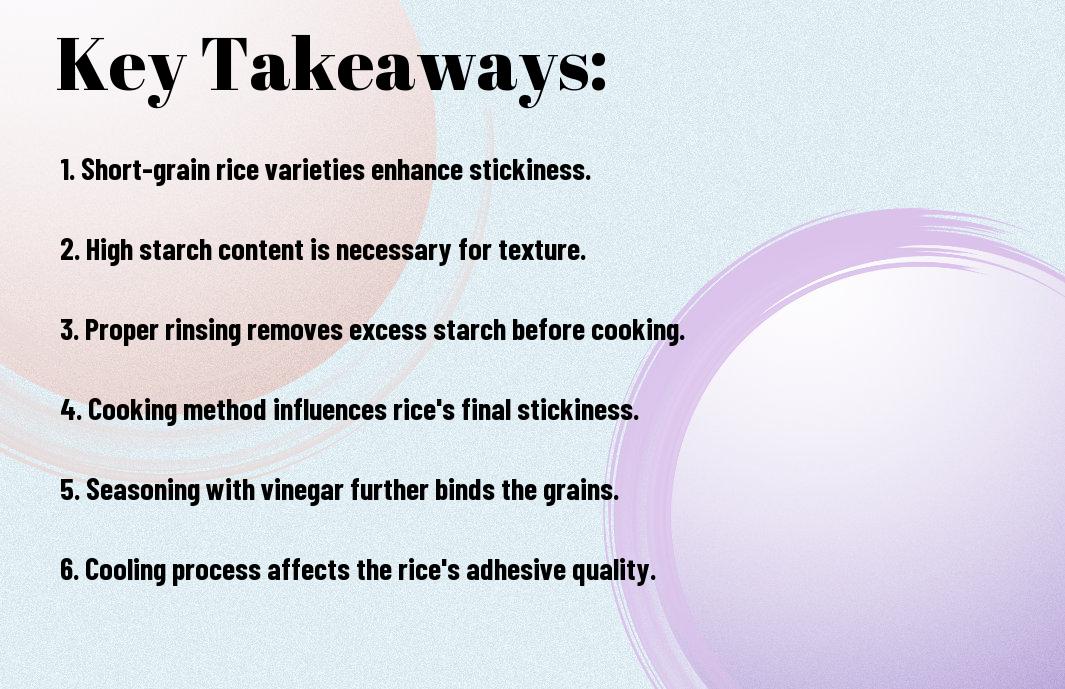
What Makes Sushi Rice Sticky

Over the years, you’ve likely come to appreciate the unique texture of sushi rice, but have you ever wondered what gives it that important stickiness? The secret lies in the type of rice used and its unique composition of starches. By understanding the role of short-grain rice and the importance of rinsing and cooking techniques, you can enhance your sushi-making skills and create the perfect base for your favorite rolls. Get ready to dive deeper into the science behind sushi rice and why it’s the key to a delicious sushi experience.

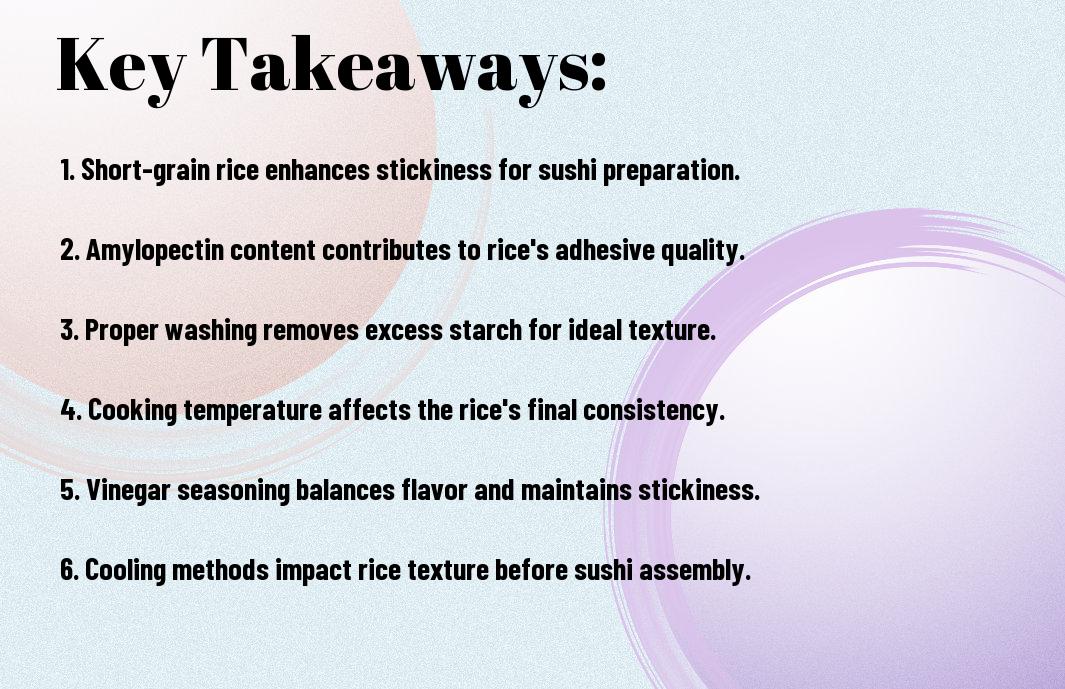
Key Takeaways:

  • Starch Content: Sushi rice contains a higher level of amylopectin, a type of starch that helps create its sticky texture.
  • Water Ratio: The right balance of water during cooking is imperative; too much or too little can affect the stickiness of the finished rice.
  • Seasoning: After cooking, the addition of vinegar, sugar, and salt enhances the flavor and increases the stickiness, helping the rice hold together better.

The Science of Sushi Rice

For anyone looking to master the art of sushi, understanding the science behind sushi rice is key. The unique texture and flavor of sushi rice comes from its specific starch content and preparation methods. The right balance of these elements ensures that your sushi maintains its shape while also offering that delightful stickiness. If you’re eager to dive deeper into sushi rice preparation, check out this Sushi Rice Recipe that details each step.

The Role of Starch

With the right type of rice, such as short-grain Japonica, you will find the key component to preparing sticky sushi rice lies in its starch composition. This type of rice contains a higher amount of amylopectin, which plays a significant role in binding the grains together, providing that necessary stickiness necessary for crafting perfect rolls.

Water Absorption Techniques

Water is a fundamental factor in preparing sushi rice. The soaking and rinsing techniques you employ prior to cooking significantly influence the final texture. Allowing the rice to soak helps to achieve even hydration, while rinsing removes excess starch, promoting the ideal sticky consistency.

In fact, soaking your rice for about 30 minutes before cooking allows the grains to absorb water uniformly, reducing cooking time and improving texture. After rinsing, you can cook the rice with a precise water-to-rice ratio to ensure that it remains moist and tender. By using these techniques, you can elevate your sushi-making skills, leading to a deliciously authentic experience.

Types of Rice for Sushi

Some key types of rice are crucial for making delicious sushi. The right rice variety contributes significantly to texture and flavor. Here’s a quick breakdown:

Type of Rice Characteristics
Short-Grain Rice Sticky, ideal for sushi making
Medium-Grain Rice Balances stickiness and fluffiness
Long-Grain Rice Less sticky, not recommended for sushi
Calrose Rice Popular choice for sushi, slightly sweet
Sushi Rice Blend Combines different types for unique flavors

The best results come from using the types of rice specifically suited for sushi.

Short-Grain vs. Long-Grain

Rice varieties differ greatly in shape and texture, which influences their performance in sushi preparation. Short-grain rice is your go-to choice for sushi, as its sticky quality helps bind the rice together when pressed. In contrast, long-grain rice is less sticky and often results in grains that don’t clump, making it unsuitable for traditional sushi dishes.

Specialty Sushi Rice Varieties

One interesting aspect of sushi rice is the existence of specialty varieties that you might want to explore. These can elevate the flavor profile and texture of your sushi beyond standard options.

And, some specialty rice varieties like Koshihikari offer a sweet, slightly nutty flavor, while Akita Komachi provides a unique aromatic profile. These options can enhance your sushi-making experience, allowing you to create more complex and satisfying dishes that set your sushi apart. Exploring these varieties can significantly impact your culinary adventure!

The Importance of Seasoning

After perfecting the texture of your sushi rice, it’s time to turn your attention to seasoning. Proper seasoning not only enhances the flavor profile but also impacts the stickiness of the rice. Striking a balance between the ingredients is imperative to achieving that classic sushi rice taste and ensuring it holds together well. By incorporating the right combination of seasonings, you create a harmonious flavor that elevates your sushi experience.

Vinegar and Flavor Balance

Behind every delicious batch of sushi rice lies a careful balance of vinegar, which adds depth and a slight tanginess, transforming plain rice into something extraordinary. The type of vinegar you choose, whether rice vinegar or a blend, plays a significant role in flavoring your rice. It’s important to get the measurements just right, as too much vinegar can overpower the dish while too little can leave it bland.

Salt and Sugar Enhancements

After seasoning your rice with vinegar, adding salt and sugar is the next step to create the perfect blend of flavors. Salt enhances the natural sweetness of the rice, while sugar adds a gentle sweetness that rounds out the overall taste. This combination encourages a well-balanced flavor that complements the sushi fillings you choose.

Vinegar integrates seamlessly with salt and sugar to maximize the flavor of your sushi rice. By carefully measuring these components, you enhance the taste experience without making any element too prominent. The sugar works to soften the sharpness of the vinegar, while the salt amplifies the rice’s natural flavors, promoting a delicious and cohesive finish. This thoughtful approach to seasoning not only enhances taste but also ensures your sushi rice sticks together beautifully, making for an exceptional sushi dish.

Cooking Techniques

Now, mastering the right cooking techniques is imperative to achieving that perfect sticky sushi rice. By applying specific methods, you can ensure that each individual grain retains a pleasant texture, making your sushi not only delightful to eat but visually appealing as well. Understanding the importance of rinsing, soaking, and proper cooking can set the foundation for your sushi-making endeavors.

Rinsing and Soaking Rice

Above all, rinsing and soaking your sushi rice is fundamental to achieving the desired stickiness. Rinsing removes excess starch and impurities, preventing your rice from becoming overly gummy. Soaking allows the grains to absorb water evenly, resulting in a more uniform texture when cooked, ensuring each bite of your sushi is just right.

Cooking Methods to Enhance Stickiness

Between various cooking methods available, some can significantly enhance the stickiness of your sushi rice. Steaming, for instance, retains moisture effectively, while using a rice cooker with precise water ratios can yield consistently sticky results. Experimenting with these techniques will help you discover what works best for your tastes and preferences.

Considering the importance of cooking methods, you should explore options like soaking the rice before cooking, using the right water-to-rice ratio, and utilizing a rice cooker for precision. For added moisture and flavor, experimenting with different types of cooking liquids, like dashi or rice vinegar, can also contribute to a delightful texture that enhances the overall sushi experience.

Storage and Handling

Despite its simple appearance, proper storage and handling of sushi rice are imperative for maintaining its sticky texture. You should store uncooked sushi rice in an airtight container in a cool, dry place to prevent moisture absorption. Once cooked, sushi rice should be kept at room temperature but not for extended periods. Using a damp cloth over the rice bowl can help maintain moisture without making the rice soggy.

Keeping Rice Fresh and Sticky

Storage of sushi rice involves not just where you keep it but how. For cooked sushi rice, dampening a cloth and covering the bowl helps keep it from drying out. If you’re not using the rice right away, consider using a rice cooker with a keep-warm function to maintain the ideal temperature and moisture level.

Common Mistakes to Avoid

After preparing sushi rice, you may unknowingly make mistakes that affect its stickiness and texture. One common error is refrigerating the rice, which can cause it to become hard and lose its desired consistency. Instead, let the rice cool to room temperature, then store it properly to retain its fresh, sticky quality.

Handling sushi rice with care is important to keep its perfect texture. Avoid excessive stirring or packed storage, as these actions can compress the grains and hinder their stickiness. Additionally, be cautious about the temperature; cold rice will not clump well. Always serve your sushi rice at room temperature for that ideal flavor and texture.

Cultural Significance of Rice

All around the world, rice is much more than just a staple food; it’s an important part of numerous cultures, especially in Asia. In Japan, rice holds profound significance, serving not only as a primary dietary component but also as a symbol of prosperity and purity. As you explore Japanese cuisine, you will find that rice, particularly sushi rice, reflects the country’s heritage, values, and culinary artistry, making it an irreplaceable element of everyday life.

Historical Context in Japanese Cuisine

Behind the scenes of Japanese culinary traditions, rice has played a pivotal role for centuries. This humble grain was historically cultivated as a central food source, influencing societal structures and rituals. You may find it fascinating that in ancient Japan, rice was considered a form of currency and a measure of wealth, highlighting its significance in social and economic spheres, as well as its connection to cultural identity.

Sushi Rice in Modern Culinary Trends

Before you explore sushi, it’s important to note how sushi rice has evolved in contemporary cooking. The unique texture and flavor of sushi rice have made it a popular choice not only in traditional sushi but also in a variety of modern dishes worldwide. You will likely encounter sushi rice being featured in fusion cuisine, elevating it from its historical roots to a versatile ingredient appreciated by diverse palates.

And as culinary trends continue to shift, sushi rice remains a beloved component, offering chefs and home cooks alike exciting opportunities for creativity. You may find yourself inspired to experiment with sushi rice beyond traditional rolls, incorporating it into salads, grain bowls, or even desserts. The adaptability of sushi rice showcases its enduring appeal, allowing you to engage with this ingredient in innovative ways while honoring its rich history.

Conclusion

Presently, the stickiness of sushi rice stems from its unique composition and preparation method. You’ll find that short-grain rice, rich in amylopectin, creates a cohesive texture ideal for sushi. Additionally, rinsing the rice to remove excess starch and cooking it with a precise water-to-rice ratio enhances its stickiness. Finally, seasoning your rice with a mixture of vinegar, sugar, and salt not only contributes to flavor but also helps in achieving that perfect, moldable consistency. By mastering these techniques, you can elevate your sushi-making skills significantly.

Q: Why is short-grain rice preferred for sushi making?

A: Short-grain rice is preferred for sushi making because it has a higher starch content compared to long-grain rice. This starch is primarily amylopectin, which gelatinizes when cooked. The gelatinization process occurs when the rice is moistened and heated, allowing the grains to stick together, creating that characteristic texture that is necessary for sushi. Additionally, the shorter grains create a more tender bite, which complements the fresh ingredients typically used in sushi.

Q: How does the rinsing process affect the stickiness of sushi rice?

A: Rinsing sushi rice before cooking is an important step that influences its stickiness. When rice is washed, excess surface starch is removed, which can result in overly gummy rice if not rinsed properly. The goal is to remove just enough starch while preserving the amylopectin that contributes to the sticky texture. Rinsing also helps to clean the grains, leading to a more polished final product. A typical recommendation is to rinse the rice until the water runs clear, indicating that most of the surface starch has been removed without losing the starch that makes the rice sticky.

Q: How does the cooking method impact the texture of sushi rice?

A: The cooking method significantly impacts the texture of sushi rice. The standard method involves using a rice cooker or a pot with a tight-fitting lid, which provides even heat and moisture retention. The ideal water-to-rice ratio is necessary; typically, a 1:1 ratio is used for sushi rice. Once cooked, the rice should be allowed to steam for an additional period, which ensures that the grains have fully absorbed the moisture and achieve the desired stickiness. Furthermore, mixing the rice gently with a paddle or wooden spoon after cooking helps to distribute the moisture evenly and prevents the grains from breaking apart, maintaining the perfect texture for sushi preparation.

Tips for Avoiding Sticky Sushi Rice Mishaps

With the right techniques, you can achieve perfect sushi rice that enhances your culinary creations. Preparing sushi rice can be tricky, but avoiding the common pitfalls will elevate your homemade dishes. This guide will provide you with practical tips that ensure your rice stays fluffy and easy to work with, allowing you to create authentic sushi that impresses family and friends. Let’s investigate the vital steps and expert advice for perfect sushi rice every time.

Key Takeaways:

  • Wash the rice thoroughly to remove excess starch before cooking, ensuring it achieves the right texture.
  • Soak the rice for at least 30 minutes to allow grains to absorb water, promoting even cooking.
  • Use the right water-to-rice ratio, typically about 1.2 to 1 for sushi rice to achieve perfect stickiness.
  • Cook at low heat and let the rice rest after cooking to enhance flavor and consistency.
  • Season the rice with a mixture of rice vinegar, sugar, and salt for the ideal sushi flavor and to help maintain its stickiness.

Understanding Sushi Rice

A delicious sushi experience begins with understanding sushi rice. This short-grain variety is specially designed to be sticky and flavorful, making it ideal for sushi. To learn how to prepare it perfectly, check out this Perfect Sushi Rice Recipe (Easy + Foolproof) that takes the guesswork out of the process.

The Importance of Rice Quality

On your sushi-making journey, the quality of your rice can greatly impact the overall taste and texture. Using high-quality sushi rice ensures a delightful sticky consistency, enhancing your sushi’s flavor. Choosing reputable brands will give you the best results in your sushi dishes.

Types of Rice Best for Sushi

One of the keys to successful sushi lies in selecting the right type of rice. The following varieties are ideal for creating that perfect sushi texture and taste:

Rice Type Description
Sushi Rice Short-grain rice, high in starch, for the ultimate stickiness.
Jasmine Rice A fragrant option, but less sticky than sushi rice.
Arborio Rice Commonly used in risottos, creates a creamy texture.
Calrose Rice A medium-grain rice that adapts well for sushi.
Brown Sushi Rice More nutritious, slightly chewier than traditional sushi rice.

To achieve the best sushi, always opt for authentic sushi rice, ensuring it features the right texture and flavor. Here’s a closer look at some suitable options:

Rice Type Notes
Short-Grain White Rice Ideal for sushi with great stickiness.
Medium-Grain Rice Offers good balance, can work for various dishes.
Glutinous Rice Very sticky, sometimes used in more creative sushi.
Converted Rice A parboiled option with slightly different texture.
Sushi Rice Blend Pre-mixed varieties can yield unique results.
  • Make sure you store your rice correctly to maintain its quality.
  • Assume that testing a few varieties may lead you to your favorite.

Washing and Soaking Rice

While it may seem like an extra step, washing and soaking your sushi rice is key to achieving the perfect texture. Rinsing the rice removes excess starch, which prevents clumping and stickiness during cooking. For more insights on cooking rice, check out 4 Common Mistakes When Cooking Rice.

The Correct Washing Technique

About 2-3 washes are typically needed to ensure your rice is properly cleaned. Start by placing the rice in a bowl, covering it with cold water. Gently scrub the grains with your fingers, then drain the water, repeating until it runs clear. This method helps to remove excess surface starch, yielding fluffy, non-sticky sushi rice.

Soaking Time Recommendations

An appropriate soaking period for sushi rice enhances the grains’ texture and flavor. It is ideal to soak your washed rice for about 30 minutes to 1 hour before cooking. This allows the grains to absorb moisture, leading to better cooking results.

Another factor to consider is that soaking too long can result in overly soft rice, affecting your sushi’s integrity. Keep a watchful eye on the time and adjust based on your specific brand of rice. Finding the right balance in soaking time will lead to a delightful sushi experience.

Cooking the Rice

Despite the simplicity of sushi rice preparation, it’s crucial to follow the right process for a successful outcome. Start by rinsing the rice thoroughly to remove excess starch, which helps achieve a perfectly sticky yet manageable texture. Use the appropriate water-to-rice ratio to ensure even cooking, and be mindful of the timing to prevent overcooking or undercooking the grains.

Choosing the Right Equipment

Among the tools you should consider are a heavy-bottomed pot or a rice cooker, which help maintain even heat during cooking. A fine-mesh strainer is ideal for rinsing the rice, while a wooden spoon is gentle enough to avoid crushing the grains. Having the right equipment can make a significant difference in the final texture of your sushi rice.

Optimal Cooking Methods

Cooking sushi rice can be done using various methods, but the stovetop and rice cooker are the most commonly recommended. Each method has its own set of advantages, including convenience and precision in achieving desired results. Cooling the rice properly after cooking is equally important for ensuring its final consistency and flavor.

Further refining your cooking technique will enhance your sushi-making experience. If using the stovetop, bring the rice and water to a boil, then reduce the heat to low and cover. For rice cookers, simply follow the manufacturer’s instructions for the best results. Once cooked, allow the rice to rest for about 10-15 minutes before gently fluffing it. This resting period allows moisture to redistribute, creating the perfect texture for sushi assembly.

Seasoning the Rice

All great sushi starts with perfectly seasoned rice. After cooking your rice, allow it to cool slightly before introducing your seasoning. The right balance of vinegar, sugar, and salt creates a harmonious flavor without overwhelming the delicate grains. Use a wooden or bamboo spatula to fold the seasoning in gently, ensuring each grain is coated while maintaining their integrity.

Balancing Vinegar, Sugar, and Salt

Beside the texture, the flavor profile of your sushi rice is enhanced by finding the right ratio of vinegar, sugar, and salt. Aim for a balance that suits your personal taste, but a common starting point is 1 part vinegar, 1 part sugar, and 0.25 parts salt. Adjust these proportions as necessary to achieve your desired taste.

Timing and Technique for Mixing

To achieve the best results when mixing your seasoned rice, timing and technique are crucial. Allow the rice to cool down to a manageable temperature before mixing to avoid burning yourself and ensure the grains stay intact. Use a gentle folding motion, scraping from the bottom of the bowl, to avoid mashing the rice. This technique incorporates the seasoning evenly for a uniformly flavorful dish.

Consequently, proper timing and technique not only help in evenly distributing the seasoning but also maintain the desired texture of your rice. If you mix too aggressively or while the rice is too hot, you risk turning your fluffy grains into a sticky paste. By letting the rice cool slightly and mixing with care, you ensure a delightful base for your sushi that enhances each bite.

Handling and Storing Sushi Rice

Once again, the proper handling and storage of sushi rice is critical to achieving that perfect texture. Once your rice is cooked and seasoned, keep it in a controlled environment to maintain its quality. Always utilize non-metal containers to prevent any unwanted reactions. Your sushi rice should stay moist, so don’t allow it to dry out, and avoid placing it in the fridge for long periods, as this can harden the grains.

Keeping Rice at the Right Temperature

Above all, maintaining the right temperature is key to ensuring your sushi rice stays fluffy and perfect. Check out the following table for guidance:

Temperature Guidelines

Warm (Preferred for Serving) 140°F to 160°F (60°C to 71°C)
Room Temperature 68°F to 72°F (20°C to 22°C)
Cold (Not Recommended) Below 50°F (10°C)

Best Practices for Storage

Above all, proper storage practices will extend the life of your sushi rice. Place your rice in an airtight container at room temperature if you plan to use it within a few hours. For longer storage, you can refrigerate the rice; just make sure to warm it up before serving. Avoid exposing it to humidity and avoid mixing it with strong-smelling foods, as it can absorb those flavors.

Due to the delicate nature of sushi rice, maintaining its texture and taste is paramount. Always allow any leftover rice to cool slightly before transferring it to an airtight container. When refrigerating, sprinkle some water over it to maintain moisture, and use it within a couple of days for optimal freshness. When reheating, gently steam the rice to bring back its original fluffiness.

Common Mishaps and Solutions

Keep an eye out for common mishaps that can lead to sticky sushi rice. If you’re struggling with your sushi-making skills, you might want to Take Sushi Making Class to Avoid These Mistakes. With the right tips and tricks, you can avoid the pitfalls of sticky rice and create perfect sushi every time.

Recognizing Overcooked Rice

Between the appearance and texture of your rice, overcooked sushi rice will often become mushy and clump together. You should look for a slightly translucent grain that holds its shape but maintains a soft consistency. If your rice is too soft and gummy, it may already be too far gone to salvage.

Fixing Sticky Rice Issues

Mishaps happen, but you can fix sticky rice issues with ease. If your rice becomes too sticky while cooking, consider rinsing it with cold water to remove excess starch. This method can help achieve a less sticky texture, making it easier to handle while preparing sushi.

In fact, one of the best solutions is to let your sticky rice cool down naturally on a bamboo mat or clean surface to avoid additional moisture buildup. You can also sprinkle a small amount of rice vinegar mixed with a bit of water to help separate the grains without compromising flavor. This approach not only fixes the texture but enhances the overall taste of your sushi. You’ve got this!

Conclusion

From above, it’s clear that avoiding sticky sushi rice mishaps requires attention to detail in your preparation process. By washing your rice thoroughly, controlling your cooking time and temperature, and utilizing the right type of rice, you can achieve that perfect, non-sticky texture. Additionally, using a fan or letting the rice cool naturally can enhance its quality. With these tips in your culinary arsenal, you’ll be well on your way to creating sushi that delights both you and your guests.

FAQ: Tips for Avoiding Sticky Sushi Rice Mishaps

Q: What type of rice is best for making sushi to avoid stickiness?

A: Short-grain sushi rice is the ideal choice for sushi preparation. Its higher starch content allows it to become sticky enough to hold together while still maintaining the perfect texture. Using the right type of rice is the first step in avoiding sticky mishaps.

Q: How important is washing the rice before cooking?

A: Washing the rice thoroughly is very important. Rinsing removes excess surface starch that can lead to overly sticky rice after cooking. Place the rice in a bowl, cover it with cold water, and gently swish it around. Drain and repeat until the water runs clear. This process helps create a better texture for your sushi.

Q: What is the best way to cook sushi rice to prevent it from becoming too sticky?

A: The cooking process greatly influences the texture of your sushi rice. Use a rice cooker or a pot with a tight-fitting lid. The common water-to-rice ratio is 1:1.2, which means for every cup of rice, use about 1.2 cups of water. After bringing it to a boil, reduce the heat to low and simmer for 18-20 minutes. Allow the rice to rest covered for 10 minutes after cooking to achieve the desired consistency.

Q: Should vinegar be added right after cooking, or do you wait?

A: It’s best to add the vinegar mixture after the rice has cooled slightly. Once the rice is done cooking, transfer it to a large wooden or plastic bowl. Gently fold in the seasoned vinegar while the rice is still warm, taking care not to mash the grains. Allow the rice to cool to room temperature naturally before using it for sushi, as this helps prevent it from becoming gummy.

Q: How can I avoid the rice sticking to my hands while shaping it?

A: To keep sushi rice from sticking to your hands, wet your hands with a mixture of water and a little rice vinegar before shaping the rice. This creates a barrier that helps prevent stickiness. Additionally, work quickly and use a gentle touch to shape the rice, as pressing too hard can cause the grains to break and become more sticky.

The Science of Sushi Rice – Why It’s Sticky but Not Gummy

Sushi rice is the foundation of this beloved dish, and understanding its unique texture can elevate your culinary skills. You might wonder why sushi rice is sticky yet not gummy; it’s all about the starch composition and cooking techniques used. This post explores the science behind achieving that ideal balance, so you can master sushi rice in your own kitchen. For a deep investigate the process, check out this resource on Achieving the Perfect Texture and Flavor.

Key Takeaways:

  • Rice Variety: The type of rice used, typically short-grain Japonica, contributes to its stickiness due to higher amylopectin content.
  • Washing Rice: Rinsing the rice before cooking removes excess starch, which helps achieve the desired texture without becoming gummy.
  • Cooking Technique: The right water-to-rice ratio and cooking method are vital for producing rice that is sticky but not overly wet.
  • Cooling Process: Proper cooling after cooking allows the rice to firm up, enhancing its stickiness while retaining separation.
  • Seasoning: Adding vinegar mix after cooking helps create the characteristic flavor and enhances the adhesion of the grains.

The Composition of Sushi Rice

A key factor in achieving the perfect sushi lies in the composition of the rice itself, which is different from regular rice varieties. Sushi rice, primarily made from short-grained Japonica rice, has specific characteristics that contribute to its stickiness and texture. This unique composition allows the rice to clump together without becoming overly gummy, creating the ideal base for nigiri and rolls.

Types of Rice Used

Against the backdrop of various rice options, it is imperative to recognize the types suited for sushi-making. Here are the most commonly utilized rice varieties:

  • Japonica rice
  • Calrose rice
  • Short-grain rice
  • Medium-grain rice
  • Specialty sushi rice

Knowing these types can help you make informed choices when selecting sushi rice for your culinary endeavors.

Essential Ingredients

Ingredients that enhance the flavor and texture of sushi rice play a significant role in the overall experience. These components are vital for balancing the rice’s natural sweetness and umami flavor, giving your sushi its distinctive taste.

With the right elements, including rice vinegar, sugar, and salt, you can elevate your sushi rice from ordinary to extraordinary. Each ingredient serves a specific purpose: rice vinegar adds acidity, sugar brings sweetness, and salt enhances overall flavor. Combining these imperative ingredients in the right proportions not only improves the taste but also contributes to that desired signature stickiness in your rice, ensuring a perfect base for sushi.

The Role of Starch

Assuming you’ve ever wondered why sushi rice clumps without becoming overly sticky, it’s all in the starch composition. Sushi rice primarily contains two types of starch: amylose and amylopectin. They play distinct roles in how your rice will feel and behave after cooking. For a practical application, check out this Sumeshi (Seasoned Sushi Rice) Recipe that highlights the art of preparing sushi rice perfectly.

Amylose vs. Amylopectin

Around 20% of the starch in sushi rice is amylose, while the remaining 80% is amylopectin. Amylose contributes to the rice’s ability to hold its shape after cooking, providing that wonderful sushi texture you enjoy. On the other hand, amylopectin is what gives sushi rice its delicious stickiness, allowing the individual grains to bind together nicely.

Starch Gelatinization

Across cooking, starch gelatinization is the process where heat transforms starch granules in rice, making them absorb water and swell. This transformation is what allows sushi rice to become tender while still maintaining that perfect balance between stickiness and texture. Understanding this process is key to achieving the right sushi rice for your meals.

Amylose helps stabilize the structure of cooked rice by retaining its form and preventing it from becoming mushy. You achieve the right sushi consistency by allowing the starch to gelatinize properly, so keep an eye on the temperature and cooking time. This results in a delightful texture that makes sushi enjoyable, whether you’re rolling it yourself or savoring it at your favorite restaurant.

The Cooking Process

Many factors come into play when it comes to cooking sushi rice. From the type of rice you choose to the precise cooking methods employed, each step contributes significantly to achieving that perfect balance of stickiness without becoming gummy. Proper cooking techniques ensure that the grains hydrate evenly, resulting in a delightful texture that holds together well for sushi making.

Rinsing and Soaking

Along with choosing the right rice, rinsing and soaking your sushi rice is imperative to remove excess starch. By rinsing the rice under cold water until the water runs clear, you reduce the stickiness that causes gumminess. Once rinsed, soaking the grains for 30 minutes allows them to absorb some water, promoting even cooking and enhancing their texture.

Cooking Techniques

Against common perceptions, the best techniques for cooking sushi rice involve precise timing and temperature controls. You wouldn’t want to rush the cooking process, as it may lead to uneven results.

Cooking sushi rice involves using the absorption method, which allows the rice to cook evenly and maintain the right moisture content. Begin by placing the soaked rice in a pot with a measured amount of water, typically at a 1:1.2 rice-to-water ratio. Bring it to a boil, then reduce to a simmer and cover tightly. The key is to let it steam for 18 to 20 minutes, followed by resting for an additional 10 minutes off the heat. This technique not only ensures perfectly sticky rice but also allows each grain to retain its individuality, resulting in an enjoyable sushi experience.

Seasoning the Rice

Now that you’ve cooked your sushi rice to perfection, it’s time to season it to elevate its flavor. Achieving the right balance of seasoning enhances the rice and helps with its stickiness, which is imperative for making sushi. This step requires a careful blend of ingredients to ensure your rice delivers that authentic sushi taste and texture.

Vinegar Mixture

On your journey to create the perfect sushi rice, the vinegar mixture plays an important role. This combination typically consists of rice vinegar, sugar, and salt, which together bring a sweet and tangy flavor that complements the rice. Using the right proportions will help achieve the desired taste without overpowering the dish.

Proper Mixing Techniques

By applying effective mixing techniques, you can evenly distribute the vinegar mixture throughout your sushi rice, ensuring consistent flavor and texture. Gently folding the rice with a spatula or paddle allows you to incorporate the seasoning without damaging the delicate grains.

Also, it’s imperative to mix your rice while it’s still warm to facilitate better absorption of the vinegar mixture. Use a gentle, lifting motion rather than stirring vigorously to avoid making the rice overly mushy. This technique not only ensures your rice remains fluffy but also helps maintain the beautiful shine that distinguishes high-quality sushi rice.

Achieving the Perfect Texture

All sushi rice aficionados know that the ideal texture is both sticky and firm, perfect for molding into nigiri or rolls. Mastering this balance can be a challenge, leading many to wonder why can’t I get my rice to be sticky like the Japanese. The key lies in understanding the nuances of cooking techniques, water-to-rice ratios, and cooling practices that contribute to this signature texture.

Measuring Water Ratios

After selecting the right type of rice, precise water measurement is crucial for achieving the perfect stickiness. A common ratio is 1:1.2, rice to water, but adjustments may be needed depending on your rice variety and personal preference. So, experimenting with these ratios will help you find the sweet spot for your sushi rice.

Cooling Techniques

At the end of cooking, the way you cool your rice impacts its final texture. Gently fluffing the rice with a paddle and spreading it on a wooden or bamboo surface creates a desirable consistency. This technique allows the steam to escape while preventing the rice from becoming too gummy.

Due to the gentle cooling process, excess moisture dissipates, leaving you with sushi rice that is both sticky and light. Using a fan or open window can further help cool the rice evenly. The key is to avoid aggressive mixing, which may break grains and compromise the texture. By paying attention to these details, you can elevate your sushi-making to restaurant-quality results.

Common Mistakes to Avoid

To achieve perfect sushi rice, it’s vital to steer clear of common pitfalls that can compromise texture and flavor. Pay close attention to your cooking techniques, water ratios, and cooling methods to ensure your rice comes out just right for sushi preparation.

Overcooking

Below optimal cooking time can lead to rice that is overly soft and mushy. This is imperative as the texture of your sushi rice plays a significant role in the overall dining experience. To avoid overcooking, closely monitor the cooking duration and use a timer, allowing yourself the opportunity to stop the heat at the right moment.

Using the Wrong Rice

Against popular belief, not all rice is suitable for sushi. Using long-grain varieties can lead to less sticky and undesirable textures. Opting for short-grain or medium-grain rice will give you that ideal stickiness needed for sushi preparation.

Further emphasizing this point, short-grain sushi rice, often labeled as ‘shari’ or ‘sushi-meshi,’ has a higher starch content, which is responsible for its unique adhesive quality. This type of rice swells and clumps when cooked, allowing it to hold together perfectly for sushi rolls. Always choose rice specifically intended for sushi to achieve the desired results in your dishes.

Summing up

Presently, understanding the science of sushi rice helps you appreciate its unique texture and flavor. The starch composition and moisture content play significant roles in making the rice sticky yet not gummy, allowing it to hold together without losing its distinct bite. By selecting the right type of rice and cooking it precisely, you can achieve the perfect sushi rice. This knowledge not only enhances your sushi-making skills but also enriches your overall dining experience.

FAQ

Q1: What makes sushi rice different from regular rice?

A: Sushi rice, or shari, is typically made from short-grain japonica rice. This variety has a higher starch content compared to long-grain rice, which results in its unique sticky texture crucial for forming sushi. The stickiness allows the rice to hold together, making it easy to shape and eat without falling apart.

Q2: Why is the cooking method important for sushi rice?

A: The cooking method plays a significant role in achieving the desired texture of sushi rice. It is important to wash the rice thoroughly to remove excess surface starch before cooking. This process helps to prevent the rice from becoming overly gummy. Cooking it with the right water-to-rice ratio—typically 1:1.2 or 1:1.5—ensures that the rice is cooked through while remaining firm yet sticky.

Q3: How does seasoning affect sushi rice?

A: After the rice has been cooked, it is typically mixed with a seasoning made from rice vinegar, sugar, and salt. This not only enhances the flavor but also contributes to the overall texture. The acidity from the vinegar helps maintain the rice’s stickiness while allowing it to remain light and not clumpy or gummy. The balancing of these ingredients is vital for achieving the ideal sushi rice experience.

Q4: Can I use different types of rice for sushi?

A: While sushi rice is specifically designed for sushi-making, some people experiment with other varieties. However, using long-grain rice or non-sticky varieties may result in a texture that doesn’t hold together well, making it challenging to shape rolls. If short-grain japonica rice is not available, glutinous rice can be a substitute, but it will create a different flavor and texture profile.

Q5: How should sushi rice be stored after preparation?

A: After preparing sushi rice, it is best to keep it at room temperature, covered with a damp cloth, to maintain its moisture and prevent it from drying out. Keeping it too hot or too cold can alter its texture. It is advisable to use the rice within a few hours of cooking for the best results; after this, it can become increasingly difficult to work with for making sushi.

Why Sushi Rice Is Never Served Hot

There’s a specific reason sushi rice is never served hot, and understanding this can enhance your sushi experience. The ideal temperature for sushi rice is slightly warm or at room temperature, which allows the flavors of the rice, vinegar, and accompanying ingredients to shine without overwhelming your palate. If sushi rice is served hot, it can alter the texture and taste, making it less enjoyable and potentially affecting the integrity of the sushi itself. By adhering to this practice, you ensure that each bite is a harmonious blend of flavors and textures.

Key Takeaways:

  • Texture: Sushi rice that is served hot can become sticky and difficult to handle, which affects the overall texture and experience of the sushi.
  • Temperature control: The temperature of sushi rice is typically regulated to allow for better flavors and proper pairing with fish, enhancing the overall taste.
  • Fish preservation: Serving hot rice can increase the risk of bacterial growth in raw fish, creating food safety concerns.
  • Moisture balance: Cold or slightly warm rice maintains moisture balance, ensuring that each bite of sushi is pleasant and cohesive without overpowering flavors.
  • Tradition: Serving sushi rice at a slightly cooler temperature is a time-honored practice rooted in Japanese culinary tradition, highlighting the importance of balance in sushi preparation.

Understanding Sushi Rice

Before preparing sushi, it is important to understand the specific qualities that sushi rice possesses. Sushi rice is unique due to its short-grain variety that becomes sticky when cooked, allowing for easy molding and shaping. For more details on What is the proper way to cool sushi rice after cooking?, explore reputable resources that explain the cooling process necessary to achieve the ideal texture.

Definition and Characteristics

With its signature stickiness and slightly sweet flavor, sushi rice is primarily made from short-grain japonica rice. This variety absorbs water effectively during cooking, resulting in a chewy yet tender texture, perfect for rolling or pressing into sushi shapes.

The Role of Rice in Sushi

Behind every great sushi dish lies perfectly prepared rice, which serves as the foundation for your culinary creation. The rice not only holds the sushi ingredients together but also complements the flavors of the fish or vegetables used. You might not realize it, but the attention to detail in preparing sushi rice significantly affects your overall dining experience.

For instance, using the right type of rice and following specific cooking methods ensures that the grains remain cohesive while retaining the desired level of moistness. The seasoned vinegar added to your sushi rice enhances its flavor profile, balancing the freshness of the fish and other fillings. Being mindful of these elements allows you to create an authentic sushi experience that delights your palate.

The Importance of Temperature

Assuming you’re curious about the nuances of sushi rice, understanding temperature plays a significant role in its enjoyment. Sushi rice is served at a specific temperature to enhance its flavor and texture. To dive deeper into the finer points of sushi rice preparation, you can find insightful discussions on the topic [here](https://www.kitchenknifeforums.com/threads/sushi-rice-lil-help.9913/).

Temperature Factors

Flavor Release Temperature affects the perception of flavor compounds.
Texture Serving at the right temperature maintains the desired mouthfeel.

Optimal Serving Temperature

Any sushi rice connoisseur knows that optimal serving temperature is around body temperature, which is about 37°C (98°F). This temperature allows the rice to be pleasantly warm yet not hot, enabling the flavors of the vinegar and rice to meld perfectly.

Optimal Temperature Range

Ideal 37°C (98°F)
Too Hot Over 43°C (110°F)

How Heat Affects Flavor and Texture

Temperature influences the way you experience flavor and texture in sushi rice. When rice is served hot, the heat tends to mute delicate flavors and alters the texture, making it less enjoyable.

Even subtle temperature variations can dramatically impact how you perceive the rice’s flavor profile and its tactile sensations. Serving sushi rice at the optimal temperature helps you appreciate the intricate balance of sweet, sour, and savory notes, while maintaining that ideal sticky yet fluffy texture. This careful consideration enhances the overall sushi experience, making it more pleasurable for your palate.

Sushi Craftsmanship

For any sushi enthusiast, understanding the art of sushi craftsmanship is imperative. It involves a delicate balance of ingredients, technique, and cultural traditions that elevate sushi beyond mere food into a culinary experience. As you explore deeper into this craft, you’ll appreciate the precision and care that goes into creating each piece of sushi, where every detail is significant and contributes to the overall flavor and presentation.

The Art of Sushi Making

The art of sushi making combines creativity and skill, drawing on centuries of tradition. You will find that sushi is as much about the visual appeal as it is about the taste. From selecting the freshest ingredients to crafting the perfect roll, every step involves a meticulous approach that requires both practice and passion. Engaging in this process allows you to appreciate sushi in a whole new light.

Techniques for Preparing Perfect Sushi Rice

Between selecting the right type of rice and perfecting its cooking method, preparing sushi rice is a meticulous process that significantly impacts your sushi’s taste and texture. Achieving the ideal balance of stickiness and fluffiness is imperative for creating the perfect sushi experience, enabling each piece to hold together while being easily biteable.

For instance, the process begins with rinsing the rice thoroughly to remove excess starch, ensuring it doesn’t become gummy. You will then soak the rice for a specified period to allow it to absorb water, followed by steaming it for the right timing and temperature. Once cooked, it’s important to season the rice with a mixture of rice vinegar, sugar, and salt while gently folding it to avoid crushing the grains. This careful preparation allows your sushi rice to achieve that ideal flavor and texture that complements the freshness of other ingredients perfectly.

Cultural Perspectives

Now, understanding why sushi rice is never served hot involves exploring various cultural nuances. The way sushi is enjoyed in Japan is deeply intertwined with traditions that elevate not only the dish itself but the dining experience as a whole. For sushi purists, the temperature of the rice plays a significant role in how the flavors, textures, and crafting techniques are appreciated.

Japanese Traditions Surrounding Sushi

Below, you’ll discover that in Japan, sushi is esteemed for its precision and artistry. The temperature of the rice must be carefully balanced; being served warm can mask its delicate flavors and interfere with the overall harmony of the dish. Sushi chefs, known as itamae, take great care in ensuring the rice is at the perfect temperature, contributing to a timeless culinary practice.

Global Perception of Sushi Rice

Above, the perception of sushi rice varies around the world. As sushi has gained popularity beyond Japan, some global adaptations have emerged. People often experiment with different ingredients and flavors, sometimes serving sushi rolls warm or incorporating various styles that may not honor traditional practices. This fusion can create new experiences, but the integrity of sushi rice remains a topic of interest and discussion.

Perspectives on sushi rice have evolved, especially as sushi has traveled from Japan’s shores to global cuisine. Diners and chefs alike might incorporate different culinary techniques, leading to variations that may include warm rice or alternate grains. These innovations showcase the versatility of sushi while also prompting discussions about authenticity. Many still prefer the traditional coolness of sushi rice, as it brings out a nuanced flavor profile that reflects the meticulous nature of this cherished dish.

Common Misconceptions

Unlike what many people believe, sushi rice should never be hot when served. The idea that hot rice enhances flavor and texture is a misconception. In fact, using hot rice can compromise the integrity of the sushi, making it difficult to handle and unappetizing. If you’re curious about the true reasons behind this, you might find this discussion on Should I use hot rice for sushi? enlightening.

Myths About Serving Temperature

For many sushi enthusiasts, the idea of hot rice is tied to tradition and flavor. Here’s a breakdown of some common myths about serving temperature:

Myths vs. Truths

Myth: Hot rice enhances sushi flavor. Truth: Hot rice sacrifices texture and makes sushi harder to eat.
Myth: Sushi should always be served warm. Truth: Sushi is best enjoyed at room temperature for optimal flavor.

Correct Practices and Recommendations

Below are some guidelines you can follow to ensure your sushi rice is at the perfect temperature. Allow your rice to cool to room temperature after cooking to achieve the ideal texture and flavor balance for sushi. This not only makes it easier to handle, but it also prevents the nori from becoming soggy.

And, to maintain quality, consider using a fan or a cool surface to speed up the cooling process if you’re making a large batch. It’s crucial to handle your ingredients with care and keep them at safe temperatures to ensure a delightful sushi experience. Always prioritize quality and freshness in your rice preparation for the best results.

Health and Safety Considerations

Keep in mind that food safety is paramount when preparing sushi. Sushi rice, ideally served at room temperature, minimizes the risk of harmful bacteria growth, which can occur when rice is kept hot for extended periods. Proper handling and storage practices are vital in ensuring the safety of your sushi, giving you peace of mind while enjoying this delicious dish.

Risks of Serving Hot Rice

Safety becomes a concern when rice is served hot, as it can create an environment suitable for bacteria like Bacillus cereus to thrive. This bacteria can fill your sushi with a higher risk of foodborne illness. By keeping your rice at lower temperatures, you reduce this risk, ensuring a safer dining experience.

Best Practices for Food Safety

Safety practices should always include proper cooling techniques after cooking rice. It’s vital that you allow your rice to cool to room temperature quickly and store it in a clean, airtight container. This minimizes the potential for any bacteria growth, making your sushi preparation safer for everyone involved.

To maintain optimum food safety, you should spread cooked sushi rice on a flat surface or a tray to help it cool down evenly and quickly. Avoid stacking the rice, as this can retain heat and encourage bacterial growth. Additionally, always cover the rice with a damp cloth to prevent it from drying out, while still allowing it to cool effectively. Implementing these best practices will not only enhance the flavor of your sushi but also ensure that you and your guests stay safe while enjoying this delightful cuisine.

To wrap up

On the whole, understanding why sushi rice is never served hot enhances your appreciation for this culinary art. Serving it at room temperature or slightly warm allows the flavors to shine and complements the freshness of the fish. Hot rice can affect the texture and balance of your sushi, making it gummy and overwhelming. By enjoying sushi rice as intended, you elevate your dining experience and respect the traditional practices of this beloved cuisine.

FAQ

Q: Why is sushi rice served at room temperature and not hot?

A: Sushi rice is traditionally served at room temperature to enhance the overall dining experience. The texture and flavor of the rice are best appreciated when it is cooled. Hot rice can clump together and lose the ideal consistency for sushi preparation, making it difficult to roll or mold.

Q: What happens to sushi rice if it is served hot?

A: If sushi rice is served hot, it tends to become sticky and mushy, which can interfere with the intended texture of sushi. This consistency is not suitable for making rolls or nigiri, where each grain should remain distinct. Furthermore, hot rice can affect the flavors of the sushi toppings, making them taste different than intended.

Q: How should sushi rice be cooled down after cooking?

A: After cooking, sushi rice should be fluffed gently and then allowed to cool in a shallow container. It can be fanned, or a small amount of sushi vinegar can be gently folded into it, which not only enhances flavor but also helps to regulate the temperature. The goal is to bring the rice to a pleasantly warm or room temperature without losing its ideal texture.

Q: Does the temperature of the rice affect the overall taste of sushi?

A: Yes, serving sushi rice at room temperature allows the subtle flavors of the rice and accompanying ingredients to shine through. Hot rice can mask these flavors and create an overwhelming sensation, detracting from the delicate balance of taste intended in sushi. The cooling process also allows the seasoning to meld more effectively with the rice.

Q: Are there any variations in sushi types that might use hot rice?

A: While traditional sushi is typically made with room temperature rice, certain dishes, such as some types of chirashi or hot rolls, may use warm rice. However, even in these cases, the rice is not served piping hot, as it could compromise the quality of the sushi. The emphasis remains on achieving the right texture and flavor balance to enhance the overall dish.

How to Eat Sushi: You’ve Been Doing it Wrong

Click here to learn all the rules of eating sushi: http://bit.ly/1p8UQ3p

Coming to you straight from the sushi chef’s mouth, MUNCHIES presents the dos and don’ts of eating sushi, as taught by Tokyo's Naomichi Yasuda. Be warned: You’ve been doing it wrong.

Subscribe to Munchies here: http://bit.ly/Subscribe-to-MUNCHIES

Click here for more How-To videos: http://bit.ly/1tT33ut

Check out http://munchies.tv for more!

Follow Munchies here:
Facebook: http://facebook.com/munchies
Twitter: http://twitter.com/munchies
Tumblr: http://munchies.tumblr.com
Instagram: http://instagram.com/munchiesvice

Sushi Chef Reviews Cheap Sushi

“Bad shrimp smell…I have to eat this one?”

Check out more awesome videos at BuzzFeedVideo!
http://bit.ly/YTbuzzfeedvideo

MUSIC
Koto Swang
Licensed via Warner Chappell Production Music Inc.

SFX provided by Audioblocks. 
(https://www.Audioblocks.com)

Made by BFMP www.buzzfeed.com/videoteam
+
Yoya Takahashi
http://hamasakula.com/
@HamasakuLA

STILLS
Vector gold star
nidwlw / Thinkstockphotos.com
Salmon sushi
Creatas / Thinkstockphotos.com
Sushi set
ksyfoto / Thinkstockphotos.com

GET MORE BUZZFEED:
www.buzzfeed.com
www.buzzfeed.com/video
www.buzzfeed.com/videoteam
www.youtube.com/buzzfeedvideo
www.youtube.com/buzzfeedyellow
www.youtube.com/buzzfeedblue
www.youtube.com/buzzfeedviolet
www.youtube.com/buzzfeed

BUZZFEED VIDEO
BuzzFeed is the world's first true social news organization. Featuring tasty, short, fun, inspiring, funny, interesting videos from the BuzzFeed. /BuzzFeedVideo is BuzzFeed's original YouTube Channel, with a focus on producing great short-form BuzzFeed videos for YouTube (and the world!). BuzzFeed Video will entertain, educate, spark conversation, inspire and delight. Subscribe to BuzzFeedVideo today and check us out at http://buzzfeed.com

Skip to content