Sushi rice is the foundation of this beloved dish, and understanding its unique texture can elevate your culinary skills. You might wonder why sushi rice is sticky yet not gummy; it’s all about the starch composition and cooking techniques used. This post explores the science behind achieving that ideal balance, so you can master sushi rice in your own kitchen. For a deep investigate the process, check out this resource on Achieving the Perfect Texture and Flavor.
Key Takeaways:
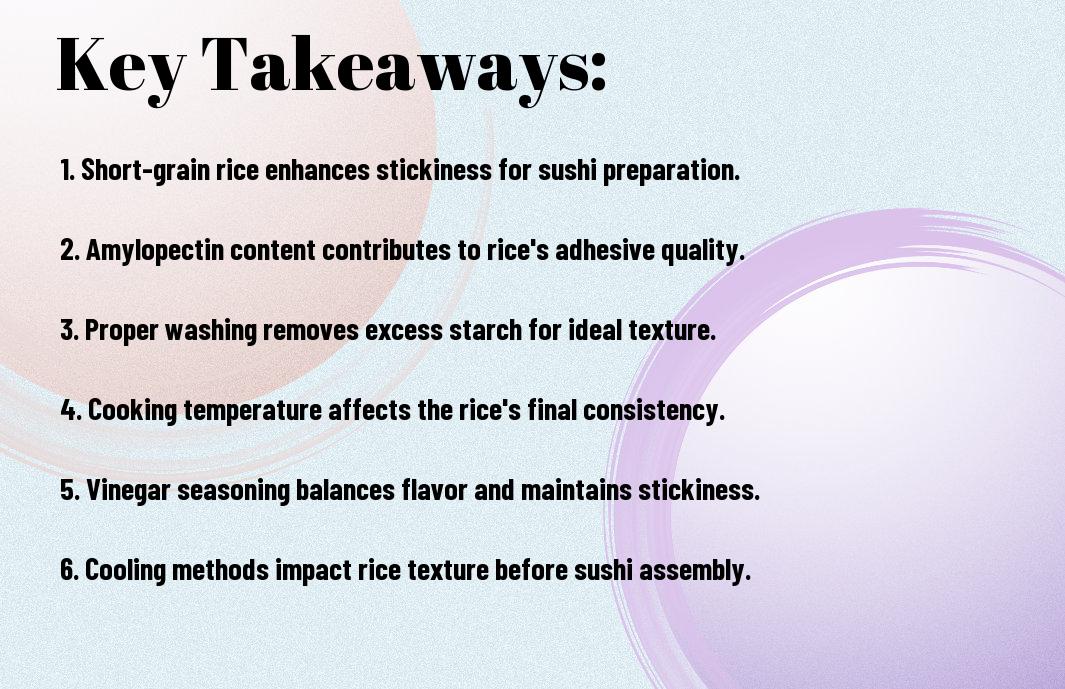
- Rice Variety: The type of rice used, typically short-grain Japonica, contributes to its stickiness due to higher amylopectin content.
- Washing Rice: Rinsing the rice before cooking removes excess starch, which helps achieve the desired texture without becoming gummy.
- Cooking Technique: The right water-to-rice ratio and cooking method are vital for producing rice that is sticky but not overly wet.
- Cooling Process: Proper cooling after cooking allows the rice to firm up, enhancing its stickiness while retaining separation.
- Seasoning: Adding vinegar mix after cooking helps create the characteristic flavor and enhances the adhesion of the grains.
The Composition of Sushi Rice
A key factor in achieving the perfect sushi lies in the composition of the rice itself, which is different from regular rice varieties. Sushi rice, primarily made from short-grained Japonica rice, has specific characteristics that contribute to its stickiness and texture. This unique composition allows the rice to clump together without becoming overly gummy, creating the ideal base for nigiri and rolls.
Types of Rice Used
Against the backdrop of various rice options, it is imperative to recognize the types suited for sushi-making. Here are the most commonly utilized rice varieties:
- Japonica rice
- Calrose rice
- Short-grain rice
- Medium-grain rice
- Specialty sushi rice
Knowing these types can help you make informed choices when selecting sushi rice for your culinary endeavors.
Essential Ingredients
Ingredients that enhance the flavor and texture of sushi rice play a significant role in the overall experience. These components are vital for balancing the rice’s natural sweetness and umami flavor, giving your sushi its distinctive taste.
With the right elements, including rice vinegar, sugar, and salt, you can elevate your sushi rice from ordinary to extraordinary. Each ingredient serves a specific purpose: rice vinegar adds acidity, sugar brings sweetness, and salt enhances overall flavor. Combining these imperative ingredients in the right proportions not only improves the taste but also contributes to that desired signature stickiness in your rice, ensuring a perfect base for sushi.
The Role of Starch
Assuming you’ve ever wondered why sushi rice clumps without becoming overly sticky, it’s all in the starch composition. Sushi rice primarily contains two types of starch: amylose and amylopectin. They play distinct roles in how your rice will feel and behave after cooking. For a practical application, check out this Sumeshi (Seasoned Sushi Rice) Recipe that highlights the art of preparing sushi rice perfectly.
Amylose vs. Amylopectin
Around 20% of the starch in sushi rice is amylose, while the remaining 80% is amylopectin. Amylose contributes to the rice’s ability to hold its shape after cooking, providing that wonderful sushi texture you enjoy. On the other hand, amylopectin is what gives sushi rice its delicious stickiness, allowing the individual grains to bind together nicely.
Starch Gelatinization
Across cooking, starch gelatinization is the process where heat transforms starch granules in rice, making them absorb water and swell. This transformation is what allows sushi rice to become tender while still maintaining that perfect balance between stickiness and texture. Understanding this process is key to achieving the right sushi rice for your meals.
Amylose helps stabilize the structure of cooked rice by retaining its form and preventing it from becoming mushy. You achieve the right sushi consistency by allowing the starch to gelatinize properly, so keep an eye on the temperature and cooking time. This results in a delightful texture that makes sushi enjoyable, whether you’re rolling it yourself or savoring it at your favorite restaurant.
The Cooking Process
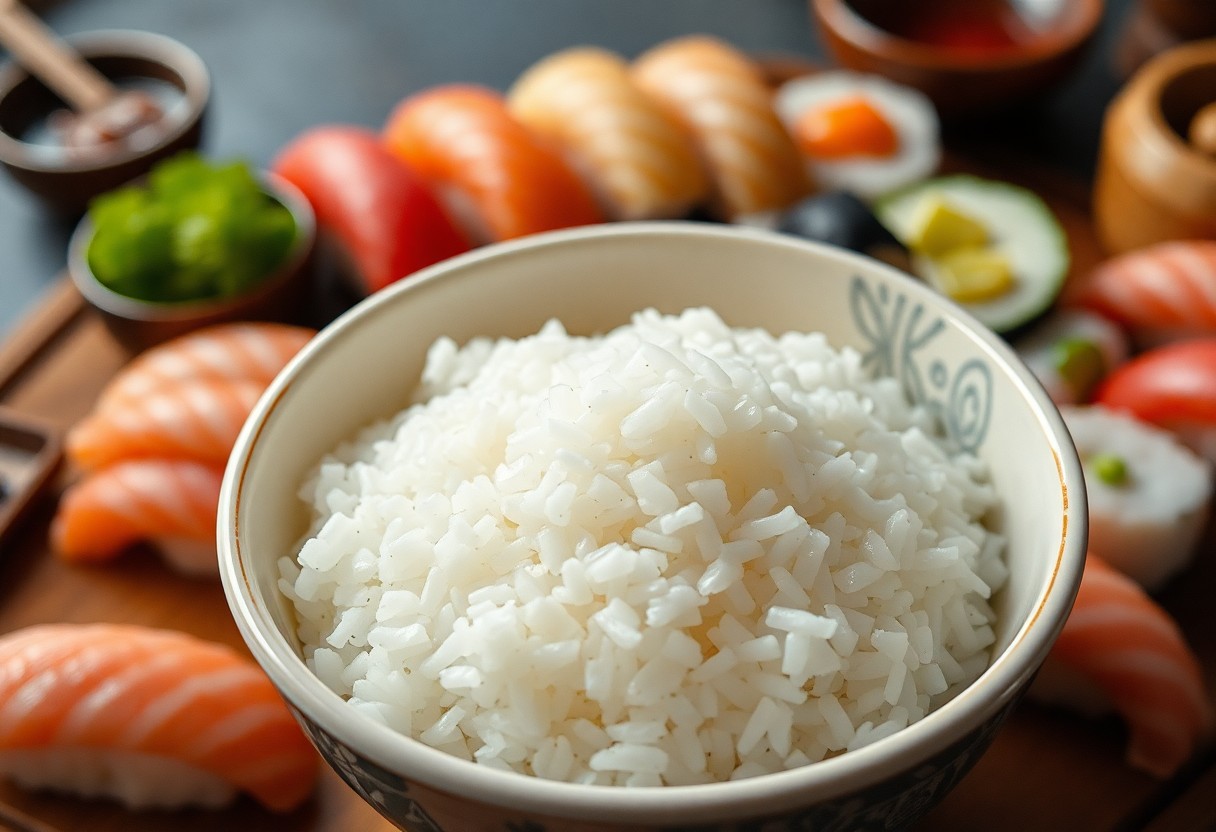
Many factors come into play when it comes to cooking sushi rice. From the type of rice you choose to the precise cooking methods employed, each step contributes significantly to achieving that perfect balance of stickiness without becoming gummy. Proper cooking techniques ensure that the grains hydrate evenly, resulting in a delightful texture that holds together well for sushi making.
Rinsing and Soaking
Along with choosing the right rice, rinsing and soaking your sushi rice is imperative to remove excess starch. By rinsing the rice under cold water until the water runs clear, you reduce the stickiness that causes gumminess. Once rinsed, soaking the grains for 30 minutes allows them to absorb some water, promoting even cooking and enhancing their texture.
Cooking Techniques
Against common perceptions, the best techniques for cooking sushi rice involve precise timing and temperature controls. You wouldn’t want to rush the cooking process, as it may lead to uneven results.
Cooking sushi rice involves using the absorption method, which allows the rice to cook evenly and maintain the right moisture content. Begin by placing the soaked rice in a pot with a measured amount of water, typically at a 1:1.2 rice-to-water ratio. Bring it to a boil, then reduce to a simmer and cover tightly. The key is to let it steam for 18 to 20 minutes, followed by resting for an additional 10 minutes off the heat. This technique not only ensures perfectly sticky rice but also allows each grain to retain its individuality, resulting in an enjoyable sushi experience.
Seasoning the Rice
Now that you’ve cooked your sushi rice to perfection, it’s time to season it to elevate its flavor. Achieving the right balance of seasoning enhances the rice and helps with its stickiness, which is imperative for making sushi. This step requires a careful blend of ingredients to ensure your rice delivers that authentic sushi taste and texture.
Vinegar Mixture
On your journey to create the perfect sushi rice, the vinegar mixture plays an important role. This combination typically consists of rice vinegar, sugar, and salt, which together bring a sweet and tangy flavor that complements the rice. Using the right proportions will help achieve the desired taste without overpowering the dish.
Proper Mixing Techniques
By applying effective mixing techniques, you can evenly distribute the vinegar mixture throughout your sushi rice, ensuring consistent flavor and texture. Gently folding the rice with a spatula or paddle allows you to incorporate the seasoning without damaging the delicate grains.
Also, it’s imperative to mix your rice while it’s still warm to facilitate better absorption of the vinegar mixture. Use a gentle, lifting motion rather than stirring vigorously to avoid making the rice overly mushy. This technique not only ensures your rice remains fluffy but also helps maintain the beautiful shine that distinguishes high-quality sushi rice.
Achieving the Perfect Texture
All sushi rice aficionados know that the ideal texture is both sticky and firm, perfect for molding into nigiri or rolls. Mastering this balance can be a challenge, leading many to wonder why can’t I get my rice to be sticky like the Japanese. The key lies in understanding the nuances of cooking techniques, water-to-rice ratios, and cooling practices that contribute to this signature texture.
Measuring Water Ratios
After selecting the right type of rice, precise water measurement is crucial for achieving the perfect stickiness. A common ratio is 1:1.2, rice to water, but adjustments may be needed depending on your rice variety and personal preference. So, experimenting with these ratios will help you find the sweet spot for your sushi rice.
Cooling Techniques
At the end of cooking, the way you cool your rice impacts its final texture. Gently fluffing the rice with a paddle and spreading it on a wooden or bamboo surface creates a desirable consistency. This technique allows the steam to escape while preventing the rice from becoming too gummy.
Due to the gentle cooling process, excess moisture dissipates, leaving you with sushi rice that is both sticky and light. Using a fan or open window can further help cool the rice evenly. The key is to avoid aggressive mixing, which may break grains and compromise the texture. By paying attention to these details, you can elevate your sushi-making to restaurant-quality results.
Common Mistakes to Avoid
To achieve perfect sushi rice, it’s vital to steer clear of common pitfalls that can compromise texture and flavor. Pay close attention to your cooking techniques, water ratios, and cooling methods to ensure your rice comes out just right for sushi preparation.
Overcooking
Below optimal cooking time can lead to rice that is overly soft and mushy. This is imperative as the texture of your sushi rice plays a significant role in the overall dining experience. To avoid overcooking, closely monitor the cooking duration and use a timer, allowing yourself the opportunity to stop the heat at the right moment.
Using the Wrong Rice
Against popular belief, not all rice is suitable for sushi. Using long-grain varieties can lead to less sticky and undesirable textures. Opting for short-grain or medium-grain rice will give you that ideal stickiness needed for sushi preparation.
Further emphasizing this point, short-grain sushi rice, often labeled as ‘shari’ or ‘sushi-meshi,’ has a higher starch content, which is responsible for its unique adhesive quality. This type of rice swells and clumps when cooked, allowing it to hold together perfectly for sushi rolls. Always choose rice specifically intended for sushi to achieve the desired results in your dishes.
Summing up
Presently, understanding the science of sushi rice helps you appreciate its unique texture and flavor. The starch composition and moisture content play significant roles in making the rice sticky yet not gummy, allowing it to hold together without losing its distinct bite. By selecting the right type of rice and cooking it precisely, you can achieve the perfect sushi rice. This knowledge not only enhances your sushi-making skills but also enriches your overall dining experience.
FAQ
Q1: What makes sushi rice different from regular rice?
A: Sushi rice, or shari, is typically made from short-grain japonica rice. This variety has a higher starch content compared to long-grain rice, which results in its unique sticky texture crucial for forming sushi. The stickiness allows the rice to hold together, making it easy to shape and eat without falling apart.
Q2: Why is the cooking method important for sushi rice?
A: The cooking method plays a significant role in achieving the desired texture of sushi rice. It is important to wash the rice thoroughly to remove excess surface starch before cooking. This process helps to prevent the rice from becoming overly gummy. Cooking it with the right water-to-rice ratio—typically 1:1.2 or 1:1.5—ensures that the rice is cooked through while remaining firm yet sticky.
Q3: How does seasoning affect sushi rice?
A: After the rice has been cooked, it is typically mixed with a seasoning made from rice vinegar, sugar, and salt. This not only enhances the flavor but also contributes to the overall texture. The acidity from the vinegar helps maintain the rice’s stickiness while allowing it to remain light and not clumpy or gummy. The balancing of these ingredients is vital for achieving the ideal sushi rice experience.
Q4: Can I use different types of rice for sushi?
A: While sushi rice is specifically designed for sushi-making, some people experiment with other varieties. However, using long-grain rice or non-sticky varieties may result in a texture that doesn’t hold together well, making it challenging to shape rolls. If short-grain japonica rice is not available, glutinous rice can be a substitute, but it will create a different flavor and texture profile.
Q5: How should sushi rice be stored after preparation?
A: After preparing sushi rice, it is best to keep it at room temperature, covered with a damp cloth, to maintain its moisture and prevent it from drying out. Keeping it too hot or too cold can alter its texture. It is advisable to use the rice within a few hours of cooking for the best results; after this, it can become increasingly difficult to work with for making sushi.