omakase

The Art of Sushi Omakase Dining

Just as you launch on a culinary journey, understanding the nuances of sushi omakase dining will elevate your experience to new heights. Omakase, which translates to “I’ll leave it up to you,” invites you to trust the chef’s expertise while savoring an assortment of seasonal dishes crafted with precision and artistry. This dining style emphasizes freshness, quality, and the intricate relationship between the chef and the ingredients. By delving into the art of omakase, you enhance not only your palate but also your appreciation for the vibrant culture behind this exquisite cuisine.

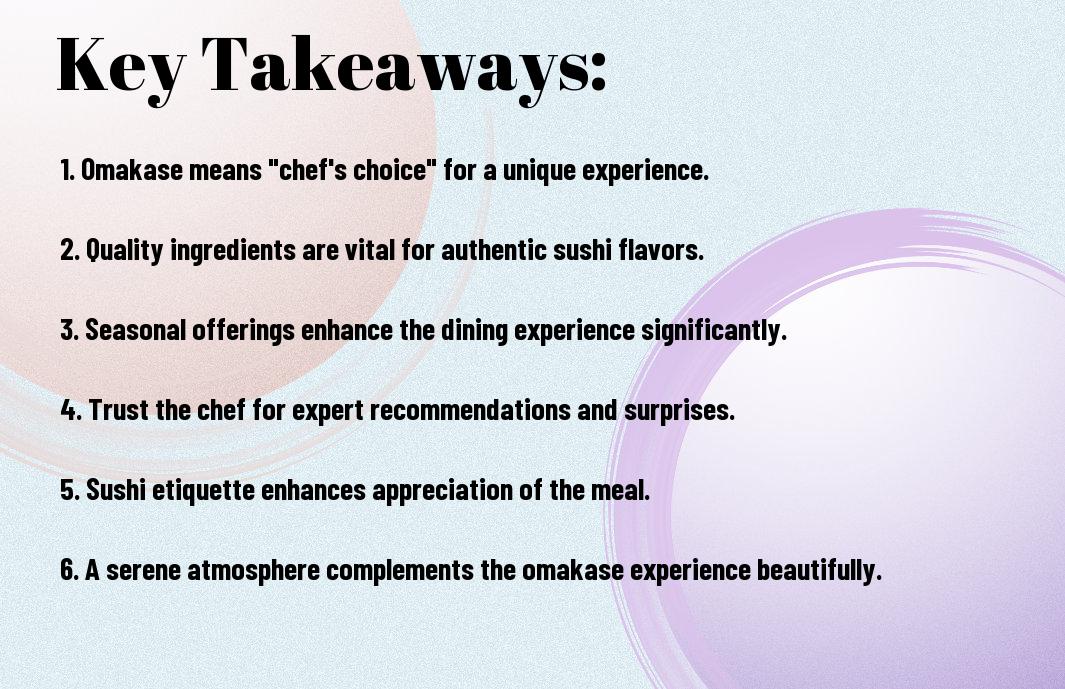
Key Takeaways:

  • Experience: Omakase dining is about indulging in a curated experience where the chef selects dishes based on the freshest ingredients available and their culinary expertise.
  • Interaction: Engaging with the chef enhances the omakase experience, allowing for personalized insights and a deeper appreciation of the artistry behind each dish.
  • Variety: Omakase offers a diverse range of tastes and textures, as each course is thoughtfully crafted to showcase the balance and harmony of flavors in sushi.
The Origin of Omakase

A deep-rooted tradition in Japanese cuisine, omakase translates to “I leave it up to you.” This dining experience emphasizes the chef’s skill and creativity, allowing you to savor fresh, seasonal ingredients prepared with precision. With origins in the Edomae sushi style of Tokyo, omakase has evolved into a revered culinary art form, inviting you to indulge in a personalized journey of flavors and textures.

Historical Context

After World War II, sushi gained popularity outside Japan, and omakase adapted to cater to Western palates. The combination of fresh seafood and meticulous preparation showcased the chef’s craftsmanship, making it a sought-after dining experience. This period marked a significant shift in how sushi was perceived globally, paving the way for today’s omakase offerings.

The Evolution of Omakase Dining

Originating from the simple sushi bars of Tokyo, omakase has transformed into a multifaceted dining experience that reflects contemporary culinary trends. Many chefs now incorporate diverse influences, creating innovative dishes that surprise and delight your palate. You’ll find experimentation with flavors, techniques, and presentations, showcasing an evolution that keeps omakase relevant and exciting in the modern culinary landscape.

Another aspect of this evolution is the rise of high-end omakase experiences, where chefs focus on artistry and personalization. These dining establishments often feature an intimate setting, allowing for direct interaction between you and the chef. This connection not only enhances your meal but also fosters a deeper appreciation for the culinary process, making your omakase journey a memorable one. There has never been a better time to explore the nuances of this exquisite dining tradition.

What to Expect in an Omakase Experience

One of the most exciting aspects of an omakase dining experience is the element of surprise. As you settle into your seat, you can expect to be treated to a carefully curated tasting menu that showcases the chef’s artistry and expertise. Each dish is typically served one at a time, allowing you to savor and appreciate the intricate flavors and presentation of each course. You’ll find that the meal often unfolds in harmony with the freshest seasonal ingredients, offering a unique culinary journey every time you dine.

The Role of the Chef

With a focus on the chef’s unique vision, your omakase experience becomes a personal journey through their interpretation of sushi and Japanese cuisine. The chef hand selects the freshest ingredients, often sourcing them from local markets or direct from Japan, ensuring that you enjoy a meal that reflects authenticity and skill. Their passion and knowledge shine through as they create each piece, guiding you through the story behind every bite.

Seasonal Ingredients and Menu Creation

For an exceptional omakase experience, the menus are often crafted around seasonal ingredients. You’ll have the opportunity to taste flavors that are at their peak, influenced by the changing seasons. This ensures that you receive not only the freshest flavors but also a diversity of textures and presentations that vary from one visit to the next.

It’s fascinating to discover how the chef incorporates seasonal highlights into their menu. As the year progresses, you might find ingredients such as buttery eel in summer or delicate white fish in winter. This seasonal approach allows the chef to showcase their creativity and adaptability, resulting in beautifully crafted dishes that reflect the rhythm of nature. Each omakase meal becomes a celebration of the seasons, creating an immersive dining experience where you can appreciate the artistry and attention to detail that goes into every bite.

The Significance of Presentation

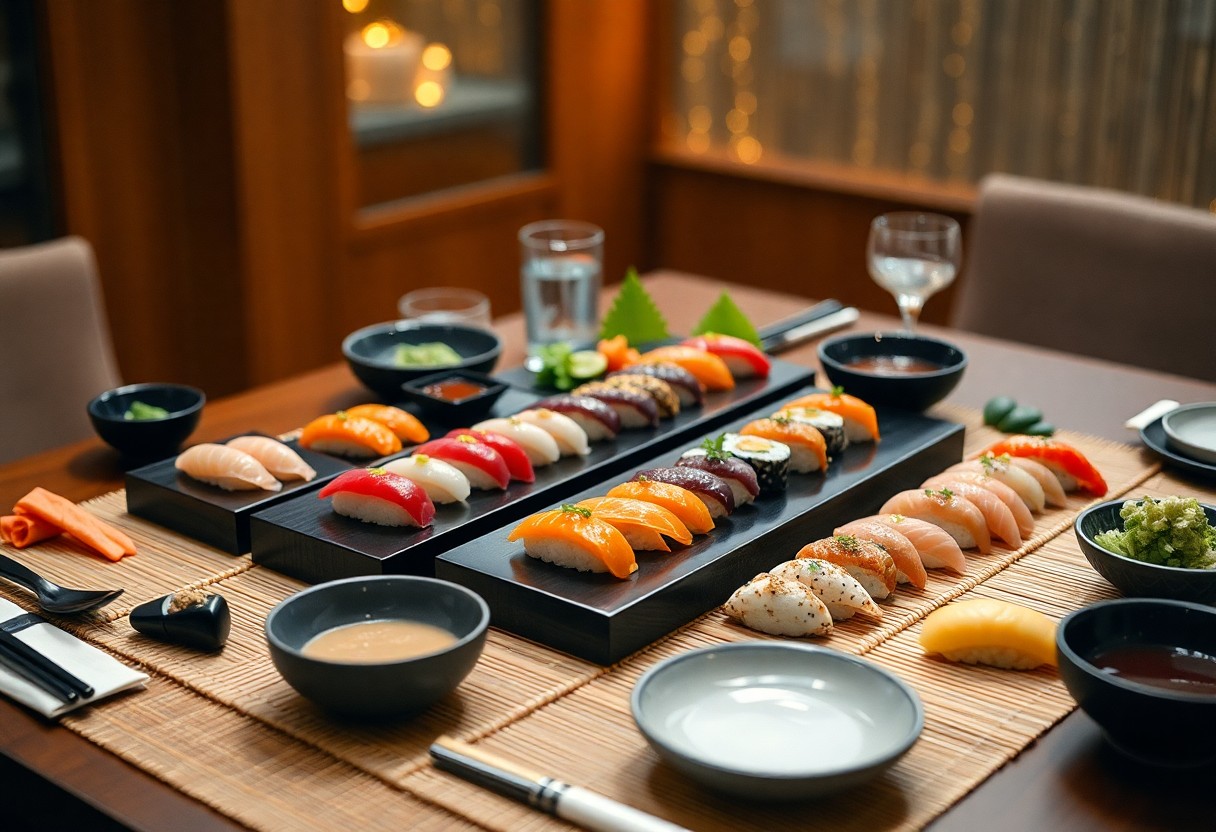
Unlike typical dining experiences, sushi omakase elevates the importance of presentation as part of its culinary artistry. Each dish tells a story, showcasing the chef’s skill and the seasonal ingredients used. The colors, textures, and arrangement create a feast for the eyes, enhancing your anticipation and enjoyment. Discover more about this artistic experience at Sushi & Omakase | Tokugawa New York.

Aesthetic Appeal

Aesthetic appeal plays a vital role in the omakase experience, as visually striking dishes set the tone for your meal. Each course is carefully curated to visualize harmony and balance, drawing you into the delicate beauty of Japanese cuisine.

Serving Techniques

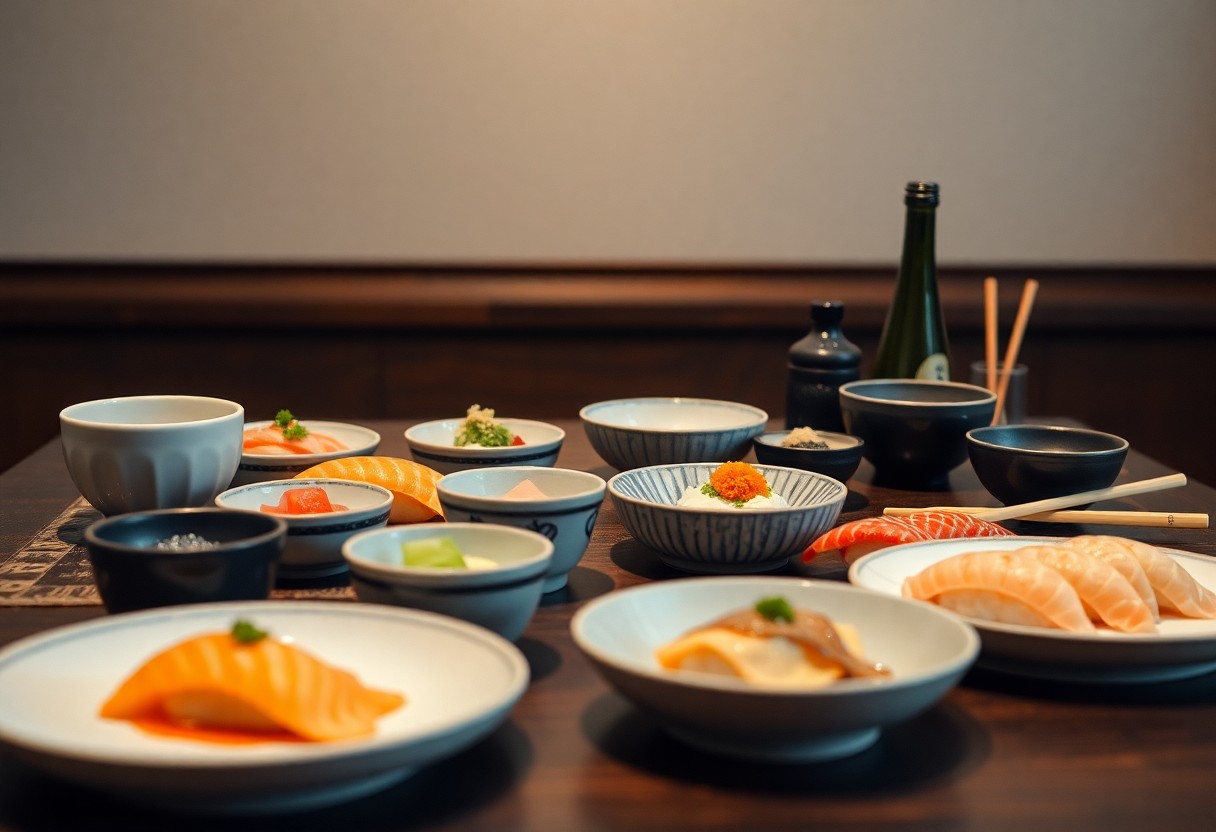
Aesthetic serving techniques further enrich your dining experience in omakase. With precision and care, chefs use unique plating methods that complement the flavors of the ingredients, ensuring that each bite is as enchanting as it is delicious. Your senses are engaged, making the entire process an immersive experience.

Presentation in serving techniques may involve using traditional Japanese tableware or innovative serving styles that reflect contemporary design. As you watch the chef artfully arrange each piece, you can appreciate not only the craft of sushi-making but also the dedication to creating a memorable overall experience that ties flavors, visuals, and emotions together.
Pairing with Sake and Other Beverages

After enjoying the delicate nuances of sushi prepared for you during an omakase experience, consider enhancing your meal with carefully selected beverages. Sake, with its diverse flavor profiles, can elevate your tasting experience by complementing the freshness of your sushi. From crisp and dry to rich and aromatic, the right pairing can truly accentuate the vibrant textures and tastes on your plate.

Importance of Pairing

Other beverages, including sake, beer, or green tea, can significantly affect your overall dining experience. The right drink highlights individual sushi elements, allowing you to explore a more profound connection with the cuisine. Thoughtful pairing elevates both your meal and tasting pleasure, making each bite even more memorable.

Recommended Sake Variations

Behind the art of pairing sake lies a spectrum of variations tailored to different sushi styles. For instance, a light Junmai Ginjo brings out the delicate flavors of white fish, while a fuller-bodied Honjozo complements richer items like fatty tuna. Understanding these nuances allows you to pick the perfect sake to match your meal.

A well-chosen sake not only enhances your sushi experience but also introduces you to the rich cultural backdrop of Japanese beverages. Pay attention to the texture and flavor profile of your sushi, adjusting your sake selection accordingly. Whether opting for a chilled bottle or warm varieties, each choice crafts a unique tasting journey, making your omakase dinner even more enchanting.

Etiquette and Dining Tips

Many aspects of sushi omakase dining require your attention to create a truly immersive experience. Adhering to proper etiquette enhances your enjoyment and shows respect for the chef. Keep these tips in mind:

  • Arrive on time for your reservation.
  • Greet the chef and maintain eye contact.
  • Avoid using unnecessary condiments.
  • Be open to trying all dishes as the chef presents them.
  • Express gratitude after your meal.

This ensures a pleasant experience for both you and the chef.

Proper Behaviors at the Sushi Bar

Proper behavior at the sushi bar is vital for creating an enjoyable atmosphere. Maintain a polite demeanor and avoid loud conversations. It’s best to engage with the chef respectfully, listening attentively as they present each piece of sushi. If you have questions, ask them quietly between courses to allow the chef to focus on their craft. Trust the chef’s expertise and be open-minded about the flavors and preparations offered.

Understanding Tipping and Payment

By navigating the nuances of tipping and payment, you can ensure that your dining experience is seamless. In most sushi omakase restaurants, a tip is appreciated but not always expected, as the price often reflects the high level of service and skill involved. When in doubt, a 15-20% tip is standard for exceptional service. It’s also wise to inquire discreetly about the payment process beforehand, as some establishments may include a service charge or prefer cards over cash.

It’s vital to be aware of the different customs surrounding tipping in various regions or countries. In Japan, tipping is generally not practiced, while in other places, it may vary based on the level of service rendered. Always consider the effort and dedication the chef puts into your meal, and feel free to express your gratitude through a tip if you’re satisfied. Your thoughtful approach will help create a positive dining experience for you and the culinary artists behind the counter.

Popular Omakase Destinations

Now, if you’re seeking exceptional omakase experiences, you’ll want to explore popular destinations around the globe. Major cities like Tokyo, New York, and Los Angeles offer a variety of top-tier sushi bars where chefs create masterpiece dishes tailored to your palate. You can expect a blend of tradition and innovation, giving you a true taste of culinary artistry in each bite.

Renowned Restaurants Worldwide

Around the world, renowned restaurants elevate the art of omakase dining. Venues like Sukiyabashi Jiro in Tokyo and Sushi Nakazawa in New York City attract sushi enthusiasts with their meticulous attention to detail and fresh ingredients. Whether it’s the atmosphere or the skill of the chefs, these establishments craft unforgettable dining experiences that you surely won’t want to miss.

Hidden Gems to Explore

Explore lesser-known omakase spots that offer unique flavors and personalized experiences. These hidden gems often feature talented chefs who may not be as widely recognized yet serve up exceptional sushi that rivals renowned establishments. Discovering these eateries can bring an exciting twist to your sushi journey.

Gems like these often showcase local ingredients and inventive techniques, providing you with a distinctive dining experience. Many of them, located in quieter neighborhoods, offer intimacy and personalized service, enhancing your overall experience. By venturing off the beaten path, you have the chance to uncover exceptional chefs who pour their passion and creativity into each dish, inviting you to experience sushi in a whole new light.

To wrap up

Following this guide, you are now equipped to appreciate the intricacies of sushi omakase dining. By understanding the chef’s philosophy, the quality of ingredients, and the artistry involved, your experience will be elevated beyond just a meal. Embrace the journey of flavors and textures, and allow yourself to be surprised by each carefully curated bite. Omakase is not just about dining; it’s an experience that highlights the harmony between food, craftsmanship, and cultural heritage that you won’t soon forget.

Q: What is Omakase and how does it relate to sushi dining?

A: Omakase is a Japanese term that translates to “I leave it up to you.” In the context of sushi dining, it refers to a style where the chef selects a multi-course meal for the guests, showcasing the finest and freshest ingredients available. This dining experience often involves a personalized touch, allowing the chef to demonstrate their skills and artistry while guiding diners through a curated tasting menu. Dishes may include various types of sushi, sashimi, and often seasonal specialties, creating a unique journey through flavors and textures.

Q: What should I expect during an Omakase sushi dining experience?

A: During an Omakase sushi meal, guests can expect an immersive culinary journey led by the chef. The experience typically begins with a warm greeting and may include a brief explanation of the items being served. Diners often sit at the sushi counter, allowing for interaction with the chef, who may present each dish with a story or insight into its preparation. The menu is presented in courses, with each item carefully prepared and served at the peak of freshness. The dining pace can be leisurely, allowing guests to savor each bite and fully appreciate the artistry of the sushi.

Q: How do I choose the right Omakase restaurant for my dining experience?

A: When opting for an Omakase restaurant, consider factors such as the chef’s experience, the restaurant’s reputation, and customer reviews. It’s beneficial to seek out establishments recognized for their dedication to quality ingredients and skilled preparation. Additionally, inquire about the restaurant’s sourcing practices, particularly regarding seafood, to ensure freshness and sustainability. Pricing can vary significantly, with high-quality Omakase experiences typically reflecting more premium ingredients and chef expertise. It’s advisable to book in advance, as popular spots might have limited seating and high demand.
Sushi Etiquette at an Omakase Table

There’s a unique dining experience awaiting you at an omakase table, where you relinquish control to the chef and embrace the artistry of sushi preparation. To fully appreciate this culinary journey, it’s important to understand the key etiquette that enhances both your experience and the chef’s. From how to interact with the chef to the appropriate way to savor each piece, these guidelines will help you navigate the delicate balance of respect and enjoyment in this traditional setting.

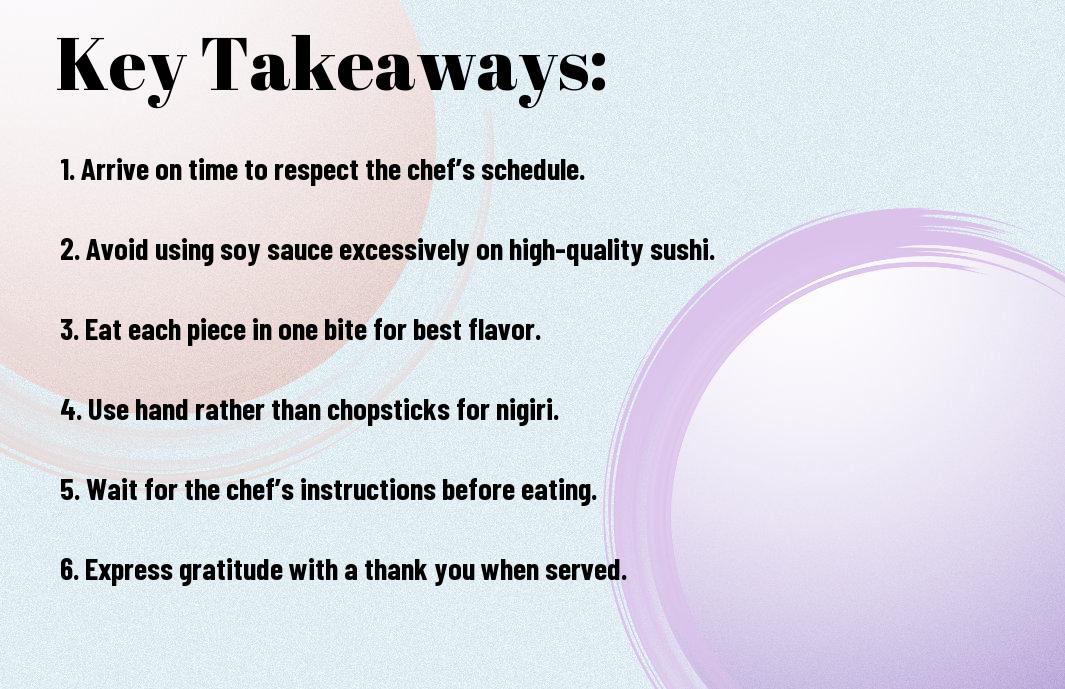
Key Takeaways:

  • Dining Pace: Enjoy the experience at a comfortable pace, as the chef will serve dishes to complement the flow of your meal.
  • Chopstick Usage: Use chopsticks properly and avoid sticking them upright in rice, as this symbolizes death in Japanese culture.
  • Taste Order: Savor the sushi in the order presented, and appreciate each piece as a unique creation from the chef.
  • Communication: Engage with the chef if comfortable, as they appreciate feedback and interaction, enhancing your dining experience.
  • Finishing Entire Dish: It’s polite to finish each piece of sushi, respecting the craftsmanship and ingredients used.

Understanding Omakase

Your journey into the world of sushi starts with understanding omakase, which translates to “I leave it up to you.” In this dining experience, the chef selects a series of dishes, showcasing the freshest ingredients and their culinary expertise. Embrace the adventure of tasting unique flavors and textures as you savor each carefully curated course. For insightful tips from some of America’s finest chefs, check out these 14 Pro Sushi Tips From America’s Top Omakase Chefs.

Definition of Omakase

Definition: Omakase is a style of dining where the chef prepares a meal based on the ingredients of the day, allowing you to experience the freshest and most seasonal offerings. This approach emphasizes trust in the chef’s expertise and allows for an intimate connection between you and the culinary artistry.

History and Cultural Significance

About: Omakase has deep roots in Japanese culture, evolving from the traditional sushi bars of Tokyo. The practice emphasizes seasonality, craftsmanship, and the relationship between the chef and diners. This cultural experience enriches your understanding of Japanese cuisine and showcases the artistry involved in sushi-making.

For instance, as you sit at the sushi bar, each dish served reflects the chef’s skill and the availability of fresh ingredients. The intimate setting fosters a bond between you and the chef, who learns your preferences while delighting you with an array of flavors. This connection amplifies the overall experience and artfully highlights the rich cultural heritage of omakase dining.

Preparing for Your Omakase Experience

Any sushi aficionado knows that an omakase experience is not just a meal; it’s an art form. Before diving in, familiarize yourself with the process by checking out How to Eat Omakase: A Complete Guide. Understanding the flow and etiquette will enhance your enjoyment and appreciation of the chef’s culinary mastery.

Choosing the Right Restaurant

With many options available, selecting the right restaurant for your omakase experience is important. Look for establishments that focus on high-quality, seasonal ingredients and have skilled chefs who are passionate about their craft. Reading reviews and seeking recommendations will help you find a venue that delivers an unforgettable meal.

Reservation and Arrival Tips

On your journey to the perfect omakase, making a reservation is often the first step. Be sure to:

  • Book your table well in advance, especially at popular spots.
  • Inform the restaurant of any dietary restrictions or allergies.
  • Arrive at least 15 minutes early to relax and orient yourself.

This preparation sets the stage for an impressive dining experience.

It’s important to approach your reservation and arrival with mindfulness. Being punctual not only shows respect for the chef and the dining experience but also allows you to settle in and soak up the ambiance. Consider these additional tips:

  • Dress appropriately for the restaurant’s vibe.
  • Turn off your phone or put it in silent mode to avoid distractions.
  • Engage with your chef; they appreciate guests who show interest in their craft.

This will contribute to a more immersive and enjoyable experience.

Seating Etiquette

All diners should be aware that seating etiquette at an omakase table can enhance your overall dining experience. When you arrive, wait for the host or chef to guide you to your seat, as this demonstrates respect for their process. Typically, the most honored position is at the center, while other seats are assigned based on the flow of service and interaction between diners and the chef.

The Importance of Seating Arrangement

Below the surface, the seating arrangement at an omakase table is thoughtfully designed to create a harmonious atmosphere for both the chef and the diners. Your place can influence your interaction with the culinary experience, while also allowing you to enjoy the interplay of flavors and presentation as they unfold.

Communicating with the Chef

With the chef directly in front of you, this is an opportunity to engage and share your preferences. A simple acknowledgment and a polite greeting can set a positive tone for the evening. Make sure to express any dietary restrictions or preferences early in the meal, as this can help the chef tailor the experience to your taste.

Considering that the omakase experience relies heavily on the relationship between the chef and diners, effective communication will enrich your evening. Feel free to ask questions about the dishes, such as their origins or preparation methods, to deepen your appreciation. However, be mindful of the chef’s pace and avoid interrupting the flow of service, as this ensures that everyone enjoys the experience fully.

Dining Etiquette at the Omakase Table

After being seated at the omakase table, it’s important to immerse yourself in the experience with appreciation and respect. Engage with the chef and staff, as they are dedicated to curating a memorable dining experience for you. Maintain a sense of curiosity and gratitude, as this journey is as much about the artistry of the food as it is about the flavors. Keep your conversations pleasant and avoid distractions; this allows both you and the chef to focus on the exquisite creations being presented.

Accepting the Chef’s Recommendations

About embracing the omakase experience means trusting the chef’s expertise and accepting their recommendations. By allowing the chef to guide your meal, you commence on a culinary adventure that highlights the best seasonal ingredients and their unique preparations. Relinquish control and remain open-minded; this approach not only enhances your enjoyment but also shows appreciation for the chef’s artistry and skills.

Proper Use of Chopsticks and Condiments

Omakase dining genuinely encourages respectful use of chopsticks and condiments. You should use chopsticks to pick up sushi with care, avoiding piercing or mashing delicate pieces. In the matter of condiments like soy sauce or wasabi, the general practice is to apply them sparingly, allowing the natural flavors of the fish to shine. This not only helps you savor the dish fully but also demonstrates a respectful attitude toward the chef’s preparation.

Recommendations for proper use of chopsticks and condiments include holding the chopsticks towards their ends for a precise grip, ensuring you can pick up each piece easily. Dip the fish side into soy sauce rather than soaking the rice, as this preserves the integrity of the sushi. If using wasabi, a small amount can be gently placed on top of the fish rather than mixing it into the soy sauce, to honor the chef’s intention. Following these guidelines enhances your dining experience and upholds the etiquette of omakase.

Tipping and Payment Practices

For sushi aficionados, navigating tipping and payment at an omakase table is imperative to a well-rounded experience. It’s advisable to familiarize yourself with Sushi Etiquette: How To Dine Omakase Properly to ensure you respect local customs, especially regarding service charges and tips.

Understanding Service Charges

An omakase meal often includes a service charge embedded in the bill, reflecting the chef’s artistry and dedication. This can vary by establishment, so checking your receipt is smart to discern any additional costs.

Appropriate Tipping Guidelines

Service in a sushi omakase setting can differ significantly from Western norms, making it important to adjust your tipping habits accordingly. Consider that the personal touch provided by the chef is integral to your experience, and showing appreciation enhances the overall dining atmosphere.

Guidelines suggest that if your omakase meal includes a service charge, further tipping may not be necessary, but rounding up or adding a little extra can express your gratitude. In contrast, if no service charge is included, tipping around 10-15% of your total bill is appropriate. Always reflect on the quality of service and remember that chefs treasure your thoughtful acknowledgment.

Common Misconceptions About Sushi Etiquette

Keep in mind that sushi etiquette varies, and many misconceptions could affect your experience at an omakase table. For example, some people think it’s disrespectful to ask questions about the dishes, while in fact, it shows your genuine interest in the chef’s craft. Furthermore, many believe that you must only use chopsticks, but hand-eating is perfectly acceptable for sushi, especially nigiri. Understanding these nuances will enhance both your sushi experience and your interaction with the chef.

Myths Debunked

Etiquette surrounding sushi can often be tangled in myths. One common misunderstanding is that it’s rude to leave food on your plate. In reality, leaving a small amount can demonstrate that you’ve enjoyed the meal without feeling pressured to finish every last bite. Also, some patrons believe that tipping is frowned upon at omakase tables, yet it is typically embraced as a gesture of appreciation for exceptional service and skill.

Cultural Differences in Sushi Etiquette

After exploring the myths, it’s important to recognize that sushi etiquette varies significantly across cultures. In Japan, traditional practices may differ from those of Western countries, influencing everything from how you taste the food to how you interact with the chef. For example, in Japan, you might observe that diners avoid using soy sauce excessively as this can overpower the nuanced flavors of fresh fish.

Common cultural differences can lead to misunderstandings. In certain regions, the way you eat sushi can reflect your respect for the craft. For instance, in Japan, you should not mix wasabi into your soy sauce, as this is seen as a lack of appreciation for the chef’s flavor pairing. On the other hand, in Western sushi restaurants, such practices might not hold the same weight. Being aware of these variations can enhance your sushi dining experience and help you communicate effectively with your chef.

Final Words

So, as you navigate the experience of dining at an omakase table, your adherence to sushi etiquette enhances not only your enjoyment but also the overall atmosphere. Respect the chef’s creations by sampling each piece as it is served, using your hands when appropriate, and refraining from excessive conversation. By being mindful of your actions and showing appreciation for the artistry involved, you contribute to a respectful dining experience that honors both the chef and the tradition of omakase sushi.

FAQ

Q: What is the proper way to eat sushi at an omakase table?

A: When enjoying sushi at an omakase table, it’s best to eat each piece in one bite. This allows you to fully appreciate the balance of flavors and textures. If the piece is too large, you can take a small bite to make it manageable. It’s also polite to avoid using too much soy sauce since the chef typically seasons each piece to perfection.

Q: Is it acceptable to mix wasabi with soy sauce during an omakase experience?

A: It is generally not advisable to mix wasabi into your soy sauce at an omakase table. Skilled chefs often prepare sushi with the right amount of wasabi already incorporated. If you prefer extra wasabi, a small dab placed on top of the sushi piece before eating is more acceptable than mixing it with soy sauce.

Q: Can I request modifications to the sushi served during an omakase meal?

A: While you can politely express food preferences or allergies before the meal starts, requesting modifications to the dishes themselves is not typical in an omakase dining experience. The concept of omakase relies on the chef’s expertise and vision for the meal, so it’s best to embrace the offerings as presented.

Q: How should I behave when seated at an omakase table?

A: At an omakase table, maintaining a respectful demeanor is key. Speak softly, avoid using loud phones, and engage in polite conversation with fellow diners and the chef. If you’re uncertain or have questions, feel free to ask them as they come, but always be considerate of the chef’s pace and focus.

Q: What should I do with the remaining sushi pieces at the end of the meal?

A: If you have any sushi pieces left at the end of your omakase meal, it’s polite to leave them on your plate. If you wish to take leftovers home, kindly ask the staff beforehand if that is an option. Generally, omakase is designed to be enjoyed in one sitting, so it’s best to savor each piece while it’s fresh, rather than focusing on taking any home.

What $400 Gets You at One of NYC’s Most Expensive Sushi Restaurants — Consumed

On this episode of Consumed, host and sushi aficionado Kat Odell visits Sushi Ginza Onodera, the New York City outpost of an acclaimed Tokyo omakase restaurant, to try the many-coursed meal that sets diners back $400. Is it worth it? Watch the video above for an inside look. 

For more episodes of Consumed, click here: https://www.youtube.com/watch?v=S8Wjj2d28rA&list=PLUeEVLHfB5-SD8g61OopU4eowWVoTnJAE&index=14

— — — — — — — — — — — — — — — — — — — — — — — 

Eater is the one-stop-shop for food and restaurant obsessives across the country. With features, explainers, animations, recipes, and more — it’s the most indulgent food content around. So get hungry.

Subscribe to our YouTube Channel now! http://goo.gl/hGwtF0

How America’s First 3 Star Michelin Sushi Chef Serves His Fish

Rarely does chef Masa Takayama of Manhattan sushi shrine Masa allow cameras into his restaurant. But Eater's Kat Odell scored a seat at his bar to taste through America's best omakase.

Like Madonna, chef Masa Takayama is a mononmyous character known by fans simply as "Masa," also the name of his eponymous restaurant in New York's Time Warner Center. And after three decades of cutting fish and helping to shape (and refine) America's sushi culture, it's a moniker well-deserved.

At Masa, the show is sushi, and it's one that has received countless accolades for Chef's near-perfect, and extremely pricey fish. Actually, Masa is the single most expensive restaurant in the country and one that replicates, in many ways, a classic Japanese omakase experience. While dishes many not always be entirely traditional, the service, energy and overall thought behind the meal is totally Japanese.

On very few occasions does chef Masa allow cameras into his restaurant and, in fact, he's notorious for his no photography policy. Regardless, Eater's Kat Odell scored a prime seat to experience the best sushi in this country.

7 Sushi Rules You're Probably Breaking ►►►► https://goo.gl/JBAFny

After Ten Years of Masa, a Sushi Legend Surveys His Kingdom ►►►► http://goo.gl/zcmFZl
"'I'm not a snob,' says renowned Japanese chef Masayoshi Takayama of his decision to never eat sushi in New York City, unless it comes from his own kitchens. 'Just, the thing is my ingredients. I don't think they have equals.""

————————–

Eater is the one-stop-shop for food and restaurant obsessives across the country. With features, explainers, animations, recipes, and more — it's the most indulgent food content around. So get hungry.

Subscribe to our YouTube Channel now!: http://goo.gl/hGwtF0

Check out more on Eater: http://www.eater.com/

Eater on Twitter: https://twitter.com/eater

Kat Odell on Twitter: https://twitter.com/katodell

Like Eater on Facebook: http://goo.gl/TA4Usd

Like Eater LA on Facebook: https://www.facebook.com/eaterla?_rdr=p

View our full video catalog: http://goo.gl/plZhhc

Visit our playlists: http://goo.gl/I7tTMO

Follow on Pinterest: http://goo.gl/Gyr7XL

More at Eater Los Angeles: http://la.eater.com/

More at Eater New York: http://ny.eater.com/

More at Eater Chicago: http://chicago.eater.com/

Skip to content