food

10 Things You Didn’t Know About Sushi

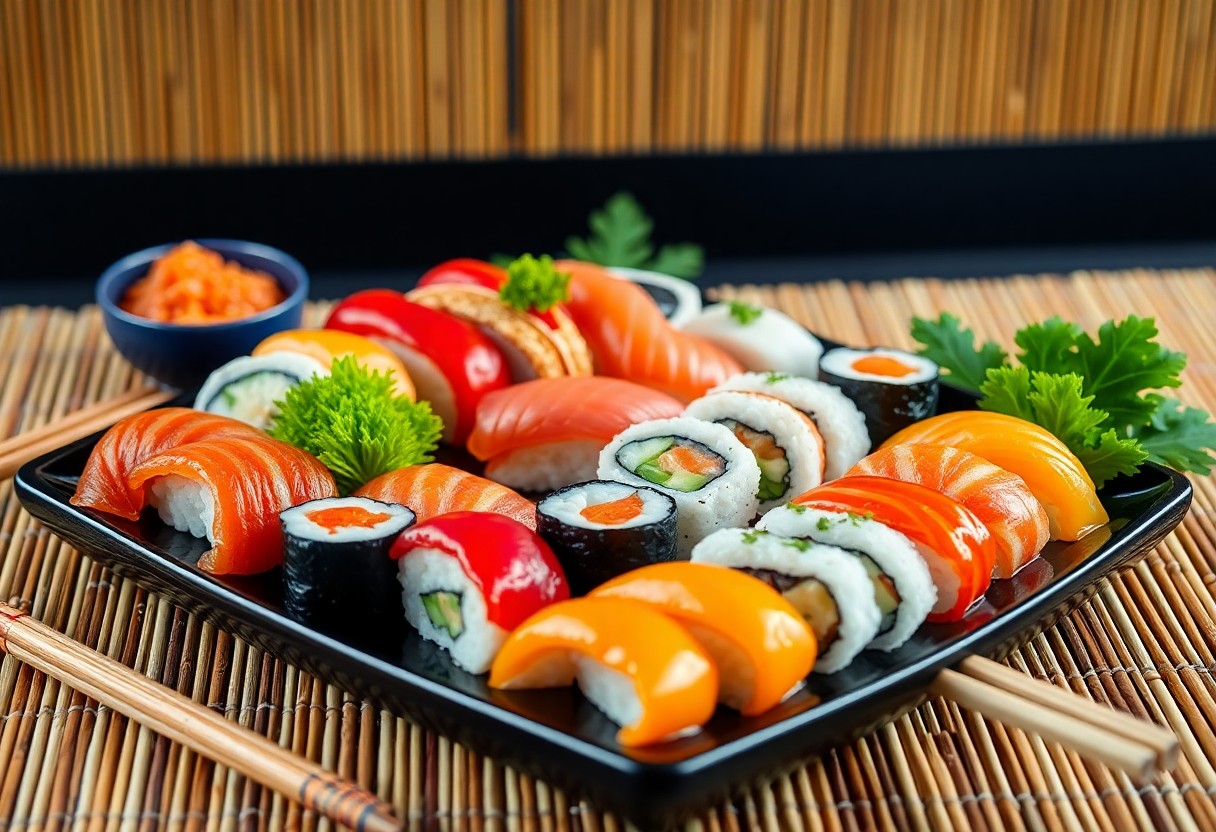
Sushi is more than just a delicious dish; it’s a cultural experience steeped in history and tradition. You might think you know everything about sushi, from the types of rolls to the best dipping sauces, but there’s so much more to discover. In this blog post, we’ll unveil ten intriguing facts that will elevate your sushi knowledge and appreciation. Get ready to impress your friends the next time you indulge in this iconic cuisine!

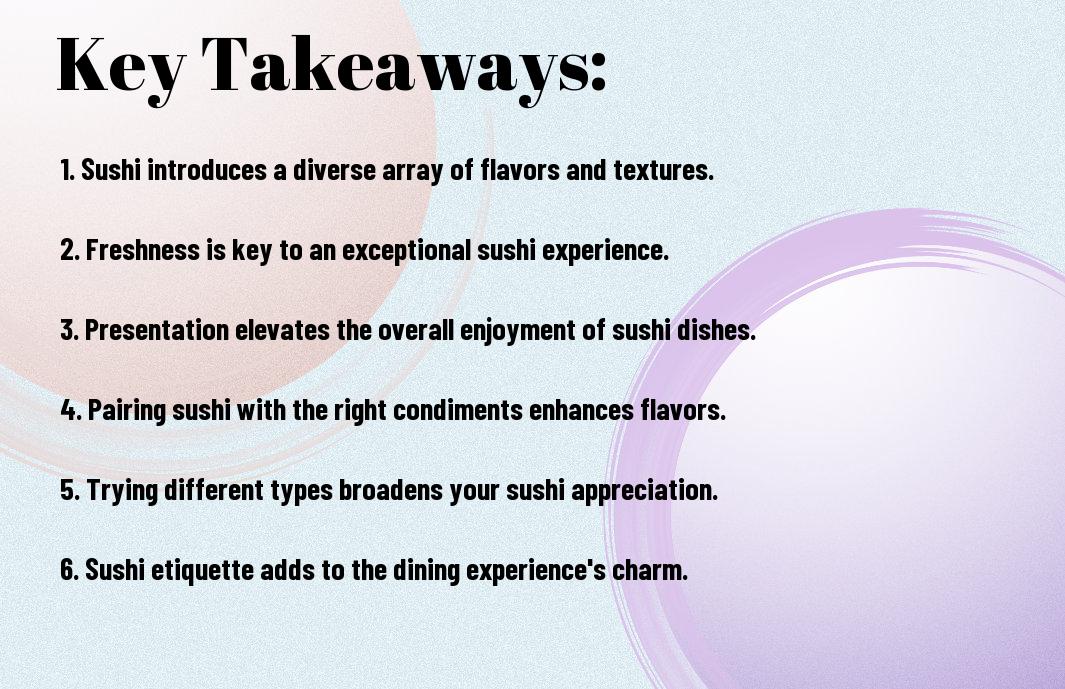
Key Takeaways:

  • Sushi Origins: Sushi actually began as a method of preserving fish in fermented rice, dating back to ancient times in Southeast Asia.
  • Variety of Styles: There are many different styles of sushi, including nigiri, maki, and sashimi, each with unique preparation methods and presentations.
  • Health Benefits: Sushi can be a healthy meal option, as it typically includes ingredients like fish, vegetables, and seaweed, which are rich in nutrients.
The Origins of Sushi

The origins of sushi can be traced back to ancient Southeast Asian practices of preserving fish in fermented rice. This initial method allowed for the storage and consumption of fish long before refrigeration and has laid the foundation for the varied sushi you enjoy today.

Historical Background

Against the backdrop of ancient Japan, fish preservation techniques evolved, leading to the creation of narezushi, where fish was fermented in rice. This method was utilized to extend the shelf life of fish, allowing communities to nourish themselves through harsh seasons while giving rise to a culinary tradition that would span centuries.

Evolution Over Time

Background innovations in sushi preparation started in the Edo period, transforming from a preservation method to a delectable cuisine. This era birthed nigiri sushi, where fresh fish was served atop vinegared rice, allowing you to appreciate the distinct flavors and ingredients that characterizes modern sushi.

Another significant change occurred with the introduction of sushi to Western countries, where it was adapted for local tastes, resulting in popular variations like California rolls. This evolution reflects how sushi has transitioned from a regional delicacy to a global phenomenon, showcasing the versatility of ingredients while catering to diverse palates. Your experience with sushi today is an exciting blend of tradition and innovation that spans cultures and centuries.

Types of Sushi

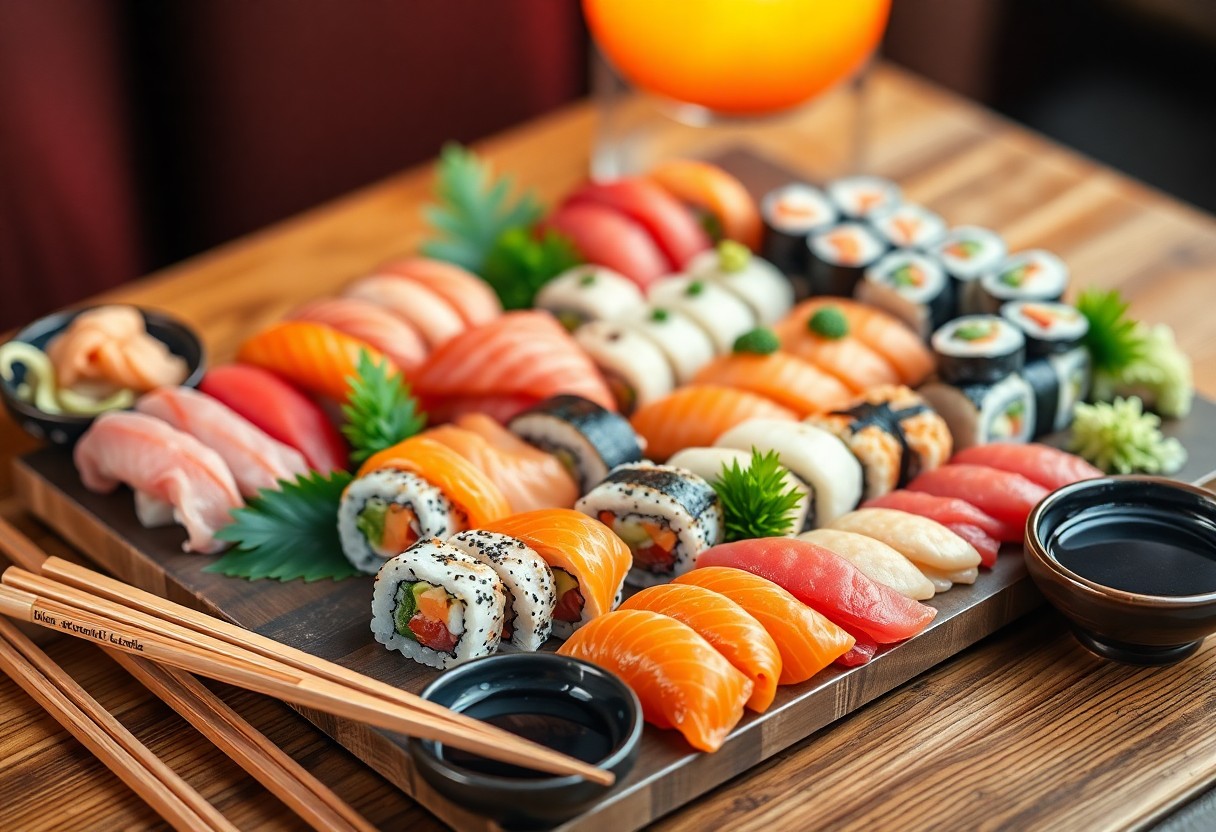
Assuming you are exploring the diverse world of sushi, you may be surprised to learn about its various forms. Sushi nomenclature often reflects the ingredients and preparation methods utilized. Here’s a quick breakdown of some common types:

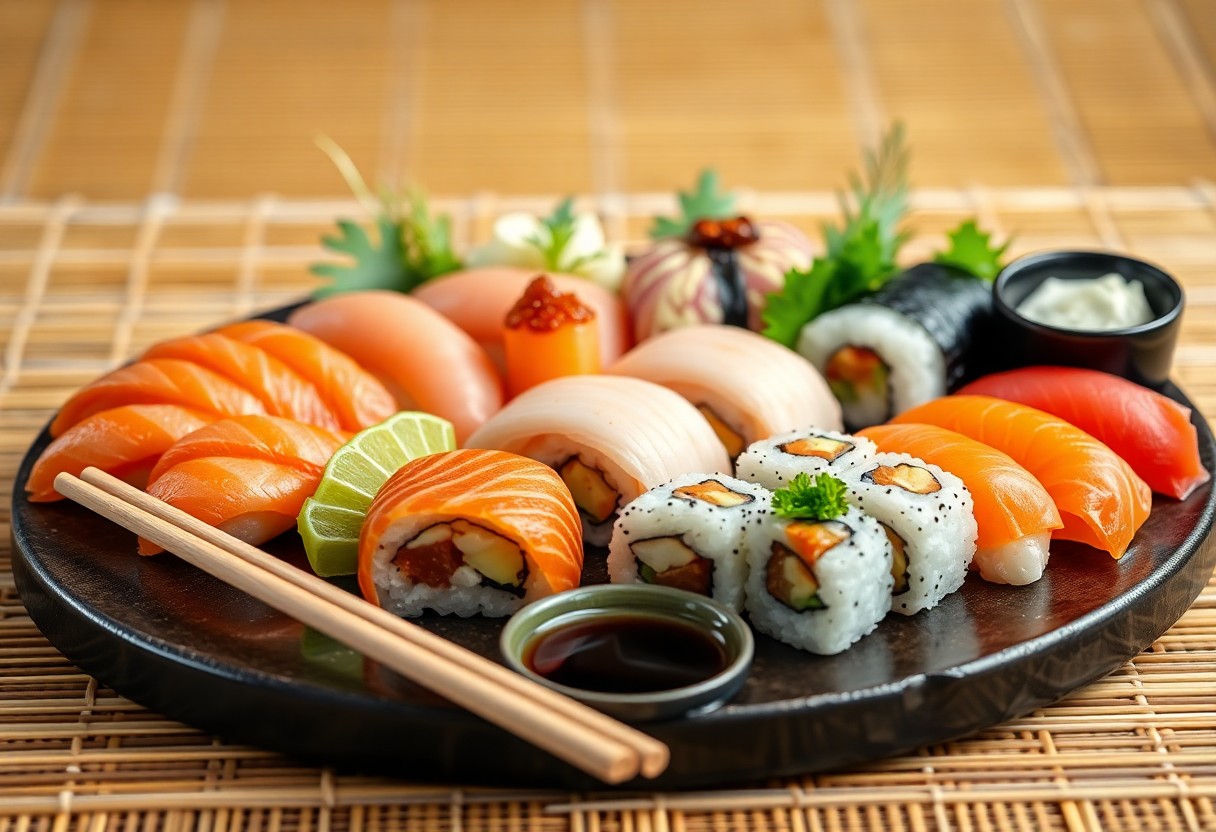
Nigiri Hand-formed rice topped with fresh fish or seafood.
Sashimi Thinly sliced raw fish served without rice.
Maki Rolled sushi with rice and fillings, wrapped in seaweed.
Temaki Hand-rolled sushi in a cone shape.
Uramaki Inside-out rolls with rice on the outside and seaweed inside.

This variety underscores the richness and complexity of sushi culture.

Nigiri, Sashimi, and Maki

The mainstays of sushi include nigiri, sashimi, and maki. Nigiri consists of hand-formed rice topped with a slice of fish or seafood, usually adorned with a dab of wasabi. Sashimi, often associated with sushi, refers specifically to raw fish served without rice. Maki, on the other hand, involves rolling rice and ingredients inside seaweed, creating bite-sized pieces. Each form offers a different experience and highlights the artistry involved in sushi preparation.

Regional Variations

An interesting aspect of sushi is its regional variations, which can alter the taste and presentation significantly. Different cultures have embraced sushi and adapted it to local ingredients and preferences.

Understanding the regional variations of sushi can enhance your appreciation for this culinary art. For instance, California rolls incorporate avocado and imitation crab, showcasing a fusion of flavors that diverges from traditional Japanese sushi. In contrast, Edomae-zushi, originating from Tokyo, emphasizes fresh, high-quality fish sourced from local waters, served in the simplest form. Exploring these differences allows you to experience sushi in new and exciting ways.

Sushi Ingredients

Keep in mind that sushi is not just about fish; it’s a delightful composition of various ingredients. Traditional sushi typically features vinegared rice, fresh seafood, and a plethora of vegetables, along with seasonings that enhance the overall flavor. Each component plays a vital role in creating the unique taste and texture profile that sushi lovers cherish. Understanding these ingredients will deepen your appreciation for this culinary art form.

Common Fish and Seafood

Between salmon, tuna, and yellowtail, your sushi experience is likely enriched by a variety of premium fish and seafood choices. Each provides distinct flavors and textures, catering to a wide range of palates. You may also encounter lesser-known options like mackerel and sea urchin, each adding its unique charm to sushi creations.

Unique Additives and Flavors

Across sushi menus, you’ll find a multitude of unique additives and flavors that elevate your dining experience. From fragrant sesame oil to zesty ponzu sauce, these enhancements transform simple sushi into a gourmet adventure. It’s these nuances that can take your sushi enjoyment to another level.

Considering the broad array of flavors, don’t overlook garnishes like wasabi and pickled ginger, which not only enhance your sushi but also cleanse your palate. Other additions, such as yuzu, a Japanese citrus fruit, and various types of seaweed, contribute to an exciting blend of tastes that can surprise your senses. Exploring these unique flavors will allow you to appreciate the incredible versatility found within sushi dishes.

Sushi Preparation Techniques

After understanding the rich history of sushi, it’s important to investigate into the preparation techniques that make each roll unique. Whether you’re enjoying your sushi at a restaurant or trying your hand at home, these methods significantly enhance flavors and presentation. If you’re curious about more fun facts, check out 11 Things You Didn’t Know About Sushi.

Traditional Methods

Along the years, sushi has been crafted using traditional methods passed down through generations. Techniques such as hand-pressing sushi rice, using premium fish, and precise knife skills are hallmarks of authentic sushi preparation. Master sushi chefs spend years honing these skills to achieve the perfect balance of flavor and artistry in their creations.

Modern Innovations

On the other hand, modern innovations in sushi preparation have revolutionized the way this dish is enjoyed. Techniques now incorporate technology, such as temperature-controlled rice cookers and sous-vide methods for fish. These advancements allow for precision in cooking, ensuring that the ingredients retain their ideal textures and flavors.

Preparation has transformed with the integration of global influences and culinary technology. You can now find sushi that incorporates unconventional ingredients, like spicy mayo or avocado, appealing to a wider audience. Innovative sushi-making kits are available, allowing you to experiment with these methods at home. Embracing both tradition and modern approaches enhances your sushi experience, whether you’re dining out or making it yourself.

The Health Benefits of Sushi

Now, you might be pleasantly surprised to learn that sushi comes packed with various health benefits. This delicious cuisine not only tantalizes your taste buds but also provides imperative nutrients that support your overall well-being. From omega-3 fatty acids to vitamins, sushi can fit seamlessly into a balanced diet and promote a healthier lifestyle.

Nutritional Value

Value is a highlight of sushi, as it often includes wholesome ingredients like fish, seaweed, and vegetables. Fish, especially fatty varieties like salmon and mackerel, are rich in omega-3 fatty acids, which contribute to heart health and cognitive function. Additionally, the vegetables in sushi provide imperative vitamins and minerals, making it a nutrient-dense option for your meals.

Potential Risks

Health risks can arise with sushi consumption, primarily due to raw fish. Some fish may contain harmful parasites or bacteria that could lead to foodborne illnesses. Additionally, high mercury levels in certain fish, like tuna, can pose health risks, particularly for pregnant women and young children. You should be cautious and informed about where you source your sushi to minimize these risks.

Plus, while sushi can be a healthy choice, it’s imperative to pay attention to portion sizes and accompanying ingredients. Sushi rolls high in mayonnaise-based sauces or fried components can increase calorie and fat content. Opting for simpler rolls with fresh ingredients allows you to enjoy the health benefits while avoiding potential pitfalls that could undermine your dietary goals.
Sushi Etiquette

To fully enjoy your sushi experience, it’s important to understand the etiquette surrounding it. This includes how to handle chopsticks, when to dip sushi into soy sauce, and the importance of serving others first at the table. These practices reflect respect and appreciation for the cuisine, ensuring that your dining experience aligns with tradition and enhances your enjoyment of sushi.

Proper Dining Practices

After being seated, take a moment to appreciate the presentation of the sushi. Use chopsticks to lift the pieces gently, avoiding any direct contact with your mouth or hands. It’s polite to dip the fish side into the soy sauce, never the rice, and to consume the sushi in one bite if possible. Following these practices can elevate your respect for the art of sushi making and create a more delightful experience.

Cultural Significance

Along with its delicious flavors, sushi carries deep cultural significance that reflects Japanese tradition and customs. Each piece is crafted with care, representing a connection to the land and sea. Understanding this cultural backdrop can enhance your appreciation for sushi and its role in Japanese society.

For instance, sushi originated as a way of preserving fish in fermented rice, showcasing Japan’s ingenuity in food preservation and preparation. Over time, it evolved into various forms, each with its own regional significance. By recognizing and respecting the cultural roots of sushi, you not only enjoy its flavors but also participate in a rich culinary heritage that spans centuries. This connection enriches your dining experience and fosters a deeper understanding of the food before you.

Summing up

With these considerations, you now have a deeper understanding of sushi beyond the plate. From its fascinating history to the various regional styles, each aspect of sushi enriches your dining experience. You may surprise your friends and elevate your appreciation of this beloved dish. Whether you’re enjoying sushi at a restaurant or making it at home, these insights will undoubtedly enhance your connection to Japanese cuisine. Explore the diverse world of sushi, and let your palate be your guide!

FAQ

Q: What are the different types of sushi?

A: Sushi comes in various forms, with the most common being nigiri (hand-formed rice topped with fish), maki (rice and fillings rolled in seaweed), and sashimi (sliced raw fish without rice). Other variations include temaki (hand rolls), uramaki (inside-out rolls), and chirashi (scattered sushi served in a bowl). Each type has its own unique presentation and flavor profile, making sushi a versatile dish enjoyed in many ways.

Q: Is sushi always made with raw fish?

A: Though sushi is often associated with raw fish, it can also feature cooked ingredients. Many sushi varieties incorporate seafood that is cooked, such as shrimp, eel, or crab, alongside vegetables and egg. Additionally, vegetarians can enjoy sushi made with ingredients like avocado, cucumber, and pickled vegetables. Therefore, sushi caters to a wide range of dietary preferences and can be both raw and cooked.

Q: What is the significance of wasabi and soy sauce in sushi?

A: Wasabi and soy sauce are traditional condiments served with sushi, each serving a specific purpose. Wasabi, a spicy green paste, enhances flavors and adds heat to sushi, while also possessing antibacterial properties. Soy sauce, a salty and savory liquid, complements the sushi’s taste, acting as a dip for added flavor. Both are intended to enhance the overall sushi experience, but they should be used judiciously to ensure they do not overpower the dish.
My First Time Trying Sushi – A Foodie’s Tale

It’s an exhilarating experience to explore new cuisines, and sushi is a delightful journey into the world of flavors and textures. If you’re preparing for your first sushi adventure, understanding the basics can enhance your enjoyment. From the types of sushi rolls to the etiquette of eating them, this post will guide you through everything you need to know to make your initial encounter with sushi as enjoyable as possible. Get ready to investigate a fresh and exciting culinary experience that will surely expand your palate!

Key Takeaways:

  • Flavor Exploration: Trying sushi opened up a new world of flavors and textures that I had never experienced before.
  • Cultural Appreciation: Experiencing sushi allowed me to gain a deeper understanding of Japanese culture and its culinary traditions.
  • Personal Preference: My tastes evolved throughout the meal, highlighting how trying new foods can change one’s palate over time.

The Allure of Sushi

The vibrant colors and intricate presentations of sushi draw you in, making it a feast for the eyes as well as the palate. This iconic Japanese dish embodies a harmony of flavor and texture that captivates food enthusiasts worldwide. If you’re eager to explore this culinary trend, check out Trying Sushi for The First Time for an exciting overview of what to expect!

A Culinary Adventure

Around each corner, sushi presents a new adventure, inviting you to savor its unique combinations and prepare your taste buds for a journey you won’t forget. From the delicate touch of wasabi to the ocean’s freshness in sashimi, each bite opens a door to Japanese culture.

Understanding Sushi Varieties

Across the sushi landscape, you’ll discover an array of varieties that each tell their own story, from nigiri and maki to temaki and more. Dive into the diverse world to enhance your sushi experience.

It’s important to familiarize yourself with sushi varieties to truly appreciate the art of this cuisine. Nigiri features a hand-formed mound of rice topped with fresh seafood, while maki rolls wrap fillings in rice and seaweed. Temaki, or hand rolls, let you enjoy sushi in a more casual way, all wrapped up in a cone shape. Exploring these options will not only expand your palate but also deepen your appreciation for the craftsmanship behind sushi.

Preparing for My First Sushi Experience

Some preparation is important for making your first sushi experience enjoyable and memorable. Before diving in, it’s wise to familiarize yourself with sushi varieties, the dining environment, and the etiquette that surrounds this culinary tradition. By doing so, you’ll feel more confident and fully appreciate the artistry and flavors of sushi as you launch on this gastronomic adventure.

Choosing the Right Restaurant

On your quest for the perfect sushi experience, selecting the right restaurant is key. Look for establishments known for their quality and authenticity, with good reviews from fellow sushi enthusiasts. A reputable sushi restaurant often prioritizes fresh ingredients, skilled chefs, and a welcoming atmosphere, ensuring you get the best introduction to this vibrant cuisine.

Dining Etiquette for Sushi

On the topic of dining etiquette, understanding how to enjoy sushi properly enhances your experience significantly. Knowing what to do (and what not to do) can show respect for the cuisine and the chef’s artistry, helping you immerse yourself in the cultural experience of dining on sushi.

It’s important to understand a few key etiquettes, such as using chopsticks correctly or your hands for nigiri, dipping sushi into soy sauce (fish side down), and avoiding mixing wasabi directly into your soy sauce. Additionally, don’t feel the need to rush; savor each piece of sushi as it’s meant to be experienced. Engaging with your chef or server by asking questions shows appreciation and can enrich your meal, enhancing both your knowledge and enjoyment of sushi.

My First Encounter with Sushi

Keep in mind that your first encounter with sushi can be both exhilarating and nerve-wracking. Visualize stepping into a vibrant sushi restaurant, the air filled with the enticing aroma of fresh fish and the sound of chefs skillfully preparing each dish. As you gaze at the beautifully arranged sushi on display, excitement mingles with hesitation, igniting a spark of curiosity within you. This is where your sushi adventure begins, inviting you to explore a world of flavors and textures you’ve yet to experience.

Drama and Anticipation

Before you take that leap into the unknown, the anticipation builds. You might find your heart racing as you scan the menu, pondering what to choose. Will it be the classic California roll or something bolder like sashimi? Your mind swims with questions, amplifying the drama of your decision. Each second feels like an eternity as you picture the taste sensations awaiting your palate, fueling an intense yearning to probe this culinary experience.

The First Bite: Sensation and Surprise

After you settle on your choice, the moment to taste has finally arrived. As you bring the sushi to your mouth, a rush of sensations hits you. The delicate rice and flavorful fish meld together, creating a harmonious blend that dances on your taste buds. You might be surprised by the delicate balance of flavors, from the umami of the fish to the hint of wasabi, perfectly accentuating each bite and leaving you craving more.

Considering how sushi combines various textures and tastes, your experience is not just about flavor but also an exploration of contrasts. The initial chew of the rice gives way to the tenderness of the fish, while a subtle crunch from the seaweed enhances the moment. As you savor the different elements, your senses awaken to the richness of this dish, transforming your hesitation into delight. Ultimately, that first bite opens a gateway to a culinary adventure you never knew you needed, revealing a world where simplicity meets sophistication.

Exploring Different Sushi Types

All sushi types showcase the art of Japanese cuisine, each boasting unique flavors and presentation styles. As you commence on your sushi journey, consider the following popular varieties:

  • Nigiri – Hand-formed rice topped with fish or seafood
  • Maki – Rolled sushi typically wrapped in seaweed
  • Sashimi – Slices of fresh fish served without rice
  • Tempura rolls – Sushi with battered and fried ingredients
  • Uramaki – Inside-out rolls with rice on the outside

This diverse range invites you to explore and discover new tastes with each bite.

Sushi Type Description
Nigiri Hand-formed rice topped with fish or seafood
Maki Rolled sushi typically wrapped in seaweed
Sashimi Slices of fresh fish served without rice
Tempura rolls Sushi with battered and fried ingredients
Uramaki Inside-out rolls with rice on the outside

Nigiri vs. Maki

One key difference between nigiri and maki lies in their presentation and construction. Nigiri features a small mound of rice topped with a slice of fresh fish, allowing you to enjoy the flavors of both components directly. In contrast, maki is a rolled sushi with various fillings, offering a mix of textures in each bite. This distinction highlights the versatility within sushi types and allows you to find your personal favorite.

Unique Flavors and Textures

Types of sushi present a delightful exploration of flavors and textures that can elevate your culinary experience. Each sushi type presents its own combination of ingredients, from the tender bite of nigiri’s fish to the crunchy surprise of tempura rolls. You’ll encounter familiar ingredients like avocado and cucumber alongside more adventurous choices, such as eel or octopus, promising something new in every piece.

Exploring the flavor profiles of different sushi types can be a thrilling adventure for your taste buds. The sweet and savory notes in sushi can balance beautifully with the sauces, while fresh seafood offers a delicate taste and texture. Don’t shy away from trying unique combinations or even venturing into specialty rolls unique to certain regions or restaurants. Each piece invites you to embrace a new culinary experience that transcends ordinary cuisine.

Pairing Sushi with Beverages

For a truly immersive sushi experience, choosing the right beverage can elevate your meal from delicious to extraordinary. Whether you prefer traditional sips or innovative alternatives, the drink you select can complement the intricate flavors of your sushi. From crisp whites to bubbly options, there’s a perfect pairing for everyone. Experimenting with combinations can enhance your tasting journey and introduce new layers to your dining experience.

Traditional Pairings: Sake and Beyond

By opting for sake, you embrace a time-honored tradition that pairs remarkably well with sushi. This Japanese rice wine, available in various types, enhances the umami elements found in your meal. Beyond sake, consider other choices such as shochu or Japanese beer, both of which can offer distinctive flavor notes that harmonize beautifully with the subtlety of sushi.

Exploring Non-Traditional Drinks

Among the growing trend of beverage pairings is the exciting realm of non-traditional drinks that can accompany your sushi. From fruity cocktails to artisanal craft beers, these options encourage a creative pairing approach beyond the conventional. Imagine enjoying a zesty yuzu-infused cocktail alongside your nigiri or a refreshing cucumber gin fizz that brings out the freshness in your sashimi.

It’s worth exploring this vibrant selection of beverages, as they can completely transform your sushi experience. Craft beers with citrus notes or sparkling wines provide delightful contrasts to the fish’s richness, while herbal teas offer a calming balance after a spicy roll. The key is to think outside the box and let your taste buds guide you toward harmonious combinations that resonate with your personal palate.

Reflections on the Experience

Once again, you find yourself contemplating the vibrant world of sushi, a delightful culinary adventure that opened your eyes to new flavors and textures. Each bite revealed the artistry behind this Japanese cuisine, and you realized that sushi is more than just food; it’s a cultural experience that celebrates freshness and creativity. You can’t help but appreciate the meticulous craftsmanship behind each roll, which invites you to savor every moment and embrace the uncharted territory of flavors.

Lessons Learned

Lessons from your sushi experience extend beyond the dinner table, emphasizing the importance of trying new things. You learned that stepping out of your comfort zone can lead to delicious surprises, fostering a deeper appreciation for diverse cuisines. This adventure also reminds you to approach unfamiliar culinary experiences with an open mind, allowing for growth in your culinary journey.

What Sushi Taught Me About Food

Across your sushi journey, you discovered that food serves as an entry point to understanding cultures. Each ingredient tells a story, painting a picture of traditions, local landscapes, and harvests. This realization deepens your connection to the meals you consume, reminding you that food can transcend borders and foster community.

In addition, sushi taught you the balance between simplicity and sophistication in food. The combination of fresh fish, seasoned rice, and subtle condiments reflects a harmony that invites curiosity and exploration. You came to understand that appreciating this balance can enhance your overall dining experience, leading you to seek out similar qualities in other cuisines. Embracing sushi was not just a meal; it was a lesson in artistry and cultural appreciation that transformed your palate and perspective on food.

Final Words

The experience of trying sushi for the first time can be both exciting and intimidating, but it’s a delightful journey worth commenceing on. As you navigate through various flavors and textures, you’ll discover how sushi embodies a world of culinary artistry. Embrace the different types, from nigiri to maki, and don’t hesitate to ask for recommendations. By approaching this new dish with an open mind, you’re sure to enhance your appreciation for sushi and expand your palate in the process. Enjoy your sushi adventure and let it inspire future culinary explorations!

Q: What should I expect when trying sushi for the first time?

A: Trying sushi for the first time can be an exciting adventure! Expect a variety of flavors and textures, from the sweetness of fresh fish to the tanginess of rice seasoned with vinegar. You may encounter sushi rolls filled with ingredients such as avocado, cucumber, and tempura shrimp, along with nigiri, which features a slice of fish atop a mound of rice. Don’t hesitate to take small bites initially to get acquainted with the tastes. Pair your sushi with soy sauce, pickled ginger, and wasabi, but be cautious with the wasabi, as it can be quite spicy. Enjoy the experience and take your time exploring the different offerings!

Q: How can I choose the right type of sushi for a beginner?

A: For first-time sushi eaters, it’s often best to start with milder flavors. California rolls, which typically include crab (or imitation crab), cucumber, and avocado, are popular choices due to their approachable taste. Additionally, shrimp nigiri and tuna rolls are usually well-received. If you’re feeling adventurous, consider trying a rainbow roll, which features multiple types of fish atop a California roll. Sushi restaurants often have a selection of cooked options, such as eel or tempura rolls, which can also be great for those who may be hesitant about raw fish. Don’t hesitate to ask the sushi chef or your server for recommendations tailored to beginners!

Q: Are there any etiquette tips I should keep in mind when dining on sushi?

A: Yes, there are a few etiquette tips that can enhance your sushi dining experience! First, it’s perfectly acceptable to eat sushi with your hands, especially nigiri and maki rolls. If you prefer using chopsticks, that’s fine too! When dipping your sushi into soy sauce, dip only the fish side, avoiding the rice. This prevents the rice from absorbing too much soy sauce and falling apart. If you enjoy wasabi, a small amount added to the sushi piece can enhance the flavor, but it’s best to proceed with caution. Lastly, don’t be shy about bringing over any requests or questions to the staff—they are usually eager to assist and help you enjoy your meal!

Why Sushi Is More Than Just Food

Over the years, sushi has evolved into a culinary art form that transcends mere sustenance. You might view sushi as just a delicious meal, but it embodies a rich cultural heritage and meticulous craftsmanship that reflect the values of Japanese tradition. Each ingredient is chosen with care, and every roll tells a story, inviting you to experience a celebration of flavors and techniques. By understanding the significance of sushi, you can deepen your appreciation for this iconic dish and its place in global cuisine.

Key Takeaways:

  • Cultural Significance: Sushi embodies a rich history and tradition that reflects Japanese culture and artistry.
  • Social Experience: Enjoying sushi often involves communal dining, highlighting the social connections it fosters among family and friends.
  • Health Benefits: Sushi can be a nutritious choice, often incorporating fresh ingredients that provide a balanced diet.

The Cultural Significance of Sushi

Before venturing into the delightful flavors of sushi, it’s imperative to recognize its deep cultural significance. Sushi transcends mere nourishment; it embodies values of precision, artistry, and tradition in Japanese culture. You’ll find that each piece is a reflection of the community it comes from, representing a shared experience and connection among people. Whether enjoyed at a family gathering or in a high-end restaurant, sushi is an expression of love, care, and craftsmanship, showcasing the importance of food in cultural identity.

Historical Roots

The history of sushi dates back centuries, originating from the practice of preserving fish in fermented rice. Over time, this method transformed into the art form you admire today. It evolved from simple street food into a revered culinary practice, rooted in tradition and meticulous preparation. Understanding these historical roots deepens your appreciation for sushi and highlights the transformation of flavors and techniques over generations.

Regional Variations

Variations in sushi are reflective of the diverse regional traditions in Japan. Each area boasts its unique ingredients and preparation styles that cater to local tastes and customs. From the rich and bold flavors of Osaka’s pressed sushi to the lighter, more delicate styles found in Tokyo, you become aware of the connection between geography and culinary creativity.

Cultural elements greatly influence these regional variations, showcasing how the local environment shapes ingredients and flavors. For instance, coastal regions often incorporate fresh catches into their sushi, while mountainous areas might utilize foraged ingredients. Exploring these variations allows you to experience the wider cultural canvas of Japan, where sushi not only delights your palate but also tells a story of community, geography, and heritage.

Sushi as an Art Form

Any culinary experience can offer something unique, but sushi transcends mere nourishment to become a true art form. Each roll, piece of sashimi, and bowl of nigiri is meticulously crafted, showcasing the sushi chef’s skill and passion. This artistry not only pleases the palate but also captivates the eyes, creating a holistic dining experience that engages all your senses.

Presentation and Aesthetics

Against the backdrop of its simple ingredients, the presentation of sushi is where the true artistry unfolds. Every plate is curated with an aesthetic eye, emphasizing color balance, shape, and arrangement. A beautifully presented sushi platter invites you to appreciate the creative effort and cultural heritage behind it, enhancing your overall enjoyment of the meal.

Mastery in Preparation

Sushi takes years of practice to perfect; the preparation demands a blend of technique, precision, and patience. You will witness how the rice must be cooked and seasoned just right, while the fish should be sourced and handled with utmost care. Each movement, from slicing to assembly, showcases the dedication and expertise that elevates sushi from simple dishes to culinary masterpieces.

Another layer of preparation mastery involves understanding the balance of flavors and textures. As a sushi chef navigates between the delicate nuances of fresh fish and the sticky essence of seasoned rice, they create a harmonious blend that is satisfying on multiple levels. Furthermore, familiarizing yourself with seasonal ingredients allows for a more authentic taste, ensuring that each piece is not only well-prepared but also reflective of tradition and seasonal freshness.

The Health Benefits of Sushi

To many, sushi is a delicious dining experience, but it also boasts an array of health benefits. Rich in omega-3 fatty acids, sushi promotes heart health and enhances brain function. The combination of fresh vegetables, seaweed, and fish provides crucial vitamins and minerals, contributing to overall well-being. By choosing sushi, you are not only indulging in a unique flavor, but you are also embracing a healthier lifestyle.

Nutritional Value

Beside being a delightful treat, sushi offers significant nutritional value. Most sushi varieties include high-quality fish, which is a great source of protein. Additionally, the use of ingredients like seaweed and vegetables increases the fiber content, supporting healthy digestion. The balanced combination of carbohydrates, protein, and healthy fats makes sushi a nutritious meal choice for any time of day.

Sustainable Seafood Practices

The sustainability of seafood practices used in sushi preparation is important for preserving marine life and ecosystems. You can make a positive impact by choosing sushi made from fish that are sourced responsibly. This means opting for restaurants and brands that follow sustainable fishing practices, which help to protect fish populations and their habitats.

Understanding sustainable seafood practices involves recognizing the need for responsible fishing methods that minimize harm to the ecosystem. By supporting establishments committed to sustainability, you help reduce overfishing and promote fishing techniques that cause less environmental impact. Look for certifications, such as the Marine Stewardship Council (MSC) label, which indicates the fish has been sourced in an environmentally friendly manner. By choosing sustainably sourced sushi, you’re not just enjoying great food; you’re contributing to a healthier planet as well.

Social Aspects of Sushi Dining

Now, sushi dining extends beyond mere sustenance—it fosters connection and community. Whether you’re savoring it at a bustling restaurant or making it at home with friends, the act of sharing sushi creates lasting bonds. You engage in conversation, laughter, and collaboration, making each meal a memorable occasion that connects you with others in unique ways.

Sushi as a Communal Experience

Social gatherings often bring people together to enjoy sushi, transforming a simple meal into a vibrant communal experience. You can gather with friends or family around a sushi platter, where each person picks their favorite pieces, fostering a sense of togetherness. This style of dining encourages interaction and conversation, allowing you to engage more deeply with those around you.

The Role of Sushi in Celebrations

Around the world, sushi often plays a pivotal role in special occasions and celebrations. Its visual appeal and diverse flavors make it a popular choice for parties, birthdays, and significant milestones. By incorporating sushi into these events, you elevate the experience and create a sense of festivity, uniting guests through a shared appreciation for this artful cuisine.

Consequently, sushi serves as more than just a meal during celebrations, acting as a symbol of joy and togetherness. When you gather around a beautifully arranged platter, the vibrant colors and enticing aromas invite conversation and connection among your guests. This shared experience not only enhances the celebration but also creates unforgettable memories, making sushi an integral part of your life’s special moments.

Sushi Etiquette and Traditions

Your experience with sushi is deeply enriched by understanding the etiquette and traditions that surround it. From the way you hold your chopsticks to the proper way to taste soy sauce, these customs are an vital part of enjoying sushi authentically. By embracing these practices, you show respect for the artistry and cultural significance behind each dish, which transforms your meal into a meaningful culinary journey.

Customs of Consumption

Before you probe your sushi, take a moment to appreciate the customs that enhance this dining experience. It’s customary to eat sushi with your hands or chopsticks, and you should always dip the sushi fish side down into the soy sauce to preserve the rice’s integrity. Additionally, expressing gratitude by saying “Itadakimasu” before your meal is a practice that honors the food and those who prepared it.

Understanding Sushi Grades

Below the surface of sushi lies an intricate grading system that classifies the quality of fish and ingredients used. Sushi is often graded based on freshness, flavor, fat content, and texture, which can significantly impact your overall experience. Higher-grade sushi, such as “sushi-grade” fish, indicates optimal freshness and quality, making it ideal for raw consumption.

Plus, when you select sushi, understanding these grades helps you make informed choices, ensuring a delightful experience in both taste and quality. For instance, sushi-grade fish is specially handled and inspected to guarantee safety and freshness, often sourced directly from reputable suppliers. By choosing higher-grade sushi, you not only enhance your meal but also support sustainable fishing practices and craftsmanship in sushi preparation, contributing to a more responsible dining experience.

Modern Innovations in Sushi

All around the world, sushi has evolved beyond traditional recipes, embracing modern techniques and flavors. As you explore these innovations, you may find sushi taking on new forms and presentations, making it a unique culinary experience. Many sushi chefs are blending flavors and techniques from various cultures, creating dishes that excite your palate. If you’re curious about the world of Sushi, you’ll discover a realm of creativity that continuously reinvents itself.

Fusion Concepts

Modern sushi often embraces fusion concepts, where chefs merge traditional Japanese techniques with diverse culinary influences from around the globe. This results in unique dishes that challenge your perception of sushi, offering innovative ingredients and flavor combinations that tantalize your taste buds.

Contemporary Sushi Trends

Besides fusion concepts, contemporary sushi trends are shaping the culinary landscape, appealing to your tastes and preferences. Chefs are experimenting with plant-based ingredients, sustainable seafood, and regional flavors, making sushi more accessible and relevant to the modern diner.

Plus, these trends include a focus on health, showcasing lighter options that incorporate nutritious ingredients without sacrificing taste. You might find creative rolls featuring avocado, quinoa, or fresh vegetables, making sushi not just a delicious meal but also a healthy choice. This modern twist allows you to enjoy sushi in various ways while staying aligned with contemporary dietary preferences.

To wrap up

The appreciation of sushi transcends mere consumption; it’s an art form that embodies tradition, craftsmanship, and cultural significance. As you explore the delicate balance of flavors and textures in each sushi piece, you’ll find yourself connecting with the rich history and meticulous preparation that goes into this cuisine. By engaging with sushi, you partake in a global community that values not only the taste but also the experience and respect for ingredients. Embracing sushi is about nurturing your palate while celebrating a profound culinary heritage.

Q: What makes sushi a cultural experience beyond just a meal?

A: Sushi is deeply rooted in Japanese tradition and culture. Each sushi piece is crafted with great attention to detail, symbolizing the artistry of Japanese cuisine. The presentation often reflects seasonal ingredients and natural aesthetics, contributing to the overall sensory experience. Dining on sushi can also involve rituals such as the proper way to eat, the importance of serving and sharing, and even the etiquette of expressing enjoyment. This transforms a simple meal into a meaningful cultural event.

Q: How does the process of making sushi contribute to its significance?

A: The preparation of sushi is an art form that requires years of training and dedication. Sushi chefs, or sushi itamae, undergo extensive apprenticeships, honing their skills in rice cooking, fish selection, and knife techniques. This meticulous process is a reflection of Japanese mastery and care for ingredients, elevating sushi from just food to a representation of culinary excellence. The connection between the chef and their craft enhances the value of the dining experience.

Q: In what ways does sushi promote social interaction and community?

A: Sharing sushi often fosters a sense of community and social bonding. Whether enjoyed at a sushi bar, a traditional restaurant, or during a home gathering, sushi encourages people to come together, share stories, and appreciate the meal collectively. Its nature as a bite-sized food also transforms the meal into a more interactive experience, where diners can sample various types, discuss flavors, and connect through a shared culinary adventure. This aspect highlights how food can act as a catalyst for relationships and cultural exchange.

What $400 Gets You at One of NYC’s Most Expensive Sushi Restaurants — Consumed

On this episode of Consumed, host and sushi aficionado Kat Odell visits Sushi Ginza Onodera, the New York City outpost of an acclaimed Tokyo omakase restaurant, to try the many-coursed meal that sets diners back $400. Is it worth it? Watch the video above for an inside look. 

For more episodes of Consumed, click here: https://www.youtube.com/watch?v=S8Wjj2d28rA&list=PLUeEVLHfB5-SD8g61OopU4eowWVoTnJAE&index=14

— — — — — — — — — — — — — — — — — — — — — — — 

Eater is the one-stop-shop for food and restaurant obsessives across the country. With features, explainers, animations, recipes, and more — it’s the most indulgent food content around. So get hungry.

Subscribe to our YouTube Channel now! http://goo.gl/hGwtF0

How to Make Sushi

Watch more Introduction to Sushi Making videos: http://www.howcast.com/videos/270-How-to-Make-Sushi

You may think sushi is just raw fish, but you’d only be half right. It’s actually the combination of fish and rice – and how it’s combined is an art form in itself.

Step 1: Slice fish
With a very sharp knife, slice the trimmed fish slab into individual portions so each piece is a rectangle approximately 2-inches long and ¼-inch thick.

Tip
To make things easier, cut all your fish at one time, but keep the pieces cold until you use them —put them on a plate and keep it in the refrigerator or on top of some ice.

Step 2: Roll rice into ball
Moisten your hands with water from your bowl, and scoop an ounce of sushi rice—about the amount that will fit into your palm—and roll it into a ball.

Step 3: Shape rice ball
Shape the rice ball into an oblong by squeezing it with firm but gentle pressure.

Tip
Your rice should be about the same size as your cut piece of fish.

Step 4: Dab wasabi on fish
Pick up a piece of sliced fish. While palming the shaped rice, scoop up a tiny amount of wasabi with your index finger and gently dab it onto the middle of the fish.

Step 5: Press rice against fish
Press the shaped rice against the fish and gently but firmly cup the two together until they adhere.

Step 6: Squeeze together
Firmly squeeze the sushi together until the fish and rice become one. Tap with your right index finger as you go to create a uniform shape.

Step 7: Continue process
Place the finished sushi on a serving plate or sushi board, and continue making pieces until all the fish is used.

Step 8: Garnish plate
Garnish the plate with a mound of Japanese pickled ginger and a smaller mound of wasabi. Pour some soy sauce into a small dish and get ready to dunk.

Did You Know?
Real wasabi is notoriously expensive, so most sushi restaurants just use a mixture of horseradish, mustard powders, and food coloring.

People Learn Disturbing Sushi Facts While Eating Sushi

These facts will ruin your life.

Check out more awesome videos at BuzzFeedBlue!
https://bit.ly/YTbuzzfeedblue1

GET MORE BUZZFEED:
https://www.buzzfeed.com
https://www.buzzfeed.com/videos
https://www.youtube.com/buzzfeedvideo
https://www.youtube.com/boldly
https://www.youtube.com/buzzfeedblue
https://www.youtube.com/buzzfeedviolet
https://www.youtube.com/perolike
https://www.youtube.com/ladylike

BuzzFeedBlue
Sports, video games, Unsolved & more epic daily videos!

Created by https://www.buzzfeed.com/bfmp/videos/14463

¿Cómo preparar Sushi? Receta de cocina fácil y rápida para hacer rollos maki o sushi

Chic@s esta es una receta de cocina muy fácil de preparar.
Receta de cocina fácil y sencilla para hacer sushi o rollos maki.
La mayoría de los ingredientes los pueden conseuir en un supermercado chino u oriental. Aunque el sushi es una comida de origen japonés, en la mayoría de las ciudades es más fácil encontrar un super chino que un japonés.

Ingredientes:

– 1 taza de arroz para sushi

– Vinagre de arroz

– Mirin

– Alga kombu

– Camarones

– Queso crema

– Salmón

– Surimi

– Pepino

– Aguacate

– Alga nori

– Ajonjoli

Preparación:

1. Enjuaga el arroz con agua fria hasta que el agua salga casi transparente

2. En un bowl pon el arroz con un poco de agua, esto quiere decir que el agua sobrepase al arroz por un dedo o dedo y medio, y agrega un cuadrito de alga kombu y deja reposar durante 30 minutos

3. Vacia todo lo del bowl y agrega 1 cucharada de mirin y ponlo a hervir a fuego lento durante 5 minutos y después de esto tapa la olla y dejalo hervir durante mas tiempo hasta que el arroz este suave e inflado. Deja enfriar.

4. Corta el pepino en tiritas al igual que el surimi, el aguacate, el salmón y el queso crema

5. ya que se enfrio el arroz vacialo a un bowl y agrega un chorrito de vinagre de arroz y revuelvelo muy bien, antes de revolverlo lavate las manos para poder tenerlas mojadas y que no se te pequge el arroz cuando se te empiece a pegar el arroz mojate las manos otra vez.

6. En un tapete para sushi Pon una lamina de alga nori siempre dejando el lado liso y brilloso del lado del papelito y el lado poroso para arriba (las lineas deben ir paralelas a las lineas del tapetito)

7. Sobre el alga pon un poco de arroz y extiendelo para poder hacer la base del sushi, recuerda dejar un centimetro de cada lado del alga para poder pegar el sushi.

8. Agrega los ingredientes que tu quieras y comienza a enrrollar. Durante este paso presiona muy bien para poder pegar el sushi pero no tanto que se salgan los ingredientes.

9. En el extremo que no tiene arroz mojalo un poco para poder pegarlo y que no se abra el sushi.

10. Para un rollo maki despues de ponerle el arroz y extenderlo voltealo dejando el arroz hacia abajo y pon los ingredientes del lado del alga. Repite los pasos 8 y 9

11. ya que este listo en un plato vacia un poco de ajonjoli y cubre el rollo maki.

12. en una tabla corta el rollo con un cuchillo de sierra y montalo todo en un plato.

Y listo asi queda nuestro sushi 🙂

Mi facebook: http://www.facebook.com/TeamKaren
Mi Twitter: http://www.twitter.com/PPTeamKaren

Visita nuestro sitio oficial: http://www.platicapolinesia.com

Suscribete: http://www.youtube.com/subscription_center?add_user=ppmussas

Como preparar sushi
Receta facil para preparar sushi (rollos maki)
Receta sencilla para hacer sushi (rollos maki)
Comida rápida comida japonesa comida china comida tailandesa oriental tai Recetas de cocina facil recetas de postres sushi pollo pasteles pizza lasagna michelada comida internacional arroz chino carne para hamburguesas platillos cena (que haces leyendo esto) receta de pay de queso pie de queso cupcakes receta de galletas crepas donas receta de fondant

Sushi Lovers Guess Cheap Vs. Expensive Sushi

This is such an orgasmic experience.

Check out more awesome videos at BuzzFeedVideo!
http://bit.ly/YTbuzzfeedvideo

GET MORE BUZZFEED:
www.buzzfeed.com
www.buzzfeed.com/video
www.buzzfeed.com/videoteam
www.youtube.com/buzzfeedvideo
www.youtube.com/buzzfeedyellow
www.youtube.com/buzzfeedblue
www.youtube.com/buzzfeedviolet
www.youtube.com/buzzfeed

BuzzFeedVideo
BuzzFeed Motion Picture’s flagship channel. Sometimes funny, sometimes serious, always shareable. New videos posted daily!

MUSIC
Build It Up
Licensed via Warner Chappell Production Music Inc.

Made by BFMP www.buzzfeed.com/videoteam.

How America’s First 3 Star Michelin Sushi Chef Serves His Fish

Rarely does chef Masa Takayama of Manhattan sushi shrine Masa allow cameras into his restaurant. But Eater's Kat Odell scored a seat at his bar to taste through America's best omakase.

Like Madonna, chef Masa Takayama is a mononmyous character known by fans simply as "Masa," also the name of his eponymous restaurant in New York's Time Warner Center. And after three decades of cutting fish and helping to shape (and refine) America's sushi culture, it's a moniker well-deserved.

At Masa, the show is sushi, and it's one that has received countless accolades for Chef's near-perfect, and extremely pricey fish. Actually, Masa is the single most expensive restaurant in the country and one that replicates, in many ways, a classic Japanese omakase experience. While dishes many not always be entirely traditional, the service, energy and overall thought behind the meal is totally Japanese.

On very few occasions does chef Masa allow cameras into his restaurant and, in fact, he's notorious for his no photography policy. Regardless, Eater's Kat Odell scored a prime seat to experience the best sushi in this country.

7 Sushi Rules You're Probably Breaking ►►►► https://goo.gl/JBAFny

After Ten Years of Masa, a Sushi Legend Surveys His Kingdom ►►►► http://goo.gl/zcmFZl
"'I'm not a snob,' says renowned Japanese chef Masayoshi Takayama of his decision to never eat sushi in New York City, unless it comes from his own kitchens. 'Just, the thing is my ingredients. I don't think they have equals.""

————————–

Eater is the one-stop-shop for food and restaurant obsessives across the country. With features, explainers, animations, recipes, and more — it's the most indulgent food content around. So get hungry.

Subscribe to our YouTube Channel now!: http://goo.gl/hGwtF0

Check out more on Eater: http://www.eater.com/

Eater on Twitter: https://twitter.com/eater

Kat Odell on Twitter: https://twitter.com/katodell

Like Eater on Facebook: http://goo.gl/TA4Usd

Like Eater LA on Facebook: https://www.facebook.com/eaterla?_rdr=p

View our full video catalog: http://goo.gl/plZhhc

Visit our playlists: http://goo.gl/I7tTMO

Follow on Pinterest: http://goo.gl/Gyr7XL

More at Eater Los Angeles: http://la.eater.com/

More at Eater New York: http://ny.eater.com/

More at Eater Chicago: http://chicago.eater.com/

E17 Want to have Kaiten Sushi in you office? You can make it by yourself | Cooking in Office

Summer comes, and we all want plain food in some occasions. Sushi is a nice choice and it's also very easy to make. Here in the video, let me show you how to make sushi in a fun way—- you very own office Kaiten Sushi

Hello. I am Ms Yeah. I cook in office in an unconventional way. Okay, you can say it is a "weird" way. I like doing this because it is fun.
Life is not always fun, but we can try to create more by ourselves.

Subscribe

Let's searching fun in life together!

Facebook: Ms Yeah
Instagram: Ms Yeah
Twitter: Ms Yeah

Click to see more of my past videos

Office Watermelon Feast: https://www.youtube.com/watch?v=DLGqHOMIE5c&t=16s

Making Afternoon Tea with Hair Tools: https://www.youtube.com/watch?v=tDeRWhG2Ddw

Office Sushi Train: https://www.youtube.com/watch?v=zZOdyiMIgdc

Kniting Instant Noodles: https://www.youtube.com/watch?v=N5gPnSyYCn4&t=3s

Making Piazza at Office desk: https://www.youtube.com/watch?v=VInjN4msFeE

DIY Halloween Decoration with Food: https://www.youtube.com/watch?v=ZG9_7eihT98&t=6s

Making BBQ with Lights in Office: https://www.youtube.com/watch?v=BXoEmqOZll0

Ms Yeah, a walking recipe from Mars.

facebook▶@OfficeChief.MsYeah
Weibo▶办公室小野

How To Make Simple And Delicious Sushi(1/2)

http://www.facebook.com/fortunecooking. How To Make Simple And Delicious Sushi At Home.

How to make simple and delicious sushi (2/2)

1. 2 cups of short grain sushi rice, 2 cups of water, wash and rinse for a couple of times and soak the rice for 1 hour.
2. Use the rice cooker or a pot of water over medium heat to cook the rice. Bring to boil, turn to low heat for 10 minutes and turn off the heat, cover and sit for another 15 minutes until the rice cooked.
3. Making rice vinegar: 1/3 cup of rice vinegar, 2 TBS of white sugar, 1/2 tsp of salt, 1 tsp of dashi.
4. Pour the vinegar mixture on rice and stir well.
5. Let rice cool down for a few minutes until within the room temperature.

Basic ingredients needed: sushi wrapper, cucumber, avocado, wasabi, ginger, salmon, yellow fin tuna, cooked shrimp, mayo, shicimi, ponzu sauce, eel sauce.

You can make: cucumber roll, avocado roll, salmon cucumber roll, salmon avocado roll,
tuna cucumber roll, tuna avocado roll, shrimp cucumber roll, shrimp avocado roll. You can also add spicy mayo and drizzle eel sauce. Enjoy.

Koi fish sushi コイ寿司

Click CC for English caption! 日本語字幕は設定からご覧いただけます。

►EQUIPMENT I use in my channel(Amazon affiliates links)

Damascus Chef's Knife (http://amzn.to/2APxc8w)

Chef Knife: Sekimagoroku Gyuto (http://amzn.to/1OkxnYt)

Chef & Utility Knife: Zwilling twin fin (http://amzn.to/1OkzyLF)

Japanese slicer: http://amzn.to/1TpgMTj

Utility Knife: http://amzn.to/1Okz3RH

Camera: Panasonic Lumix FZ-1000 (http://goo.gl/htPRH1)

►Main Channel (メイン): https://www.youtube.com/user/MyHusbandisJapanese
 
 Instagram (インスタ): https://www.instagram.com/junskitchen/

【Ingredients】

-Sushi rice –

Rice 180ml
Vinegar 15g
Sugar 10g
salt 5g

-Squid koi-

1 block of Squid (Diamondback squid)
1 piece of Spicy cod roe
Seaweed

-Shrimp koi-

2 – 3 Shrimp
1 Cucumber
2 Cherry radish
Black sesame or seaweed (for eyes)

音楽:「old Gold」http://musmus.main.jp/

Kontinuum – First Rain [NCS Release] (https://www.youtube.com/watch?v=SKI1P2gEK54)
▽ Follow Kontinuum
SoundCloud https://soundcloud.com/kontinuum
Facebook http://www.facebook.com/itsKontinuum
Instagram https://instagram.com/itskontinuum
Twitter https://twitter.com/itsKontinuum

Skip to content