Sushi Fun Facts

Sushi Fun Facts

10 Things You Didn’t Know About Sushi

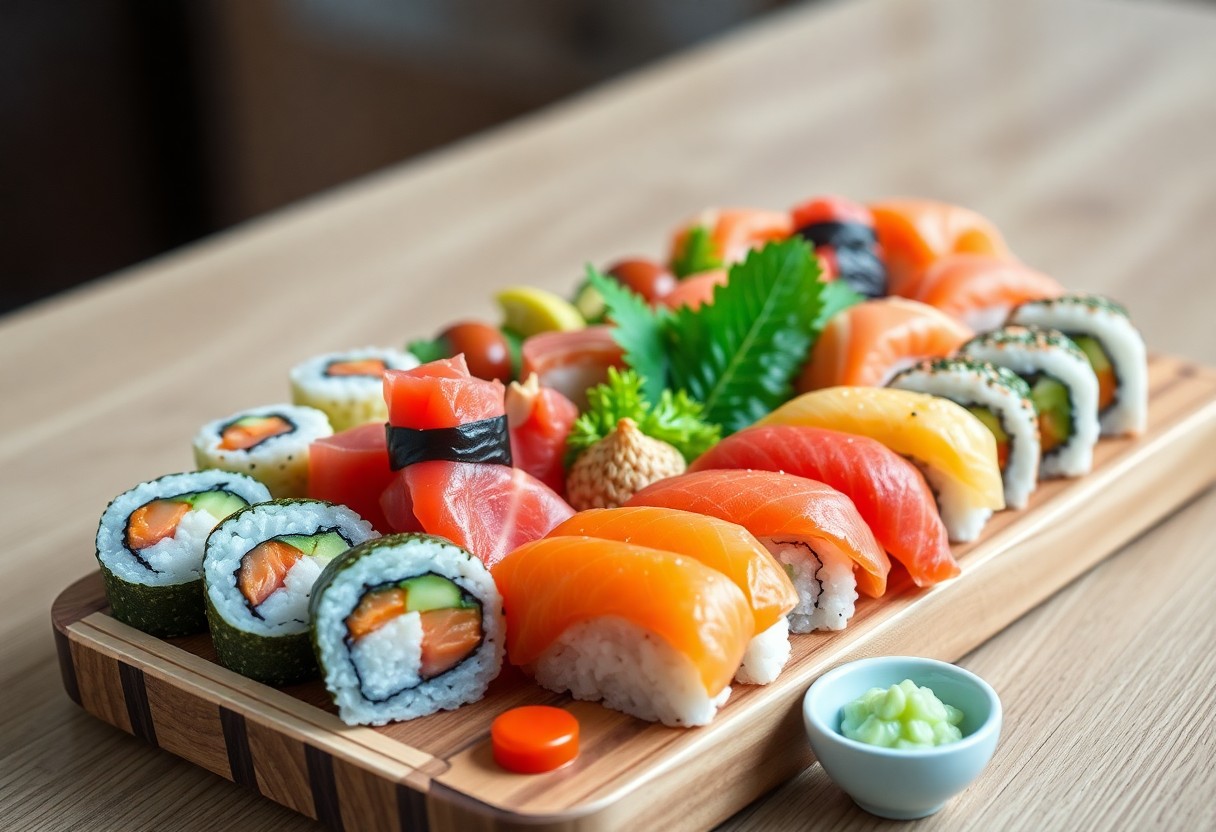
Sushi is more than just a delicious dish; it’s a cultural experience steeped in history and tradition. You might think you know everything about sushi, from the types of rolls to the best dipping sauces, but there’s so much more to discover. In this blog post, we’ll unveil ten intriguing facts that will elevate your sushi knowledge and appreciation. Get ready to impress your friends the next time you indulge in this iconic cuisine!

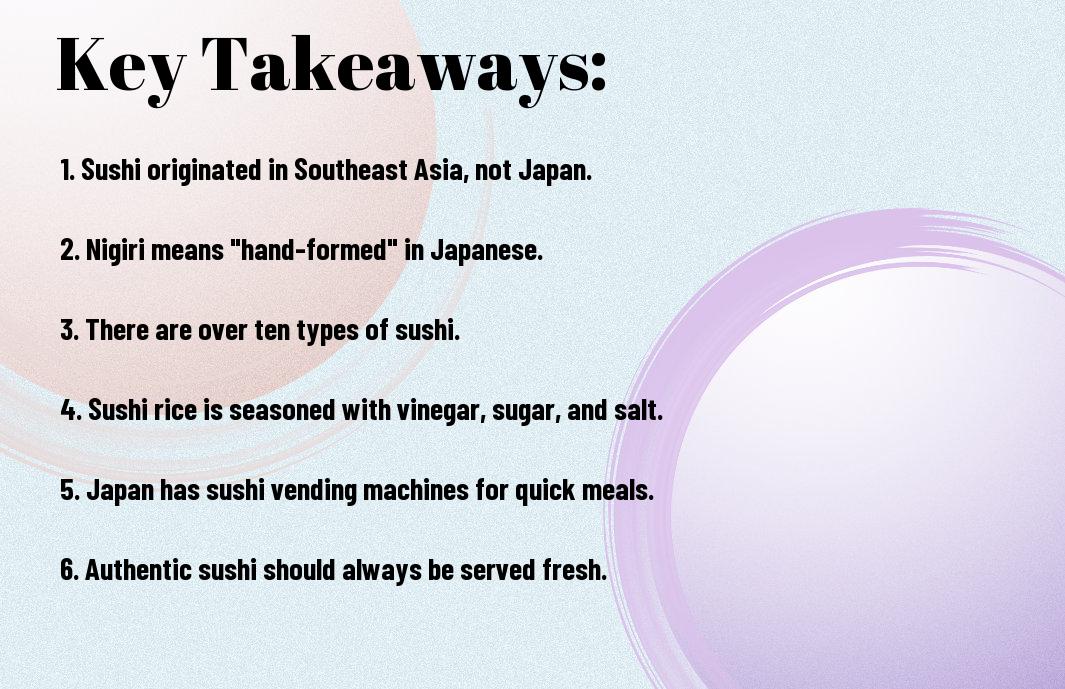
Key Takeaways:

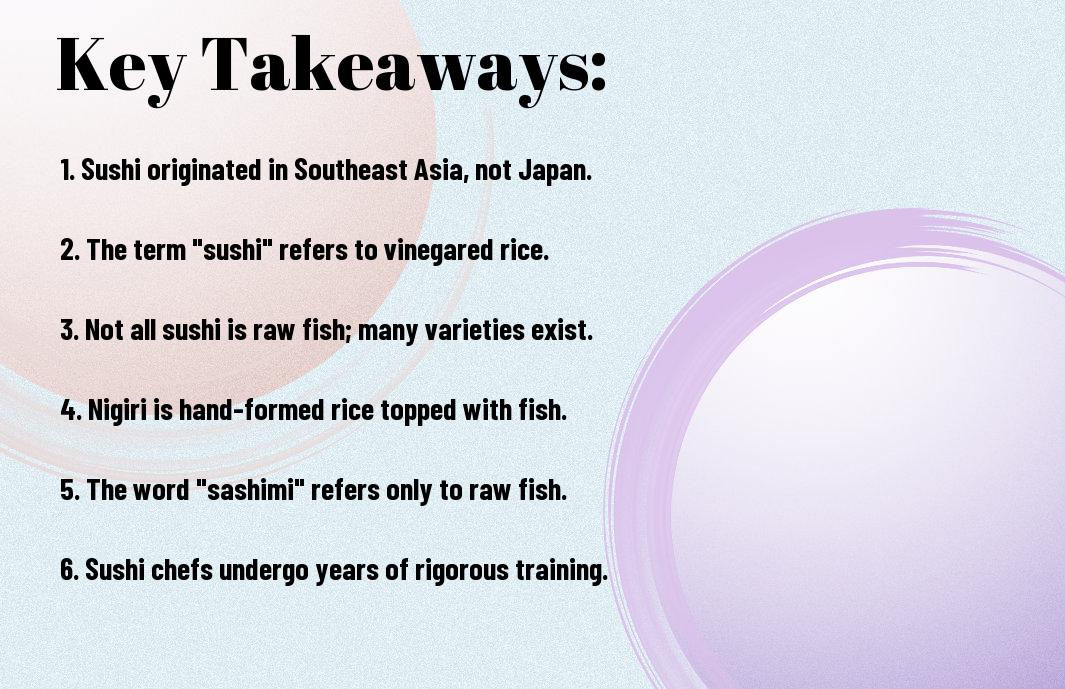
  • Sushi Origins: Sushi actually began as a method of preserving fish in fermented rice, dating back to ancient times in Southeast Asia.
  • Variety of Styles: There are many different styles of sushi, including nigiri, maki, and sashimi, each with unique preparation methods and presentations.
  • Health Benefits: Sushi can be a healthy meal option, as it typically includes ingredients like fish, vegetables, and seaweed, which are rich in nutrients.
The Origins of Sushi

The origins of sushi can be traced back to ancient Southeast Asian practices of preserving fish in fermented rice. This initial method allowed for the storage and consumption of fish long before refrigeration and has laid the foundation for the varied sushi you enjoy today.

Historical Background

Against the backdrop of ancient Japan, fish preservation techniques evolved, leading to the creation of narezushi, where fish was fermented in rice. This method was utilized to extend the shelf life of fish, allowing communities to nourish themselves through harsh seasons while giving rise to a culinary tradition that would span centuries.

Evolution Over Time

Background innovations in sushi preparation started in the Edo period, transforming from a preservation method to a delectable cuisine. This era birthed nigiri sushi, where fresh fish was served atop vinegared rice, allowing you to appreciate the distinct flavors and ingredients that characterizes modern sushi.

Another significant change occurred with the introduction of sushi to Western countries, where it was adapted for local tastes, resulting in popular variations like California rolls. This evolution reflects how sushi has transitioned from a regional delicacy to a global phenomenon, showcasing the versatility of ingredients while catering to diverse palates. Your experience with sushi today is an exciting blend of tradition and innovation that spans cultures and centuries.

Types of Sushi

Assuming you are exploring the diverse world of sushi, you may be surprised to learn about its various forms. Sushi nomenclature often reflects the ingredients and preparation methods utilized. Here’s a quick breakdown of some common types:

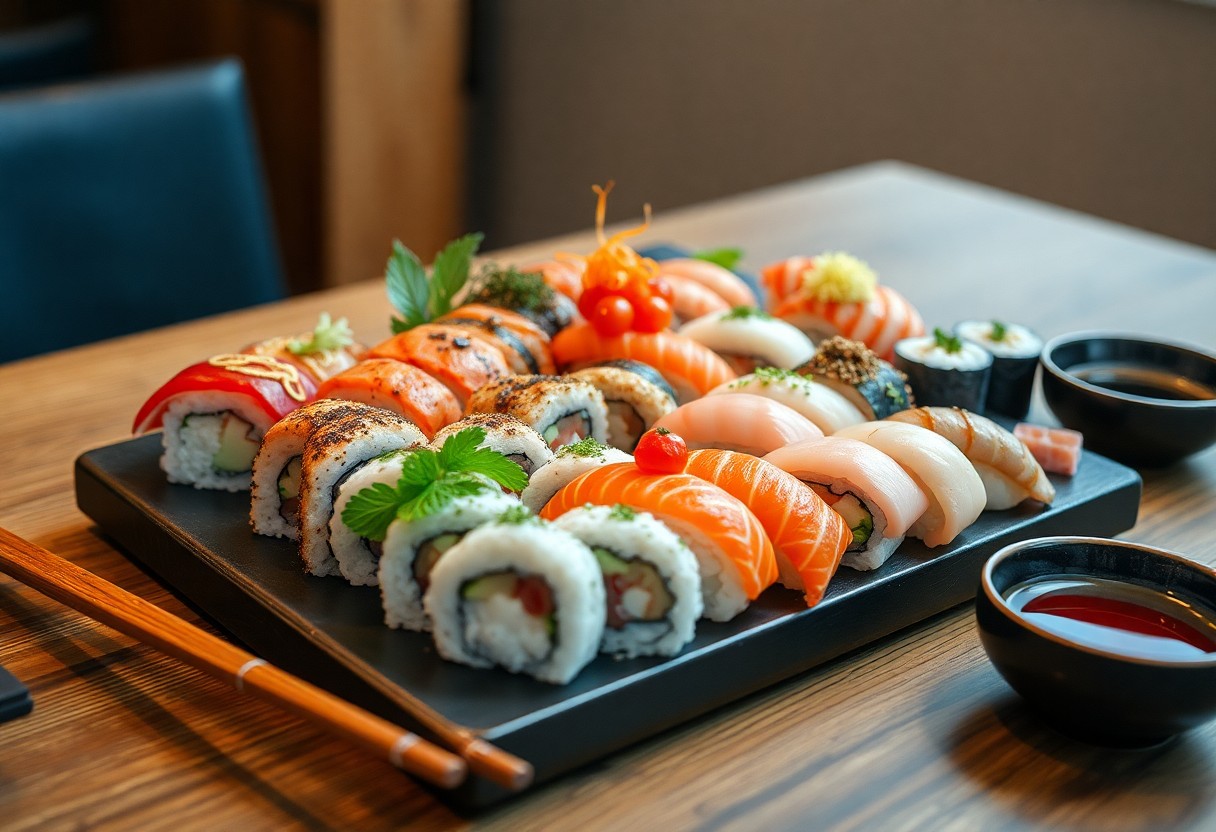
Nigiri Hand-formed rice topped with fresh fish or seafood.
Sashimi Thinly sliced raw fish served without rice.
Maki Rolled sushi with rice and fillings, wrapped in seaweed.
Temaki Hand-rolled sushi in a cone shape.
Uramaki Inside-out rolls with rice on the outside and seaweed inside.

This variety underscores the richness and complexity of sushi culture.

Nigiri, Sashimi, and Maki

The mainstays of sushi include nigiri, sashimi, and maki. Nigiri consists of hand-formed rice topped with a slice of fish or seafood, usually adorned with a dab of wasabi. Sashimi, often associated with sushi, refers specifically to raw fish served without rice. Maki, on the other hand, involves rolling rice and ingredients inside seaweed, creating bite-sized pieces. Each form offers a different experience and highlights the artistry involved in sushi preparation.

Regional Variations

An interesting aspect of sushi is its regional variations, which can alter the taste and presentation significantly. Different cultures have embraced sushi and adapted it to local ingredients and preferences.

Understanding the regional variations of sushi can enhance your appreciation for this culinary art. For instance, California rolls incorporate avocado and imitation crab, showcasing a fusion of flavors that diverges from traditional Japanese sushi. In contrast, Edomae-zushi, originating from Tokyo, emphasizes fresh, high-quality fish sourced from local waters, served in the simplest form. Exploring these differences allows you to experience sushi in new and exciting ways.

Sushi Ingredients

Keep in mind that sushi is not just about fish; it’s a delightful composition of various ingredients. Traditional sushi typically features vinegared rice, fresh seafood, and a plethora of vegetables, along with seasonings that enhance the overall flavor. Each component plays a vital role in creating the unique taste and texture profile that sushi lovers cherish. Understanding these ingredients will deepen your appreciation for this culinary art form.

Common Fish and Seafood

Between salmon, tuna, and yellowtail, your sushi experience is likely enriched by a variety of premium fish and seafood choices. Each provides distinct flavors and textures, catering to a wide range of palates. You may also encounter lesser-known options like mackerel and sea urchin, each adding its unique charm to sushi creations.

Unique Additives and Flavors

Across sushi menus, you’ll find a multitude of unique additives and flavors that elevate your dining experience. From fragrant sesame oil to zesty ponzu sauce, these enhancements transform simple sushi into a gourmet adventure. It’s these nuances that can take your sushi enjoyment to another level.

Considering the broad array of flavors, don’t overlook garnishes like wasabi and pickled ginger, which not only enhance your sushi but also cleanse your palate. Other additions, such as yuzu, a Japanese citrus fruit, and various types of seaweed, contribute to an exciting blend of tastes that can surprise your senses. Exploring these unique flavors will allow you to appreciate the incredible versatility found within sushi dishes.

Sushi Preparation Techniques

After understanding the rich history of sushi, it’s important to investigate into the preparation techniques that make each roll unique. Whether you’re enjoying your sushi at a restaurant or trying your hand at home, these methods significantly enhance flavors and presentation. If you’re curious about more fun facts, check out 11 Things You Didn’t Know About Sushi.

Traditional Methods

Along the years, sushi has been crafted using traditional methods passed down through generations. Techniques such as hand-pressing sushi rice, using premium fish, and precise knife skills are hallmarks of authentic sushi preparation. Master sushi chefs spend years honing these skills to achieve the perfect balance of flavor and artistry in their creations.

Modern Innovations

On the other hand, modern innovations in sushi preparation have revolutionized the way this dish is enjoyed. Techniques now incorporate technology, such as temperature-controlled rice cookers and sous-vide methods for fish. These advancements allow for precision in cooking, ensuring that the ingredients retain their ideal textures and flavors.

Preparation has transformed with the integration of global influences and culinary technology. You can now find sushi that incorporates unconventional ingredients, like spicy mayo or avocado, appealing to a wider audience. Innovative sushi-making kits are available, allowing you to experiment with these methods at home. Embracing both tradition and modern approaches enhances your sushi experience, whether you’re dining out or making it yourself.

The Health Benefits of Sushi

Now, you might be pleasantly surprised to learn that sushi comes packed with various health benefits. This delicious cuisine not only tantalizes your taste buds but also provides imperative nutrients that support your overall well-being. From omega-3 fatty acids to vitamins, sushi can fit seamlessly into a balanced diet and promote a healthier lifestyle.

Nutritional Value

Value is a highlight of sushi, as it often includes wholesome ingredients like fish, seaweed, and vegetables. Fish, especially fatty varieties like salmon and mackerel, are rich in omega-3 fatty acids, which contribute to heart health and cognitive function. Additionally, the vegetables in sushi provide imperative vitamins and minerals, making it a nutrient-dense option for your meals.

Potential Risks

Health risks can arise with sushi consumption, primarily due to raw fish. Some fish may contain harmful parasites or bacteria that could lead to foodborne illnesses. Additionally, high mercury levels in certain fish, like tuna, can pose health risks, particularly for pregnant women and young children. You should be cautious and informed about where you source your sushi to minimize these risks.

Plus, while sushi can be a healthy choice, it’s imperative to pay attention to portion sizes and accompanying ingredients. Sushi rolls high in mayonnaise-based sauces or fried components can increase calorie and fat content. Opting for simpler rolls with fresh ingredients allows you to enjoy the health benefits while avoiding potential pitfalls that could undermine your dietary goals.
Sushi Etiquette

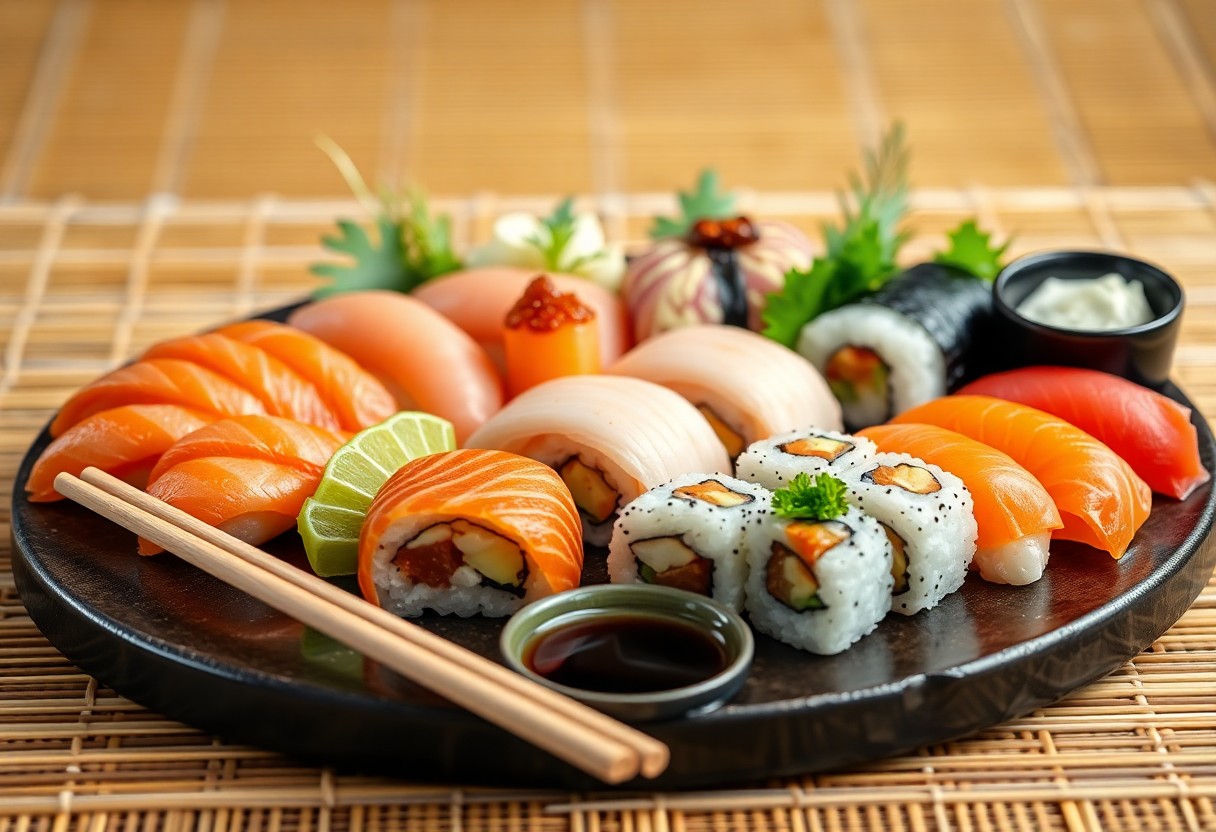
To fully enjoy your sushi experience, it’s important to understand the etiquette surrounding it. This includes how to handle chopsticks, when to dip sushi into soy sauce, and the importance of serving others first at the table. These practices reflect respect and appreciation for the cuisine, ensuring that your dining experience aligns with tradition and enhances your enjoyment of sushi.

Proper Dining Practices

After being seated, take a moment to appreciate the presentation of the sushi. Use chopsticks to lift the pieces gently, avoiding any direct contact with your mouth or hands. It’s polite to dip the fish side into the soy sauce, never the rice, and to consume the sushi in one bite if possible. Following these practices can elevate your respect for the art of sushi making and create a more delightful experience.

Cultural Significance

Along with its delicious flavors, sushi carries deep cultural significance that reflects Japanese tradition and customs. Each piece is crafted with care, representing a connection to the land and sea. Understanding this cultural backdrop can enhance your appreciation for sushi and its role in Japanese society.

For instance, sushi originated as a way of preserving fish in fermented rice, showcasing Japan’s ingenuity in food preservation and preparation. Over time, it evolved into various forms, each with its own regional significance. By recognizing and respecting the cultural roots of sushi, you not only enjoy its flavors but also participate in a rich culinary heritage that spans centuries. This connection enriches your dining experience and fosters a deeper understanding of the food before you.

Summing up

With these considerations, you now have a deeper understanding of sushi beyond the plate. From its fascinating history to the various regional styles, each aspect of sushi enriches your dining experience. You may surprise your friends and elevate your appreciation of this beloved dish. Whether you’re enjoying sushi at a restaurant or making it at home, these insights will undoubtedly enhance your connection to Japanese cuisine. Explore the diverse world of sushi, and let your palate be your guide!

FAQ

Q: What are the different types of sushi?

A: Sushi comes in various forms, with the most common being nigiri (hand-formed rice topped with fish), maki (rice and fillings rolled in seaweed), and sashimi (sliced raw fish without rice). Other variations include temaki (hand rolls), uramaki (inside-out rolls), and chirashi (scattered sushi served in a bowl). Each type has its own unique presentation and flavor profile, making sushi a versatile dish enjoyed in many ways.

Q: Is sushi always made with raw fish?

A: Though sushi is often associated with raw fish, it can also feature cooked ingredients. Many sushi varieties incorporate seafood that is cooked, such as shrimp, eel, or crab, alongside vegetables and egg. Additionally, vegetarians can enjoy sushi made with ingredients like avocado, cucumber, and pickled vegetables. Therefore, sushi caters to a wide range of dietary preferences and can be both raw and cooked.

Q: What is the significance of wasabi and soy sauce in sushi?

A: Wasabi and soy sauce are traditional condiments served with sushi, each serving a specific purpose. Wasabi, a spicy green paste, enhances flavors and adds heat to sushi, while also possessing antibacterial properties. Soy sauce, a salty and savory liquid, complements the sushi’s taste, acting as a dip for added flavor. Both are intended to enhance the overall sushi experience, but they should be used judiciously to ensure they do not overpower the dish.
Sushi Trivia to Impress Your Friends

Sushi is not just a delicious culinary experience; it’s a rich tapestry of history and culture waiting to be explored. In this blog post, you’ll discover fascinating trivia that will elevate your knowledge about sushi, making you the go-to expert among your friends. From its origins and the various types to the art of sushi-making, you’ll gain insights that will not only impress but also enhance your appreciation for this beloved dish. Get ready to share some sushi secrets that will leave your friends craving more!

Key Takeaways:

  • Origin: Sushi originated in Japan over 1,000 years ago, evolving from a preservation method using fermented rice and fish.
  • Varieties: There are numerous styles of sushi, including Nigiri, Maki, Sashimi, and Temaki, each with unique preparation methods and ingredients.
  • Etiquette: Traditionally, it’s considered polite to eat sushi with your hands or chopsticks, and the proper way to enjoy sushi is to dip only the fish side in soy sauce.

The History of Sushi

A fascinating blend of flavor and tradition, sushi boasts a rich history that dates back thousands of years. Its evolution reflects changes in societal preferences, technology, and culinary practices. From its humble beginnings as a method of preserving fish to the refined dishes you can enjoy today, sushi has experienced significant development across cultures.

Origins and Evolution

The origins of sushi can be traced back to Southeast Asia, where fish was fermented with rice for preservation. This process eventually made its way to Japan, evolving into different forms, including narezushi, and later, the more familiar nigiri and maki styles that you know and love.

Cultural Significance

Among sushi’s many attributes, its cultural significance stands out, especially in Japan, where it symbolizes craftsmanship and attention to detail. You’ll find that sushi is often served during special occasions, celebrations, and gatherings, showcasing not just culinary expertise, but also the deep respect for nature and seasonal ingredients.

Even outside of Japan, sushi has transcended borders, becoming a symbol of Japanese culinary arts worldwide. This dish has influenced not only gourmet restaurants but also leveraged various culinary interpretations in different cultures, prompting an appreciation for intricate designs, flavors, and the harmony between taste and aesthetics that sushi embodies. It’s a testament to cultural exchange and the universal love for food that you can share with friends around the world.

Types of Sushi

Any sushi lover knows that there are various types to explore. Here’s a breakdown to enhance your knowledge:

Sushi Type Description
Nigiri Hand-formed rice topped with fish or seafood.
Sashimi Thinly sliced raw fish, served without rice.
Maki Rolled sushi, typically containing rice, fish, and veggies.
Temaki Hand-rolled cone of nori filled with sushi ingredients.
Uramaki Inside-out rolls with rice on the outside.

Thou can now impress your friends with your sushi type expertise!

Nigiri, Sashimi, and Rolls

The world of sushi includes several staples, such as nigiri, sashimi, and rolls. Nigiri typically features a small mound of rice with a slice of fish or seafood placed atop it. Sashimi is all about enjoying the freshest raw fish without rice, allowing you to savor the pure taste. Meanwhile, rolls, or maki, combine a variety of fillings rolled in rice and nori, creating delightful bites that cater to many palates.

Traditional vs. Modern Variations

Above all, sushi has evolved over the years, leading to both traditional and modern variations that appeal to diverse tastes. Traditional sushi emphasizes high-quality fish, vinegary rice, and simple presentations. Modern sushi, however, incorporates a range of ingredients and flavors, like spicy sauces and unconventional fillings, promoting creativity in pairings and techniques.

But as much as modern sushi has gained popularity, exploring traditional types is equally rewarding. You’ll find that each sushi form celebrates the quality of its ingredients. Traditional versions often focus on the purity of flavors and techniques that have been passed down through generations, while modern twists invite you to experiment. This blend of old and new showcases the adaptability of sushi and encourages you to expand your palate with every bite.

Sushi Ingredients

Keep in mind that sushi is more than just rice and fish; it’s a combination of diverse ingredients that come together to create a delightful culinary experience. Traditional sushi includes vinegared rice, raw fish or seafood, vegetables, and sometimes tropical fruits. Each ingredient plays a vital role in achieving the perfect balance of flavor, texture, and presentation.

Essential Components

Above all, sushi relies on a few key components: sushi rice, known as ‘shari,’ is mixed with rice vinegar, while fresh fish like tuna, salmon, or mackerel, along with nori (seaweed), vegetables, and wasabi, enhance the overall flavor. Mastering these necessarys will elevate your sushi-making skills and impress your friends.

Unique Additions and Flavors

With inspiration from various cultures, sushi has evolved to include unique additions and flavors that make it even more exciting. From spicy tuna rolls topped with crunchy tempura flakes to creative sauces like eel sauce or spicy mayo, these enhancements can genuinely transform your sushi experience.

Further exploring unique additions, you might encounter ingredients like mango, cream cheese, or even fruit sauces that elevate traditional sushi rolls. Some chefs experiment with smoked ingredients or unconventional pairings to create fusion sushi that blends multiple flavors and textures. By understanding these unique additions, you can diversify your sushi repertoire and impress your friends with innovative combinations that will tantalize their taste buds.

Sushi Etiquette

Unlike what many believe, sushi etiquette is not just about how you eat but also how you appreciate the dish. When dining on sushi, it’s important to maintain respect for the chef’s craftsmanship and the ingredients. Always try to eat sushi with your hands or chopsticks, but never mix wasabi with soy sauce—this diminishes the experience. Moreover, chew with your mouth closed and don’t discuss unpleasant topics at the table to ensure a pleasant dining atmosphere.

How to Properly Eat Sushi

About eating sushi, you should ideally pick up each piece with your fingers or chopsticks, and dip it lightly into soy sauce, fish-side down, to prevent overwhelming the flavors. It’s common to consume the entire piece in one bite, as sushi is designed to be enjoyed in a single mouthful. This approach enhances the taste and allows you to appreciate the texture and freshness of each ingredient.

Common Misconceptions

An interesting misconception about sushi is that it always has to be consumed raw. While many sushi types feature raw fish, there are plenty of cooked and vegetarian options available, such as tempura rolls or inari sushi. Understanding this variety can enhance your sushi experience.

Due to a lack of knowledge, many people assume sushi is limited to raw fish and rice. In truth, sushi can include a wide range of ingredients and styles. You may come across options featuring vegetables, cooked seafood, and even fruit. Sushi is versatile, with many regional variations allowing you to explore flavors without necessarily opting for raw fish. Embracing this diversity can make your sushi journey even more enjoyable.

Sushi Around the World

Many people are surprised to learn that sushi has made its way around the globe, evolving into numerous regional variations. From the traditional Edomae sushi of Tokyo to the hand rolls of California, each locale has put its unique spin on this beloved dish. You can discover even more about its worldwide journey by checking out 15 Surprising, Interesting & Fun Facts About Sushi.

Global Adaptations

For sushi fans, it’s fascinating to see how the dish has adapted to meet local tastes. For example, in Sweden, you’ll find “sushi” made with smoked salmon and cream cheese, while in Brazil, sushi gets a samba twist with tropical fruits like mango and papaya. These adaptations show how sushi unites different cultures through food.

Popular Sushi Restaurants

Around the world, some sushi restaurants have garnered a loyal following due to their unique offerings and experiences. Whether you’re dining in a bustling Tokyo sushi bar or a serene restaurant in New York, you’ll always find places serving high-quality sushi crafted by skilled chefs.

Even in cities where sushi was once unknown, you can now find gourmet sushi spots serving delectable rolls and nigiri that reflect local flavors. From fusion restaurants to authentic establishments, each venue tells its story through its creative use of ingredients and presentation, making every experience memorable.

Fun Facts About Sushi

Now, sushi is more than just a delicious meal; it’s a cultural phenomenon. Originating from Japan, sushi has evolved from its humble beginnings as preserved fish wrapped in fermented rice to the exquisite rolls and nigiri you enjoy today. Different types of sushi highlight regional variations and fresh ingredients, making it a versatile dish that offers endless possibilities for flavor. You’ll truly impress your friends by sharing these fascinating insights about sushi’s history and diversity!

Record-Breaking Sushi

On occasion, sushi breaks records for its size, creativity, and even the number of ingredients used. One of the largest sushi rolls ever made weighed a staggering 2,014 pounds and was created in 2001 in Japan. Imagine the feast that would have provided! These monumental sushi creations not only showcase culinary skills but also serve as a testament to the dish’s global appeal.

Sushi in Pop Culture

At the heart of modern cuisine, sushi has made its mark in various aspects of pop culture, from movies to music. Its fusion with American food culture has given birth to unique variations like the California roll, making it widely accessible and enjoyable. With sushi bars and restaurants popping up everywhere, you’ll often find references in films and television shows, making it a beloved symbol of culinary sophistication.

Hence, sushi’s presence in pop culture illustrates its significance as a culinary treasure. Iconic films and shows often depict characters enjoying sushi, highlighting its role in social gatherings and celebrations. Celebrities and influencers frequently post about their sushi experiences, encouraging new generations to explore this exquisite cuisine. This widespread visibility not only shapes trends but also drives your cravings for sushi, illustrating its central role in contemporary food culture.

Conclusion

Taking this into account, armed with intriguing sushi trivia, you can elevate your conversations and impress your friends during your next dining experience. From the various types of sushi to its rich cultural history, sharing these fun facts not only adds depth to your sushi enjoyment but also showcases your knowledge and passion for this culinary art. So next time you gather for sushi, let your newfound insights shine and delight your companions with fascinating tidbits about their favorite dishes.

Sushi Trivia to Impress Your Friends

Q: What are the different types of sushi, and how are they classified?

A: Sushi is primarily classified into several types based on preparation methods and presentation. The main types include Nigiri (hand-formed rice topped with a slice of fish), Maki (rice and filling rolled in seaweed), Sashimi (slices of raw fish without rice), Temaki (hand rolls wrapped in seaweed), and Uramaki (inside-out rolls with rice on the outside). Each type offers a unique tasting experience and showcases various techniques used in sushi-making. Understanding these classifications can elevate your sushi conversations and impress your friends.

Q: Where did sushi originate, and how has its popularity evolved over time?

A: Sushi originated in Southeast Asia as a method of preserving fish in fermented rice. Over time, it evolved in Japan during the Edo period, transitioning from a fermentation-based preservation method to the sushi we enjoy today, with fresh seafood and vinegared rice. Throughout the 20th century, sushi gained immense popularity in the West, particularly in the United States, where creative rolls like California and Philadelphia were developed. This evolution highlights how sushi has adapted to various cultures and tastes, making it a fascinating topic to discuss with friends.

Q: What are some common misconceptions about sushi?

A: Many people believe that sushi is synonymous with raw fish, but this is not entirely accurate. While sashimi is raw fish, sushi can include cooked ingredients, vegetables, and various toppings. Another misconception is that sushi is a Japanese creation alone; however, it has been influenced by various cuisines around the world. Lastly, the idea that sushi should always be eaten with wasabi is also misleading; authentic sushi chefs often balance flavors without making wasabi a requirement. Clearing up these misconceptions can spark engaging conversations among sushi enthusiasts.

What Your Favorite Sushi Roll Says About You

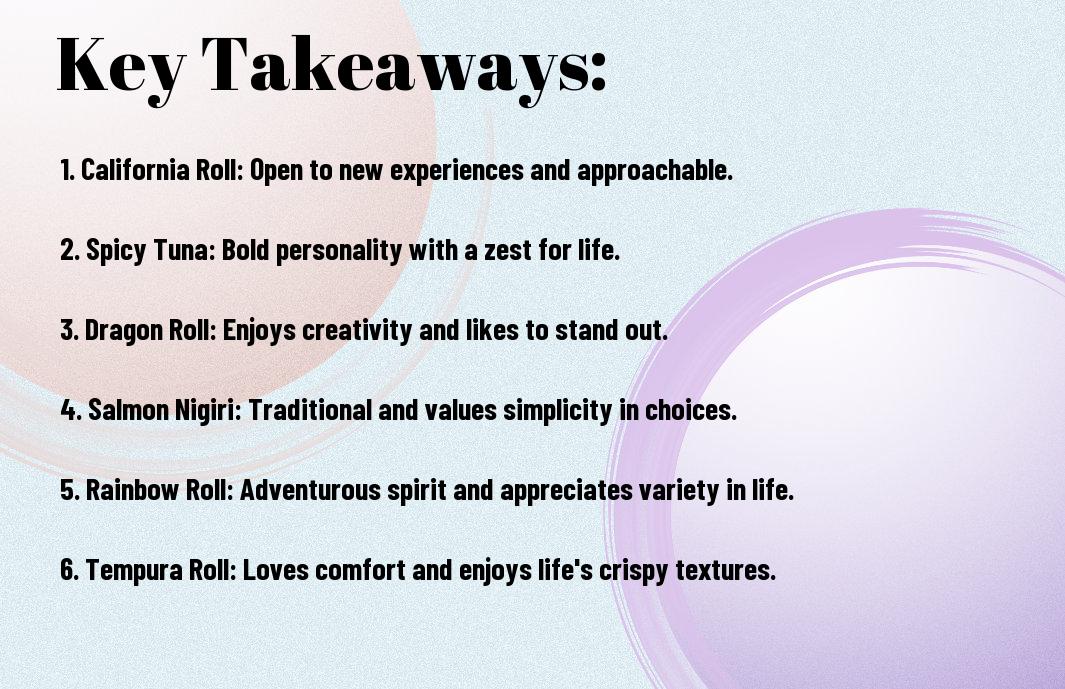
Many sushi enthusiasts find themselves gravitating toward specific rolls that reflect their tastes and personality. Your favorite sushi roll can reveal insights into your preferences, lifestyle, and even your social habits. From spicy tuna to classic California rolls, each choice signifies unique characteristics that distinguish you from others. In this post, we’ll explore what your go-to sushi roll says about you, providing a fun and insightful way to understand your culinary inclinations and how they mirror your personality traits.

Key Takeaways:

  • Personality: Your choice of sushi roll can reflect significant aspects of your character, showcasing traits like adventurousness or tradition.
  • Tastes: The ingredients you favor might indicate your flavor preferences, with certain rolls representing boldness versus subtlety.
  • Social Behavior: The type of sushi roll you enjoy may reveal your social tendencies, such as being a risk-taker or someone who values comfort and familiarity.

The Classic California Roll: Comfort and Tradition

Before you probe a California roll, you might feel a sense of nostalgia, as this beloved sushi roll offers a familiar taste rooted in tradition. This roll, with its creamy avocado, sweet crab meat, and vinegared rice, embodies the essence of comfort food in the sushi world. It’s no surprise that sushi enthusiasts who gravitate towards the California roll appreciate a balance between exciting new flavors and heartwarming familiarity.

Preference for Familiarity

Comfort is key for you, as you often seek the joy found in familiar experiences. The California roll represents your fondness for classic flavors and consistencies found in everyday life. Being a fan of this sushi staple indicates that you value the reassuring presence of reliability, especially when trying something new like sushi.

Nostalgia and Its Impact

After enjoying a California roll, you may find yourself reflecting on cherished memories that shape your love for this dish. Sushi has an innate ability to evoke feelings of togetherness and warmth, often reminding you of shared meals with friends or family. Your preference for this roll links back to delightful moments spent exploring culinary experiences with loved ones, making each bite resonate with sentimental significance.

Familiarity breeds comfort, and for you, the California roll stands as a symbol of connection to your past. The vibrant aromas and flavors can transport you back to sushi nights with family or friends, reinforcing bonds with those you care about. This emotional attachment enhances your dining experience, as you savor not just the taste but the joy of shared moments. The California roll is more than just food; it’s a vessel for nostalgia and cherished memories.

The Spicy Tuna Roll: Adventure and Boldness

Even if you enjoy the spicy tuna roll, it signifies your adventurous spirit and willingness to embrace bold flavors. You’re someone who is unafraid to explore the unknown and seeks excitement in all aspects of life. Instead of sticking to the traditional, you thrive on the thrill of trying something daring, making you a true connoisseur of culinary adventures.

Embracing New Experiences

Any time you indulge in a spicy tuna roll, you’re not just choosing a dish; you’re opting for a burst of flavor that reflects your openness to new experiences. You likely find joy in exploring new places, attending vibrant events, and meeting diverse groups of people, embodying a zest for life that others admire.

The Thrill-Seeking Personality

Boldness drives you to embrace the exhilarating and unpredictable nature of life. You relish opportunities that challenge you, whether it’s skydiving, traveling to uncharted destinations, or sampling the spiciest dishes on the menu. Your time is dedicated to making memories filled with adrenaline, as you thrive on experiences that separate the ordinary from the extraordinary.

Another aspect of your thrill-seeking nature is your ability to inspire those around you. You encourage friends to step outside their comfort zones and join you on exhilarating escapades. Your charisma and enthusiasm can transform even the simplest gatherings into unforgettable adventures, making your life a dynamic journey that many admire and aspire to join.

The Tempura Roll: Fun and Light-heartedness

Once again, your choice of the Tempura Roll speaks volumes about your personality. This delightful and crispy roll hints at your fun-loving nature and a tendency to embrace life’s lighter side. You appreciate a mix of textures and flavors, showcasing your adventurous spirit while maintaining a sense of comfort. Ultimately, your selection of this roll suggests that you know how to have a good time, making every meal into an enjoyable experience.

A Taste for Playfulness

After indulging in a Tempura Roll, it’s clear that you have a taste for playfulness. You enjoy the thrill of trying new things and infusing excitement into your dining experiences. This roll, often filled with a variety of ingredients that are playfully wrapped in a crispy shell, reflects your approach to life: vibrant, joyful, and ready for a bit of fun.

Enjoying Life’s Little Indulgences

One of your defining traits is the joy you find in life’s little indulgences. Your appreciation for the Tempura Roll illustrates a knack for savoring delicious moments, delighting in the unique combination of crunchy outsides and flavorful fillings. You understand that these small treats can elevate your experience, both at the sushi bar and beyond.

Plus, indulging in these little pleasures showcases your belief in balance. You recognize that life is too short not to enjoy those crispy, savory bites that bring you happiness. By choosing the Tempura Roll, you embrace each sensory delight, reminding yourself and others that joy often lies in these scrumptious, bite-sized experiences. Your love for this roll suggests that you prioritize pleasure and enjoyment, encouraging those around you to take a moment and appreciate the flavor-filled journey of life.

The Rainbow Roll: Versatility and Openness

All sushi lovers appreciate the colorful and vibrant Rainbow Roll, reflecting your intuitive nature and open-mindedness. If this is your go-to roll, it suggests that you embrace versatility in both food and life. Your willingness to explore different flavors and experiences makes you adaptable, a quality that can be incredibly enriching. Curious about what others think? Check out What kind of sushi rolls do you like?

Appreciation for Diversity

Below the surface, your choice in sushi reveals a profound appreciation for diversity. The Rainbow Roll is a fusion of vibrant ingredients that mirrors your love for variety and inclusivity. You thrive in environments where different cultures and perspectives come together, often finding joy in their contrasts and harmonies.

Sociable Traits and Connections

Among sushi enthusiasts, your preference for the Rainbow Roll signals your sociable nature. You likely enjoy gatherings centered around food, valuing shared experiences with friends and family. Your open-mindedness extends to meeting new people and expanding your social circle, enriching your life with diverse friendships.

Connections with others are key to your happiness. Whether you are hosting a sushi night or exploring new food spots with pals, your vibrant approach to socializing captures attention and fosters connections. This innate ability to draw people in and celebrate culinary diversity creates memorable experiences, enhancing your relationships and broadening your world.

The Dragon Roll: Extravagance and Individuality

Not everyone seeks the same level of flair in their dining choices, but if the Dragon Roll is your go-to, you embrace life’s extravagances. This vibrant sushi roll showcases your desire for indulgence and sophistication. Each bite symbolizes your unique personality and your penchant for standing out in any crowd. You appreciate the rich flavors and artistic presentation, which reveal your love for the finer things in life.

Love for Theatrical Presentation

Before you take a bite of the Dragon Roll, you are already dazzled by its impressive presentation. The vivid colors and artistic arrangement on the plate reflect your appreciation for culinary artistry. You believe that dining is not just about flavor; it’s an experience that engages all your senses. Your attraction to visually stunning dishes illustrates your flair for the dramatic and your desire to leave a lasting impression.

Unique Personal Expression

Roll after roll, the Dragon Roll speaks to your individuality. You thrive in environments that encourage uniqueness, reveling in the chance to showcase your personal style through food. You don’t shy away from bold flavors and creative combinations, mirroring your approach to life. This choice often leads you to seek out experiences that highlight your one-of-a-kind persona, making every meal feel like a celebration of who you are.

It’s clear that your love for the Dragon Roll goes beyond taste; it’s about self-expression. Each ingredient, from the eel to the avocado, represents different facets of your personality. You aren’t afraid to blend classic flavors with modern twists, showcasing your adventurous spirit. Your choice reflects a commitment to authenticity, inviting others to appreciate your distinctive taste. By selecting this flamboyant roll, you declare your individuality and a zest for life that is both inspiring and engaging.

The Vegan Roll: Consciousness and Compassion

Despite the common perception that sushi is all about fish, choosing a vegan roll speaks volumes about your values. It reveals a commitment to animal welfare and a desire to make choices that consider the broader implications of your diet. Your selection indicates a compassionate lifestyle, where you prioritize the harmony between your palate and the planet, making mindful decisions that reflect your ethical stance.

Ethical Considerations

Across the globe, an increasing number of people are becoming more aware of the ethical implications of their food choices. By opting for a vegan sushi roll, you align yourself with a movement that prioritizes sustainability, animal rights, and environmental health. Your choice signifies a rejection of exploitative practices and a desire to support more humane methods of food production.

Health-Conscious Choices

Across various dietary preferences, you may find that vegan rolls are not only enjoyable but also a smarter choice for your health. Packed with vegetables, whole grains, and innovative plant-based ingredients, these rolls often provide crucial nutrients while keeping calories in check. You actively embrace a lifestyle that values nutrition without sacrificing flavor.

Also, selecting a vegan roll can be part of a balanced diet that aids digestion and promotes overall well-being. With ingredients like avocado, cucumber, and seaweed, you’re loading up on vitamins, minerals, and healthy fats. This aligns perfectly with your goal of nourishing your body and making choices that respect both personal health and the planet’s resources. Eating vegan sushi is not just a meal; it’s a statement about your dedication to both wellness and compassion.

Summing Up

Upon reflecting, your choice of sushi roll reveals unique aspects of your personality and preferences. Whether you gravitate towards classic flavors or bold combinations, each selection speaks to your taste, creativity, and even your willingness to experiment. Understanding what your favorite sushi roll says about you can provide valuable insights into your social style and culinary inclinations, enriching your dining experiences. Embrace the connection between your sushi choices and your individuality, as it can deepen your appreciation for this beloved cuisine.

Q: What does it mean if I always order a California Roll?

A: If you consistently choose a California Roll, it may indicate that you appreciate comfort and familiar flavors. This classic roll, which combines imitation crab, avocado, and cucumber, suggests that you may have a more conservative palate or are new to sushi. You likely enjoy the idea of fusion cuisine and are open to trying other sushi options, but you tend to stick to what you know and love. Your preference might also reveal a playful side, as the California Roll is often considered a fun introduction to sushi for many.

Q: What can be inferred about someone who orders a Spicy Tuna Roll?

A: Opting for a Spicy Tuna Roll suggests that you have a bold personality and enjoy a bit of thrill in your food choices. The presence of spicy elements means that you are likely adventurous and open to exploring new experiences. You may thrive in social situations and appreciate vibrant flavors, indicating a lively and energetic character. This choice suggests that you enjoy excitement, whether it’s in your meals or your life in general, and you likely embrace challenges and change.

Q: How does choosing a Vegetable Roll reflect on someone’s personality?

A: Preferring a Vegetable Roll can indicate a person who values health, sustainability, and perhaps a plant-based lifestyle. This choice may reflect a compassionate worldview and a desire to be mindful of environmental issues or health consciousness. You likely enjoy the freshness and variety of flavors that vegetables can bring to your meal. This choice suggests that you appreciate simplicity and authenticity, and may lean towards a peaceful and considerate approach to life. You might also be adventurous in seeking out new vegetarian or vegan options, indicating an open-minded attitude towards food.

Sushi Art – When Food Becomes a Masterpiece

It’s fascinating how sushi transcends mere dining to become a captivating form of art. You may have encountered sushi that looks so stunning it takes your breath away, inviting you to snap a photo before even taking a bite. This blog post will guide you through the world of sushi art—exploring its cultural significance, the creative techniques involved, and how you can appreciate or even create your own edible masterpieces. Jump in as we investigate the intricate blend of visual aesthetics and culinary skill that makes sushi a true art form.

Key Takeaways:

  • Creativity: Sushi art transforms traditional food into stunning visual displays, showcasing the chef’s artistic flair.
  • Ingredients: The choice of fresh, high-quality ingredients is important for both flavor and aesthetic appeal in sushi art.
  • Techniques: Masterful skills in cutting, shaping, and presentation elevate sushi from a meal to a true artistic experience.
  • Culture: Sushi art reflects Japanese culture and philosophy, blending culinary skill with aesthetic principles.
  • Innovation: Modern interpretations of sushi art introduce new flavors and styles, pushing creative boundaries within the cuisine.

The Evolution of Sushi as an Art Form

As you explore the world of sushi, you will discover how this culinary staple has transformed into an art form over the centuries. From its humble beginnings in ancient Japan to its current status as a symbol of creativity and skill, sushi has become a medium for culinary expression. The Art of Sushi: A Reflection of Japanese Culture showcases the intricate techniques and artistic elements that elevate sushi-making to a true masterpiece.

Historical Background

Any exploration of sushi’s evolution will reveal fascinating historical influences that have shaped its development. Originally conceived as a method for preserving fish, sushi has grown and adapted through various eras, incorporating regional ingredients and innovations, thus reflecting Japan’s dynamic culinary landscape.

Cultural Significance

Among the many aspects of sushi, its cultural significance stands out, as it embodies Japanese traditions, aesthetics, and philosophy. Sushi is not just food; it’s a reflection of the seasons, purity, and balance, allowing you to connect with the deep-rooted values of Japanese culture.

At its core, sushi represents harmony and respect for nature, emphasizing the delicate balance between flavors and presentation. This cultural significance resonates beyond the plate, inviting you to appreciate the meticulous craftsmanship involved in sushi-making. With each bite, you not only indulge in exquisite flavors but also engage with a culinary tradition that honors your appreciation for beauty, precision, and the rich heritage of Japanese cuisine.

Techniques in Sushi Presentation

If you want to elevate your sushi experience, mastering the techniques of sushi presentation is key. An art form of its own, sushi presentation transforms each plate into a visual delight. For inspiration, check out how a Sushi Chef Turns Rice And Fish Into Delicious masterpieces that amaze the palate as well as the eyes.

Cutting and Plating

Cutting sushi with precision is necessary, as the way you slice the ingredients can significantly enhance their appearance. The angles and thickness of your cuts determine the texture and flavor, making each piece visually appealing while encouraging a harmonious balance of flavors. Plating plays a vital role too; arranging your sushi on distinct, vibrant plates can highlight colors and textures, creating an aesthetically pleasing presentation that invites diners to indulge.

Colors and Textures

To create a visually stunning sushi dish, you must pay attention to the colors and textures of your ingredients. Vibrant greens of avocados, deep reds of tuna, and pale whites of rice can create an appealing contrast on the plate. Use garnishes like edible flowers, microgreens, or pickled vegetables to add bursts of color that enhance your culinary masterpiece.

Plus, varying textures not only add interest to the plate but also invite an immersive tasting experience. Combining the soft, creamy textures of fresh fish with the crunchy elements of vegetables or tempura can captivate your senses. The interplay between soft and firm, smooth and rough, speaks to the artistry behind sushi and makes each bite a memorable experience for you and your guests.

Influential Sushi Artists

Your journey into the world of sushi art reveals a vibrant range of influential artists who have elevated sushi from mere food to stunning pieces of visual beauty. These talented individuals showcase remarkable skill, employing traditional techniques while infusing modern creativity, resulting in extraordinary culinary masterpieces that captivate the senses. By exploring their work, you gain insight into the artistry that transforms sushi into an experience beyond taste.

Masters in the Craft

Influential sushi artists are often revered as masters in their craft, possessing years of training and expertise. Their deep understanding of ingredients, presentation, and cultural traditions allows them to create sushi that is not only delicious but visually striking. You will be inspired by their dedication to perfection and their ability to keep the tradition alive while also pushing boundaries.

Contemporary Innovators

Masters of contemporary sushi art are redefining this culinary landscape, bringing innovative techniques and flavors to the forefront. By experimenting with color, texture, and unexpected ingredient combinations, they create sushi that challenges your perception of traditional dishes. Their works, often seen in upscale restaurants and noted culinary events, appeal to both the palate and the eye, making sushi a celebrated art form.

Also, contemporary sushi innovators are making waves by embracing global influences and incorporating modern aesthetics into their creations. They blend traditional Japanese techniques with diverse culinary elements, resulting in unique dishes that resonate with a broader audience. This seamless fusion not only reflects the evolution of sushi but also showcases how artistic expression continues to thrive in this ever-evolving food culture, inviting you to explore and appreciate the evolution of flavor and form.

The Role of Ingredients in Sushi Art

After selecting the perfect rice and wrapping it with seaweed, the artistry of sushi unfolds with the quality of ingredients you choose. Each ingredient contributes to the overall aesthetic and taste, transforming a simple dish into an edible masterpiece. Your attention to detail in both presentation and flavor will elevate your sushi, showcasing your culinary skills while delighting your guests.

Sourcing Quality Components

Components of sushi can make or break your creation. Sourcing high-quality fish, vegetables, and condiments is paramount for achieving freshness and flavor. When you prioritize the quality of each ingredient, you ensure that your sushi not only looks appealing but also tastes exceptional, inviting your guests to savor every bite.

Seasonal Influences

Sourcing ingredients with a focus on seasonal availability enriches your sushi art. Seasonal changes bring a variety of flavors and textures, allowing you to innovate and beautify your creations. By embracing seasonal produce, you enhance the experience for your diners, making each sushi dish a celebration of nature’s bounty.

A keen awareness of seasonal ingredients empowers you to craft delightful sushi that reflects the time of year. For instance, spring offers tender vegetables, while autumn showcases rich, savory flavors. When you align your sushi with the seasonal rhythm, you not only enhance the taste but also create a visual feast that tells a story, inviting your guests to appreciate the beauty of nature on their plates.

The Impact of Sushi Art on Dining Experience

Keep in mind that sushi art significantly enhances your dining experience, turning an ordinary meal into a sensory delight. The visual presentation of sushi not only tempts your taste buds but also engages your senses, making each bite feel like a celebration. As you savor the intricate designs, the overall ambiance of the restaurant elevates, creating lasting memories linked to both the artistry and flavors of sushi.

Aesthetic Appeal

Aesthetic elements play a vital role in sushi art, captivating your attention even before you take a bite. The meticulous arrangement of ingredients, combined with vibrant colors and unique shapes, transforms your dish into a visual masterpiece. Such artistic presentation invites you to appreciate the craftsmanship behind each piece, heightening your dining experience and encouraging you to indulge in every detail.

Customer Interaction

Around every plate of sushi art, there’s an opportunity for fascinating interactions between you and the chefs. Engaging with the artistry encourages you to ask questions about preparation, story, and inspiration behind the dish. Your curiosity not only deepens your appreciation for sushi but also fosters a personal connection with the culinary team, enriching your overall dining experience.

This interactive aspect of dining allows you to explore the creative process that fuels sushi art, giving you unique insights into the skill and passion of the chefs. As you engage in conversation, you may learn about regional variations, ingredient sourcing, and the philosophy behind artistic presentation. Enjoying sushi art goes beyond tasting; it becomes an immersive experience that enhances your understanding and appreciation of Japanese cuisine, making your meal even more memorable.

Sushi Art Beyond the Plate

Once again, sushi art transcends the dining experience, becoming a vibrant form of expression that resonates with creativity and culture. Enthusiasts often showcase their edible creations in various settings, reminding us that sushi is more than just food; it embodies artistry and storytelling. Each roll tells a tale, transforming ingredients into visual masterpieces that stimulate not just the palate but also the imagination.

Social Media and Visual Culture

For food lovers and artists alike, social media has transformed the way you share and discover sushi art. Platforms like Instagram and Pinterest are now flooded with captivating images that highlight the meticulous artistry involved in sushi preparation. These eye-catching posts not only inspire creativity but also foster a global community of sushi enthusiasts eager to explore and emulate your culinary creations.

Workshops and Training

On your journey to mastering sushi art, gourmet workshops and training sessions offer invaluable insight from skilled chefs. These experiences provide hands-on training in creating not just beautiful sushi, but also gaining a deeper understanding of the culture and techniques behind this intricate art form.

For instance, many sushi-making workshops guide you through everything from selecting fresh ingredients to mastering the rolling technique. You’ll learn about the importance of knife skills and presentation, ensuring your sushi not only looks stunning but also tastes exquisite. In these sessions, expert chefs often share tips that elevate your skills, encouraging you to experiment with flavors and aesthetics. This level of training empowers you to transform your sushi creations into true works of art, ready to impress family and friends.

Final Words

Conclusively, sushi art transcends mere culinary practice; it merges creativity, culture, and craftsmanship into a stunning visual and gastronomic experience. By appreciating the intricate techniques and artistic expression that go into every sushi piece, you gain a deeper understanding of its significance. As you explore this fusion of food and artistry, consider how you can embrace and perhaps replicate these techniques in your own kitchen. Your journey into sushi art can inspire your culinary skills and enhance your appreciation for this timeless tradition.

Q: What is the concept behind Sushi Art?

A: Sushi Art is an innovative culinary approach where sushi is not just a meal but a visual masterpiece. This form of art transforms traditional sushi-making into a creative expression, emphasizing the aesthetic presentation of ingredients. By incorporating vibrant colors, unique shapes, and intricate designs, sushi becomes an enticing work of art that is pleasing to both the eye and the palate.

Q: How can I learn to create Sushi Art?

A: To learn the art of Sushi Art, one can start by taking specialized classes focused on sushi-making techniques that highlight aesthetics. There are numerous online tutorials and workshops available that cover the basics of sushi preparation and decoration. Additionally, practicing with various ingredients and experimenting with presentation styles will enhance one’s skills, encouraging creativity in crafting visually appealing sushi dishes.

Q: What types of ingredients are typically used in Sushi Art?

A: Sushi Art utilizes a wide array of ingredients that enhance both flavor and appearance. Common components include sushi rice, fresh fish such as salmon and tuna, and vegetables like avocado and cucumber. Additionally, vibrant garnishes, edible flowers, and sauces like soy and wasabi can be used to create eye-catching designs. The key is to use fresh, high-quality ingredients that highlight the visual appeal without compromising taste.

Skip to content