diy

DIY Sushi Kits – What to Look For

There’s a growing trend of making sushi at home, and DIY sushi kits have made this fun culinary adventure more accessible than ever. When you’re selecting the right kit for your needs, you’ll want to consider factors like the quality of ingredients, variety of included tools, and ease of use. Knowing what to look for can help you create delicious and authentic sushi right in your kitchen, ensuring a rewarding experience every time you roll your sushi creations.

Key Takeaways:

  • Ingredients Quality: Choose kits that offer fresh, high-quality ingredients to ensure your sushi tastes authentic and delicious.
  • Instruction Clarity: Look for kits that provide clear, step-by-step instructions that make it easy for beginners to follow and create sushi successfully.
  • Variety of Options: Opt for kits that include a diverse range of sushi types or customizable options, allowing for a more enjoyable and personalized sushi-making experience.
Understanding Sushi Kits

The world of sushi kits is diverse, catering to all levels of experience and taste preferences. A well-rounded sushi kit provides everything you need to create exquisite rolls at home, from high-quality ingredients to the necessary tools. Whether you’re a beginner or a seasoned sushi lover, understanding what each kit includes will help you get started on your culinary journey.

Basic Components

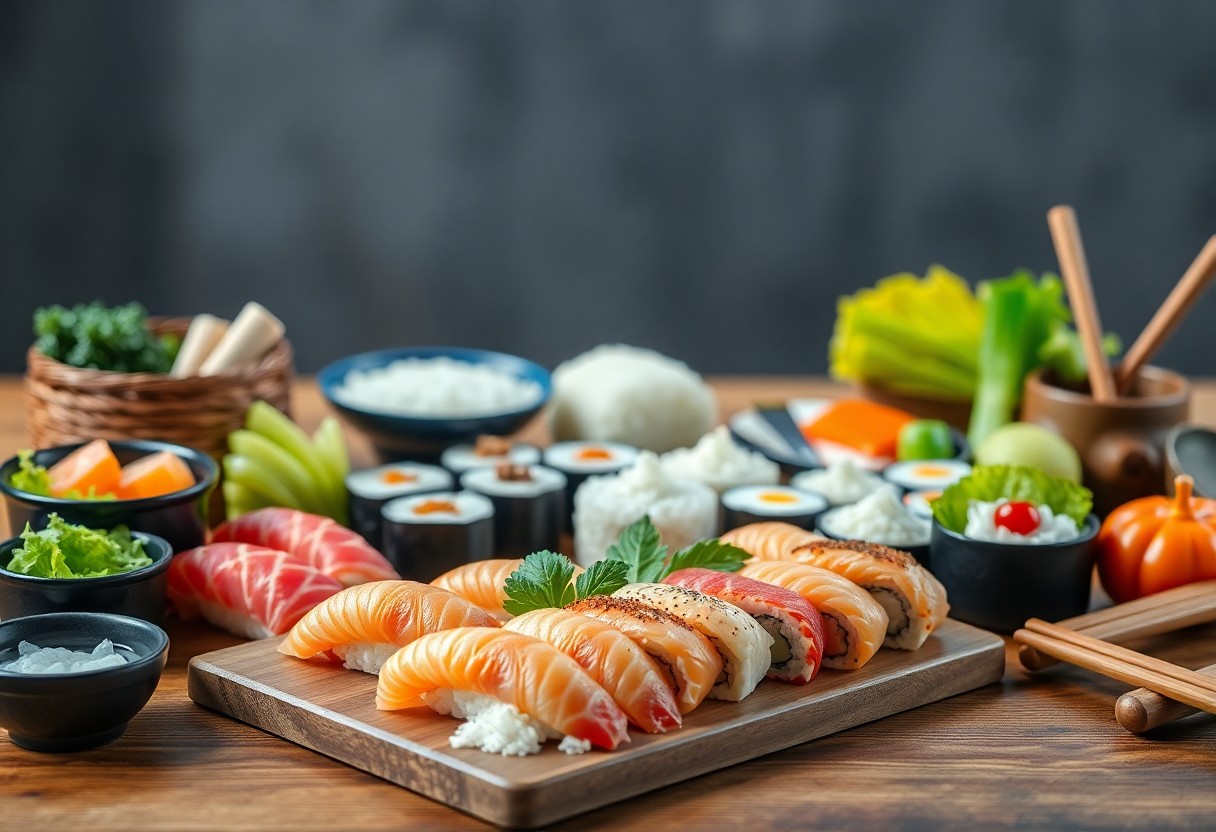
By exploring the basic components of sushi kits, you’ll find crucial ingredients like sushi rice, nori (seaweed), and various fillings such as fresh fish, vegetables, and sauces. These ingredients serve as the foundation for crafting a delicious sushi experience, ensuring you have what you need to create both traditional and creative rolls.

Equipment vs. Ingredients

Against the backdrop of sushi-making, it’s important to differentiate between equipment and ingredients. Equipment encompasses tools like bamboo mats, knives, and rice cookers, while ingredients focus on the edible components that form your sushi. Understanding this distinction ensures you’re equipped to prepare sushi effectively.

In fact, the right equipment can significantly enhance your sushi-making experience, allowing for precise cutting and rolling techniques that are crucial for presentation. While quality ingredients provide flavor, having the proper tools will help you achieve the perfect texture and shape in your rolls. Investing in both aspects will elevate your sushi skills, making home preparation both enjoyable and successful.
Quality of Ingredients

There’s no denying that the quality of ingredients significantly affects the taste and overall experience of your homemade sushi. Ensuring you select the freshest items will elevate your sushi-making skills and delight your taste buds. When shopping for a DIY sushi kit, keep an eye out for reputable brands that prioritize high-quality, fresh ingredients, making your sushi a delicious culinary adventure.

Fresh vs. Packaged

Ingredients play a vital role in sushi preparation. Fresh fish, vegetables, and rice create an authentic flavor, while packaged items can sometimes compromise quality. For the best results, prioritize sourcing ingredients that are fresh and of top-notch quality, ensuring each bite is a delightful experience.

Sourcing Authentic Ingredients

The sourcing of authentic ingredients can greatly enhance your sushi-making experience. Look for kits that provide options for high-quality Japanese rice, seaweed, and fresh fish or seafood. Authenticity brings depth to the flavors and textures that are central to traditional sushi.

Another aspect to consider is the possibility of sourcing local fish markets or specialty Asian grocery stores that offer a range of fresh ingredients for your sushi kit. These places often have knowledgeable staff who can guide you on the best ingredients, ensuring your sushi tastes genuine and satisfying. Connecting with local suppliers not only helps you create superior sushi but also supports your community’s economy.

Kit Variety

Keep in mind that the variety of your DIY sushi kit can greatly enhance your sushi-making experience. Look for kits that offer a wide range of ingredients, tools, and recipe guides tailored to different skill levels. Diverse options will not only make your sushi night more enjoyable but also enable you to explore various techniques and flavors, making it a fun culinary adventure.

Different Styles of Sushi

Before choosing a kit, consider the different styles of sushi you might want to create. Whether it’s traditional nigiri, creative rolls, or unique sashimi, selecting a kit that caters to your preferences will ensure a fulfilling sushi-making experience. Most kits will include specific ingredients and instructions suited for these distinctive styles, allowing you to hone your skills in each variety.

Customizable Kits vs. Pre-packaged

After narrowing down your favorite sushi styles, think about whether you prefer customizable kits or pre-packaged options. Each type has its own set of benefits tailored to individual preferences, helping you effortlessly choose what suits your sushi-making goals.

But if you opt for customizable kits, you gain the flexibility to tailor your ingredients according to your tastes or dietary restrictions, allowing for a more personal touch. Pre-packaged kits, on the other hand, are convenient and provide structured guidance, perfect for beginners or those who appreciate simplicity. Your choice ultimately depends on how involved you wish to be in the process and whether you want to experiment with new flavors or stick to the basics.

Instructional Material

All DIY sushi kits should come with clear instructional materials that guide you through the preparation process. Look for kits that provide detailed instructions that are easy to follow, regardless of your sushi-making experience. This will not only help you create authentic sushi but also improve your culinary skills in the process.

Online Resources

Material available online can complement your DIY sushi kit experience significantly. Many brands offer video tutorials or additional resources on their websites, which can enhance your understanding of sushi making techniques. These resources can provide visual guidance, making complex steps easier to grasp and execute.

Booklet vs. Video Instructions

Before you choose a kit, consider the format of the instructional materials provided. Booklets can offer thorough, step-by-step guidance, allowing you to refer back to specific instructions as needed. In contrast, video instructions bring the process to life, showing you the precise techniques in action, which can be especially helpful for visual learners.

Further, different people have varying preferences when it comes to absorbing information. A well-designed booklet can be an excellent reference tool, especially if you enjoy reading and want to take your time. On the other hand, videos provide a dynamic experience that can be particularly beneficial if you are a beginner who benefits from seeing techniques demonstrated. Weigh your options and choose the format that best suits your learning style to enhance your sushi-making journey.

Price Considerations

Unlike traditional sushi-making classes or dining out, DIY sushi kits cater to various price points. Understanding the price range helps you choose a kit that fits your budget without compromising on quality. While you can find affordable options that offer the necessarys, investing a bit more often ensures a better selection of ingredients and tools for your sushi-making experience.

Budget-friendly Options

An array of budget-friendly sushi kits are available that provide the basics without overspending. These kits typically include necessary ingredients like rice, seaweed, and flavoring sauces, allowing you to experiment at home without a hefty price tag. This can be an excellent way for you to get started with sushi making while keeping your expenses low.

Premium Kits: Are They Worth It?

Any sushi enthusiast may wonder if premium kits justify their higher price points. While they often come with superior ingredients and more comprehensive tools, the value does depend on your goals and level of interest in sushi making.

Also, premium sushi kits may include high-quality fish, artisanal rice, and specialty sauces that elevate your sushi experience. If you’re serious about honing your skills or creating restaurant-quality sushi at home, investing in a premium kit could be worthwhile. These kits often provide more detailed instructions and better tools, enhancing your overall sushi-making experience. Consider how often you plan to make sushi and the quality you desire when weighing your options.

User Reviews and Ratings

Not all sushi kits are created equal, and user reviews can provide valuable insights into the quality and ease of use of different brands. By examining ratings and feedback from fellow consumers, you can better gauge which kits suit your preferences and skill level. Pay attention to comments on ingredients, instructions, and overall satisfaction to make a well-informed decision before purchasing.

Importance of Consumer Feedback

Behind every successful DIY sushi experience is the feedback of fellow sushi lovers. Consumer reviews can reveal important details about a kit that you might not find in the product description, such as how fresh the ingredients are or if the instructions are easy to follow. Taking time to read these perspectives can significantly enhance your sushi-making journey.

Where to Find Reliable Reviews

By exploring reputable online platforms, you can find trustworthy reviews that help shape your purchasing decision. Look for user testimonials on e-commerce websites, culinary forums, and social media groups dedicated to sushi enthusiasts.

And don’t overlook specialized food blogs and YouTube channels, as they often offer in-depth reviews and demonstrations of sushi kits. Many bloggers and vloggers share their personal experiences, providing you with visual cues and firsthand insights that can be incredibly beneficial. Engaging with these resources will equip you with the knowledge needed to choose the best sushi kit for your culinary adventure.

Conclusion

Conclusively, selecting the right DIY sushi kit involves considering factors like ingredient quality, ease of use, and included tools. By assessing these elements, you can ensure a satisfying sushi-making experience at home. For further guidance, check out the Best Sushi-Making Kits: Top 7 Sets For Homemade Rolls … to find the perfect kit tailored to your preferences. Enjoy the journey of creating your delicious sushi rolls!

Q: What ingredients should I expect in a DIY sushi kit?

A: A typical DIY sushi kit usually includes crucial ingredients such as sushi rice, nori (seaweed sheets), and rice vinegar. Additionally, many kits come with various fillings like fish (e.g., tuna or salmon), vegetables (e.g., cucumber, avocado), and possibly even sauces like soy sauce or wasabi. Some kits might also offer tools such as a bamboo rolling mat and a knife for preparation, allowing you to make authentic sushi at home.

Q: How do I assess the quality of a DIY sushi kit?

A: To assess the quality of a DIY sushi kit, check for the freshness of the ingredients. Look for kits that provide high-quality sushi rice and fresh seafood, preferring vacuum-sealed packaging to ensure freshness. Reading customer reviews can also give you insight into the kit’s overall quality and taste. Additionally, consider the variety of ingredients included; a well-rounded kit should have a good mix of fillings, sauces, and tools to enhance your sushi-making experience.

Q: Are there specific dietary options available in DIY sushi kits?

A: Yes, many DIY sushi kits cater to various dietary preferences and restrictions. You can find vegan and vegetarian options that include plant-based ingredients like tofu, avocado, and vegetables without any fish or seafood. Additionally, some kits may focus on gluten-free ingredients, ensuring that people with gluten sensitivities can enjoy making sushi. When choosing a DIY sushi kit, check the packaging for dietary labels or descriptions to find a kit that suits your needs.
DIY Poke Bowls vs. Sushi – Which Is Easier to Make

DIY cooking offers an exciting way to explore diverse cuisines right in your kitchen, and when it comes to Asian-inspired dishes, poke bowls and sushi are two popular choices. You might find yourself wondering which is easier to make at home. This post will break down the imperative ingredients, preparation methods, and time commitments needed for each dish, helping you decide which culinary adventure suits your skill level and taste preferences best. Get ready to investigate the delicious world of DIY poke bowls and sushi!

Key Takeaways:

  • Preparation Time: DIY poke bowls often have a quicker preparation time compared to sushi, allowing for faster meals.
  • Ingredient Flexibility: Poke bowls offer more flexibility in ingredients, making it easier to customize based on personal preference.
  • Cooking Skills: Making sushi typically requires more advanced cooking skills, while poke bowls are more approachable for beginners.
  • Texture Variety: Sushi provides a unique texture contrast between vinegared rice and fresh fish, while poke bowls incorporate various textures with toppings.
  • Assembly vs. Technique: Poke bowls focus on assembly rather than intricate techniques, making them simpler to create at home.

Overview of Poke Bowls

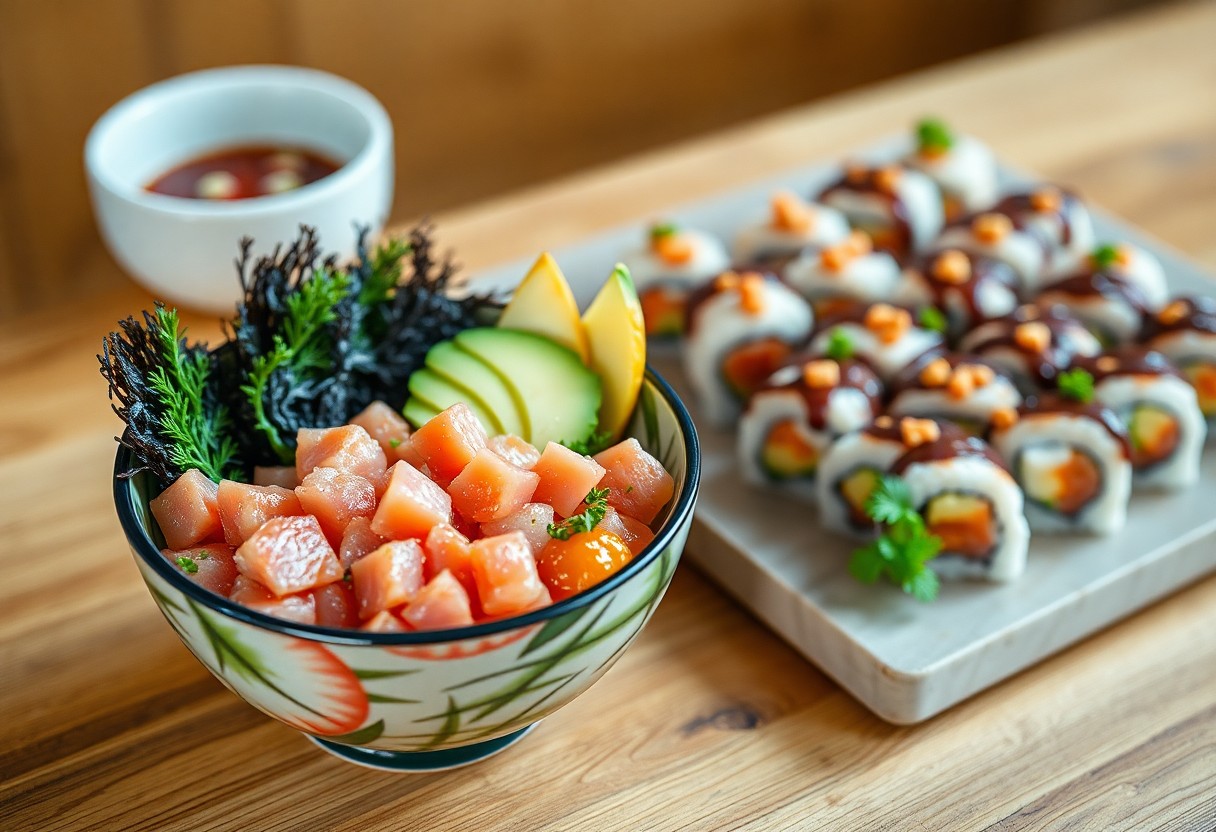
A poke bowl is a vibrant and customizable dish that originates from Hawaii. Traditionally featuring raw fish, it’s complemented by various toppings and sauces, allowing you to tailor it to your taste. The base of a poke bowl is typically made of rice, but you can opt for other grains or even greens, making it a versatile meal option perfect for any occasion.

History and Ingredients

On its journey from Hawaiian shores to global popularity, the poke bowl originally consisted of cubed raw fish seasoned with simple ingredients like sea salt, seaweed, and onions. As it gained traction, you’ll find a variety of toppings including avocado, radishes, and a range of sauces that bring modern flair while maintaining the deliciousness of this traditional dish.

Preparation Techniques

Preparation of a poke bowl is straightforward and allows for creativity. First, you need to choose your base—typically rice, which you can cook and cool beforehand. Then, you’ll select your protein, which could be fresh tuna, salmon, or even tofu for a vegetarian option. The final step is all about assembling your bowl by layering your ingredients and drizzling your favorite sauce.

Also, customizing a poke bowl is about more than just choosing your ingredients—consider how you cut and arrange them for visual appeal. Use a mix of textures and colors to create a dish that is not only delicious but also visually enticing. Experiment with marinating your fish in soy sauce or citrus to enhance the flavors, and don’t shy away from adding toppings like crunchy seaweed or pickled vegetables for an extra zing.

Overview of Sushi

There’s a rich history behind sushi, a traditional Japanese dish that has captivated food lovers worldwide. Sushi typically consists of vinegared rice paired with various ingredients, including seafood, vegetables, and even tropical fruits. You can find sushi in numerous forms, making it versatile and suitable for various tastes.

Types of Sushi

There are several types of sushi that you might encounter, each with its unique characteristics and preparation techniques:

  • Nigiri: Hand-formed rice topped with seafood.
  • Maki: Rolled sushi, usually wrapped in seaweed.
  • Sashimi: Thinly sliced raw fish, served without rice.
  • Temaki: Hand-rolled cone sushi.
  • Uramaki: Inside-out sushi rolls with rice on the outside.

Any sushi you choose can offer a unique culinary experience!

Type of Sushi Description
Nigiri Rice with a slice of fish on top.
Maki Rolled sushi with fillings inside.
Sashimi Raw fish served without rice.
Temaki Hand-rolled sushi in a cone shape.
Uramaki Inside-out roll with rice on the outside.

Rolling and Assembly Methods

Among the various techniques for assembling sushi, mastering the rolling method is key. You can use a bamboo mat to help shape and compress ingredients into a tight roll, which is vital for maintaining structure. The way you position your fillings and rice influences not just the flavor but also the presentation of your dish.

In fact, each rolling technique offers different results. For example, using a little water on your fingers while working with the rice can help prevent stickiness, making it easier for you to form a well-structured roll. You’ll also want to practice your knife skills for perfectly sliced pieces, as the presentation is just as important as the taste in sushi making. As you gain confidence, you can explore creative variations and personal touches to your rolls!

Nutritional Comparison

Unlike sushi, poke bowls often allow for more customization, letting you adapt them to your dietary preferences. For a detailed comparison of their nutritional profiles, check out How to Build the Perfect Poke Bowl. Below is a simplified nutritional comparison:

Poke Bowls Sushi
Rich in healthy fats and omega-3s Often higher in carbohydrates
Lower in calories with veggie options Varies widely in calorie count

Ingredients and Health Benefits

At the heart of a poke bowl are fresh ingredients like fish, vegetables, and whole grains, offering a range of vitamins and minerals. This balance can help support your overall health. Sushi often includes white rice, which has fewer nutrients compared to the options available in poke bowls. Opting for brown rice or quinoa can enhance the nutritional value of your meal.

Caloric Differences

Above all, poke bowls generally have fewer calories than typical sushi rolls, especially when you’re making them with lean proteins and vegetables. You can control the ingredient choices more easily, allowing you to create a lighter meal.

Consequently, if you’re considering your caloric intake, poke bowls may be the more favorable option, particularly when you choose healthier ingredients and portion sizes. Customizing your poke bowl enables you to keep it light and nutritious, while sushi can quickly accumulate calories with added sauces or fried elements. So, when you want to enjoy a meal that suits your dietary goals without sacrificing flavor, poke bowls prove to be an excellent choice.

Time Investment

Your choice between DIY poke bowls and sushi will greatly depend on the time you are willing to invest. While both options allow for delicious homemade meals, their preparation times vary significantly. Understanding how long each process takes can help you decide which dish fits better into your schedule.

Cooking and Preparation Time

Behind each poke bowl or sushi roll lies a different timeline. Poke bowls generally require less cooking time since many of the components, like rice and vegetables, can be prepared in advance and assembled quickly. In contrast, sushi often demands more precise cooking techniques that may extend the overall preparation time.

Skill Level Required

Required skills for creating either dish can influence your decision. Sushi-making involves techniques such as rolling, cutting, and sometimes more complex rice preparation methods that may be new to you. On the other hand, poke bowls can be more forgiving, allowing for simpler assembly without needing extensive culinary skills.

In fact, sushi requires a bit more finesse and practice to master, especially with the art of rolling and the balance of flavors. If you are a novice, you might find that poke bowls are much more accommodating to your skill level. They allow you to easily mix and match ingredients, ensuring delicious results without the pressure of perfect execution.

Flexibility and Customization

To truly appreciate the differences between DIY poke bowls and sushi, you should understand the flexibility and customization that each option offers. Poke bowls are inherently versatile, allowing you to mix and match ingredients based on your preferences and dietary needs. They can be as colorful and varied as your imagination, offering you the freedom to experiment with flavors, textures, and presentations in an easy and fun way.

Ingredient Variations

Across the culinary spectrum, poke bowls allow for a wide array of ingredient variations. You can choose from various proteins like tuna, salmon, and tofu, along with an assortment of vegetables, grains, and sauces. This adaptability enables you to create a meal that reflects your personal taste and can accommodate any dietary restrictions, making it a go-to option for many.

Flavor Profiles

Around the world, poke bowls offer a plethora of flavor profiles that allow you to customize your dish according to your mood. The combination of marinated fish, fresh vegetables, and robust sauces provides a delightful balance of savory, sweet, and umami tastes, ensuring that every bite is a pleasing experience.

To fully capitalize on these diverse flavor profiles, you can experiment with various marinades and toppings. For instance, using soy sauce, sesame oil, or spicy mayo can dramatically alter the taste of your poke bowl. Additionally, incorporating unique toppings like avocado, seaweed salad, or even exotic fruit can elevate your dish, allowing you to tailor it to your liking and create a culinary masterpiece every time.

Cost Analysis

Not only do you want to enjoy your meal, but you also want to ensure it fits your budget. Analyzing the costs associated with DIY poke bowls and sushi can help you make an informed choice without breaking the bank. Ingredients, preparation time, and equipment can all factor into the overall cost of your meal.

Ingredient Costs

Between poke bowls and sushi, ingredient costs can vary significantly. Poke bowls typically require a base of rice or greens, fresh fish, and a variety of toppings, which may be more affordable depending on seasonal availability. In contrast, sushi often requires specialized ingredients such as nori, wasabi, and high-quality raw fish, which can drive up the price.

Cost-Effectiveness of DIY

Besides ingredient costs, the cost-effectiveness of DIY meals plays a significant role in your overall budgeting. Making poke bowls and sushi at home can save you money compared to dining out, especially when you factor in takeout pricing.

To maximize your cost-effectiveness, consider preparing larger portions or batch cooking, as this reduces the price per serving. You can buy ingredients in bulk, such as rice or vegetables, which can be stored and used over time. Plus, creating your own meals allows you to choose affordable substitutes without compromising flavor, ultimately resulting in a budget-friendly way to enjoy these dishes whenever you want.

To wrap up

Presently, choosing between DIY poke bowls and sushi often comes down to your personal preference and comfort level in the kitchen. Poke bowls offer a more straightforward assembly process, allowing you to mix and match ingredients to your liking. In contrast, sushi requires more precision and technique, which may be challenging for some. Ultimately, you can enjoy both options with practice, but poke bowls typically present an easier and more flexible starting point for your culinary adventures.

FAQ

Q: What are the main differences between DIY poke bowls and sushi?

A: The main differences lie in their ingredients and preparation. Poke bowls typically feature marinated raw fish served over a base of rice or salad, often with a variety of fresh vegetables and toppings. Sushi, on the other hand, typically involves vinegared rice rolled with seaweed and filled with various ingredients, including fish, vegetables, and sometimes sauces. The preparation technique for sushi can be more intricate due to the rolling process and the need for precise slicing.

Q: Which is generally quicker to prepare: poke bowls or sushi?

A: Poke bowls are generally quicker to prepare than sushi. This is because poke bowls allow for more flexibility with ingredients and assembly. You can chop vegetables and fish, layer them over rice, and add sauces without the need for rolling or cutting precise shapes. Sushi preparation may take more time, especially for those unfamiliar with rolling techniques or needing to cook the rice to the right texture.

Q: Do I need special equipment to make sushi, while making poke bowls is simpler?

A: Yes, sushi often requires some special equipment such as a bamboo sushi mat for rolling and a sharp knife for precise slicing. In contrast, making poke bowls does not necessitate specialized tools, as you can simply use bowls for serving, a cutting board, and a knife. This makes poke bowls more accessible for beginners or those without specific culinary tools.

Q: Are there dietary restrictions to consider when making poke bowls compared to sushi?

A: Both poke bowls and sushi can accommodate various dietary restrictions, but poke bowls may be more versatile. Poke bowls can be easily customized to be gluten-free, vegetarian, or vegan by selecting different bases and toppings. Sushi can have similar adaptations, but traditional sushi ingredients, such as fish and seafood, can limit options for certain diets.

Q: What ingredients are recommended for beginners when making poke bowls and sushi?

A: For beginners making poke bowls, it’s best to start with simple ingredients like pre-cooked shrimp, cube-cut tofu, or canned tuna, along with common toppings like cucumber, avocado, and seaweed. For sushi, beginners may find it helpful to start with sushi-grade fish, cucumbers, and avocado for easy rolls, using sushi rice and nori for the base. Both dishes allow for creativity while being simple enough for those new to cooking.

How to Make Sushi

Watch more Introduction to Sushi Making videos: http://www.howcast.com/videos/270-How-to-Make-Sushi

You may think sushi is just raw fish, but you’d only be half right. It’s actually the combination of fish and rice – and how it’s combined is an art form in itself.

Step 1: Slice fish
With a very sharp knife, slice the trimmed fish slab into individual portions so each piece is a rectangle approximately 2-inches long and ¼-inch thick.

Tip
To make things easier, cut all your fish at one time, but keep the pieces cold until you use them —put them on a plate and keep it in the refrigerator or on top of some ice.

Step 2: Roll rice into ball
Moisten your hands with water from your bowl, and scoop an ounce of sushi rice—about the amount that will fit into your palm—and roll it into a ball.

Step 3: Shape rice ball
Shape the rice ball into an oblong by squeezing it with firm but gentle pressure.

Tip
Your rice should be about the same size as your cut piece of fish.

Step 4: Dab wasabi on fish
Pick up a piece of sliced fish. While palming the shaped rice, scoop up a tiny amount of wasabi with your index finger and gently dab it onto the middle of the fish.

Step 5: Press rice against fish
Press the shaped rice against the fish and gently but firmly cup the two together until they adhere.

Step 6: Squeeze together
Firmly squeeze the sushi together until the fish and rice become one. Tap with your right index finger as you go to create a uniform shape.

Step 7: Continue process
Place the finished sushi on a serving plate or sushi board, and continue making pieces until all the fish is used.

Step 8: Garnish plate
Garnish the plate with a mound of Japanese pickled ginger and a smaller mound of wasabi. Pour some soy sauce into a small dish and get ready to dunk.

Did You Know?
Real wasabi is notoriously expensive, so most sushi restaurants just use a mixture of horseradish, mustard powders, and food coloring.

Skip to content