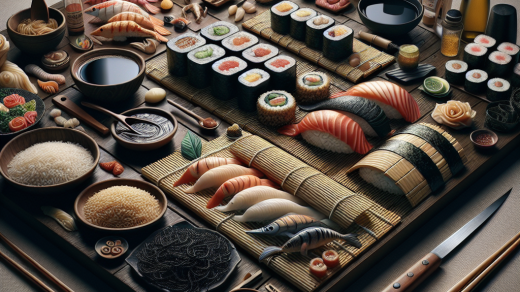
There’s a growing trend of making sushi at home, and DIY sushi kits have made this fun culinary adventure more accessible than ever. When you’re selecting the right kit for your needs, you’ll want to consider factors like the quality of ingredients, variety of included tools, and ease of use. Knowing what to look for can help you create delicious and authentic sushi right in your kitchen, ensuring a rewarding experience every time you roll your sushi creations.
Key Takeaways:
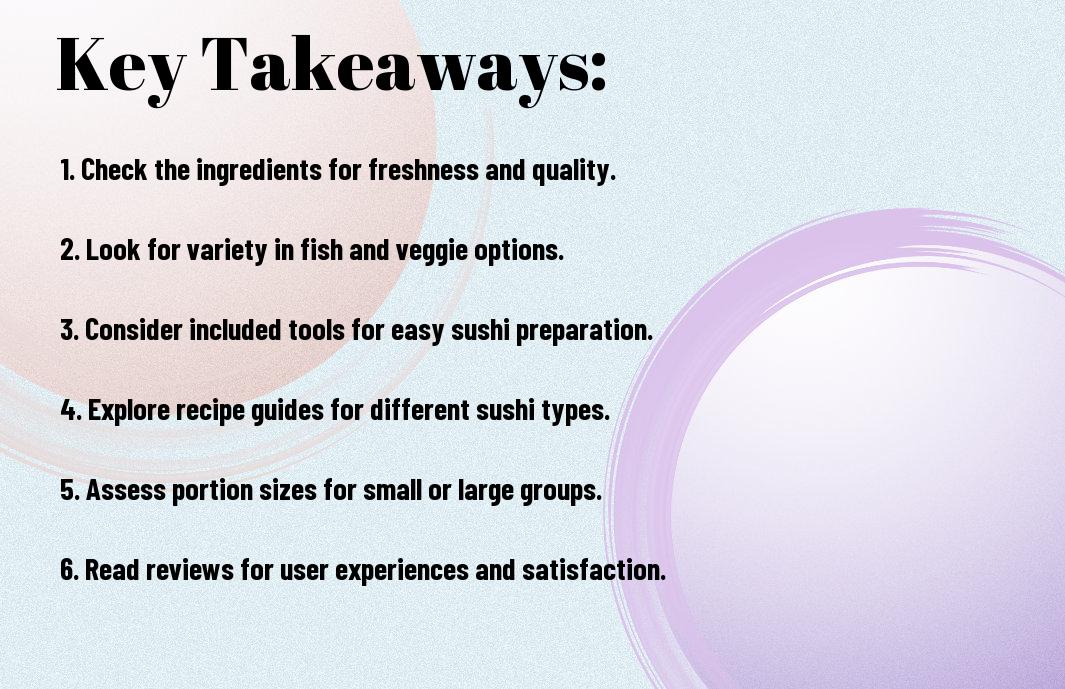
- Ingredients Quality: Choose kits that offer fresh, high-quality ingredients to ensure your sushi tastes authentic and delicious.
- Instruction Clarity: Look for kits that provide clear, step-by-step instructions that make it easy for beginners to follow and create sushi successfully.
- Variety of Options: Opt for kits that include a diverse range of sushi types or customizable options, allowing for a more enjoyable and personalized sushi-making experience.
Understanding Sushi Kits
The world of sushi kits is diverse, catering to all levels of experience and taste preferences. A well-rounded sushi kit provides everything you need to create exquisite rolls at home, from high-quality ingredients to the necessary tools. Whether you’re a beginner or a seasoned sushi lover, understanding what each kit includes will help you get started on your culinary journey.
Basic Components
By exploring the basic components of sushi kits, you’ll find crucial ingredients like sushi rice, nori (seaweed), and various fillings such as fresh fish, vegetables, and sauces. These ingredients serve as the foundation for crafting a delicious sushi experience, ensuring you have what you need to create both traditional and creative rolls.
Equipment vs. Ingredients
Against the backdrop of sushi-making, it’s important to differentiate between equipment and ingredients. Equipment encompasses tools like bamboo mats, knives, and rice cookers, while ingredients focus on the edible components that form your sushi. Understanding this distinction ensures you’re equipped to prepare sushi effectively.
In fact, the right equipment can significantly enhance your sushi-making experience, allowing for precise cutting and rolling techniques that are crucial for presentation. While quality ingredients provide flavor, having the proper tools will help you achieve the perfect texture and shape in your rolls. Investing in both aspects will elevate your sushi skills, making home preparation both enjoyable and successful.
Quality of Ingredients
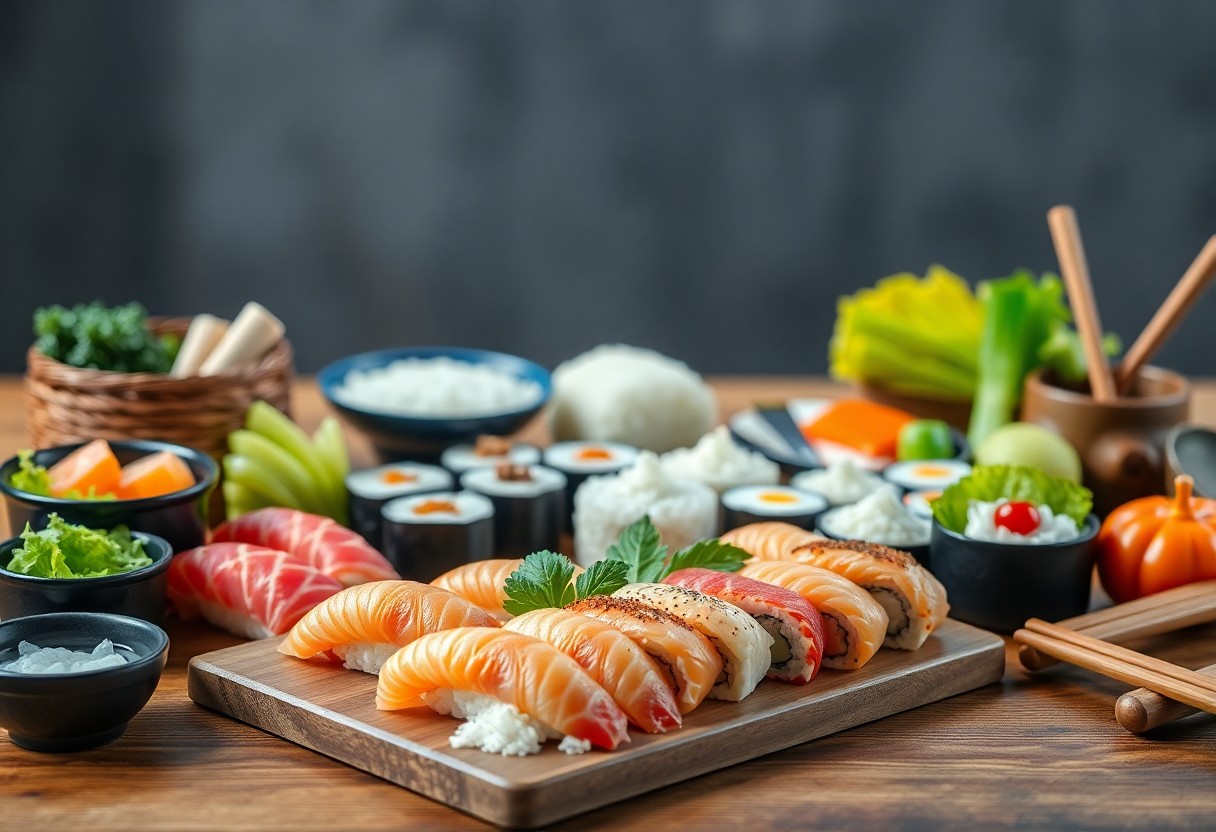
There’s no denying that the quality of ingredients significantly affects the taste and overall experience of your homemade sushi. Ensuring you select the freshest items will elevate your sushi-making skills and delight your taste buds. When shopping for a DIY sushi kit, keep an eye out for reputable brands that prioritize high-quality, fresh ingredients, making your sushi a delicious culinary adventure.
Fresh vs. Packaged
Ingredients play a vital role in sushi preparation. Fresh fish, vegetables, and rice create an authentic flavor, while packaged items can sometimes compromise quality. For the best results, prioritize sourcing ingredients that are fresh and of top-notch quality, ensuring each bite is a delightful experience.
Sourcing Authentic Ingredients
The sourcing of authentic ingredients can greatly enhance your sushi-making experience. Look for kits that provide options for high-quality Japanese rice, seaweed, and fresh fish or seafood. Authenticity brings depth to the flavors and textures that are central to traditional sushi.
Another aspect to consider is the possibility of sourcing local fish markets or specialty Asian grocery stores that offer a range of fresh ingredients for your sushi kit. These places often have knowledgeable staff who can guide you on the best ingredients, ensuring your sushi tastes genuine and satisfying. Connecting with local suppliers not only helps you create superior sushi but also supports your community’s economy.
Kit Variety
Keep in mind that the variety of your DIY sushi kit can greatly enhance your sushi-making experience. Look for kits that offer a wide range of ingredients, tools, and recipe guides tailored to different skill levels. Diverse options will not only make your sushi night more enjoyable but also enable you to explore various techniques and flavors, making it a fun culinary adventure.
Different Styles of Sushi
Before choosing a kit, consider the different styles of sushi you might want to create. Whether it’s traditional nigiri, creative rolls, or unique sashimi, selecting a kit that caters to your preferences will ensure a fulfilling sushi-making experience. Most kits will include specific ingredients and instructions suited for these distinctive styles, allowing you to hone your skills in each variety.
Customizable Kits vs. Pre-packaged
After narrowing down your favorite sushi styles, think about whether you prefer customizable kits or pre-packaged options. Each type has its own set of benefits tailored to individual preferences, helping you effortlessly choose what suits your sushi-making goals.
But if you opt for customizable kits, you gain the flexibility to tailor your ingredients according to your tastes or dietary restrictions, allowing for a more personal touch. Pre-packaged kits, on the other hand, are convenient and provide structured guidance, perfect for beginners or those who appreciate simplicity. Your choice ultimately depends on how involved you wish to be in the process and whether you want to experiment with new flavors or stick to the basics.
Instructional Material
All DIY sushi kits should come with clear instructional materials that guide you through the preparation process. Look for kits that provide detailed instructions that are easy to follow, regardless of your sushi-making experience. This will not only help you create authentic sushi but also improve your culinary skills in the process.
Online Resources
Material available online can complement your DIY sushi kit experience significantly. Many brands offer video tutorials or additional resources on their websites, which can enhance your understanding of sushi making techniques. These resources can provide visual guidance, making complex steps easier to grasp and execute.
Booklet vs. Video Instructions
Before you choose a kit, consider the format of the instructional materials provided. Booklets can offer thorough, step-by-step guidance, allowing you to refer back to specific instructions as needed. In contrast, video instructions bring the process to life, showing you the precise techniques in action, which can be especially helpful for visual learners.
Further, different people have varying preferences when it comes to absorbing information. A well-designed booklet can be an excellent reference tool, especially if you enjoy reading and want to take your time. On the other hand, videos provide a dynamic experience that can be particularly beneficial if you are a beginner who benefits from seeing techniques demonstrated. Weigh your options and choose the format that best suits your learning style to enhance your sushi-making journey.
Price Considerations
Unlike traditional sushi-making classes or dining out, DIY sushi kits cater to various price points. Understanding the price range helps you choose a kit that fits your budget without compromising on quality. While you can find affordable options that offer the necessarys, investing a bit more often ensures a better selection of ingredients and tools for your sushi-making experience.
Budget-friendly Options
An array of budget-friendly sushi kits are available that provide the basics without overspending. These kits typically include necessary ingredients like rice, seaweed, and flavoring sauces, allowing you to experiment at home without a hefty price tag. This can be an excellent way for you to get started with sushi making while keeping your expenses low.
Premium Kits: Are They Worth It?
Any sushi enthusiast may wonder if premium kits justify their higher price points. While they often come with superior ingredients and more comprehensive tools, the value does depend on your goals and level of interest in sushi making.
Also, premium sushi kits may include high-quality fish, artisanal rice, and specialty sauces that elevate your sushi experience. If you’re serious about honing your skills or creating restaurant-quality sushi at home, investing in a premium kit could be worthwhile. These kits often provide more detailed instructions and better tools, enhancing your overall sushi-making experience. Consider how often you plan to make sushi and the quality you desire when weighing your options.
User Reviews and Ratings
Not all sushi kits are created equal, and user reviews can provide valuable insights into the quality and ease of use of different brands. By examining ratings and feedback from fellow consumers, you can better gauge which kits suit your preferences and skill level. Pay attention to comments on ingredients, instructions, and overall satisfaction to make a well-informed decision before purchasing.
Importance of Consumer Feedback
Behind every successful DIY sushi experience is the feedback of fellow sushi lovers. Consumer reviews can reveal important details about a kit that you might not find in the product description, such as how fresh the ingredients are or if the instructions are easy to follow. Taking time to read these perspectives can significantly enhance your sushi-making journey.
Where to Find Reliable Reviews
By exploring reputable online platforms, you can find trustworthy reviews that help shape your purchasing decision. Look for user testimonials on e-commerce websites, culinary forums, and social media groups dedicated to sushi enthusiasts.
And don’t overlook specialized food blogs and YouTube channels, as they often offer in-depth reviews and demonstrations of sushi kits. Many bloggers and vloggers share their personal experiences, providing you with visual cues and firsthand insights that can be incredibly beneficial. Engaging with these resources will equip you with the knowledge needed to choose the best sushi kit for your culinary adventure.
Conclusion
Conclusively, selecting the right DIY sushi kit involves considering factors like ingredient quality, ease of use, and included tools. By assessing these elements, you can ensure a satisfying sushi-making experience at home. For further guidance, check out the Best Sushi-Making Kits: Top 7 Sets For Homemade Rolls … to find the perfect kit tailored to your preferences. Enjoy the journey of creating your delicious sushi rolls!
Q: What ingredients should I expect in a DIY sushi kit?
A: A typical DIY sushi kit usually includes crucial ingredients such as sushi rice, nori (seaweed sheets), and rice vinegar. Additionally, many kits come with various fillings like fish (e.g., tuna or salmon), vegetables (e.g., cucumber, avocado), and possibly even sauces like soy sauce or wasabi. Some kits might also offer tools such as a bamboo rolling mat and a knife for preparation, allowing you to make authentic sushi at home.
Q: How do I assess the quality of a DIY sushi kit?
A: To assess the quality of a DIY sushi kit, check for the freshness of the ingredients. Look for kits that provide high-quality sushi rice and fresh seafood, preferring vacuum-sealed packaging to ensure freshness. Reading customer reviews can also give you insight into the kit’s overall quality and taste. Additionally, consider the variety of ingredients included; a well-rounded kit should have a good mix of fillings, sauces, and tools to enhance your sushi-making experience.
Q: Are there specific dietary options available in DIY sushi kits?
A: Yes, many DIY sushi kits cater to various dietary preferences and restrictions. You can find vegan and vegetarian options that include plant-based ingredients like tofu, avocado, and vegetables without any fish or seafood. Additionally, some kits may focus on gluten-free ingredients, ensuring that people with gluten sensitivities can enjoy making sushi. When choosing a DIY sushi kit, check the packaging for dietary labels or descriptions to find a kit that suits your needs.