dining

How to Eat Sushi the Right Way

Just when you think you understand sushi, there’s often more to the experience than meets the eye. To truly enjoy this Japanese delicacy, you should be aware of the proper etiquette and techniques. From selecting the right type of sushi to mastering the use of chopsticks and wasabi, knowing how to navigate your sushi meal can enhance your appreciation for this culinary art. For a comprehensive guide, check out this resource on How to Eat Sushi the Correct Way.

Key Takeaways:

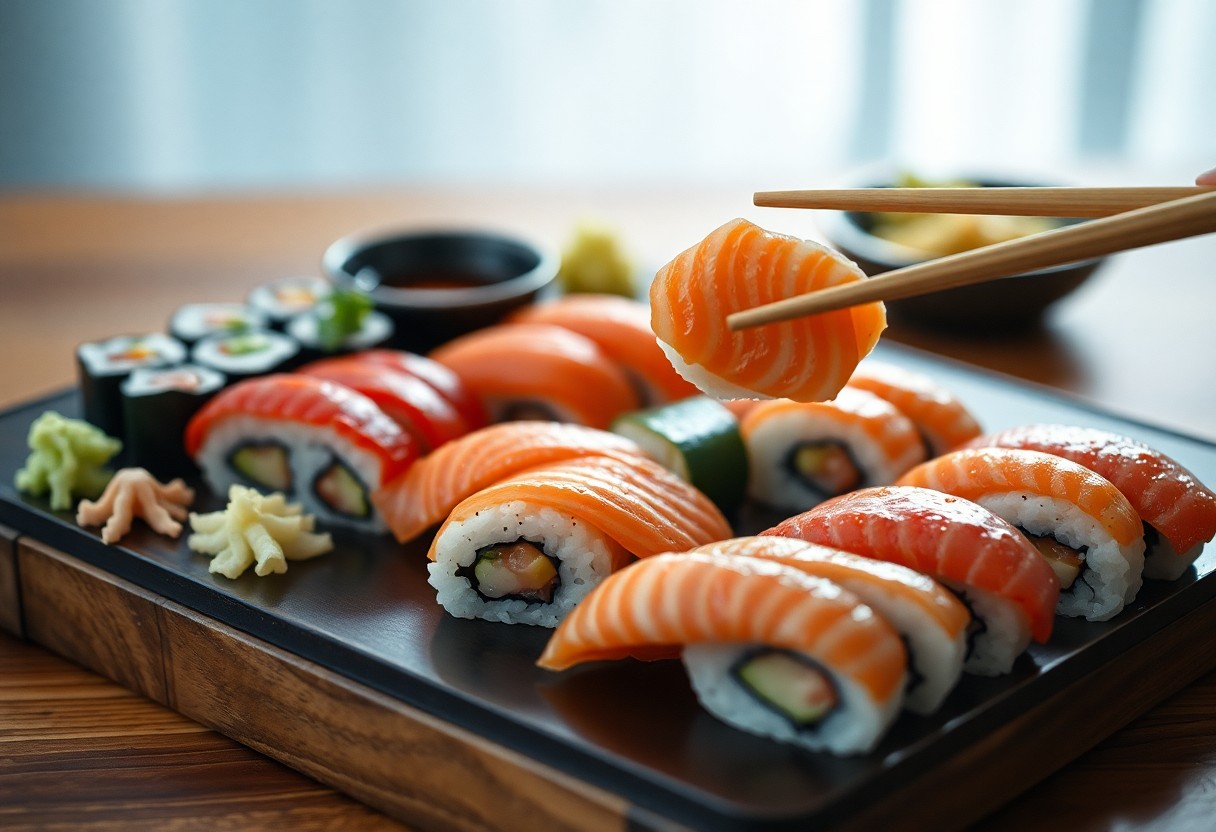
  • Use Your Hands – It’s perfectly acceptable to eat sushi with your fingers, especially nigiri, as it encourages a more authentic experience.
  • Dip Like a Pro – When using soy sauce, dip the fish side of the sushi instead of the rice to avoid overwhelming the delicate flavor and preventing the rice from soaking up too much sauce.
  • Wasabi Wisely – Instead of adding wasabi directly into soy sauce, a small dab on the fish or to the side is the traditional method that preserves the true flavors of the sushi.
  • Order Graciously – When dining at a sushi restaurant, order a variety of pieces, starting from light to more flavorful ones, and consider having them prepared in a specific order for the best tasting experience.
  • Follow Etiquette – Show appreciation for the chef by being polite and engaging in a pleasant dining experience, which can enhance the overall enjoyment of your sushi meal.

Understanding Sushi Types

To fully appreciate sushi, it’s vital to understand the different types that exist. Sushi isn’t a one-size-fits-all dish; each type offers a unique experience that can elevate your dining. Here’s a brief overview:

Type Description
Nigiri Hand-formed rice topped with various ingredients.
Sashimi Thinly sliced raw fish or seafood.
Maki Rolled sushi with rice and fillings.
Temaki Hand-rolled sushi in a cone shape.
Urameshi Inside-out rolls with rice on the outside.

The sushi you choose can greatly affect your culinary experience.

Nigiri

One of the simplest forms of sushi, nigiri consists of a small mound of rice shaped by hand and topped with a slice of fish or seafood. This type of sushi lets you appreciate the flavor of each ingredient, often complemented by a dab of wasabi.

Sashimi

Understanding sashimi is about recognizing that it’s not technically sushi. Sashimi features thinly sliced raw fish or seafood, served without rice. It’s often enjoyed with soy sauce and wasabi, focusing solely on the purity of the ingredients.

In addition, sashimi can include a variety of seafood such as tuna, salmon, and octopus, often showcasing the chef’s skill in presentation. It’s important to savor each piece slowly to appreciate the freshness and quality of the fish.

Maki

Types of maki involve rolling sushi rice and fillings inside a seaweed sheet. This dish can range from simple cucumber and avocado rolls to elaborate combinations of fish, vegetables, and sauces.

It’s common to find maki cut into bite-sized pieces, making it easy to share or enjoy individually. The various fillings and rolling techniques allow for versatility, pleasing different tastes and preferences.

Temaki

On the other hand, temaki is a hand-rolled version of sushi, characterized by its cone shape. The outer layer typically consists of nori, with fillings of sushi rice, fish, and vegetables tucked inside.

Sushi is not only a meal but an experience. Hand-rolling your own temaki allows you to personalize your sushi by selecting your favorite ingredients, making it a fun and interactive dining option. Enjoy crafting your unique rolls!
Proper Sushi Etiquette

Assuming you want to enjoy your sushi experience to the fullest, it’s necessary to understand the etiquette associated with this traditional Japanese cuisine. Proper sushi etiquette not only enhances your dining experience but also shows respect for the craft of sushi making and the culture behind it. From how you handle your chopsticks to how you interact with your chef, these nuances contribute to a more authentic and enjoyable meal.

Chopstick Usage

Behind the use of chopsticks lies a rich tradition that signifies both elegance and skill in Japanese dining. Make sure you hold your chopsticks correctly, using your thumb and index finger to grip the top stick while the bottom stick rests against your middle finger. Avoid using your chopsticks for anything other than eating, and never stick them upright in your rice, as this resembles a funeral ritual.

Soy Sauce Dipping Techniques

Along with chopstick usage, understanding soy sauce dipping techniques can significantly elevate your sushi experience. Always dip the seafood side of the sushi into the soy sauce rather than the rice side. This helps prevent the rice from absorbing too much soy sauce, ensuring a balanced flavor. Additionally, it maintains the integrity of the sushi piece, allowing you to enjoy each ingredient as intended.

To further enhance your sushi experience, consider how much soy sauce you apply. A gentle dip is sufficient, allowing the natural flavors of the fish to shine without being overpowered by the salty sauce. If you’re enjoying nigiri, try to keep the soy sauce ratio minimal—just enough to accentuate the seafood. Always avoid pouring soy sauce directly onto your sushi, as this can lead to an overwhelming taste and distract from the chef’s careful preparation.

Using Wasabi

Chopstick placement also applies when handling wasabi. Traditionally, should you want to add wasabi to your sushi, place a small amount on top of the fish. Avoid mixing wasabi directly into your soy sauce, as this diminishes the flavor balance of your meal. Instead, use it sparingly to heighten the flavors without overpowering the delicate taste of the fish.

Techniques for using wasabi can vary according to personal preference, but the key is moderation. A small dollop is usually enough to complement the sushi. If you’re uncertain, taste the sushi first, then adjust the wasabi level to your liking. This approach ensures that you’re not overwhelming the subtle flavors that the chef has crafted with care. Enjoy the sensation it brings, but let the sushi remain the star of the meal.

Savoring Sushi Flavors

After you place the sushi in your mouth, allow the flavors to unfold without rushing. Each ingredient is thoughtfully selected, contributing to an exquisite balance of taste and texture. Focus on the interplay of fresh fish, vinegared rice, and any additional seasonings. By chewing gently and savoring each bite, you can fully appreciate the intricate flavors and craftsmanship that define quality sushi.

Pairing with Beverage

Below, you’ll find that choosing the right beverage can enhance your sushi experience. Traditional options like sake or green tea complement the subtle flavors of sushi perfectly. If you prefer something different, consider light white wines or even a crisp lager—each can harmonize beautifully with the dish. Experiment to discover what works best for your palate.

Tasting Techniques

Among the methods to appreciate sushi, specific tasting techniques can elevate your experience significantly. Techniques such as focusing on aroma can enhance your understanding of the dish before it even reaches your palate.

Understanding how to taste sushi involves engaging all your senses. Start by observing the presentation and aroma; this sets the stage for what’s to come. As you taste, try to identify individual ingredients, considering their flavors and textures. Pay attention to the umami elements, which will linger on your palate. This enhances not only your enjoyment but also your knowledge of sushi, allowing you to explore its intricacies more deeply.

Choosing Quality Sushi

Your sushi experience starts with selecting high-quality ingredients. To help you understand how to identify top-notch sushi, take a look at this guide on How To Eat Sushi The Right Way. Look for establishments that prioritize freshness and have a good reputation among locals, as this often reflects the quality of their sushi.

Selecting a Sushi Restaurant

Choosing the right sushi restaurant can enhance your dining experience. Look for places that are busy, as a high customer turnover typically indicates freshness. Online reviews and recommendations from friends can also guide you to sushi spots known for their quality and authentic preparation methods.

Recognizing Fresh Ingredients

With a few simple tips, you can quickly identify fresh sushi ingredients. Always check the vibrant colors; fresh fish should look bright and glossy, while rice should feel slightly warm and sticky, not hard or cold. A good sushi chef will maintain cleanliness and have an organized workspace, further indicating the freshness and quality of the food being prepared.

Sushi relies heavily on the quality of its ingredients. Fresh fish should have a slight ocean aroma and be firm to the touch. When examining the rolls, look for bright vegetables that are crisp, as wilted greens can signal age. Tuna should be ruby red, salmon should have a gradient of orange, and shellfish should be glistening. These indicators not only show freshness but also contribute to your overall enjoyment and safety while indulging in sushi.

Sushi Restrictions and Preferences

Not everyone can enjoy sushi in the same way. Various dietary restrictions and personal preferences can influence your sushi experience. Whether you are vegetarian, allergic to seafood, or following a specific diet, it’s necessary to consider your needs while exploring sushi options. Understanding what to look for can enhance your enjoyment without compromising your health or values.

Dietary Considerations

Restrictions can significantly shape your sushi choices. If you have food allergies, such as shellfish or gluten sensitivities, always inquire about ingredients and preparation methods. Sushi restaurants often offer alternatives, such as vegetable rolls or rice paper wraps, ensuring you can enjoy delicious options without risking your health.

Personal Preferences

Along with dietary needs, personal preferences play an important role in your sushi consumption. You might have a taste for specific flavors, textures, or even presentation styles that resonate with your palate, influencing your selections while dining.

Another aspect to consider is exploring various types of sushi beyond the traditional rolls. Experiment with nigiri, sashimi, or even fusion sushi to discover what you love most. Customizing your meal by choosing your favorite fish or asking for less sauce can lead to a more satisfying sushi experience tailored to your individual taste.

Common Mistakes to Avoid

Unlike what you may think, enjoying sushi goes beyond just delicious flavors; it involves subtle etiquette too. Many diners unknowingly commit errors that can enhance or ruin their experience. To elevate your sushi knowledge, take a moment to check this resource on How to Eat Sushi and Dining Etiquette in Japan.

Overdipping

Against popular belief, dunking your sushi extensively in soy sauce can overpower the delicate flavors intended by the chef. Instead of submerging the entire piece, use the dipping sauce sparingly, focusing on just the fish or placing a small amount on the rice side.

Mixing Flavors Incorrectly

One common mistake is combining flavors inappropriately. For instance, adding wasabi directly into your soy sauce alters the balance intended in sushi. Instead, place a small dollop of wasabi on the sushi piece itself for a more harmonious taste.

Another point to consider is when it comes to condiments. Using pickled ginger as a sushi topping or mixing it in your soy sauce can disrupt the experience. Instead, enjoy pickled ginger as a palate cleanser between different types of sushi to fully appreciate each unique flavor profile.
To wrap up

Ultimately, mastering the art of eating sushi enhances your dining experience and shows respect for this culinary tradition. When you enjoy sushi, use your chopsticks or fingers with confidence, savor each piece in one bite, and appreciate the unique flavors of wasabi and soy sauce, applied in moderation. Be mindful of the etiquette, such as not mixing your wasabi into soy sauce, to fully honor the craftsmanship behind your meal. By following these guidelines, you’ll not only enjoy sushi more but also embody the rich cultural dining experience it represents.

Q: What is the proper way to use chopsticks when eating sushi?

A: When using chopsticks, it’s important to hold them correctly for both comfort and precision. Grip the top stick like a pen, using your thumb, index, and middle fingers to control it. The bottom stick should rest between your middle finger and the base of your thumb. You should only move the top stick to pick up sushi, while the bottom stick remains stationary. This method provides better control when handling delicate sushi pieces.

Q: Should I dip sushi in soy sauce and how much should I use?

A: Yes, dipping sushi into soy sauce can enhance its flavor, but it’s important to do so properly. Instead of pouring soy sauce directly over the sushi, which can mask its taste, dip just the fish side lightly into the sauce. This technique helps to complement the ingredients without overwhelming them. Additionally, be mindful of how much sauce you use; a little goes a long way!

Q: Is it acceptable to eat sushi with my hands?

A: Absolutely! Eating sushi with your hands is perfectly acceptable, especially with nigiri and rolls. Many traditional sushi chefs prefer this method as it allows you to better appreciate the texture and flavor. If you choose to use your hands, simply pick up the sushi gently and bring it directly to your mouth. Just be sure your hands are clean, and don’t be shy—enjoy!
What It’s Like to Dine at a Michelin-Starred Sushi Restaurant

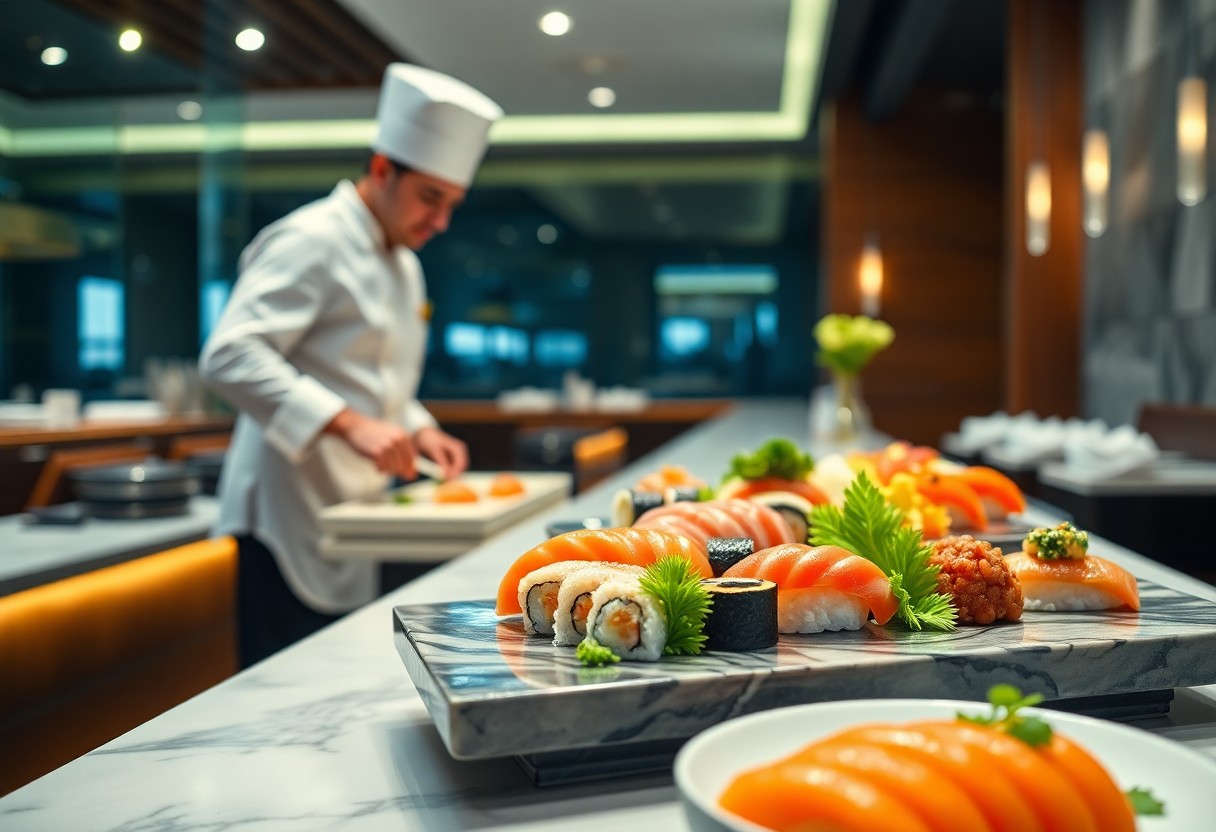
With the prestige of a Michelin star, your dining experience at a sushi restaurant reaches unparalleled heights. You are invited into a world where culinary artistry meets exceptional quality, often highlighted by seasonal ingredients and meticulous preparation. Each dish serves not just as food but as a sensory journey, engaging your taste buds and visual senses alike. Prepare to immerse yourself in an atmosphere of elegance and precision, where the chef’s skillfully crafted sushi reflects years of dedication and tradition. This guide will explore what to expect when you dine at such an esteemed establishment.

Key Takeaways:

  • Elevated Experience: Dining at a Michelin-starred sushi restaurant offers an exceptional level of service and attention to detail, creating an unforgettable culinary journey.
  • Artistry and Presentation: Each dish is not only about flavor but also showcases stunning presentation, highlighting the artistry that goes into sushi-making.
  • Seasonal Ingredients: The use of fresh, seasonal ingredients enhances the overall quality of the meal, often featuring rare and premium selections that are carefully curated by the chef.

The Art of Sushi Making

A dining experience at a Michelin-starred sushi restaurant goes beyond just great flavors; it immerses you in the meticulous art of sushi making. The chefs, often trained for years, showcase their expertise through each handcrafted piece, transforming simple ingredients into culinary masterpieces. You may wonder what is it like to eat at a three Michelin star restaurant? Their passion and dedication elevate sushi beyond food to an art form.

Traditional Techniques

With each roll and nigiri, traditional techniques play a significant role in the sushi-making process. The chefs utilize methods passed down through generations, from the precise rice preparation to the delicate slicing of fresh fish. It’s a dance of timing, temperature, and technique that you are fortunate to witness during your meal.

Ingredients and Sourcing

Among the many factors that elevate the sushi experience is the quality of ingredients and the sourcing methods used by the chefs. You will find that unparalleled freshness is paramount in crafting exceptional sushi, often involving direct shipments from local fish markets or sea fisheries. Chefs dedicate time to meticulously select only the best products available, ensuring that each bite bursts with flavor.

Further, the emphasis on seasonal ingredients is vital, as you may experience different flavors and textures depending on the time of year. This commitment to sourcing helps create a menu that reflects both the season and the chef’s artistry. By choosing sushi from a Michelin-starred restaurant, you’re not just enjoying a meal—you’re indulging in a thoughtfully curated culinary experience that respects the labor and skill involved.

Atmosphere and Ambiance

It’s an experience that transcends mere dining; the atmosphere at a Michelin-starred sushi restaurant is meticulously curated to heighten your senses. The ambient lighting casts a warm glow, while soft music creates an inviting backdrop for your culinary adventure. Every detail, from the intimate table settings to the artful arrangement of the sushi bar, contributes to an environment that feels both exclusive and welcoming.

Interior Design

At a Michelin-starred sushi restaurant, the interior design reflects a harmonious blend of tradition and modernity. Clean lines and earthy tones often dominate the decor, while authentic Japanese elements, like shoji screens and handcrafted wooden furnishings, offer a sense of cultural immersion. This careful attention to aesthetic not only enhances the serenity of your dining experience but also pays homage to the artistry of sushi making.

Customer Experience

Along with the stunning aesthetics, the customer experience is paramount at such an esteemed establishment. From the moment you arrive, you’ll be greeted with warmth and professionalism, setting the tone for an unforgettable evening. Each course is delivered with thoughtful explanation, allowing you to appreciate the craftsmanship behind the sushi.

Plus, the staff is highly trained to gauge your preferences, tailoring their recommendations and service to ensure your satisfaction. You might find yourself engaged in enlightening conversations about the ingredients or techniques, enriching your experience further. Every interaction is designed to make you feel valued and immersed in the art of sushi, creating a dining experience that is as much about connection and discovery as it is about the food.

The Tasting Menu

Keep your expectations high when experiencing the tasting menu at a Michelin-starred sushi restaurant. This carefully curated selection not only showcases the chef’s artistry but also highlights the freshest ingredients of the day. Each dish is a unique creation, artfully presented and thoughtfully paired, taking you on a culinary journey that evolves with every course.

Seasonal Selections

Along with the tasting menu, you will find that the seasonal selections play a significant role in enhancing your dining experience. Each dish is influenced by the current season’s best offerings, ensuring that every bite is vibrant and reflective of the time of year. You’ll taste the difference that fresh, locally-sourced ingredients can make in your meal.

Pairing with Beverages

On this culinary adventure, pairing your tasting menu with the right beverages can elevate your meal to new heights. The right sake, wine, or even a crafted cocktail can complement the nuanced flavors of the sushi and enhance your overall experience.

Beverages are carefully chosen to harmonize with each course in the tasting menu. The sommelier’s expertise in selecting sake or other drinks is vital; they consider flavor profiles, textures, and even the presentation of each dish. From light and crisp options to richer accompaniments, every sip can enhance the seafood’s delicate notes while cleansing your palate, ensuring a satisfying and memorable dining experience.

Service and Hospitality

To dine at a Michelin-starred sushi restaurant is to experience service that reflects the utmost attention to detail. From the moment you enter, the ambiance is meticulously curated, ensuring a warm welcome. The staff is dedicated to providing not only exceptional service but also creating an environment where you feel valued and cherished throughout your meal.

Staff Expertise

On your visit, you will likely encounter staff members who possess extensive knowledge about the ingredients and techniques used in each dish. Their training goes beyond simple service; they share a passion for sushi that enhances your experience. You will feel reassured knowing that every detail has been managed by experts.

Personalization of Experience

Between intricate culinary creations, you may find that the staff tailors your dining experience to make it uniquely yours. They take the time to understand your preferences, allergies, and even suggest pairings that will elevate your meal further.

Service is not merely about taking orders; it’s about crafting a memorable experience tailored to your tastes. During your meal, you can expect recommendations that resonate with your palate, ensuring that every bite is enjoyable. The personalized touches could include specific rice preparations or rare fish not often found elsewhere, deepening your connection to the cuisine. Ultimately, this dedication to customization reflects the restaurant’s commitment to making your visit truly unforgettable.

The Price of Prestige

Once again, you are reminded that dining at a Michelin-starred sushi restaurant comes with a hefty price tag. The experience isn’t just about the food; it reflects the talent, precision, and artistry of the chefs, all of which contribute to the elevated cost. Expect to pay significantly more than at a typical eatery, where the quality pales in comparison to the culinary mastery found in these renowned establishments.

Cost Breakdown

Cost is a major factor when considering a meal at a Michelin-starred sushi restaurant. Typically, you can anticipate a multi-course tasting menu ranging from a few hundred to over a thousand dollars per person. Additional expenses include beverages, service charges, and sometimes even reservations fees, making it crucial to factor in these details when planning your visit.

Value Perception

The perception of value at a Michelin-starred sushi restaurant is often tied to the experience as a whole. The artistry behind each dish, the quality of ingredients, and the skill of the chefs meld to create a meal that transcends ordinary dining. You are not merely paying for food; you are investing in an unforgettable culinary journey that stimulates your senses and introduces you to the nuances of Japanese cuisine.

Due to the meticulous preparation and exceptional ingredients used, many diners find that their experience justifies the expense. The ambiance, attentive service, and the chef’s narrative throughout the meal add layers to your appreciation of sushi. Each bite reflects years of training and dedication, making the elevated price feel worthwhile when you savor the exquisite flavors and artistry on display.

Michelin Star Criteria

Despite being widely recognized, the Michelin star system is often misunderstood. The criteria for earning a Michelin star encompasses various aspects of dining experiences, focusing on quality and consistency. Restaurants are evaluated by anonymous inspectors who take their time to provide a comprehensive assessment based on established standards.

Evaluation Factors

Below are the main factors inspectors consider when evaluating a sushi restaurant:

  • Ingredient quality
  • Technique and skill
  • Flavor combinations
  • Consistent excellence
  • Value for money

After assessing these factors, the inspectors then determine whether or not a restaurant meets the high standards necessary for a Michelin star.

Significance of Stars

About Michelin stars, it’s vital to understand their impact on your dining experience. A single star signifies a very good restaurant, two stars imply excellent cooking worth a detour, and three stars denote exceptional cuisine worth a special journey.

Considering the intense competition within the culinary world, earning Michelin stars elevates a restaurant’s status and showcases its dedication to quality. For you as a diner, this recognition not only sets expectations for the meal but also ensures you are experiencing the pinnacle of culinary artistry. The influence of these stars can significantly impact a restaurant’s recognition and your overall dining adventure.

Conclusion

To wrap up, dining at a Michelin-starred sushi restaurant offers you an unparalleled experience characterized by exquisite flavors, exceptional service, and an ambiance that elevates your meal. You will not only savor some of the finest sushi crafted by expert chefs but also immerse yourself in the meticulous artistry that goes into each dish. This culinary adventure invites you to appreciate the intricate balance of taste and presentation, leaving you with lasting memories and a desire to return for more exceptional dining experiences.

Q: What can I expect in terms of the dining atmosphere at a Michelin-starred sushi restaurant?

A: Dining at a Michelin-starred sushi restaurant typically offers a refined and tranquil atmosphere, where attention to detail plays a significant role. You might find an intimate setting, often with limited seating, allowing for an exclusive experience. The decor is usually understated yet elegant, focusing on natural materials such as wood and stone, aligning with the artistry of the sushi being served. The chefs often prepare the food in an open kitchen, allowing guests to engage with the culinary process. Expect soft lighting, minimal noise, and a sense of calm that enhances the overall experience.

Q: How is the sushi selection and presentation different at a Michelin-starred establishment?

A: The sushi selection at Michelin-starred restaurants tends to be unique and carefully curated, often showcasing seasonal and high-quality ingredients sourced from various regions, including Japan. The menu may feature more innovative or rare types of fish and seafood, as well as traditional options prepared with exceptional skill. Presentation is a key focus; sushi is not just served but beautifully arranged, enhancing its visual appeal. Each piece is crafted with precision, with careful consideration given to color, texture, and balance, turning a meal into a work of art.

Q: What is the typical service experience like at a Michelin-starred sushi restaurant?

A: The service at a Michelin-starred sushi restaurant is often as refined as the food itself. Staff members are usually highly trained and possess extensive knowledge about the menu, allowing them to provide personalized recommendations based on your preferences. You can expect attentive yet unobtrusive service, where wait staff anticipate your needs without being overly present. The meal is often paced to enhance the dining experience, with courses served at just the right moment, allowing you to fully enjoy each bite while engaging in conversation. The overall approach emphasizes hospitality, creating a memorable dining experience that reflects the restaurant’s commitment to excellence.

The Art of Sushi Omakase Dining

Just as you launch on a culinary journey, understanding the nuances of sushi omakase dining will elevate your experience to new heights. Omakase, which translates to “I’ll leave it up to you,” invites you to trust the chef’s expertise while savoring an assortment of seasonal dishes crafted with precision and artistry. This dining style emphasizes freshness, quality, and the intricate relationship between the chef and the ingredients. By delving into the art of omakase, you enhance not only your palate but also your appreciation for the vibrant culture behind this exquisite cuisine.

Key Takeaways:

  • Experience: Omakase dining is about indulging in a curated experience where the chef selects dishes based on the freshest ingredients available and their culinary expertise.
  • Interaction: Engaging with the chef enhances the omakase experience, allowing for personalized insights and a deeper appreciation of the artistry behind each dish.
  • Variety: Omakase offers a diverse range of tastes and textures, as each course is thoughtfully crafted to showcase the balance and harmony of flavors in sushi.

The Origin of Omakase

A deep-rooted tradition in Japanese cuisine, omakase translates to “I leave it up to you.” This dining experience emphasizes the chef’s skill and creativity, allowing you to savor fresh, seasonal ingredients prepared with precision. With origins in the Edomae sushi style of Tokyo, omakase has evolved into a revered culinary art form, inviting you to indulge in a personalized journey of flavors and textures.

Historical Context

After World War II, sushi gained popularity outside Japan, and omakase adapted to cater to Western palates. The combination of fresh seafood and meticulous preparation showcased the chef’s craftsmanship, making it a sought-after dining experience. This period marked a significant shift in how sushi was perceived globally, paving the way for today’s omakase offerings.

The Evolution of Omakase Dining

Originating from the simple sushi bars of Tokyo, omakase has transformed into a multifaceted dining experience that reflects contemporary culinary trends. Many chefs now incorporate diverse influences, creating innovative dishes that surprise and delight your palate. You’ll find experimentation with flavors, techniques, and presentations, showcasing an evolution that keeps omakase relevant and exciting in the modern culinary landscape.

Another aspect of this evolution is the rise of high-end omakase experiences, where chefs focus on artistry and personalization. These dining establishments often feature an intimate setting, allowing for direct interaction between you and the chef. This connection not only enhances your meal but also fosters a deeper appreciation for the culinary process, making your omakase journey a memorable one. There has never been a better time to explore the nuances of this exquisite dining tradition.

What to Expect in an Omakase Experience

One of the most exciting aspects of an omakase dining experience is the element of surprise. As you settle into your seat, you can expect to be treated to a carefully curated tasting menu that showcases the chef’s artistry and expertise. Each dish is typically served one at a time, allowing you to savor and appreciate the intricate flavors and presentation of each course. You’ll find that the meal often unfolds in harmony with the freshest seasonal ingredients, offering a unique culinary journey every time you dine.

The Role of the Chef

With a focus on the chef’s unique vision, your omakase experience becomes a personal journey through their interpretation of sushi and Japanese cuisine. The chef hand selects the freshest ingredients, often sourcing them from local markets or direct from Japan, ensuring that you enjoy a meal that reflects authenticity and skill. Their passion and knowledge shine through as they create each piece, guiding you through the story behind every bite.

Seasonal Ingredients and Menu Creation

For an exceptional omakase experience, the menus are often crafted around seasonal ingredients. You’ll have the opportunity to taste flavors that are at their peak, influenced by the changing seasons. This ensures that you receive not only the freshest flavors but also a diversity of textures and presentations that vary from one visit to the next.

It’s fascinating to discover how the chef incorporates seasonal highlights into their menu. As the year progresses, you might find ingredients such as buttery eel in summer or delicate white fish in winter. This seasonal approach allows the chef to showcase their creativity and adaptability, resulting in beautifully crafted dishes that reflect the rhythm of nature. Each omakase meal becomes a celebration of the seasons, creating an immersive dining experience where you can appreciate the artistry and attention to detail that goes into every bite.

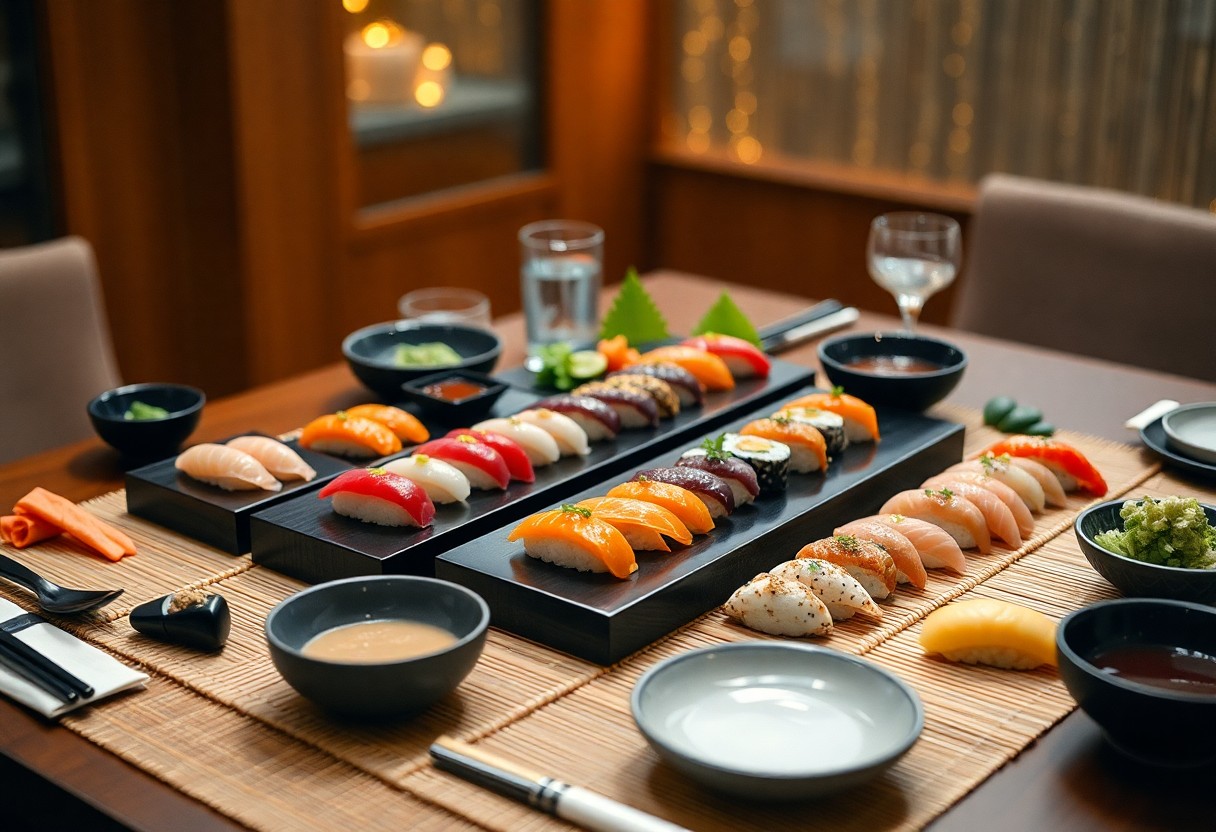
The Significance of Presentation

Unlike typical dining experiences, sushi omakase elevates the importance of presentation as part of its culinary artistry. Each dish tells a story, showcasing the chef’s skill and the seasonal ingredients used. The colors, textures, and arrangement create a feast for the eyes, enhancing your anticipation and enjoyment. Discover more about this artistic experience at Sushi & Omakase | Tokugawa New York.

Aesthetic Appeal

Aesthetic appeal plays a vital role in the omakase experience, as visually striking dishes set the tone for your meal. Each course is carefully curated to visualize harmony and balance, drawing you into the delicate beauty of Japanese cuisine.

Serving Techniques

Aesthetic serving techniques further enrich your dining experience in omakase. With precision and care, chefs use unique plating methods that complement the flavors of the ingredients, ensuring that each bite is as enchanting as it is delicious. Your senses are engaged, making the entire process an immersive experience.

Presentation in serving techniques may involve using traditional Japanese tableware or innovative serving styles that reflect contemporary design. As you watch the chef artfully arrange each piece, you can appreciate not only the craft of sushi-making but also the dedication to creating a memorable overall experience that ties flavors, visuals, and emotions together.

Pairing with Sake and Other Beverages

After enjoying the delicate nuances of sushi prepared for you during an omakase experience, consider enhancing your meal with carefully selected beverages. Sake, with its diverse flavor profiles, can elevate your tasting experience by complementing the freshness of your sushi. From crisp and dry to rich and aromatic, the right pairing can truly accentuate the vibrant textures and tastes on your plate.

Importance of Pairing

Other beverages, including sake, beer, or green tea, can significantly affect your overall dining experience. The right drink highlights individual sushi elements, allowing you to explore a more profound connection with the cuisine. Thoughtful pairing elevates both your meal and tasting pleasure, making each bite even more memorable.

Recommended Sake Variations

Behind the art of pairing sake lies a spectrum of variations tailored to different sushi styles. For instance, a light Junmai Ginjo brings out the delicate flavors of white fish, while a fuller-bodied Honjozo complements richer items like fatty tuna. Understanding these nuances allows you to pick the perfect sake to match your meal.

A well-chosen sake not only enhances your sushi experience but also introduces you to the rich cultural backdrop of Japanese beverages. Pay attention to the texture and flavor profile of your sushi, adjusting your sake selection accordingly. Whether opting for a chilled bottle or warm varieties, each choice crafts a unique tasting journey, making your omakase dinner even more enchanting.

Etiquette and Dining Tips

Many aspects of sushi omakase dining require your attention to create a truly immersive experience. Adhering to proper etiquette enhances your enjoyment and shows respect for the chef. Keep these tips in mind:

  • Arrive on time for your reservation.
  • Greet the chef and maintain eye contact.
  • Avoid using unnecessary condiments.
  • Be open to trying all dishes as the chef presents them.
  • Express gratitude after your meal.

This ensures a pleasant experience for both you and the chef.

Proper Behaviors at the Sushi Bar

Proper behavior at the sushi bar is vital for creating an enjoyable atmosphere. Maintain a polite demeanor and avoid loud conversations. It’s best to engage with the chef respectfully, listening attentively as they present each piece of sushi. If you have questions, ask them quietly between courses to allow the chef to focus on their craft. Trust the chef’s expertise and be open-minded about the flavors and preparations offered.

Understanding Tipping and Payment

By navigating the nuances of tipping and payment, you can ensure that your dining experience is seamless. In most sushi omakase restaurants, a tip is appreciated but not always expected, as the price often reflects the high level of service and skill involved. When in doubt, a 15-20% tip is standard for exceptional service. It’s also wise to inquire discreetly about the payment process beforehand, as some establishments may include a service charge or prefer cards over cash.

It’s vital to be aware of the different customs surrounding tipping in various regions or countries. In Japan, tipping is generally not practiced, while in other places, it may vary based on the level of service rendered. Always consider the effort and dedication the chef puts into your meal, and feel free to express your gratitude through a tip if you’re satisfied. Your thoughtful approach will help create a positive dining experience for you and the culinary artists behind the counter.

Popular Omakase Destinations

Now, if you’re seeking exceptional omakase experiences, you’ll want to explore popular destinations around the globe. Major cities like Tokyo, New York, and Los Angeles offer a variety of top-tier sushi bars where chefs create masterpiece dishes tailored to your palate. You can expect a blend of tradition and innovation, giving you a true taste of culinary artistry in each bite.

Renowned Restaurants Worldwide

Around the world, renowned restaurants elevate the art of omakase dining. Venues like Sukiyabashi Jiro in Tokyo and Sushi Nakazawa in New York City attract sushi enthusiasts with their meticulous attention to detail and fresh ingredients. Whether it’s the atmosphere or the skill of the chefs, these establishments craft unforgettable dining experiences that you surely won’t want to miss.

Hidden Gems to Explore

Explore lesser-known omakase spots that offer unique flavors and personalized experiences. These hidden gems often feature talented chefs who may not be as widely recognized yet serve up exceptional sushi that rivals renowned establishments. Discovering these eateries can bring an exciting twist to your sushi journey.

Gems like these often showcase local ingredients and inventive techniques, providing you with a distinctive dining experience. Many of them, located in quieter neighborhoods, offer intimacy and personalized service, enhancing your overall experience. By venturing off the beaten path, you have the chance to uncover exceptional chefs who pour their passion and creativity into each dish, inviting you to experience sushi in a whole new light.

To wrap up

Following this guide, you are now equipped to appreciate the intricacies of sushi omakase dining. By understanding the chef’s philosophy, the quality of ingredients, and the artistry involved, your experience will be elevated beyond just a meal. Embrace the journey of flavors and textures, and allow yourself to be surprised by each carefully curated bite. Omakase is not just about dining; it’s an experience that highlights the harmony between food, craftsmanship, and cultural heritage that you won’t soon forget.

Q: What is Omakase and how does it relate to sushi dining?

A: Omakase is a Japanese term that translates to “I leave it up to you.” In the context of sushi dining, it refers to a style where the chef selects a multi-course meal for the guests, showcasing the finest and freshest ingredients available. This dining experience often involves a personalized touch, allowing the chef to demonstrate their skills and artistry while guiding diners through a curated tasting menu. Dishes may include various types of sushi, sashimi, and often seasonal specialties, creating a unique journey through flavors and textures.

Q: What should I expect during an Omakase sushi dining experience?

A: During an Omakase sushi meal, guests can expect an immersive culinary journey led by the chef. The experience typically begins with a warm greeting and may include a brief explanation of the items being served. Diners often sit at the sushi counter, allowing for interaction with the chef, who may present each dish with a story or insight into its preparation. The menu is presented in courses, with each item carefully prepared and served at the peak of freshness. The dining pace can be leisurely, allowing guests to savor each bite and fully appreciate the artistry of the sushi.

Q: How do I choose the right Omakase restaurant for my dining experience?

A: When opting for an Omakase restaurant, consider factors such as the chef’s experience, the restaurant’s reputation, and customer reviews. It’s beneficial to seek out establishments recognized for their dedication to quality ingredients and skilled preparation. Additionally, inquire about the restaurant’s sourcing practices, particularly regarding seafood, to ensure freshness and sustainability. Pricing can vary significantly, with high-quality Omakase experiences typically reflecting more premium ingredients and chef expertise. It’s advisable to book in advance, as popular spots might have limited seating and high demand.

Revolving Sushi Bars – A Dining Experience Like No Other

You might be looking for a fresh way to enjoy sushi, and revolving sushi bars offer a unique dining experience that tantalizes your taste buds while entertaining your senses. As plates glide past you on a conveyor belt, you can select your favorites, creating a personalized meal at your own pace. With options varying from traditional nigiri to inventive rolls, there’s something for everyone. Check out the KURA REVOLVING SUSHI BAR – Updated November 2024 for a glimpse into this innovative sushi experience.

Key Takeaways:

  • Innovative Dining: Revolving sushi bars offer a unique and interactive dining experience where diners can select dishes as they pass by on a conveyor belt.
  • Variety of Choices: Customers can enjoy a vast selection of sushi and other Japanese dishes, allowing for a personalized meal tailored to their tastes.
  • Visual Appeal: The presentation of food on the conveyor encourages a visually stimulating atmosphere, making dining an enjoyable experience.
  • Efficient Service: The fast-paced nature of revolving sushi bars minimizes waiting times, making them a great option for those on-the-go.
  • Cost-Effective: Many revolving sushi bars offer affordable pricing, often based on the color or style of plates, making it easy to budget for a meal.

The Concept of Revolving Sushi Bars

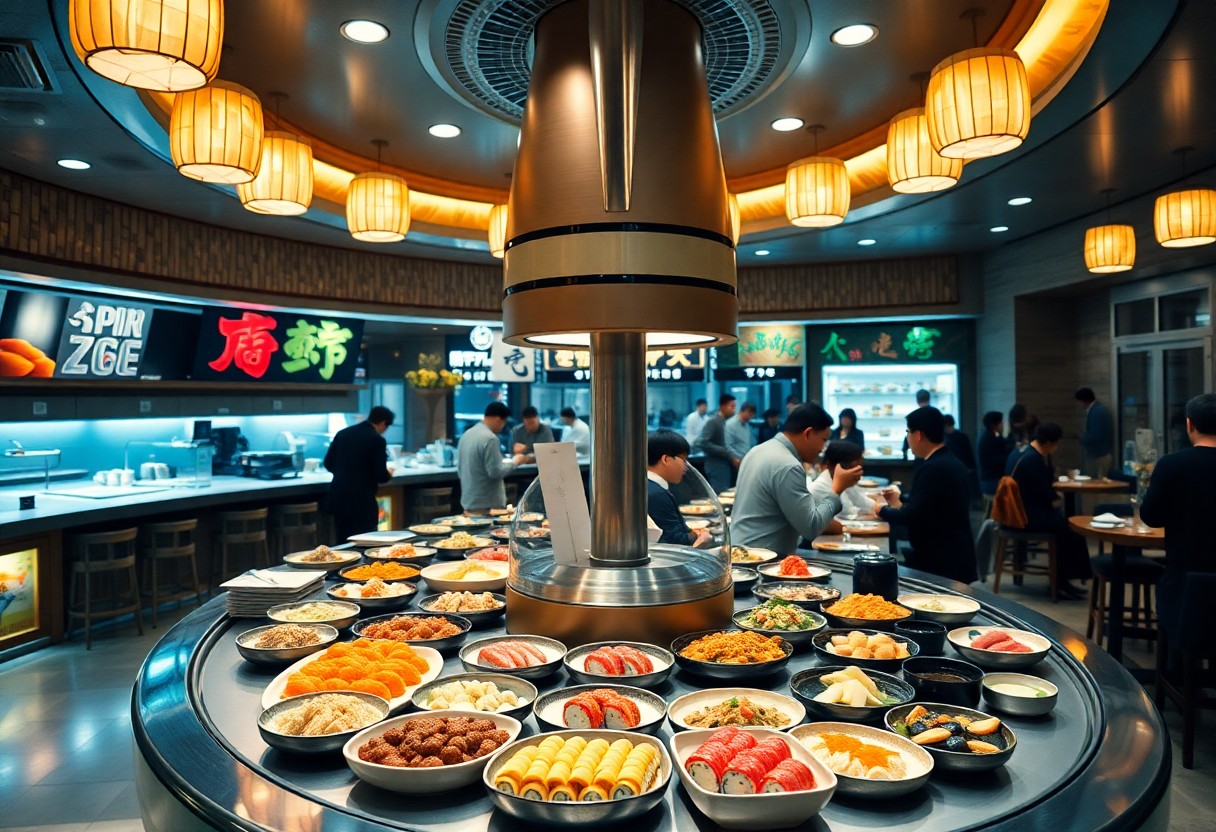
A revolving sushi bar, also known as kaiten sushi, offers a unique dining experience where plates of sushi glide past your table on a conveyor belt. This innovative style allows you to select your favorite dishes as they pass by, ensuring the freshest options. You can explore various selections from your seat, making it a fun and interactive mealtime experience. If you’re curious about expanding your sushi horizons, check out Sushi Restaurants in the United States | kurasushi.com.

History and Origin

After the post-World War II era in Japan, the concept of revolving sushi bars was born, revolutionizing traditional sushi dining. It was inspired by the convenience and efficiency of assembly lines, allowing chefs to prepare sushi in mass and deliver it via conveyor belts. This innovative dining method quickly gained popularity, allowing guests to enjoy a variety of sushi without the formality of traditional restaurants.

How They Work

Beside offering a diverse range of sushi, the operational mechanics of revolving sushi bars are straightforward. Plates of sushi are beautifully displayed on a conveyor belt, continuously moving around the restaurant. Each plate is color-coded to represent its price, allowing you to easily track your total as you enjoy your meal.

Further, each revolving sushi bar is typically set up with a designated seating area that encircles the conveyor belt, giving you a 360-degree view of the available dishes. Once your eyes land on a plate of sushi that piques your interest, you simply grab it from the belt. The efficiency of this system ensures that your sushi is always fresh, allowing chefs to prepare dishes in real-time while maintaining a lively atmosphere. Additionally, many establishments offer special orders, so you can request your favorite sushi if you don’t find it on the conveyor.

The Dining Experience

The moment you step into a revolving sushi bar, you’re greeted by a vibrant atmosphere filled with the enticing colors of fresh sushi spinning past your table. Each plate tells a story awaiting your selection, creating an experience that combines convenience with culinary adventure. As you enjoy the delightful journey of flavors, you can even join the conversation online about your favorite spots by checking out Let’s talk about conveyer belt sushi places : r/FoodNYC.

Menu Variety

Between the endless rows of colorful plates, you’ll find an impressive variety of sushi options. From classic nigiri and sashimi to creative rolls and seasonal specials, there’s something to satisfy every palate. This wide selection encourages you to try new flavors, adding an element of excitement to your meal.

Interactive Dining

Between the revolving conveyor belt and the enticing dishes, you will find the unique interaction that comes with dining at a sushi bar. Choosing your plate becomes a thrilling experience as you observe the diverse offerings whizzing by, making every decision a delightful surprise.

Indeed, the interactive nature of revolving sushi bars enhances your dining experience significantly. You play an active role in selecting your food, which adds a personal touch to each meal. This dynamic setup not only allows you to enjoy your favorite dishes but also encourages experimentation with new ones, fostering a sense of adventure. Plus, as plates keep coming, you can chat with companions or fellow diners, making for an engaging and communal experience.

Advantages of Revolving Sushi Bars

For food enthusiasts seeking a unique dining experience, revolving sushi bars offer a vibrant atmosphere where you can enjoy delicious sushi at your own pace. The interactive nature of these establishments allows you to sample a variety of dishes without the need to make extensive menu choices, ensuring that each meal is both satisfying and fun. You can explore new flavors while enjoying the convenience of a quick bite, making it ideal for both seasoned sushi lovers and newcomers alike.

Convenience and Efficiency

Efficiency defines the charm of revolving sushi bars, as dishes are delivered directly to your table on a moving conveyor belt. This quick service allows you to grab your favorite sushi whenever you like, eliminating long wait times associated with traditional dining experiences. You can enjoy a meal that suits your schedule—perfect for busy days when you want a delightful and satisfying meal without the hassle of ordering.

Freshness of Ingredients

About the freshness of ingredients, revolving sushi bars excel at delivering delectable dishes made with high-quality seafood and produce. The continuous movement of plates ensures that the sushi remains enticingly fresh, and you often have the opportunity to watch the chefs prepare your meal right before your eyes. This transparent preparation process can enhance your confidence in the quality of the food being served.

Sushi served in revolving sushi bars highlights freshness by prioritizing high-quality ingredients sourced from local suppliers. Many establishments receive daily deliveries of fish, ensuring that each piece you select is not only visually appealing but also brimming with flavor. The rapid turnover of sushi on the conveyor belt keeps the selection vibrant and varied, allowing you to enjoy everything from classic nigiri to innovative fusion rolls. This focus on fresh ingredients elevates your dining experience and enhances the overall enjoyment of your meal.

Cultural Significance

Now that you’re exploring the world of revolving sushi bars, it’s crucial to recognize their cultural significance. Originating in Japan, these eateries reflect the country’s dedication to culinary craftsmanship, embracing an innovative approach that makes sushi more accessible. By embracing a communal and casual dining atmosphere, revolving sushi bars encourage social interaction, as you share this unique experience with fellow diners, creating a sense of community around a cherished food tradition.

Influence on Sushi Culture

About the influence of revolving sushi bars on sushi culture, you’ll find that they have democratized the dining experience by offering a delightful variety of dishes in a convenient setting. This format allows you to sample multiple flavors without the commitment of a full meal, fostering an appreciation for the intricate artistry of sushi and its diverse offerings.

Popularity Worldwide

To understand the popularity of revolving sushi bars, you can observe how they have captured the interest of food lovers globally. As one of the most interactive and enjoyable dining experiences, they invite you to be part of the culinary journey, breaking down cultural barriers and introducing sushi to a broader audience.

A testament to their widespread appeal, revolving sushi bars have become a trend in various countries beyond Japan. From metropolitan centers in the United States to bustling cities in Europe and Asia, you’ll find these vibrant spaces creating a fusion of culture and cuisine. As you sit by the conveyor belt, surrounded by a diverse range of dishes from traditional nigiri to innovative sushi rolls, you are not only indulging your palate but also participating in a global dining phenomenon that invites you to explore the rich tapestry of sushi culture.

Health and Safety Considerations

Despite the fun and interactive nature of revolving sushi bars, it’s imperative to be mindful of health and safety protocols. These establishments must adhere to stringent food safety regulations, ensuring that the sushi you enjoy is not only flavorful but also safe to eat. Choose a restaurant that is transparent about its practices, as this will enhance your overall dining experience.

Food Quality Standards

Safety is paramount when it comes to food quality in revolving sushi bars. Freshness is integral, and you should look for places that regularly replenish their offerings to maintain high standards. Additionally, clean preparation areas and responsible sourcing of ingredients indicate a strong commitment to quality.

Allergen Awareness

Considerations about allergens are imperative for a safe dining experience. It’s important for you to communicate any allergies or dietary restrictions to the staff when ordering, as many sushi ingredients can pose allergic reactions. Always inquire about the specific ingredients in each dish to ensure your safety.

Food allergies can vary widely, and it’s critical to be proactive in understanding what you’re consuming. If you’re allergic to shellfish or gluten, for example, you should seek clarification on a dish’s ingredients before indulging. Sushi chefs are usually well-informed about their offerings and can provide valuable information regarding cross-contamination risks and alternative options, ensuring that your meal is both enjoyable and safe.

Tips for Dining at a Revolving Sushi Bar

Your experience at a revolving sushi bar can be elevated with a few helpful tips. Follow these guidelines to make the most of your visit:

  • Arrive early to avoid crowds.
  • Choose plates based on color; they often indicate freshness.
  • Don’t hesitate to explore beyond the conveyor belt.
  • Be mindful of your pace to enjoy the variety.

This approach will enhance your dining experience.

Selecting the Best Plates

Sushi options can vary in quality, so take the time to choose plates that look most appealing to you. Inspect the freshness of the fish and other ingredients. Colorful garnishes often indicate that a dish has just been prepared, while thoughtful presentation usually suggests a more skilled chef. Trust your instincts when selecting plates and try to balance flavors by mixing different types of sushi.

Engaging with the Chefs

Tips for building rapport with the chefs can enhance your dining experience. Don’t be shy about striking up a conversation; they often appreciate your interest in their craft.

Revolving sushi bars offer a unique opportunity to interact with chefs who are passionate about their food. Ask them about the best dishes or the origins of certain ingredients; this not only enriches your meal but fosters a connection that can make your visit more enjoyable. Engaging with chefs can also lead to special recommendations you might otherwise overlook, ensuring you leave satisfied and informed.

Conclusion

Now that you’ve discovered the unique appeal of revolving sushi bars, you can appreciate how they elevate your dining experience. With an engaging atmosphere, a wide variety of fresh sushi, and the convenience of choosing your favorites as they glide past, you’re sure to indulge in an unforgettable culinary adventure. Whether you’re a sushi connoisseur or trying it for the first time, revolving sushi bars offer something for everyone, making it a delightful outing with friends or family.

FAQ

Q: What is a revolving sushi bar?

A: A revolving sushi bar, also known as a conveyor belt sushi restaurant, is a unique dining experience that involves a conveyor belt carrying various sushi dishes around the restaurant. Guests can enjoy freshly prepared sushi by selecting items from the belt as they pass by. The convenience of the moving belt allows diners to sample a wide variety of sushi without the need to order individually.

Q: How does the pricing work at a revolving sushi bar?

A: Pricing at revolving sushi bars typically operates on a color-coded plate system. Each color represents a different price point, allowing guests to gauge their spending as they select dishes. At the end of the meal, servers tally the cost based on the colors of the plates collected. Some establishments may offer an all-you-can-eat option as well, providing a fixed price for unlimited sushi within a specified time period.

Q: Is the sushi at revolving sushi bars fresh?

A: Yes, sushi served at revolving sushi bars is generally fresh and made continuously throughout the day. Many establishments pride themselves on sourcing high-quality ingredients and preparing dishes on-site to ensure freshness. However, the quality can vary by location, so it’s advisable to choose a reputable restaurant with positive reviews.

Q: Are there options for diners with dietary restrictions at these sushi bars?

A: Most revolving sushi bars offer a variety of options to cater to different dietary preferences, including vegetarian and gluten-free choices. It’s best to check the menu ahead of time or ask staff about specific items if you have dietary restrictions. Many restaurants are accommodating and can provide alternative dishes upon request.

Q: What should I consider when visiting a revolving sushi bar for the first time?

A: When visiting a revolving sushi bar for the first time, it’s helpful to keep a few tips in mind. Start by familiarizing yourself with the color-coded plate system for pricing. Be open to trying new sushi varieties as most places offer a diverse selection. Don’t hesitate to inquire about daily specials or chef recommendations. Lastly, enjoy the unique experience of dining as the plates pass by, and savor the fresh flavors!

Sushi in the Sky – Dining at High Altitudes

Over the years, unique dining experiences have emerged across the globe, and one of the most exhilarating is enjoying sushi at high altitudes. Imagine savoring fresh, skillfully prepared sushi while perched on a mountaintop or at the height of a skyscraper. This post will guide you through the enchanting world of high-altitude sushi dining, highlighting the best locations and what makes this experience truly special. You’ll discover how the altitude influences the flavors and the artistry behind each dish, ensuring your next meal is not just a dining event but a memorable adventure.

Key Takeaways:

  • Unique Experience: Dining on sushi at high altitudes offers a distinct gastronomic adventure, combining culinary art with breathtaking views.
  • Fresh Ingredients: The emphasis on quality and freshness of ingredients is paramount, requiring careful sourcing to ensure optimal flavor even at altitude.
  • Adaptation: Sushi chefs may need to adapt their techniques and presentations to accommodate the lower oxygen levels and pressure at high elevations.
  • Pairing Options: Selecting the right beverages, such as sake or light cocktails, can enhance the overall dining experience while complementing the sushi flavors.
  • Exclusive Venues: High-altitude sushi dining is often offered in exclusive restaurants or events, making it a perfect choice for special occasions or celebrations.

The Allure of Elevated Dining

A dining experience at high altitudes transcends mere meals and becomes a celebration of the senses. The thrill of being surrounded by stunning vistas while savoring delicious dishes adds an enchanting layer to your culinary journey. High-altitude restaurants often infuse their menus with unique local flavors, enhancing the overall experience. It’s not just about what you eat; it’s about how and where you enjoy it, making for unforgettable memories that linger long after the last bite.

Unique Experiences of Dining at High Altitudes

Among the many unforgettable moments you can have while dining at elevated venues, the combination of adventure and luxury stands out. Eating at high altitudes often involves unique settings, such as mountaintop restaurants or floating eateries. These exceptional environments create a sense of exclusivity, as you relish exquisite flavors while being enveloped by breathtaking landscapes, creating an experience that is hard to replicate.

The Role of Scenic Views in Culinary Enjoyment

Along with tantalizing dishes, the visual appeal of your surroundings significantly enhances your dining experience. The interplay of nature’s beauty and culinary artistry can elevate a simple meal into a feast for all your senses. The stunning vistas serve as a backdrop that can turn even a casual lunch into a memorable event, making every bite more enjoyable and your stay more remarkable.

Hence, the integration of scenic views with fine dining transforms your meal into a multi-dimensional experience. When you’re seated with panoramic views, each dish becomes more than just food; it taps into the ambiance and the emotions evoked by your surroundings. Whether overlooking majestic mountains or sparkling oceans, the scenery enriches your palate, allowing you to appreciate the flavors in an entirely new light. While you dine, the combination of sight, taste, and atmosphere creates an unforgettable symphony that stays with you long after you leave.

Sushi: A Culinary Journey

If you’re eager to explore the intricate flavors of sushi, you’re commenceing on a culinary journey that dates back centuries. This delightful dish blends artistry with taste, celebrating fresh ingredients and meticulous technique, making it a staple of Japanese cuisine enjoyed worldwide.

History and Origin of Sushi

Across the world, sushi’s roots trace back to ancient Southeast Asia, where it began as a method of preserving fish in fermented rice. Over the years, this technique evolved, incorporating various ingredients and regional flavors, leading to the sushi styles we recognize today.

Types of Sushi and Their Ingredients

Among the diverse types of sushi, each one offers a unique blend of flavors and textures, often reflecting the region’s ingredients. Here’s a quick overview of popular types:

Type of Sushi Main Ingredients
Nigiri Hand-formed rice topped with fish or seafood
Maki Rolled sushi with rice and fillings wrapped in seaweed
Sashimi Thinly sliced raw fish, served without rice
Temaki Hand-rolled cones of seaweed filled with rice and ingredients
Uramaki Inside-out rolls with the rice on the outside

Recognizing the specific ingredients in each type allows you to appreciate the complexity and art behind sushi-making. From fresh fish to specialty sauces, these components come together to create unforgettable dining experiences.

This journey through sushi types also emphasizes the importance of freshness in your selections. Ingredients play a significant role in defining the taste and overall quality of each sushi experience:

Main Ingredient Associated Sushi Type
Salmon Nigiri
Tuna Sashimi
Avocado Maki
Crab Uramaki
Cucumber Temaki

Recognizing these ingredient pairings enhances your understanding of sushi’s versatility, paving the way for discovering your personal favorites during your high-altitude dining adventures.

Preparing Sushi at High Altitudes

Now that you’ve set the stage for enjoying sushi in the sky, it’s time to tackle the preparation process. Creating sushi at high altitudes can offer a unique set of challenges that require specific adjustments to ensure your dish remains delectable. By understanding these elements, you can enhance your sushi-making experience, regardless of the elevation.

Challenges Posed by Higher Elevations

Posed by the lower atmospheric pressure, cooking at high altitudes can affect cooking times and ingredient behavior. Water boils at a lower temperature, which can lead to undercooked rice or fish if you aren’t careful. Additionally, humidity levels can fluctuate, impacting the texture and stickiness of your sushi rice—critical factors for achieving that perfect roll.

Techniques for Perfect Sushi Preparation

About adapting your approach to sushi preparation, there are several methods to adjust your technique for high-altitude cooking. Start by increasing the cooking time for your rice to compensate for the boiling temperature difference, and consider using slightly less water than at sea level. Furthermore, make sure to keep your ingredients at optimal temperatures; this will enhance flavors and ensure freshness in every bite.

Perfect sushi preparation at high altitudes requires a little finesse and keen attention to detail. You may want to experiment with different water-to-rice ratios and cooking techniques until you find what works best for your elevation. Incorporating a rice vinegar blend will also help achieve that glossy finish crucial for sushi. Taking the time to master these methods will allow you to savor delicious, high-altitude sushi with confidence and ease.

Pairing Drinks with Sushi

Once again, elevating your sushi experience involves selecting the right beverages to complement your meal. A visit to the heights of fine dining, like at Spectacular Sunsets & Sky High Sushi at InterContinental …, allows you to indulge in carefully curated drink options that enhance the flavors of your sushi.

Traditional Beverage Options

Beside sake, traditional beverages like green tea and plum wine serve as excellent choices to pair with sushi. Sake’s rich, umami flavor profile balances the delicate taste of fish, while green tea offers a refreshing cleanse for your palate. Plum wine adds a touch of sweetness that can complement spicy rolls beautifully.

Modern Innovations in Pairing

With the rise of global cuisine trends, modern pairing options have emerged that push the boundaries of traditional sushi accompaniments.

Due to the increasing popularity of craft cocktails and innovative beverages, you can now enjoy unique pairings such as sushi with gin cocktails or flavored craft beers. These combinations can introduce new dimensions in flavor, creating a delightful contrast to the vinegared rice and fresh fish. Experimenting with unexpected pairings like tequila or sparkling wine can heighten your dining experience, making each sushi roll a journey of taste exploration.

Notable Sushi Restaurants at High Altitudes

For sushi lovers yearning for unique dining experiences, several remarkable restaurants serve exquisite dishes at breathtaking elevations. These high-altitude venues not only offer fantastic views but also present innovative sushi creations that delight your palate. From mountain peaks to urban skyscrapers, each location promises a memorable meal, perfectly blending ambiance and flavor, making your culinary adventure truly unforgettable.

Top Locations Worldwide

Above the clouds, you’ll find some of the world’s premier sushi spots that elevate not just your dining experience but also the quality of the fare. Locations such as the Sushi Bar at the 35th-floor of a luxury hotel in Tokyo and the acclaimed Sushi Den in Denver provide jaw-dropping vistas alongside their artistic plates. Whether you’re in a bustling metropolis or a remote mountaintop, these venues ensure you savor world-class sushi while enjoying stunning views.

Signature Dishes to Try

Restaurants at high altitudes often take pride in their signature dishes, showcasing local ingredients and traditional techniques. You should consider trying the mountain trout nigiri that features freshly caught fish, or the inventive tempura rolls that fuse regional flavors. Each dish serves as a testament to the chef’s creativity and passion for sushi, ensuring a delightful culinary experience amidst the breathtaking scenery.

Another remarkable dish to add to your must-try list is the seasonal sashimi platter, which showcases the freshest fish, often sourced from nearby waters. Don’t miss out on the fusion rolls that creatively incorporate unexpected ingredients, providing a fresh twist on traditional recipes. Each bite embodies the essence of the restaurant’s commitment to quality, elevating your sushi experience as you dine at incredible heights.

The Future of Elevated Sushi Dining

All around the world, sushi dining is reaching new heights—literally! With innovative culinary experiences emerging in elevated settings, you can expect to see more fusion concepts, sustainability practices, and technology-enhanced dining as restaurants strive to create unforgettable aerial experiences. Elevation not only adds a dramatic backdrop but also allows for a fresh perspective on traditional Japanese cuisine, making every meal a feast for both the palate and the eyes.

Trends and Innovations

On the horizon, sushi dining is evolving with cutting-edge trends and innovations that enhance your elevated experience. Expect to see augmented reality menus, new flavor pairings incorporating local ingredients, and even collaborative dining events with renowned chefs. As these trends emerge, your elevated sushi meals can become truly interactive and memorable, connecting you with the world of cuisine in unprecedented ways.

The Impact of Climate on Dining Experiences

Any conversation about elevated dining must consider the impact of climate. Rising temperatures, extreme weather events, and environmental sustainability are reshaping where and how sushi experiences occur. Restaurants are now challenged to ensure their ingredients remain fresh while also considering energy consumption and waste management in elevated settings. Your dining experience is thus intertwined with the broader landscape, prompting a more conscientious approach to sourcing and preparation.

The shifting climate not only influences ingredient availability but also shapes the atmosphere of your dining experience. As the focus on sustainability grows, restaurants may opt for seasonal, locally-sourced materials and eco-friendly practices, allowing you to feel a deeper connection to your meal. These changes can lead to unique seasonal menus that reflect what’s available at various altitudes, ultimately enriching your sushi experience while promoting environmental consciousness.

Summing up

Hence, dining on sushi at high altitudes offers a unique culinary experience that combines breathtaking views with exquisite flavors, making it an adventure you won’t want to miss. Whether you are a seasoned sushi lover or a curious newcomer, indulging in these delicacies in an elevated setting elevates your dining experience. For an unforgettable outing, explore options available for Big Sky Dining and Adventure that cater to your taste for culture and thrill.

Q: What is the concept behind ‘Sushi in the Sky’ dining experience?

A: ‘Sushi in the Sky’ offers a unique dining experience that combines the art of sushi culinary techniques with breathtaking views from high altitudes. This innovative concept allows guests to savor expertly crafted sushi while enjoying picturesque landscapes from the top of skyscrapers or other elevated venues. Each location is chosen to enhance the ambiance, creating an unforgettable atmosphere where diners can relish top-quality sushi amidst stunning panoramas.

Q: How is the freshness of the sushi maintained at high altitudes?

A: Maintaining the freshness of sushi is a top priority in the ‘Sushi in the Sky’ experience. The ingredients are sourced from high-quality suppliers and are transported with utmost care to ensure they remain fresh. Chefs prepare sushi on-site shortly before serving to guarantee optimal taste and quality. Advanced refrigeration techniques and strict adherence to food safety standards are also employed to preserve the integrity of the ingredients, allowing guests to enjoy a delicious meal without compromising on freshness.

Q: Are reservations necessary for ‘Sushi in the Sky’ dining?

A: Yes, reservations are highly encouraged for the ‘Sushi in the Sky’ dining experience. Given the popularity of this unique concept and the limited seating capacity at elevated venues, making a reservation ensures that guests secure their spot. It’s advisable to book in advance, especially during peak dining times or special occasions, to enjoy the full experience without any disappointments.

Sushi as Fine Dining – What Sets It Apart

Just as you venture into the world of sushi, you might wonder what distinguishes this culinary art from other fine dining experiences. Sushi is not only about fresh ingredients; it also embodies a deep cultural significance and meticulous preparation methods that elevate it to an exclusive dining category. From the precision of cutting to the etiquette observed at an Omakase restaurant, mastering the subtleties of sushi is important for any connoisseur. To enhance your experience, explore Sushi etiquette: The 10 unwritten rules at an Omakase ….

Key Takeaways:

  • Quality of Ingredients: Sushi as fine dining emphasizes the use of the highest quality fish and fresh produce, often sourced directly from reputable suppliers to ensure authenticity and flavor.
  • Presentation: The artistry in sushi preparation and plating showcases a chef’s skill, making the dish not just a meal but a visual experience that enhances the dining ambiance.
  • Culinary Techniques: Fine dining sushi involves advanced techniques such as sushi rice making, precise knife skills, and the balancing of flavors, setting it apart from casual sushi offerings.
  • Unique Dining Experience: Fine dining sushi is often paired with personalized service, menu tastings, and pairing with sake or other beverages to create an immersive culinary journey.
  • Chef’s Expertise: The role of the sushi chef is pivotal; their extensive training and knowledge contribute to the overall experience, often showcasing traditional methods and innovation alike.

The Art of Sushi Preparation

A true culinary experience, sushi preparation involves skill, precision, and a deep respect for the ingredients. Understanding the nuances of sushi-making will elevate your dining experience, leading you to appreciate the artistry behind every piece. Curious about what makes good sushi? Is there any difference between well-crafted sushi and average rolls? The answer lies in the meticulous preparation that transforms simple ingredients into exquisite dishes.

Traditional Techniques

Among the foundational elements of sushi preparation are the traditional techniques that have been passed down through generations. These methods emphasize the balance of flavors, proper handling of fish, and the importance of high-quality rice. By mastering these techniques, you ensure that each component complements one another, creating a harmony that is necessary for an authentic sushi experience.

Modern Innovations

Beside traditional methods, modern innovations have taken sushi preparation to new heights. Chefs today experiment with new flavors, fusion ingredients, and advanced cooking techniques that challenge the established norms. This evolution allows you to experience a broader range of tastes and aesthetics that continue to push the boundaries of this beloved cuisine.

It is important to note that the influence of global cuisine has led to the incorporation of unconventional ingredients and styles into sushi-making. From unique toppings to inventive rolls, these innovations create exciting options while still honoring the essence of sushi. As you explore this modern landscape, you may find delightful surprises that cater to your palate and enhance your appreciation for sushi as a fine dining experience.

Ingredients that Elevate Sushi

Some of the most exquisite sushi experiences stem from the high-quality ingredients used in their preparation. The delicate balance of flavors and textures relies on selecting the finest seafood, premium rice, and authentic seasonings. When these components come together, they create an unparalleled dining experience that distinguishes sushi as a form of fine dining.

Quality of Seafood

At the heart of exceptional sushi lies the quality of the seafood. You should seek out restaurants that prioritize sustainably sourced fish, often featuring seasonal varieties to showcase freshness. The taste and texture of your sushi will be markedly improved when top-tier seafood is used, transforming each bite into a memorable experience.

Unique Flavor Combinations

Flavor combinations in sushi are a testament to the artistry involved in its creation. You will often discover innovative pairings, such as spicy tuna with avocado or seared scallops with yuzu zest. These combinations not only please the palate but also engage your senses, making each bite a delightful surprise.

Also, the incorporation of regional ingredients and creative sauces can elevate traditional sushi to new heights. By experimenting with varying textures and flavors, such as the addition of wasabi or pickled ginger, chefs can create an explosion of taste that keeps you coming back for more. The diversity of flavors presents a culinary adventure that truly showcases sushi as a fine dining option, allowing you to explore a world of unique taste experiences.

Presentation and Aesthetics

Many aspects of sushi define its status as a fine dining experience, particularly its presentation and aesthetics. When you savor sushi, you aren’t just indulging in flavors; you’re also engaging with art on a plate. The meticulous arrangement of each piece encourages you to appreciate the harmony of colors, textures, and shapes that come together to create a visually stunning meal.

Plate Design

At the heart of sushi’s appeal is the thoughtful design of the plate upon which it’s served. You may notice that the choice of plate often complements the sushi’s colors and textures, enhancing your overall dining experience. Each type of sushi may come on specific plates that reflect traditional Japanese design principles, creating a cohesive look and feel that resonates with the culinary heritage behind the dish.

Visual Appeal and Experience

Between the interplay of colors, the precision of cuts, and the allure of garnishes, sushi captivates your senses in more ways than one. You find that each piece not only satisfies your palate but also offers a feast for your eyes. This emphasis on visual appeal invites you to engage with your food, allowing you to appreciate the artistry involved in its creation.

Presentation plays a significant role in elevating your sushi experience beyond mere sustenance. As you observe the vibrant colors and intricate designs, you’re encouraged to take your time, savor each bite, and fully engage with the artistry at hand. This emphasis on aesthetics cultivates a deeper appreciation for the craftsmanship and skill that goes into crafting each sushi piece, making your fine dining experience truly memorable.

Sushi Dining Etiquette

To fully enjoy your sushi experience, understanding the dining etiquette is vital. Freshness and quality are key components of sushi, so you should appreciate each piece as an art form. When dining, avoid altering the presentation with excessive soy sauce, and use your hands or chopsticks accordingly. Always follow the lead of your hosts or servers to ensure a respectful and enjoyable sushi dining experience.

Cultural Significance

Between Japan’s rich culinary history and sushi’s symbolism of artistry and craftsmanship, dining on sushi holds profound cultural significance. Every element, from the rice to the fish, reflects the meticulous process and respect for ingredients that is central to Japanese culture. Engaging in sushi dining is not just about tasting; it’s a celebration of tradition and heritage that you honor with your participation.

Best Practices for Diners

Diners should approach sushi with openness and appreciation. It’s not just about satisfying your hunger; it’s about connecting with a culinary art form. Understanding the nuances of different types of sushi enhances your overall experience.

Consequently, knowing the best practices for sushi dining elevates your enjoyment. You should try each piece of sushi as is, without dousing it in soy sauce, to savor the individual flavors the chef intended. If you choose to use soy sauce, dip the fish side rather than the rice to prevent it from absorbing too much. Embrace the dining pace set by the chef or your companions; this is an enjoyable social experience. Lastly, engage with the chef when possible to show your appreciation for their craft, enhancing your connection to this fine dining experience.

Pairing Sushi with Beverages

All sushi enthusiasts know that the right beverage can elevate your dining experience. While traditional options like sake and green tea are popular, exploring diverse beverages can complement the delicate flavors of sushi. From bubbly champagne to crisp white wines, a carefully selected drink can enhance the taste and texture of your meal, allowing you to discover new dimensions in each bite.

Traditional Pairings

On a journey through traditional Japanese cuisine, you’ll find that sake is the classic companion to sushi. This rice wine, with its varying flavors and aromas, harmonizes beautifully with the umami of fresh fish. Additionally, green tea serves as a refreshing palate cleanser, enhancing your overall experience while respecting the meticulous craftsmanship behind each sushi piece.

Modern Trends in Beverage Selection

Alongside tradition, modern trends in beverage selection provide exciting alternatives for your sushi experience. Craft beers and artisanal cocktails have gained popularity, offering unique flavor profiles that enhance sushi’s complexity. You might also explore innovative pairings with natural wines or even flavored sparkling waters to complement specific rolls, adding an element of surprise to your meal.

Pairings in the contemporary dining scene focus on balancing flavors and enhancing your enjoyment. As you experiment with different options, consider how the acidity and sweetness levels in your chosen drinks interact with the sushi’s ingredients. A citrus-forward cocktail can contrast beautifully with rich, fatty fish, while a dry sake might balance well with spicy rolls. The flexibility of modern pairings invites you to personalize your sushi experience, making it a memorable culinary adventure.

The Evolution of Sushi in Fine Dining

Your appreciation of sushi as a fine dining experience has grown with its historical transformation. Initially a street food in Japan, sushi has evolved into an art form, characterized by quality ingredients and innovative preparation methods. Today, it seamlessly integrates with high-end dining concepts, featuring exquisite presentations and unique flavor profiles that elevate the overall culinary experience. Understanding this evolution can enhance your enjoyment and appreciation of sushi as a sophisticated meal option.

Global Influence

Before sushi made its way into artful dining, it experienced an extensive global influence. Different cultures and culinary traditions adapted sushi to suit local palates, leading to innovations such as the California roll. This fusion has not only diversified sushi options but has also broadened its appeal, inviting a worldwide audience to experience the elegance of this timeless dish.

Michelin Star Sushi Restaurants

By seeking out Michelin star sushi restaurants, you steer yourself towards some of the finest expressions of sushi craftsmanship. These establishments not only focus on traditional techniques but also strive to innovate, offering unique tasting menus that showcase seasonal ingredients and artful presentations.

Plus, dining at a Michelin star sushi restaurant offers more than just a meal; it is a complete sensory experience. You can expect meticulous attention to detail in every aspect, from the atmosphere to the service, and of course, the intricate flavors and textures of the sushi itself. Chefs often undergo years of rigorous training, guaranteeing that what you experience is nothing short of culinary excellence. Each dish tells a story, inviting you to savor the depth of flavor and craftsmanship that sets fine dining sushi apart from more casual options.

Conclusion

Conclusively, sushi distinguishes itself in the fine dining landscape through its meticulous craftsmanship, high-quality ingredients, and cultural significance. When you indulge in sushi, you experience a harmony of flavors and textures that reflects years of tradition and expertise. The artful presentation and the environment in which you enjoy your meal further enhance the experience, making each visit feel unique and special. By understanding these elements, you can truly appreciate sushi as a remarkable dining choice that engages your senses and enriches your culinary journey.

Q: What factors contribute to sushi being considered fine dining?

A: Sushi is regarded as fine dining due to several key factors. Firstly, the quality of ingredients plays a significant role; premium-grade fish and seafood are sourced from reputable suppliers, often straight from the ocean. Secondly, the skill and artistry of the sushi chef have a profound impact, as it requires years of training and practice to master the precise techniques for cutting, rolling, and presenting sushi. Additionally, the dining experience itself is thoughtfully curated, typically featuring an elegant ambiance, attentive service, and often an omakase style meal where guests trust the chef to select and prepare the dishes, highlighting the expertise involved in sushi-making.

Q: How does presentation enhance the fine dining experience of sushi?

A: Presentation in sushi is important to the fine dining experience, as it reflects the care and artistry involved in its preparation. Sushi plates are designed with artistic flair, often showcasing colors, textures, and shapes that delight the eye. This attention to detail aims to provide a sensory experience that goes beyond taste. Plates may include garnishes and sauces that complement the sushi, while the arrangement of pieces can elevate the dish from mere food to an art form. The visual aspect engages diners before they even take their first bite, making the overall experience more memorable and sophisticated.

Q: In what ways does sushi culture influence the fine dining aspect?

A: Sushi culture significantly influences its status as fine dining through its traditions and rituals that revolve around the dining experience. The respect for the ingredients, the meticulous preparation methods, and the cultural practices enhance the appreciation for sushi as an art form. The experience often involves rituals such as the proper way to consume sushi, with attention to soy sauce usage and wasabi application. Additionally, the social aspects, including sharing plates and engaging with the chef, foster a communal atmosphere that elevates the meal. Thus, these cultural elements create a robust context, making sushi not only a meal but a culinary experience that showcases the elegance of Japanese dining traditions.

How America’s First 3 Star Michelin Sushi Chef Serves His Fish

Rarely does chef Masa Takayama of Manhattan sushi shrine Masa allow cameras into his restaurant. But Eater's Kat Odell scored a seat at his bar to taste through America's best omakase.

Like Madonna, chef Masa Takayama is a mononmyous character known by fans simply as "Masa," also the name of his eponymous restaurant in New York's Time Warner Center. And after three decades of cutting fish and helping to shape (and refine) America's sushi culture, it's a moniker well-deserved.

At Masa, the show is sushi, and it's one that has received countless accolades for Chef's near-perfect, and extremely pricey fish. Actually, Masa is the single most expensive restaurant in the country and one that replicates, in many ways, a classic Japanese omakase experience. While dishes many not always be entirely traditional, the service, energy and overall thought behind the meal is totally Japanese.

On very few occasions does chef Masa allow cameras into his restaurant and, in fact, he's notorious for his no photography policy. Regardless, Eater's Kat Odell scored a prime seat to experience the best sushi in this country.

7 Sushi Rules You're Probably Breaking ►►►► https://goo.gl/JBAFny

After Ten Years of Masa, a Sushi Legend Surveys His Kingdom ►►►► http://goo.gl/zcmFZl
"'I'm not a snob,' says renowned Japanese chef Masayoshi Takayama of his decision to never eat sushi in New York City, unless it comes from his own kitchens. 'Just, the thing is my ingredients. I don't think they have equals.""

————————–

Eater is the one-stop-shop for food and restaurant obsessives across the country. With features, explainers, animations, recipes, and more — it's the most indulgent food content around. So get hungry.

Subscribe to our YouTube Channel now!: http://goo.gl/hGwtF0

Check out more on Eater: http://www.eater.com/

Eater on Twitter: https://twitter.com/eater

Kat Odell on Twitter: https://twitter.com/katodell

Like Eater on Facebook: http://goo.gl/TA4Usd

Like Eater LA on Facebook: https://www.facebook.com/eaterla?_rdr=p

View our full video catalog: http://goo.gl/plZhhc

Visit our playlists: http://goo.gl/I7tTMO

Follow on Pinterest: http://goo.gl/Gyr7XL

More at Eater Los Angeles: http://la.eater.com/

More at Eater New York: http://ny.eater.com/

More at Eater Chicago: http://chicago.eater.com/

Skip to content