Most sushi lovers might not be aware of the potential health risks associated with this popular cuisine. While sushi can be a delicious and nutritious option, you need to be cautious about the ingredients and preparation methods used. From raw fish to high mercury levels, various factors can impact your well-being when indulging in sushi. To help you make informed choices, explore Is Sushi Healthy? Best and Worst Choices, and learn what to watch out for to ensure your sushi experience is both safe and enjoyable.
Key Takeaways:
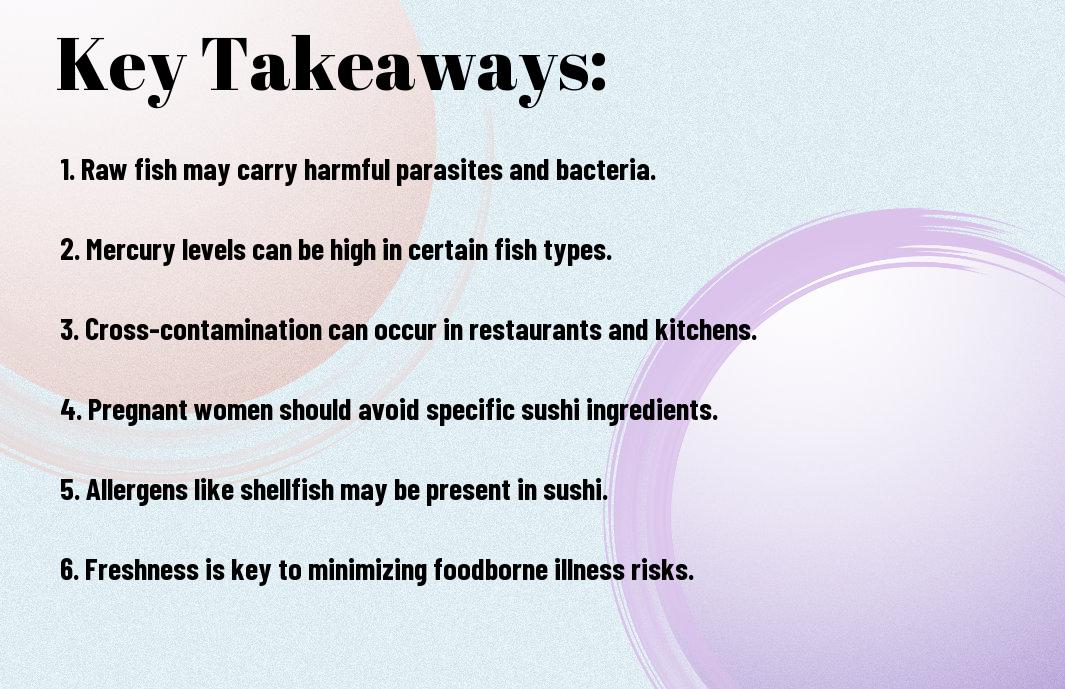
- Raw Fish Contamination: Sushi made with raw fish can harbor harmful bacteria and parasites, increasing the risk of foodborne illnesses.
- Mercury Levels: Certain types of fish commonly used in sushi, such as tuna, can contain high levels of mercury, which pose health risks, especially for pregnant women.
- Allergies: Soy sauce and fish are common allergens; it’s important to be mindful of potential allergic reactions when consuming sushi.
- Cross-contamination: Improper handling and preparation can lead to cross-contamination with allergens or bacteria, heightening health risks.
- Caffeine Content: If paired with green tea, sushi can introduce caffeine, which may affect those sensitive to stimulants.
Understanding Sushi Ingredients
The ingredients in sushi play a vital role in its taste and safety. It’s crucial to learn about them, as some can pose health risks. For an insightful discussion on the safety of sushi, check out this eli5: How the hell is sushi safe to eat? : r/explainlikeimfive.
Types of Fish Used
An understanding of the different types of fish used in sushi can help you make informed choices. Here’s a breakdown of popular choices:
| Fish Type | Common Risks |
|---|---|
| Tuna | High mercury levels |
| Salmon | Parasites if raw |
| Mackerel | Potential toxins |
| Snapper | Histamine poisoning |
| Tilapia | Lower nutritional value |
- Choosing sushi made with fish from reputable sources can mitigate risks.
- Freshness is key; ensure the fish has been stored properly.
- Raw fish can carry parasites, so proper handling is vital.
- Be cautious of larger fish due to higher mercury content.
- Consider alternatives like veggie rolls for a safer option.
After becoming familiar with the risks associated with various fish, you can enjoy your sushi more safely.
Risk of Contaminants in Seafood
At the same time, you should be aware of the potential contaminants found in seafood. Issues such as environmental pollution can affect the safety of the fish you consume.
Plus, seafood can be exposed to various contaminants like heavy metals, pesticides, and microplastics. These substances can accumulate in fish tissue and pose health risks, especially with regular consumption. Educate yourself on sourcing seafood responsibly, and opt for products tested for pollutants, as it can greatly reduce your exposure to harmful contaminants in sushi.
Parasites and Pathogens
One serious health risk associated with sushi is the potential presence of parasites and pathogens that can compromise your well-being. Raw fish, a staple in sushi, can harbor various organisms that lead to gastrointestinal issues and other health complications. Consuming undercooked or contaminated seafood increases your chances of exposure to these harmful agents, making it imperative to be aware of what might be lurking on your plate.
Common Parasites in Sushi
One of the most common parasites found in sushi is Anisakis, a nematode that can cause Anisakiasis after ingestion. This parasite can result in severe abdominal pain, nausea, and vomiting. Another concern is the fish tapeworm, which can also lead to gastrointestinal distress if raw or undercooked fish is consumed. These parasites underscore the importance of sourcing sushi from reputable establishments that prioritize food safety.
Bacterial Infections Linked to Raw Fish
At times, consuming raw fish can expose you to harmful bacteria such as Salmonella, Vibrio, and Listeria, which can lead to serious infections. These bacteria thrive in seafood and can cause symptoms like diarrhea, fever, and abdominal cramps. Understanding the risks associated with these infections is vital for making informed choices when indulging in sushi.
In addition to causing acute illness, these bacterial infections can have more severe health implications for those with compromised immune systems, pregnant women, and the elderly. Proper handling and preparation of sushi, including sourcing fish from trusted suppliers and ensuring that it has been stored at the correct temperatures, can significantly reduce your risk of infection. Awareness and caution in selecting sushi can help ensure a safer dining experience while still enjoying your favorite dishes.
Mercury and Heavy Metal Concerns
Unlike many other food options, sushi can pose risks due to the presence of mercury and heavy metals found in certain fish. Regular consumption of high-mercury sushi can lead to significant health issues, especially for pregnant women and young children. It’s crucial for you to be aware of the potential dangers associated with the types of fish you’re consuming.
Sources of Mercury in Seafood
Before plunging into your next sushi meal, it’s important to understand that mercury primarily enters the aquatic food chain through industrial pollution. Larger predatory fish, such as tuna and swordfish, accumulate higher levels of mercury, making them more concerning for consumption. Knowing the sources of mercury can help you make informed choices about the seafood you enjoy.
Health Effects of Mercury Toxicity
Before indulging in sushi, consider the potential health effects of mercury toxicity, which can lead to neurological damage and cognitive impairment. Symptoms can include memory loss, tremors, and coordination issues, highlighting the importance of monitoring your fish consumption. The more you know, the better choices you can make.
And as you consume sushi and other seafood, staying informed about mercury levels is vital for your overall health. Long-term exposure to mercury can result in severe health consequences, affecting not only your nervous system but also your cardiovascular health and immune response. By selecting lower-mercury fish options and balancing your diet, you can enjoy sushi while protecting your well-being.
Allergens in Sushi
After indulging in a sushi feast, it’s necessary to be aware of potential allergens that may affect your health. Sushi often contains a variety of ingredients, some of which can trigger allergic reactions in sensitive individuals. Being informed about these allergens can help you make safer choices when enjoying your favorite sushi dishes.
Common Allergens in Sushi Ingredients
To ensure a safe dining experience, it’s important to identify common allergens found in sushi ingredients. Soy sauce, which is often used for dipping, can contain wheat, a common allergen. Additionally, shellfish, sesame seeds, and fish are prevalent in sushi and can provoke allergic reactions in some people.
Cross-Contamination Risks
Common risks of cross-contamination in sushi prepare can pose significant health threats for allergic individuals. Even trace amounts of allergens can trigger a reaction if food items come into contact with one another during preparation.
And, cross-contamination can occur easily in busy sushi restaurants where different types of fish, vegetables, and sauces are handled in close proximity. If you have specific allergies, it’s advisable to communicate these clearly to your server to minimize risk. Also, consider dining at establishments that prioritize allergen-free meal preparation or those that are well-versed in managing dietary restrictions.
Food Safety Practices
Your awareness of food safety practices is crucial when enjoying sushi, as improper handling can lead to foodborne illnesses. It’s vital to ensure that the sushi you consume has been prepared following proper hygiene guidelines. For more insights into the potential risks associated with sushi, check out How Sushi Could Make You Sick.
Safe Handling and Preparation of Sushi
The safe handling and preparation of sushi involve strict hygiene practices, including using fresh, high-quality ingredients and keeping them at the appropriate temperatures. Ensure that fish is sourced from reputable suppliers and stored properly to minimize the risk of contamination.
How to Choose a Reputable Sushi Restaurant
Choose sushi restaurants that prioritize quality, cleanliness, and fresh ingredients. Look for establishments that are well-reviewed and have a good reputation in your community.
At the restaurant, pay attention to the staff’s food safety practices, such as how they handle the fish and their kitchen cleanliness. Authentic sushi establishments often display certifications and have experienced chefs who understand the importance of sourcing safe, high-quality seafood. Don’t hesitate to ask questions about their sourcing and preparation methods, as this can help you make an informed decision.
Special Considerations
Many factors influence whether you should indulge in sushi, especially if you have specific health concerns. Always be aware of your personal health status, as certain conditions may increase your vulnerability to foodborne illnesses. It’s recommended to consult with health professionals if you have underlying health issues or concerns before consuming sushi.
Sushi and Pregnancy
Special dietary precautions should be taken during pregnancy, as raw fish can contain harmful bacteria and parasites that could pose risks to both you and your baby. Opting for fully cooked sushi options, such as tempura or vegetable rolls, can help reduce any potential hazards while still allowing you to enjoy sushi.
Sushi for Immunocompromised Individuals
On top of general health considerations, individuals with weakened immune systems should exercise heightened caution with sushi consumption. The risk of foodborne illnesses is significantly higher for you, making it imperative to evaluate your dining choices carefully.
Immunocompromised individuals face increased risks when consuming raw or undercooked seafood, as the harmful bacteria and parasites often found in sushi can lead to severe health complications. Therefore, it’s advisable to choose sushi made from fully cooked ingredients or stick to vegetarian options. Consulting with a healthcare provider can help tailor your dietary choices to minimize risks while still enjoying your favorite foods.
To wrap up
To wrap up, being aware of the health risks associated with sushi is vital for your well-being. By choosing sushi made from high-quality fish, ensuring proper food safety practices, and being mindful of potential allergens, you can savor sushi while minimizing risks. Pay attention to signs of freshness and avoid excessive consumption of high-mercury fish. By staying informed and making conscious choices, you can enjoy your sushi experience without compromising your health.
Q: What are the primary health risks associated with eating sushi?
A: The main health risks tied to sushi consumption include foodborne illnesses caused by parasites, bacteria, and viruses. Sushi, particularly raw fish, can harbor parasites like Anisakis, leading to Anisakiasis when ingested. Moreover, if the fish is improperly handled or stored, it can foster bacteria such as Salmonella or Vibrio, which can cause food poisoning. Additionally, the risk of mercury exposure from certain types of fish, especially larger species like tuna, poses a potential health concern over time.
Q: How can I minimize the health risks when eating sushi?
A: To reduce health risks associated with sushi, consider eating at reputable restaurants that follow strict food safety guidelines, including proper fish sourcing and handling practices. Opt for cooked sushi options if you are particularly cautious about raw fish. Checking that the fish has been frozen properly before serving can also help mitigate the risk of parasites. Lastly, being aware of the types of fish you consume and their mercury levels can contribute to making safer choices.
Q: Are there specific populations that should avoid sushi altogether?
A: Certain groups should be especially cautious when it comes to sushi consumption. Pregnant women are advised to avoid raw fish due to the increased risk of foodborne illnesses and potential harm to the unborn child. Individuals with weakened immune systems, such as those undergoing chemotherapy or with chronic health conditions, should also avoid raw sushi to minimize their risk of infection. Lastly, young children should be monitored closely, as they are more susceptible to foodborne illnesses.