Over the years, sushi has gained immense popularity, but if you have gluten sensitivities, you might wonder about its safety. While many sushi ingredients are naturally gluten-free, certain components can harbor gluten, making it necessary for you to be informed. You may be surprised to find that Sushi is not gluten free. Who knew? This guide will walk you through the different sushi types and help you make choices that suit your dietary needs.
Key Takeaways:
- Sushi Rice is gluten-free, as it is typically made from short-grain rice, vinegar, sugar, and salt.
- Soy Sauce often contains gluten, so opt for gluten-free soy sauce or tamari when enjoying sushi.
- Cross-Contamination can occur in restaurants, so always inform staff about gluten allergies to avoid potential risks.
- Raw Fish and Vegetables are generally gluten-free, making them safe choices in sushi rolls.
- Check Ingredients carefully as some sushi rolls might include sauces or seasonings that contain gluten.
Understanding Gluten
The term gluten refers to a group of proteins found in certain grains that helps give dough its elasticity and chewiness. It is mainly composed of two proteins, gliadin and glutenin. For those with gluten sensitivity or celiac disease, consuming gluten can lead to adverse health effects, necessitating a deeper understanding of what it is and where it can be found in your diet.
What is Gluten?
On a molecular level, gluten acts as a binding agent in foods, allowing them to maintain their shape and texture. It is predominantly found in wheat, barley, and rye. For individuals avoiding gluten, it’s important to be aware of its presence in various food products, as it can affect your health and well-being.
Common Sources of Gluten
The most common sources of gluten are wheat-based products, including bread, pasta, and cereals, as well as grains like barley and rye. These foods can often be hidden in various processed items, such as sauces, soups, and even snacks. When shopping or dining out, it is vital to scrutinize labels and inquire about ingredients to ensure your meals are gluten-free.
Common foods containing gluten include baked goods like muffins, cookies, and pizza, which typically use wheat flour. Be cautious with cereals and grains as well, since many contain barley or rye. Additionally, certain sauces and dressings may have gluten as a thickening agent. By familiarizing yourself with the sources of gluten, you can make informed choices that support your dietary needs and health goals.
Sushi Ingredients
Now that you’re excited about sushi, it’s vital to understand its ingredients. Sushi can vary widely in its components, from the rice and fish to various fillings and sauces. Being aware of what goes into your sushi will help you make informed choices, especially if you’re following a gluten-free diet. Check the ingredients carefully, as not all sushi is created equal, ensuring a delightful culinary experience that meets your dietary needs.
Basic Components of Sushi
Among the fundamental components of sushi are vinegared rice, raw or cooked fish, and vegetables. The rice serves as the base, while the fish and vegetables can take on numerous forms, like sashimi or nigiri. While sushi is celebrated for its fresh and diverse ingredients, ensure that you know which components may contain gluten since it can affect your dietary options.
Gluten-Containing Ingredients in Sushi
Along with the basic components, certain ingredients can introduce gluten into your sushi dish. Soy sauce, for example, is frequently used as a dipping sauce and typically contains wheat. Additionally, some marinades and sauces may incorporate gluten-containing elements that could interfere with your dietary restrictions.
Another consideration is fried sushi rolls, which may be coated in tempura batter, typically made with wheat flour. It’s also important to note that some imitation crab used in rolls can have additives containing gluten. Always inquire about the specific ingredients in your sushi to ensure you comply with your gluten-free requirements, allowing you to fully enjoy your meal without worry.
Types of Sushi
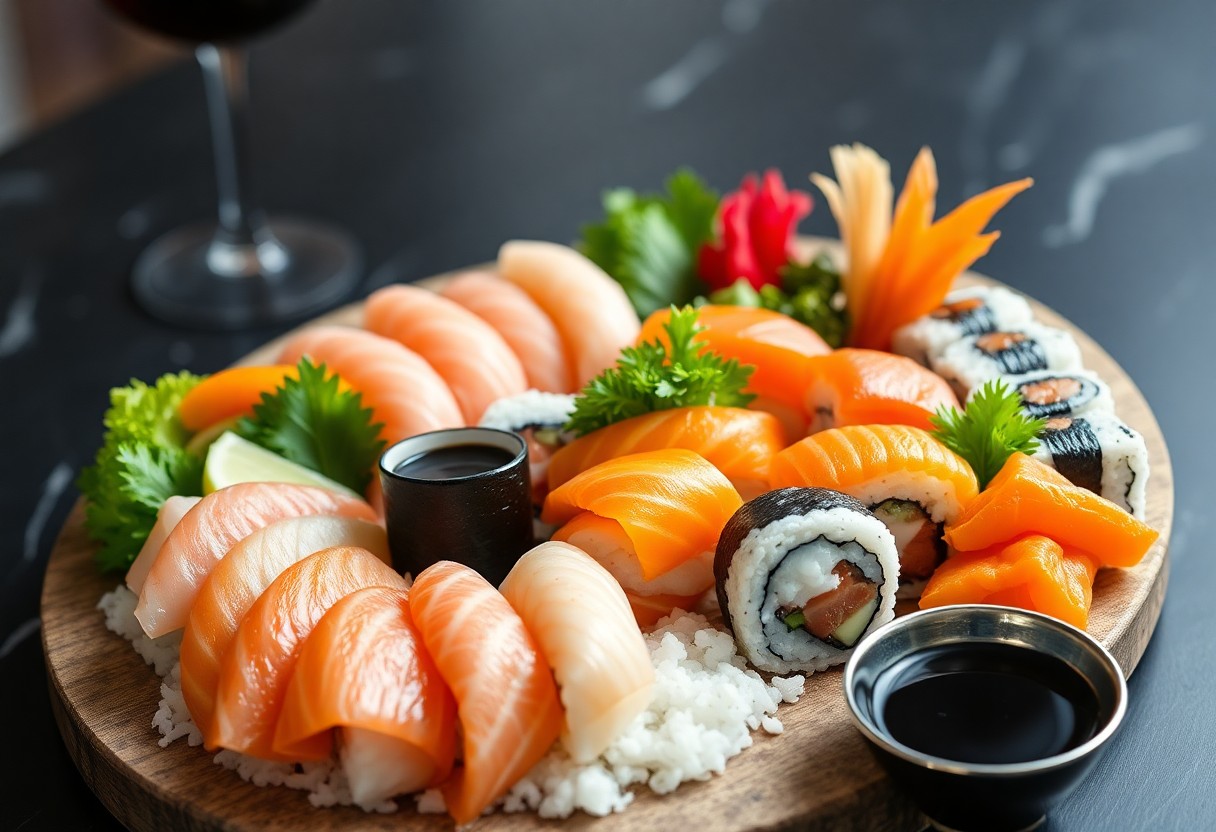
Once again, sushi comes in various forms, incorporating a mix of ingredients and styles. Knowing the different types can help you make the right choices when considering gluten-free options.
- Nigiri
- Sashimi
- Maki
- Uramaki
- Temaki
Perceiving the different types will help you identify which ones may be suitable for your gluten-free diet.
| Type of Sushi | Gluten Content |
| Nigiri | Gluten-free if rice and toppings are safe |
| Sashimi | Gluten-free |
| Maki | Possibly gluten-free, check ingredients |
| Uramaki | May contain gluten in sauces |
| Temaki | Check for gluten in fillings |
Traditional Sushi Variants
After understanding sushi types, traditional variants like nigiri, sashimi, and maki are great gluten-free options, provided they are prepared without soy sauce or other gluten-containing ingredients. Always inquire about added sauces or toppings.
Modern Sushi Variants and Their Gluten Content
On the other hand, modern sushi variants often incorporate creative ingredients and sauces, which may introduce gluten. It’s important to be informed about each preparation to make gluten-free dining safer for you.
Another point to consider is that many contemporary rolls utilize ingredients such as tempura, sauces, or marinades that could contain gluten. Always ask your sushi chef about the preparation methods and be mindful of any hidden sources of gluten in the ingredients used. This due diligence will help you enjoy your sushi experience while maintaining a gluten-free diet.
Cross-Contamination Risks
Many sushi restaurants prepare their dishes in environments where gluten-containing ingredients are also used. This can lead to cross-contamination, making it difficult to guarantee that your sushi remains gluten-free. It’s vital to stay vigilant, as even minor contact with gluten can trigger reactions for those with celiac disease or severe gluten sensitivities. Understanding these risks will help you make an informed decision when enjoying sushi.
Preparation and Serving Practices
With varying preparation methods, some sushi chefs may use the same utensils or surfaces for both gluten-free and gluten-containing items. To minimize the risk of cross-contamination, look for establishments that are knowledgeable about gluten-free practices and take steps to prevent mixing ingredients. Your awareness can significantly enhance your dining experience.
Dining Out: What to Ask
Behind every gluten-free meal is a set of questions you should ask to ensure your needs are met. Inquire about the restaurant’s practices concerning gluten-free dishes, specifically whether they have dedicated preparation areas and utensils. It’s also wise to ask about the types of soy sauce they use, as many traditional soy sauces contain gluten. A thorough discussion with the staff can empower you to enjoy your meal without concern.
What you ask is vital for a safe dining experience. Don’t hesitate to inquire about how they prepare their sushi and if they have special measures in place for those with gluten sensitivities. Knowing the source of their soy sauce and whether they offer gluten-free alternatives can provide peace of mind. The more informed you are, the better you can enjoy your sushi outing without any worries.
Gluten-Free Sushi Options
Keep in mind that not all sushi is created equal when it comes to gluten content. Many sushi options can be gluten-free, provided they are prepared with care. Look for sushi made with ingredients like rice, fresh fish, and vegetables, and be cautious of sauces that may contain gluten. Always communicate your dietary needs with the sushi chef to ensure your meal is safe.
Safe Ingredients for Gluten-Free Sushi
Above all, focus on using safe ingredients such as sushi rice, seaweed, fresh seafood, and an array of vegetables. You can also explore gluten-free soy sauce alternatives, which are necessary for enhancing flavors without compromising your diet. Always check labels and inquire about the ingredients to avoid hidden gluten sources.
Popular Gluten-Free Sushi Dishes
Any sushi enthusiast can enjoy a variety of dishes that accommodate gluten-free dietary needs. Common gluten-free choices include sashimi, which consists of sliced raw fish served without rice, and maki rolls made with gluten-free soy sauce. These options ensure you can indulge in your sushi cravings without the concern of gluten.
Options like rainbow rolls, which typically combine various fresh fish and avocado, can also be gluten-free if made with care. Cucumber rolls are another great choice, offering a refreshing bite without rice. Always verify that the sushi rolls are made with gluten-free ingredients, avoiding anything that uses tempura or fried items potentially containing gluten. Enjoy your sushi experience while safely adhering to your gluten-free lifestyle!
Tips for Making Gluten-Free Sushi at Home
Despite the challenges of making gluten-free sushi, you can easily create delicious rolls at home by following these tips:
- Use gluten-free sushi rice and vinegar.
- Opt for fresh, gluten-free fillings like vegetables and seafood.
- Replace traditional soy sauce with tamari, which is gluten-free.
- Double-check any pre-packaged ingredients for hidden gluten.
Thou can explore more about Is Sushi Gluten-Free? (Not All!) for additional insights.
Ingredients to Use
For making gluten-free sushi, you should choose specific ingredients that don’t contain gluten. Look for sushi rice, fresh vegetables, and fish that are free from marinades or sauces that might include gluten. When selecting any packaged items, ensure they are labeled gluten-free to avoid cross-contamination.
Techniques to Avoid Gluten
One way to ensure your sushi stays gluten-free is by adhering to specific preparation techniques. Always clean your utensils and cutting boards thoroughly to prevent cross-contact with gluten-containing foods.
Avoid using any sauces and condiments that may contain wheat or gluten. You can easily make your own dipping sauces using gluten-free ingredients, as many sauces often contain hidden gluten. By staying aware of what you use in your recipes, you can enjoy sushi without gluten worry.
Final Words
Taking this into account, you can enjoy sushi while being mindful of gluten content. Although traditional sushi ingredients like rice and raw fish are gluten-free, be cautious of added sauces and processed items that may contain gluten. Always verify with the restaurant staff or read labels to ensure that your sushi aligns with your dietary needs. By being informed and vigilant, you can savor this delightful cuisine without compromising your gluten-free lifestyle.
Q: Is all sushi gluten-free?
A: Not all sushi is gluten-free. While traditional sushi made with rice, fish, and vegetables can be gluten-free, many types of sushi include ingredients that may contain gluten. For instance, soy sauce, which is often used as a dipping sauce, typically contains wheat. Additionally, some sushi rolls may include other ingredients like tempura, which is fried in a batter made of wheat flour. If you are following a gluten-free diet, it is important to check the ingredients of each sushi item or ask the chef about gluten-free options.
Q: What should I ask at a sushi restaurant if I am gluten intolerant?
A: If you have gluten intolerance, it’s important to communicate your dietary needs to the restaurant staff. You should inquire about gluten-free soy sauce alternatives, as many sushi establishments offer tamari, a gluten-free soy sauce variant. Additionally, ask about the specific ingredients used in the sushi rolls, especially in sauces and dressings. It’s also a good idea to confirm that the rice and fish are prepared separately from gluten-containing foods to avoid cross-contamination.
Q: Are there gluten-free sushi options available?
A: Yes, there are many gluten-free sushi options available. Traditional nigiri sushi, which consists of a slice of fish on top of a mound of rice, is usually gluten-free, provided that no soy sauce is used. Sashimi, which is simply sliced raw fish without rice, is also a gluten-free choice. Some sushi establishments offer gluten-free rolls made with fresh ingredients, such as cucumber or avocado instead of sushi wrappers that may contain gluten. Always check the menu for gluten-free labels or ask the staff for recommendations.