Sushi can be a delightful addition to your weight loss journey, but choosing wisely is key. As you navigate your options, it’s important to know what to order and what to avoid to make healthier choices. Opt for simple rolls with fresh ingredients and be cautious with sauces and fried items that can add unnecessary calories. To help you make informed decisions, check out the Best (and Worst) Sushi for Your Health and elevate your sushi experience while supporting your weight management goals.
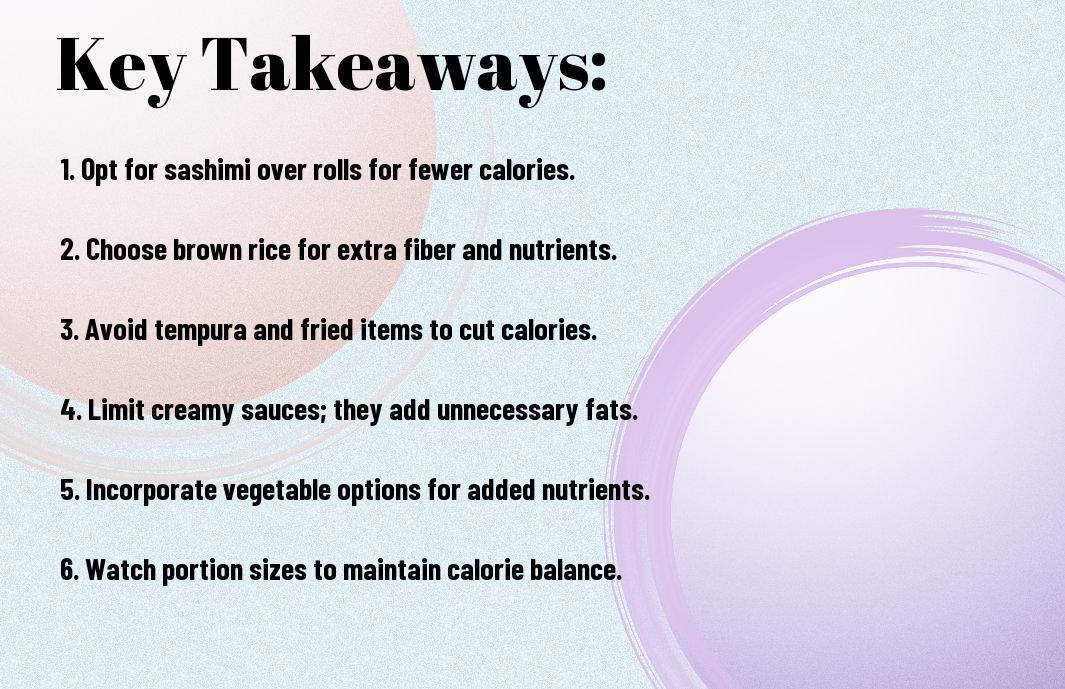
Key Takeaways:
- Choose Smart Sushi: Opt for rolls that feature fresh fish, vegetables, and whole grains, as they are generally lower in calories and healthier.
- Avoid Fried Options: Steer clear of tempura rolls and other fried sushi types, which can significantly increase calorie content.
- Be Cautious with Sauces: Many sushi rolls come with high-calorie sauces like mayo or eel sauce; consider asking for them on the side, or avoiding them altogether.
- Pay Attention to Portion Size: Be mindful of how many rolls you order, as portions can add up quickly, leading to overeating.
- Incorporate Sashimi: Sashimi, which is just sliced fish, is a great option as it provides protein without the added calories from rice or rolling.
Understanding Sushi and Its Ingredients
To truly enjoy sushi while maintaining your weight loss goals, it’s important to understand its various ingredients. Sushi can range from simple rolls to elaborate dishes that incorporate different proteins, vegetables, and sauces. When making your selections, consider exploring 7 Healthy Sushi Options (Plus Ingredients to Look Out For) to ensure you make informed choices that align with your dietary needs.
Nutritional Benefits of Sushi
Beside being delicious, sushi offers numerous nutritional benefits, including high-quality proteins, omega-3 fatty acids, and important vitamins and minerals. The rice in sushi provides carbohydrates for energy, while vegetables add valuable fiber and nutrients. When you choose the right ingredients, sushi can contribute positively to your overall health.
Common Ingredients and Their Impact on Weight Loss
Benefits of sushi for weight loss depend largely on the ingredients you choose. Opting for whole food ingredients like fish, vegetables, and brown rice can enhance the meal’s nutritional value, while heavy sauces, fried items, and excess rice can hinder your progress. Paying attention to these elements helps you maintain a balanced diet without sacrificing flavor.
Sushi offers various health benefits that can support your weight loss journey. Choosing lean proteins such as salmon and tuna provides important nutrients without excessive calories, while vegetables like cucumber and avocado can enhance your meal’s fiber content. Be cautious with sauces and fried options, as they can quickly increase calorie counts. By prioritizing healthier ingredients, you can enjoy sushi while managing your weight effectively.
Best Sushi Options for Weight Loss
There’s a variety of sushi choices that can fit into your weight loss plan. Opt for rolls filled with fresh vegetables and lean proteins like salmon or tuna, and consider sashimi for a low-calorie, high-protein choice. You can savor your sushi while being mindful of portion sizes, allowing you to enjoy the flavors without overindulging.
Low-Calorie Choices
Best options for low-calorie sushi include sashimi, nigiri, and rolls without creamy sauces. Sashimi, which is thinly sliced raw fish, offers you pure protein with minimal calories. Vegetables rolls made with cucumbers, avocado, and carrots can also be satisfying without the extra calories.
High-Protein Options
With a focus on high-protein sushi, your best bets include options like tuna and salmon rolls or sashimi. These selections provide you with necessary amino acids that can help maintain muscle mass while you lose weight.
It’s important to choose sushi that not only satisfies your taste buds but also supports your weight loss goals. Tuna and salmon are both rich in omega-3 fatty acids, which are beneficial for your overall health. If you select rolls that incorporate these high-protein fish options, you’ll benefit from their nutrient-dense profiles while still staying within your calorie limits. Complementing your meal with edamame or seaweed salad can further enhance your protein intake without adding excessive calories.
Sushi Rolls to Avoid
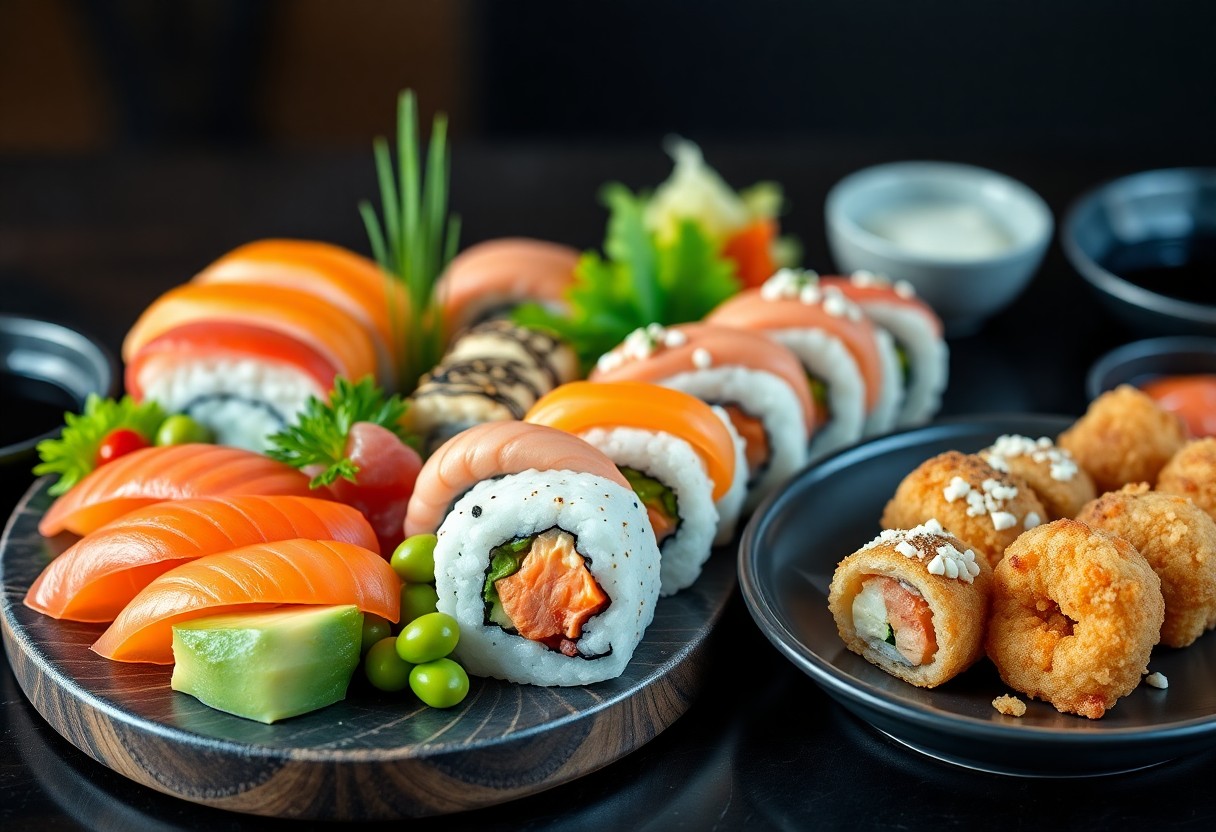
Unlike traditional sushi, many rolls can be calorie-packed and laden with unhealthy ingredients. To make healthier choices, steer clear of options that feature deep-fried ingredients, heavy sauces, or excessive toppings. By avoiding these rolls, you can better manage your weight and still enjoy the diverse tastes sushi has to offer.
High-Calorie Rolls
The temptation of high-calorie sushi rolls can be strong, particularly those filled with tempura, cream cheese, or excessive sauces. These ingredients can significantly increase the calorie count, making your sushi experience less beneficial for your weight loss goals.
Hidden Sugars and Fats
Behind some seemingly innocuous sushi rolls lurk hidden sugars and unhealthy fats that can sabotage your efforts. Sauces like eel sauce or spicy mayo are often loaded with added sugars and oils, contributing empty calories.
To ensure you make informed choices, check the menu for nutritional information where available. Be cautious of ingredients like teriyaki or sweet sauces, which may contain high sugar levels. Opting for rolls that include fresh fish, vegetables, and minimal sauces will help in maintaining your weight loss plan without sacrificing flavor.
Tips for Ordering Sushi
After choosing sushi for your meal, it’s important to make informed decisions. Here are some tips to help you navigate the menu:
- Opt for sashimi or nigiri over rolls.
- Choose brown rice instead of white rice.
- Request extra vegetables in your rolls.
- Avoid tempura and cream cheese fillings.
- Limit soy sauce and opt for low-sodium options.
After considering these tips, you can make healthier choices without sacrificing flavor.
Making Healthier Choices
Above all, focus on the ingredients in your sushi. Select options that are fresh and incorporate a variety of vegetables and lean proteins. Avoid sauces that are high in sugar or calories, and instead, choose simpler preparations that showcase the natural flavors of the fish and vegetables.
Portion Control
Along with making healthy selections, it’s important to pay attention to portion sizes. Sushi servings can sometimes be larger than needed, and it’s easy to overindulge if you’re not mindful.
This means you should be conscious of how many pieces you order and share with friends to keep your portions in check. You can fill up on low-calorie miso soup or a side salad to create a satisfying meal. By balancing your sushi intake with other healthy options, you can enjoy your favorite dishes while staying on track with your weight loss goals.
Sides and Extras: What to Choose
Many sushi meals come with a variety of sides and extras that can impact your health goals. To make informed choices, opt for light options such as seaweed salad or edamame, which are lower in calories. For more guidance, check this article on the 6 Best Sushi Rolls to Order For Low-Calorie Meals. Avoid fried options or heavy sauces to keep your meal aligned with your weight loss objectives.
Healthier Side Options
For your sushi experience, focus on healthier side options like miso soup or steamed vegetables, which are low in calories and high in nutrients. These choices not only enhance your meal but also provide additional vitamins and minerals without unnecessary calories. Avoid tempura vegetables or anything deep-fried, as they can add significant calories to your meal.
Beverages to Complement Your Meal
Extras, like beverages, can significantly affect your overall caloric intake during your sushi outing. It’s best to steer clear of sugary drinks and cocktails that can add empty calories. Instead, opt for green tea, which is a great low-calorie choice that can boost metabolism and enhance your dining experience.
Complement your sushi meal with green tea or sparkling water to elevate your dining experience while keeping it healthy. These beverages not only hydrate you but also provide added antioxidants without the extra calories associated with sodas or alcoholic drinks. Staying hydrated is vital in maintaining your energy levels as you enjoy your meal.
To wrap up
Following this guide on sushi for weight loss, you can make more informed choices when dining out. Opt for sashimi, vegetable rolls, and brown rice to enjoy a healthier meal. Avoid tempura and high-calorie sauces to keep your meal light and nourishing. By selecting wisely, you can savor delicious sushi without compromising your weight loss goals, allowing you to enjoy all the flavors Japanese cuisine has to offer while maintaining a balanced diet.
FAQ
Q: What types of sushi are best for weight loss?
A: For weight loss, opt for sushi options that are lower in calories and fat. Sashimi, which consists of just sliced fish without rice, is a great choice. Additionally, rolls made with fresh vegetables and lean proteins like tuna or salmon can be beneficial. Avoid sushi that is heavily fried, such as tempura rolls, and those with creamy sauces, like spicy mayo or eel sauce, as they can add unnecessary calories.
Q: Are all sushi rolls created equal in terms of calories?
A: No, not all sushi rolls are equal in terms of calories. Rolls with ingredients like avocado, cream cheese, or fried elements tend to have more calories compared to simpler options. A basic cucumber or tuna roll usually contains fewer calories than a dragon roll or those topped with crunchy fried onions. Always check the specific ingredients when deciding which rolls to order.
Q: How can I make healthier choices when ordering sushi?
A: To make healthier choices when ordering sushi, consider the following tips: choose sashimi or nigiri over rolls to limit rice intake; opt for rolls that include vegetables and lean proteins; avoid rolls with heavy sauces or tempura; and limit the intake of white rice by asking for brown rice if available. Additionally, keeping portion sizes in mind and balancing your meal with a side of miso soup or a green salad can enhance nutritional value.
Q: Are there any sushi ingredients I should specifically avoid for weight loss?
A: Yes, some ingredients should be avoided if you’re aiming for weight loss. Fried ingredients like tempura, rolls with cream cheese, or those that are deep-fried can significantly increase calorie counts. Additionally, sauces that are high in sugar or fat, such as eel sauce, are best limited. Choosing sushi with simpler, whole food ingredients can keep your meal lighter and more nutritious.
Q: Can sushi be part of a balanced diet for weight loss?
A: Absolutely! Sushi can be part of a balanced diet for weight loss when chosen wisely. Incorporating nutrient-dense options such as sashimi or rolls with plenty of vegetables and lean fish can provide crucial nutrients while keeping calorie intake in check. It’s important to practice portion control and ensure that sushi is consumed as part of a varied diet that includes different food groups for optimal health and weight management.