It’s necessary to make informed dining choices, especially when it comes to sushi, which often involves marine life that faces overfishing challenges. By choosing to support sustainable sushi restaurants, you not only contribute to the health of our oceans but also promote ethical fishing practices. This guide will equip you with the knowledge to identify sustainable options, making a positive impact each time you enjoy your favorite rolls. Let’s look into practical steps you can take to ensure your sushi experience aligns with your values.
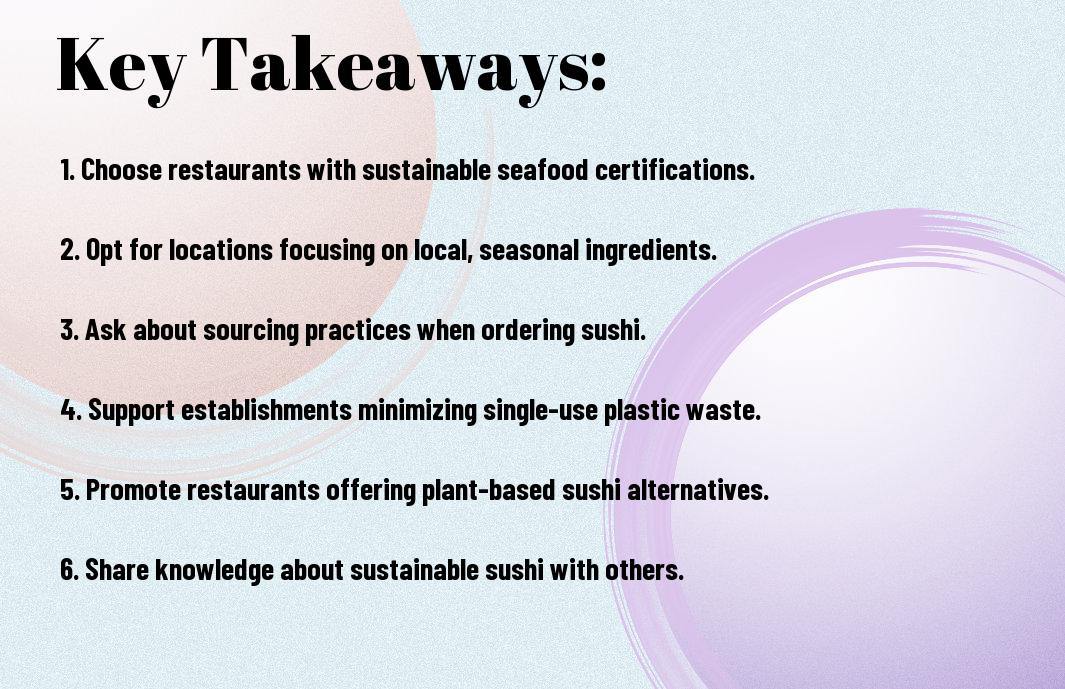
Key Takeaways:
- Educate Yourself: Learn about sustainable sourcing practices to identify restaurants prioritizing eco-friendly seafood.
- Support Local: Choose sushi restaurants that use local, seasonal ingredients to minimize carbon footprints and support the community.
- Advocate for Transparency: Encourage restaurants to provide information on their seafood sourcing and sustainability efforts to promote ethical dining.
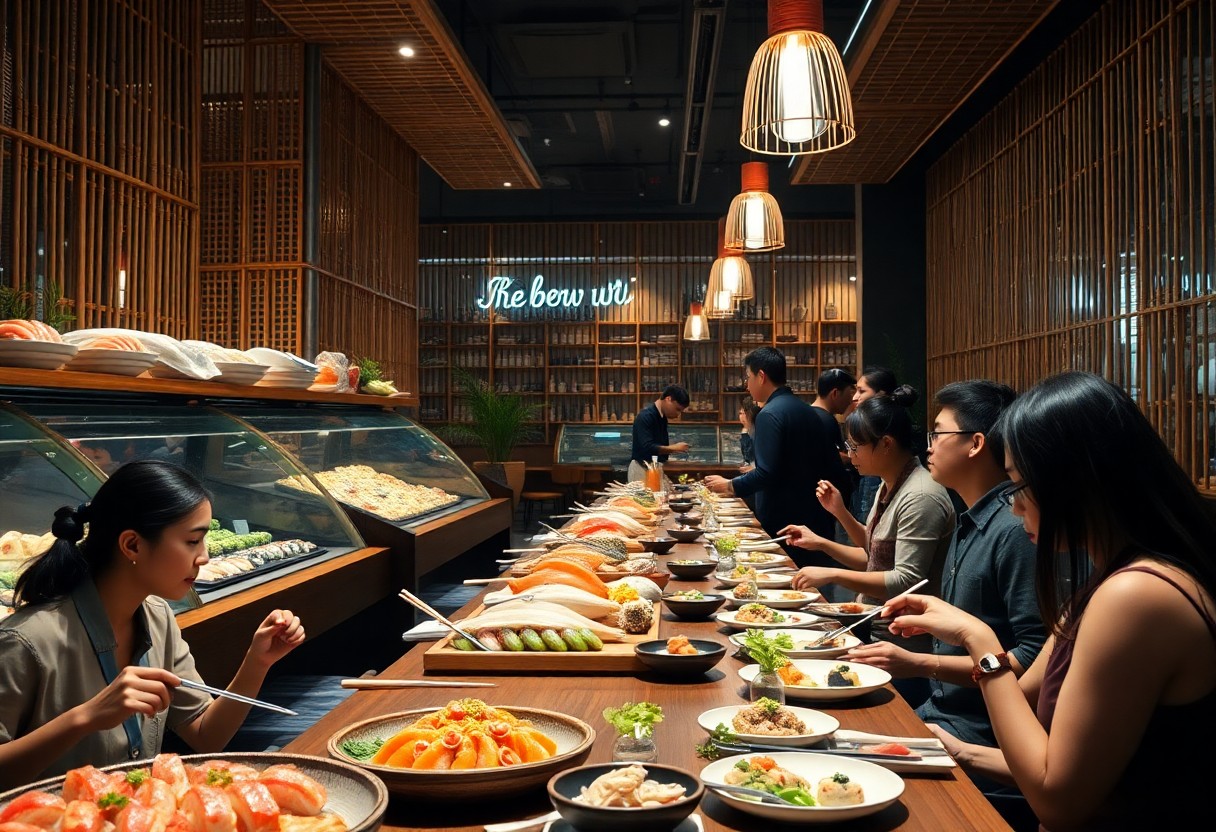
Your Guide to Understanding Sustainable Sushi
Your journey to supporting sustainable sushi begins with understanding what it means. Sustainable sushi refers to practices that prioritize the sourcing of seafood from well-managed fisheries and farms, which protect the health of ocean ecosystems while supporting local communities. This involves selecting fish that are abundant, avoiding overfished species, and ensuring that farming practices minimize environmental impact. By choosing sustainable sushi, you contribute to the preservation of marine life while enjoying your meal guilt-free.
Principles of Sustainable Seafood
Understanding the principles of sustainable seafood is necessary for making informed choices. Sustainable seafood is sourced from fisheries that maintain healthy fish populations, respect ecosystems, and use fishing methods that reduce bycatch. Furthermore, responsible aquaculture practices also ensure minimal environmental degradation and promote fish welfare. By advocating for these principles when you order sushi, you can help foster a more sustainable seafood industry.
Environmental Impact of Sushi Production
Beside the ethical considerations, the environmental impact of sushi production significantly affects our oceans. Overfishing and destructive fishing practices can deplete fish stocks and disrupt marine ecosystems, leading to long-term consequences for both wildlife and fishing communities. The carbon footprint associated with transportation, processing, and packaging also contributes to climate change, which ultimately endangers the very resources sushi relies upon. Understanding this impact can inform your choices when selecting sushi restaurants.
Another aspect to consider is the pollution generated by certain aquaculture practices. Some fish farms rely on harmful chemicals and antibiotics that can leach into surrounding waters, harming local wildlife. Additionally, practices like open-net pen fish farming can lead to the spread of disease and parasites to wild fish populations. By raising awareness of these environmental consequences, you empower yourself to choose sushi options that prioritize health, sustainability, and ecological balance, thus contributing to a more responsible industry.
Choosing Sustainable Ingredients
One of the most impactful ways to support sustainable sushi restaurants is by choosing ingredients that are sourced responsibly. Look for sushi establishments that prioritize fish from well-managed fisheries to ensure that their seafood population remains healthy. Opting for sustainable sushi not only supports environmental conservation, but it also encourages restaurants to adopt practices that protect ocean ecosystems.
Sourcing Locally
One of the best ways to support your local economy and reduce environmental impact is by selecting sushi establishments that prioritize local sourcing. By sourcing seafood and ingredients from nearby fisheries and farms, these restaurants significantly cut down on transportation emissions and help your regional economy thrive. Plus, local ingredients are often fresher, resulting in better flavor and quality for your sushi experience.
Seasonal Considerations
Seasonal sourcing plays a key role in maintaining sustainable practices at sushi restaurants, as it encourages the use of ingredients that are at their peak during specific times of the year.
It’s important to understand that fish populations fluctuate and certain species are only abundant during specific seasons. By choosing sushi made from seasonal ingredients, you support restaurants that are committed to environmental sustainability. This approach not only allows you to enjoy fresher, tastier dishes but also promotes healthy ocean ecosystems by reducing pressure on overfished species. Look for menus that change with the seasons to ensure you’re making choices that benefit both you and the planet.
Supporting Sustainable Sushi Restaurants
Despite the increasing popularity of sushi, you can make an impact by supporting sustainable sushi restaurants. Opt for eateries that prioritize eco-friendly practices by sourcing their fish from sustainable fisheries and using organic ingredients. Your choices can promote responsible consumption and encourage better industry standards, paving the way for a healthier ocean and food system.
Researching Certifications
With a range of seafood certifications available, it’s vital that you research which ones align with sustainable practices. Look for labels such as the Marine Stewardship Council (MSC) for wild-caught fish or the Aquaculture Stewardship Council (ASC) for farmed seafood, ensuring the restaurant you choose adheres to sustainable practices.
Engaging with Local Communities
Below the surface of sustainable sushi lies the importance of community engagement. Supporting local sushi restaurants that collaborate with local fishermen and farmers not only strengthens your community but also helps maintain local economies and traditions, leading to a more sustainable food network.
Indeed, engaging with local communities fosters strong relationships that benefit both consumers and providers. Restaurants that work with nearby fisheries are more likely to serve fresh, responsibly sourced seafood, while also supporting local economies. You can enhance community connections by attending sushi-making classes, participating in local seafood fairs, or simply sharing your appreciation for sustainable practices with restaurant owners. This relationship can drive demand for sustainability, ultimately shaping the restaurant’s sourcing decisions and contributing to the broader effort of protecting our oceans.
Ethical Dining Practices
Unlike traditional dining approaches, ethical dining practices focus on sustainability, sourcing, and responsible consumption. Supporting sustainable sushi restaurants means being mindful of the ingredients they use and the fishing methods employed. By choosing places that prioritize ocean-friendly practices, you contribute to the health of marine ecosystems while enjoying a delicious meal. Additionally, engaging in responsible dining habits also enhances the overall experience, making your sushi indulgence not just tasty but also aligned with your environmental values.
Mindful Consumption
Before you indulge in sushi, consider how your choices impact the environment. Opt for sushi made from sustainably sourced fish and ingredients. This means looking for restaurants that provide transparency regarding their supply chains. By making informed selections, you align your eating habits with ethical practices, thus cultivating a positive culinary experience that also promotes sustainability.
Reducing Food Waste
Before dining, think about how you can help minimize food waste at sushi restaurants. Consider starting with smaller portions, sharing dishes, or ordering meals that can be fully enjoyed. Many sushi establishments provide the option to customize your order, allowing you to take only what you can eat.
Hence, when you focus on reducing food waste, you help the restaurant minimize their environmental footprint while also supporting their sustainability efforts. Simple actions like sharing plates, taking leftovers home, or ordering only what you can finish not only improve the dining experience but also promote conscious eating. By being proactive about portion control and leftover policies, you play an integral role in fostering a culture of responsibility that benefits both diners and the environment.
The Role of Technology in Sustainability
Not only do you find sustainable sushi restaurants sourcing their fish ethically, but technology also plays a significant role in ensuring that this seafood is harvested responsibly. Innovative tools and practices in monitoring fish populations, tracking supply chains, and reducing waste contribute to a more sustainable sushi dining experience. By supporting restaurants that utilize technology in their sourcing processes, you can enjoy your meal while actively participating in the movement toward sustainability.
Innovations in Sustainable Fishing
Around the globe, innovations in sustainable fishing are transforming how seafood is caught and processed. Technologies such as fish aggregating devices (FADs), real-time data monitoring, and selective fishing gear minimize bycatch and allow for better management of fish stocks. As you choose sustainable sushi, you support these advancements that aim to balance ecological integrity with the demand for seafood.
Digital Platforms for Ethical Seafood
Among the many technological advancements, digital platforms are revolutionizing how you can access ethical seafood. These online platforms offer transparency and traceability, allowing you to verify the sustainability of your sushi ingredients. By utilizing these resources, you contribute to a more responsible seafood industry.
Sustainable seafood sourcing apps and websites empower you to make informed choices when dining out. They provide information on the origins of the seafood, helping you identify which restaurants support ethical practices. By using these digital tools, you not only enhance your dining experience but also promote a market that prioritizes sustainable fishing methods, ultimately benefiting marine ecosystems.
Advocacy and Education
Once again, your role in supporting sustainable sushi restaurants goes beyond just consuming their products; it involves advocacy and education as well. By informing others about the importance of sustainable seafood practices, you can create a ripple effect that raises consciousness within your community. Sharing information on sustainable sourcing, overfishing, and the impact of climate change on marine ecosystems encourages more people to make informed choices about their dining habits, ultimately benefiting our oceans.
Promoting Awareness
Awareness is important for driving change in the sushi industry. You can take an active role by sharing educational resources, such as articles or documentaries, through your social media channels or community events. Encourage conversations around sustainable practices in your networks, fostering an environment where people feel empowered to choose restaurants that prioritize environmental health.
Engaging in Sustainability Initiatives
Any effort you make to engage in sustainability initiatives can lead to meaningful change within the sushi restaurant scene. You can participate in campaigns that promote marine protection or attend workshops focused on sustainable seafood practices. By collaborating with local organizations or even the restaurants themselves, you can help create a movement geared toward long-lasting environmental stewardship in the dining sector.
And, by becoming involved with sustainability initiatives within your community, you can actively contribute to the health of marine ecosystems. Participating in beach clean-ups, advocacy events, or local seafood sustainability forums not only enhances your understanding of the issues at hand but also connects you with like-minded individuals who share your passion for sustainable practices. Your efforts can pave the way for local sushi restaurants to adopt eco-friendly methods and inspire broader change in the industry.
Final Words
With these considerations, you can actively support sustainable sushi restaurants by choosing establishments that prioritize ethical sourcing, seasonal ingredients, and environmentally friendly practices. Engage with the staff about their sourcing policies, seek out certifications like the Marine Stewardship Council, and share your experiences to raise awareness among fellow diners. Your choices not only enhance your dining experience but also contribute to the preservation of marine ecosystems, ensuring that sushi can be enjoyed responsibly for generations to come.
FAQ
Q: How can I determine if a sushi restaurant is sustainable?
A: To identify if a sushi restaurant practices sustainability, look for certifications such as the Marine Stewardship Council (MSC) or the Seafood Watch label. These indicate that the restaurant sources its fish from well-managed fisheries. Additionally, checking the restaurant’s menu for transparency regarding sourcing practices can help; many sustainable sushi restaurants will highlight their commitment to using fish that is caught or farmed responsibly. You can also read reviews and do a quick online search to see if the restaurant is mentioned in discussions about sustainable practices.
Q: What types of fish should I avoid when ordering sushi?
A: To support sustainability, it’s best to avoid ordering fish that are overfished or caught using harmful methods. Species such as bluefin tuna, eel, and certain types of swordfish are often heavily depleted due to high demand and unsustainable fishing practices. Choosing fish that are abundant or farmed sustainably, like Alaskan salmon or farmed shrimp, can positively impact marine ecosystems. Consulting resources like the Seafood Watch guide before your dining experience can provide detailed information on what to avoid and what sustainable options are available.
Q: How can I advocate for sustainability in my local sushi restaurant?
A: You can play a significant role in promoting sustainability by engaging with your local sushi restaurant. Start by discussing your concerns about overfishing and environmental practices with the management, and encourage them to source fish from sustainable fisheries. You can also suggest that they participate in sustainability certification programs. Another impactful method is to support restaurants that already prioritize sustainable options, showing that there is a market demand for responsible sourcing. Spreading the word through social media about your support for sustainable practices can also help raise awareness and encourage change within the industry.


