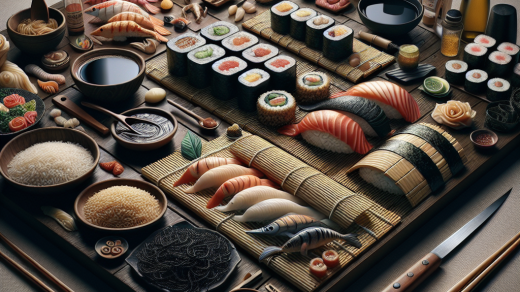
There’s a fascinating world of flavors and techniques in Japanese cuisine, and sushi stands out as one of its most iconic elements. As you explore this culinary landscape, you’ll discover how sushi not only reflects regional ingredients and traditions but also serves as a window into Japan’s rich cultural heritage. By understanding sushi’s place in the broader spectrum of Japanese food, you can gain deeper insights into its significance and the artistry behind its preparation, making your culinary experience even more enriching.
Key Takeaways:
- Sushi’s Evolution: Sushi has evolved from a means of preserving fish to a celebrated culinary art, reflecting Japan’s history and cultural shifts.
- Regional Variations: Different regions of Japan offer unique sushi styles, showcasing local ingredients and traditional techniques that enrich the nation’s diverse cuisine.
- Seasonality and Freshness: Sushi emphasizes the importance of seasonal ingredients and freshness, aligning with the broader Japanese culinary principle of harmony with nature.
The Historical Roots of Sushi
The historical roots of sushi reveal a fascinating journey that dates back centuries, intertwining with Japan’s agricultural and cultural practices. Originating as a method of preserving fish using fermented rice, sushi has transformed into a celebrated cuisine that showcases the freshness of its ingredients while maintaining its cultural significance within Japanese society.
Origins of Sushi in Japan
One of the earliest forms of sushi, known as narezushi, emerged in Japan around the 8th century. This preservation method involved fermenting fish with rice, allowing the fish to be stored for an extended period. This technique spread through various regions, gradually evolving as sushi became a reflection of local ingredients and tastes.
Evolution of Sushi Over Time
Around the 15th century, sushi underwent significant changes, moving away from rice fermentation and towards modern preparation methods. The introduction of vinegared rice laid the foundation for the sushi types you enjoy today, like nigiri and maki. This shift not only enhanced flavor but also catered to the growing demand for fresh, quick meals in urban settings.
In addition to the culinary advancements, sushi has also adapted through cultural exchanges and globalization. As you travel or explore different regions, you may notice various interpretations of sushi, incorporating local ingredients and styles. This evolution has allowed sushi to transcend cultural barriers, becoming a beloved dish worldwide while retaining its roots in Japanese history.
Sushi Varieties and Their Cultural Significance
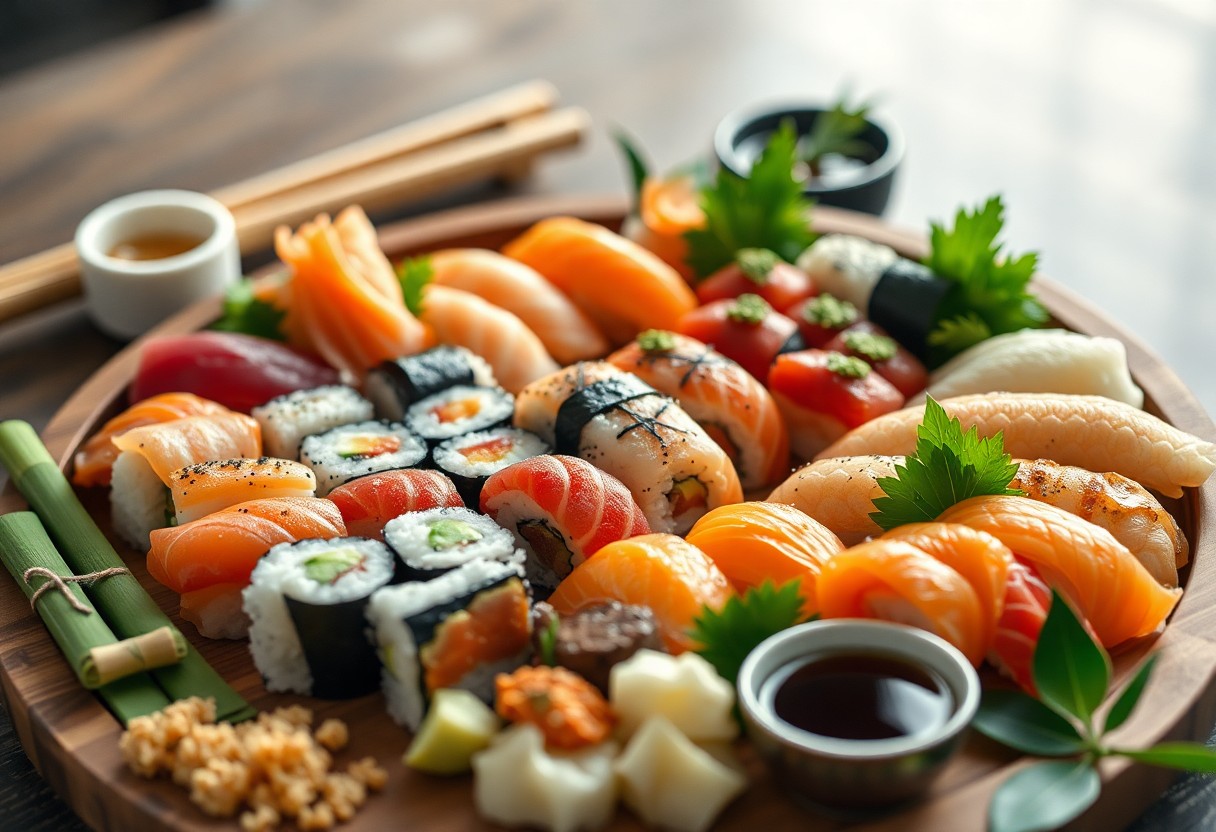
Assuming you probe deeper into sushi, you’ll uncover a myriad of varieties, each with its own unique cultural significance. Sushi isn’t just a dish; it’s a reflection of Japan’s geography, history, and even social structure. Whether it’s nigiri, futomaki, or chirashi, every type serves a purpose and tells a story about the local ingredients, traditions, and craftsmanship that define Japanese cuisine.
Nigiri, Maki, and Sashimi
Any sushi enthusiast will recognize nigiri, maki, and sashimi as key players in the sushi landscape. Nigiri consists of hand-formed rice topped with fish or other ingredients, while maki involves rolling sushi rice and fillings in seaweed. Sashimi, on the other hand, is a selection of thinly sliced raw fish, showcasing the fresh flavors of the ocean. Each variety highlights different aspects of sushi culture and reflects regional preferences.
Regional Differences in Sushi Preparation
Between the bustling streets of Tokyo and the serene coastline of Hokkaido, regional differences in sushi preparation are striking. Variations often stem from local ingredients, traditions, and seasonal availability, influencing the way sushi is crafted and enjoyed across Japan.
Differences in sushi preparation not only reflect regional palettes but also local customs and fishing practices. For example, in Kansai, you may find pressed sushi, or oshizushi, while the eastern regions lean towards nigiri. Additionally, the seafood available dictates specific flavors; for instance, fresh tuna from Tsukiji market is a prized catch in Tokyo, while seafood from the Sea of Japan lends itself to different styles in the western regions. Exploring these variations can enrich your understanding of sushi and its place in Japanese culture.
Sushi’s Role in Japanese Dining Practices
Once again, sushi serves as a fundamental element of Japanese dining culture, showcasing the artistry and precision behind traditional culinary practices. In Japan, dining is often viewed as a ritual that emphasizes seasonality, balance, and aesthetics, and sushi embodies these values. It creates a unique dining experience that encourages sharing and appreciation of the food, fostering a sense of community and connection with others at the table.
Sushi in Traditional Japanese Meals
The integration of sushi into traditional Japanese meals reflects a rich history of culinary refinement and cultural significance. Sushi often accompanies other dishes in a kaiseki meal, where various seasonal ingredients are harmoniously combined to create a balanced dining experience. This not only highlights the skill of the chef but also enhances your appreciation for the flavors and textures unique to Japanese cuisine.
Modern Sushi Dining Experiences
Dining at a modern sushi establishment offers a contemporary twist on traditional practices, blending innovation with classic techniques. Sushi bars often emphasize omakase, where you entrust the chef to create a personalized experience tailored to your tastes. This approach not only showcases the culinary artistry involved but also creates a more intimate and engaging dining atmosphere.
A visit to a modern sushi bar can introduce you to a variety of dining formats, such as conveyor belt sushi or upscale establishments offering tasting menus. These experiences allow you to explore an array of flavors and presentations while enjoying a relaxed yet elegant atmosphere. Whether you opt for traditional nigiri, sashimi, or more adventurous combinations, modern sushi dining encourages experimentation and a deeper understanding of the diverse nuances within Japanese cuisine.
Ingredients Essential to Sushi
Now that you are exploring the intricate world of sushi, it’s vital to understand the key ingredients that make this cuisine truly unique. Sushi relies on a harmonious blend of flavors and textures, resulting in a dining experience that is both delightful and culturally significant. The selection and quality of ingredients directly influence the authenticity and taste of your sushi, making them fundamental to your culinary journey.
Rice and Fish: The Cornerstones
Between the two primary ingredients of sushi—rice and fish—lies a delicate balance that defines its essence. The rice, seasoned with vinegar, sugar, and salt, provides a tangy foundation, while the fresh fish contributes richness and flavor. Selecting quality ingredients elevates your sushi, creating an authentic experience that honors traditional practices.
Accompaniments and Condiments
Across the sushi landscape, accompaniments and condiments enhance your experience, adding depth and contrast to the main elements. Common additions like wasabi, soy sauce, and pickled ginger not only enrich the flavors but also cleanse your palate between different types of sushi, allowing you to savor every bite fully.
Understanding the role of these accompaniments and condiments can significantly enhance your sushi experience. Wasabi offers a spicy kick that complements the fish, while soy sauce adds umami and depth of flavor. Pickled ginger acts as a palate cleanser, refreshing your senses and preparing you for the next taste. Familiarizing yourself with these elements allows you to appreciate the thoughtful balance of flavors in each sushi dish and enhances your overall culinary experience.
Sushi and Japanese Festivities
All across Japan, sushi plays a significant role in various festivities, symbolizing celebration and unity. During festivals, families and friends come together to enjoy beautifully arranged sushi platters, where the art of presentation is just as important as the flavors. These gatherings not only highlight the culinary skills of the chef but also strengthen bonds among loved ones, reflecting the communal spirit of Japanese culture.
Sushi in Celebratory Events
To mark special occasions, sushi often takes center stage as a dish that embodies joy and prosperity. Whether it’s a wedding, a birthday, or a new year celebration, elegant sushi displays are crafted to enhance the festive atmosphere. Your experience of dining is elevated as you partake in the traditional custom of enjoying these delicacies with friends and family, reinforcing your social connections.
Seasonal Sushi Traditions
Among the many ways sushi is celebrated in Japan, seasonal traditions stand out, bringing unique flavors that reflect the time of year. Each season offers a special selection of fish and ingredients, infusing your sushi experience with a sense of freshness and authenticity that is tied to the land’s bounty.
It is during spring, for instance, that you might enjoy sushi featuring sakura (cherry blossoms), while summer brings a variety of lighter fish suited to the warmer climate. In autumn and winter, the sushi showcases seasonal catches and comforting flavors to warm your palate. Understanding these seasonal traditions allows you to appreciate the rich tapestry of Japanese cuisine while savoring the distinct tastes available at different times of the year.
Global Influence of Sushi
Many would agree that sushi’s allure has transcended Japanese borders, leading to a remarkable global influence. Nations around the world have embraced sushi, adapting traditional methods and ingredients to craft unique variations that reflect local tastes and cultures. Sushi has evolved into a multifaceted culinary phenomenon that connects people from diverse backgrounds through a shared appreciation for its delicate flavors and artistic presentation.
Sushi’s Popularity Worldwide
Before sushi became a staple in Western dining, it was primarily enjoyed in Japan. Its introduction to international markets has significantly boosted its popularity, making it accessible to your palate through sushi bars, restaurants, and home kits. You can now find sushi in countless forms, from classic rolls to creative interpretations that incorporate regional ingredients, appealing to a wider audience.
Fusion Trends in Sushi Cuisine
Against the backdrop of traditional sushi, fusion trends have emerged that blend various culinary styles and flavors, creating innovative dishes that challenge the norm. These trends allow you to explore sushi in ways that merge diverse cuisines, appealing to your adventurous taste buds.
Further pushing the boundaries of sushi, chefs worldwide are infusing global flavors into this time-honored Japanese dish. You may encounter sushi rolls featuring ingredients like smoked salmon, jalapeño, or even mango and cream cheese. This creative approach has cultivated exciting hybrid dishes, such as the California roll, which uses avocado and crab, showcasing how sushi can adapt and thrive in a variety of cultural contexts. The fusion trend makes sushi not just a meal but an experience, inviting you to discover your unique palate preferences.
Final Words
With these considerations, you can appreciate how sushi embodies the essence of Japanese cuisine, highlighting the country’s strong connection to fresh, seasonal ingredients and a deep respect for culinary traditions. Sushi is not just a dish; it represents a philosophy of simplicity and balance that permeates Japanese cooking. Understanding sushi’s role allows you to explore the broader culinary landscape of Japan, enriching your appreciation for its diverse flavors and techniques.
FAQ
Q: What role does sushi play in the broader spectrum of Japanese cuisine?
A: Sushi serves as a significant representation of Japanese cuisine, showcasing the artistry and precision that characterize traditional Japanese cooking. It highlights the importance of fresh, high-quality ingredients, such as fish and vegetables, and emphasizes techniques like rice preparation and seafood handling. Sushi can be seen as a celebration of seasonality and regionality, often reflecting the local environment and flavors. This alignment with culinary practices in Japan underscores sushi’s importance as not just a dish but as a cultural icon that embodies the values and aesthetics of Japanese cooking.
Q: How has sushi evolved within Japanese cuisine over time?
A: Sushi has evolved dramatically from its origins centuries ago, transitioning from a method of preserving fish in fermented rice to the diverse array of sushi types we see today. Initially known as ‘narezushi,’ the dish was primarily a way to store fish. As Japan’s culinary practices developed, so did sushi. The Edo period saw the emergence of ‘nigiri-zushi,’ where fresh fish is placed atop vinegared rice, reflecting a shift towards immediate consumption and culinary precision. This evolution showcases the adaptability of Japanese cuisine and how traditional methods can be transformed to fit contemporary tastes while still honoring historical roots.
Q: In what ways does sushi reflect cultural values in Japan?
A: Sushi embodies several cultural values central to Japanese society, such as respect for nature, seasonality, and the importance of tradition. The meticulous preparation of sushi, from sourcing the ingredients to the precise cutting of fish, illustrates a deep respect for the natural resources that Japan has to offer. Additionally, sushi often highlights the concept of ‘ichiju-sansai,’ which signifies a balance of flavors and ingredients in a meal, echoing the Japanese philosophy of harmony in food. This cultural understanding not only enriches the dining experience but also illustrates how sushi is more than a dish; it is a reflection of the Japanese way of life and its respect for artistry in culinary tradition.