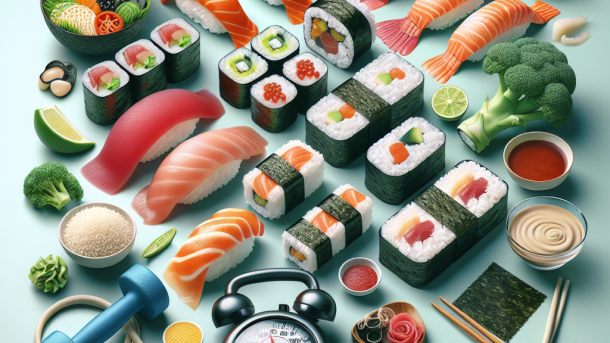
Introduction
Ah, sushi! Just the mention conjures up images of exquisite rolls and the delicate artistry that is synonymous with this revered Japanese delicacy. For those embarking on a weight loss journey, you might wonder—can sushi be your ally or will it derail your efforts? In a world where every bite counts, understanding the role sushi plays in your dietary plan is crucial.
- The Allure of Sushi: A Culinary Art
- Nutritional Profile: The Hidden Gems in Sushi
- Types of Sushi: What to Choose for Weight Loss
- Potential Pitfalls: Avoiding Caloric Overloads
- Healthy Sushi Practices: Making Smart Choices
- Key Takeaways
- FAQs
- Conclusion: The Verdict on Sushi and Weight Loss
The Allure of Sushi: A Culinary Art
Sushi is not just food; it’s a masterpiece on a plate. Imagine a painter’s canvas, each roll a brushstroke of color and flavor. With its roots deep in Japanese culture, sushi has transcended borders, becoming a global sensation. But beneath its artful presentation lies a question: Is sushi merely a treat, or can it be incorporated into a healthy diet?
Nutritional Profile: The Hidden Gems in Sushi
Choosing sushi for your meal is like opening Pandora’s box of nutrients. From protein-rich fish like salmon and tuna to fiber-packed vegetables and seaweed, sushi offers a bounty of health benefits. The omega-3 fatty acids found in fish are akin to liquid gold for your heart, while the rice provides energy—a necessary fuel for any dietary regimen. According to the NHS guidelines, balancing these nutrients is key to maintaining a healthy lifestyle.
Types of Sushi: What to Choose for Weight Loss
Not all sushi is created equal. Some rolls are akin to wolves in sheep’s clothing—laden with high-calorie sauces and tempura coatings. Opt for sashimi or nigiri, which offer the purest forms of fish without the calorie-dense additions. Think of them as the sleek sports cars on the sushi highway—efficient and effective.
Potential Pitfalls: Avoiding Caloric Overloads
Beware of the sushi sirens—those enticing options like tempura rolls or those drizzled in spicy mayo. They may seem innocent, yet they pack more calories than you might suspect. It’s vital to steer clear of these traps if weight loss is your destination. Instead, focus on simple rolls with fresh ingredients.
Healthy Sushi Practices: Making Smart Choices
When navigating the vast ocean of sushi options, think strategically. Choose brown rice over white for added fiber, and always pair your meal with a side of edamame or seaweed salad for an extra health boost. Drinking green tea alongside your meal can also aid digestion and enhance the overall experience.
For further guidance on maintaining an optimal diet while enjoying international flavors, explore our comprehensive guide on optimal diet tips.
Key Takeaways
- Sushi can be beneficial for weight loss if chosen wisely.
- Avoid high-calorie additions like sauces and fried components.
- Opt for nutrient-rich options like sashimi and nigiri.
- Incorporate healthy sides and drinks to complement your meal.
FAQs
Is sushi fattening?
Not inherently; however, certain rolls with high-calorie ingredients can contribute to weight gain if consumed excessively.
Can I eat sushi every day?
While sushi offers many health benefits, moderation is key. Consuming it daily might lead to an imbalance in your diet.
What is the healthiest type of sushi?
Sashimi and nigiri are among the healthiest choices due to their minimal ingredients and high protein content.
Conclusion: The Verdict on Sushi and Weight Loss
Sushi, much like a double-edged sword, has the potential to be both friend and foe. When approached with mindfulness and care, it can indeed complement a weight loss journey. Like any culinary delight, it’s about balance and making informed choices. So next time you’re faced with a platter of sushi, remember—you hold the chopsticks to your destiny.
For more information on incorporating sushi into a balanced diet, consider visiting sources like the reputable BBC Good Food Guide. Their insights provide valuable perspectives on healthy eating habits.