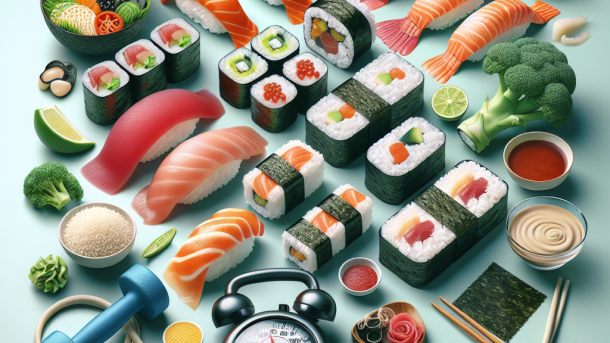
nutrition

Is Sushi Healthy Exploring Its Nutritional Benefits

Over the years, sushi has gained immense popularity as a delicious and often trendy dining option. But as you indulge in this culinary delight, you may wonder about its health implications. This blog post will explore the nutritional benefits of sushi, helping you understand how it can fit into your healthy eating habits. From its protein-packed ingredients to the abundance of vitamins and minerals, you’ll discover why sushi can be not only satisfying but also a nutritious choice for your meals.

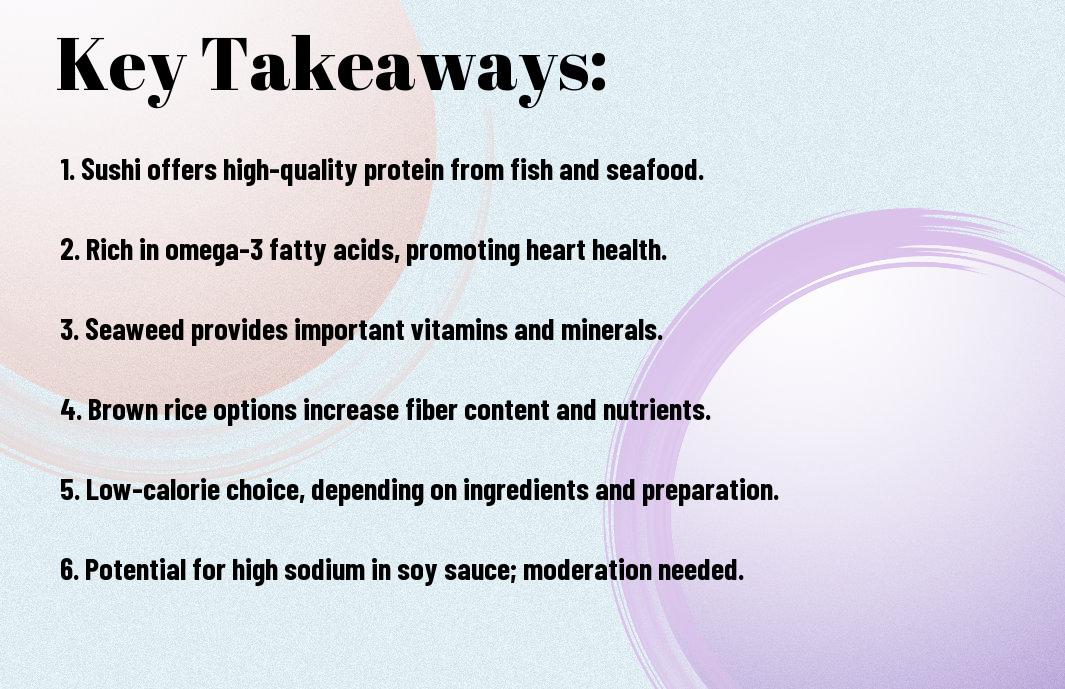
Key Takeaways:

  • Rich in Omega-3 Fatty Acids: Sushi, especially when made with fish like salmon and mackerel, provides a good source of omega-3 fatty acids, which are beneficial for heart health.
  • Low in Calories: Many sushi options are low in calories, making it a suitable choice for those looking to manage their weight while enjoying flavorful meals.
  • Contains Nutrients: Sushi ingredients, such as seaweed and vegetables, contribute important vitamins and minerals, enhancing the dish’s overall nutritional profile.
  • Potential for Anti-Inflammatory Benefits: The ingredients in sushi, particularly fish and seaweed, may help reduce inflammation in the body, contributing to better overall health.
  • Balance is Key: While sushi has many health benefits, it’s important to balance portion sizes and choose options with less sugar and sodium for optimal health.

The Nutritional Components of Sushi

Before submerging into the health benefits of sushi, it’s important to understand its nutritional components. Sushi typically combines protein, carbohydrates, fats, and a variety of vitamins and minerals. The balance of these ingredients not only contributes to its delicious taste but also enhances its nutritional profile, making sushi a popular option for those seeking a wholesome meal.

Protein Content

One of the standout features of sushi is its impressive protein content. Fish, one of the primary ingredients in sushi, is an excellent source of high-quality protein, helping to support muscle repair and overall body function. If you’re looking to maintain or build muscle mass, sushi can effectively contribute to your daily protein needs.

Essential Fatty Acids

Acids found in various types of sushi, particularly those made with fatty fish like salmon and mackerel, supply vital fatty acids, specifically omega-3s. These fatty acids play a significant role in supporting heart health, reducing inflammation, and enhancing brain function. By choosing sushi with fatty fish, you ensure that your body receives these benefits, contributing to overall well-being.

Even beyond immediate health benefits, the omega-3 fatty acids provided through sushi can have long-term positive effects on your cardiovascular health and cognitive function. Incorporating sushi into your diet not only satisfies your palate but supports your body by offering vital nutrients needed for optimal performance and vitality.

Vitamins and Minerals in Sushi

Some of the most nutritious components of sushi come from the variety of ingredients integrated into each roll. The combination of fish, seaweed, and rice provides important vitamins and minerals, including omega-3 fatty acids, vitamin D, and iodine. To discover more about the Sushi Health Benefits: Nutritional Benefits, you will find that sushi can be a delicious way to enhance your diet and promote overall wellness.

Key Nutrients Found in Fish

Across the spectrum of sushi, fish such as salmon, tuna, and mackerel are rich in key nutrients. These seafood varieties are excellent sources of protein and omega-3 fatty acids, which are known to support heart health and brain function. Additionally, fish contains vitamins like B12 and D, both important for maintaining energy levels and promoting bone health.

Nutritional Value of Seaweed and Rice

Behind the delicious taste and texture of sushi lies the nutritional value of seaweed and rice. Seaweed offers an abundance of vitamins and minerals, including iodine, calcium, and antioxidants, which are beneficial for thyroid function and overall health. Meanwhile, sushi rice is a source of carbohydrates that provides energy, plus it contains some proteins and vitamins that contribute to your daily nutritional needs.

Minerals found in seaweed, such as magnesium and iron, are vital for various bodily functions, including metabolism and oxygen transport. Seaweed is also a notable source of dietary fiber that aids digestion. Sushi rice, often seasoned with vinegar, adds flavor while serving as a nourishing base that helps balance the meal. Together, these components combine not only for taste but also for a nutrient-rich food option.

The Role of Sushi in a Balanced Diet

For anyone looking to incorporate diverse foods into your meal plan, sushi can be an excellent option that contributes positively to a balanced diet. It offers a variety of ingredients, including lean proteins, fresh vegetables, and healthy fats. By consuming sushi, you not only enjoy a range of flavors but also gain vital nutrients that can enhance your overall well-being when combined with other food groups.

Portion Control and Moderation

Any food can be part of a healthy diet when consumed in appropriate portions. While sushi can be nutritious, it’s necessary to be mindful of serving sizes and the toppings you choose. Opting for a mix of sashimi, rolls, and nigiri allows you to enjoy the benefits without overindulging.

Sushi as a Source of Healthy Fats

Healthy fats found in sushi, particularly from fish like salmon and avocado, provide necessary fatty acids that support heart health and brain function. These fats are known to reduce inflammation and improve cholesterol levels, making sushi a beneficial addition to your diet.

And, by choosing sushi options that include these ingredients, you’re not only satisfying your taste buds but also enhancing your nutrient intake. The omega-3 fatty acids found in fish can contribute to improved cognitive function and may even lower the risk of chronic diseases. Coupled with the fiber from seaweed and veggies, sushi becomes a well-rounded meal that nourishes your body effectively.

Common Misconceptions About Sushi

Your understanding of sushi might be clouded by common misconceptions. Many people assume that all sushi is unhealthy due to its association with raw fish or high-calorie ingredients. In reality, sushi can be quite nutritious, offering a diverse range of flavors and health benefits. By exploring these myths, you can make more informed choices about enjoying sushi as a part of your diet.

Sushi and Mercury Levels

Beside enjoying its delicious taste, you may have concerns about mercury levels in sushi. While it’s true that some fish can contain higher levels of mercury, not all sushi options carry the same risk. Opting for fish that are lower in mercury, such as shrimp and salmon, can help you enjoy sushi while minimizing potential health issues.

The Myth of Sushi’s Caloric Content

The perception that sushi is always high in calories can be misleading. Many sushi options are low in calories, especially those made with fresh vegetables and lean fish. It’s important to consider the specific ingredients used, as some rolls can be more calorie-dense while others are quite light and nutritious.

Also, it’s beneficial to evaluate the preparation methods and toppings used in your sushi choices. Rolls that are fried or topped with creamy sauces often have higher calories, while simpler varieties like sashimi or nigiri can provide a satisfying meal without excessive caloric intake. By selecting wisely, you can enjoy sushi comfortably within your dietary goals.

Health Risks Associated with Sushi Consumption

To fully understand sushi’s health impact, it’s important to explore potential risks. While sushi can be a nutritious choice, certain factors like raw fish and allergens may pose challenges. You should be aware of how these considerations can affect your dining experience and overall health.

Food Safety and Raw Fish

With sushi often featuring raw fish, food safety is a significant concern. Improper handling and storage of raw ingredients can lead to foodborne illnesses. Make sure to choose reputable restaurants that follow strict hygiene protocols to minimize your risk.

Allergies and Dietary Restrictions

Before indulging in sushi, consider potential allergies and dietary restrictions that may affect your choices. Common allergens in sushi include fish, shellfish, and soy, which could cause adverse reactions in sensitive individuals.

The variety of ingredients in sushi can make it challenging for someone with specific dietary restrictions. For instance, if you’re gluten-sensitive, be cautious with soy sauce, as it often contains gluten. Similarly, if you have seafood allergies, you need to communicate your needs clearly. Always check ingredient lists and consult with the staff at sushi restaurants to ensure your meal aligns with your dietary restrictions and safety requirements.

Variations of Sushi and Their Health Impacts

Unlike traditional sushi, which often features raw fish and seafood, modern variations can include an array of ingredients that impact their nutritional value. For instance, sushi rolls loaded with cream cheese or fried components can add unnecessary calories and fat. To learn more about healthier options, check out Is Sushi Healthy? The Best Rolls to Order.

Traditional vs. Modern Sushi Styles

One of the significant differences between traditional and modern sushi styles lies in the ingredients used. Traditional sushi typically emphasizes simplicity, focusing on high-quality fish, rice, and minimal garnishes. In contrast, modern sushi may incorporate diverse toppings, sauces, and even fusion elements, which can alter the dish’s overall health profile.

Vegetarian and Vegan Sushi Options

Across various sushi menus, vegetarian and vegan options have gained popularity, allowing you to enjoy this cuisine without consuming fish or seafood. Ingredients such as avocado, cucumber, and pickled vegetables provide not only flavor but also nutritional benefits.

Hence, incorporating vegetarian and vegan sushi options can be a fantastic choice for health-conscious individuals. These alternatives often contain fresh vegetables that are rich in vitamins, minerals, and antioxidants. Additionally, they can be lower in calories and fat compared to traditional sushi rolls, making them an excellent option for your meals without sacrificing taste.
Final Words

Drawing together the various nutritional benefits of sushi, you can see that it offers a range of healthy options that contribute positively to your diet. With ingredients rich in omega-3 fatty acids, vitamins, and minerals, sushi can support your overall well-being when consumed mindfully. By choosing quality ingredients and balancing your choices, you can enjoy the delicious flavors of sushi while reaping its potential health benefits, making it a wise addition to your culinary repertoire.

Q: What are the main nutritional benefits of eating sushi?

A: Sushi can offer several nutritional benefits, depending on its ingredients. Many types of sushi contain fish, which is a great source of high-quality protein and healthy omega-3 fatty acids that are beneficial for heart health. Additionally, sushi typically includes vegetables, such as avocado and cucumber, providing dietary fiber, vitamins, and minerals. Sushi rice may also provide carbohydrates for energy. Overall, sushi can be a balanced choice here, combining protein, healthy fats, and important nutrients.

Q: Are there any health risks associated with eating sushi?

A: While sushi can be healthy, there are some health risks to consider. Raw fish may harbor parasites or bacteria, which can lead to foodborne illnesses. It’s important to consume sushi from reputable sources that follow proper food safety practices. Additionally, some sushi varieties can be high in sodium due to soy sauce or other seasonings, which could be a concern for those managing blood pressure. Choosing sushi made with cooked fish or vegetables can help mitigate these risks.

Q: How can I make sushi a healthier option when dining out or making it at home?

A: To enhance the healthiness of sushi, you can opt for rolls that include more vegetables and lean proteins, such as tuna or salmon, rather than those that are fried or include high-calorie ingredients like mayonnaise. When making sushi at home, using brown rice instead of white rice can increase fiber content. Consider adding extra veggies and using less soy sauce or opting for low-sodium varieties. Overall, being mindful of portions and ingredients can help create a healthier sushi experience.


Seaweed – More Than Just a Wrapper for Sushi

Seaweed is an incredibly versatile ingredient that goes far beyond its well-known role as a sushi wrap. You might be surprised to discover that this ocean-based plant offers a wealth of nutritional benefits, culinary uses, and environmental advantages. Rich in vitamins, minerals, and antioxidants, seaweed can enhance your diet and promote overall health. In this blog post, we’ll explore the various types of seaweed, their unique characteristics, and how you can incorporate them into your meals for maximum benefit.

Key Takeaways:

  • Nutrition: Seaweed is rich in necessary nutrients, including vitamins, minerals, and antioxidants, making it a valuable addition to a balanced diet.
  • Climate Impact: Cultivating seaweed can help mitigate climate change by absorbing carbon dioxide and improving ocean health.
  • Versatility: Beyond sushi, seaweed can be used in various dishes, snacks, and supplements, showcasing its culinary flexibility.
  • Sustainability: Seaweed farming has a lower environmental impact compared to traditional agriculture, promoting sustainable food production.
  • Health Benefits: Seaweed consumption is linked to numerous health benefits, including improved digestion and enhanced thyroid function.

Nutritional Benefits of Seaweed

Your understanding of nutrition may expand significantly when you discover the myriad health benefits of seaweed. This ocean-based superfood is low in calories yet packed with fiber, making it an excellent addition to your diet. Rich in vitamins, minerals, and antioxidants, seaweed supports overall health while promoting good digestion and immune function. Incorporating seaweed into your meals can enhance your wellbeing in a delicious and sustainable way.

Rich Source of Vitamins and Minerals

Vitamins and minerals found in seaweed include A, C, E, K, and various B vitamins, along with vital minerals such as iodine, calcium, and iron. These nutrients play a vital role in your body’s function, supporting everything from metabolism to bone health. As a versatile ingredient, seaweed can easily be added to salads, soups, and smoothies, delivering numerous health benefits while enhancing your meals.

Antioxidant Properties

Minerals found in seaweed contribute not only to your physical health, but also provide powerful antioxidant properties. These antioxidants work to neutralize harmful free radicals in your body, protecting your cells from oxidative stress and reducing inflammation. Including seaweed in your diet may support heart health and lower the risk of chronic diseases, making it a smart choice for those seeking to enhance their nutritional intake.

And, when you incorporate seaweed into your meals, you’re also tapping into a natural source of protection against illness. The combination of vitamins, minerals, and antioxidants in seaweed may help strengthen your immune system, promoting overall health and longevity. By choosing seaweed regularly, you’re making a significant step towards a nutrient-rich diet that benefits your body at the cellular level.

Culinary Uses Beyond Sushi

Assuming you think of seaweed solely as a sushi wrapper, it’s time to broaden your culinary perspective. This nutrient powerhouse can elevate a variety of dishes, enriching them with unique flavors and health benefits. From salads to soups, seaweed introduces an umami depth that can transform your meals. You’ll find that incorporating different types of seaweed into your recipes not only enhances taste but also boosts nutritional value, making it an excellent addition to any cuisine.

Traditional Dishes Around the World

Traditional dishes featuring seaweed can be found in many cultures worldwide. In Japan, for example, you enjoy miso soup with wakame, while in Ireland, carrageen moss is used to create a nutritious pudding. Korean cuisine includes dishes like miyeok-guk, a seaweed soup believed to promote health and vitality. You’ll find that these traditional recipes not only taste delightful but also highlight the versatility of seaweed in various culinary contexts.

Innovative Modern Recipes

Among contemporary chefs and home cooks, seaweed is being embraced in innovative modern recipes that push the boundaries of traditional cooking. From seaweed salads infused with citrus dressing to pasta made from seaweed flour, you can find creative ways to incorporate it into your diet. Creative uses also include blending it into smoothies, baking it into crackers, or using it as a seasoning for various dishes.

The popularity of seaweed in modern cuisine indicates a shift towards health-conscious eating, and you can take advantage of this trend. Experimenting with seaweed opens up a world of flavors and textures in your cooking. For example, try adding dulse flakes to avocado toast for an extra savory kick or use kelp noodles in a stir-fry for a gluten-free alternative. With seaweed, your culinary repertoire can expand remarkably, combining tradition with modernity in delicious ways.

Economic Importance of Seaweed

To understand the economic significance of seaweed, you should recognize its diverse applications beyond sushi wrappers. Valued for its culinary uses, seaweed is also important in pharmaceuticals, cosmetics, and fertilizers. If you’re Not a fan of seaweed. Any wrap alternatives? – sushi, consider the broader market where your favorite sushi ingredient plays a vital role.

Global Seaweed Industry Overview

Global seaweed production has surged, reflecting its rising demand in various sectors. You may be surprised to learn that seaweed farming contributes significantly to the economies of coastal communities worldwide, with countries like China, Indonesia, and South Korea leading in production.

Sustainable Harvesting Practices

On the topic of sustainability, many seaweed producers are adopting practices that ensure long-term viability of this resource. By implementing eco-friendly farming techniques, you can support the preservation of marine ecosystems while enjoying the benefits of seaweed.

Overview of sustainable harvesting practices shows how your choices can impact the environment. Supporting responsible seaweed farming, which often involves methods that reduce environmental fallout and promote biodiversity, enables you to contribute to healthier oceans. Engaging with brands that prioritize sustainability allows you to enjoy your favorite seaweed products, knowing you are part of a movement that values ecological balance.

Environmental Impact of Seaweed Farming

Unlike traditional agriculture that often depletes land and resources, seaweed farming provides a sustainable alternative with a minimal carbon footprint. By cultivating seaweed in the ocean, you contribute to water quality improvement, carbon sequestration, and habitat creation. This practice not only replenishes marine ecosystems but also offers a viable solution for food production in a world increasingly challenged by climate change and population growth.

Benefits for Marine Ecosystems

The cultivation of seaweed significantly enhances marine ecosystems by providing habitat and food for various aquatic species. You’ll find that healthy seaweed farms can boost biodiversity, promote fish populations, and even restore balance in coastal environments, creating thriving ecosystems that benefit both wildlife and your local economy.

Challenges and Solutions

On your journey to understand seaweed farming, you’ll encounter both challenges and innovative solutions that aim to enhance its sustainability. Issues such as competing water use, pollution controls, and market demand can affect the growth of seaweed farming, but collaborative efforts, research, and technological advancements are paving the way for more efficient practices.

Seaweed farming does face hurdles, including environmental impacts from nearby agriculture or industrial activities that can affect water quality. However, by implementing integrated multi-trophic aquaculture, using sustainable farming techniques, and encouraging regulatory support, you can be part of the movement that tackles these challenges. Engaging with local communities and stakeholders can also drive the development of best practices that support both economic and environmental health, ensuring that seaweed farming remains a growing, sustainable industry.

Health Considerations

Not just a culinary delight, seaweed also offers various health benefits, rich in vitamins and minerals like vitamins A, C, E, K, and B12, as well as iodine and antioxidants. Incorporating seaweed into your diet can enhance your immune system and support metabolism. However, it’s imperative to be mindful of how much you consume, as excessive intake could lead to potential health issues.

Potential Allergies and Side Effects

Behind the many benefits of seaweed, you should be aware of potential allergies or adverse effects that some individuals may experience. Symptoms can range from gastrointestinal discomfort to skin reactions, particularly in those with a sensitivity to iodine. If you’re new to seaweed, introducing it gradually into your diet is advisable to monitor how your body reacts.

Safe Consumption Guidelines

Effects of consuming seaweed in moderation can be immensely positive, yet it’s wise to adhere to safe consumption guidelines. Aim for a serving of about 1 to 2 tablespoons of dried seaweed daily and be cautious with seaweed varieties high in iodine. Pairing it with a balanced diet will help you fully enjoy its benefits without risking unintended health consequences.

A well-rounded approach includes being aware of where your seaweed is sourced from to avoid high levels of contaminants, such as heavy metals. Staying informed enables you to choose reputable brands that undergo quality testing. Finally, if you are pregnant, nursing, or have existing health conditions, discussing seaweed intake with a healthcare professional will add an extra layer of safety to your dietary choices.

Future of Seaweed in Science and Industry

After exploring the various uses of seaweed, you may be intrigued by its potential in science and industry. With a growing body of research and investment, scientists are uncovering innovative applications for seaweed that could transform agriculture, pharmaceuticals, and biofuels, driving forward a future where this versatile marine resource can play a significant role in various sectors.

Biotechnological Applications

The versatility of seaweed makes it a promising component in biotechnology. You can find its extracts being harnessed in lab research, bioplastics production, and as a natural fertilizer. This trend reflects a growing understanding that seaweed holds unique properties that can enhance productivity and sustainability across several industries.

Prospects for Sustainable Development

Against a backdrop of climate change and environmental degradation, seaweed farming has emerged as a sustainable option. Its cultivation requires no freshwater or fertilizers and can improve marine ecosystems, making it an attractive choice for those looking to make more environmentally conscious decisions.

But the benefits of seaweed go beyond mere sustainability; its ability to absorb carbon dioxide could contribute significantly to mitigating climate change. As you consider your role in sustainable practices, exploring seaweed-based options in your own life or business can inspire positive change. By investing in seaweed, you are not only supporting innovative solutions but also promoting an eco-friendly approach that could benefit both you and the environment in the long run.

Conclusion

From above, you can see that seaweed is not just a wrapper for sushi but a versatile nutrient-rich food with numerous culinary and health benefits. Understanding its significance enhances your appreciation of this marine marvel. Whether you’re incorporating it into your meals or simply curious about its preparation, exploring its uses can elevate your dining experience. If you’re wondering about specific techniques, consider checking out this resource on Should I dampen the sushi seaweed before rolling? to refine your skills.

FAQ

Q: What are the nutritional benefits of seaweed?

A: Seaweed is packed with a variety of important nutrients. It is a rich source of iodine, which is important for thyroid function, and provides vitamins A, C, E, and K. Additionally, seaweed contains beneficial minerals such as calcium, iron, magnesium, and potassium. Its high fiber content can aid in digestion and promote gut health. Many seaweeds also contain antioxidants that can help protect the body from oxidative stress.

Q: How is seaweed harvested and processed?

A: Seaweed is primarily harvested from oceans and coastal waters. There are two main methods: wild harvesting and farming. In wild harvesting, seaweed is collected from natural underwater beds, while farming involves cultivating seaweed in controlled environments or designated areas in the ocean. Once harvested, seaweed undergoes various processing methods such as drying, fermenting, or milling to be prepared for consumption. This processing helps preserve its nutrients and extend its shelf life.

Q: What are some culinary uses for seaweed beyond sushi?

A: Seaweed can be used in a wide range of dishes beyond sushi. It can be added to soups and stews, blended into smoothies for a nutritional boost, or brewed as tea. Seaweed is also used to create snacks like seaweed chips or incorporated into salads for added flavor and texture. Furthermore, it is utilized in Asian cuisine, such as in miso soup or as an ingredient in rice and noodle dishes. The versatility of seaweed in cooking allows for creative recipe adaptations.

Q: Are there any environmental benefits of consuming seaweed?

A: Yes, consuming seaweed has several environmental benefits. Seaweed farming requires no freshwater, fertilizers, or pesticides, making it a sustainable choice compared to traditional agriculture. It also plays a role in carbon sequestration by absorbing carbon dioxide from the atmosphere. Additionally, seaweed farms can help improve marine biodiversity by providing habitats for various marine species. This makes seaweed a valuable resource for both health and environmental sustainability.

Q: Are there any potential risks associated with seaweed consumption?

A: While seaweed is generally safe to eat, there are some considerations to keep in mind. Due to its high iodine content, excessive consumption may lead to thyroid issues for individuals with pre-existing conditions. Also, certain types of seaweed can accumulate heavy metals and toxins from the water they grow in, so sourcing high-quality, tested products is important. It is advisable for individuals to consult with healthcare professionals before making significant changes to their diet or consuming seaweed supplements.

Is sushi healthy?

Is Sushi Healthy?

Introduction

Picture yourself walking through the bustling streets of London, the air rich with the scent of diverse cuisines. Among them, the tantalizing aroma of fresh sushi calls out—a culinary siren song that has captivated the taste buds of millions across the United Kingdom. But as you savor each bite, a question lingers: Is sushi healthy? In this journey through flavors and facts, we will unravel the nutritious tapestry of sushi while exploring its cultural resonance within Britain’s gastronomic landscape.

  • The Rise of Sushi in the UK
  • Nutritional Breakdown of Sushi
  • Health Benefits of Sushi Ingredients
  • Sustainability and Ethical Considerations
  • Potential Health Risks
  • Key Takeaways
  • Frequently Asked Questions
  • Conclusion

The Rise of Sushi in the UK

Once an exotic delicacy, sushi has soared to become a ubiquitous fixture in the UK’s culinary landscape. From upscale restaurants to supermarket aisles, sushi has threaded its way into the very fabric of British dining culture. But what fuels this fascination? Perhaps it’s the allure of a light, yet flavorful meal that aligns perfectly with today’s health-conscious consumer. Or could it be the artistry and precision involved in crafting each piece, mirroring an ancient tradition that transcends borders?

Nutritional Breakdown of Sushi

When dissecting the nutritional value of sushi, it’s akin to peeling back layers of an onion—each component brings its unique contribution to the table. The primary element, rice, serves as a source of carbohydrates, providing energy to fuel your day. Meanwhile, the seaweed wrap is laden with vitamins A, C, and E, akin to nature’s multivitamin capsule.

Fish: Protein Powerhouse

At the heart of sushi lies fish—the protagonist in this delicious drama. Rich in omega-3 fatty acids, fish like salmon and tuna are akin to nature’s elixir for heart health. These essential fats are celebrated for reducing inflammation and lowering the risk of cardiovascular diseases, much like a knight defending its castle.

Vegetables: Nature’s Palette

Complementing this ensemble are vibrant vegetables such as avocado and cucumber. These ingredients not only add color but also infuse vitamins and fiber into every bite. It’s as if Mother Nature herself decided to create a symphony of flavors and nutrients.

Health Benefits of Sushi Ingredients

Do you ever find yourself wondering how something so delicious can be good for you? Sushi is a prime example of this delightful paradox. For instance, the omega-3 fatty acids found in fish are known to enhance brain function—a veritable fountain of youth for your mind. Furthermore, the antioxidants present in seaweed may help combat chronic diseases by fending off free radicals, much like a stealthy ninja protecting your health.

Sustainability and Ethical Considerations

In an era where sustainability takes center stage, sushi invites us to ponder our choices. Are we savoring sustainably sourced fish? Much like choosing a path through a dense forest, being mindful of our seafood choices can lead to a more sustainable future. Organizations like the Marine Conservation Society provide guidelines to ensure that our seafood consumption does not deplete ocean resources.

Potential Health Risks

Despite its many virtues, sushi is not without its shadows. Consuming raw fish may pose risks such as exposure to bacteria or parasites. However, these risks can be mitigated by choosing reputable establishments that adhere to rigorous food safety standards. It’s akin to selecting a trusted guide before embarking on an adventurous journey.

Key Takeaways

  • Sushi offers a wealth of nutrients from its combination of rice, fish, and vegetables.
  • Omega-3 fatty acids in fish contribute significantly to heart and brain health.
  • Sustainability should be a key consideration when selecting sushi ingredients.
  • Avoid potential health risks by opting for trusted sushi vendors.

Frequently Asked Questions

Is sushi safe to eat during pregnancy?

While certain types of sushi are safe during pregnancy, it’s best to avoid raw fish due to potential bacterial or parasitic contamination. Opt for cooked varieties instead, ensuring both safety and satisfaction.

Can sushi be part of a weight loss diet?

Sushi can indeed complement a weight loss plan due to its low-calorie content and high nutrient density. However, be cautious with portion sizes and sauces that may add extra calories.

Conclusion

As we conclude our exploration into the world of sushi, we are reminded that it is more than just a meal—it is a tapestry woven with threads of culture, nutrition, and sustainability. By making informed choices, sushi can be a harmonious balance of taste and health, offering nourishment for both body and soul. So next time you find yourself reaching for that delectable roll, remember: you’re indulging in a culinary masterpiece that has gracefully stood the test of time.

If you’re eager to delve deeper into sustainable eating practices or discover more about healthy dietary options, explore our insightful resources on sustainable eating practices.

Is sushi on healthy?

Is Sushi Healthy?

Introduction

Sushi, the culinary masterpiece from Japan, has gracefully danced onto the plates of food enthusiasts across the globe. But as we indulge in this exquisite experience, a question lingers: Is sushi truly healthy? Join us on a flavorful journey as we delve into the various ingredients of sushi, uncover its nutritional treasures, and determine if this beloved dish is a friend or foe to our health.

  • What is Sushi?
  • The Nutritional Value of Sushi
  • Health Benefits of Eating Sushi
  • Potential Health Concerns
  • Tips for Choosing Healthy Sushi
  • Key Takeaways
  • Conclusion

What is Sushi?

Imagine a symphony of flavors where vinegar-kissed rice embraces fresh fish, vegetables, and sometimes even tropical fruits. This is sushi—a traditional Japanese dish that has captured the hearts and palates of many. From the minimalist nigiri to the intricate maki rolls, sushi offers a diverse array of choices for every taste bud.

The Nutritional Value of Sushi

The nutritional profile of sushi can vary widely based on its ingredients. Generally, sushi is rich in protein, low in fat, and packed with essential vitamins and minerals. Here’s a closer look:

  • Protein Powerhouse: Fish such as salmon and tuna are high in quality protein and omega-3 fatty acids.
  • Vitamin Treasure: Seaweed used in sushi wraps is abundant in iodine, vitamin A, and vitamin C.
  • Low-Calorie Delight: Traditional sushi is often low in calories, making it an ideal choice for those mindful of their caloric intake.

Health Benefits of Eating Sushi

Picture sushi as a bridge connecting you to a healthier lifestyle. The benefits extend beyond its delicious taste:

  • Heart Health: Omega-3 fatty acids found in fish can reduce the risk of heart disease.
  • Brain Boost: Nutrients like DHA and EPA may improve cognitive function.
  • Weight Management: Low-calorie options assist in maintaining optimal weight.

For further information on maintaining a balanced diet, you might find valuable insights in the NHS Eatwell Guide.

Potential Health Concerns

Even the fairest roses have thorns. While sushi is generally healthy, some concerns should be kept on your radar:

  • Mercury Content: Some fish may contain high levels of mercury.
  • Sodium Levels: Soy sauce and pickled accompaniments can contribute to high sodium intake.
  • Raw Fish Risks: Consumption of raw fish may pose bacteria and parasite risks.

If you’re curious about food safety standards, explore guidelines provided by the Food Standards Agency.

Tips for Choosing Healthy Sushi

Navigating the sushi menu can feel like walking through an art gallery—each piece is inviting, but some choices are better than others for your health. Consider these tips:

  • Select Fresh Ingredients: Opt for restaurants known for their freshness.
  • Go Easy on Sauces: Limit soy sauce and creamy dressings to reduce sodium and calories.
  • Balance with Veggies: Include vegetable rolls to add fiber and nutrients.

Key Takeaways

  • Sushi can be a part of a healthy diet due to its protein content and low calorie count.
  • Be mindful of potential health risks like mercury and high sodium levels.
  • Choose wisely by opting for fresh ingredients and balancing your meal with vegetables.

Conclusion

Sushi, much like a delicate bonsai tree, requires careful consideration to appreciate its full beauty without being pricked by hidden thorns. When chosen thoughtfully, sushi can be a harmonious addition to your diet, offering both flavor and nutrition. Next time you savor a piece of sushi, let your heart dance with joy knowing you’ve made a choice that supports your well-being.

If you want to explore more about healthy eating habits, check out the comprehensive resources available at BBC Good Food.

In conclusion, sushi isn’t just food; it’s an experience—one that nourishes the body and soul. So go ahead, embrace the art of sushi with open arms and relish each bite with confidence.

How healthy is sushi?

How Healthy is Sushi?

Introduction

Sushi. The very word conjures images of delicate rolls, vibrant colors, and the artistry of Japanese cuisine. As sushi has made its way from Japan to the tables of the UK, it has become more than just a meal—it’s an experience. But as with all things that glitter, we must ask ourselves: How healthy is sushi? Is it the golden ticket to a balanced diet, or does it harbor hidden pitfalls?

  • The Nutritional Landscape of Sushi
  • Health Benefits of Eating Sushi
  • Potential Health Risks
  • Tips for Enjoying Sushi Healthily
  • Key Takeaways
  • FAQs about Sushi and Health
  • Conclusion

The Nutritional Landscape of Sushi

Sushi is like a symphony of flavors and nutrients, each ingredient playing its part in the orchestra of your meal. Primarily consisting of vinegared rice, raw fish, and vegetables wrapped in seaweed, sushi offers a variety of vitamins and minerals.

Macronutrients and Calories

At its core, sushi provides carbohydrates from rice, proteins from fish, and a sprinkle of fats from both the fish and any accompanying sauces. A typical sushi roll can range between 200 to 500 calories, depending on the ingredients and serving size. When considering calorie intake, it’s important to be mindful of portions—just as in any balanced diet.

Micronutrients Galore

Sushi isn’t just about macronutrients; it’s also a treasure trove of micronutrients. For instance, nori (seaweed) is rich in iodine and vitamin C. Fish provides omega-3 fatty acids, vital for heart health. But as with any story, there’s more beneath the surface.

Health Benefits of Eating Sushi

Let’s set sail on the sea of health benefits that sushi offers. Imagine your body as a ship navigating the turbulent waters of daily life. The right fuel keeps you moving forward smoothly.

A Heart-Friendly Choice

The omega-3 fatty acids found in sushi’s fish are like lighthouses guiding your heart through stormy seas. These essential fats are known to reduce inflammation and lower blood pressure, contributing to heart health.

A Source of Essential Nutrients

Sushi is a gem for those seeking an array of vitamins and minerals. Vitamin D in fish supports bone health, while antioxidants in vegetables combat free radicals. Eating sushi is akin to giving your body a well-rounded multivitamin.

Potential Health Risks

However, even the most beautiful roses have thorns. While sushi offers numerous benefits, it should be approached with awareness.

Mercury Levels Concerns

Certain types of fish used in sushi, such as tuna, may contain higher levels of mercury. It’s crucial to consume these fish in moderation to avoid potential health issues. Think of it as walking on a tightrope—balance is key.

Risk of Foodborne Illnesses

The freshness of sushi is its charm but also its vulnerability. If not prepared or stored correctly, sushi can harbor bacteria like Salmonella or parasites such as tapeworms. Trustworthy sources and proper handling are your anchors against these risks.

Tips for Enjoying Sushi Healthily

Just as a seasoned sailor knows how to navigate rough waters, here are some tips to savor sushi safely:

  • Choose Wisely: Opt for rolls with a higher vegetable-to-rice ratio.
  • Mind the Mercury: Limit consumption of high-mercury fish like tuna.
  • Check Reputable Sources: Ensure your sushi is prepared by certified professionals.
  • Watch Portions: Balance sushi with other nutritious foods throughout the day.

Key Takeaways

Sushi can be a delightful addition to a balanced diet if consumed with mindfulness. Its rich tapestry of nutrients offers health benefits, yet potential risks should not be overlooked. By choosing wisely and being informed, sushi can continue to be a cherished dining experience.

FAQs about Sushi and Health

Q: Is sushi safe to eat during pregnancy?

A: Pregnant women should avoid raw fish due to potential bacteria and parasites. However, cooked options like eel or tempura rolls are safer alternatives.

Q: How often can I eat sushi?

A: Moderation is key. Enjoying sushi once or twice a week is generally safe for most people.

Conclusion

In the grand buffet of life, sushi stands out as a flavorful choice that dances between indulgence and nutrition. It’s like a delicate haiku—simple yet profound when savored with intention. So next time you reach for those chopsticks, remember that understanding the balance between benefits and risks will ensure your culinary journey remains both delightful and healthy.

For more insights into making healthy food choices, you might find inspiration in resources offered by the NHS. Also, explore strategies for maintaining a balanced diet at BBC Good Food.

Is sushi OK for diabetics?

Is Sushi OK for Diabetics?

Introduction

Imagine walking through the vibrant streets of London on a crisp autumn day, the air filled with the tantalizing aroma of freshly prepared sushi. This Japanese delicacy has become a beloved culinary staple in the UK, but for those managing diabetes, the question lingers: “Is sushi OK for diabetics?” Join us on a journey to discover the answer as we delve into the intricate dance between sushi and diabetes management.

  • The Art of Sushi: A Brief Overview
  • Understanding Diabetes and Diet
  • Navigating the Sushi Menu: Best Choices for Diabetics
  • The Role of Rice: Friend or Foe?
  • Savoring Sushi Responsibly: Tips and Tricks
  • Key Takeaways
  • Frequently Asked Questions
  • Conclusion: Balancing Flavor and Health

The Art of Sushi: A Brief Overview

Sushi, a traditional Japanese dish, has gracefully woven itself into the fabric of British cuisine. Crafted with precision and artistry, it typically consists of vinegared rice paired with fresh fish, vegetables, and seaweed. But beneath its elegant presentation lies a nutritional complexity that requires careful consideration for those managing diabetes.

Understanding Diabetes and Diet

Diabetes is a condition where the body’s ability to process blood sugar is impaired. Diet plays a crucial role in managing this condition, making it essential to understand which foods can be allies or adversaries. According to the NHS Eatwell Guide, balanced nutrition is key to maintaining healthy blood sugar levels.

Navigating the Sushi Menu: Best Choices for Diabetics

As you peruse a sushi menu, envision yourself as an artist selecting colors from a palette. Each choice can paint a different picture of your health. Opt for sashimi (sliced raw fish without rice), nigiri (fish atop small rice portions), and maki rolls with minimal rice. These options offer a delicious balance of protein and healthy fats without overwhelming your blood sugar.

The Role of Rice: Friend or Foe?

Rice, the canvas upon which sushi is built, can be both a friend and a foe. Its high glycemic index means it can spike blood sugar quickly. However, by choosing brown rice or reducing portion sizes, you can keep your blood sugar steady. Think of rice as a double-edged sword—handle it wisely, and it can enhance your meal without compromising your health.

Savoring Sushi Responsibly: Tips and Tricks

  • **Portion Control:** Enjoy smaller servings to keep your carbohydrate intake in check.
  • **Balance Your Plate:** Pair sushi with fiber-rich salads or steamed vegetables to slow sugar absorption.
  • **Mind the Sauces:** Soy sauce and other condiments can be high in sodium; opt for low-sodium versions.
  • **Hydrate Wisely:** Drink water or unsweetened tea to stay hydrated without added sugars.

For more insights on maintaining a healthy lifestyle while indulging in various cuisines, consider exploring the Diabetes UK Eating with Diabetes Guide.

Key Takeaways

Sushi can be part of a diabetic-friendly diet if chosen wisely. Prioritize fish and vegetable-based options, limit rice consumption, and be mindful of sauces and portion sizes.

Frequently Asked Questions

Can diabetics eat sushi every day?

While variety is the spice of life, consuming sushi daily may not provide the nutritional balance needed for diabetes management. Consider integrating other healthy meals into your diet.

Are there any specific types of sushi diabetics should avoid?

High-carb rolls with lots of rice or tempura should be limited. Focus instead on sashimi or nigiri with minimal rice.

Conclusion: Balancing Flavor and Health

As we conclude our culinary exploration, it becomes clear that sushi can indeed be “OK” for diabetics when approached thoughtfully. With an artist’s touch, you can craft meals that satisfy your cravings while nurturing your health. So next time you’re tempted by the siren call of sushi, embrace it with confidence, knowing that you hold the brush to paint your own path to wellness.

Is sushi healthy to lose weight?

Is Sushi Healthy to Lose Weight?

Introduction

Imagine yourself savoring a delicate piece of sushi; the rice cradles fresh fish as light as a feather, wrapped with a whisper of seaweed. It’s a symphony of flavors that dances on your tongue. But as you relish this Japanese delicacy, a question arises: is sushi healthy enough to help you lose weight? Let’s dive into the world of sushi to uncover its secrets.

  • The Allure of Sushi: A Culinary Delight
  • Nutritional Composition: What’s Inside Your Sushi Roll?
  • Sushi & Weight Loss: The Pros and Cons
  • Mindful Eating: Savoring Sushi Sensibly
  • Key Takeaways
  • FAQs about Sushi and Weight Loss
  • Conclusion: Sushi, A Slimming Indulgence?

The Allure of Sushi: A Culinary Delight

Picture a bustling sushi restaurant in downtown London; chefs skillfully prepare vibrant rolls, each one an artwork on its own. This Japanese cuisine has captured hearts globally, offering a unique blend of taste and tradition. Yet beyond its aesthetic appeal, sushi holds a promise—a potential ally in your weight loss journey.

Nutritional Composition: What’s Inside Your Sushi Roll?

Sushi is like a Pandora’s box of nutrients, waiting to be explored. At its core, sushi consists of vinegared rice paired with fish or vegetables. Most commonly, you’ll encounter ingredients like salmon, tuna, and avocado—each bringing their own health benefits. Salmon, for instance, is rich in omega-3 fatty acids, promoting heart health and potentially aiding weight loss by improving metabolism.

For more insights on maintaining a balanced diet that includes nutritious seafood options, check out the official NHS guidelines.

Sushi & Weight Loss: The Pros and Cons

Embarking on a weight loss voyage with sushi at your side can feel like having a trusted companion. But is it truly effective? Let’s weigh the scales:

  • Pros: Low in calories and high in protein, sushi can keep you fuller for longer. The seaweed wrap or “nori” is packed with iodine, supporting thyroid function and metabolic balance.
  • Cons: Beware the siren call of sauces like mayonnaise-based dressings or the cheerfully named ‘dragon rolls’ laden with sugary eel sauce—they add unwanted calories and sugar.

To make informed choices when dining out, explore the BBC Good Food guide for tips on ordering healthier sushi options.

Mindful Eating: Savoring Sushi Sensibly

Approach sushi with mindfulness, much like an artist admiring a masterpiece. Opt for sashimi—the purist form of sliced raw fish—or nigiri, where fish rests gently atop rice. Consider brown rice alternatives for added fiber, or swap tempura for fresh veggies to reduce unnecessary fats.

Stay aware of portion sizes and savor each bite slowly. For comprehensive advice on portion control and mindful eating strategies, consult resources from British Nutrition Foundation.

Key Takeaways

  • Sushi can be a healthy choice for weight loss when consumed mindfully.
  • Select simpler rolls with fresh fish and minimal sauces.
  • Balance your intake with nutrient-rich ingredients like vegetables and brown rice.

FAQs about Sushi and Weight Loss

Q: Can I eat sushi every day and still lose weight?

A: While sushi can be part of a balanced diet, eating it daily may lead to excess calorie intake if portions aren’t controlled. Variety is key to a well-rounded diet.

Q: Is soy sauce bad for weight loss?

A: Soy sauce is high in sodium, which can cause water retention. Opt for low-sodium versions or use sparingly.

Conclusion: Sushi, A Slimming Indulgence?

Sushi can indeed be your partner in weight loss when enjoyed with awareness and moderation. It’s a delicate dance between taste and nutrition—a culinary delight that whispers promises of health. Remember that the path to weight loss is not just about the food you choose but also the journey of mindful eating.

If you’re curious to learn more about integrating sushi into your dietary lifestyle effectively, delve deeper into our dietary success guide.

Is sushi healthy for weight loss?

Is Sushi Healthy for Weight Loss?

Introduction

Ah, sushi! Just the mention conjures up images of exquisite rolls and the delicate artistry that is synonymous with this revered Japanese delicacy. For those embarking on a weight loss journey, you might wonder—can sushi be your ally or will it derail your efforts? In a world where every bite counts, understanding the role sushi plays in your dietary plan is crucial.

  • The Allure of Sushi: A Culinary Art
  • Nutritional Profile: The Hidden Gems in Sushi
  • Types of Sushi: What to Choose for Weight Loss
  • Potential Pitfalls: Avoiding Caloric Overloads
  • Healthy Sushi Practices: Making Smart Choices
  • Key Takeaways
  • FAQs
  • Conclusion: The Verdict on Sushi and Weight Loss

The Allure of Sushi: A Culinary Art

Sushi is not just food; it’s a masterpiece on a plate. Imagine a painter’s canvas, each roll a brushstroke of color and flavor. With its roots deep in Japanese culture, sushi has transcended borders, becoming a global sensation. But beneath its artful presentation lies a question: Is sushi merely a treat, or can it be incorporated into a healthy diet?

Nutritional Profile: The Hidden Gems in Sushi

Choosing sushi for your meal is like opening Pandora’s box of nutrients. From protein-rich fish like salmon and tuna to fiber-packed vegetables and seaweed, sushi offers a bounty of health benefits. The omega-3 fatty acids found in fish are akin to liquid gold for your heart, while the rice provides energy—a necessary fuel for any dietary regimen. According to the NHS guidelines, balancing these nutrients is key to maintaining a healthy lifestyle.

Types of Sushi: What to Choose for Weight Loss

Not all sushi is created equal. Some rolls are akin to wolves in sheep’s clothing—laden with high-calorie sauces and tempura coatings. Opt for sashimi or nigiri, which offer the purest forms of fish without the calorie-dense additions. Think of them as the sleek sports cars on the sushi highway—efficient and effective.

Potential Pitfalls: Avoiding Caloric Overloads

Beware of the sushi sirens—those enticing options like tempura rolls or those drizzled in spicy mayo. They may seem innocent, yet they pack more calories than you might suspect. It’s vital to steer clear of these traps if weight loss is your destination. Instead, focus on simple rolls with fresh ingredients.

Healthy Sushi Practices: Making Smart Choices

When navigating the vast ocean of sushi options, think strategically. Choose brown rice over white for added fiber, and always pair your meal with a side of edamame or seaweed salad for an extra health boost. Drinking green tea alongside your meal can also aid digestion and enhance the overall experience.

For further guidance on maintaining an optimal diet while enjoying international flavors, explore our comprehensive guide on optimal diet tips.

Key Takeaways

  • Sushi can be beneficial for weight loss if chosen wisely.
  • Avoid high-calorie additions like sauces and fried components.
  • Opt for nutrient-rich options like sashimi and nigiri.
  • Incorporate healthy sides and drinks to complement your meal.

FAQs

Is sushi fattening?

Not inherently; however, certain rolls with high-calorie ingredients can contribute to weight gain if consumed excessively.

Can I eat sushi every day?

While sushi offers many health benefits, moderation is key. Consuming it daily might lead to an imbalance in your diet.

What is the healthiest type of sushi?

Sashimi and nigiri are among the healthiest choices due to their minimal ingredients and high protein content.

Conclusion: The Verdict on Sushi and Weight Loss

Sushi, much like a double-edged sword, has the potential to be both friend and foe. When approached with mindfulness and care, it can indeed complement a weight loss journey. Like any culinary delight, it’s about balance and making informed choices. So next time you’re faced with a platter of sushi, remember—you hold the chopsticks to your destiny.

For more information on incorporating sushi into a balanced diet, consider visiting sources like the reputable BBC Good Food Guide. Their insights provide valuable perspectives on healthy eating habits.

Is sushi high in sugar?

Is Sushi High in Sugar?

Introduction

The allure of sushi rolls is akin to a well-choreographed ballet—graceful, delicate, and deeply satisfying. But as we indulge in these beautifully crafted pieces of art, a question often tiptoes into our minds: Is sushi high in sugar? Like an unexpected plot twist in a mystery novel, the answer may surprise you. Join us on this culinary journey as we dive into the depths of sushi’s nutritional components and unravel the mysteries surrounding its sugar content.

  • Understanding Sushi and Its Ingredients
  • The Role of Sugar in Sushi
  • Comparing Different Types of Sushi
  • Health Implications of Sugar in Sushi
  • Key Takeaways
  • FAQs About Sushi and Sugar
  • Conclusion

Understanding Sushi and Its Ingredients

Sushi isn’t just about the fish; it’s a symphony of flavors where every ingredient plays its own part, like instruments in an orchestra. At its core, sushi consists of vinegared rice, raw or cooked seafood, vegetables, and sometimes fruits. In the UK, sushi has become a popular cuisine not just for its taste but also for its reputation as a healthier meal choice.

The Role of Sugar in Sushi

Sugar sneaks into sushi primarily through the rice. To achieve that unique tangy flavor, sushi rice is seasoned with vinegar, salt, and yes, a dash of sugar. It’s like adding a touch of magic dust to transform the ordinary into extraordinary. However, the amount of sugar used is typically minimal, making it less of a concern for those keeping an eye on their sugar intake.

For more details on maintaining a balanced diet while enjoying international flavors, check out this insightful [article](https://www.bbcgoodfood.com/howto/guide/balanced-diet) by BBC Good Food.

Comparing Different Types of Sushi

Not all sushi is created equal when it comes to sugar content. For instance, nigiri and sashimi are often lower in sugar compared to sushi rolls, which sometimes include sweet sauces or fruits like mango. Imagine standing before a buffet; each dish offers its own story and nutritional profile.

Health Implications of Sugar in Sushi

While sushi can be a part of a balanced diet, excessive sugar intake can lead to health concerns such as obesity and diabetes. It’s important to consume sushi mindfully, much like savoring a fine wine—appreciating its nuances without overindulgence. The NHS provides guidelines on [sugar intake](https://www.nhs.uk/live-well/eat-well/how-to-cut-down-on-sugar-in-your-diet/) that can help you make informed choices.

Key Takeaways

  • Sushi rice contains a small amount of sugar for flavor enhancement.
  • Nigiri and sashimi tend to have less sugar compared to other types.
  • Mindful consumption of sushi can fit within a healthy diet.

FAQs About Sushi and Sugar

Does all sushi contain sugar?

No, not all sushi contains sugar. Sashimi, for example, does not involve rice and therefore lacks added sugar.

Is sushi bad for diabetics?

Sushi can be consumed by diabetics in moderation, focusing on varieties with lower sugar content like sashimi or nigiri without additional sweet sauces.

Can I make sugar-free sushi at home?

Yes, you can prepare sushi at home using alternatives like brown rice or quinoa and omitting sugar in the seasoning.

Conclusion

As we conclude our exploration into the sugar content of sushi, it’s clear that while there is some sugar involved, the levels are relatively low. Like any indulgence, moderation is key—savor it, relish it, but don’t let it overpower your dietary goals. The world of sushi is vast and varied, much like a garden teeming with diverse flora, offering something unique for every palate.

For more insights on incorporating various foods into a balanced diet, you might find reading [this guide](https://www.nutrition.org.uk/healthy-sustainable-diets/) from the British Nutrition Foundation helpful.

Skip to content