Introduction
Sushi. The very word conjures images of delicate rolls, vibrant colors, and the artistry of Japanese cuisine. As sushi has made its way from Japan to the tables of the UK, it has become more than just a meal—it’s an experience. But as with all things that glitter, we must ask ourselves: How healthy is sushi? Is it the golden ticket to a balanced diet, or does it harbor hidden pitfalls?
- The Nutritional Landscape of Sushi
- Health Benefits of Eating Sushi
- Potential Health Risks
- Tips for Enjoying Sushi Healthily
- Key Takeaways
- FAQs about Sushi and Health
- Conclusion
The Nutritional Landscape of Sushi
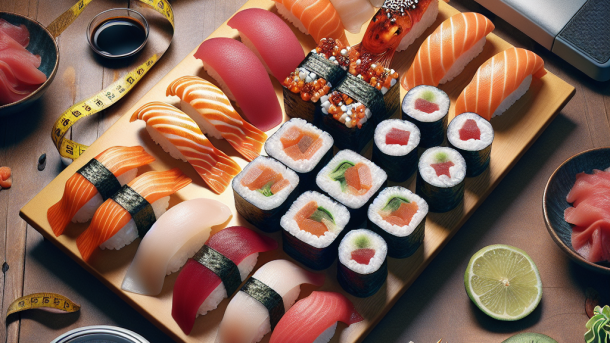
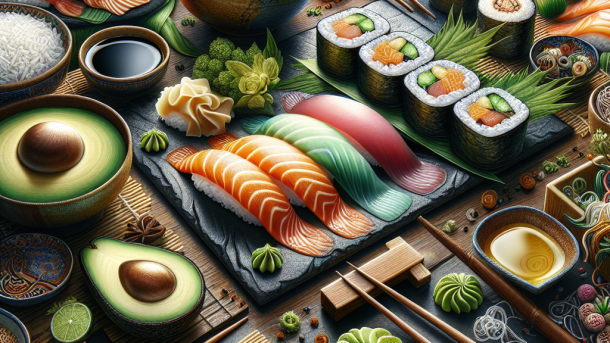
Sushi is like a symphony of flavors and nutrients, each ingredient playing its part in the orchestra of your meal. Primarily consisting of vinegared rice, raw fish, and vegetables wrapped in seaweed, sushi offers a variety of vitamins and minerals.
Macronutrients and Calories
At its core, sushi provides carbohydrates from rice, proteins from fish, and a sprinkle of fats from both the fish and any accompanying sauces. A typical sushi roll can range between 200 to 500 calories, depending on the ingredients and serving size. When considering calorie intake, it’s important to be mindful of portions—just as in any balanced diet.
Micronutrients Galore
Sushi isn’t just about macronutrients; it’s also a treasure trove of micronutrients. For instance, nori (seaweed) is rich in iodine and vitamin C. Fish provides omega-3 fatty acids, vital for heart health. But as with any story, there’s more beneath the surface.
Health Benefits of Eating Sushi
Let’s set sail on the sea of health benefits that sushi offers. Imagine your body as a ship navigating the turbulent waters of daily life. The right fuel keeps you moving forward smoothly.
A Heart-Friendly Choice
The omega-3 fatty acids found in sushi’s fish are like lighthouses guiding your heart through stormy seas. These essential fats are known to reduce inflammation and lower blood pressure, contributing to heart health.
A Source of Essential Nutrients
Sushi is a gem for those seeking an array of vitamins and minerals. Vitamin D in fish supports bone health, while antioxidants in vegetables combat free radicals. Eating sushi is akin to giving your body a well-rounded multivitamin.
Potential Health Risks
However, even the most beautiful roses have thorns. While sushi offers numerous benefits, it should be approached with awareness.
Mercury Levels Concerns
Certain types of fish used in sushi, such as tuna, may contain higher levels of mercury. It’s crucial to consume these fish in moderation to avoid potential health issues. Think of it as walking on a tightrope—balance is key.
Risk of Foodborne Illnesses
The freshness of sushi is its charm but also its vulnerability. If not prepared or stored correctly, sushi can harbor bacteria like Salmonella or parasites such as tapeworms. Trustworthy sources and proper handling are your anchors against these risks.
Tips for Enjoying Sushi Healthily
Just as a seasoned sailor knows how to navigate rough waters, here are some tips to savor sushi safely:
- Choose Wisely: Opt for rolls with a higher vegetable-to-rice ratio.
- Mind the Mercury: Limit consumption of high-mercury fish like tuna.
- Check Reputable Sources: Ensure your sushi is prepared by certified professionals.
- Watch Portions: Balance sushi with other nutritious foods throughout the day.
Key Takeaways
Sushi can be a delightful addition to a balanced diet if consumed with mindfulness. Its rich tapestry of nutrients offers health benefits, yet potential risks should not be overlooked. By choosing wisely and being informed, sushi can continue to be a cherished dining experience.
FAQs about Sushi and Health
Q: Is sushi safe to eat during pregnancy?
A: Pregnant women should avoid raw fish due to potential bacteria and parasites. However, cooked options like eel or tempura rolls are safer alternatives.
Q: How often can I eat sushi?
A: Moderation is key. Enjoying sushi once or twice a week is generally safe for most people.
Conclusion
In the grand buffet of life, sushi stands out as a flavorful choice that dances between indulgence and nutrition. It’s like a delicate haiku—simple yet profound when savored with intention. So next time you reach for those chopsticks, remember that understanding the balance between benefits and risks will ensure your culinary journey remains both delightful and healthy.
For more insights into making healthy food choices, you might find inspiration in resources offered by the NHS. Also, explore strategies for maintaining a balanced diet at BBC Good Food.