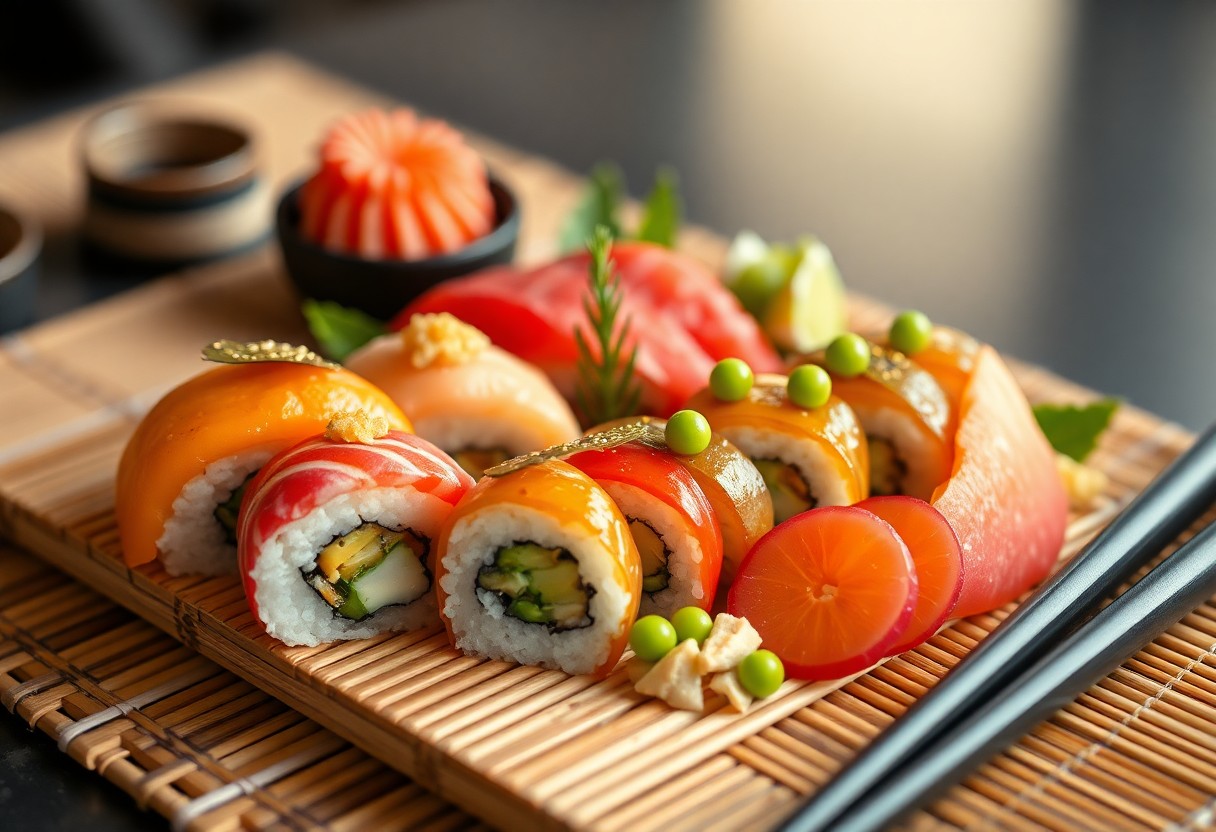
sushi

The Story of Edo-Style Sushi – A Historic Perspective

Most sushi enthusiasts recognize the delicious offerings of modern sushi bars, but you might not know that the roots of this culinary art form trace back to Edo, now known as Tokyo, during the 19th century. In this post, you will uncover the fascinating history of Edo-style sushi, exploring its origins and evolution through time. By understanding the cultural significance and techniques behind this traditional sushi, you can enrich your appreciation for each delicious bite you enjoy today.

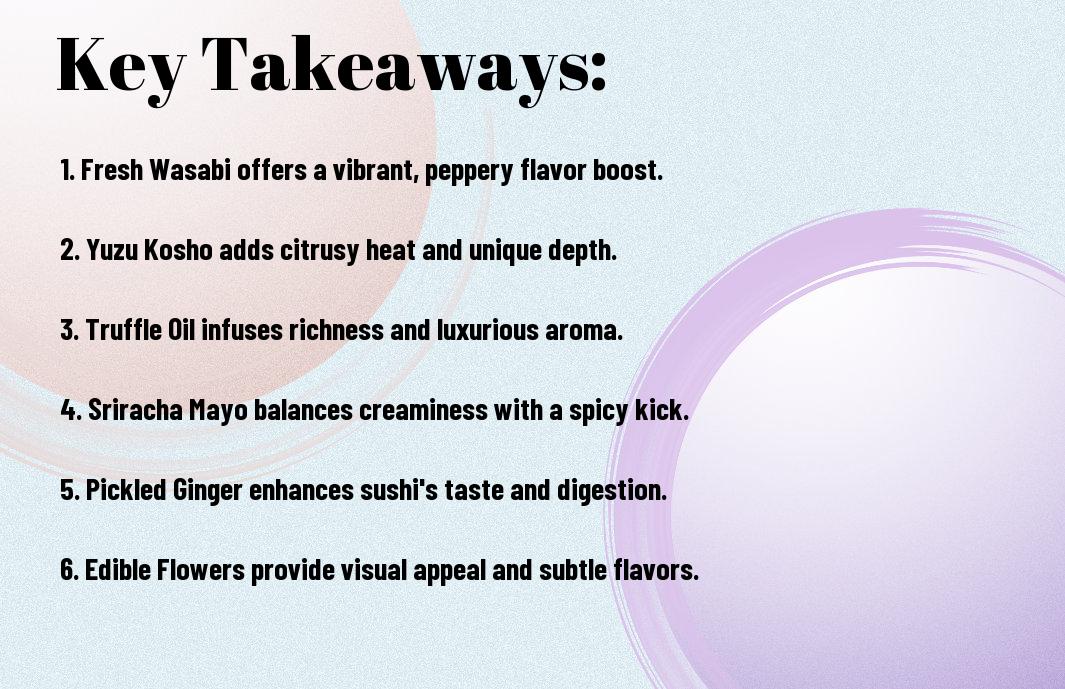
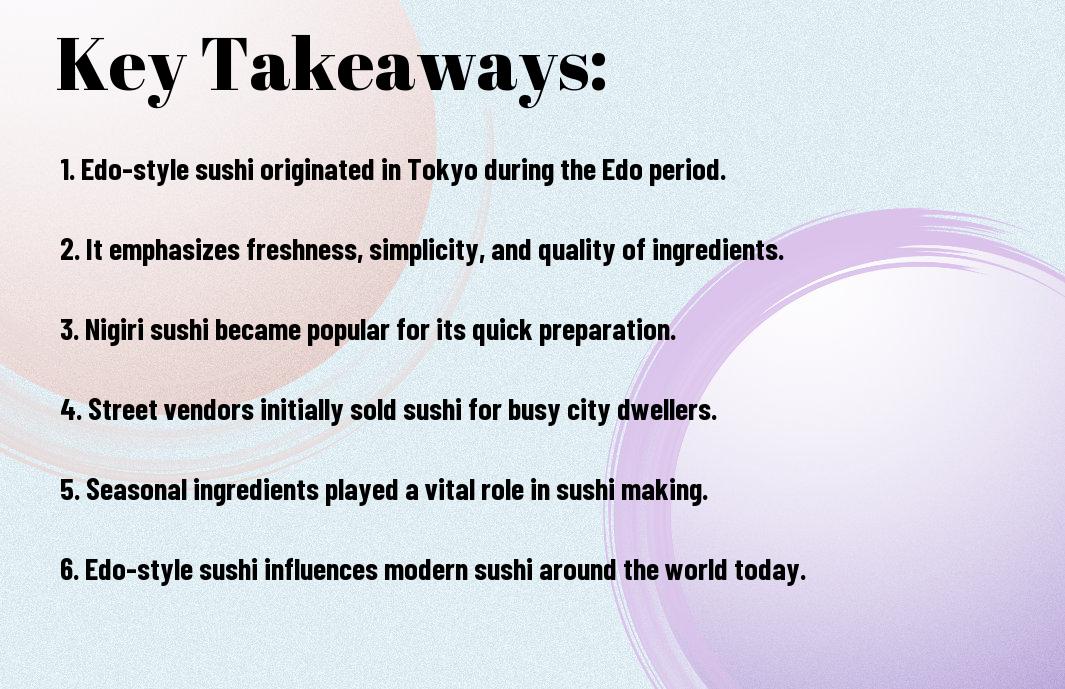
Key Takeaways:

  • Origins: Edo-style sushi, also known as nigiri-zushi, originated in Tokyo (formerly Edo) during the Edo period, reflecting both cultural and culinary evolution.
  • Technique: The preparation of Edo-style sushi emphasizes traditional methods, such as hand-formed rice balls topped with fresh seafood, showcasing the artistry and skill of sushi chefs.
  • Preservation: Historically, this type of sushi served as a means of preserving fish, utilizing fermentation methods that are deeply rooted in Japan’s culinary heritage.
Historical Origins of Edo-Style Sushi

Your journey into the world of Edo-style sushi begins in the bustling metropolis of Edo, now known as Tokyo. This culinary tradition emerged during the Edo period (1603-1868), when the growing city became a cultural melting pot. Local ingredients and innovative cooking techniques combined to create a unique style of sushi that reflected the vibrant life of its era. As you explore this history, you’ll discover how Edo’s urban environment fostered the evolution of sushi into a fast, flavorful street food, catering to the needs of its dynamic inhabitants.

The Birth of Sushi in Edo

To understand the birth of sushi in Edo, you need to explore into the historical context of the time. Edo was a thriving city where food vendors flourished, leading to the innovation of narezushi, a fermented rice dish, into what we recognize today as nigiri sushi. Street food culture began to rise, influencing chefs to prepare fresh fish topped with small morsels of vinegared rice for quick consumption. This practical adaptation played a significant role in shaping sushi as a staple of Edo’s culinary landscape.

Cultural Influences Shaping Edo-Style

Sushi in Edo was not created in isolation; it absorbed a variety of cultural influences that shaped its modern identity. Local ingredients, trade routes, and the preferences of Edo’s inhabitants contributed to sushi’s diverse flavors and presentation. As chefs experimented with different types of fish and cooking methods, political changes and international influences also played a role in this evolution. The result was a vibrant culinary landscape that celebrated both traditional techniques and innovative practices.

In addition to the ingredients and cooking methods, the cultural influences on Edo-style sushi include the interactions between different social classes and the blend of Japanese and foreign culinary traditions. The influx of Western and Chinese cooking techniques, alongside local practices, allowed for creative adaptations. The use of soy sauce, wasabi, and rice vinegar became more prevalent, refining sushi’s taste and appeal. You can see how this fusion created a unique dining experience that resonates with today’s sushi culture, marrying both tradition and modernity.

The Evolution of Sushi Techniques

Even as sushi has retained its traditional roots, the techniques used in its preparation have evolved significantly. Over the years, sushi-making has seen influences from various culinary practices, leading to innovative techniques that enhance not only the flavor but also the visual presentation. You may find that these advancements have allowed sushi chefs to express their creativity while respecting the age-old traditions that define Edo-style sushi.

Traditional Methods of Preparation

Along the way, the traditional methods of sushi preparation have played a vital role in preserving the essence of this exquisite dish. Originating from the Edo period, these methods honor the use of fresh fish, vinegared rice, and seasonal ingredients. You will appreciate how these time-honored techniques contribute to the sushi’s authentic taste and texture, bringing you closer to its historical roots.

Key Ingredients and Their Significance

By understanding the key ingredients in sushi, you gain deeper insight into its cultural relevance and flavors. Each component brings unique characteristics, reflecting the region and season in which it was prepared.

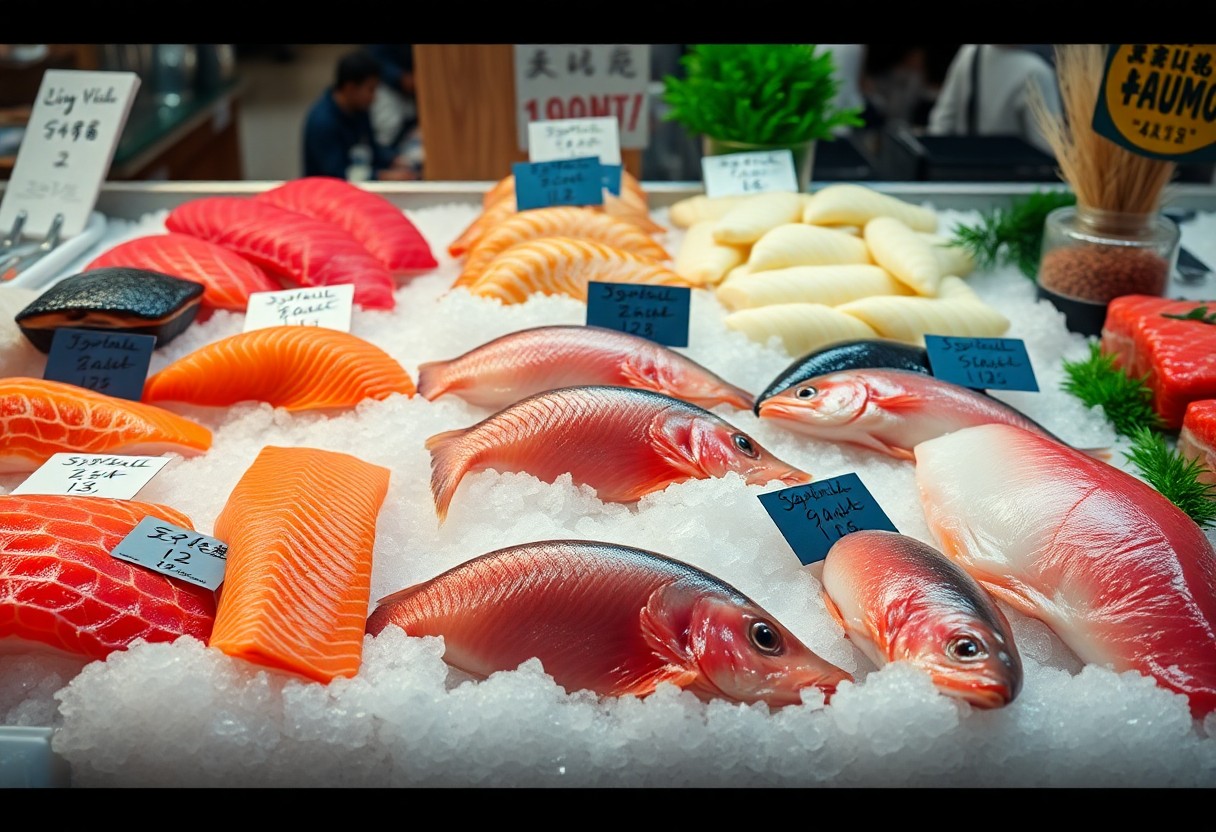
Ingredients play a significant role in the overall quality and taste of sushi. Fresh fish, for instance, is crucial for achieving the desired umami experience, while rice seasoned with vinegar provides a perfect balance. You will find that additional elements, such as nori and wasabi, are not merely accompaniments; they contribute to a harmonious blend of textures and flavors. The thoughtful selection of these ingredients not only enhances your sushi experience but also connects you to centuries of culinary tradition.

Social and Cultural Impact of Edo-Style Sushi

After its emergence in the Edo period, sushi evolved from a street food staple to a prestigious culinary art form. Its accessibility allowed people from various social classes to enjoy delicious bites of vinegar rice and fresh seafood. You see, Edo-style sushi transcended mere sustenance, fostering community interactions and social gatherings, thereby shaping the lively atmosphere of Tokyo’s food culture. This influence continues to resonate, as sushi remains a beloved dish that brings people together, reflecting both tradition and modern culinary artistry.

Sushi as a Daily Meal

Below the grandeur of sushi restaurants, sushi originally served as a convenient daily meal for the common folk of Edo. With its portable nature and quick preparation, it was ideal for those on the go. You may find that this aspect of sushi remains prevalent today, as many enjoy quick lunch options featuring sushi rolls and nigiri during hectic weekdays, showcasing its role as a beloved staple in everyday life.

Edo-Style Sushi in Modern Japanese Cuisine

EdoStyle sushi has seamlessly woven itself into the fabric of contemporary Japanese cuisine, evolving while staying true to its roots. You might notice how many modern sushi chefs pay homage to traditional techniques while incorporating innovative flavors and ingredients. This results in an exciting fusion that keeps the essence of Edo-style alive, ensuring every bite is a tribute to history, authenticity, and contemporary taste.

Sushi has become a global phenomenon, and its Edo-style variants remain a favorite among food enthusiasts worldwide. You can explore a range of sushi types, from classic nigiri to creative rolls, each dish reflecting both history and modern flavors. As sushi grows in popularity, many chefs aim to preserve traditional methods while embracing innovation, giving you the opportunity to experience the timeless essence of Edo-style sushi in a modern setting.

Iconic Edo-Style Sushi Types

Now, it’s time to explore some of the iconic types of Edo-style sushi that have captivated the taste buds of many. These types are characterized by their fresh ingredients and unique preparation methods:

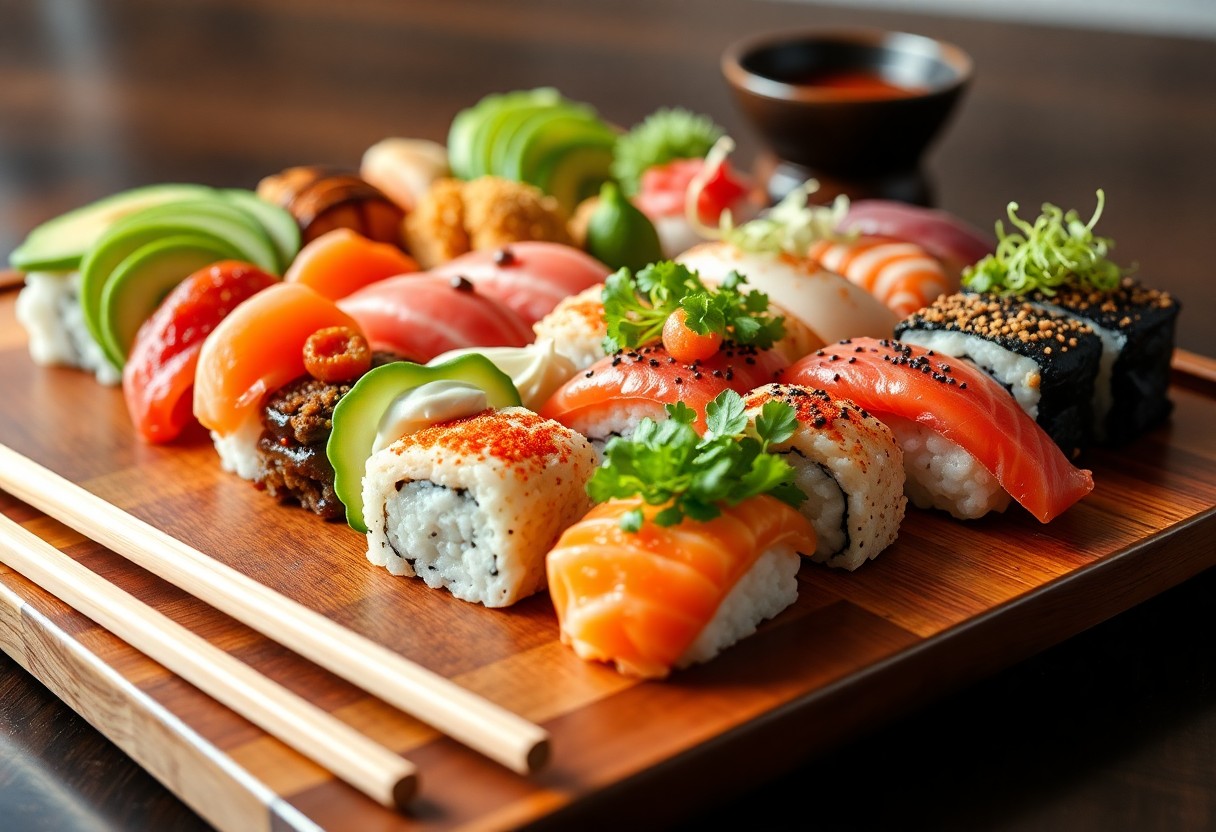
Nigiri Hand-formed rice topped with fresh seafood.
Makimono Rolled sushi with various fillings.
Sashimi Thinly sliced raw fish, served without rice.
Inari Sushi Rice wrapped in sweet, fried tofu pouches.
Chirashi Scattered sushi served in a bowl, often with vegetables and garnishes.

The Edomae Sushi: What It Is & Where To Try It – byFood offers additional insights into these delightful varieties. The experience of tasting each type is a journey through history and culinary culture.

Nigiri and Its Variations

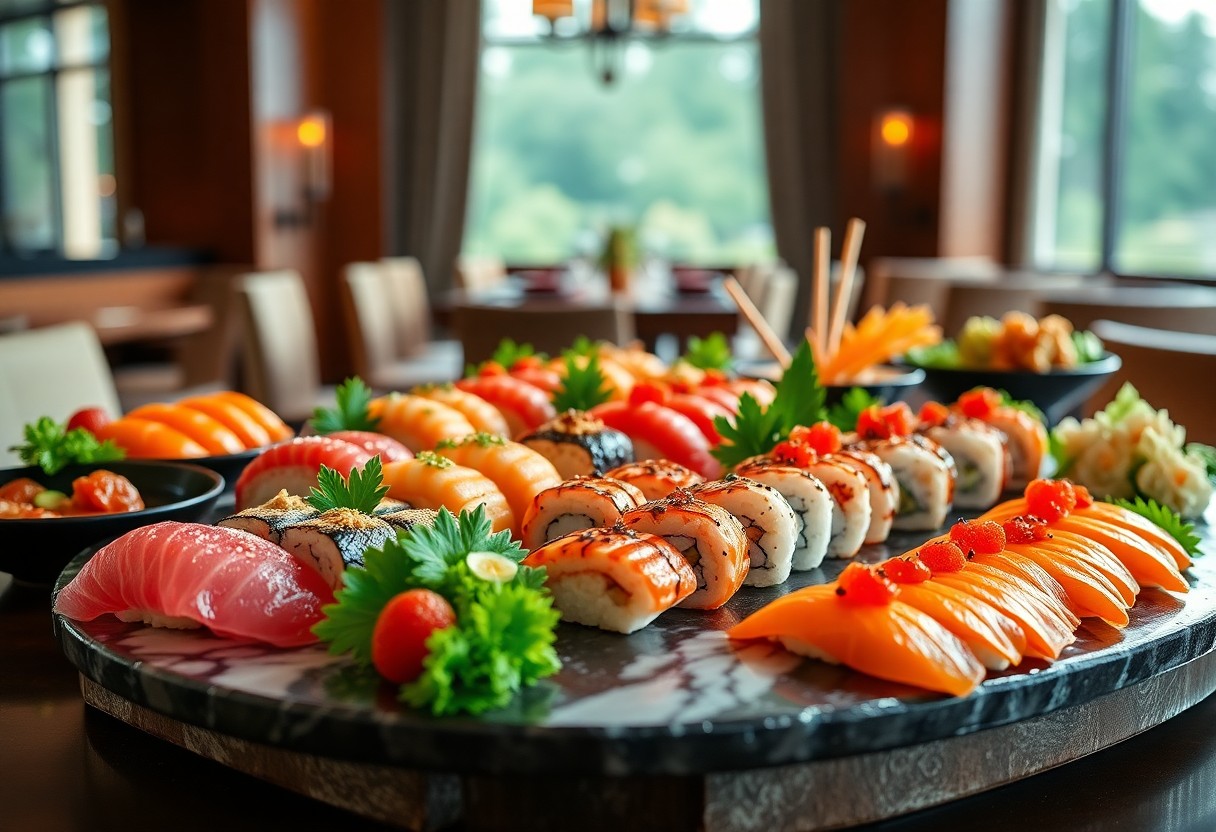
By indulging in nigiri, you savor a simple yet elegant sushi form. This classic sushi consists of a mound of vinegared rice topped with a slice of fresh fish or seafood. Variations range from simple toppings like salmon or tuna to more complex pairings, including seared fish or even delicacies like uni.

Makimono and Other Specialty Rolls

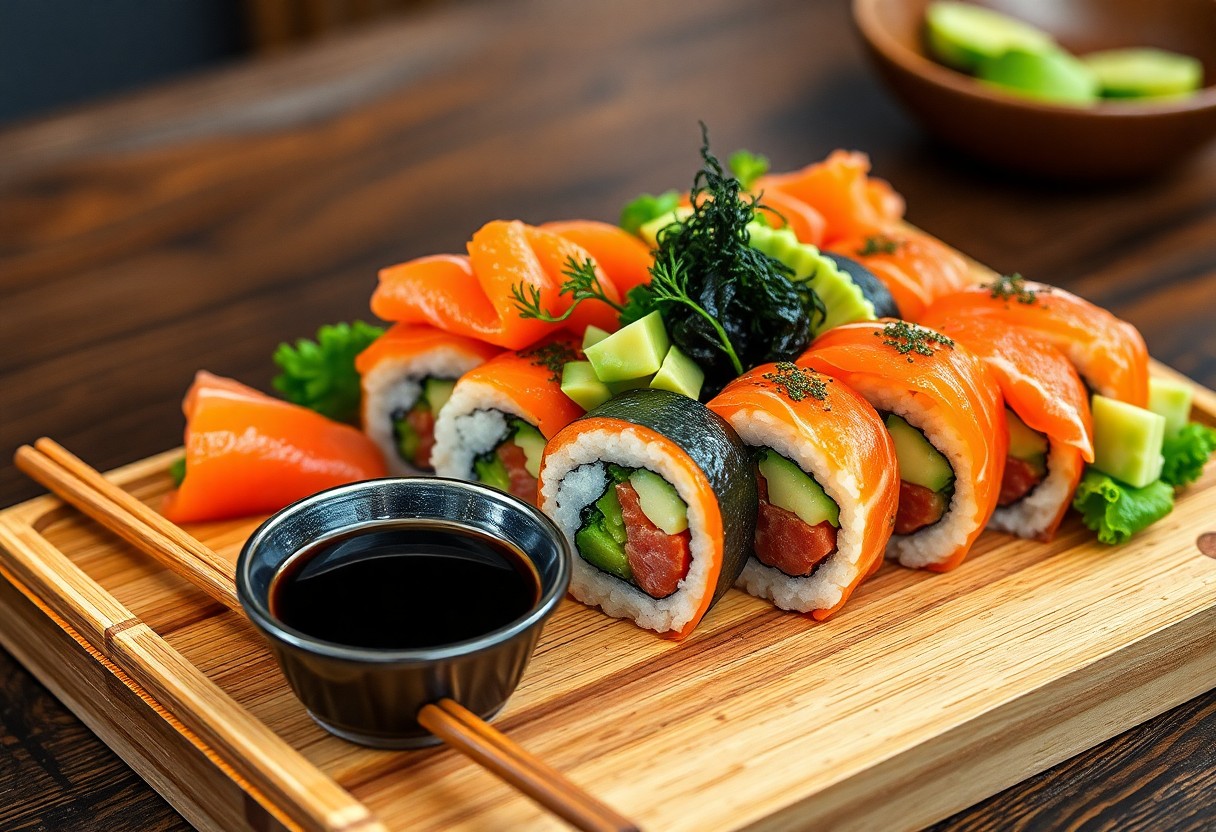
Behind the vibrant world of makimono lies a delightful assortment of rolls made with sushi rice and various fillings wrapped in nori. These specialty rolls can include ingredients like vegetables, fish, and even fruit, offering a perfect combination of textures and flavors.

Plus, makimono encompasses a broader culinary creativity, including fusion rolls that blend traditional Japanese ingredients with global influences. Each bite provides a unique burst of flavor, showcasing your favorite tastes and allowing for endless variety in your sushi experience.
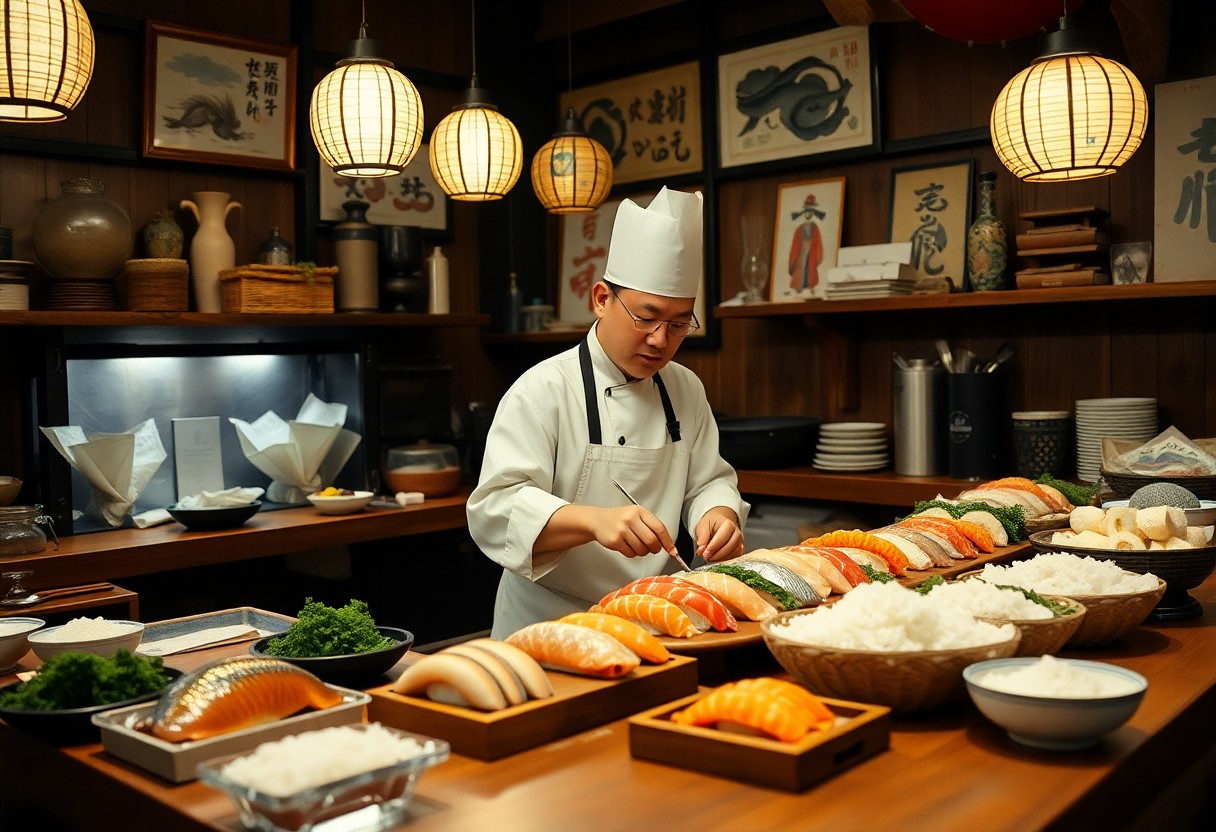
The Decline and Revival of Edo-Style Sushi

Despite its rich history and popularity, Edo-style sushi faced a decline in the mid-20th century due to changing tastes and culinary trends. As western influences grew in the culinary scene and fast food became more appealing, diners began to favor simpler and quicker dining options. This shift led to a significant reduction in the number of sushi restaurants that focused on the traditional methods and techniques of Edo-style sushi, risking the loss of an invaluable cultural heritage.

Historical Challenges Faced

For Edo-style sushi, the post-war period presented numerous challenges, including the scarcity of quality seafood and the rise of convenience foods. Additionally, the fast-paced lifestyle that emerged in urban Japan led many people to prioritize quick and easy meals over the time-honored, intricate dining experience that Edo-style sushi provided. As a result, many traditional sushi chefs struggled to keep the elaborate art form alive.

Contemporary Revival Efforts

Revival efforts for Edo-style sushi have gained momentum in recent years, driven by a renewed interest in traditional culinary practices. Sushi aficionados and chefs alike are increasingly recognizing the cultural significance of Edo-style sushi and are committed to preserving its authenticity. This new generation of sushi artists is blending traditional techniques with modern tastes, ensuring the art form remains relevant in today’s gastronomic landscape.

Also, many sushi schools and workshops have emerged, offering courses for aspiring chefs and home cooks alike to learn the intricate techniques of Edo-style sushi making. These programs focus on the dedication to craftsmanship and the rich history behind each dish. Furthermore, culinary festivals highlighting Edo-style sushi are becoming common, where you can taste authentic experiences crafted by experts who honor the traditions. This revival not only reintroduces these time-honored practices but also nurtures a deeper appreciation for the story and artistry behind Edo-style sushi.

Global Influence of Edo-Style Sushi

Unlike many culinary traditions that remain confined to their regions of origin, Edo-style sushi has transcended borders, becoming a beloved dish worldwide. Your experience of sushi today may involve variations infused with local ingredients and flavors, illustrating its adaptability and universal appeal. This evolution into a global phenomenon showcases not only the dish’s versatility but also the way food can bridge cultural gaps, inviting everyone to savor its unique taste.

Sushi’s Journey Beyond Japan

To truly appreciate the impact of Edo-style sushi, you must understand its transition from Japanese delicacy to a global staple. Over the past few decades, sushi has found its way into diverse culinary scenes, fusing with local cuisine and adapting to various tastes. As a result, you can enjoy sushi rolls crafted with an array of unexpected ingredients, reflecting the culinary creativity of chefs worldwide.

The Fusion of Traditional and Global Flavors

Behind this global explosion of sushi lies a fascinating blend of traditional techniques and innovative twists. You can witness chefs drawing inspiration from their cultural backgrounds while respecting the fundamentals of Edo-style sushi, resulting in new and exciting flavor combinations.

Due to the globalization of cuisine, Edo-style sushi now embraces an array of flavors, giving rise to numerous hybrids. Chefs utilize local produce, spices, and cooking methods to reinterpret traditional sushi. Whether it’s a spicy tuna roll topped with avocado or sushi burritos filled with unique ingredients, these modern variations reflect diverse culinary traditions. Your sushi experience can now be enhanced by embracing this fusion, allowing you to enjoy even more creative and tantalizing meals while still appreciating the foundational roots of Edo-style sushi.

Conclusion

The story of Edo-style sushi offers you a fascinating glimpse into Japan’s culinary history, showcasing how this traditional food evolved from a simple preservation method into a renowned art form. By understanding the origins and cultural significance of Edo-style sushi, you gain a deeper appreciation for its flavors and techniques. As you explore this rich heritage, you enhance your experience, whether you’re enjoying sushi at a restaurant or trying your hand at making it at home.

Q: What is Edo-style sushi and how does it differ from other types of sushi?

A: Edo-style sushi, also known as Edomae-zushi, originated in Tokyo during the Edo period (1603-1868). This sushi style primarily features sushi rice that is combined with various ingredients which are usually pre-treated or marinated, such as fish and vegetables. Unlike modern sushi, which often emphasizes freshness and simplicity, Edo-style sushi showcases complex flavors achieved through techniques like curing and grilling. This historical approach was influenced by the limitations of preserving fish before refrigeration became available, making it a distinctive culinary art in its time.

Q: Why was Edo-style sushi considered a fast food option in its era?

A: During the Edo period, the bustling city of Edo (modern-day Tokyo) had a thriving street food culture. Sushi vendors would prepare Edo-style sushi quickly and efficiently, allowing it to be easily consumed on-the-go. The compact nature of sushi made it an ideal fast food item for the busy populace, whether they were merchants, workers, or travelers. This speedy preparation and consumption helped cement sushi’s place in daily life, contrasting with traditional multi-course dining experiences prevalent in Japanese culture, making it both practical and popular.

Q: What are some traditional ingredients used in Edo-style sushi, and why are they significant?

A: Traditional Edo-style sushi often includes ingredients such as marinated fish, seafood, and seasonal vegetables. Common choices include eel (unagi), mackerel (saba), and shrimp (ebi). The significance of these ingredients lies in their historical availability and the localized practices of preservation from the Edo period. For example, mackerel was commonly pickled in vinegar, which not only enhanced flavor but also allowed for longer storage times. These preparations reflect the ingenuity of sushi chefs in adapting to their environment while developing the flavor profile that sets Edo-style sushi apart from other forms of sushi.
Sushi and Samurai – The Connection You Didn’t Know About

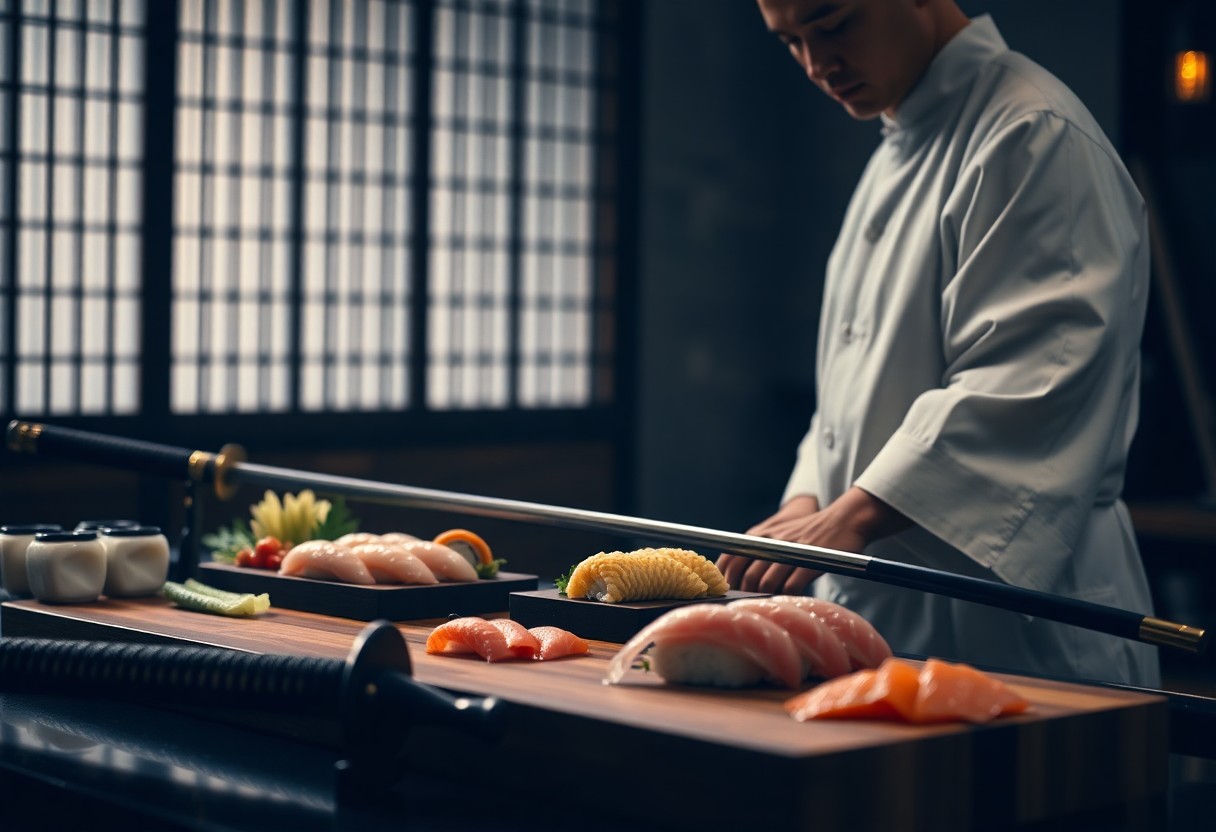
Samurai culture has long been a symbol of honor and discipline in Japan, but it also has deep-seated connections to the culinary delight known as sushi. As you research into the history of the samurai, you’ll uncover how their values and lifestyle influenced the art of sushi making. This post will explore the intriguing link between these two iconic elements of Japanese heritage, revealing how the samurai’s principles shaped the evolution of sushi and its role in society. Prepare to be surprised by what you learn about this fascinating relationship!

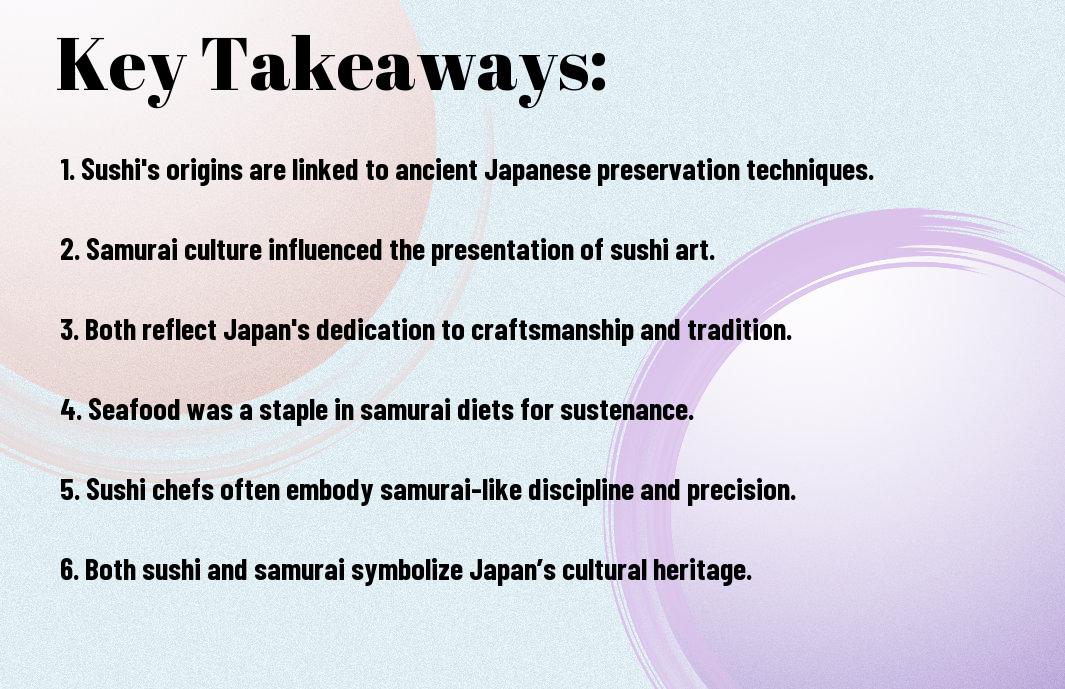
Key Takeaways:

  • Historical Roots: The origins of sushi can be traced back to ancient preservation methods, which share a cultural significance with samurai traditions in Japan.
  • Culinary Artistry: Both sushi-making and samurai swordsmanship emphasize skill, precision, and aesthetics, highlighting the dedication to craft in Japanese culture.
  • Philosophical Connection: The principles of balance and harmony found in both sushi and samurai ethics reflect a deeper connection to nature and mindfulness in Japanese society.

The Historical Roots of Sushi

While it may seem like a modern culinary trend, sushi has deep historical roots that intertwine with Japan’s cultural evolution. The preparation and consumption of sushi reflect the changing landscape of Japanese society, from ancient fishing practices to the sophisticated dining experience you know today. Understanding these historical developments can enhance your appreciation for this beloved cuisine.

Origins of Sushi in Ancient Japan

Beside the well-known forms of sushi you enjoy today, its origins trace back to ancient Japan when fish was preserved in fermented rice. This method allowed early inhabitants to store food effectively and introduced a unique combination of flavors that laid the foundation for future sushi evolution.

The Evolution of Sushi Techniques

On your culinary journey through sushi, you will notice the remarkable evolution of techniques used to prepare and present this dish. As Japan transitioned from fishing economy to urban sophistication, sushi styles evolved, incorporating new ingredients and methods that reflect the culture and tastes of different eras.

Hence, as you explore the evolution of sushi techniques, you will uncover innovations that led to various sushi types, from nigiri to maki. Each technique showcases a blend of artistry and skill, often passed down through generations, emphasizing the connection between the chef and their craft. Understanding these methods enriches your experience and appreciation for sushi, revealing the thought and tradition behind each creation you savor.

The Samurai: Warriors of Japan

Even today, the image of the samurai evokes a sense of honor and discipline. These noble warriors played a pivotal role in shaping Japan’s history and culture. Emerging during the Heian period, the samurai were not only skilled fighters but also adherents of bushido, the way of the warrior, which emphasized loyalty, courage, and respect. Their legacy continues to influence modern Japanese society, reflecting values that transcend time.

The Role of Samurai in Feudal Japan

Role of the samurai evolved significantly during Japan’s feudal period, where they served as both military leaders and political advisors to the ruling aristocracy. As protectors of their lords’ domains, they engaged in battles and enforced law and order in their territories. This dual role established them as central figures in the feudal system, exerting considerable influence over both the sword and the governance of Japan.

Cultural Significance of the Samurai

With the samurai embodying values that define Japanese culture, their impact goes beyond the battlefield. They are celebrated for their contributions to art, literature, and philosophy, fostering a unique cultural identity. This prominent status in history has led to the samurai becoming symbols of discipline and commitment, admired both within Japan and globally.

The samurai’s cultural significance is deeply rooted in their contributions to the aesthetics and traditions of Japan. They were not merely warriors but also patrons of the arts, influencing everything from poetry to tea ceremonies. This blending of martial prowess and artistic expression created a rich cultural tapestry that resonates even today. As you explore their legacy, you uncover a profound respect for nature, hierarchy, and the importance of inner strength, all of which shape Japan’s identity and values.

The Intersection of Samurai and Sushi

Not many realize that the legendary samurai and the delectable sushi share a rich historical connection. As the samurai upheld values of discipline and honor, their diets were equally reflective of their lifestyle. Sushi, which was once a practical way to preserve fish, evolved into a culinary art over the centuries, highlighting the importance of food in Japanese tradition. For an in-depth look, check out How The Desperate Norwegian Salmon Industry Created A ….

Sushi as a Nutritional Staple for Samurai

Above all, samurai needed a diet that provided energy and strength for their demanding lifestyles. Sushi, rich in protein and crucial nutrients, became a dietary mainstay that fueled their rigorous training and battles. The incorporation of rice paired with fish ensured balanced nutrition, helping to sustain their physical prowess and mental acuity.

Sushi’s Influence on Samurai Rituals and Traditions

Along with being a nourishing food source, sushi also played a role in various samurai rituals and traditions. The aesthetics of sushi, from its presentation to the precision in preparation, mirrored the samurai’s adherence to the principles of Zen and mindfulness. Meals were often seen as a ceremonial experience, signifying respect for resources and the blending of flavors that embodied harmony.

Plus, sushi’s role in ritual ceremonies allowed samurai to demonstrate their social stature and culinary knowledge. Engaging in sushi during important events like tea ceremonies or feasts reinforced community bonds and alliances among the samurai class. You can see how these culinary traditions have been preserved and celebrated, giving you insight into the lifestyle that shaped Japan’s history.

Regional Varieties of Sushi in Samurai Cuisine

After centuries of evolution, sushi has developed regional varieties that reflect the unique resources and culinary traditions of Japan’s diverse regions. Samurai cuisine embraced these varieties, utilizing local ingredients and techniques to create distinct sushi styles. As you explore the different types of sushi, you will discover how geography played a key role in shaping the flavors and presentations that define this beloved dish. Each region’s interpretation contributes to the rich tapestry of Japanese culinary heritage, allowing you to appreciate sushi beyond its surface appeal.

Edo Period Sushi Styles

For many, the Edo period represents the zenith of sushi craftsmanship, introducing styles such as nigiri and maki that are still cherished today. During this time, sushi became a popular street food in Tokyo, reflecting the dynamic culture of the era. As you examine into Edo period sushi, you’ll find that the techniques and presentations used were as much about artistry as they were about flavor, showcasing the evolving relationship between food and society in samurai culture.

The Impact of Geography on Sushi Preparation

Sushi preparation has been significantly influenced by geography, with different regions utilizing local fish, vegetables, and techniques.

In fact, local topography and climate dictate not just the ingredients available, but also how sushi is prepared and enjoyed. For instance, coastal regions often rely on fresh seafood, leading to exquisite nigiri styles, while inland areas may incorporate more preserved or pickled components, resulting in unique rolls. As you explore these regional differences, you will gain insights into how geography has shaped not just sushi, but the broader culinary landscape throughout Japanese history. Understanding these influences enhances your appreciation of sushi as a reflection of local culture and resources.

The Legacy of Samurai in Modern Sushi Culture

Despite the passage of centuries, the influence of the samurai continues to echo in Japanese cuisine, particularly in the art of sushi. Their dedication to mastery, discipline, and respect for the ingredients has shaped how sushi is prepared and served today. This legacy is visible in the meticulous techniques employed by chefs and the profound connection they maintain with tradition, ensuring that each piece of sushi is not just food, but a tribute to the values upheld by the samurai.

Enduring Influences on Sushi Restaurants

The modern sushi restaurant scene is heavily influenced by samurai principles, where respect for tradition manifests in the presentation and preparation of dishes. Many sushi chefs undergo years of training, much like samurai warriors, to perfect their skills. This dedication not only enhances the quality of sushi but also enriches your dining experience, as you witness the artistry behind every plate.

The Samurai Spirit in Sushi Artistry

Before you indulge in your next sushi meal, consider the profound spirit of the samurai that infuses sushi artistry. This historical connection goes beyond mere presentation; it represents a philosophy of precision, respect, and aesthetic beauty deeply rooted in Japanese culture.

Samurai values extend into the practice of sushi-making, emphasizing attention to detail and commitment to excellence. Each cut of fish and arrangement of ingredients are performed with intentional focus, embodying a mindset that seeks harmony in flavor and visual appeal. When you savor sushi, you are not just enjoying a meal—you are participating in a rich cultural legacy that celebrates craftsmanship and respect for the craft, binding the ancient ways of the samurai with contemporary culinary artistry.

Final Words

Presently, you may find yourself enlightened by the fascinating connection between sushi and samurai culture. Understanding this relationship enriches your appreciation for both culinary and historical aspects of Japan. You gain insight into how sushi was not just sustenance but also a powerful symbol of the samurai’s values—discipline, precision, and artistry. As you enjoy a plate of sushi, you can now savor its deeper significance, intertwined with the legacy of the warriors who once dominated the land. This connection enhances your experience and elevates your culinary knowledge.

FAQ

Q: What is the historical connection between sushi and samurai culture?

A: The connection between sushi and samurai culture dates back to the Edo period in Japan (1603-1868), where samurai were known for their strict codes of conduct and discipline. Sushi, originally a way to preserve fish using fermented rice, eventually evolved into the nigiri style we know today, becoming a popular meal among the samurai. These warriors valued quick, portable meals that could fuel them during long battles or travels, making sushi an ideal choice. The blend of artistry and technique in preparing sushi also mirrored the values of the samurai, who practiced their craft with precision and skill.

Q: How did the preparation of sushi influence samurai training and lifestyle?

A: The preparation of sushi required immense focus, discipline, and skill, qualities that were also necessary in samurai training. Techniques such as slicing fish with precision and balancing flavors were akin to the meticulous practice of swordsmanship. This mutual appreciation for craftsmanship elevated sushi-making in samurai society, often performed with a spiritual and ritualistic approach. Additionally, the communal aspect of sharing sushi meals fostered camaraderie, reflecting the bonds of loyalty and friendship highly valued among samurai warriors.

Q: Are there any modern representations of the sushi and samurai connection in popular culture?

A: Yes, modern representations of the sushi and samurai connection can be seen in various forms of media, including movies, anime, and literature. Films that explore samurai themes often showcase sushi as a part of their daily lives, highlighting its significance in Japanese culture. Additionally, anime series may feature characters who embody samurai values while engaging in the art of sushi-making, thereby illustrating the intertwined legacies of these two fascinating elements of Japanese heritage. These representations continue to inspire a greater appreciation for the historical ties between sushi and samurai in contemporary culture.

The Art of Sushi Presentation in Japanese Culture

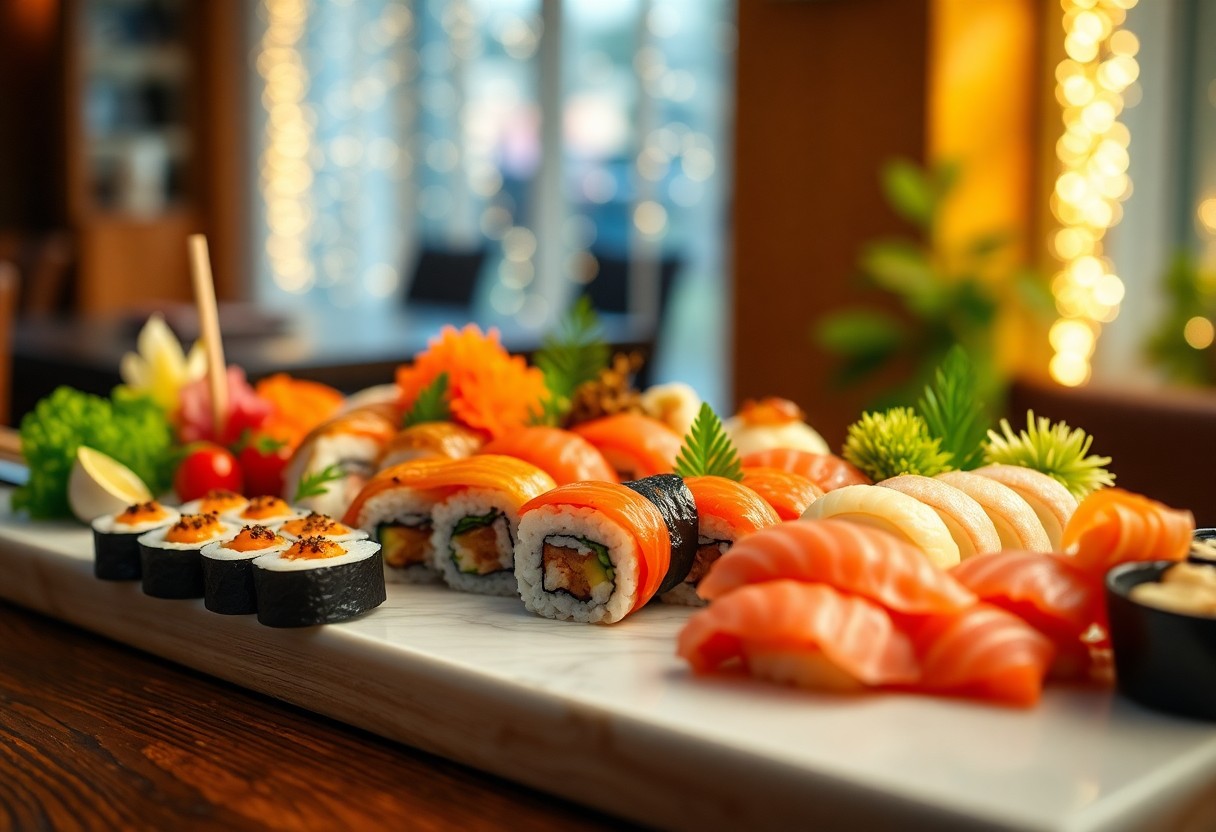
Culture is an intricate tapestry woven from traditions, artistry, and aesthetics, and sushi presentation is a perfect illustration of this in Japanese society. You will discover how the visual appeal of sushi enhances the dining experience, reflecting the seasonality and quality of the ingredients used. From the careful arrangement of colors to the choice of serving dishes, every detail is meticulously considered to create a feast for the eyes as well as the palate. Understanding the art of sushi presentation enriches your appreciation for this time-honored culinary practice.

Key Takeaways:

  • Aesthetics: The visual appeal of sushi plays a vital role in Japanese dining culture. The arrangement and colors of the ingredients are carefully chosen to create harmony.
  • Seasonality: Presentation reflects the seasons, showcasing ingredients that are fresh and relevant to the current time of year, enhancing the overall dining experience.
  • Minimalism: The art of sushi presentation embraces simplicity, often highlighting the natural beauty and quality of the ingredients without excessive embellishments.

Historical Significance of Sushi Presentation

As you explore the historical roots of sushi presentation, you’ll discover its profound significance in Japanese culture. Sushi has evolved from a practical method of preserving fish to an art form that emphasizes aesthetics and harmony. This evolution highlights not only the culinary skills of chefs but also the deep respect for nature and seasonal ingredients that defines Japanese cuisine.

Evolution of Sushi in Japanese Cuisine

About the evolution of sushi, you will find that it traces back centuries, transforming from a simple preservation technique into a sophisticated dining experience. The introduction of ingredients, techniques, and presentation styles has continuously refined sushi, enhancing your appreciation for its intricate flavors and visual appeal.

Cultural Context and Rituals

Cuisine plays a vital role in Japanese society, where food transcends mere sustenance to become an expression of culture and art. The rituals surrounding sushi consumption, such as the meticulous preparation and presentation, reflect your values of respect, harmony, and seasonal awareness. Each element, from the color of the fish to the arrangement on the plate, narrates a story, inviting you to engage deeply with the culinary experience.

Presentation is not just about visual appeal; it intertwines with rituals that celebrate life’s moments. Engaging in the art of sushi presentation allows you to connect with the seasons, appreciate craftsmanship, and honor the ingredients. Consider the balance of textures, colors, and shapes, as each element plays a role in conveying the rich cultural significance embedded within Japanese cuisine.

Aesthetics of Sushi Presentation

Some may view sushi as merely a delightful culinary experience, but its presentation plays a vital role in Japanese culture. The aesthetics of sushi, characterized by simplicity and elegance, elevates the dining experience to an art form. Each element is thoughtfully placed to create balance and harmony, reflecting the seasons and highlighting the natural beauty of the ingredients. Engaging your senses with every detail, the meticulous attention to presentation conveys respect for the ingredients and celebrates the artistry involved in sushi-making.

Color Harmony and Balance

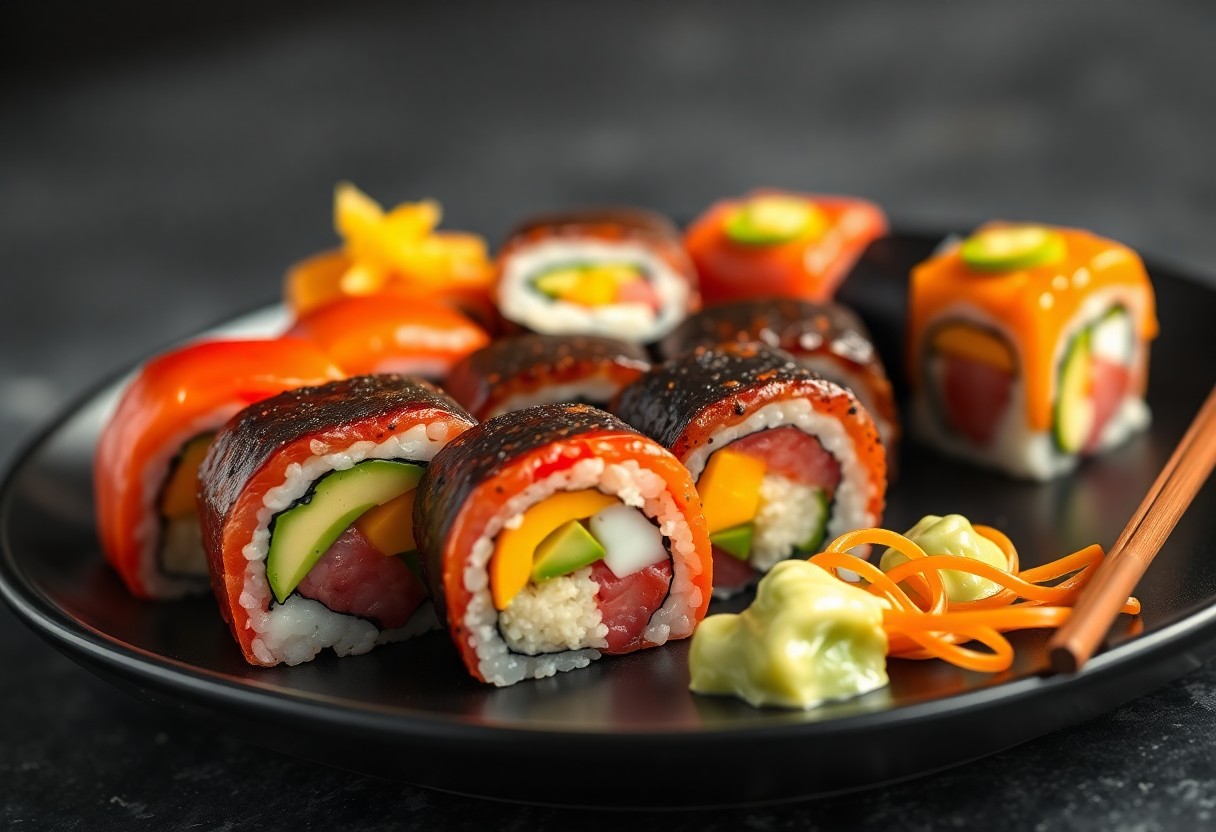
Any sushi chef or enthusiast knows that color harmony and balance are imperative in presentation. By using a variety of ingredients, you can create visually striking arrangements that please the eye. Vibrant toppings like bright green wasabi, deep red tuna, and golden egg yolks create a delightful contrast, ensuring that each piece stands out while maintaining a cohesive overall appearance that reflects the beauty of nature.

Use of Plateware and Garnishes

With careful selection of plateware and garnishes, your sushi presentation can be taken to new heights. The right dish enhances the visual appeal of your sushi, complementing the colors and shapes of the rolls. Natural elements, such as leaves or flowers, offer freshness and life to the plate, while decorative vessels elevate the dining experience. This attention to detail demonstrates your appreciation for the culinary craft and invites your guests to savor each bite fully.

Garnishes play an imperative role in enhancing your sushi’s presentation. Incorporating elements like shiso leaves, edible flowers, or thinly sliced radishes not only adds visual interest but also introduces contrasting flavors. Thoughtfully placed, these garnishes can punctuate the dish’s overall composition, creating a stunning display that draws your guests in. By choosing garnishes that align with the colors and textures of your sushi, you invite a deeper appreciation for both the art and the experience of dining.

Techniques for Artistic Sushi Making

Despite the simplicity of sushi’s ingredients, mastering artistic sushi making requires a blend of precision and creativity. Techniques such as rice preparation, fish selection, and the art of rolling all play important roles in achieving a visually pleasing dish. You’ll find that the balance of colors, textures, and shapes can transform a simple meal into a vibrant work of edible art.

Knife Skills and Sushi Preparation

On your journey to becoming a sushi artist, developing exceptional knife skills is fundamental. A sharp knife allows you to make clean cuts, ensuring that each slice of fish retains its integrity. You should practice different cuts, such as sashimi and nigiri, as precision in slicing enhances the overall presentation.

Plating Techniques for Visual Appeal

Around your sushi creations lies the magic of plating, where you can elevate your dish to an inviting visual experience. Strategic arrangement of sushi pieces, garnishments, and the choice of serving ware all contribute to the dining aesthetics. You may want to experiment with various layouts to discover the most appealing presentation for your sushi.

Considering the role of color and contrast is vital in enhancing visual appeal when plating sushi. Aim for a palette that captivates the eye, using garnishes like vibrant green herbs or colorful edible flowers to add a pop of color. You should also mind the negative space on the plate, allowing each piece of sushi to stand out while maintaining balance. Additionally, opting for unique, textured serving dishes can further entice your guests, turning each sushi serving into a delightful and memorable experience.

Regional Variations in Sushi Presentation

Once again, sushi presentation is deeply influenced by regional differences across Japan. Each area has its own unique approach, reflecting local traditions and aesthetics. From the vibrant colors of Osaka’s nigiri to the minimalist elegance found in Tokyo’s sushi houses, the way sushi is presented can vary significantly. You will discover that the essence of Japanese culture is intricately woven into these presentations, showcasing the diversity of flavors and artistry across the nation.

Differences Across Japan’s Culinary Regions

Along Japan’s vast culinary landscape, you will find distinct differences in how sushi is presented. For instance, in the Kansai region, sushi might emphasize a more rustic charm, while the Kanto region focuses on sleek, modern designs. By exploring these regional styles, you can appreciate how geography and climate influence not only flavors but also the visual appeal of this beloved dish.

Influence of Local Ingredients

Any sushi lover knows that the freshest ingredients are at the heart of exceptional sushi. Local ingredients play a significant role in influencing not just flavor, but also presentation. Regions rich in specific seafood or produce tend to showcase those elements prominently, resulting in unique presentations tailored to highlight their most prized offerings.

Sushi benefits immensely from the availability of fresh, local ingredients, which enhances both flavor and visual appeal. For instance, if you visit Hokkaido, you might encounter beautifully arranged sushi featuring snow crab or scallops, reflecting the region’s coastal bounty. In contrast, the use of locally grown vegetables may dominate sushi in the interior regions, demonstrating how varied and responsive sushi presentation is to its environment. You can truly appreciate the artistry when local ingredients shine in such a delicate form.

The Role of Seasonal Ingredients

After exploring the intricate world of sushi, you will begin to appreciate how seasonal ingredients play a vital role in its presentation. In Japanese culture, sushi is not just about taste but also about the visual appeal that reflects the changing seasons. By emphasizing seasonal ingredients, sushi chefs create dishes that resonate with nature’s rhythm, allowing you to savor the essence of each moment.

Importance of Freshness and Seasonality

About the significance of freshness in sushi, it cannot be overstated. The use of in-season ingredients ensures that your sushi not only tastes the best but also embodies the essence of the time. When you choose seasonal products, you’re partaking in an age-old tradition that honors the nuances of flavor and the artistry of presentation.

Seasonal Themes in Presentation

Beside the immediate taste, the seasonal themes in presentation elevate your sushi experience. Each season brings its own aesthetic, which you can enjoy from the vibrant colors of spring blossoms to the earthy tones of autumn harvests. A sushi plate, when decorated with seasonal elements, invites you to engage with the beauty of nature, enhancing your overall dining experience.

But the connection between seasonal themes and sushi goes deeper than aesthetics. Each ingredient in your sushi tells a story rooted in its season, reflecting local harvests and cultural traditions. This thoughtful approach extends to garnishes and serving dishes, as sushi chefs aim to create harmony and balance. When dining on sushi that embodies seasonal themes, you’re invited not just to enjoy a meal but to appreciate the artistry and meaningful connections behind every bite.

Modern Trends in Sushi Presentation

Keep an eye on the evolving trends in sushi presentation that reflect contemporary aesthetics while honoring tradition. With growing interest in culinary artistry, you can explore techniques such as Moritsuke: The Japanese Art of Food Plating, which emphasizes the careful arrangement of ingredients. Modern sushi chefs are embracing minimalism and vibrant colors to create visually stunning plates that entice diners before they even take a bite.

Fusion Elements and Innovative Approaches

For culinary enthusiasts like you, the integration of global flavors into sushi brings exciting innovations. Chefs are experimenting with fusion elements, combining traditional Japanese techniques with international cuisines—think sushi burritos or tempura tacos. This blending not only elevates the culinary experience but also inspires you to try creating inventive sushi at home.

Social Media Influence on Sushi Artistry

Influence from social media platforms has transformed the way chefs present sushi. You can see how stunning visuals shared online motivate sushi artists to push creative boundaries. This trend encourages you to explore unique plating styles and vibrant colors, making every dish not just a meal, but a captivating experience worth sharing.

Elements of social media play a significant role in shaping modern sushi artistry. With platforms like Instagram and TikTok, consumers contribute to the influence on presentation styles by sharing their food experiences. You will find that this has led to a surge in creativity, where chefs focus on eye-catching designs to attract not just taste but also attention online. The outcome? A sushi experience that is as much about visual appeal as it is about flavor, making it an exciting culinary adventure.

Conclusion

Considering all points, you can appreciate that the art of sushi presentation goes beyond mere aesthetics; it embodies Japanese culture’s deep respect for nature and tradition. Your understanding of the intricate balance of colors, shapes, and textures will enhance your sushi experience, making each bite not just a meal but a reflection of artistry. By embracing these elements, you elevate your culinary journey and gain insight into the philosophy that shapes this beloved cuisine.

FAQ

Q: Why is presentation important in sushi in Japanese culture?

A: In Japanese culture, aesthetics play a significant role in food presentation, and sushi is no exception. The visual appeal of sushi enhances the dining experience by engaging the senses before the first bite is taken. Each sushi piece is often meticulously arranged to showcase the colors, textures, and shapes of the ingredients, reflecting the harmony and balance that is central to Japanese art. Moreover, a well-presented sushi platter not only highlights the chef’s skills but also demonstrates respect for the ingredients used, making the meal not just about taste, but also an artistic expression.

Q: What elements are considered in the presentation of sushi?

A: In terms of sushi presentation, several key elements are taken into account. First, the choice of plate or serving dish is important, as it should complement the sushi itself. Traditional Japanese dishes like lacquerware or ceramic plates are often preferred for their elegance. Additionally, color contrast is vital; chefs carefully select ingredients that differ in hue to create an attractive visual palette. The arrangement is also vital, as it follows principles of balance and symmetry, often reflecting natural forms. Finally, garnishes or accompaniments like wasabi and pickled ginger are arranged thoughtfully to enhance the overall presentation.

Q: How does seasonality influence sushi presentation in Japan?

A: Seasonality has a profound effect on sushi presentation in Japan. Chefs often incorporate seasonal ingredients, not only for flavor but also for aesthetic appeal. For instance, during spring, sushi may feature vibrant toppings like cherry blossom petals or green bamboo shoots. In autumn, chefs might include deep orange pumpkin or rich, colorful fall veggies. This seasonal influence extends beyond the food to the overall presentation, including dishes, garnishes, and decoration, reflecting the changing beauty of nature throughout the year. Ultimately, this practice conveys a deep appreciation for the Earth’s cycles and enhances the dining experience by connecting it to the present moment.

20-Minute Sushi Rolls for Busy Weeknights

It’s completely possible to enjoy homemade sushi even on your busiest weeknights. With just 20 minutes of your time, you can create delicious sushi rolls that cater to your taste preferences and dietary needs. This guide offers you quick and easy recipes, along with vital tips for rolling and serving, ensuring that you can whip up impressive sushi meals without the stress. Say goodbye to takeout and hello to fresh, customizable sushi right from your kitchen!

Key Takeaways:

  • Quick Preparation: These sushi rolls can be made in just 20 minutes, making them perfect for busy weeknights.
  • Simple Ingredients: With easily accessible ingredients, you can create delicious and fresh sushi at home without much hassle.
  • Customization: The rolls can be tailored to suit your personal tastes or dietary needs, offering a variety of flavors and fillings.

Essential Ingredients for Sushi Rolls

Your sushi rolls will only be as good as the ingredients you select. When you keep a few vital items on hand, you can whip up delicious sushi in no time. Here’s a quick overview of what you’ll need to get started:

Ingredient Purpose
Sushi Rice The base for sushi rolls, offering the right texture and flavor.
Nori The seaweed wrap that holds everything together.
Rice Vinegar Provides tanginess and helps season the rice.
Fillings Adds flavor and variety to your rolls.
Sauces Enhance flavor and add a finishing touch.

Types of Sushi Rice

Your choice of sushi rice can greatly affect the overall taste and texture of your rolls. Look for short-grain rice specifically labeled as sushi rice, which becomes sticky when cooked, perfect for holding together the roll. Other options like medium-grain varieties can also work if you can’t find sushi rice, just ensure they have a similar glutinous texture. Additionally, using seasoned rice vinegar will enhance the flavor profile and keep your sushi rice moist. Assume that the quality of your rice will set the foundation for your sushi-making success.

Fresh Fillings and Toppings

At the heart of every great sushi roll are fresh fillings and toppings that elevate your creation. Common fillings include fresh fish like tuna or salmon, vegetables such as cucumber and avocado, and even cooked items like shrimp tempura. The beauty of sushi lies in its versatility, so don’t hesitate to experiment with other ingredients, like pickled vegetables or cream cheese, to find your favorite combinations.

Also, selecting high-quality, fresh produce is key to a delicious sushi experience. You can visit local markets for fresh fish or opt for grocery store seafood sections that carry sushi-grade items. Fresh vegetables not only add crunch but also provide you with vital nutrients. Mixing and matching various fillings can lead to delightful flavor combinations, allowing you to discover new culinary adventures right from your kitchen.

Tools You’ll Need

Any sushi-making experience begins with the right tools. To create delicious sushi rolls in just 20 minutes, you’ll need a few important items. From a sushi mat to sharp knives, having the right equipment will streamline your process, making it easier for you to prepare delightful rolls for your busy weeknights.

Sushi Mat and Knife

Along with fresh ingredients, a bamboo sushi mat is vital for rolling your sushi evenly, ensuring each roll maintains its shape. A sharp, quality knife is just as important, as it allows you to slice your rolls cleanly without squishing the ingredients, giving your sushi that professional finish.

Additional Kitchen Supplies

Against relying solely on your sushi mat and knife, there are several additional kitchen supplies you should consider for an easier sushi-making experience. A rice cooker can significantly reduce the time it takes to prepare perfect sushi rice, while a large cutting board provides ample space to work on your rolls. Small bowls for sauces and ingredients will help keep your workspace organized.

Even more, investing in a good-quality pair of chopsticks can enhance your sushi dining experience. Additionally, having a sharp spreading tool or spoon will help you evenly distribute sauces on your ingredients. By equipping yourself with these additional supplies, you can enhance your sushi-making process, ensuring that everything flows smoothly on those busy weeknights.

Step-by-Step Sushi Rolling Technique

After gathering your ingredients, it’s time to master the sushi rolling technique. This process ensures a perfectly rolled sushi that not only looks appealing but also tastes delicious. For a specific example, check out this Philadelphia Sushi Roll. Follow these simple steps to create your own sushi at home:

Step Description
1 Prepare your sushi mat and ingredients.
2 Spread rice evenly over nori.
3 Add fillings of your choice.
4 Roll the sushi tightly using the mat.
5 Slice into pieces and serve.

Preparing the Rice

Along with selecting fresh ingredients, preparing the rice is a critical step in creating your sushi. Rinse your sushi rice until the water runs clear to remove excess starch, then cook it according to package instructions. Once it’s cooked, gently mix in seasoned rice vinegar to add flavor and stickiness, allowing the rice to cool before rolling.

Assembling the Roll

About the assembling process, begin by laying the nori shiny side down on your bamboo mat. Spread a thin layer of prepared sushi rice evenly across the nori, leaving a little space at the top for sealing. Place your desired fillings in the center and be careful not to overstuff, as this can make rolling tricky. With firm yet gentle pressure, start rolling from the bottom, pulling the mat as you go to form a tight yet even roll.

Rolling the sushi requires practice to find the right balance of pressure. Once you get the hang of it, you will be able to create uniform rolls easily. Don’t hesitate to experiment with different fillings and combinations to make it your own. Finally, use a sharp knife to slice your roll into bite-sized pieces, and enjoy your delicious homemade sushi on busy weeknights!

Quick Fillings for Busy Nights

Many busy weeknights call for quick and satisfying meals, and sushi rolls are the perfect solution. With a variety of fast fillings, you can whip up delicious rolls in no time. Whether you’re craving protein or vibrant vegetables, customizing your sushi has never been easier. In just 20 minutes, you can create a sushi feast that suits your taste and busy schedule.

Protein Options

To create a protein-packed sushi roll, consider using easy-to-find ingredients like cooked shrimp, canned tuna, or rotisserie chicken. These options not only save you time but also add a satisfying element to your sushi. If you’re feeling adventurous, try tofu or tempeh for a vegetarian twist that balances flavor and nutrition.

Vegetable Combinations

About the vegetables you choose, they can elevate your sushi rolls and provide an explosion of flavors and textures. Fresh ingredients like cucumber, avocado, or bell peppers are quick to prepare and provide crunch and creaminess. You can also add colorful veggies like carrots and radishes for a pop of color and nutrients.

Vegetable choices can significantly influence your sushi’s taste and presentation. Chefs often recommend using seasonal produce for optimal freshness. You can pair crisp cucumber with creamy avocado for a delightful contrast or mix bell peppers with shredded carrot for a vibrant crunch. Additionally, try incorporating greens like spinach or microgreens for an extra nutrient boost that enhances flavor without additional calories.

Flavorful Dipping Sauces

Once again, elevating your homemade sushi rolls is as simple as incorporating a few flavorful dipping sauces. These accompaniments not only enhance the taste but also add an exciting twist to your meal. Whether you prefer classic options or creative alternatives, having a variety of sauces on hand will impress your family and make your quick weeknight sushi feel special.

Traditional Soy Sauce

Dipping your sushi rolls in traditional soy sauce can enhance their umami flavor. With its salty and savory profile, soy sauce complements the fresh ingredients you’ve chosen perfectly. You can also enjoy it with a touch of wasabi for a delightful kick or a sprinkle of sesame seeds for added texture.

Creative Sauce Variations

Behind traditional options, you can explore creative sauce variations that can add a unique touch to your sushi experience. By mixing different ingredients, you can personalize your dipping sauces to match your preferences. Some exciting ideas include spicy mayo, ponzu sauce, or even a sweet teriyaki glaze, providing a delicious complement to your rolls.

Understanding the versatility of sauces allows you to experiment in the kitchen and develop your favorite combinations. You might try blending mayonnaise with sriracha for a spicy kick or using a store-bought teriyaki sauce for a sweet and tangy experience. The possibilities are endless, and these creative touches can transform your weeknight sushi into a flavorful feast tailored to your taste!

Tips for Efficient Sushi Making

Now, to streamline your sushi making process, consider these helpful tips:

  • Gather all your ingredients and tools before starting.
  • Use a sharp knife for clean cuts.
  • Keep a wet cloth nearby to wipe your hands, reducing stickiness.
  • Choose fillings that are quick to prepare, like pre-cooked proteins.

Assume that by planning ahead, you’ll save time while enjoying the art of sushi making.

Prepping Ahead

Prepping your ingredients in advance is a game-changer for busy weeknights. Chop vegetables, cook rice, and even portion out fish the night before or earlier in the day. Store everything in airtight containers in your fridge. This way, when it’s time to make sushi, you can swiftly assemble your rolls without wasting any precious moments on chopping or cooking.

Cleaning as You Go

After you begin your sushi-making adventure, cleaning as you go is a practical approach that keeps your workspace tidy. Rather than letting used dishes and utensils pile up, clean them promptly as you’re preparing your rolls. This will prevent a chaotic mess and make the final clean-up much easier.

And as you tidy up during the process, you’ll maintain a clear and organized kitchen. It not only enhances your efficiency but also allows you to focus on crafting delicious sushi. By frequently wiping down your counters and washing utensils, you reduce clutter and create a more enjoyable cooking environment, ensuring that your sushi nights remain stress-free and delightful.

To wrap up

Hence, you can easily enjoy delicious sushi rolls even on your busiest weeknights by following the simple 20-minute approach. With the right ingredients and a few techniques, you can create fresh and satisfying meals in no time. By prepping in advance and choosing quick fillings, you set yourself up for success in the kitchen. Embrace this quick method, and you’ll find it not only saves you time but also brings a delightful experience to your dining table.

FAQ

Q: What ingredients do I need to make 20-minute sushi rolls?

A: To prepare quick sushi rolls at home, you will need sushi rice, nori (seaweed sheets), and a variety of fillings such as cucumber, avocado, crab, or cooked shrimp. You will also need rice vinegar, sugar, and salt for seasoning the rice. Optional ingredients include sesame seeds, and pickled ginger for serving.

Q: Can I customize the fillings in my sushi rolls?

A: Absolutely! One of the best things about making sushi rolls at home is that you can tailor the fillings to your taste preferences. You can use fresh vegetables, different types of fish or seafood, or even cooked proteins like chicken or tofu. Feel free to experiment with flavors, such as spicy mayo or teriyaki sauce, to enhance the taste of your rolls.

Q: How do I roll sushi if I’m a beginner?

A: Rolling sushi might seem intimidating at first, but it’s quite simple with a little practice. Start by laying a sheet of nori on a bamboo sushi mat, spread a thin layer of sushi rice over the nori, leaving some space at the top. Add your desired fillings in the center of the rice. Use the mat to carefully roll the nori away from you, applying gentle pressure to create a tight roll. Once rolled, you can slice the sushi into bite-sized pieces with a sharp knife. Keep the knife damp for cleaner cuts.

Sushi Bowls – All the Flavors Without the Rolling

Flavors of sushi come alive in a simplified form with sushi bowls, allowing you to enjoy all the delightful tastes without the intricate rolling techniques. If you’ve ever wanted to savor the freshness of sushi but found the preparation daunting, sushi bowls offer a convenient and versatile alternative. Packed with your favorite ingredients, you can customize your bowl to match your palate and dietary preferences. Dive into the world of sushi bowls and explore how you can create a satisfying and delicious meal in minutes.

Key Takeaways:

  • Simplified Preparation: Sushi bowls offer an easy alternative to traditional sushi by eliminating the need for rolling.
  • Versatile Ingredients: You can customize sushi bowls with a wide variety of ingredients, including different proteins, vegetables, and sauces.
  • Flavor Combination: Enjoy all the flavors of sushi, such as umami and freshness, in a convenient bowl format.
  • Health Benefits: Sushi bowls can be packed with nutritious components, making them a healthy meal option.
  • Creative Presentation: Arranging ingredients in a visually appealing way enhances the dining experience while keeping the preparation straightforward.

The Basics of Sushi Bowls

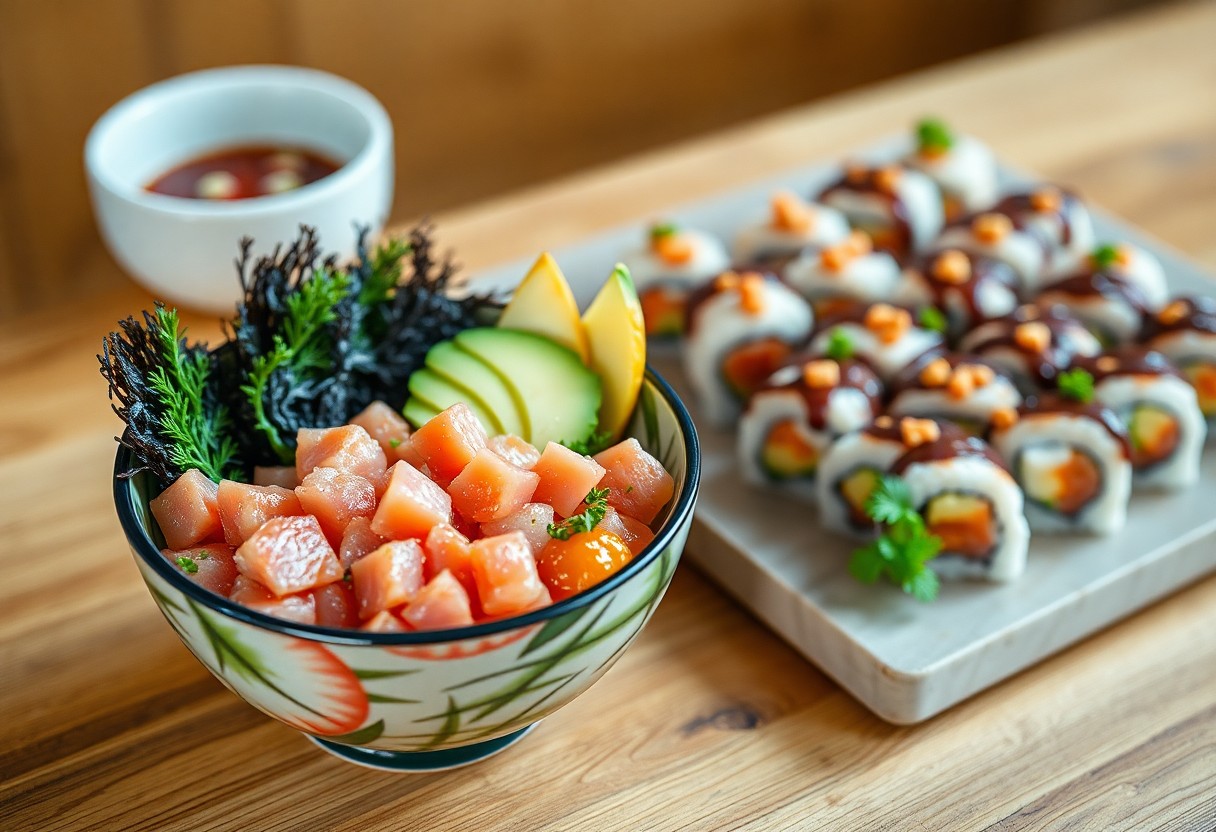
A sushi bowl is a delightful and versatile option that brings together your favorite sushi flavors without the effort of rolling. It’s a fantastic way to enjoy all the ingredients you love in a single bowl, allowing you to customize it to your taste preferences. Whether you’re a seasoned sushi lover or a beginner, sushi bowls offer endless possibilities to create something delicious and satisfying.

Understanding Sushi Components

Basics of sushi bowls revolve around a few key components: rice, protein, vegetables, and sauces. The rice forms the foundation of your bowl, while the protein—such as fish, tofu, or shrimp—adds heartiness. Fresh vegetables contribute flavor and texture, and sauces like soy sauce or spicy mayo elevate the dish. Understanding these components allows you to experiment and personalize every bowl to reflect your unique tastes.

Choosing the Right Base

Understanding the right base for your sushi bowl is fundamental to achieving that perfect blend of flavors and textures. The base typically consists of sushi rice, but you have various options such as brown rice, quinoa, or even cauliflower rice for a lighter version. Each choice impacts the overall taste and nutritional profile, so consider what complements your toppings best while aligning with your dietary goals.

Base choices significantly influence your sushi bowl. Sushi rice, with its sticky texture, is most traditional and offers that authentic feel. Alternatively, brown rice provides a nuttier taste and more fiber, while quinoa is excellent for a protein boost. If you’re watching your carbs, cauliflower rice is a fantastic and trendy option. Choose a base that not only suits your taste but also enhances the other ingredients for a well-rounded meal.

Flavor Profiles and Ingredients

If you want to explore a variety of flavors without the hassle of rolling sushi, consider submerging into the delightful world of Sushi Bowls. These bowls blend fresh ingredients with diverse textures, offering a unique culinary experience. You can customize your bowl by selecting from an array of starches, proteins, and toppings to create a dish that excites your palate.

Essential Sushi Ingredients

One key aspect of crafting a delicious sushi bowl is knowing the crucial ingredients. Start with a base of sushi rice or quinoa, followed by your choice of protein like sashimi-grade fish, shrimp, or tofu. Add vibrant vegetables such as avocado, cucumber, and radishes, and drizzle with a flavorful sauce like soy, spicy mayo, or ponzu for extra zing!

Popular Flavor Combinations

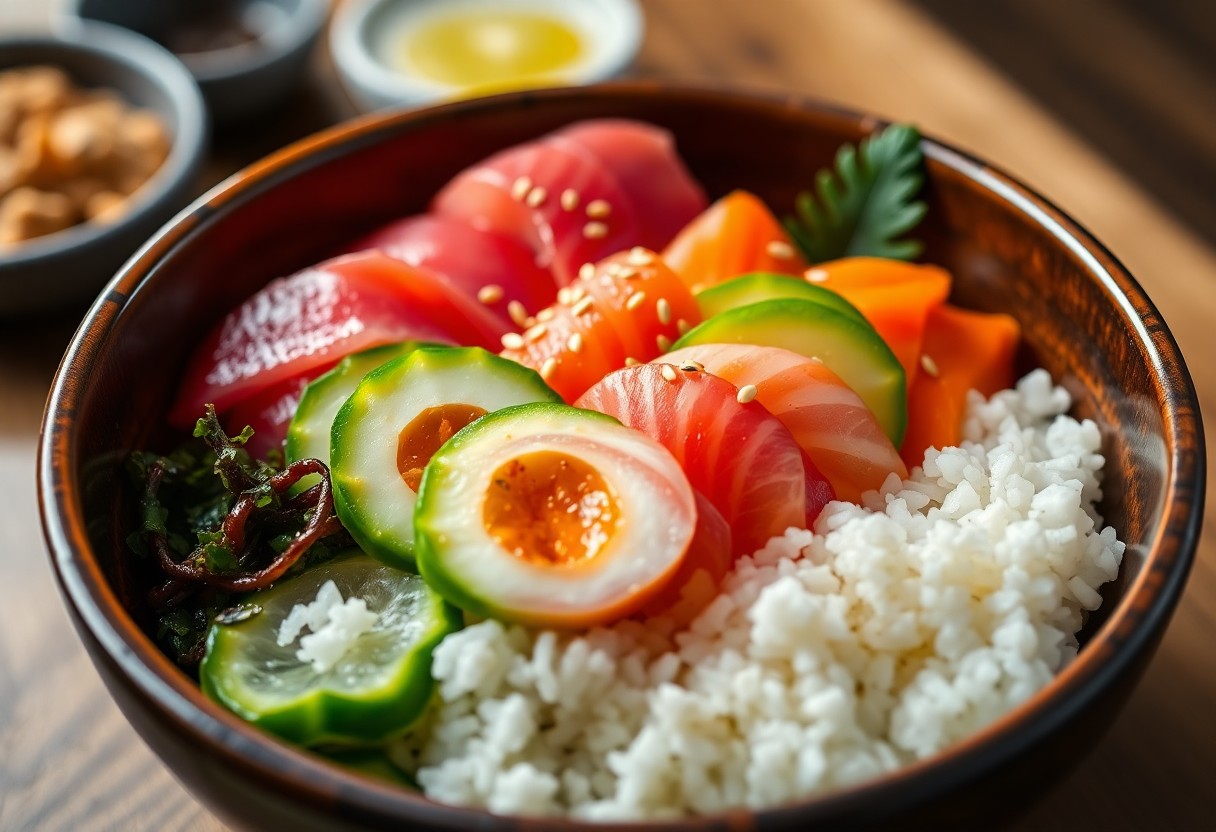
Around the globe, sushi bowls offer a beautiful canvas for flavor experimentation. Popular combinations often include a mix of sweet, savory, and umami elements that can elevate your dish to new heights. You might combine fresh salmon with creamy avocado and crisp cucumber, topped with sesame seeds and a touch of wasabi for a classic vibe or go for a spicy tuna option blended with mango and crunchy onions for a tropical twist.

Another excellent way to diversify your sushi bowl is by experimenting with unique flavor pairings. Consider adding pickled ginger for acidity or seaweed salad for an umami punch. You can also incorporate bold ingredients like kimchi or gochujang for a fusion twist. The beauty of sushi bowls lies in your ability to mix and match ingredients according to your preference, ensuring each bowl is a delightful experience catered just for you.

Building the Perfect Sushi Bowl

Once again, creating the ultimate sushi bowl is all about thoughtful ingredient selection and combination. Start with a base of warm sushi rice, then layer on a variety of toppings, including fresh vegetables, proteins, and flavorful sauces. Experiment with colors and textures, ensuring that each component complements one another to deliver a satisfying bowl that mirrors the classic sushi experience without the fuss of rolling. Embrace your creativity, and don’t hesitate to add a personal touch!

Layering Techniques

Beside choosing your ingredients wisely, layering techniques elevate the presentation and experience of your sushi bowl. Start by placing your sushi rice at the bottom, followed by a vibrant mix of vegetables such as avocado, cucumber, and radish. Next, add your protein choice like sushi-grade fish or tofu, finally drizzling with sauces and garnishing with sesame seeds or seaweed. This build-up not only ensures even distribution of flavors but also creates an appealing visual feast.

Balancing Flavors and Textures

Against the backdrop of your base and toppings, achieving balance in flavors and textures is key to making your sushi bowl enjoyable. A perfect sushi bowl offers a harmonious combination of sweetness, acidity, saltiness, and umami, alongside contrasting crunchy and creamy elements.

Layering the components thoughtfully will enhance this balance. For instance, pairing creamy avocado with crunchy cucumbers offers a delightful contrast, while adding in sweet mango brings a fresh burst of flavor. Use tangy dressings or pickled vegetables to introduce acidity, while a sprinkle of sea salt can elevate umami notes. By mindfully selecting your toppings, you can create a sushi bowl that is not only delicious but engages your palate with a symphony of flavors and textures.

Health Benefits of Sushi Bowls

Now, sushi bowls offer a delightful way to enjoy the fresh ingredients and flavors of traditional sushi while reaping numerous health benefits. Packed with vegetables, protein, and healthy fats, these bowls can help support your overall wellness. You can create your own healthy version at home, and for some delicious inspiration, check out this Vegan Sushi Bowl Meal Prep recipe.

Nutritional Value

One of the standout features of sushi bowls is their nutritional profile. Combining ingredients like brown rice, fresh vegetables, and lean proteins ensures you’re getting a balanced meal rich in fiber, vitamins, and important nutrients. This blend not only satisfies hunger but also supports your metabolism and maintains energy levels.

Dietary Considerations

Before exploring into your creation, consider any dietary restrictions or preferences you may have. Sushi bowls can easily be tailored to suit vegetarian, vegan, or gluten-free diets, making them a versatile meal option that accommodates diverse lifestyles.

Sushi bowls are an excellent choice for those who need to be mindful of allergies or specific dietary needs. You can swap traditional sushi ingredients for your favorites, whether that means using quinoa instead of rice or incorporating tofu as a protein source. This adaptability allows you to create delicious and nutritious meals that align with your personal health goals.

Customizing Your Sushi Bowl

After you’ve decided to create your ideal sushi bowl, the options for customization are endless. You can mix and match your favorite ingredients to suit your craving, whether you prefer traditional flavors or something a bit more adventurous. Check out this Deconstructed Sushi Bowl with Seafood Option to inspire your next creation. Add toppings like avocado, spicy mayo, or pickled ginger to elevate your bowl experience!

Vegetarian and Vegan Options

Before stepping into your sushi bowl, consider exploring vegetarian and vegan options that can be just as delicious and satisfying. You can use tofu, tempeh, or a variety of colorful vegetables like bell peppers, carrots, and cucumbers to create a vibrant and nutritious base. Add ingredients like edamame or seaweed salad to enhance flavors while keeping it plant-based.

Gluten-Free Alternatives

Among the various options available, you can easily make your sushi bowl gluten-free by selecting ingredients that cater to your dietary needs. Swap out traditional soy sauce for tamari or coconut aminos, which are both gluten-free alternatives. Brown rice or quinoa can replace sushi rice, giving you a hearty base without sacrificing taste.

Bowl customization opens the door to many gluten-free alternatives to ensure that your meal remains delicious and safe. Consider using cauliflower rice for a low-carb option that maintains the essence of sushi. Fresh vegetables, fresh herbs, and quality seafood or protein can all contribute to a well-rounded bowl that offers both flavor and nutrition while adhering to your gluten-free lifestyle.

Serving Suggestions and Presentation

Many people often focus on the flavors of sushi bowls, but the presentation is just as important. Choosing vibrant, contrasting colors for your ingredients not only makes the dish visually appealing but also enhances the dining experience. Consider using a variety of serving dishes, from bowls to plates, allowing the colors and textures to shine. A sprinkle of sesame seeds, a drizzle of sauces, or a strategically placed garnish can elevate your sushi bowl from simple to spectacular.

Creative Serving Ideas

Among the fun ways to serve your sushi bowls is to use themed or individual bowls for each guest. This not only personalizes the dining experience but also allows you to showcase a variety of flavors and ingredients tailored to each person’s preferences. Consider presenting a deconstructed sushi bowl on a wooden board, where each ingredient is laid out separately for guests to mix and match, making it an interactive meal.

Garnishing and Enhancements

Serving your sushi bowl with thoughtful garnishes can take your dish to the next level. Fresh herbs, citrus slices, and edible flowers can bring zest and color, enhancing both presentation and flavor. Pairing your bowl with a selection of sauces, like spicy mayo or soy sauce, allows guests to customize their experience even further.

Even small details can significantly impact the overall enjoyment of your sushi bowl. Consider adding a sprinkle of furikake for a crunchy texture or incorporating avocado slices for creaminess. Sliced radishes, microgreens, or scallions can contribute a refreshing kick, while pickled ginger adds a tangy note that complements the flavors beautifully. These enhancements not only elevate the visual appeal but also create a delightful experience, inviting you and your guests to savor every bite.

Conclusion

To wrap up, sushi bowls offer you all the delightful flavors of traditional sushi without the complexity of rolling. This versatile dish allows for customization to suit your taste preferences and dietary needs, making it a practical and delicious option for any meal. By layering your favorite ingredients, you can create a satisfying bowl that captures the essence of sushi in a simpler format, perfect for busy weeknights or casual gatherings. Enjoy the fresh ingredients and bold flavors while simplifying your sushi experience.

FAQ

Q: What exactly is a Sushi Bowl?

A: A Sushi Bowl is a deconstructed version of traditional sushi, combining all the necessary ingredients you would find in sushi rolls but in a bowl format. This typically includes sushi rice, a variety of fresh fish (like tuna or salmon), vegetables, seaweed, sauces, and toppings like avocado or sesame seeds. It allows you to enjoy the flavors of sushi without the need for rolling.

Q: Are Sushi Bowls customizable?

A: Yes! One of the highlights of Sushi Bowls is their versatility. You can customize your bowl to suit your personal taste preferences or dietary restrictions. You can choose the type of protein (fish, shrimp, tofu), vegetables (cucumbers, carrots, radishes), and toppings (edamame, wasabi, or pickled ginger) that you like, making it a perfect meal for everyone.

Q: Are Sushi Bowls healthy?

A: Sushi Bowls can be a healthy meal option, as they can be packed with nutrient-dense ingredients. Fresh fish provides protein and healthy fats, while vegetables add vitamins, minerals, and fiber. However, the healthiness of a Sushi Bowl can depend on the ingredients you choose and the portion sizes, so opt for wholesome options and be mindful of sauces that may add excess calories.

Q: Can I prepare Sushi Bowls in advance?

A: Absolutely! Sushi Bowls are great for meal prep. You can cook the sushi rice in advance and store it in the refrigerator. Similarly, you can prepare your proteins, chop the vegetables, and even portion out the toppings ahead of time. Just keep the components separate until you are ready to eat to maintain freshness, especially for ingredients like avocado, which can brown quickly.

Q: What types of sauces can I use for Sushi Bowls?

A: There are various sauces you can use to enhance the flavor of your Sushi Bowl. Popular options include soy sauce, spicy mayo, eel sauce, and ponzu. You can also create your own sauce by mixing ingredients like sesame oil, rice vinegar, and sriracha for a unique twist. Feel free to experiment with different sauces to find your favorite combination!

DIY Poke Bowls vs. Sushi – Which Is Easier to Make

DIY cooking offers an exciting way to explore diverse cuisines right in your kitchen, and when it comes to Asian-inspired dishes, poke bowls and sushi are two popular choices. You might find yourself wondering which is easier to make at home. This post will break down the imperative ingredients, preparation methods, and time commitments needed for each dish, helping you decide which culinary adventure suits your skill level and taste preferences best. Get ready to investigate the delicious world of DIY poke bowls and sushi!

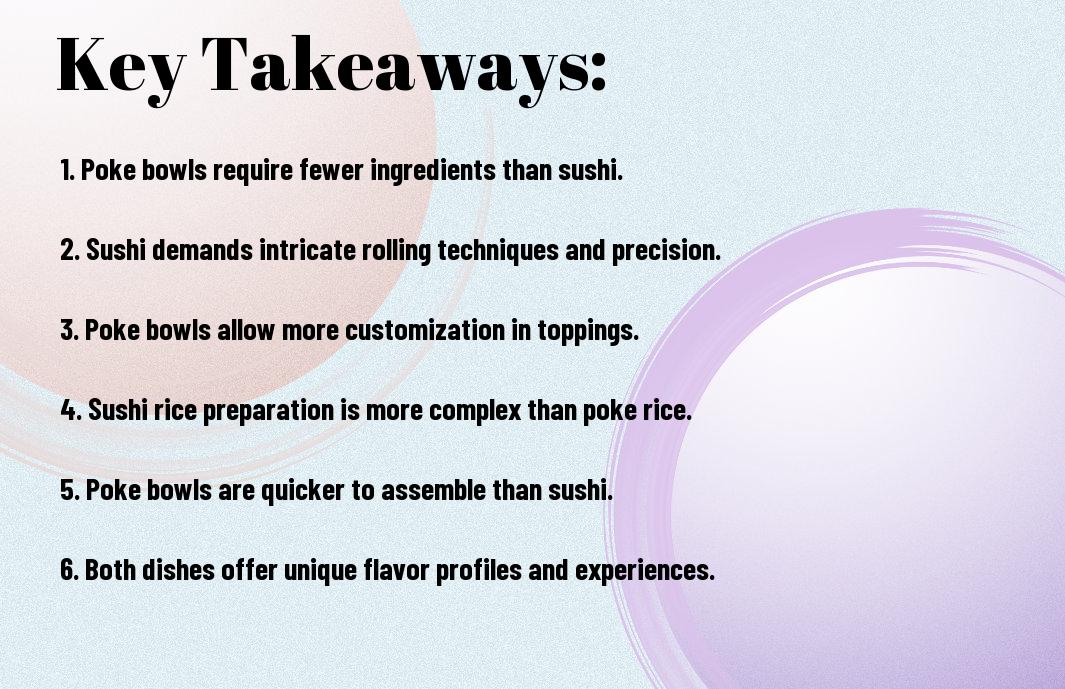
Key Takeaways:

  • Preparation Time: DIY poke bowls often have a quicker preparation time compared to sushi, allowing for faster meals.
  • Ingredient Flexibility: Poke bowls offer more flexibility in ingredients, making it easier to customize based on personal preference.
  • Cooking Skills: Making sushi typically requires more advanced cooking skills, while poke bowls are more approachable for beginners.
  • Texture Variety: Sushi provides a unique texture contrast between vinegared rice and fresh fish, while poke bowls incorporate various textures with toppings.
  • Assembly vs. Technique: Poke bowls focus on assembly rather than intricate techniques, making them simpler to create at home.

Overview of Poke Bowls

A poke bowl is a vibrant and customizable dish that originates from Hawaii. Traditionally featuring raw fish, it’s complemented by various toppings and sauces, allowing you to tailor it to your taste. The base of a poke bowl is typically made of rice, but you can opt for other grains or even greens, making it a versatile meal option perfect for any occasion.

History and Ingredients

On its journey from Hawaiian shores to global popularity, the poke bowl originally consisted of cubed raw fish seasoned with simple ingredients like sea salt, seaweed, and onions. As it gained traction, you’ll find a variety of toppings including avocado, radishes, and a range of sauces that bring modern flair while maintaining the deliciousness of this traditional dish.

Preparation Techniques

Preparation of a poke bowl is straightforward and allows for creativity. First, you need to choose your base—typically rice, which you can cook and cool beforehand. Then, you’ll select your protein, which could be fresh tuna, salmon, or even tofu for a vegetarian option. The final step is all about assembling your bowl by layering your ingredients and drizzling your favorite sauce.

Also, customizing a poke bowl is about more than just choosing your ingredients—consider how you cut and arrange them for visual appeal. Use a mix of textures and colors to create a dish that is not only delicious but also visually enticing. Experiment with marinating your fish in soy sauce or citrus to enhance the flavors, and don’t shy away from adding toppings like crunchy seaweed or pickled vegetables for an extra zing.

Overview of Sushi

There’s a rich history behind sushi, a traditional Japanese dish that has captivated food lovers worldwide. Sushi typically consists of vinegared rice paired with various ingredients, including seafood, vegetables, and even tropical fruits. You can find sushi in numerous forms, making it versatile and suitable for various tastes.

Types of Sushi

There are several types of sushi that you might encounter, each with its unique characteristics and preparation techniques:

  • Nigiri: Hand-formed rice topped with seafood.
  • Maki: Rolled sushi, usually wrapped in seaweed.
  • Sashimi: Thinly sliced raw fish, served without rice.
  • Temaki: Hand-rolled cone sushi.
  • Uramaki: Inside-out sushi rolls with rice on the outside.

Any sushi you choose can offer a unique culinary experience!

Type of Sushi Description
Nigiri Rice with a slice of fish on top.
Maki Rolled sushi with fillings inside.
Sashimi Raw fish served without rice.
Temaki Hand-rolled sushi in a cone shape.
Uramaki Inside-out roll with rice on the outside.

Rolling and Assembly Methods

Among the various techniques for assembling sushi, mastering the rolling method is key. You can use a bamboo mat to help shape and compress ingredients into a tight roll, which is vital for maintaining structure. The way you position your fillings and rice influences not just the flavor but also the presentation of your dish.

In fact, each rolling technique offers different results. For example, using a little water on your fingers while working with the rice can help prevent stickiness, making it easier for you to form a well-structured roll. You’ll also want to practice your knife skills for perfectly sliced pieces, as the presentation is just as important as the taste in sushi making. As you gain confidence, you can explore creative variations and personal touches to your rolls!

Nutritional Comparison

Unlike sushi, poke bowls often allow for more customization, letting you adapt them to your dietary preferences. For a detailed comparison of their nutritional profiles, check out How to Build the Perfect Poke Bowl. Below is a simplified nutritional comparison:

Poke Bowls Sushi
Rich in healthy fats and omega-3s Often higher in carbohydrates
Lower in calories with veggie options Varies widely in calorie count

Ingredients and Health Benefits

At the heart of a poke bowl are fresh ingredients like fish, vegetables, and whole grains, offering a range of vitamins and minerals. This balance can help support your overall health. Sushi often includes white rice, which has fewer nutrients compared to the options available in poke bowls. Opting for brown rice or quinoa can enhance the nutritional value of your meal.

Caloric Differences

Above all, poke bowls generally have fewer calories than typical sushi rolls, especially when you’re making them with lean proteins and vegetables. You can control the ingredient choices more easily, allowing you to create a lighter meal.

Consequently, if you’re considering your caloric intake, poke bowls may be the more favorable option, particularly when you choose healthier ingredients and portion sizes. Customizing your poke bowl enables you to keep it light and nutritious, while sushi can quickly accumulate calories with added sauces or fried elements. So, when you want to enjoy a meal that suits your dietary goals without sacrificing flavor, poke bowls prove to be an excellent choice.

Time Investment

Your choice between DIY poke bowls and sushi will greatly depend on the time you are willing to invest. While both options allow for delicious homemade meals, their preparation times vary significantly. Understanding how long each process takes can help you decide which dish fits better into your schedule.

Cooking and Preparation Time

Behind each poke bowl or sushi roll lies a different timeline. Poke bowls generally require less cooking time since many of the components, like rice and vegetables, can be prepared in advance and assembled quickly. In contrast, sushi often demands more precise cooking techniques that may extend the overall preparation time.

Skill Level Required

Required skills for creating either dish can influence your decision. Sushi-making involves techniques such as rolling, cutting, and sometimes more complex rice preparation methods that may be new to you. On the other hand, poke bowls can be more forgiving, allowing for simpler assembly without needing extensive culinary skills.

In fact, sushi requires a bit more finesse and practice to master, especially with the art of rolling and the balance of flavors. If you are a novice, you might find that poke bowls are much more accommodating to your skill level. They allow you to easily mix and match ingredients, ensuring delicious results without the pressure of perfect execution.

Flexibility and Customization

To truly appreciate the differences between DIY poke bowls and sushi, you should understand the flexibility and customization that each option offers. Poke bowls are inherently versatile, allowing you to mix and match ingredients based on your preferences and dietary needs. They can be as colorful and varied as your imagination, offering you the freedom to experiment with flavors, textures, and presentations in an easy and fun way.

Ingredient Variations

Across the culinary spectrum, poke bowls allow for a wide array of ingredient variations. You can choose from various proteins like tuna, salmon, and tofu, along with an assortment of vegetables, grains, and sauces. This adaptability enables you to create a meal that reflects your personal taste and can accommodate any dietary restrictions, making it a go-to option for many.

Flavor Profiles

Around the world, poke bowls offer a plethora of flavor profiles that allow you to customize your dish according to your mood. The combination of marinated fish, fresh vegetables, and robust sauces provides a delightful balance of savory, sweet, and umami tastes, ensuring that every bite is a pleasing experience.

To fully capitalize on these diverse flavor profiles, you can experiment with various marinades and toppings. For instance, using soy sauce, sesame oil, or spicy mayo can dramatically alter the taste of your poke bowl. Additionally, incorporating unique toppings like avocado, seaweed salad, or even exotic fruit can elevate your dish, allowing you to tailor it to your liking and create a culinary masterpiece every time.

Cost Analysis

Not only do you want to enjoy your meal, but you also want to ensure it fits your budget. Analyzing the costs associated with DIY poke bowls and sushi can help you make an informed choice without breaking the bank. Ingredients, preparation time, and equipment can all factor into the overall cost of your meal.

Ingredient Costs

Between poke bowls and sushi, ingredient costs can vary significantly. Poke bowls typically require a base of rice or greens, fresh fish, and a variety of toppings, which may be more affordable depending on seasonal availability. In contrast, sushi often requires specialized ingredients such as nori, wasabi, and high-quality raw fish, which can drive up the price.

Cost-Effectiveness of DIY

Besides ingredient costs, the cost-effectiveness of DIY meals plays a significant role in your overall budgeting. Making poke bowls and sushi at home can save you money compared to dining out, especially when you factor in takeout pricing.

To maximize your cost-effectiveness, consider preparing larger portions or batch cooking, as this reduces the price per serving. You can buy ingredients in bulk, such as rice or vegetables, which can be stored and used over time. Plus, creating your own meals allows you to choose affordable substitutes without compromising flavor, ultimately resulting in a budget-friendly way to enjoy these dishes whenever you want.

To wrap up

Presently, choosing between DIY poke bowls and sushi often comes down to your personal preference and comfort level in the kitchen. Poke bowls offer a more straightforward assembly process, allowing you to mix and match ingredients to your liking. In contrast, sushi requires more precision and technique, which may be challenging for some. Ultimately, you can enjoy both options with practice, but poke bowls typically present an easier and more flexible starting point for your culinary adventures.

FAQ

Q: What are the main differences between DIY poke bowls and sushi?

A: The main differences lie in their ingredients and preparation. Poke bowls typically feature marinated raw fish served over a base of rice or salad, often with a variety of fresh vegetables and toppings. Sushi, on the other hand, typically involves vinegared rice rolled with seaweed and filled with various ingredients, including fish, vegetables, and sometimes sauces. The preparation technique for sushi can be more intricate due to the rolling process and the need for precise slicing.

Q: Which is generally quicker to prepare: poke bowls or sushi?

A: Poke bowls are generally quicker to prepare than sushi. This is because poke bowls allow for more flexibility with ingredients and assembly. You can chop vegetables and fish, layer them over rice, and add sauces without the need for rolling or cutting precise shapes. Sushi preparation may take more time, especially for those unfamiliar with rolling techniques or needing to cook the rice to the right texture.

Q: Do I need special equipment to make sushi, while making poke bowls is simpler?

A: Yes, sushi often requires some special equipment such as a bamboo sushi mat for rolling and a sharp knife for precise slicing. In contrast, making poke bowls does not necessitate specialized tools, as you can simply use bowls for serving, a cutting board, and a knife. This makes poke bowls more accessible for beginners or those without specific culinary tools.

Q: Are there dietary restrictions to consider when making poke bowls compared to sushi?

A: Both poke bowls and sushi can accommodate various dietary restrictions, but poke bowls may be more versatile. Poke bowls can be easily customized to be gluten-free, vegetarian, or vegan by selecting different bases and toppings. Sushi can have similar adaptations, but traditional sushi ingredients, such as fish and seafood, can limit options for certain diets.

Q: What ingredients are recommended for beginners when making poke bowls and sushi?

A: For beginners making poke bowls, it’s best to start with simple ingredients like pre-cooked shrimp, cube-cut tofu, or canned tuna, along with common toppings like cucumber, avocado, and seaweed. For sushi, beginners may find it helpful to start with sushi-grade fish, cucumbers, and avocado for easy rolls, using sushi rice and nori for the base. Both dishes allow for creativity while being simple enough for those new to cooking.

Rainbow Sushi Rolls – A Recipe for Vibrant Flavors

You can elevate your sushi-making skills with this delightful recipe for Rainbow Sushi Rolls. Bursting with colors and flavors, these eye-catching rolls combine fresh ingredients that not only please the palate but also make your presentation pop. This guide will walk you through the vital ingredients and steps required to create your own vibrant sushi at home, ensuring you impress your family and friends with both taste and beauty. Get ready to roll up your sleeves and probe the wonderful world of sushi crafting!

Key Takeaways:

  • Colorful Ingredients: Use a variety of fresh vegetables and seafood to create vibrant and appealing sushi rolls.
  • Flavor Balance: Combine different flavors, such as spicy, sweet, and tangy to enhance the overall taste of the rolls.
  • Rice Preparation: Properly seasoned sushi rice is necessary for achieving the perfect texture and flavor in your rolls.
  • Rolling Technique: Master the rolling technique for a well-formed sushi roll that holds all ingredients together tightly.
  • Presentation: Pay attention to presentation; visually appealing sushi can elevate the dining experience significantly.

Ingredients

While preparing your Rainbow Sushi Rolls, gather the freshest ingredients to enhance the vibrant flavors and appealing presentation. The key components include sushi rice, nori sheets, an assortment of colorful vegetables, and your choice of protein. These ingredients will not only elevate the taste but also make your sushi visually stunning.

Essential Components

Below is a list of imperative components for your Rainbow Sushi Rolls: sushi rice, nori (seaweed) sheets, fresh vegetables like avocado, cucumber, and bell peppers, and your preferred protein, such as fresh fish or tofu. These ingredients lay the foundation for an unforgettable sushi experience.

Optional Add-Ins

On top of the imperative components, you can enhance your rolls with optional add-ins that introduce new textures and flavors. Consider adding creamy avocado, fragrant herbs like cilantro or basil, or even flavorful sauces like spicy mayo or teriyaki for a unique twist.

Optional ingredients allow you to personalize your sushi experience and cater to your taste preferences. You can experiment with pickled vegetables, sesame seeds, or even tempura bits for added crunch. Don’t hesitate to let your creativity shine, tailoring the rolls to suit your favorite flavor combinations and making each creation uniquely yours.

Preparation Techniques

You will want to start your culinary adventure by mastering some vital preparation techniques to create the perfect Rainbow Sushi Rolls. First, check out this Rainbow Sushi Roll Recipe (with Video) to guide you through the steps. Gather all your ingredients and tools to streamline the process, ensuring each layer of flavor shines in your sushi masterpiece.

Sushi Rice

Against the backdrop of delightful fillings, the quality of your sushi rice plays a significant role in achieving that authentic taste and texture. Start with short-grain rice, rinse it thoroughly to remove excess starch, and then cook it to the perfect sticky consistency. Adding a mixture of rice vinegar, sugar, and salt will enhance the flavors, providing a quintvital sushi experience.

Rainbow Components

At the heart of your Rainbow Sushi Rolls are the vibrant components that bring both color and flavor to your dish. Choose fresh vegetables and proteins to create an appealing rainbow effect and a delightful taste. Think about using ingredients like avocado, carrots, eel, and various fish to appeal to different palates.

And don’t shy away from experimenting with your selections! According to your taste, you might add sweet mango, spicy tuna, or crisp cucumber. Selecting an array of colors not only makes your sushi visually stunning but introduces a variety of textures and flavors, making every bite adventurous and satisfying.

Rolling the Sushi

All you need is a bamboo mat and a steady hand to create beautiful Rainbow Sushi Rolls. Begin by placing your ingredients neatly on a sheet of nori, then use the mat to help you roll it tightly. For a delightful twist, check out this recipe for Rainbow Sushi Rolls with Spicy Dipping Sauce that promises vibrant flavors.

Step-by-Step Guide

Among the crucial steps to successfully rolling sushi, follow our clear instructions:

Steps Description
1. Prepare the Ingredients Gather fresh vegetables and sushi-grade fish.
2. Lay Nori Place the nori sheet on the bamboo mat.
3. Add Rice Spread a thin layer of sushi rice over the nori.
4. Layer Fillings Add your choice of vibrant ingredients.
5. Roll it Up Carefully lift the mat and roll it tightly.
6. Cut into Pieces Slice the roll into bite-sized pieces.

Common Mistakes to Avoid

With sushi rolling, it’s easy to make a few missteps that can affect the outcome. Ensure your rice is sticky enough to hold the roll together, and don’t overfill it, as this may cause the nori to tear. Additionally, be mindful of the angle at which you roll; a tight, even press will yield a better presentation and flavor.

Rolling sushi is all about practice and technique. If you find your rolls are falling apart, your sushi rice may not have enough moisture, or you might be rolling too loosely. Likewise, an overflow of ingredients can lead to difficulty in rolling. Aim for a balanced filling and keep your movements steady for a successful sushi experience. Happy rolling!

Serving Suggestions

Many people enjoy serving rainbow sushi rolls as a centerpiece at gatherings or family dinners. You can elevate your sushi experience by pairing it with traditional condiments such as soy sauce, pickled ginger, and wasabi. Additionally, placing your rolls on a decorative platter will not only enhance their vibrant colors, but it will also impress your guests.

Accompaniments

To complement your rainbow sushi rolls, consider serving a crisp salad with sesame dressing or edamame sprinkled with sea salt. You might also introduce fresh fruit, like mango slices or berries, to enhance the overall meal experience. These accompaniments will add freshness and balance to the flavors of your sushi.

Plating Ideas

About plating your rainbow sushi rolls thoughtfully can significantly affect how they are perceived. Using contrasting colors and different textures can make your dish pop visually and enhance your dining experience.

Hence, you can place your rainbow sushi rolls in a staggered formation on a long, elegant plate to draw attention to their vibrant colors. Consider adding edible flowers or microgreens for an extra touch of sophistication. Drizzling soy sauce in artistic patterns around the sushi not only adds taste but also creates an appealing visual presentation. This attention to detail will impress your guests and elevate your sushi experience to a whole new level.

Nutritional Information

Now that you’re excited to try making rainbow sushi rolls, it’s crucial to consider their nutritional value. These vibrant rolls are packed with a variety of vegetables, healthy fats from fish, and carbohydrates from rice, making them a well-rounded meal option. They offer a combination of vitamins, minerals, and antioxidants that can enhance your overall health while tantalizing your taste buds.

Health Benefits

Along with being visually appealing, rainbow sushi rolls provide numerous health benefits. The diverse ingredients incorporate a wealth of vitamins such as A, C, and K, along with omega-3 fatty acids that support heart health. The mixture of veggies and proteins can also contribute to improved digestion and better energy levels, making them a perfect choice for a wholesome meal.

Caloric Breakdown

With each roll containing an estimated range of calories, your rainbow sushi can fit into various dietary plans. On average, one roll can contain between 300 to 500 calories, depending on the ingredients used and portion sizes. This allows you to enjoy a flavorful meal while managing your caloric intake.

Hence, understanding the caloric breakdown of your sushi rolls is beneficial for meal planning. The quality and quantity of fillings you choose, such as avocado, fish, and additional toppings, can significantly influence caloric content. You can customize your rolls to align with your dietary goals, whether you’re seeking a lower-calorie option or those rich in healthy fats and proteins. Keep an eye on your choices, and you can relish each bite guilt-free!

Variations on Rainbow Sushi

Unlike traditional sushi, rainbow sushi rolls allow for endless creativity in flavor combinations and presentation. You can experiment with different types of fish, such as smoked salmon or seared tuna, and incorporate a variety of toppings, including avocado, mango, or spicy mayo. By mixing and matching these ingredients, you can create a personalized masterpiece that suits your taste buds and makes your sushi experience uniquely yours.

Seasonal Ingredients

After choosing your base ingredients, consider incorporating seasonal vegetables and fruits to enhance your rainbow sushi. Ingredients like fresh asparagus in spring or roasted pumpkin in autumn not only add vibrancy to your rolls but also celebrate the flavors of each season. By using what’s in season, you can create sushi that is both delicious and eco-friendly.

Dietary Alternatives

For those with dietary restrictions or preferences, there are plenty of alternatives to traditional sushi ingredients. You can swap out fish for grilled tofu or tempeh for a satisfying plant-based roll. If you’re avoiding gluten, use tamari instead of soy sauce and make sure that your sushi rice is certified gluten-free. These options ensure that everyone can enjoy the vibrant flavors of rainbow sushi.

Alternatives can truly open up a world of possibilities in crafting your rainbow sushi rolls. If you’re vegetarian or vegan, consider using a variety of fresh vegetables like cucumber, bell peppers, and sweet potato. You can also add in unique elements like pickled carrots or even fruit such as strawberries for a sweet twist. For those who are avoiding carbs, using cauliflower rice instead of traditional sushi rice can provide a lighter option without sacrificing flavor. Don’t hesitate to get creative—your dietary preferences shouldn’t limit your culinary experience!

Final Words

The Rainbow Sushi Rolls recipe is not just a feast for your eyes but also a delightful experience for your taste buds. By combining fresh ingredients, vibrant colors, and unique flavors, you can create an impressive dish that will elevate any meal. Embrace the art of sushi-making by experimenting with various fillings and presentations, ensuring your Rainbow Sushi Rolls become a staple in your culinary repertoire. Enjoy the process and savor each beautifully crafted bite, bringing a splash of color and flavor into your kitchen!

FAQ

Q: What ingredients are needed for making Rainbow Sushi Rolls?

A: To create delicious Rainbow Sushi Rolls, you’ll need sushi rice, nori (seaweed sheets), a variety of fresh vegetables such as cucumber, avocado, and bell peppers, as well as sashimi-grade fish like salmon, tuna, and shrimp. Additionally, you may want soy sauce, wasabi, and pickled ginger for serving.

Q: How do I prepare the sushi rice for Rainbow Sushi Rolls?

A: Begin by rinsing 2 cups of sushi rice under cold water until the water runs clear. Cook the rice according to the package instructions or using a rice cooker. Once cooked, allow the rice to cool slightly, then mix in a dressing made of 1/4 cup rice vinegar, 2 tablespoons sugar, and 1 teaspoon salt. Gently fold in the dressing and allow the rice to cool to room temperature before rolling.

Q: Can I customize the fillings in Rainbow Sushi Rolls?

A: Absolutely! Rainbow Sushi Rolls are versatile and can be customized to suit your taste. You can experiment with different fish, such as yellowtail or crab, and add a variety of colorful vegetables like carrots, radishes, or asparagus. For a vegetarian option, you can fill the rolls entirely with fresh vegetables and avocado.

Q: What is the best way to roll the sushi without it falling apart?

A: To ensure your Rainbow Sushi Rolls stay intact, start with a bamboo sushi mat and place a sheet of nori shiny-side down. Wet your hands to prevent sticking, then spread a thin layer of sushi rice evenly over the nori, leaving a small border at the top edge. Arrange your fillings in a line at the bottom edge of the rice, then roll it tightly from the bottom up, using the mat to guide the roll. Seal the edge with a little water.

Q: How should I serve Rainbow Sushi Rolls?

A: Slice the rolled sushi into bite-sized pieces using a sharp, wet knife to prevent sticking. Arrange the sushi pieces on a platter and garnish with wasabi, pickled ginger, and dipping bowls of soy sauce. You can also sprinkle sesame seeds on top for an added touch. This colorful presentation will make your dish visually appealing and ready to enjoy!

Sushi Party Platter Ideas for Special Occasions

Ideas for creating a stunning sushi party platter can elevate any special occasion, transforming it into a memorable culinary experience. Whether you’re celebrating a birthday, an anniversary, or simply gathering friends for a casual get-together, knowing how to select and arrange various sushi types will impress your guests. You can experiment with different flavors, textures, and presentations to craft a visually appealing and delicious platter that showcases your creativity. This guide will help you design a sushi platter that suits your event while satisfying your guests’ appetites.

Key Takeaways:

  • Diverse Selection: Offer a variety of sushi types, including rolls, nigiri, and sashimi to cater to different tastes.
  • Presentation Matters: Arrange sushi on platters in an aesthetically pleasing way, using colors and garnishes to enhance visual appeal.
  • Include Accompaniments: Enhance the experience by providing soy sauce, wasabi, and pickled ginger on the side.
  • Dietary Considerations: Be mindful of guests’ dietary restrictions by offering vegetarian and gluten-free options.
  • Portion Control: Create platters in sizes suitable for the occasion, ensuring there is enough sushi without overwhelming guests.

Types of Sushi for Your Platter

For your sushi platter, consider an array of variations to delight your guests. Select a mix of classic, nigiri, sashimi, and specialty rolls for a comprehensive experience. Each type brings unique flavors, so experimenting with combinations is key. Here are some ideas to incorporate:

  • Classic Rolls (Maki)
  • Nigiri
  • Sashimi
  • Specialty Rolls
  • Vegetarian Options

Perceiving your options will help craft an enticing platter that suits every palate.

Classic Rolls Examples: California Roll, Spicy Tuna Roll
Nigiri Hand-formed sushi rice topped with fish
Sashimi Thinly sliced raw fish, no rice
Specialty Rolls Innovative combinations and flavors
Vegetarian Options Cucumber Rolls, Avocado Rolls

Classic Sushi Rolls

To start, classic sushi rolls are a staple that appeals to many taste preferences. These rolls often feature combinations of sushi rice, seaweed (nori), and fillings like fresh fish, vegetables, and avocado. They can be enjoyed in various flavors and textures, making them a versatile addition to your platter.

Nigiri and Sashimi

To elevate your sushi platter, include nigiri and sashimi, which provide a more sophisticated taste experience. Nigiri consists of small, oval-shaped mounds of sushi rice topped with a delicate slice of raw fish or seafood, while sashimi showcases the pure flavor of the fish in thin, exquisite slices.

A well-crafted selection of nigiri and sashimi not only showcases the quality of the fish but also allows for a refined tasting experience. This pair makes an impressive statement, as their simplicity highlights the essence of the seafood, appealing to connoisseurs and newcomers alike.

Specialty Rolls

Sushi specialty rolls add excitement to your platter with unique ingredients and flavors. Chefs often create these rolls to surprise and delight your guests, combining ingredients like tempura, spicy sauces, and unusual toppings.

Your choice of specialty rolls can truly set your sushi platter apart. Experiment with creative combinations that showcase vibrant colors and flavors, enhancing the visual appeal and ensuring everyone finds something they adore.

Complementary Dishes

Now that you have your sushi platter ready to impress your guests, consider adding complementary dishes to enhance the dining experience. These additions not only balance out flavors but also create a more diverse meal, ensuring that everyone leaves satisfied. Options such as edamame, seaweed salad, or tempura can be excellent companions to your sushi, bringing different textures and flavors to the table.

Appetizers and Side Dishes

Against the common notion that sushi can stand alone, adding appetizers and side dishes transforms your gathering into a well-rounded feast. Offer items like gyoza, spring rolls, or even a light miso soup to entice your guests’ appetites and set the stage for a delicious sushi experience.

Sauces and Condiments

Dishes accompanying your sushi platter can be made even more delightful with the right sauces and condiments. A selection of soy sauce, wasabi, and pickled ginger will enhance the flavors and elevate your sushi experience.

Also, consider homemade dipping sauces to provide a personal touch. Pair your sushi with spicy mayo, eel sauce, or ponzu for unique flavor combinations. You can even experiment with different heat levels by modifying the wasabi or adding some sriracha to the mix. Offering various sauces gives your guests the freedom to customize their bites, making for an interactive and enjoyable dining experience.

Presentation Ideas

Once again, the way you present your sushi platter can elevate the overall experience for your guests. Consider incorporating a variety of heights and shapes to create visual interest, such as using tiered stands or decorative plates. Utilizing attractive serving ware along with vibrant colors will not only highlight the sushi itself but also add to the ambiance of your special occasion.

Creative Platter Arrangements

On a well-curated sushi platter, creativity knows no bounds. You can arrange the sushi by type, color, or even shape. Consider alternating between rolls, sashimi, and nigiri, or create themed sections that represent different regions of Japan. This thoughtful arrangement not only enhances the visual appeal but also invites your guests to explore various flavors as they indulge.

Garnishes and Decoration

For an extra touch of elegance, consider adding garnishes and decorations to your sushi platter. Fresh herbs, edamame, and colorful pickled vegetables can make great accents. A splash of wasabi and a drizzle of soy sauce can also enhance the presentation. Small bowls of dipping sauces not only serve a functional purpose but are also an opportunity to inject personality into your display.

In addition, you can use decorative elements like edible flowers, citrus slices, and textured napkins to create a more harmonious and visually appealing presentation. Incorporate layers with bamboo leaves or a salted stone for added texture, and remember to balance colors for an inviting arrangement. By thoughtfully selecting garnishes, you can transform your platter into an artful display that captivates the eyes and pleases the palate.

Dietary Considerations

All special occasions should take into account the dietary preferences and restrictions of your guests. Planning a sushi party platter means you should consider allergies, lifestyle choices, and dietary needs to ensure everyone can partake in the festivities. Balancing flavors and textures while accommodating these considerations will enhance your party and create an inclusive atmosphere.

Vegetarian and Vegan Options

On your quest to please all guests, incorporating vegetarian and vegan sushi options is important. You can create delicious rolls filled with fresh vegetables, avocado, and plant-based proteins like tofu or tempeh. Additionally, using rice paper wraps instead of traditional seaweed can elevate the experience for your plant-based guests.

Gluten-Free Alternatives

At your sushi gathering, it’s important to offer gluten-free alternatives to cater to those with gluten sensitivities. Sushi rice is naturally gluten-free, and you can use tamari instead of soy sauce to keep flavors intact.

This inclusion will allow your gluten-sensitive guests to enjoy your sushi party without worry. Consider using fresh vegetables, sashimi, and even rice paper rolls as delightful substitutes. You may also explore gluten-free wraps to create sushi-style dishes that everyone can enjoy, ensuring a memorable experience for all. Providing these options will demonstrate your thoughtfulness and consideration for everyone’s dietary needs while still delivering on taste and presentation.

Pairing Beverages

Unlike traditional party food, sushi deserves careful beverage pairing to enhance its flavors. From light and refreshing drinks to robust options, your selection can greatly influence the dining experience. Whether it’s a casual gathering or a formal celebration, choosing the right beverages will elevate your sushi party platter and delight your guests.

Sake and Wine Suggestions

Against popular belief, sake isn’t the only drink that pairs well with sushi. A crisp white wine, like Sauvignon Blanc or a light Pinot Grigio, can complement the delicate flavors of your sushi. Consider serving chilled sake to highlight the umami notes or a sparkling wine for a refreshing contrast to richer rolls.

Non-Alcoholic Options

By including non-alcoholic options, you ensure all guests can enjoy the meal, regardless of their preferences. Sparkling water, green tea, or even a fruity mocktail can enhance the experience without the alcohol content, providing refreshing alternatives that still resonate with the sushi flavors.

Plus, having an inviting selection of non-alcoholic beverages enables you to cater to diverse guest preferences. You might consider offering flavored sparkling waters, refreshing fruit juices, or homemade iced teas. These options not only refresh the palate but also add a festive touch to your gathering, making everyone feel included. Always strive for variety to accommodate different tastes and dietary choices, ensuring a delightful experience all around.

Tips for Sourcing Fresh Ingredients

Your sushi party platter’s success largely hinges on sourcing fresh ingredients. Here are some tips to ensure top-notch quality:

  • Visit local seafood markets for the best selection.
  • Ask your fishmonger about the catch of the day.
  • Opt for sustainably sourced seafood for ethical choices.
  • Purchase organic vegetables from trusted farmers’ markets.
  • Keep all ingredients cool until you’re ready to use them.

Perceiving quality in your ingredients will enhance the overall taste and presentation of your sushi. For delicious inspiration, check out this 8PM – Sushi Party! recipe.

Finding Quality Seafood

Fresh seafood is the cornerstone of an excellent sushi platter. Look for fish with vibrant colors, a clean aroma, and firm texture. When purchasing, ask about the sourcing and freshness. Ideally, you want to select fish that has been caught within the last 24 hours to ensure the best taste and quality.

Choosing the Right Rice and Vegetables

Any good sushi starts with perfect rice and fresh vegetables. Sushi rice should be short-grain, sticky, and seasoned with rice vinegar for that authentic flavor. For vegetables, incorporate a variety of colors and textures. Radishes, cucumbers, and avocados are popular choices that enhance both taste and appearance.

Also, opting for quality-produced rice will significantly impact the final outcome of your sushi. Investing in the right rice, like sushi or Japonica rice, will give you that ideal sticky consistency, while fresh, organic vegetables will add crunch and vibrancy. Exploring your local markets can yield seasonal produce that will elevate your sushi assortment.

Final Words

From above, you can see how a sushi party platter can elevate any special occasion, providing a unique and interactive dining experience for your guests. By selecting a variety of sushi styles and incorporating fresh, vibrant ingredients, you can create an enticing spread that caters to different tastes. Don’t hesitate to get creative with your presentations and pairings, ensuring your platter not only pleases the palate but also dazzles the eyes. With these sushi platter ideas, you’ll be well-prepared to impress your friends and family during your next celebration.

Sushi Party Platter Ideas for Special Occasions

Q: What types of sushi should I include in a party platter for a diverse group of guests?

A: To cater to a variety of tastes, consider including a mix of traditional sushi types such as nigiri, maki, and sashimi. You can add popular rolls like California rolls and spicy tuna rolls for those who prefer cooked or mildly flavored options. Vegetarian options, such as cucumber rolls and avocado rolls, will cater to plant-based guests. Additionally, include some specialty rolls that might surprise your guests, like dragon rolls or rainbow rolls, for added excitement.

Q: How can I make my sushi platter visually appealing for special occasions?

A: Presentation plays a key role in making your sushi platter stand out. Use a large bamboo mat or a decorative platter for a traditional feel. Arrange sushi pieces by color and type—this creates an eye-catching display. Garnish with fresh herbs like cilantro or shiso leaves, and include colorful accompaniments such as pickled ginger, wasabi, and sliced radishes. Edible flowers can also add a touch of elegance. Use small bowls for soy sauce to keep the platter organized and enhance aesthetics.

Q: What are some good drink pairings with sushi platters for a special celebration?

A: Complementing your sushi platter with the right drinks can enhance the overall experience. Sake, whether served chilled, warm, or as a cocktail, is a classic pairing with sushi. Consider also offering wines such as Riesling or a light Sauvignon Blanc, which balance the flavors well. For a non-alcoholic option, Japanese green tea with a hint of sweetness or ginger lemonade are refreshing choices that pair wonderfully with sushi.

Q: How do I accommodate guests with dietary restrictions when planning a sushi platter?

A: To cater to guests with dietary restrictions, be sure to label each piece of sushi to indicate any key ingredients. Include a variety of options such as gluten-free soy sauce and rice paper rolls for those with gluten intolerance. Offer vegan and vegetarian sushi options made with fresh vegetables, tofu, or avocado. You can also create a separate platter with cooked sushi, like eel or tempura rolls, for anyone avoiding raw fish. Open communication with your guests about their specific dietary needs can help ensure everyone enjoys the celebration.

Q: What’s the best way to keep sushi fresh during an event?

A: To maintain freshness, sushi should be kept cool, ideally at a temperature between 35°F and 40°F. Place the sushi on ice or use refrigerated serving trays to prevent spoilage. If preparing in advance, keep individual pieces covered with damp cloths or plastic wrap to retain moisture. Avoid leaving sushi out for extended periods. As a general guideline, sushi should be consumed within two hours to ensure its quality and safety. After that, consider discarding any remaining pieces to avoid food safety issues.

Exploring the World of Sushi Toppings

With a multitude of options available, the toppings you choose can elevate your sushi experience to new heights. From traditional ingredients like wasabi and pickled ginger to innovative choices such as avocado and spicy mayo, each topping brings its unique flavor and texture. This blog post guides you through the wide array of sushi toppings available, helping you understand their origins, taste profiles, and how they enhance your sushi rolls. Embrace your inner sushi enthusiast and discover the perfect complements to your favorite dishes.

Key Takeaways:

  • Diverse Ingredients: Sushi toppings range from traditional options like raw fish to unique ingredients such as tempura and vegetables.
  • Regional Variations: Different regions in Japan offer unique sushi toppings that reflect local flavors and seasonal ingredients, enhancing the dining experience.
  • Flavor Profiles: The combination of umami, sweetness, and saltiness in sushi toppings creates a complex and rich flavor palette.
  • Presentation: Aesthetics play a significant role in sushi, with colorful toppings adding visual appeal that enhances the overall enjoyment.
  • Health Benefits: Many sushi toppings, particularly fish and vegetables, are packed with vital nutrients, contributing to a healthy diet.

The Basics of Sushi

For many, sushi represents a culinary art form that combines flavor, texture, and presentation. Understanding the fundamentals of sushi is vital for an enjoyable experience, whether you’re eating out or making it at home. You’ll learn about various types, vital ingredients, and the techniques used to craft this beloved dish.

Types of Sushi

  • Nigiri
  • Maki
  • Sashimi
  • Temaki
  • Uramaki

This array of sushi types offers a diverse tasting experience, allowing you to explore various flavor combinations and presentations.

Type of Sushi Description
Nigiri Hand-formed rice topped with fish or seafood.
Maki Rolled sushi with rice and fillings wrapped in seaweed.
Sashimi Thinly sliced raw fish, typically served without rice.
Temaki Hand-rolled sushi cones made with seaweed and fillings.
Uramaki Inside-out rolls with rice on the outside and fillings inside.

Essential Ingredients

About the vital ingredients of sushi, each component plays a vital role in achieving authentic flavors. You’ll often encounter sushi rice, fresh fish, seaweed, and various sauces, which all come together to create a harmonious dish.

At the heart of sushi is rice seasoned with vinegar, sugar, and salt, providing the foundation for all types of sushi. Fresh fish, usually served raw, can include varieties like salmon and tuna, while nori (seaweed) adds texture and taste. Additionally, condiments like soy sauce, wasabi, and pickled ginger enhance the overall dining experience, allowing you to customize each bite to your preference.

Traditional Sushi Toppings

You will find that traditional sushi toppings showcase a range of fresh and vibrant ingredients that enhance the flavor and presentation of each piece. From delicate slices of fish to colorful vegetables, each topping plays a role in creating a harmonious balance. These toppings not only add visual appeal but also contribute to the overall taste experience of sushi, making it a delightful culinary journey.

Fish Varieties

For sushi, selecting the right fish variety is necessary to achieving authentic flavors. Commonly used fish include tuna, salmon, and yellowtail, each offering a unique taste and texture. The freshness of the fish greatly affects the overall quality of the sushi, so opting for high-quality, sustainably sourced seafood is crucial for an enjoyable experience.

Vegetables and Accents

On the vegetarian side, sushi toppings often include vegetables that add freshness and crunch. Commonly used vegetables like cucumber, avocado, and radish not only complement the fish but also contribute additional flavors and textures. These ingredients offer a delightful contrast and allow you to explore different variations of sushi.

It is important to appreciate how vegetables and accents elevate sushi beyond just fish. Items like pickled ginger and wasabi provide sharpness and zing, while seaweed adds umami depth. Including seasonal vegetables can also enhance the sushi’s appeal by introducing new flavors. Each topping works together to offer a complete taste experience, blending freshness, texture, and skillful presentation.

Innovative Sushi Toppings

Keep your sushi experience fresh and exciting by exploring innovative toppings that push traditional boundaries. Chefs around the world are experimenting with unique ingredients, blending flavors and textures to create a new wave of sushi that tantalizes your taste buds. From unconventional seasonings to unexpected accompaniments, you will find that these innovative toppings elevate your sushi enjoyment to entirely new heights.

Fusion Ingredients

An integral part of the innovative sushi scene is the use of fusion ingredients, where you can experience the delightful marriage of different culinary traditions. Think sushi adorned with spicy kimchi, tangy mango salsa, or even a drizzle of truffle oil. By blending flavors from various cultures, you not only expand your palate but also discover an exciting array of tastes that complement the delicate nature of sushi.

Seasonal Trends

At the forefront of sushi innovation are seasonal trends that make your meals not only delicious but also relevant to the time of year. Sushi chefs often incorporate ingredients that are in peak season, allowing you to enjoy the freshest flavors while celebrating seasonal produce and seafood. Whether it’s refreshing summer fruits or hearty winter vegetables, these seasonal toppings breathe new life into traditional sushi.

Another exciting aspect of seasonal trends is how they reflect local harvests and seafood availability. As you savor sushi throughout the year, you will notice how toppings change with the seasons, featuring ingredients like luscious summer peaches or vibrant spring asparagus. This approach not only keeps your sushi experience dynamic but also aligns with a commitment to sustainability and supporting local farmers and fishmongers, enhancing your overall enjoyment and appreciation of each bite.

Regional Variations in Sushi Toppings

Your journey through the world of sushi toppings should include exploring the regional variations that showcase unique ingredients and flavors. Japanese sushi, for instance, varies significantly from the robust flavors of the Kanto region to the delicate combinations found in Kansai. To explore deeper into these differences, check out this resource on Exploring Sushi Ingredients & Styles: A Culinary Guide. Each region contributes its own culinary identity to the sushi experience.

Japanese Regional Specialties

Sushi in Japan is not a one-size-fits-all experience; it’s a vibrant tapestry woven from various regional specialties. In Tokyo, you’ll find Edomae sushi, emphasizing fresh seafood, while Osaka favors nigiri with a slightly sweeter rice. Each region uses local ingredients, transforming sushi into a reflection of its cultural heritage. Discovering these specialties enriches your sushi dining experience.

International Adaptations

Along with traditional Japanese methods, you’ll discover how sushi has adapted internationally, leading to creative variations that reflect global tastes and ingredients. Regions outside of Japan have embraced sushi, crafting their own unique dishes. The fusion of local flavors with traditional sushi techniques results in a delightful culinary exploration.

This global evolution has led to the emergence of sushi rolls with unusual toppings like cream cheese and avocado or even spicy sauces, often seen in American-style sushi bars. While these adaptations may stray from classical techniques, they bring a fresh perspective to sushi, allowing you to experience this beloved dish in a new light. The international offerings highlight how food can transcend cultural boundaries, making sushi a truly global cuisine.

The Art of Pairing Toppings

Not all toppings are created equal, and mastering the art of pairing them can elevate your sushi experience to new heights. By blending flavors and textures, you can create a harmonious balance that enhances each bite and introduces delightful surprises. Whether you lean towards traditional choices or more adventurous options, understanding how to mix and match toppings will give your sushi a unique touch that reflects your personal taste.

Complementary Flavors

With the variety of sushi toppings available, it’s necessary to consider complementary flavors that enhance your dish. For example, the salty richness of soy sauce pairs beautifully with sweet eel sauce, while spicy mayo can amplify the flavors of fresh fish. Combining various toppings can create a flavor profile that helps each element shine, providing depth and complexity to your sushi rolls.

Textural Balance

On your sushi journey, achieving textural balance is as important as flavor harmony. The contrast between different textures can elevate your palate, transforming the eating experience. For instance, combining crisp vegetables with creamy toppings provides delightful mouthfeel dynamics, making each bite an exciting discovery. By being mindful of the textures each topping brings, you can create sushi that is as enjoyable to chew as it is to taste.

The interplay of textures in your sushi toppings can significantly impact your overall dining experience. For instance, the crunch of pickled ginger or tempura flakes can complement the softness of sushi rice and sashimi. A balance of smooth avocado slices with the chewiness of nori further enriches the encounter. By thoughtfully selecting toppings that create both contrast and cohesion, you enable your creation to be texturally diverse while remaining delicious and satisfying.

Creating Your Own Sushi Toppings

All sushi enthusiasts can find joy in crafting their own unique toppings. Personalizing your sushi not only allows for the expression of culinary creativity but also enables you to cater to your taste preferences. From fresh vegetables to assorted seafood, the possibilities are endless. Dive into this delightful world and discover the toppings that will elevate your sushi experience to new heights.

Recipes to Try

Below are a few recipes to spark your imagination when creating your sushi toppings:

  • Spicy Tuna: Mix diced tuna with sriracha, mayo, and green onions.
  • Avo-Mango Bliss: Combine ripe avocado slices with fresh mango for sweetness.
  • Crispy Tempura: Top with tempura-fried vegetables for extra crunch.

Tips for Experimentation

With a little creativity, you can experiment with various ingredients to craft your perfect sushi topping. Consider blending flavors and textures that appeal to your taste buds. Here are some suggestions:

  • Mix sweet and savory elements for contrast.
  • Incorporate herbs or spices to enhance freshness.
  • Don’t shy away from unconventional ingredients; think outside the box!

Creating your own sushi toppings allows for a delightful exploration of flavor combinations. Consider using diverse ingredients that might not traditionally appear in sushi. Here are some ideas to inspire you:

  • Pickled vegetables for a tangy crunch.
  • Fruits like strawberries or kiwi for unexpected sweetness.
  • Cheeses or creamy sauces for luxurious textures.

Thou can elevate your sushi creations with just a bit of imagination!

Conclusion

Now that you have investigated into the diverse world of sushi toppings, you can appreciate how each ingredient enhances the overall experience of this beloved cuisine. Your newfound knowledge will enable you to explore various combinations and find what pleases your palate the most. For a deeper understanding of the art of sushi toppings and craftsmanship, you can explore more in depth at Sushi Toppings and Craftsmanship. Enjoy your sushi journey!

FAQ

Q: What are common types of sushi toppings?

A: Common sushi toppings include a variety of fresh fish such as tuna (maguro), salmon (sake), and eel (unagi). Other toppings may include seafood like octopus (tako), shrimp (ebi), and surf clam (hokkigai). Additionally, vegetables like avocado, cucumber, and pickled radish (takuan) are popular choices, as well as garnishes like sesame seeds and spicy mayonnaise.

Q: How do sushi toppings vary regionally in Japan?

A: Sushi toppings can vary greatly by region in Japan. For example, in Hokkaido, you may find nigiri topped with fresh seafood from the cold northern waters, whereas in Tokyo, you might encounter more traditional toppings that emphasize the umami of fish like mackerel (saba) or white fish. Coastal areas might offer toppings such as sea urchin (uni) and crab (kani), reflecting local fishing practices and seasonal availability.

Q: What is the significance of wasabi and soy sauce as sushi toppings?

A: Wasabi and soy sauce are considered vital condiments rather than toppings, enhancing the overall flavor of sushi. Wasabi adds a sharp, pungent heat that complements the richness of the fish, while soy sauce contributes a savory umami depth. While some chefs prefer to apply a bit of wasabi directly to sushi, diners can adjust their preferences by adding soy sauce for dipping. Traditional settings usually recommend minimal use of soy sauce to let the ingredients shine.

Q: Are there vegetarian or vegan sushi toppings available?

A: Absolutely! Many sushi restaurants offer a variety of vegetarian or vegan toppings. Ingredients like tempura vegetables, marinated tofu, or even grilled eggplant can be found. Additionally, sushi can be topped with avocado, various pickled vegetables, mushrooms, and even fruit like mango or pineapple for a unique twist. Creative sushi chefs are continually exploring new combinations to accommodate those with dietary restrictions.

Q: How do I choose the right sushi toppings for my palate?

A: Choosing the right sushi toppings ultimately comes down to personal preference and taste. If you’re new to sushi, starting with well-known options like salmon or tuna is a great idea. For those seeking a more adventurous experience, try unique toppings such as uni or mackerel. Don’t hesitate to ask your sushi chef for recommendations based on seasonal specialties or their signature dishes, as their expertise can provide insight into pairings that may enhance your tasting experience.

Seaweed – More Than Just a Wrapper for Sushi

Seaweed is an incredibly versatile ingredient that goes far beyond its well-known role as a sushi wrap. You might be surprised to discover that this ocean-based plant offers a wealth of nutritional benefits, culinary uses, and environmental advantages. Rich in vitamins, minerals, and antioxidants, seaweed can enhance your diet and promote overall health. In this blog post, we’ll explore the various types of seaweed, their unique characteristics, and how you can incorporate them into your meals for maximum benefit.

Key Takeaways:

  • Nutrition: Seaweed is rich in necessary nutrients, including vitamins, minerals, and antioxidants, making it a valuable addition to a balanced diet.
  • Climate Impact: Cultivating seaweed can help mitigate climate change by absorbing carbon dioxide and improving ocean health.
  • Versatility: Beyond sushi, seaweed can be used in various dishes, snacks, and supplements, showcasing its culinary flexibility.
  • Sustainability: Seaweed farming has a lower environmental impact compared to traditional agriculture, promoting sustainable food production.
  • Health Benefits: Seaweed consumption is linked to numerous health benefits, including improved digestion and enhanced thyroid function.

Nutritional Benefits of Seaweed

Your understanding of nutrition may expand significantly when you discover the myriad health benefits of seaweed. This ocean-based superfood is low in calories yet packed with fiber, making it an excellent addition to your diet. Rich in vitamins, minerals, and antioxidants, seaweed supports overall health while promoting good digestion and immune function. Incorporating seaweed into your meals can enhance your wellbeing in a delicious and sustainable way.

Rich Source of Vitamins and Minerals

Vitamins and minerals found in seaweed include A, C, E, K, and various B vitamins, along with vital minerals such as iodine, calcium, and iron. These nutrients play a vital role in your body’s function, supporting everything from metabolism to bone health. As a versatile ingredient, seaweed can easily be added to salads, soups, and smoothies, delivering numerous health benefits while enhancing your meals.

Antioxidant Properties

Minerals found in seaweed contribute not only to your physical health, but also provide powerful antioxidant properties. These antioxidants work to neutralize harmful free radicals in your body, protecting your cells from oxidative stress and reducing inflammation. Including seaweed in your diet may support heart health and lower the risk of chronic diseases, making it a smart choice for those seeking to enhance their nutritional intake.

And, when you incorporate seaweed into your meals, you’re also tapping into a natural source of protection against illness. The combination of vitamins, minerals, and antioxidants in seaweed may help strengthen your immune system, promoting overall health and longevity. By choosing seaweed regularly, you’re making a significant step towards a nutrient-rich diet that benefits your body at the cellular level.

Culinary Uses Beyond Sushi

Assuming you think of seaweed solely as a sushi wrapper, it’s time to broaden your culinary perspective. This nutrient powerhouse can elevate a variety of dishes, enriching them with unique flavors and health benefits. From salads to soups, seaweed introduces an umami depth that can transform your meals. You’ll find that incorporating different types of seaweed into your recipes not only enhances taste but also boosts nutritional value, making it an excellent addition to any cuisine.

Traditional Dishes Around the World

Traditional dishes featuring seaweed can be found in many cultures worldwide. In Japan, for example, you enjoy miso soup with wakame, while in Ireland, carrageen moss is used to create a nutritious pudding. Korean cuisine includes dishes like miyeok-guk, a seaweed soup believed to promote health and vitality. You’ll find that these traditional recipes not only taste delightful but also highlight the versatility of seaweed in various culinary contexts.

Innovative Modern Recipes

Among contemporary chefs and home cooks, seaweed is being embraced in innovative modern recipes that push the boundaries of traditional cooking. From seaweed salads infused with citrus dressing to pasta made from seaweed flour, you can find creative ways to incorporate it into your diet. Creative uses also include blending it into smoothies, baking it into crackers, or using it as a seasoning for various dishes.

The popularity of seaweed in modern cuisine indicates a shift towards health-conscious eating, and you can take advantage of this trend. Experimenting with seaweed opens up a world of flavors and textures in your cooking. For example, try adding dulse flakes to avocado toast for an extra savory kick or use kelp noodles in a stir-fry for a gluten-free alternative. With seaweed, your culinary repertoire can expand remarkably, combining tradition with modernity in delicious ways.

Economic Importance of Seaweed

To understand the economic significance of seaweed, you should recognize its diverse applications beyond sushi wrappers. Valued for its culinary uses, seaweed is also important in pharmaceuticals, cosmetics, and fertilizers. If you’re Not a fan of seaweed. Any wrap alternatives? – sushi, consider the broader market where your favorite sushi ingredient plays a vital role.

Global Seaweed Industry Overview

Global seaweed production has surged, reflecting its rising demand in various sectors. You may be surprised to learn that seaweed farming contributes significantly to the economies of coastal communities worldwide, with countries like China, Indonesia, and South Korea leading in production.

Sustainable Harvesting Practices

On the topic of sustainability, many seaweed producers are adopting practices that ensure long-term viability of this resource. By implementing eco-friendly farming techniques, you can support the preservation of marine ecosystems while enjoying the benefits of seaweed.

Overview of sustainable harvesting practices shows how your choices can impact the environment. Supporting responsible seaweed farming, which often involves methods that reduce environmental fallout and promote biodiversity, enables you to contribute to healthier oceans. Engaging with brands that prioritize sustainability allows you to enjoy your favorite seaweed products, knowing you are part of a movement that values ecological balance.

Environmental Impact of Seaweed Farming

Unlike traditional agriculture that often depletes land and resources, seaweed farming provides a sustainable alternative with a minimal carbon footprint. By cultivating seaweed in the ocean, you contribute to water quality improvement, carbon sequestration, and habitat creation. This practice not only replenishes marine ecosystems but also offers a viable solution for food production in a world increasingly challenged by climate change and population growth.

Benefits for Marine Ecosystems

The cultivation of seaweed significantly enhances marine ecosystems by providing habitat and food for various aquatic species. You’ll find that healthy seaweed farms can boost biodiversity, promote fish populations, and even restore balance in coastal environments, creating thriving ecosystems that benefit both wildlife and your local economy.

Challenges and Solutions

On your journey to understand seaweed farming, you’ll encounter both challenges and innovative solutions that aim to enhance its sustainability. Issues such as competing water use, pollution controls, and market demand can affect the growth of seaweed farming, but collaborative efforts, research, and technological advancements are paving the way for more efficient practices.

Seaweed farming does face hurdles, including environmental impacts from nearby agriculture or industrial activities that can affect water quality. However, by implementing integrated multi-trophic aquaculture, using sustainable farming techniques, and encouraging regulatory support, you can be part of the movement that tackles these challenges. Engaging with local communities and stakeholders can also drive the development of best practices that support both economic and environmental health, ensuring that seaweed farming remains a growing, sustainable industry.

Health Considerations

Not just a culinary delight, seaweed also offers various health benefits, rich in vitamins and minerals like vitamins A, C, E, K, and B12, as well as iodine and antioxidants. Incorporating seaweed into your diet can enhance your immune system and support metabolism. However, it’s imperative to be mindful of how much you consume, as excessive intake could lead to potential health issues.

Potential Allergies and Side Effects

Behind the many benefits of seaweed, you should be aware of potential allergies or adverse effects that some individuals may experience. Symptoms can range from gastrointestinal discomfort to skin reactions, particularly in those with a sensitivity to iodine. If you’re new to seaweed, introducing it gradually into your diet is advisable to monitor how your body reacts.

Safe Consumption Guidelines

Effects of consuming seaweed in moderation can be immensely positive, yet it’s wise to adhere to safe consumption guidelines. Aim for a serving of about 1 to 2 tablespoons of dried seaweed daily and be cautious with seaweed varieties high in iodine. Pairing it with a balanced diet will help you fully enjoy its benefits without risking unintended health consequences.

A well-rounded approach includes being aware of where your seaweed is sourced from to avoid high levels of contaminants, such as heavy metals. Staying informed enables you to choose reputable brands that undergo quality testing. Finally, if you are pregnant, nursing, or have existing health conditions, discussing seaweed intake with a healthcare professional will add an extra layer of safety to your dietary choices.

Future of Seaweed in Science and Industry

After exploring the various uses of seaweed, you may be intrigued by its potential in science and industry. With a growing body of research and investment, scientists are uncovering innovative applications for seaweed that could transform agriculture, pharmaceuticals, and biofuels, driving forward a future where this versatile marine resource can play a significant role in various sectors.

Biotechnological Applications

The versatility of seaweed makes it a promising component in biotechnology. You can find its extracts being harnessed in lab research, bioplastics production, and as a natural fertilizer. This trend reflects a growing understanding that seaweed holds unique properties that can enhance productivity and sustainability across several industries.

Prospects for Sustainable Development

Against a backdrop of climate change and environmental degradation, seaweed farming has emerged as a sustainable option. Its cultivation requires no freshwater or fertilizers and can improve marine ecosystems, making it an attractive choice for those looking to make more environmentally conscious decisions.

But the benefits of seaweed go beyond mere sustainability; its ability to absorb carbon dioxide could contribute significantly to mitigating climate change. As you consider your role in sustainable practices, exploring seaweed-based options in your own life or business can inspire positive change. By investing in seaweed, you are not only supporting innovative solutions but also promoting an eco-friendly approach that could benefit both you and the environment in the long run.

Conclusion

From above, you can see that seaweed is not just a wrapper for sushi but a versatile nutrient-rich food with numerous culinary and health benefits. Understanding its significance enhances your appreciation of this marine marvel. Whether you’re incorporating it into your meals or simply curious about its preparation, exploring its uses can elevate your dining experience. If you’re wondering about specific techniques, consider checking out this resource on Should I dampen the sushi seaweed before rolling? to refine your skills.

FAQ

Q: What are the nutritional benefits of seaweed?

A: Seaweed is packed with a variety of important nutrients. It is a rich source of iodine, which is important for thyroid function, and provides vitamins A, C, E, and K. Additionally, seaweed contains beneficial minerals such as calcium, iron, magnesium, and potassium. Its high fiber content can aid in digestion and promote gut health. Many seaweeds also contain antioxidants that can help protect the body from oxidative stress.

Q: How is seaweed harvested and processed?

A: Seaweed is primarily harvested from oceans and coastal waters. There are two main methods: wild harvesting and farming. In wild harvesting, seaweed is collected from natural underwater beds, while farming involves cultivating seaweed in controlled environments or designated areas in the ocean. Once harvested, seaweed undergoes various processing methods such as drying, fermenting, or milling to be prepared for consumption. This processing helps preserve its nutrients and extend its shelf life.

Q: What are some culinary uses for seaweed beyond sushi?

A: Seaweed can be used in a wide range of dishes beyond sushi. It can be added to soups and stews, blended into smoothies for a nutritional boost, or brewed as tea. Seaweed is also used to create snacks like seaweed chips or incorporated into salads for added flavor and texture. Furthermore, it is utilized in Asian cuisine, such as in miso soup or as an ingredient in rice and noodle dishes. The versatility of seaweed in cooking allows for creative recipe adaptations.

Q: Are there any environmental benefits of consuming seaweed?

A: Yes, consuming seaweed has several environmental benefits. Seaweed farming requires no freshwater, fertilizers, or pesticides, making it a sustainable choice compared to traditional agriculture. It also plays a role in carbon sequestration by absorbing carbon dioxide from the atmosphere. Additionally, seaweed farms can help improve marine biodiversity by providing habitats for various marine species. This makes seaweed a valuable resource for both health and environmental sustainability.

Q: Are there any potential risks associated with seaweed consumption?

A: While seaweed is generally safe to eat, there are some considerations to keep in mind. Due to its high iodine content, excessive consumption may lead to thyroid issues for individuals with pre-existing conditions. Also, certain types of seaweed can accumulate heavy metals and toxins from the water they grow in, so sourcing high-quality, tested products is important. It is advisable for individuals to consult with healthcare professionals before making significant changes to their diet or consuming seaweed supplements.

How to Spot Fresh Fish for Sushi

Many sushi enthusiasts are keen to ensure they are selecting the freshest fish possible for their culinary creations. Understanding how to identify high-quality seafood is vital for both taste and safety. In this guide, you will learn the key characteristics to look for when choosing fish, from visual cues to sensory checks that ensure you can confidently select the best options for your sushi dishes. With the right knowledge, you can enhance your sushi experience and impress your friends with your expertise.

Key Takeaways:

  • Appearance: Fresh fish should have bright, clear eyes and vibrant, shiny skin without any dullness.
  • Smell: A fresh fish will have a mild, ocean-like scent, while any strong or fishy odor indicates it’s not fresh.
  • Texture: The flesh of fresh fish should be firm and spring back when pressed, indicating freshness.
  • Color: Look for vibrant and natural color. For example, tuna should have a deep red hue, while salmon should be a bright orange or pink.
  • Source: Knowing the source of the fish can help assess its quality; fish from reputable markets or trusted suppliers are usually a safer choice.

Understanding Fish Freshness

Before you look into making sushi, it’s vital to gauge the freshness of the fish. Knowing how to select the right seafood is vital for taste and safety. To help guide your decision-making process, check out How to Buy Sushi Grade Raw Fish for Sushi and Poke Bowls, which will provide you with detailed insights on purchasing the freshest ingredients.

Appearance

By closely examining the fish you consider for sushi, you can assess its quality. Fresh fish should appear vibrant and glistening. Look for clear, bright eyes and firm flesh that bounces back when pressed. The scales should be shiny and intact, while discoloration or dullness is often a sign of inferior quality.

Smell

An vital aspect of determining fish freshness is its smell. Fresh fish has a mild scent reminiscent of the ocean, while bad fish emits a strong, sour odor. Trust your nose; if the fish smells off, it’s best to avoid it.

The odor is an excellent indicator of freshness. While a little briny scent is natural, anything resembling ammonia or a fishy smell indicates that the fish has gone bad. Always prioritize your safety and pleasure by relying on both your sense of smell and visual cues to assess the fish before preparation.

Key Indicators of Quality

The quality of fish for sushi can be assessed through various indicators, helping you ensure that you are purchasing the freshest product available. Look for specific signs in the fish’s appearance, smell, and texture to determine its overall freshness. Each detail plays an important role in guaranteeing a delicious sushi experience at home or in a restaurant.

Eyes

With fresh fish, you should check the eyes closely. They should be clear, bright, and bulging. Cloudy, sunken, or dull eyes typically indicate that the fish is not fresh and may not be suitable for sushi. Trust your instincts and choose fish with mesmerizing eyes that reflect its vitality.

Flesh Texture

Any fish you consider should exhibit a firm and elastic texture. Gently press your finger into the flesh; it should spring back instantly. If the flesh feels mushy or leaves an indentation, it may indicate past its prime. Quality fish will also appear moist without excessive dryness or sliminess.

Flesh texture is significant for determining the freshness of your fish. A vibrant, glossy exterior combined with a taut and resilient surface suggests that the fish was recently caught and handled properly. Soft or grainy flesh can lead to an unpleasant texture in sushi, compromising the overall dining experience. When opting for fish, prioritize those with a firm body that shows vitality and care in its handling.

Handling and Storage

Once again, how you handle and store your fish plays a significant role in its freshness and safety for sushi. Always keep your fish at the proper temperature to maintain its quality, and be mindful of how you interact with the fish from the market to your kitchen. By adhering to best practices in handling and storage, you ensure the best experience when preparing sushi.

Proper Refrigeration

Against common belief, simply putting your fish in the fridge isn’t sufficient. Fish should be stored at a temperature below 40°F (4°C) to inhibit the growth of harmful bacteria. Ensure your refrigerator maintains this temperature consistently to preserve the freshness and flavor of your sushi fish.

Handling Techniques

Storage is just one part of the equation; your handling techniques are equally important. When you’re preparing fresh fish, always make sure your hands and surfaces are clean to avoid cross-contamination. Use a sharp knife for cutting to prevent damaging the fish’s flesh, which can negatively impact its texture and taste.

This extends to how you transfer and store fish; always handle it with care. Use gloves if you’re concerned about cleanliness or if you’re handling fish for extended periods. When transferring fish, use a non-reactive tray and avoid piling pieces on top of one another. This prevents bruising and maintains the integrity of the fish, ensuring every piece is as delectable as possible when it comes time to prepare your sushi.

Types of Fish Suitable for Sushi

Your choice of fish can enhance your sushi experience significantly. Here are some popular varieties that are often used in sushi preparation:

Salmon Rich in omega-3 fatty acids and has a beautiful pink color.
Tuna Meaty texture, with varieties like Bluefin and Yellowfin being preferred.
Snapper Delicate flavor and firm texture make it a favorite.
Mackerel Strong flavor and high-fat content, often served marinated.
Halibut Smooth and mild, a great base for various flavors.

This variety allows you to experiment and find your favorites.

Common Sushi Fish

Above all, you’ll likely encounter a few staple types of fish that are widely acknowledged in the sushi world. Salmon, tuna, and yellowtail are among the most popular choices for their flavors and textures, ensuring a delightful sushi experience. Additionally, mackerel, with its rich taste, often appeals to more adventurous eaters.

Seasonal Variations

On top of choosing the right fish, you should also consider the seasonality of certain options. Different fish varieties peak at various times of the year, which can affect their availability and freshness. Seasonal selections can introduce you to unique flavors and experiences in sushi.

Plus, understanding the seasonal variations in fish can deepen your appreciation for sushi craftsmanship. For instance, fatty tuna is often best enjoyed in the winter months, while spring may bring delicious options like sea bass. By being mindful of these seasonalities, you can enjoy fish at its freshest and fullest flavor, allowing you to fully relish your sushi dining experience.

Where to Buy Fresh Fish

Not all fish sources are the same when it comes to freshness. To find the best options, consider checking out local fish markets or places that specialize in seafood. Additionally, you can gain insights into selecting high-quality fish by exploring discussions on Sushi and sashimi: identifying freshness : r/AskCulinary.

Local Fish Markets

Beside grocery stores, local fish markets usually offer fresher selections due to their direct supply chains. The freshness is often reflected in the display, with vibrant colors and a clean smell. Engaging with the fishmongers can also provide you insight into when the fish was caught, ensuring a better culinary experience.

Grocery Stores vs. Specialty Shops

Among the various options, grocery stores can vary widely in quality when it comes to fish. Specialty shops, on the other hand, often prioritize freshness and selection tailored for seafood lovers.

For instance, specialty shops typically have a more knowledgeable staff who can guide you on handling and preparing fresh fish for sushi. You’ll find a broader selection of high-quality options, including seasonal catches and rarer varieties. This expert guidance can be invaluable in ensuring that you select the best fish for your sushi experiences.

Preparing Fish for Sushi

Keep in mind that proper preparation is important for creating high-quality sushi. You should take the time to ensure your fish is cleaned and filleted with precision. This will not only enhance the presentation but also improve the taste and texture of your sushi. Always work on a clean surface and use sanitized tools to maintain freshness and avoid contamination.

Cleaning and Filleting

Cleaning the fish properly is the first step in preparation. This involves removing scales, guts, and any impurities to ensure the fish meets your safety standards. Once cleaned, carefully fillet the fish, making precise cuts to maximize yield and quality. Your technique during this stage will determine the final quality of your sushi, so take your time and work carefully.

Essential Tools

Tools like a sharp fillet knife, cutting board, and tweezers are fundamental for preparing fish for sushi. The right knife allows you to make clean cuts, while a sturdy cutting board provides a stable surface. Tweezers come in handy for removing any remaining pin bones that may disrupt the texture of your sushi.

Understanding the significance of your tools is vital for optimal results. A high-quality fillet knife, for example, will not only glide through the fish effortlessly but also help maintain the integrity of the flesh, preventing bruising. Additionally, investing in a reliable cutting board will ensure safety and hygiene. Being equipped with the right tools will streamline your process and elevate your sushi preparation experience.

Conclusion

To wrap up, identifying fresh fish for sushi involves observing several key factors. Look for bright, clear eyes and vibrant, moist skin, which indicate quality. Fresh fish should also have a mild ocean scent rather than a strong fishy odor. Pay attention to the firmness of the flesh, as it should bounce back when pressed. By keeping these tips in mind, you can ensure that your sushi experience is both safe and delicious, allowing you to savor every bite with confidence.

FAQ

Q: What are the visual indicators of fresh fish for sushi?

A: When assessing fish for freshness, look for bright, clear eyes that are bulging slightly. The skin should be shiny with vibrant colors, and the scales should be intact and not falling off. The flesh should appear moist and firm, with no discoloration or dullness.

Q: How should fresh fish smell when considering it for sushi?

A: Fresh fish should have a clean, ocean-like scent. It should not have any strong or overly fishy smells, which can indicate spoilage. A slight briny aroma is a good sign, indicating it was recently caught and is still in good condition.

Q: Are there specific types of fish that are better for sushi?

A: Yes, various fish are commonly used for sushi. Striped bass, salmon, tuna, and yellowtail are popular choices due to their flavor and texture. It’s important to ensure that any fish you select is sourced from reputable suppliers known for their quality and freshness.

Q: How can I check the firmness of the fish before purchasing?

A: To test the firmness, gently press the flesh with your finger. Fresh fish should bounce back immediately without leaving an indentation. If the flesh remains indented or feels mushy, it may not be fresh and is best avoided.

Q: Is there a difference between fresh fish and fish labeled as ‘sushi grade’?

A: Yes, ‘sushi grade’ fish has undergone specific handling and storage practices that maintain its integrity for raw consumption. This designation can vary by supplier, so it’s important to purchase from trusted sources that provide clear information about their fish’s handling and freshness.

Unique Ingredients That Elevate Sushi to the Next Level

Ingredients play a vital role in elevating your sushi-making experience from ordinary to extraordinary. Exploring unique additions can transform the flavors and textures of your sushi, tantalizing your taste buds and impressing your guests. From innovative garnishes to unexpected fillings, you have the opportunity to experiment and create delightful variations that showcase your culinary creativity. In this blog post, you’ll discover a variety of unique ingredients that can elevate your sushi game and take your dishes to new heights.

Key Takeaways:

  • Truffle Oil: A drizzle of truffle oil adds a luxurious aroma and flavor profile to traditional sushi, enhancing the overall experience.
  • Yuzu Kosho: This Japanese chili paste, made from yuzu citrus and peppers, offers a unique tangy heat that pairs well with fish.
  • Microgreens: Using microgreens as a topping not only adds visual appeal but also introduces fresh flavors and textures to sushi rolls.
  • Saffron Infusion: Incorporating saffron into rice or sauces can elevate the taste with its unique earthiness and vibrant color.
  • Smoked Ingredients: Adding smoked components, such as smoked salmon or smoked tofu, brings depth and complexity to the sushi dish.

Traditional Sushi Ingredients

To truly appreciate the art of sushi, you need to understand the traditional ingredients that form its backbone. Rice, nori (seaweed), fish, and vegetables come together to create a harmony of flavors and textures. Each component serves a distinct purpose, enhancing the overall experience of sushi. These ingredients are not just foundational; they reflect centuries of culinary practice and cultural significance.

Fundamental Components

Fundamental to any sushi recipe are high-quality short-grain rice, which provides that iconic sticky texture, and fresh fish, often chosen for both taste and texture. Nori wraps are vital for holding the components together while imparting a subtle umami flavor. Additionally, pickled ginger and wasabi play significant roles in enhancing the experience, making every bite more memorable.

Importance of Freshness

The quality of sushi is closely tied to the freshness of your ingredients, particularly when it comes to fish and produce. Using the freshest ingredients ensures that you experience the full range of flavors inherent to each component.

Indeed, the freshness of ingredients not only impacts flavor but also affects the dish’s safety and presentation. Fresh fish should have a clean, ocean-like scent and a firm texture, while vegetables must be crisp and vibrant. Sourcing local and seasonal ingredients can significantly elevate your sushi experience, bringing out the natural flavors and allowing the artistry of sushi to shine through. When you prioritize freshness, you ensure that every bite delivers the intended taste and joy of authentic sushi.

Exotic Sauces and Condiments

Some of the most exciting aspects of sushi are the exotic sauces and condiments that can elevate your dining experience. From spicy and tangy to sweet and savory, these unique flavor enhancers add depth and complexity to your sushi creations. Experimenting with different sauces will open up new taste profiles and help you discover the perfect pairing for your favorite rolls.

Unique Sauces that Enhance Flavor

Any sushi lover should explore unique sauces like sesame ponzu, miso aioli, or yuzu kosho. These flavorful additions not only amplify the taste of your sushi but also provide a delightful contrast to the seafood’s natural flavors. Incorporating these sauces can transform a simple sushi dish into a gourmet experience.

Influential Condiments

By integrating influential condiments into your sushi, you can access a world of flavor that complements and enhances the overall dish. Wasabi, pickled ginger, and soy sauce are staples, but incorporating items like garlic chili oil or sriracha can add an exciting twist to your sushi experience.

That being said, choosing the right condiments can significantly impact your sushi experience. Wasabi adds a sharp heat that can elevate any slice of fish, while pickled ginger offers a refreshing contrast that cleanses your palate. Exploring beyond the traditional options and experimenting with bold flavors like chili garlic sauce or a tangy ponzu can create a personalized sushi experience that excites your taste buds.

Innovative Toppings

Despite traditional sushi toppings like wasabi and pickled ginger, innovative additions can transform your sushi experience. Think beyond the norm by incorporating unexpected ingredients such as truffle oil, spicy miso, or tangy ponzu sauce. These unique finishes not only amplify flavors but also introduce a modern twist to your favorite rolls, inviting your palate to explore beyond the familiar.

Unconventional Fish Varieties

On your sushi journey, don’t limit yourself to standard fish options. Consider trying unconventional varieties like mackerel, sardines, or even amberjack. These fish can add depth and a rich flavor profile, making every bite an exciting adventure that enhances the overall experience of sushi dining.

Vegetables and Fruits for Texture

One way to enhance your sushi is by incorporating vegetables and fruits that provide textural contrast. Ingredients such as cucumber, radish, and avocado can bring a refreshing crunch, while fruits like mango or kiwi can add a subtle sweetness that complements the seafood. The interplay of these textures not only elevates the dish but also engages your senses in unexpected ways.

It’s necessary to explore how the right combination of vegetables and fruits can enhance your sushi experience. For instance, incorporating crispy daikon or roasted sweet potatoes can introduce delightful contrasts, while a drizzle of citrus-infused olive oil over fresh greens adds a burst of flavor. With the right balance, these elements can elevate your sushi rolls, turning a simple meal into a culinary masterpiece that keeps your taste buds excited.

Specialty Rice Variations

Not all sushi begins and ends with traditional sticky white rice. Specialty rice variations can add unique flavors and textures, taking your sushi experience to new heights. Experimenting with different rice types not only enhances the taste but also introduces vibrant colors to your dish. From black rice to sushi rice infused with seasonings, your creativity is the only limit when it comes to elevating your sushi with these exciting options.

Flavored Rice Options

Below are some examples of flavored rice options that can transform your sushi. Try incorporating ingredients like sesame oil, shiso leaves, or ginger into your rice to evoke luxurious and intriguing flavors. These enhancements create a delicious backdrop for your fresh fish and vibrant veggies, making each bite an unforgettable experience.

Alternative Grain Choices

By opting for alternative grain choices, you can explore healthier or gluten-free sushi options that still deliver on taste and texture. Varieties like quinoa, farro, or even brown rice not only complement the flavors of your sushi fillings but also provide unique nutritional benefits.

But alternative grains can offer more than just health perks. Each grain brings its own distinctive flavor profile, giving you the freedom to tailor your sushi to your personal preferences. Quinoa has a light, nutty flavor that pairs wonderfully with seafood, while brown rice adds a hearty, chewy texture that’s satisfying. You can even experiment with mixed grains for added complexity and visual appeal, allowing you to create sushi that truly reflects your culinary artistry.

Regional and Cultural Influences

Unlike traditional sushi, which relies heavily on Japanese flavors and techniques, modern sushi incorporates regional and cultural elements from around the world. You’ll find ingredients such as avocado from California, spicy mayo from Peru, and even tropical fruits that reflect the local produce of many different countries. These adaptations showcase how sushi can be a canvas for diverse culinary traditions, allowing you to experience new flavor profiles and textures that elevate your sushi enjoyment.

Global Twists on Classic Sushi

The incorporation of global flavors has led to exciting variations of classic sushi. You can enjoy sushi rolls filled with cream cheese, pineapple, or even tempura shrimp, each bringing a unique flair that contrasts with traditional ingredients. This opens up endless possibilities and encourages you to experiment with flavors that resonate with your own tastes.

Fusion Recipes

The world of sushi has embraced fusion recipes that blend different cooking styles and cultures, creating unique dishes that break the mold. From Korean BBQ sushi to Italian-inspired sushi burritos, you have the chance to explore combinations that surprise your palate and redefine your sushi experience.

Plus, fusion recipes invite you to unleash your creativity in the kitchen. You can combine ingredients from your favorite international cuisines, producing delightful creations that cater to your tastes. Experiment with flavors, such as teriyaki chicken layered with Mediterranean-style tzatziki or sushi made with smoked salmon and cream cheese. These recipes encourage you to personalize your sushi dishes, making every bite a reflection of your culinary journey.

Presentation Techniques

Now that you’ve gathered unique sushi ingredients, it’s time to consider how you present your masterpiece. The way you arrange your sushi can elevate its appeal and entice your guests even before they take a bite. Explore the Best Ikura Sushi Toppings: Unique Ingredients to Elevate … for ideas on how to incorporate stunning visuals into your unique sushi combinations.

Plating Styles that Impress

Against a simple plate, your sushi can easily fade from view, but by experimenting with different plating styles, you can make your dish truly stand out. Use vibrant colors and varying textures to create a dynamic presentation that captures attention. Consider setting your sushi on a slate board or incorporating fresh herbs as accents to invite sensory exploration.

Edible Garnishes

That extra touch of flavor and flair can come from unique edible garnishes. Fresh herbs, edible flowers, or intriguing condiments can enhance your sushi both visually and taste-wise. By incorporating these elements, you create a layered experience for your guests that goes beyond just the sushi itself.

This artistic addition can transform an ordinary plate into an eye-catching display. Experimenting with microgreens, citrus zests, or even a drizzle of fragrant oils can elevate your sushi experience. The right garnish does not just beautify your plate; it also adds another dimension of flavor that invites your audience to savor every bite.

To Wrap Up

Presently, you have the opportunity to transform your sushi experience by exploring unique ingredients that add depth and flavor to your dishes. By incorporating artisanal sauces, specialty seafood, and vibrant garnishes, you can impress your palate and those of your guests. Delve into the world of sushi refinement and enhance your culinary skills. For more inspiration on premium ingredients, check out Beyond the Basics: Elevate Your Sushi Selections with … to further elevate your sushi creations.

FAQ

Q: What are some unique ingredients that can elevate homemade sushi?

A: Using unique ingredients like truffle oil, yuzu citrus, and wasabi-infused ponzu sauce can significantly enhance the flavor profile of your sushi. Truffle oil adds an earthy richness, while yuzu provides a bright, zesty kick. Wasabi-infused ponzu sauce offers a refreshing twist that can complement various fish and vegetables beautifully.

Q: How can I incorporate seasonal ingredients into my sushi?

A: To incorporate seasonal ingredients, consider sourcing fresh produce like asparagus in spring, heirloom tomatoes in summer, or root vegetables in fall. Ingredients like wild mushroom tempura or grilled corn can add a unique texture and taste. Using local, seasonal offerings not only enhances flavor but also supports sustainability.

Q: What unconventional toppings can I use to customize my sushi rolls?

A: To customize your sushi rolls, you can experiment with unconventional toppings such as crushed wasabi peas for crunch, spicy mayonnaise for creaminess, or even mango slices for a sweet contrast. Other popular options include capers, pickled daikon, or even deep-fried onion bits for an added texture and flavor explosion.

Q: Are there any rare fish or seafood types that can be used in sushi?

A: Yes! Rare fish and seafood such as bluefin tuna, o-toro (the fatty belly of tuna), or uni (sea urchin) can elevate your sushi experience. Additionally, surf clams and sweet shrimp offer unique textures and flavors. These specialty ingredients can create a luxurious sushi dish that stands out from standard offerings.

Q: Can I use non-traditional grains for sushi rice?

A: Absolutely! While traditional sushi rice is typically made with short-grain white rice, you can use quinoa, brown rice, or even black rice as alternatives. These grains bring their own health benefits and flavors, and when seasoned correctly, can still provide a satisfying base for your sushi creations.

Skip to content