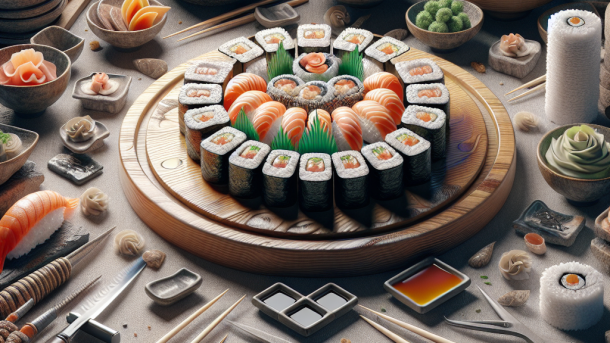
sushi varieties

What is the full name of sushi?

What is the Full Name of Sushi?

Introduction

Sushi – a word that instantly conjures up images of vibrant rolls, delicate nigiri, and artfully arranged sashimi. But have you ever paused to ponder what the full name of sushi truly signifies? In the United Kingdom, where multicultural flavors flourish like wildflowers in an English meadow, sushi has become a cherished part of the culinary landscape. Join us on a flavorful journey as we delve into the origins, varieties, and cultural significance of this iconic Japanese dish.

  • Unveiling the Mystery: What Does “Sushi” Mean?
  • The Rich History of Sushi
  • Exploring the Varieties of Sushi
  • The Cultural Significance of Sushi
  • Key Takeaways
  • Frequently Asked Questions
  • Conclusion

Unveiling the Mystery: What Does “Sushi” Mean?

At first glance, the word “sushi” might appear as enigmatic as a Shakespearian play without any context. The term “sushi” actually refers to the vinegared rice at the heart of the dish, rather than the fish or other ingredients that accompany it. This humble yet versatile base serves as a canvas for a myriad of flavors, much like how the rolling hills of Britain offer endless inspiration to painters and poets alike.

The Rich History of Sushi

Let us turn back the pages of time to ancient Japan, where sushi began its journey as a method of preserving fish through fermentation. Originally known as “narezushi,” this early form bore little resemblance to the sushi we enjoy today. Over centuries, this preservation technique evolved into “edomae-zushi,” which became popular in Edo (now Tokyo) during the 19th century. Much like how the industrial revolution transformed Britain, these culinary innovations eventually gave birth to the sushi we now cherish worldwide.

Exploring the Varieties of Sushi

The world of sushi is as diverse as the tapestry of cultures found across the British Isles. Here are some of the most popular types:

  • Nigiri: This hand-formed sushi features slices of raw fish laid over compacted rice.
  • Maki: Rolled sushi wrapped in seaweed, often with colorful fillings that make it as visually appealing as a sunset over London Bridge.
  • Sashimi: Often mistaken for sushi, this dish consists solely of expertly sliced raw fish without rice.
  • Temaki: Also known as hand rolls, these cone-shaped delights are perfect for those who prefer a more casual dining experience.

The Cultural Significance of Sushi

Sushi is not just a dish; it’s an integral part of Japanese culture, much like afternoon tea is woven into Britain’s social fabric. It embodies principles of balance and harmony, celebrating fresh ingredients and skilled craftsmanship. In Japan, sushi is often enjoyed with family and friends during special occasions, symbolizing togetherness and celebration—a sentiment that resonates deeply with British values of community and tradition.

Key Takeaways

  • Sushi, meaning “vinegared rice,” is central to various dishes, not just raw fish.
  • With deep roots in Japanese history, sushi has evolved significantly over time.
  • Diverse sushi varieties cater to different tastes and preferences.
  • Sushi reflects core Japanese values and is celebrated globally for its artistry.

Frequently Asked Questions

Q: Is sushi always made with raw fish?

A: No, not all sushi contains raw fish. Some versions include cooked ingredients or vegetables.

Q: How should I eat sushi properly?

A: Traditionally, sushi is eaten with hands or chopsticks, followed by a small piece of pickled ginger to cleanse the palate.

Conclusion

In conclusion, sushi is much more than just a delightful dish; it’s a culinary symphony that harmonizes flavors, traditions, and cultures. Like a bridge connecting two worlds, it links ancient practices with modern tastes, offering a delectable experience that captivates and unites people from all walks of life. Whether you’re savoring sushi in a traditional Japanese setting or enjoying it amidst the bustling streets of London, each bite tells a story—a story as rich and varied as the journey of sushi itself.

For further exploration into Japanese cuisine’s wonders, consider visiting reputable sources such as Japan National Tourism Organization. Additionally, uncover more about food safety practices through resources like Food Standards Agency, ensuring your culinary adventures are both enjoyable and safe.

What is sushi short for?

What is Sushi Short For? Delving into the Depth of Japan’s Culinary Jewel

Introduction

In the heart of every bustling street in Tokyo to the refined dining tables of London, there lies a culinary tapestry woven with tradition, innovation, and artistry—known as sushi. But have you ever paused to ponder, what is sushi short for? Is it merely a dish or does it encapsulate a larger narrative, a profound essence from the Land of the Rising Sun?

Sushi is not just an edible delight—it’s a bridge that connects cultures and transcends boundaries. This article will journey through the alleys of history, unravel sushi’s cultural significance, and explore its myriad forms as they grace our plates today.

  • The Historical Roots of Sushi
  • Cultural Significance of Sushi
  • Modern Variations of Sushi
  • Sushi in the UK: A Growing Phenomenon
  • Key Takeaways
  • Frequently Asked Questions
  • Conclusion

The Historical Roots of Sushi

Like the intricate layers of a traditional kimono, the history of sushi is layered and fascinating. Originating from a method of preserving fish in fermented rice over 1,000 years ago in Southeast Asia, sushi has evolved dramatically. The term “sushi” itself is derived from an ancient grammatical form meaning “sour,” reflecting its early preservation technique.

Fast forward to the Edo period (1603-1868), sushi underwent a transformation akin to a caterpillar blossoming into a butterfly. It became a fast food sold on the streets of Edo (now Tokyo), with fresh fish laid atop vinegared rice—a precursor to the nigiri we adore today.

Cultural Significance of Sushi

Sushi is not just nourishment; it’s a celebration of simplicity and precision. In Japan, it embodies a philosophy that respects the natural essence of ingredients. Each piece of sushi is a testament to meticulous craft—like an artist painting on a canvas with flavors.

But why has this traditional dish become an international sensation? It is perhaps sushi’s ability to adapt while preserving its core identity that has made it beloved across the globe. For anyone looking to delve deeper into Japanese cuisine, sushi serves as both an introduction and an invitation to explore further.

Modern Variations of Sushi

With globalization acting as a culinary catalyst, sushi has morphed into various forms. From California rolls to the avant-garde fusion sushi found in Michelin-starred restaurants, these variations are like new verses added to an age-old poem.

Yet, no matter how diverse the forms become, each bite remains a harmonious blend of taste and aesthetics—an ode to its ancestral roots. As you navigate through this gastronomic journey, consider exploring more about how cultural exchanges influence modern cuisine.

Sushi in the UK: A Growing Phenomenon

In the United Kingdom, sushi has blossomed like cherry blossoms in springtime. From high-end restaurants to local supermarkets, it has captured the British palate with its elegance and subtlety. It’s not just about eating; it’s about experiencing a slice of Japanese life right in the heart of Britain.

The rise of sushi in the UK reflects broader culinary trends where people seek authenticity mixed with creativity. To better understand why this trend has taken root so deeply, consider reading more about Japanese cuisine’s influence on global food culture.

Key Takeaways

  • Sushi originated as a method of preserving fish in fermented rice over 1,000 years ago.
  • It embodies cultural significance in Japan as a symbol of simplicity and precision.
  • Modern variations have made sushi a global phenomenon.
  • The UK has embraced sushi, reflecting its growing popularity and cultural exchange.

Frequently Asked Questions

What is the origin of the word ‘sushi’?

The word ‘sushi’ comes from an ancient Japanese grammatical form meaning “sour,” referring to its original method of preparation.

Why is sushi popular worldwide?

Sushi’s popularity stems from its adaptability, aesthetic appeal, and ability to offer a unique combination of flavors while respecting traditional methods.

How has sushi evolved over time?

From preserving fish in fermented rice to becoming an iconic street food in Edo, and now a global culinary delight, sushi has continually transformed while maintaining its essence.

Conclusion

As we close this exploration into the world of sushi, remember that it’s more than just a dish—it’s an experience steeped in history and crafted with love. Whether you’re savoring traditional nigiri or indulging in a modern Californian roll, sushi invites you to partake in a rich tapestry of cultural heritage.

So next time you reach for those chopsticks, pause and reflect on what lies beyond the plate—a story that spans centuries, cultures, and continents.


What is the explanation of sushi?

What is the explanation of sushi?

Introduction

Imagine a world where tradition meets innovation on a rolling canvas of vinegared rice, seafood, and vegetables. Yes, we are diving deep into the universe of sushi—a culinary art form that has crossed oceans to become a beloved delicacy here in Great Britain. But what exactly is sushi? How did it travel from the bustling markets of Japan to the sophisticated dining tables of London? Let’s explore this gastronomic journey together.

  • Understanding Sushi: A Historical Perspective
  • The Cultural Significance of Sushi
  • The Many Faces of Sushi: Varieties and Styles
  • Sushi’s Rise in Popularity in the UK
  • Health Benefits of Sushi
  • Key Takeaways
  • Frequently Asked Questions
  • Conclusion

Understanding Sushi: A Historical Perspective

Sushi, a dish synonymous with Japanese cuisine, has roots that trace back centuries. Originating as a method to preserve fish by fermenting it with rice, sushi has evolved remarkably over time. This evolution mirrors the journey of a river shaping its path through a valley—slowly, yet powerfully. In the Edo period, sushi found its modern form, transitioning from fermented delicacies to fresh and fast food for Tokyo’s busy streets.

The Cultural Significance of Sushi

Sushi is more than just food; it is a vessel of cultural heritage. Much like how Big Ben is an icon of London, sushi represents the precision and dedication of Japanese culinary arts. Each piece is a testament to craftsmanship, embodying harmony between taste and aesthetics. This cultural symbol has been embraced globally, reflecting the world’s appreciation for its rich traditions.

The Many Faces of Sushi: Varieties and Styles

Just as the United Kingdom boasts diverse landscapes, sushi offers a variety of styles that cater to different palates. From the delicate nigiri to the visually intriguing maki rolls, each type tells its own story. Consider sashimi as the purest expression of seafood—simple yet profound. Meanwhile, the vibrant colors and imaginative combinations found in fusion sushi push boundaries like a daring avant-garde painting.

Sushi’s Rise in Popularity in the UK

The UK has embraced sushi with open arms, much like welcoming a new friend to a dinner party. Once an exotic novelty, sushi bars now line the streets from Edinburgh to Brighton. The British love affair with sushi can be attributed to its health benefits and the increasing demand for diverse and exciting dining experiences. According to BBC Food, sushi’s popularity continues to soar, driven by its appeal to both traditionalists and adventurous eaters alike.

Health Benefits of Sushi

In the realm of healthy eating, sushi stands as a beacon of balance and nutrition. Rich in omega-3 fatty acids and low in calories, it’s akin to finding a treasure chest filled with gold doubloons of health benefits. Moreover, incorporating wasabi and pickled ginger not only enhances flavor but also boosts metabolism and immunity. These attributes make sushi an excellent choice for those seeking a wholesome diet.

Key Takeaways

  • Sushi originated as a preservation method, evolving into a global culinary delight.
  • It holds significant cultural value as an embodiment of Japanese artistry.
  • Sushi offers various styles, from traditional nigiri to modern fusion creations.
  • The UK’s sushi scene is thriving due to its health benefits and unique flavors.

Frequently Asked Questions

What is the most popular type of sushi in the UK?

Nigiri and maki rolls are particularly popular due to their accessibility and range of flavors.

Is sushi safe to eat during pregnancy?

While some types of sushi are safe if made with cooked ingredients, it’s best to consult with a healthcare professional.

Conclusion

In conclusion, sushi is not merely a meal; it is an experience—a symphony played out on your palate. Its journey from ancient Japan to modern-day Britain exemplifies how culinary traditions can transcend borders and unite cultures. Whether you’re savoring a simple salmon nigiri or indulging in a creative fusion roll, sushi beckons you to explore its depths with an open mind and eager taste buds.

If you wish to delve deeper into the world of diverse cuisines or are curious about other culinary journeys, explore our guide on installing laravel on a local server.

For more on worldwide culinary adventures, visit reputable sources like The New York Times and BBC News.

Skip to content