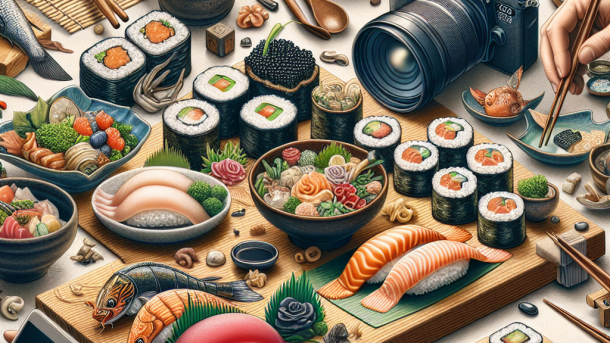
sushi types

What qualifies as sushi?

What Qualifies as Sushi?

Introduction

Sushi is not merely a dish; it is an art that dances on your palate with a delicate balance of flavors. This Japanese delicacy has made its way across the globe, charming its way into the hearts of food enthusiasts. But what really qualifies as sushi? Is it just a fancy rice ball with fish, or does it carry deeper stories? As we unravel this culinary enigma, let’s journey into the world of sushi, where history and taste blend seamlessly.

  • The Origins of Sushi
  • Types of Sushi
  • Traditional Ingredients
  • Sushi in the UK
  • Key Takeaways
  • FAQs on Sushi
  • Conclusion

The Origins of Sushi

Once upon a time, in the ancient lands of Southeast Asia, sushi began its life as a method of preserving fish. Imagine a world where refrigeration was a mere dream — fermented rice played hero by keeping fish fresh for extended periods. This technique traveled to Japan, evolving into the sushi we cherish today. The story isn’t just about food; it’s about human ingenuity and tradition interwoven like a tapestry.

Evolution Over Centuries

As centuries flowed like a river carving canyons, sushi transformed from a preservation method into an art form. It became synonymous with celebrations and precision, akin to a symphony orchestrated with rice and seafood. In the Edo period, street vendors introduced nigiri-zushi, aligning with modern sushi’s birth. With each piece crafted with meticulous attention, sushi became not only a meal but an experience.

Types of Sushi

As diverse as the colors of a painter’s palette, sushi comes in various types, each offering a unique gustatory adventure:

  • Nigiri: Hand-formed rice topped with a sliver of fish, embodying simplicity and elegance.
  • Sashimi: Pure slices of raw fish, without rice, allowing the natural flavors to shine.
  • Maki: Rolled sushi wrapped in seaweed, showcasing creativity through various fillings.
  • Uramaki: Inside-out rolls with rice on the outside, adding a modern twist to traditional maki.
  • Temaki: Cone-shaped hand rolls that offer a casual yet delightful experience.

Traditional Ingredients

Sushi’s soul lies in its ingredients. The harmony between vinegared rice and fresh seafood creates a symphony of taste, much like the perfect notes in a melody. Yet, it’s not just about fish; vegetables and other elements play their parts in this orchestra too. From tuna to eel, cucumber to avocado, each ingredient is selected with care, ensuring balance in every bite.

Sushi in the UK

The UK has embraced sushi with open arms and an open mind. From chic restaurants in bustling London to quaint sushi bars in quieter towns, it’s become a staple in British culinary culture. With local twists and fusion flavors, British chefs have added their own chapters to the sushi saga. For those curious souls eager to indulge at home, exploring recipes for preparing sushi at home can be an exciting journey.

The Fusion Revolution

The UK’s sushi scene is like an artist mixing hues on a canvas — traditional techniques blend with modern creativity. The result? Unique offerings that pay homage to classic flavors while embracing the contemporary. It’s akin to dancing between two worlds, where age-old traditions meet inventive genius.

Key Takeaways

  • Sushi originated as a method of preserving fish but evolved into an art form over centuries.
  • Diverse types of sushi offer different tastes and experiences.
  • The UK has embraced sushi culture, offering both traditional and fusion varieties.

FAQs on Sushi

  1. Is all sushi raw?
    No, not all sushi is raw. Some varieties are cooked or use cured ingredients.
  2. Can I make sushi at home?
    Absolutely! With fresh ingredients and some practice, making sushi at home can be both fun and rewarding.
  3. What makes good sushi?
    Quality ingredients, proper technique, and attention to detail contribute to excellent sushi.

Conclusion

Sushi is more than just a dish; it’s a narrative — one that speaks of history, culture, and innovation. With roots deep in Asian soil and branches reaching around the world, it has captivated taste buds far and wide. Whether you savor it at a high-end restaurant or attempt crafting it at home, let each piece transport you on a journey through time and taste. As [you explore](http://blogstorm-blog.local/how-to-install-laravel-on-a-local-server/) more about this culinary masterpiece, may your appreciation for its intricate beauty deepen with each bite.

Dive into the world of sushi and let it tell you its story — one flavor at a time.

What are 5 facts about sushi?

What are 5 Facts About Sushi?

Introduction

Sushi: a word that rolls off the tongue like a gentle wave lapping at the shore. This culinary gem, with its delicate balance of flavors and textures, has journeyed far from the bustling markets of Tokyo to become a staple in the United Kingdom’s diverse gastronomic landscape. But do we truly know this tantalizing creation beyond its surface allure? Join us as we delve into five captivating facts about sushi that will deepen your appreciation for this artful cuisine.

  • The Origin Story of Sushi
  • The Art of Sushi Making
  • Types of Sushi You Should Know
  • Nutritional Benefits of Sushi
  • Sushi in British Culture

The Origin Story of Sushi

Did you know that sushi’s roots stretch back over a thousand years? Originally developed as a preservation method for fish, sushi began as “narezushi,” where fish was fermented with rice for months on end. This ancient practice paved the way for modern sushi, which blossomed into an iconic culinary art form during the Edo period. Just as the River Thames meanders through London, sushi made its way through time, evolving with each twist and turn.

The Transition to Modern Sushi

It wasn’t until the 19th century that sushi transformed into what we recognize today—a quick meal combining raw fish with vinegared rice. This innovation is attributed to Hanaya Yohei, who introduced nigiri sushi in Edo (now Tokyo), forever changing the course of this delectable delicacy.

The Art of Sushi Making

Imagine a symphony where each ingredient plays its unique note, creating harmony on your palate. This is the art of sushi making. Behind every slice of sashimi and perfect roll lies a world of intricate techniques and traditions passed down through generations.

Mastering the Craft

A true sushi chef, or “itamae,” undergoes years of rigorous training, mastering not only the skillful knife work but also the art of balancing flavors. It’s akin to the dedication seen in artisans [perfecting their craft](https://en.wikipedia.org/wiki/Sushi). The result? A culinary masterpiece that speaks volumes without uttering a word.

Types of Sushi You Should Know

Much like the vibrant tapestry of cultures across Britain, sushi comes in various forms, each with its distinct character.

  • Nigiri: Hand-pressed rice topped with a slice of fish.
  • Maki: Rolled sushi wrapped in seaweed, offering a delightful bite-sized experience.
  • Sashimi: Pure slices of raw fish, emphasizing simplicity and purity.
  • Temaki: Cone-shaped hand rolls that bring a playful touch to your plate.
  • Uramaki: Inside-out rolls with rice on the outside, often adorned with sesame seeds.

Nutritional Benefits of Sushi

Sushi isn’t just a feast for the senses; it’s also a nourishing choice for your body. Rich in omega-3 fatty acids, sushi promotes heart health and cognitive function. The rice provides essential carbohydrates, while seaweed is packed with vitamins and minerals—a veritable treasure trove from the ocean.

For those mindful of their dietary choices, sushi offers a nutritious alternative to traditional Western meals. As you savor each piece, you’re not only indulging your taste buds but nurturing your well-being too.

Sushi in British Culture

From bustling cities to quaint towns, sushi has found its place in the hearts and plates of Britons across the country. With sushi bars and restaurants flourishing like wildflowers in spring, this Japanese delight has seamlessly woven itself into the fabric of British dining culture.

The popularity of sushi reflects Britain’s embrace of global cuisine, much like its vibrant multicultural society. It stands as a testament to our desire to explore new flavors and experiences, broadening our culinary horizons one roll at a time.

Key Takeaways

  • Sushi originated as a preservation method and evolved into an art form in Japan.
  • The craft of sushi making requires years of training and dedication.
  • Sushi comes in various types, each offering unique flavors and textures.
  • Nutritionally rich, sushi supports heart health and overall well-being.
  • Sushi has become an integral part of British dining culture.

Frequently Asked Questions (FAQ)

Q: What is the most popular type of sushi in the UK?

A: Nigiri and Maki are among the most popular types enjoyed by sushi enthusiasts across the UK.

Q: Is sushi safe to eat?

A: Yes, when prepared properly with fresh ingredients, sushi is safe to consume. Always choose reputable establishments for the best experience.

Q: Can vegetarians enjoy sushi?

A: Absolutely! Many sushi restaurants offer vegetarian options like cucumber rolls and avocado nigiri, ensuring everyone can partake in this culinary delight.

Conclusion

Sushi is more than just food; it is an experience that transports us to another world with each bite. As it continues to captivate palates across Britain and beyond, we are reminded of its profound journey—from humble beginnings to a global sensation. So next time you indulge in this exquisite dish, take a moment to appreciate the rich history and artistry that make sushi truly extraordinary.

What is sushi for beginners about?

What is Sushi for Beginners About?

Introduction

In the vibrant tapestry of global cuisine, sushi stands as a masterpiece of simplicity and elegance. Originating from Japan, sushi has woven itself into the culinary fabric of the UK, captivating palates with its delicate balance of flavors and textures. But what exactly is sushi for beginners about? Imagine embarking on a gastronomic journey where every bite tells a story—a story of tradition, innovation, and the artistry of combining rice, fish, and seaweed. Join us as we delve into the world of sushi, unraveling its mysteries and revealing why it has become a beloved delicacy across the British Isles.

  • The Origins of Sushi
  • Types of Sushi
  • How to Enjoy Sushi
  • Key Takeaways
  • FAQs
  • Conclusion

The Origins of Sushi

Picture ancient Japan, where the necessity of preserving fish birthed a culinary revolution. Sushi’s roots trace back to the practice of fermenting fish with rice, a method that evolved over centuries. The term “sushi” itself derives from an old grammatical form meaning “sour,” reflecting its fermented origins. Fast forward to modern times, and sushi has transformed into an art form celebrated worldwide. In the UK, sushi represents not just a meal but a cultural exchange, a bridge between East and West.

Evolution Over Time

Sushi’s journey from simple preservation technique to a sophisticated culinary art mirrors society’s evolution. As you savor each piece, consider the historical tapestry woven into its creation. For more on sushi’s fascinating history, explore resources from authoritative sources like the Encyclopaedia Britannica.

Types of Sushi

Embarking on your sushi adventure, you’ll encounter a diverse array of styles, each with its own unique character. Here are some popular types to whet your appetite:

  • Nigiri: Hand-formed rice topped with fish or seafood.
  • Sashimi: Thinly sliced raw fish served without rice.
  • Maki: Rolled sushi with rice and fillings wrapped in seaweed.
  • Uramaki: Inside-out rolls with rice on the outside.
  • Temaki: Cone-shaped hand rolls filled with delicious ingredients.

Modern Innovations

Sushi chefs continually push boundaries, infusing traditional techniques with modern flair. The UK’s dynamic food scene has embraced these innovations, offering creations that tantalize both the eyes and taste buds. To discover some unique sushi recipes and trends, check out recommendations from reputed platforms like BBC Food.

How to Enjoy Sushi

Enjoying sushi is an experience that engages all senses. Imagine sitting at a sushi bar, the chef’s knife gliding through fresh fish like a painter’s brush on canvas. Here’s how you can make the most of your sushi dining experience:

  1. Choose Wisely: Start with milder options before venturing into bolder flavors.
  2. Dine Mindfully: Savor each bite, appreciating the harmony of tastes and textures.
  3. Pair Thoughtfully: Complement sushi with traditional accompaniments like soy sauce, wasabi, and pickled ginger.

For those keen on exploring sushi-making at home, our detailed guide on creating sushi in your kitchen is a perfect starting point.

Key Takeaways

  • Sushi is deeply rooted in Japanese culinary traditions yet has embraced modern influences.
  • Understanding different types of sushi enhances the dining experience.
  • The UK’s sushi scene offers a blend of authenticity and innovation.

FAQs

Q: Is sushi always made with raw fish?

A: Not necessarily! While raw fish is common, there are many cooked varieties available.

Q: Can I try making sushi at home?

A: Absolutely! With some practice and quality ingredients, homemade sushi can be an enjoyable culinary project.

Conclusion

Sushi is more than just food; it’s a celebration of culture, creativity, and the joys of culinary exploration. As you embark on your journey into the world of sushi, let each bite be an invitation to discover new flavors and stories. Whether you’re dining at a local restaurant or experimenting in your kitchen, sushi offers endless possibilities for enjoyment and learning. So why not dive in and embrace the art of sushi today?

For further reading on sushi culture and more delicious recipes, don’t hesitate to visit trusted sites like the Japan Society UK. Embrace the flavors and traditions that make sushi an unforgettable experience!

Skip to content