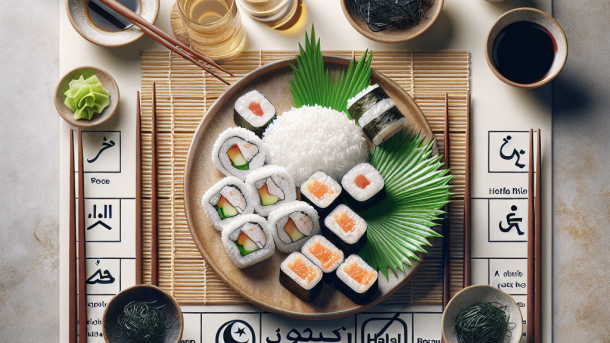
Introduction
Ah, sushi! The delicate dance of flavors that captivates the taste buds and promises a culinary journey to far-off lands. Yet, for many Muslims in the United Kingdom, a question hovers like a cloud over this Japanese delicacy: “Can I eat sushi rice?” This question isn’t merely about taste; it wades into the deeper waters of dietary laws and religious adherence. As we dive into this topic, we will unravel the complex tapestry of cultural, religious, and culinary threads that make up this fascinating subject.
- Understanding Sushi Rice: The Core Ingredient
- The Halal Perspective: What Do Islamic Dietary Laws Say?
- Ingredients: The Devil is in the Details
- Common Misconceptions: Busting Myths
- Key Takeaways
- FAQs
- Conclusion: A Harmonious Blend of Culture and Faith
Understanding Sushi Rice: The Core Ingredient
Sushi rice is the foundational canvas upon which the art of sushi is painted. It is not just any ordinary rice; it is a short-grain rice seasoned with a mixture of vinegar, sugar, and salt. This simple blend gives sushi its distinctive sweet-tangy flavor profile. But beyond its taste, what often catches the curious eye of Muslim consumers is its preparation process—a critical factor in determining whether it aligns with halal dietary laws.
The Halal Perspective: What Do Islamic Dietary Laws Say?
In the grand tapestry of Islamic dietary guidelines, ‘halal’ and ‘haram’ play pivotal roles. Halal, meaning permissible, allows Muslims to consume foods that adhere to specific religious criteria, while haram signifies forbidden items. The question arises: Does sushi rice meet these sacred standards? According to traditional Islamic jurisprudence, rice itself is inherently halal. However, it’s often the accompaniments that tip the scale.
Ingredients: The Devil is in the Details
As they say, “the devil is in the details.” In this case, it refers to the seemingly innocuous ingredients added to sushi rice—vinegar, sugar, and occasionally mirin (a type of rice wine). Mirin poses a challenge due to its alcoholic content, which renders it haram. Therefore, discerning Muslims often seek sushi prepared with non-alcoholic substitutes or inquire about ingredient lists at their favorite Japanese eateries.
For those navigating the bustling streets of London or Manchester in search of halal sushi, there are establishments that cater specifically to halal dietary needs. These places ensure that their sushi is prepared without any haram elements. To learn more about maintaining a halal lifestyle in diverse settings, you might find resources such as the NHS Eat Well Guide helpful.
Common Misconceptions: Busting Myths
Many myths swirl around the world of sushi like cherry blossoms in a spring breeze. One common misconception is that all sushi contains raw fish, which might deter some from exploring its vegetarian counterparts. In truth, sushi can be crafted with an array of ingredients that remain firmly within the bounds of halal, such as vegetables and fruits.
A visit to a reputable sushi restaurant can be akin to opening a treasure chest filled with myriad options that respect both culinary curiosity and religious boundaries.
Key Takeaways
- Sushi rice itself is halal, but caution should be exercised with additional ingredients like vinegar and mirin.
- Seek out restaurants that specialize in halal sushi or ask about their preparation methods.
- Explore vegetarian sushi options as a safe alternative.
FAQs
Is all sushi haram?
No, not all sushi is haram. While some types contain ingredients like alcohol-based mirin, others are made with halal-friendly components or are entirely vegetarian.
How can I ensure my sushi is halal?
Look for restaurants offering halal-certified menus or inquire about ingredient substitutions. Additionally, explore vegetarian sushi options for peace of mind.
Conclusion: A Harmonious Blend of Culture and Faith
In conclusion, enjoying sushi as a Muslim in the UK need not be a dilemma riddled with doubt. By being mindful of ingredients and seeking out establishments that respect your dietary preferences, you can indulge in this artful cuisine without compromising your faith. Ultimately, it’s about blending culture and religion harmoniously—a taste worth savoring.
As you embark on this gastronomic journey, remember that understanding and respect are your best allies. For further guidance on maintaining a balanced diet within religious parameters, consider consulting resources like BBC Food’s Halal Guide. Bon appétit!
