sushi preparation

How much salt is in sushi rice?

“`html

How much salt is in sushi rice?

Introduction

In the realm of culinary arts, sushi stands as a paragon of precision and elegance. Each element plays a pivotal role, akin to instruments in a symphony orchestra, with sushi rice being the foundation upon which this masterpiece is built. But how much salt should one add to this delicacy to strike the perfect balance between flavor and health? This article will unravel the mystery behind the salt content in sushi rice, offering insights into its cultural significance and health implications. Let’s dive into this culinary journey.

  • Understanding Sushi Rice Composition
  • The Role of Salt in Sushi Rice
  • Health Considerations
  • Key Takeaways
  • FAQ Section
  • Conclusion

Understanding Sushi Rice Composition

Sushi rice, the unsung hero of Japanese cuisine, is a delicate blend of short-grain rice, vinegar, sugar, and salt. It serves as a canvas awaiting the artistry of sushi toppings. The balance of these ingredients determines not just the taste but the texture that sushi lovers cherish.

The Role of Salt in Sushi Rice

Imagine salt as the maestro guiding the orchestra. Its presence enhances the flavor notes of vinegar and sugar, harmonizing them into a cohesive taste sensation. A typical recipe might suggest adding about 10 grams of salt per 500 grams of uncooked rice – a subtle yet crucial addition that elevates the dish. However, like any skilled conductor, too much can overpower the ensemble, leading to a dish that feels more like a cacophony than a symphony.

Health Considerations

While salt is indispensable in creating authentic sushi rice, it is essential to be mindful of its health implications. Excessive salt intake has been linked to high blood pressure and other cardiovascular issues. According to the NHS guidelines, adults should aim for no more than 6 grams of salt per day. Balancing traditional flavors with modern health standards is akin to walking a tightrope, requiring both skill and caution.

Key Takeaways

  • Sushi rice is a complex interplay of rice, vinegar, sugar, and salt.
  • Salt enhances flavor but should be used judiciously to avoid overpowering other ingredients.
  • Mindful consumption aligns with health guidelines, ensuring a delightful yet healthy dining experience.

FAQ Section

How much salt should I use for 500g of sushi rice?

You should use approximately 10 grams of salt for every 500 grams of uncooked sushi rice to achieve the right balance.

Is it okay to reduce the salt in sushi rice?

Yes, you can adjust the salt according to your taste preference and dietary needs while keeping in mind that it may alter the traditional flavor profile.

Conclusion

Culinary arts are as much about tradition as they are about innovation. Sushi rice embodies this duality through its careful composition and cultural significance. The salt within it serves not just as seasoning but as an integral part of its identity. By understanding and respecting this balance, we can savor sushi’s elegance while adhering to health-conscious choices. For a deeper dive into sushi’s rich history, let the world of Japanese cuisine enlighten your palate and broaden your understanding.

As you embark on your own culinary adventures, remember that each grain of rice tells a story, waiting to be tasted and experienced in all its savory splendor.

“`
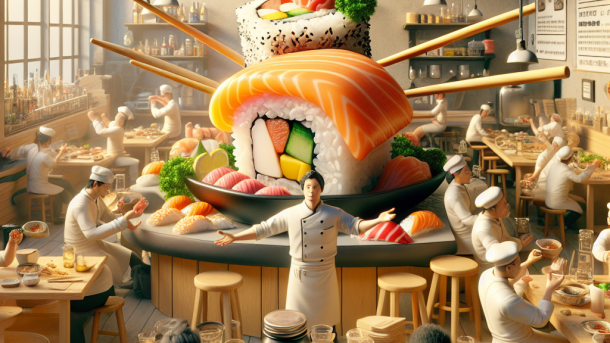
How do you explain sushi?

How do you explain sushi?

Introduction

Imagine a symphony of flavors dancing on your palate; each note a testament to centuries of tradition and craftsmanship. This is the world of sushi—a culinary art form that has captivated gourmets worldwide. But what makes sushi more than just raw fish and rice? How does it weave the threads of history, culture, and gastronomy into an exquisite tapestry? Join us as we unravel these mysteries and explore the profound essence of sushi.

  • The Origins of Sushi: A Culinary Journey
  • Understanding Sushi: More Than Just Fish and Rice
  • Sushi Preparation: The Art Behind the Craft
  • The Cultural Significance of Sushi in Japan
  • Key Takeaways
  • Frequently Asked Questions
  • Conclusion

The Origins of Sushi: A Culinary Journey

Our story begins not in the bustling streets of Tokyo but rather along the tranquil banks of the Mekong River. Here, in ancient Southeast Asia, the practice of fermenting fish with rice was born—not for taste, but preservation. Over time, this method traveled northward, morphing into the sushi we know today. Yet, how did a humble preservation technique transform into a global culinary phenomenon? It’s a tale of evolution, adaptation, and boundless creativity.

Understanding Sushi: More Than Just Fish and Rice

Sushi is often mistakenly simplified to raw fish over vinegared rice. However, this is akin to calling the Mona Lisa just a painting. Sushi is an orchestra of flavors and textures—each ingredient chosen with precision, each piece crafted with dedication. From the buttery richness of toro (fatty tuna) to the delicate whisper of uni (sea urchin), sushi offers a diverse palette that challenges and delights.

Sushi Preparation: The Art Behind the Craft

Creating sushi is akin to sculpting marble—the artist must possess not only skill but also reverence for the medium. Sushi chefs train for years, perfecting their knife skills and mastering the subtle art of balance. Every cut, every roll is a brushstroke on a canvas of taste. For those eager to delve deeper into this craft, understanding the intricacies of preparing sushi can be as rewarding as enjoying it.

The Cultural Significance of Sushi in Japan

Sushi is not merely food—it is a cultural ambassador for Japan. In every bite lies a story of tradition, respect, and community. Whether served in a high-end Tokyo restaurant or a coastal village market stall, sushi embodies the Japanese philosophy of harmony with nature and mindfulness in every action. This cultural significance extends beyond the borders of Japan, offering a glimpse into a way of life that values precision and elegance.

Key Takeaways

  • Sushi originated from ancient preservation techniques in Southeast Asia.
  • It is a complex dish involving carefully selected ingredients and precise preparation methods.
  • Sushi holds significant cultural importance in Japan, symbolizing harmony and tradition.

Frequently Asked Questions

What are the main types of sushi?

Sushi comes in various forms such as nigiri (sliced fish on rice), maki (rolled sushi), sashimi (slices of raw fish), and more.

Is all sushi raw?

No, not all sushi involves raw fish. Some variations use cooked ingredients or vegetables.

Where can I learn more about Japanese cuisine?

For an extensive exploration of Japanese food culture, visit Wikipedia’s Japanese cuisine page.

Conclusion

Sushi is an art form that transcends mere sustenance. It is an expression of nature’s bounty and human ingenuity—a bridge between past and present, East and West. As you savor each piece, remember that you’re partaking in a rich tapestry woven over centuries. So next time you enjoy sushi, ponder its story and relish the journey it represents.

For more culinary explorations, consider visiting our page on the best Japanese restaurants in London, where tradition meets innovation in delightful harmony.

Why is sushi very expensive?

Why is Sushi Very Expensive?

Introduction

In the bustling streets of London or the quaint corners of Edinburgh, sushi restaurants have become synonymous with high-class dining. But what makes these delicate morsels of Japanese cuisine so costly? Is it the pristine slices of fish, the skilled hands crafting each piece, or perhaps the exotic allure of its cultural roots? Dive into the depths of this culinary ocean as we unravel the enigma of why sushi is very expensive.

  • The Art of Sushi Making
  • Quality Ingredients: The Heart of Sushi
  • Sourcing and Sustainability
  • Location and Ambiance
  • Key Takeaways
  • FAQs about Sushi Pricing
  • Conclusion

The Art of Sushi Making

Imagine a painter with a blank canvas. Similarly, a sushi chef stands before a cutting board, transforming raw ingredients into art. The journey to becoming an accomplished sushi chef is arduous and lengthy, often compared to training for a black belt in martial arts. In Japan, aspiring chefs undergo years of rigorous training before they are permitted to prepare sushi rice or wield a knife over delicate fish.

This dedication to craft is akin to a composer perfecting a symphony—each note, or in this case, piece of sushi, must be flawless. This level of expertise ensures that every bite is a masterpiece, justifying the premium price tag associated with it. For more insights on such meticulous culinary art, you might find parallels in the world of fine dining.

Quality Ingredients: The Heart of Sushi

At the core of sushi’s allure are its ingredients—freshness and quality unmatched by many other cuisines. Sourcing these exquisite components is no small feat. From the buttery richness of Bluefin tuna to the distinct sweetness of uni (sea urchin), each ingredient boasts a story of its own.

Consider the journey of a single salmon. It begins in the icy waters of Scotland, meticulously raised to ensure pristine quality. This salmon then travels across oceans, ensuring it arrives at your plate fresher than a morning dew. Such meticulous sourcing parallels the care taken in producing vintage wines or aged whiskies, requiring both time and investment.

Sourcing and Sustainability

With great luxury comes great responsibility. The demand for premium sushi has pressured ecosystems worldwide, particularly with species like Bluefin tuna facing endangerment. Thus, reputable restaurants often prioritize sustainability, adhering to guidelines set by authorities like governmental agencies to ensure responsible sourcing.

This commitment not only adds to the cost but also ensures that we can continue enjoying these delicacies for generations to come—a worthy investment indeed.

Location and Ambiance

The setting of a sushi restaurant plays a pivotal role in its pricing. Picture yourself in a serene sushi bar adorned with bamboo accents and soft lantern light—a slice of Tokyo nestled within the heart of Manchester. Creating such an authentic ambiance requires investments in décor, location, and staff trained in traditional Japanese hospitality.

Moreover, prime locations in major cities naturally demand higher rents, further elevating costs. This is akin to owning a piece of prime real estate; location significantly influences value. To explore more about how location influences cost, consider reading about property prices in urban centers.

Key Takeaways

  • Sushi’s expense reflects the skill and artistry involved in its preparation.
  • Premium quality ingredients sourced globally contribute significantly to costs.
  • Sustainability efforts ensure ethical consumption but add to expenses.
  • Location and ambiance are crucial cost factors, much like real estate.

FAQs about Sushi Pricing

Why is sushi more expensive than other foods?

Sushi involves high-quality ingredients and skilled preparation, driving up costs compared to simpler dishes.

Are there affordable sushi options?

Yes, many supermarkets and casual dining spots offer budget-friendly varieties, though they may lack the premium ingredients found in high-end establishments.

Conclusion

Sushi is not merely food; it’s an experience—a harmonious blend of tradition, taste, and technique. Its price reflects not just the dish itself but the legacy and labor behind it. As you savor each bite, remember the journey from ocean to plate, crafted by artisans dedicated to their culinary heritage.

For those intrigued by other aspects of global cuisines and their intricacies, exploring articles on Japanese cuisine can provide broader context and appreciation for this timeless art form.

Skip to content