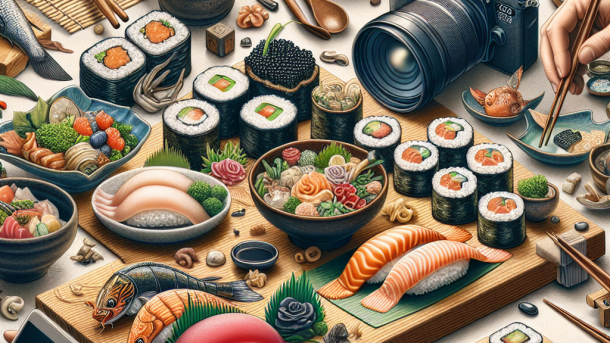
sushi ingredients

What qualifies as sushi?

What Qualifies as Sushi?

Introduction

Sushi is not merely a dish; it is an art that dances on your palate with a delicate balance of flavors. This Japanese delicacy has made its way across the globe, charming its way into the hearts of food enthusiasts. But what really qualifies as sushi? Is it just a fancy rice ball with fish, or does it carry deeper stories? As we unravel this culinary enigma, let’s journey into the world of sushi, where history and taste blend seamlessly.

  • The Origins of Sushi
  • Types of Sushi
  • Traditional Ingredients
  • Sushi in the UK
  • Key Takeaways
  • FAQs on Sushi
  • Conclusion

The Origins of Sushi

Once upon a time, in the ancient lands of Southeast Asia, sushi began its life as a method of preserving fish. Imagine a world where refrigeration was a mere dream — fermented rice played hero by keeping fish fresh for extended periods. This technique traveled to Japan, evolving into the sushi we cherish today. The story isn’t just about food; it’s about human ingenuity and tradition interwoven like a tapestry.

Evolution Over Centuries

As centuries flowed like a river carving canyons, sushi transformed from a preservation method into an art form. It became synonymous with celebrations and precision, akin to a symphony orchestrated with rice and seafood. In the Edo period, street vendors introduced nigiri-zushi, aligning with modern sushi’s birth. With each piece crafted with meticulous attention, sushi became not only a meal but an experience.

Types of Sushi

As diverse as the colors of a painter’s palette, sushi comes in various types, each offering a unique gustatory adventure:

  • Nigiri: Hand-formed rice topped with a sliver of fish, embodying simplicity and elegance.
  • Sashimi: Pure slices of raw fish, without rice, allowing the natural flavors to shine.
  • Maki: Rolled sushi wrapped in seaweed, showcasing creativity through various fillings.
  • Uramaki: Inside-out rolls with rice on the outside, adding a modern twist to traditional maki.
  • Temaki: Cone-shaped hand rolls that offer a casual yet delightful experience.

Traditional Ingredients

Sushi’s soul lies in its ingredients. The harmony between vinegared rice and fresh seafood creates a symphony of taste, much like the perfect notes in a melody. Yet, it’s not just about fish; vegetables and other elements play their parts in this orchestra too. From tuna to eel, cucumber to avocado, each ingredient is selected with care, ensuring balance in every bite.

Sushi in the UK

The UK has embraced sushi with open arms and an open mind. From chic restaurants in bustling London to quaint sushi bars in quieter towns, it’s become a staple in British culinary culture. With local twists and fusion flavors, British chefs have added their own chapters to the sushi saga. For those curious souls eager to indulge at home, exploring recipes for preparing sushi at home can be an exciting journey.

The Fusion Revolution

The UK’s sushi scene is like an artist mixing hues on a canvas — traditional techniques blend with modern creativity. The result? Unique offerings that pay homage to classic flavors while embracing the contemporary. It’s akin to dancing between two worlds, where age-old traditions meet inventive genius.

Key Takeaways

  • Sushi originated as a method of preserving fish but evolved into an art form over centuries.
  • Diverse types of sushi offer different tastes and experiences.
  • The UK has embraced sushi culture, offering both traditional and fusion varieties.

FAQs on Sushi

  1. Is all sushi raw?
    No, not all sushi is raw. Some varieties are cooked or use cured ingredients.
  2. Can I make sushi at home?
    Absolutely! With fresh ingredients and some practice, making sushi at home can be both fun and rewarding.
  3. What makes good sushi?
    Quality ingredients, proper technique, and attention to detail contribute to excellent sushi.

Conclusion

Sushi is more than just a dish; it’s a narrative — one that speaks of history, culture, and innovation. With roots deep in Asian soil and branches reaching around the world, it has captivated taste buds far and wide. Whether you savor it at a high-end restaurant or attempt crafting it at home, let each piece transport you on a journey through time and taste. As [you explore](http://blogstorm-blog.local/how-to-install-laravel-on-a-local-server/) more about this culinary masterpiece, may your appreciation for its intricate beauty deepen with each bite.

Dive into the world of sushi and let it tell you its story — one flavor at a time.
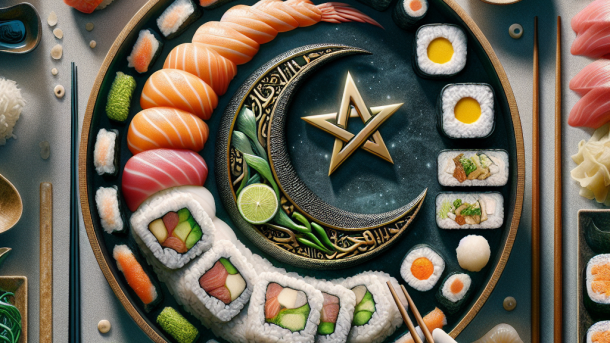
Is sushi halal in Islam?

Is Sushi Halal in Islam?

Introduction

In the realm of culinary delights, sushi stands out as an exquisite dance of flavors and textures. Originating from Japan, this dish has crossed borders and oceans to become a global sensation. Yet, for many Muslims residing in the UK, a question looms large: Is sushi halal in Islam? As we dive into this topic, we unravel the intricacies of halal dietary laws and how they intersect with the world of sushi.

  • The Allure of Sushi
  • The Foundations of Halal
  • Decoding Sushi Ingredients
  • The Art of Sushi Preparation
  • Key Takeaways
  • Frequently Asked Questions (FAQ)
  • Conclusion

The Allure of Sushi

Sushi is more than just food; it is an art form. Imagine a canvas where raw fish meets seasoned rice, wrapped lovingly in seaweed. Each piece is a masterpiece, meticulously crafted by the hands of a skilled chef. But amidst this artistry, one must wonder—does this culinary gem fit within the boundaries of halal?

The Foundations of Halal

In Islam, dietary laws are not mere guidelines but spiritual obligations. The term “halal” denotes that which is permissible under Islamic law. This encompasses everything from the method of slaughter to the absence of alcohol. For a deeper understanding, one might explore the principles laid out by the Islamic dietary laws, which provide insights into what is considered halal and haram.

Decoding Sushi Ingredients

When it comes to sushi, the devil—or perhaps the divine—is in the details. Let’s break down the common components:

  • Fish: Many types of seafood are halal, including salmon and tuna. However, care should be taken with eel and octopus, which may not align with all interpretations of halal.
  • Rice and Vinegar: While rice is a staple, the vinegar used can sometimes contain alcohol. It’s crucial to verify that it is free from any intoxicants.
  • Other Additives: Soy sauce and wasabi are popular accompaniments; however, some brands include alcohol or non-halal preservatives. Choosing certified halal products ensures compliance.

The Art of Sushi Preparation

The method of preparation can turn a potentially halal dish into a haram one. Cross-contamination with non-halal ingredients or utensils poses a significant risk. This makes it essential to select restaurants with stringent halal practices or to prepare sushi at home under controlled conditions.

For those interested in exploring recipes that meet Islamic dietary laws, the BBC Food’s guide to making your own sushi offers an excellent starting point.

Key Takeaways

  • Sushi can be halal if prepared with permissible ingredients and following Islamic guidelines.
  • The type of fish and additives like vinegar play crucial roles in determining halal status.
  • Ensuring no cross-contamination occurs during preparation is key.

Frequently Asked Questions (FAQ)

Q: Is all seafood considered halal?

A: While most seafood is halal, there are exceptions based on different Islamic schools of thought. It’s advisable to consult with knowledgeable religious authorities.

Q: Can I trust all sushi restaurants to serve halal food?

A: Not all sushi establishments adhere to halal standards. It’s important to inquire about their sourcing and preparation methods.

Conclusion

The question of whether sushi is halal in Islam invites us to explore beyond the surface. Like a pearl hidden within an oyster, the answer requires delving deeper into understanding ingredients and preparation methods. For Muslims in the UK and beyond, enjoying sushi while adhering to Islamic principles is possible with mindful choices and informed decisions.

As you navigate the waters of culinary exploration, remember that knowledge is your guiding star. Whether you’re dining out or crafting your sushi masterpiece at home, let the compass of halal guide you towards delectable discoveries.

Why is sushi very expensive?

Why is Sushi Very Expensive?

Introduction

In the bustling streets of London or the quaint corners of Edinburgh, sushi restaurants have become synonymous with high-class dining. But what makes these delicate morsels of Japanese cuisine so costly? Is it the pristine slices of fish, the skilled hands crafting each piece, or perhaps the exotic allure of its cultural roots? Dive into the depths of this culinary ocean as we unravel the enigma of why sushi is very expensive.

  • The Art of Sushi Making
  • Quality Ingredients: The Heart of Sushi
  • Sourcing and Sustainability
  • Location and Ambiance
  • Key Takeaways
  • FAQs about Sushi Pricing
  • Conclusion

The Art of Sushi Making

Imagine a painter with a blank canvas. Similarly, a sushi chef stands before a cutting board, transforming raw ingredients into art. The journey to becoming an accomplished sushi chef is arduous and lengthy, often compared to training for a black belt in martial arts. In Japan, aspiring chefs undergo years of rigorous training before they are permitted to prepare sushi rice or wield a knife over delicate fish.

This dedication to craft is akin to a composer perfecting a symphony—each note, or in this case, piece of sushi, must be flawless. This level of expertise ensures that every bite is a masterpiece, justifying the premium price tag associated with it. For more insights on such meticulous culinary art, you might find parallels in the world of fine dining.

Quality Ingredients: The Heart of Sushi

At the core of sushi’s allure are its ingredients—freshness and quality unmatched by many other cuisines. Sourcing these exquisite components is no small feat. From the buttery richness of Bluefin tuna to the distinct sweetness of uni (sea urchin), each ingredient boasts a story of its own.

Consider the journey of a single salmon. It begins in the icy waters of Scotland, meticulously raised to ensure pristine quality. This salmon then travels across oceans, ensuring it arrives at your plate fresher than a morning dew. Such meticulous sourcing parallels the care taken in producing vintage wines or aged whiskies, requiring both time and investment.

Sourcing and Sustainability

With great luxury comes great responsibility. The demand for premium sushi has pressured ecosystems worldwide, particularly with species like Bluefin tuna facing endangerment. Thus, reputable restaurants often prioritize sustainability, adhering to guidelines set by authorities like governmental agencies to ensure responsible sourcing.

This commitment not only adds to the cost but also ensures that we can continue enjoying these delicacies for generations to come—a worthy investment indeed.

Location and Ambiance

The setting of a sushi restaurant plays a pivotal role in its pricing. Picture yourself in a serene sushi bar adorned with bamboo accents and soft lantern light—a slice of Tokyo nestled within the heart of Manchester. Creating such an authentic ambiance requires investments in décor, location, and staff trained in traditional Japanese hospitality.

Moreover, prime locations in major cities naturally demand higher rents, further elevating costs. This is akin to owning a piece of prime real estate; location significantly influences value. To explore more about how location influences cost, consider reading about property prices in urban centers.

Key Takeaways

  • Sushi’s expense reflects the skill and artistry involved in its preparation.
  • Premium quality ingredients sourced globally contribute significantly to costs.
  • Sustainability efforts ensure ethical consumption but add to expenses.
  • Location and ambiance are crucial cost factors, much like real estate.

FAQs about Sushi Pricing

Why is sushi more expensive than other foods?

Sushi involves high-quality ingredients and skilled preparation, driving up costs compared to simpler dishes.

Are there affordable sushi options?

Yes, many supermarkets and casual dining spots offer budget-friendly varieties, though they may lack the premium ingredients found in high-end establishments.

Conclusion

Sushi is not merely food; it’s an experience—a harmonious blend of tradition, taste, and technique. Its price reflects not just the dish itself but the legacy and labor behind it. As you savor each bite, remember the journey from ocean to plate, crafted by artisans dedicated to their culinary heritage.

For those intrigued by other aspects of global cuisines and their intricacies, exploring articles on Japanese cuisine can provide broader context and appreciation for this timeless art form.

Skip to content