sushi in UK

Is sushi halal?

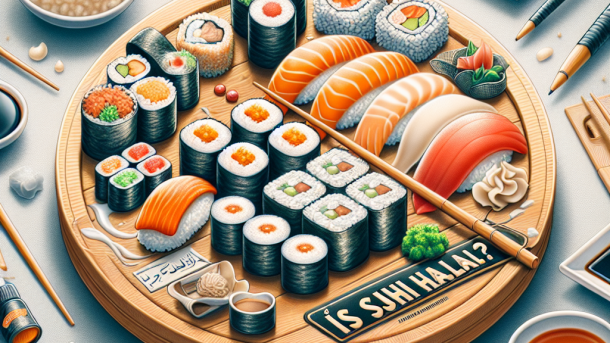
Is Sushi Halal?

Introduction

Imagine walking through a bustling street in London, the aroma of Japanese cuisine wafting through the air. You find yourself drawn to the vibrant display of sushi rolls, artfully arranged like edible jewels. But then comes the pressing question that lingers in your mind: Is sushi halal? Let’s embark on a flavorful journey to unravel this mystery, exploring the intersection of culture, religion, and culinary artistry.

  • The Cultural Significance of Sushi
  • Understanding Halal and Its Importance
  • Is Sushi Halal? The Ingredients Matter
  • How to Ensure Your Sushi is Halal
  • Key Takeaways
  • Frequently Asked Questions
  • Conclusion

The Cultural Significance of Sushi

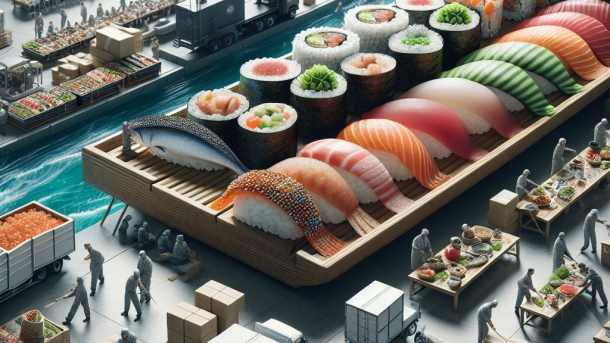
Sushi is more than just food; it is a cultural emblem, a delicate balance of tradition and innovation. Originating from Japan, sushi has traversed continents, becoming a global sensation. In the UK, sushi’s popularity is a testament to our multicultural tapestry, embracing flavors from all corners of the world.

From Tokyo to London: The Journey of Sushi

Like a traveler with tales to tell, sushi has made its way from the heart of Tokyo to the vibrant streets of London. With each bite, we savor not just fish and rice but centuries of history and craftsmanship. But as we indulge in this culinary delight, the question of its halal status remains pertinent for many.

Understanding Halal and Its Importance

The term “halal” refers to what is permissible according to Islamic law. For many Muslims in the UK and beyond, consuming halal food is an essential aspect of their faith. It is not merely about dietary restrictions; it is about upholding a spiritual connection through mindful eating.

The Core Principles of Halal Food

Halal food adheres to specific guidelines, ensuring that every ingredient and preparation method aligns with Islamic teachings. This includes the humane treatment of animals and the absence of prohibited substances such as alcohol and pork.

Is Sushi Halal? The Ingredients Matter

At first glance, sushi may appear innocuous—just rice and fish. However, beneath its simple exterior lies a complex tapestry of ingredients. To determine whether sushi is halal, we must scrutinize each component:

  • Seafood: Most types of seafood are considered halal, but caution must be exercised when it comes to shellfish and certain types of fish.
  • Rice and Vinegar: Sushi rice is often seasoned with rice vinegar, which can sometimes contain alcohol. Seek out vinegar labeled as halal-certified.
  • Soy Sauce: Traditional soy sauce fermentation involves alcohol. Opt for halal-certified soy sauce or tamari as an alternative.
  • Other Ingredients: Look out for hidden non-halal additives in imitation crab meat and sauces.

How to Ensure Your Sushi is Halal

If you’re navigating the sushi scene in the UK with a halal compass, here are some guiding stars:

  • Choose Reputable Restaurants: Establishments displaying halal certification are your best bet for worry-free dining.
  • Ask Questions: Never shy away from asking about ingredient sources and preparation methods.
  • DIY Sushi: Embrace your inner chef by preparing sushi at home using halal-certified ingredients.

For further insights into selecting quality ingredients, check out our guide on installing laravel on a local server, which offers practical advice on sourcing authentic components.

Key Takeaways

Sushi is both a cultural treasure and a culinary delight. While its halal status depends on various factors, with careful consideration and inquiry, it is possible to enjoy sushi that aligns with your dietary beliefs. By understanding the intricacies of its ingredients and preparation, one can savor sushi without compromise.

Frequently Asked Questions (FAQs)

Can sushi be considered halal?

Yes, sushi can be halal if it meets Islamic dietary guidelines regarding ingredients and preparation methods.

Are all types of fish used in sushi halal?

Most fish are generally considered halal, but it’s important to verify each type based on individual Islamic interpretations.

Where can I find halal-certified sushi in the UK?

You can find halal-certified sushi at select restaurants and shops that display proper certification or offer detailed ingredient transparency.

Conclusion

Sushi is like a beautiful symphony—each ingredient plays a part in creating harmony on your palate. As you explore the delightful world of sushi in the UK, remember that understanding its halal status requires diligence and curiosity. With this knowledge tucked into your pocket, you can continue to enjoy sushi while adhering to your values—a true feast for both body and soul.

To learn more about maintaining a healthy lifestyle while enjoying diverse cuisines, explore resources from reputable sources like NHS. Additionally, for a deeper dive into cultural foods, you might find extensive insights from Wikipedia’s entry on Sushi.


What are 5 facts about sushi?

What are 5 Facts About Sushi?

Introduction

Sushi: a word that rolls off the tongue like a gentle wave lapping at the shore. This culinary gem, with its delicate balance of flavors and textures, has journeyed far from the bustling markets of Tokyo to become a staple in the United Kingdom’s diverse gastronomic landscape. But do we truly know this tantalizing creation beyond its surface allure? Join us as we delve into five captivating facts about sushi that will deepen your appreciation for this artful cuisine.

  • The Origin Story of Sushi
  • The Art of Sushi Making
  • Types of Sushi You Should Know
  • Nutritional Benefits of Sushi
  • Sushi in British Culture

The Origin Story of Sushi

Did you know that sushi’s roots stretch back over a thousand years? Originally developed as a preservation method for fish, sushi began as “narezushi,” where fish was fermented with rice for months on end. This ancient practice paved the way for modern sushi, which blossomed into an iconic culinary art form during the Edo period. Just as the River Thames meanders through London, sushi made its way through time, evolving with each twist and turn.

The Transition to Modern Sushi

It wasn’t until the 19th century that sushi transformed into what we recognize today—a quick meal combining raw fish with vinegared rice. This innovation is attributed to Hanaya Yohei, who introduced nigiri sushi in Edo (now Tokyo), forever changing the course of this delectable delicacy.

The Art of Sushi Making

Imagine a symphony where each ingredient plays its unique note, creating harmony on your palate. This is the art of sushi making. Behind every slice of sashimi and perfect roll lies a world of intricate techniques and traditions passed down through generations.

Mastering the Craft

A true sushi chef, or “itamae,” undergoes years of rigorous training, mastering not only the skillful knife work but also the art of balancing flavors. It’s akin to the dedication seen in artisans [perfecting their craft](https://en.wikipedia.org/wiki/Sushi). The result? A culinary masterpiece that speaks volumes without uttering a word.

Types of Sushi You Should Know

Much like the vibrant tapestry of cultures across Britain, sushi comes in various forms, each with its distinct character.

  • Nigiri: Hand-pressed rice topped with a slice of fish.
  • Maki: Rolled sushi wrapped in seaweed, offering a delightful bite-sized experience.
  • Sashimi: Pure slices of raw fish, emphasizing simplicity and purity.
  • Temaki: Cone-shaped hand rolls that bring a playful touch to your plate.
  • Uramaki: Inside-out rolls with rice on the outside, often adorned with sesame seeds.

Nutritional Benefits of Sushi

Sushi isn’t just a feast for the senses; it’s also a nourishing choice for your body. Rich in omega-3 fatty acids, sushi promotes heart health and cognitive function. The rice provides essential carbohydrates, while seaweed is packed with vitamins and minerals—a veritable treasure trove from the ocean.

For those mindful of their dietary choices, sushi offers a nutritious alternative to traditional Western meals. As you savor each piece, you’re not only indulging your taste buds but nurturing your well-being too.

Sushi in British Culture

From bustling cities to quaint towns, sushi has found its place in the hearts and plates of Britons across the country. With sushi bars and restaurants flourishing like wildflowers in spring, this Japanese delight has seamlessly woven itself into the fabric of British dining culture.

The popularity of sushi reflects Britain’s embrace of global cuisine, much like its vibrant multicultural society. It stands as a testament to our desire to explore new flavors and experiences, broadening our culinary horizons one roll at a time.

Key Takeaways

  • Sushi originated as a preservation method and evolved into an art form in Japan.
  • The craft of sushi making requires years of training and dedication.
  • Sushi comes in various types, each offering unique flavors and textures.
  • Nutritionally rich, sushi supports heart health and overall well-being.
  • Sushi has become an integral part of British dining culture.

Frequently Asked Questions (FAQ)

Q: What is the most popular type of sushi in the UK?

A: Nigiri and Maki are among the most popular types enjoyed by sushi enthusiasts across the UK.

Q: Is sushi safe to eat?

A: Yes, when prepared properly with fresh ingredients, sushi is safe to consume. Always choose reputable establishments for the best experience.

Q: Can vegetarians enjoy sushi?

A: Absolutely! Many sushi restaurants offer vegetarian options like cucumber rolls and avocado nigiri, ensuring everyone can partake in this culinary delight.

Conclusion

Sushi is more than just food; it is an experience that transports us to another world with each bite. As it continues to captivate palates across Britain and beyond, we are reminded of its profound journey—from humble beginnings to a global sensation. So next time you indulge in this exquisite dish, take a moment to appreciate the rich history and artistry that make sushi truly extraordinary.

What is the explanation of sushi?

What is the explanation of sushi?

Introduction

Imagine a world where tradition meets innovation on a rolling canvas of vinegared rice, seafood, and vegetables. Yes, we are diving deep into the universe of sushi—a culinary art form that has crossed oceans to become a beloved delicacy here in Great Britain. But what exactly is sushi? How did it travel from the bustling markets of Japan to the sophisticated dining tables of London? Let’s explore this gastronomic journey together.

  • Understanding Sushi: A Historical Perspective
  • The Cultural Significance of Sushi
  • The Many Faces of Sushi: Varieties and Styles
  • Sushi’s Rise in Popularity in the UK
  • Health Benefits of Sushi
  • Key Takeaways
  • Frequently Asked Questions
  • Conclusion

Understanding Sushi: A Historical Perspective

Sushi, a dish synonymous with Japanese cuisine, has roots that trace back centuries. Originating as a method to preserve fish by fermenting it with rice, sushi has evolved remarkably over time. This evolution mirrors the journey of a river shaping its path through a valley—slowly, yet powerfully. In the Edo period, sushi found its modern form, transitioning from fermented delicacies to fresh and fast food for Tokyo’s busy streets.

The Cultural Significance of Sushi

Sushi is more than just food; it is a vessel of cultural heritage. Much like how Big Ben is an icon of London, sushi represents the precision and dedication of Japanese culinary arts. Each piece is a testament to craftsmanship, embodying harmony between taste and aesthetics. This cultural symbol has been embraced globally, reflecting the world’s appreciation for its rich traditions.

The Many Faces of Sushi: Varieties and Styles

Just as the United Kingdom boasts diverse landscapes, sushi offers a variety of styles that cater to different palates. From the delicate nigiri to the visually intriguing maki rolls, each type tells its own story. Consider sashimi as the purest expression of seafood—simple yet profound. Meanwhile, the vibrant colors and imaginative combinations found in fusion sushi push boundaries like a daring avant-garde painting.

Sushi’s Rise in Popularity in the UK

The UK has embraced sushi with open arms, much like welcoming a new friend to a dinner party. Once an exotic novelty, sushi bars now line the streets from Edinburgh to Brighton. The British love affair with sushi can be attributed to its health benefits and the increasing demand for diverse and exciting dining experiences. According to BBC Food, sushi’s popularity continues to soar, driven by its appeal to both traditionalists and adventurous eaters alike.

Health Benefits of Sushi

In the realm of healthy eating, sushi stands as a beacon of balance and nutrition. Rich in omega-3 fatty acids and low in calories, it’s akin to finding a treasure chest filled with gold doubloons of health benefits. Moreover, incorporating wasabi and pickled ginger not only enhances flavor but also boosts metabolism and immunity. These attributes make sushi an excellent choice for those seeking a wholesome diet.

Key Takeaways

  • Sushi originated as a preservation method, evolving into a global culinary delight.
  • It holds significant cultural value as an embodiment of Japanese artistry.
  • Sushi offers various styles, from traditional nigiri to modern fusion creations.
  • The UK’s sushi scene is thriving due to its health benefits and unique flavors.

Frequently Asked Questions

What is the most popular type of sushi in the UK?

Nigiri and maki rolls are particularly popular due to their accessibility and range of flavors.

Is sushi safe to eat during pregnancy?

While some types of sushi are safe if made with cooked ingredients, it’s best to consult with a healthcare professional.

Conclusion

In conclusion, sushi is not merely a meal; it is an experience—a symphony played out on your palate. Its journey from ancient Japan to modern-day Britain exemplifies how culinary traditions can transcend borders and unite cultures. Whether you’re savoring a simple salmon nigiri or indulging in a creative fusion roll, sushi beckons you to explore its depths with an open mind and eager taste buds.

If you wish to delve deeper into the world of diverse cuisines or are curious about other culinary journeys, explore our guide on installing laravel on a local server.

For more on worldwide culinary adventures, visit reputable sources like The New York Times and BBC News.

How big is the sushi industry?

How Big is the Sushi Industry?

Introduction

The sushi industry is like a well-crafted symphony of flavors that has transcended borders and cultures, creating waves across the globe. Have you ever wondered how this once niche delicacy has become a culinary titan, influencing dining experiences far and wide? With its roots deeply embedded in tradition and its branches reaching out to new horizons, the sushi industry is a fascinating tale of growth, adaptation, and global appeal.

  • The Rise of Sushi: From Tradition to Global Phenomenon
  • Sushi in the UK: A Growing Appetite
  • Key Factors Driving the Sushi Industry
  • Challenges Facing the Sushi Industry
  • Key Takeaways on the Sushi Industry
  • FAQs About the Sushi Industry
  • Conclusion

The Rise of Sushi: From Tradition to Global Phenomenon

In the bustling streets of Tokyo, where neon lights dance against the night sky, sushi chefs perform their craft with precision akin to an artist painting a masterpiece. But how did this humble dish, which originated from preserving fish in fermented rice, evolve into a global sensation?

Sushi’s journey is akin to a river carving through mountains, shaping landscapes as it flows. The late 20th century saw sushi stepping onto the international stage, captivating taste buds from New York to London. Today, sushi is not merely a meal; it is an experience, a metaphor for exquisite dining.

Sushi in the UK: A Growing Appetite

The UK’s love affair with sushi can be compared to a blooming romance—a relationship that grows stronger each year. As per recent studies, the UK’s sushi market has been expanding steadily, becoming one of the most popular cuisines in urban centers.

BBC reports that sushi restaurants have blossomed across cities like London and Manchester, offering everything from high-end omakase experiences to affordable conveyor belt sushi. With health-conscious consumers seeking fresh options, sushi stands as a beacon of flavorful nutrition.

Key Factors Driving the Sushi Industry

What fuels this culinary phenomenon? Like any successful recipe, the sushi industry’s growth is driven by several key ingredients:

  • Health Trends: With a growing emphasis on healthy eating, sushi offers a nutritious alternative rich in omega-3 fatty acids and lean protein.
  • Cultural Fusion: Sushi has embraced innovation, fusing traditional techniques with modern flair, appealing to diverse palates.
  • Technological Advancements: Innovations in food preservation and transportation have enabled fresh fish to traverse continents swiftly.

Challenges Facing the Sushi Industry

However, every rose has its thorns. The sushi industry faces challenges that require astute navigation:

  • Sustainability Concerns: Overfishing threatens the delicate balance of marine ecosystems. Sustainable sourcing practices are imperative.
  • Cultural Appropriation: As sushi spreads worldwide, maintaining its cultural integrity becomes vital.
  • Market Saturation: With the rise of sushi outlets, maintaining quality amidst competition is crucial.

Key Takeaways on the Sushi Industry

  • The sushi industry has evolved from a traditional Japanese practice into a global culinary powerhouse.
  • The UK’s sushi market continues to grow, driven by health trends and cultural fusion.
  • Sustainability and cultural integrity remain significant challenges for the industry.

FAQs About the Sushi Industry

Q: How large is the global sushi market?

A: The global sushi market is estimated to be worth billions of dollars, with significant growth projected in coming years.

Q: What makes sushi popular in the UK?

A: Its popularity stems from health benefits, cultural curiosity, and its adaptability to local tastes.

Q: How can sushi businesses address sustainability?

A: By adopting sustainable sourcing practices and educating consumers about responsible consumption.

Conclusion

The sushi industry is a dynamic tapestry woven with tradition and innovation. It tells a story of how culinary art can transcend geographical boundaries. Just as a river shapes the land it touches, sushi has shaped our dining experiences worldwide. As we savor each bite, let us appreciate not only the taste but also the journey it represents—a journey that continues to unfold with every roll created and every palate it delights.

For those who are eager to explore more about global cuisines and culinary trends, consider visiting resources such as Food Network or delve into insightful articles from The New York Times Food Section.

Skip to content