It’s imperative to master the art of slicing fish if you want to create perfect sashimi at home. Understanding the right techniques and knife skills will elevate your culinary experience, allowing you to present beautifully cut pieces that highlight the fish’s texture and flavor. In this guide, you’ll discover step-by-step instructions on how to properly slice various types of fish, ensuring that every piece is a delight to your palate. Whether you’re a beginner or looking to refine your skills, this post will equip you with the knowledge to impress your guests and enhance your sashimi-making journey.
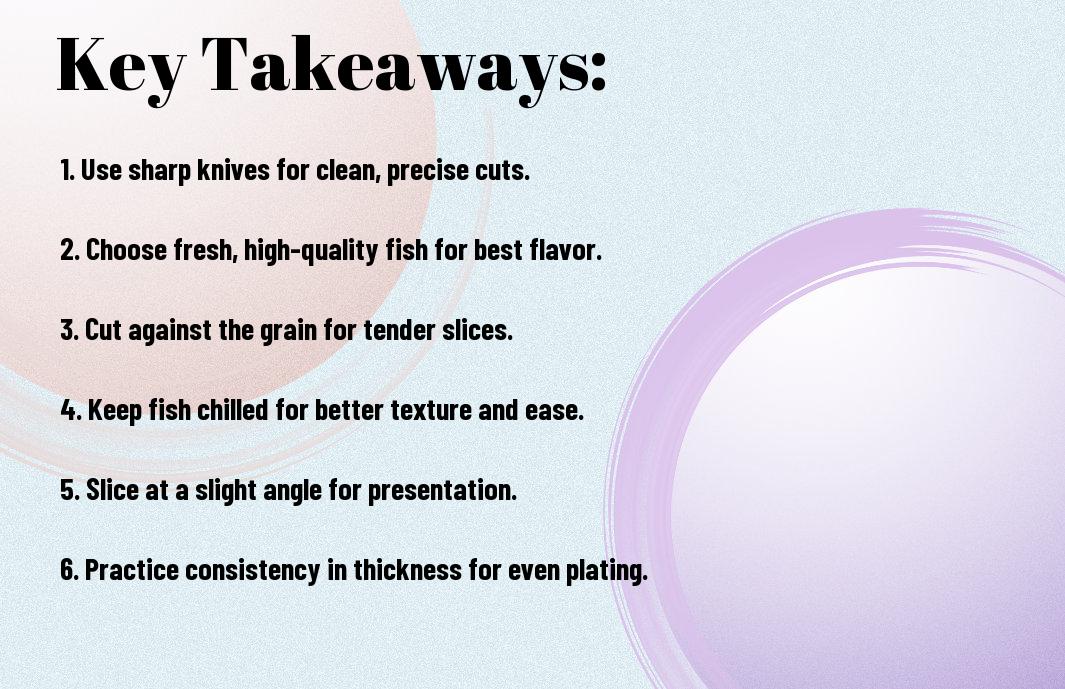
Key Takeaways:
- Quality Fish: Always choose the freshest fish available to ensure the best flavor and texture for sashimi.
- Sharp Knife: Use a high-quality, sharp knife to make clean cuts, minimizing damage to the fish’s flesh.
- Cutting Angle: Slice the fish against the grain, at a 45-degree angle, to create tender pieces that are easier to chew.
- Slice Thickness: Aim for uniform slices—typically around 1/4 inch thick—for an ideal balance of presentation and bite.
- Presentation: Pay attention to the arrangement of sashimi on the plate, as visual appeal enhances the dining experience.
Understanding Sashimi
A renowned dish in Japanese cuisine, sashimi refers to thinly sliced raw fish or seafood served without rice. The art of sashimi is not just about the freshness of the fish; it also encompasses the slicing technique, presentation, and accompanying condiments. Exploring sashimi offers an immersive experience into the culinary traditions of Japan, inviting you to appreciate the delicate textures and flavors of high-quality fish.
Definition and Origin
To truly appreciate sashimi, it’s necessary to understand its origins as a dish that emerged from Japan’s rich fishing culture. Traditionally served with soy sauce and wasabi, sashimi highlights the quality and freshness of the seafood, elevating a simple meal into an extraordinary one.
Types of Fish Commonly Used
Beside being an intricately prepared dish, sashimi often features various types of fish that showcase their distinct flavors and textures. Some common varieties include:
- Salmon
- Tuna
- Yellowtail
- Mackerel
- Snapper
Any of these fish can be expertly sliced to reveal their natural beauty and tenderness, perfect for your next sashimi experience.
| Fish Type | Flavor Profile |
|---|---|
| Salmon | Rich, buttery |
| Tuna | Clean, meaty |
| Yellowtail | Slightly sweet, rich |
| Mackerel | Strong, oily |
| Snapper | Mild, delicate |
The quality of the fish you choose can significantly enhance the overall sashimi experience. Each type of fish brings unique flavors and textures to the plate, allowing you to experiment with different combinations. Whether you prefer the richness of salmon or the delicate profile of snapper, you will find that the right fish elevates your sashimi experience.
- Consider the freshness of the fish.
- Choose varieties that appeal to your palate.
- Don’t hesitate to try less common options.
- Mix and match to discover your favorite combinations.
- Any fish, when prepared well, can be a sushi delight.
| Fish Type | Texture |
|---|---|
| Salmon | Soft, tender |
| Tuna | Firm, meaty |
| Yellowtail | Buttery, rich |
| Mackerel | Oily, robust |
| Snapper | Flaky, tender |
The texture of your chosen fish plays an instrumental role in how your sashimi is presented and enjoyed. For instance, the soft, tender structure of salmon contrasts beautifully with the firm, meaty characteristics of tuna. You can explore these textures to enhance your palate and presentation. Not all textures will suit every craving, allowing you to choose what fits best for you.
Preparing the Fish
Assuming you want to create the best sashimi, the first step begins with proper preparation of the fish. This involves cleaning and filleting the fish to ensure it is ready for slicing. A clean workspace is important, so make sure to sanitize your cutting board and knives. Additionally, having a sharp knife will not only enhance the quality of your slices but also ensure your safety while working with fish. Pay attention to the fish’s texture and quality, ensuring you’re working with the freshest ingredients possible.
Selecting Fresh Fish
Across various markets, the freshness of your fish dramatically impacts the flavor and overall quality of your sashimi. Look for fish with a bright, clear appearance and a clean, ocean-like scent. The flesh should be firm to the touch, with no signs of browning or discoloration. Ask your fishmonger about sourcing; fish caught the same day will always yield the best results.
Essential Tools for Slicing
Fish preparation requires specific tools to achieve the precise cuts necessary for sashimi. A sharp, long-bladed knife, preferably a yanagiba or a debá, is ideal for slicing fish cleanly without tearing the delicate flesh. You may also find a flexible cutting board helpful for stability while cutting, and a fish spatula can assist in transferring the sashimi onto serving plates without damaging your carefully sliced pieces.
Understanding the importance of your tools will elevate your sashimi preparation. A high-quality knife is an investment that pays off in both the aesthetics and taste of your dish. Make sure to regularly sharpen your knife for optimal performance; a sharp blade will glide through the fish, allowing you to create even slices effortlessly. A well-rounded setup, including a cutting board and additional kitchen tools, will streamline your process and enhance your culinary skills.
The Art of Slicing
Many people underestimate the importance of slicing fish for sashimi. Mastering this skill not only enhances the dish’s presentation but also influences the overall taste and texture. The precise cut you make can elevate your sashimi from ordinary to extraordinary, ultimately impressing those you serve. A well-sliced piece of fish will showcase its freshness and encourage the flavors to unfold beautifully on your palate.
Techniques for Perfect Cuts
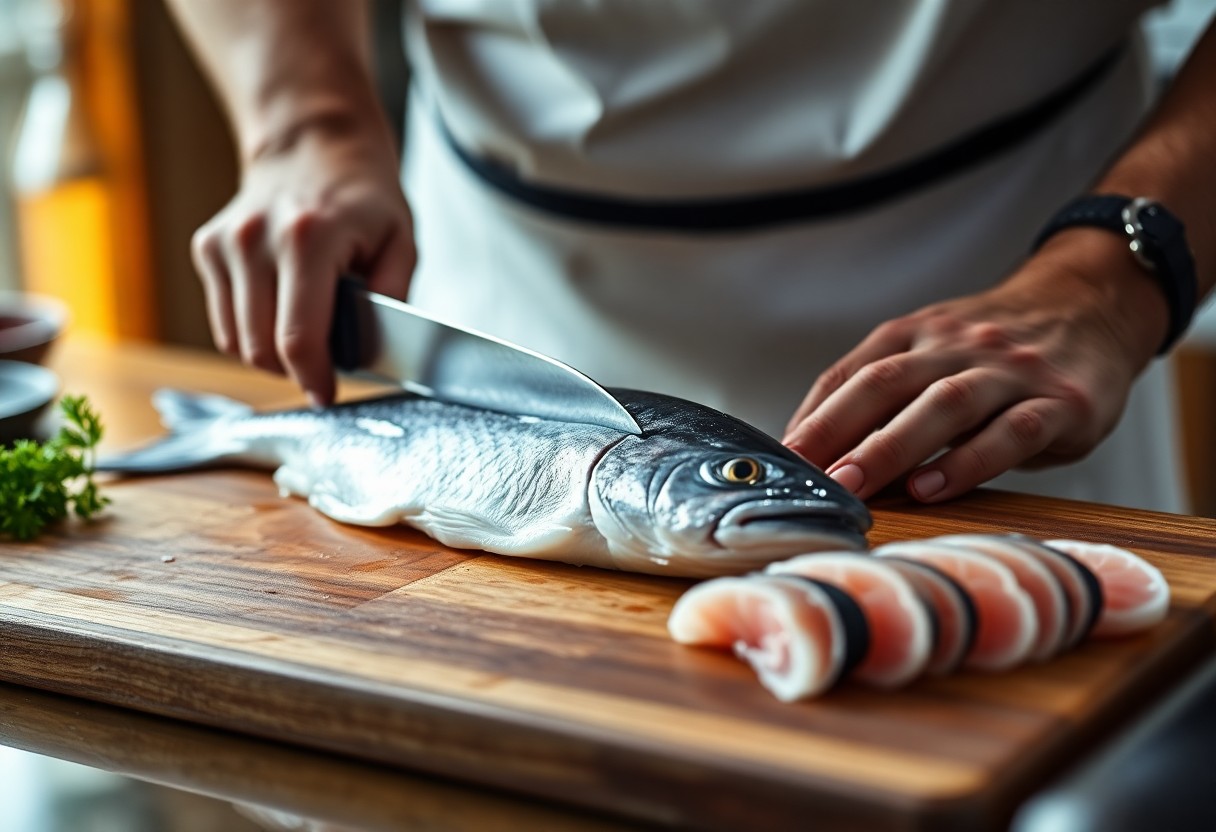
Above all, using the right technique is imperative for achieving perfect cuts. Start by ensuring your knife is incredibly sharp, as a dull blade can crush the flesh rather than slice through it. It’s beneficial to utilize a single, smooth motion rather than a sawing technique, which will help preserve the delicate structure of the fish. Practicing consistent movements will lead to uniform slices, providing an enjoyable eating experience.
Thickness and Angle Considerations
One key aspect to consider is the thickness and angle of your cuts. You should aim for slices that are about 1/4 inch thick, as this allows for the right balance of flavor and texture. The angle at which you slice can significantly impact the mouthfeel; cutting against the grain enhances tenderness while keeping the fish’s integrity intact.
Thickness plays a vital role in the enjoyment of sashimi. If your slices are too thick, they might overpower the palate, while those that are too thin could lead to a loss of flavor. The ideal thickness provides you with a delightful balance, allowing the natural taste of the fish to shine through. Adjusting the angle of your cuts between 45 and 90 degrees can also affect the release of the fish’s oils and essence, ultimately enhancing the overall experience when you enjoy your sashimi.
Presentation of Sashimi
Once again, the presentation of your sashimi plays a vital role in the overall dining experience. Beautifully arranged sashimi not only showcases your skill but also enhances the visual appeal of the dish. For inspiration on how to present your sashimi, check out Sashimi (Sliced Raw Fish) – RecipeTin Japan.
Plating Techniques
Presentation is key when plating sashimi. Use a variety of plates such as wooden boards or elegant ceramic dishes to create a more authentic Japanese experience. Arrange your fish slices in a fan shape or stack them neatly to draw the eye, and don’t shy away from incorporating elements that add height and dimension to your presentation.
Garnishes and Accompaniments
On top of the fish itself, garnishes and accompaniments elevate your sashimi experience. Thinly sliced vegetables, such as daikon or cucumbers, not only provide color but also add a refreshing crunch that complements the silky texture of the fish.
For instance, consider adding shiso leaves, wasabi, and pickled ginger as traditional accompaniments that not only enhance flavor but also add visual interest to your dish. The key is to balance the garnish with the sashimi to create a harmonious presentation that invites your guests to indulge in the freshness of the seafood. Experiment with different combinations to find the perfect pairing for your creations.
Safety and Hygiene
To ensure the best sashimi experience, it’s vital to prioritize safety and hygiene when handling fish. This includes proper cleaning, storage, and preparation techniques to minimize the risk of foodborne illnesses. By adhering to safe practices, you can enjoy fresh and delicious sashimi without worry.
Best Practices for Handling Fish
Safety begins with careful handling of your fish. Always wash your hands thoroughly before and after handling fish and use designated cutting boards and utensils to prevent cross-contamination. Additionally, ensure your fish is sourced from reputable suppliers and stored at appropriate temperatures to maintain its freshness.
Common Safety Concerns
Against the backdrop of preparing sashimi, several common safety concerns arise, including the risk of parasites and bacterial contamination. Understanding the potential hazards associated with raw fish consumption can help you take the necessary precautions to safeguard your health.
Best practices for addressing common safety concerns include purchasing sushi-grade fish, which has been frozen to kill parasites, and inspecting the fish for freshness before use. Always pay attention to the environment where you prepare sashimi, ensuring your workspace is clean and sanitized. Avoid using fish that has an off smell or unusual texture, as these may indicate spoilage. By staying informed and taking proactive steps, you can mitigate risks and enjoy your sashimi with confidence.
Pairing Sashimi with Condiments
Despite the simplicity of sashimi, the right condiments can elevate your dish to new heights. You can enhance your experience by exploring various accompaniments like soy sauce, wasabi, and pickled ginger. For a deeper look into the art of slicing fish, check out Seafood 101: How to Slice Sashimi | Yellowtail Sashimi.
Traditional Sauces
At the heart of sashimi pairs are traditional sauces like soy sauce, which adds a salty umami flavor. You may also want to experiment with ponzu, a citrus-based sauce, to introduce a refreshing twist.
Complementary Side Dishes
Dishes such as thinly sliced cucumbers, daikon radish, or a light salad can beautifully complement your sashimi. You can also add a bowl of miso soup to add warmth and balance to your meal.
Condiments play a significant role in enhancing the overall sashimi experience. Freshly grated wasabi adds a spicy kick, while pickled ginger serves as a palate cleanser. You can enjoy these alongside your sashimi to create a symphony of flavors that harmonize with the delicate taste of the fish.
Summing up
On the whole, mastering the art of slicing fish for perfect sashimi requires careful attention to technique and quality. Focus on using a sharp, thin knife while ensuring your fish is fresh and properly chilled. By making clean, precise cuts at the appropriate angle, you elevate the texture and presentation of your sashimi. As you practice these steps consistently, you’ll gain confidence and develop your skill, allowing you to impress your guests with beautifully crafted sashimi that enhances their dining experience.
FAQ
Q: What type of fish is best for making sashimi?
A: The best types of fish for sashimi are those that are high in fat and have a firm texture. Popular choices include tuna, salmon, mackerel, and yellowtail. Ensure the fish is sushi-grade, which means it has been frozen at specific temperatures to kill any parasites, ensuring safety when consumed raw.
Q: How should I prepare the fish before slicing?
A: Before slicing, make sure to clean the fish properly. First, remove the scales, gut it, and rinse it thoroughly under cold water. Pat the fish dry with paper towels to remove excess moisture, which can affect the slicing process. It’s also important to chill the fish in the refrigerator for about 30 minutes to firm it up, making it easier to slice.
Q: What tools do I need for slicing fish for sashimi?
A: To achieve the perfect sashimi slices, you will need a sharp, long-bladed knife, such as a yanagiba or sashimi knife. A clean cutting board is vital as well. Some sushi chefs use a wooden board to help maintain the knife’s sharp edge, while a plastic board can be easier to clean.
Q: What is the best technique for slicing fish for sashimi?
A: The slicing technique involves holding the knife at a slight angle and using long, smooth strokes rather than sawing motions. Start by cutting against the grain of the fish to create tender slices. Aim for slices that are about 1/4 inch thick, and be sure to maintain a steady hand for an even cut. Practice makes perfect, so be patient with yourself as you refine your technique.
Q: How should I plate sashimi once it’s sliced?
A: When plating sashimi, arrange the slices artfully on a chilled plate. You can fan out the slices for a visually appealing presentation and garnish with shiso leaves, thinly sliced green onions, or edible flowers for color. Serve with a small bowl of soy sauce and wasabi, allowing guests to dip or mix according to their taste. Additionally, including some pickled ginger on the side can enhance the dining experience.