nigiri

Types of Sushi – From Nigiri to Maki and Beyond

Many sushi enthusiasts often find themselves curious about the various types of sushi beyond just the familiar rolls. Understanding the distinctions between nigiri, maki, and other sushi styles can enhance your appreciation for this intricate Japanese cuisine. In this post, you’ll explore the diverse forms of sushi, including the preparation techniques and ingredients that set each type apart. Whether you’re a novice or an aficionado, this guide will equip you with valuable insights for your next sushi experience.

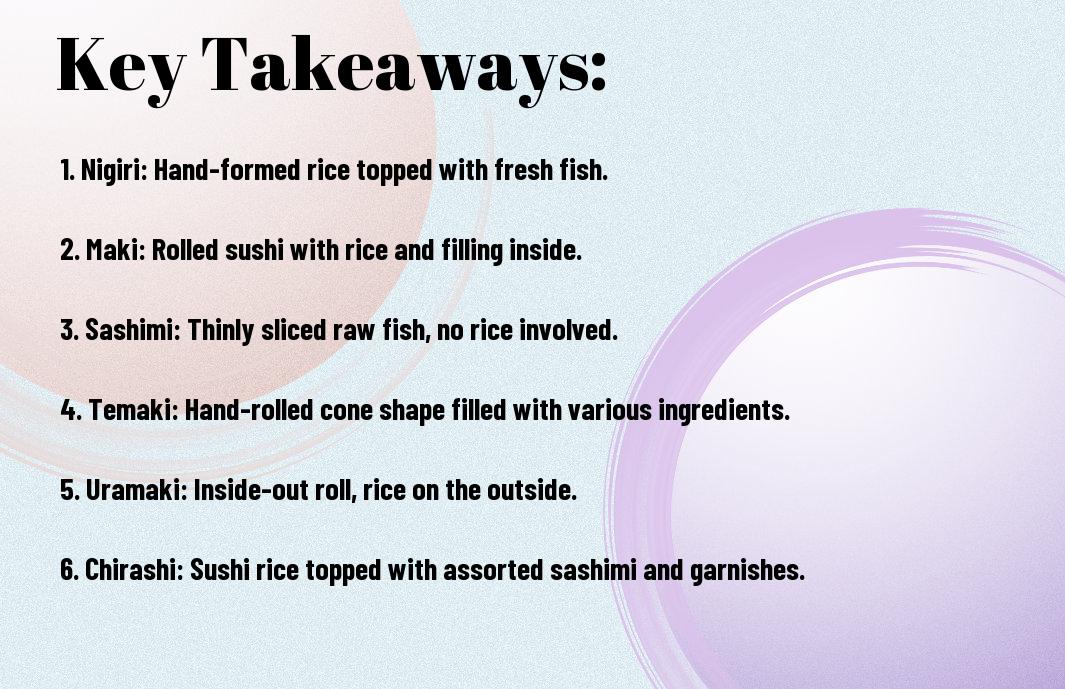
Key Takeaways:

  • Nigiri: A classic sushi type featuring hand-formed rice topped with fresh fish or seafood.
  • Maki: Rolled sushi made by wrapping sushi rice and fillings in seaweed, often sliced into bite-sized pieces.
  • Sashimi: Thinly sliced raw fish or seafood, served without rice, highlighting the quality of the ingredients.
  • Temaki: Also known as hand rolls, these are cone-shaped rolls of seaweed filled with rice and various ingredients.
  • Specialty Sushi: Innovatively crafted sushi varieties that may incorporate unique ingredients or fusion flavors.

Understanding Sushi

Your journey into the world of sushi begins with understanding the basics. Sushi is not just about raw fish; it encompasses a variety of styles and preparations that reflect a rich culinary tradition. Whether you’re a seasoned sushi lover or a curious newcomer, grasping the fundamentals will enhance your appreciation for this delectable cuisine.

What is Sushi?

The term sushi refers to vinegared rice combined with various ingredients, including fish, vegetables, and sometimes tropical fruits. While many people associate sushi strictly with raw seafood, this versatile dish can also include cooked ingredients and vegetarian options, making it accessible to a wide range of tastes and dietary preferences.

The History of Sushi

Above all other aspects, the history of sushi is a fascinating journey that spans centuries and cultures. Originating in Southeast Asia as a method of preserving fish in fermented rice, sushi evolved over time, adapting to local tastes and ingredients. By the 19th century, it transformed into the sushi we recognize today, reflecting Japan’s culinary artistry and innovation.

Also, sushi has roots linked to the practice of narezushi, which involved fermenting fish with rice to prolong its shelf life. As trade expanded and cultural influences merged, sushi transitioned to include fresh fish atop vinegar-seasoned rice, a style known as nigiri. This modern incarnation gained popularity in Edo (now Tokyo) and eventually spread worldwide, making sushi a beloved global cuisine symbol. Today, variations like maki and temaki showcase an array of flavors, showcasing the adaptability and creativity inherent in sushi-making.

Types of Sushi

Any sushi enthusiast will appreciate the diverse forms this traditional cuisine takes. Each type has its unique preparation and serving style, making sushi an exciting dining experience. Here’s a brief overview of the most popular types:

Sushi Type Description
Nigiri Hand-formed rice topped with seafood or vegetables.
Maki Rolled sushi, typically wrapped in seaweed.
Sashimi Sliced raw fish served without rice.
Temaki Hand-rolled cone-shaped sushi.
Uramaki Inside-out sushi roll with rice on the outside.

This captures the variety you can encounter in the world of sushi.

Nigiri

The delicate form of nigiri consists of small, hand-formed mounds of sushi rice topped with a slice of fish or seafood. Typically, a dab of wasabi is placed between the rice and topping for an added kick. Nigiri is often enjoyed with soy sauce, adding a flavorful dimness to each bite.

Maki

One of the most recognizable types of sushi, maki consists of rice and fillings rolled in nori (seaweed) and sliced into bite-sized pieces. Each roll can contain a variety of ingredients, including fish, vegetables, and even tempura.

With countless variations available, maki offers the chance to explore different flavors and textures. You can find classic rolls like the California roll or more innovative options that highlight seasonal ingredients. Whether you prefer traditional or modern interpretations, there’s a maki concoction that’s sure to satisfy your taste buds.

Sashimi

Above all, sashimi features thinly sliced raw fish, served without rice. This elegant dish focuses on the quality and freshness of the fish, making it a favorite among sushi purists. Sashimi is typically accompanied by simple additions like wasabi and soy sauce.

But while sashimi is often paired with rice sushi for a complete meal, it stands out on its own as a delicacy. The emphasis on freshness and flavor allows you to truly appreciate the fish’s natural taste, highlighting the skill behind precise slicing and presentation.

Temaki

Between traditional and casual sushi, temaki stands out as a unique hand-rolled option. Shaped like a cone and filled with a variety of ingredients, temaki allows you to enjoy a personalized sushi experience. You can make your temaki with your favorite fillings, from fish to vegetables, all wrapped in a sheet of nori.

This interactive style of sushi encourages creativity, allowing you to experiment with flavor combinations and presentations. Whether you’re sharing it with friends or enjoying it alone, temaki is a fun way to embrace the sushi-making experience.

Uramaki

An inside-out sushi roll, uramaki features rice on the outside and nori wrapping on the inside. This technique not only makes for visually appealing dishes but also offers a soft texture that many find enticing. Common ingredients can include various fillings and sauces that enhance the overall flavor profile.

Types of uramaki, such as the well-known Dragon roll or Spicy Tuna roll, offer a fusion of flavors that showcase the versatility of sushi. This style has gained popularity in western countries, making it a staple in many sushi restaurants, allowing you to explore exciting combinations like never before.

Regional Variations

After exploring the different types of sushi, it’s fascinating to research into the regional variations that showcase the local ingredients and culinary techniques. Each region in Japan, from Hokkaido to Okinawa, presents unique flavors and styles, influenced by geography and weather. These distinct approaches contribute to the rich tapestry of sushi, allowing you to experience a different dimension with each bite. Whether indulging in fresh seafood from coastal areas or enjoying unique combinations influenced by local produce, regional sushi variations provide a delightful culinary journey.

Japanese Sushi Styles

With a wide range of traditional styles, Japanese sushi presents an abundant collection of flavors and presentations. Styles such as nigiri, sashimi, and temaki each offer unique experiences that showcase the art of sushi-making. You might appreciate nigiri for its simplicity, while the combination of vinegared rice and fresh seafood or vegetables captures the essence of seasonal ingredients. This variety lets you explore the intricate balance of taste and texture that defines authentic Japanese sushi.

Western Adaptations

Variations have emerged as sushi adapts to Western tastes, resulting in creative and diverse offerings. Sushi rolls stuffed with non-traditional ingredients like cream cheese or avocado have become popular, bridging the gap between Japanese cuisine and Western preferences. As you explore these adaptations, you’ll find that they often draw inspiration from local ingredients and cooking styles, creating a fusion that appeals to a wider audience.

Sushi has evolved significantly in Western countries, leading to innovative creations that often deviate from traditional Japanese recipes. Popular items like the California roll, filled with imitation crab and avocado, exemplify how sushi can be reimagined to cater to new palates. Additionally, you may find sushi bars offering deep-fried rolls or unique toppings like spicy mayo that enhance flavors. This fusion showcases the adaptability of sushi, allowing you to enjoy classic elements while also experiencing a culinary twist tailored to your preferences.
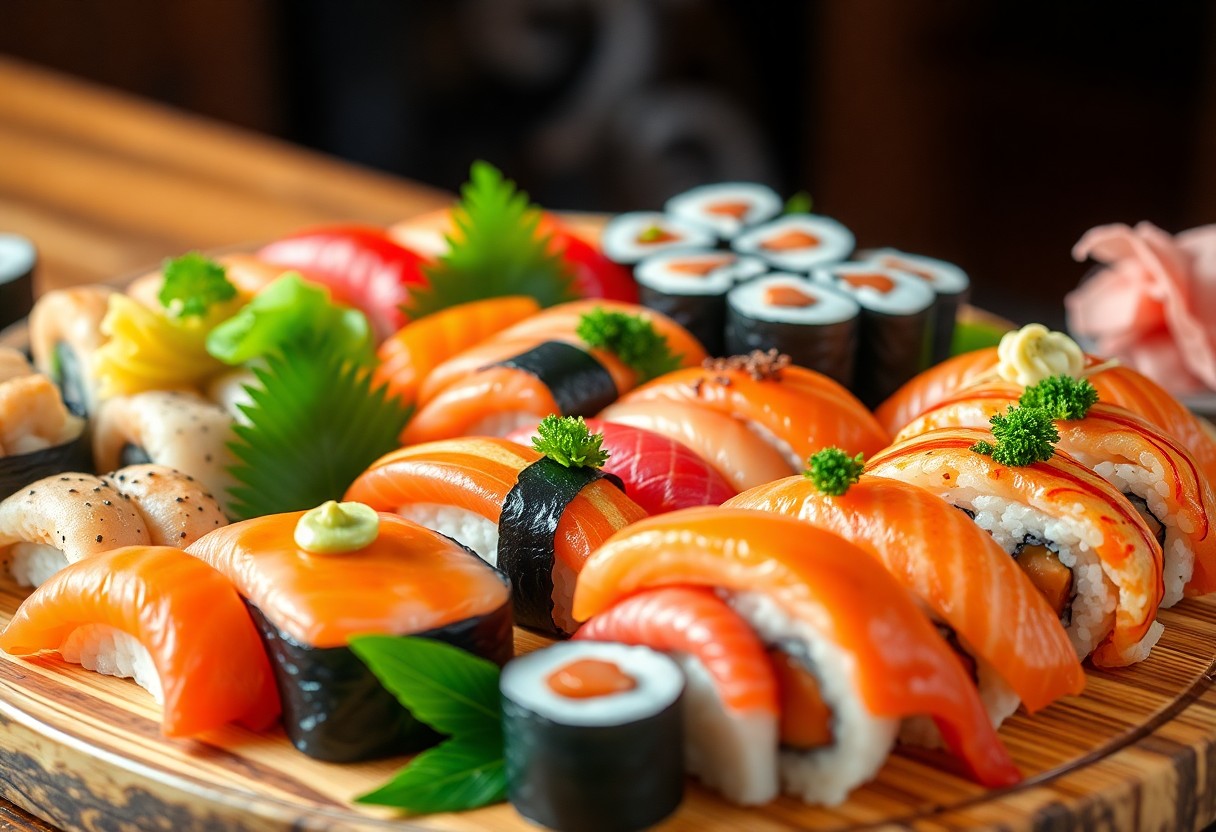
Ingredients Used in Sushi

Many people enjoy sushi due to its diverse ingredients. The common components include fresh fish and seafood, seasoned rice, and various accompaniments like seaweed and vegetables. Understanding these ingredients can enhance your appreciation for different types of sushi: maki, nigiri, temari, and more, allowing you to make informed choices when ordering or preparing sushi dishes.

Fish and Seafood

Beside rice, fish and seafood are necessary elements in sushi preparation. From salmon to tuna, you can find a wide array of fresh options. Each choice brings unique flavors and textures, elevating the overall experience of your sushi meal.

Rice and Accompaniments

Behind the main ingredients, sushi rice and accompaniments play a significant role in crafting the perfect bite. Sushi rice, seasoned with vinegar, sugar, and salt, is sticky and flavorful, allowing it to hold its shape. You can pair it with a variety of accompaniments, including wasabi, pickled ginger, and different types of vegetables to create a well-rounded flavor profile that complements the fish.

Fish serves as the star of sushi, but the rice and accompaniments are what truly create harmony in your dish. The seasoned rice provides a chewy texture, while the accompaniments add layers of flavor, enhancing your overall enjoyment. Whether you opt for a classic nigiri or a vibrant maki roll, the balance between fish, rice, and accompaniments makes each sushi experience distinct and delightful.

Sushi Preparation Techniques

To master sushi preparation, you’ll need to familiarize yourself with various techniques that elevate the dining experience. From selecting the freshest ingredients to employing the right assembly methods, each step is significant. For an in-depth look at the various techniques and types, explore Different Types of Sushi Explained: Sashimi, Nigiri & More. Your understanding of these techniques will not only enhance your sushi-making skills but also enrich your appreciation of this culinary art.

Rice Preparation

With a focus on the rice, you must understand that the foundation of sushi lies in properly preparing the sushi rice. This process involves rinsing the rice to remove excess starch, cooking it to perfection, and seasoning it with a mixture of vinegar, sugar, and salt to achieve the perfect flavor and texture.

Rolling and Shaping

On your path to creating exquisite sushi, the art of rolling and shaping is crucial. You will need to know how to apply the right amount of pressure and technique to ensure that your sushi holds together beautifully and maintains its integrity when sliced.

Rice is typically the core of sushi, influencing its overall taste and texture. Each type of sushi involves unique rolling techniques, from the delicate hand-formed balls of nigiri to the tightly wrapped rolls of maki. Practicing the right motions and pressure will allow you to create sushi that is as appealing to the eyes as it is to the palate, ensuring every piece is a delight to enjoy.

Sushi Etiquette

All sushi lovers should familiarize themselves with proper sushi etiquette to enhance their dining experience. When dining in a sushi restaurant, it’s polite to greet the chef and thank them for their creations. If you’re served nigiri, you can eat it with your fingers, but when using chopsticks, hold the sushi by the rice to avoid squeezing the topping off. Also, try to enjoy your sushi without drowning it in soy sauce; a small dip on the fish side is sufficient. These simple practices show respect for the craftsmanship of the sushi chef.

How to Eat Sushi

Across the world, you’ll find that the way you eat sushi can vary significantly. In traditional settings, you can use your hands to enjoy nigiri, while chopsticks are typically preferred for rolls. If you’re dipping sushi into soy sauce, always submerge the fish and not the rice to prevent it from absorbing too much sauce. Additionally, adding wasabi directly to the sushi is generally acceptable, as chefs often already incorporate their own blend. Enjoying your sushi in a single bite allows the balance of flavors to shine through.

Common Sushi Misconceptions

Sushi is often surrounded by several misconceptions that can cloud your understanding of this delicious cuisine. Many people believe that sushi is solely raw fish, when in reality, it encompasses a variety of ingredients and cooking methods. Additionally, there’s a common notion that sushi must always be eaten with chopsticks, while using hands is perfectly acceptable for certain types, like nigiri. Another myth is that you should always use a lot of soy sauce, which may overwhelm the delicate flavors that sushi offers.

The fact is, sushi is a diverse culinary experience that goes beyond just raw fish. Many varieties, such as tamago (sweet omelet sushi) and california rolls, feature cooked or even vegetarian ingredients. While using chopsticks is a common practice, eating certain sushi with your hands can enhance the experience, providing a more intimate connection with the food. Furthermore, moderation is key when it comes to soy sauce, as too much can overshadow the fish’s subtle flavor profiles. By shedding these misconceptions, you can fully appreciate the artistry and tradition that sushi represents.
Conclusion

Hence, exploring the diverse types of sushi, from nigiri to maki and beyond, allows you to appreciate the artistry and flavors that each style offers. As you expand your palate, you may find yourself drawn to specific varieties that resonate with your tastes. To dive deeper into the world of sushi, check out this comprehensive guide on 9 Types of Sushi and elevate your sushi experience.

Q: What are the different types of sushi, and how do they differ from each other?

A: Sushi comes in several distinct types, each with its own characteristics. The most common types include:

  • Nigiri: A hand-formed mound of sushi rice topped with a slice of fish or other ingredients, often served with a small dab of wasabi.
  • Maki: Rolled sushi, typically consisting of sushi rice and various fillings, wrapped in seaweed (nori). Maki can be further divided into hosomaki (small rolls) and uramaki (inside-out rolls).
  • Sashimi: While not technically sushi, sashimi consists of thinly sliced raw fish served without rice. It emphasizes the quality and flavor of the fish itself.
  • Temaki: Also known as hand rolls, these are cone-shaped rolls of nori filled with rice and assorted ingredients, meant to be eaten with hands.
  • Chirashi: A bowl of sushi rice topped with an assortment of sashimi, vegetables, and garnishes, representing a more casual way to enjoy sushi.

Each type offers a unique experience in terms of flavor, presentation, and texture, catering to various tastes.

Q: What ingredients are commonly used in sushi, and how do they impact flavor?

A: Sushi features a variety of ingredients that contribute to its distinct flavors and textures. Some common ingredients include:

  • Sushi rice: Short-grain rice seasoned with a mixture of vinegar, sugar, and salt, providing a slightly tangy flavor and adhesive quality.
  • Fish: Options range from tuna, salmon, and yellowtail to shrimp and eel. Each fish has its unique taste, texture, and fat content, affecting the overall flavor profile.
  • Vegetables: Ingredients like cucumber, avocado, and pickled radish provide crunchy textures and refreshing flavors.
  • Nori: Dried seaweed used for wrapping rolls adds a briny flavor and crunchy texture when consumed.
  • Wasabi and soy sauce: These condiments enhance the sushi experience with heat and umami flavors, respectively.

The combination of these ingredients makes sushi a diverse and flavorful cuisine that can suit a variety of palates.

Q: How should sushi be enjoyed for the best experience?

A: Enjoying sushi can be an art, and there are a few tips to enhance your experience:

  • Use your hands or chopsticks: While it’s common to use chopsticks, hand rolls (temaki) are often best enjoyed with hands. Nigiri can also be eaten this way.
  • Dip correctly: When using soy sauce, only dip the fish side of nigiri to avoid saturating the rice, enhancing the delicate flavor of the fish without overwhelming it.
  • Enjoy with wasabi: If you like heat, add wasabi directly on top of the fish instead of mixing it into the soy sauce, allowing the flavor to shine through.
  • Taste order: Try to sample lighter-flavored fish first and progress to richer, fattier options to appreciate the nuances of each one.
  • Pace yourself: Sushi is often served in multiple pieces, so take your time to enjoy each bite and appreciate the craftsmanship involved in its preparation.

By following these tips, you can savor the textures, flavors, and artistry of sushi to the fullest.
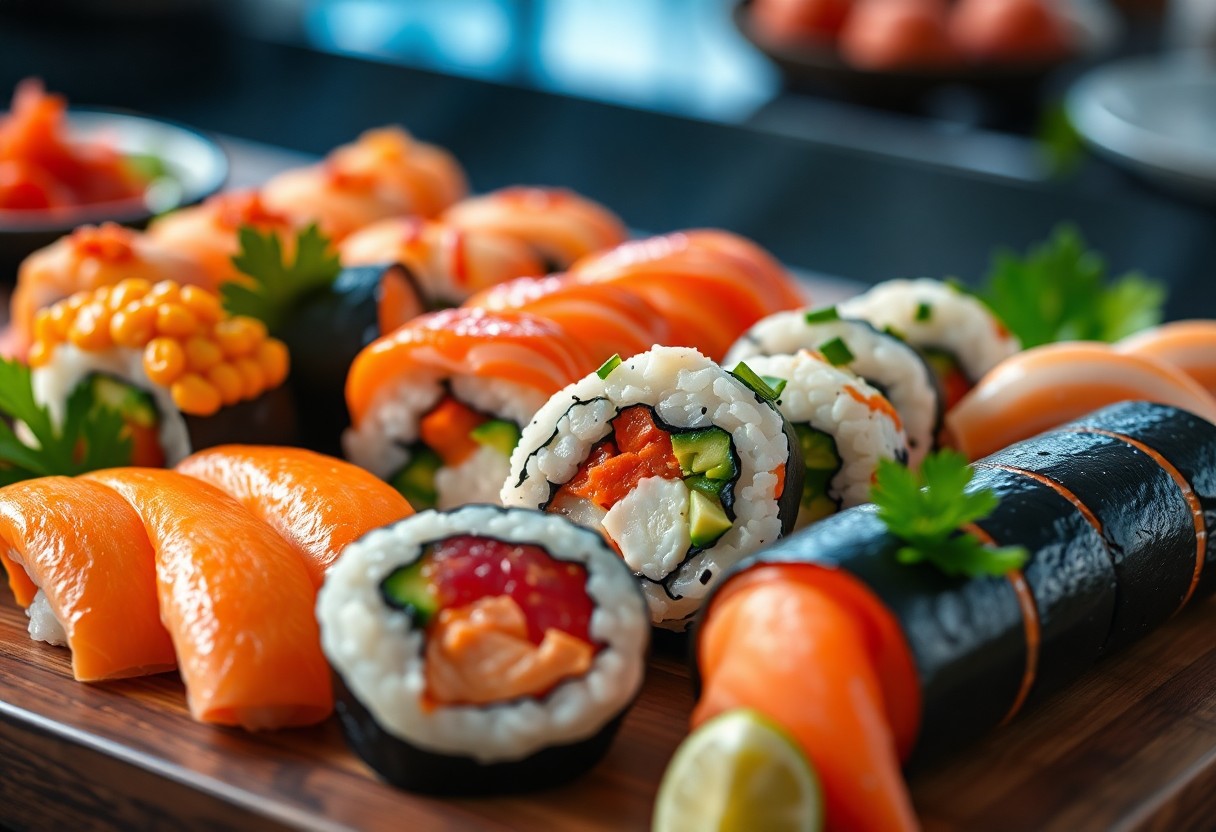
Maki vs. Nigiri – Key Differences Every Sushi Lover Should Know

Over the years, you’ve likely encountered various sushi styles, but two of the most popular options are maki and nigiri. Understanding the key differences between these dishes can elevate your sushi experience and enhance your culinary knowledge. In this informative post, you’ll discover how each style is prepared, their unique ingredients, and when you might prefer one over the other. Whether you’re at a sushi bar or making your own at home, knowing the distinctions will help you fully appreciate these delightful Japanese creations.

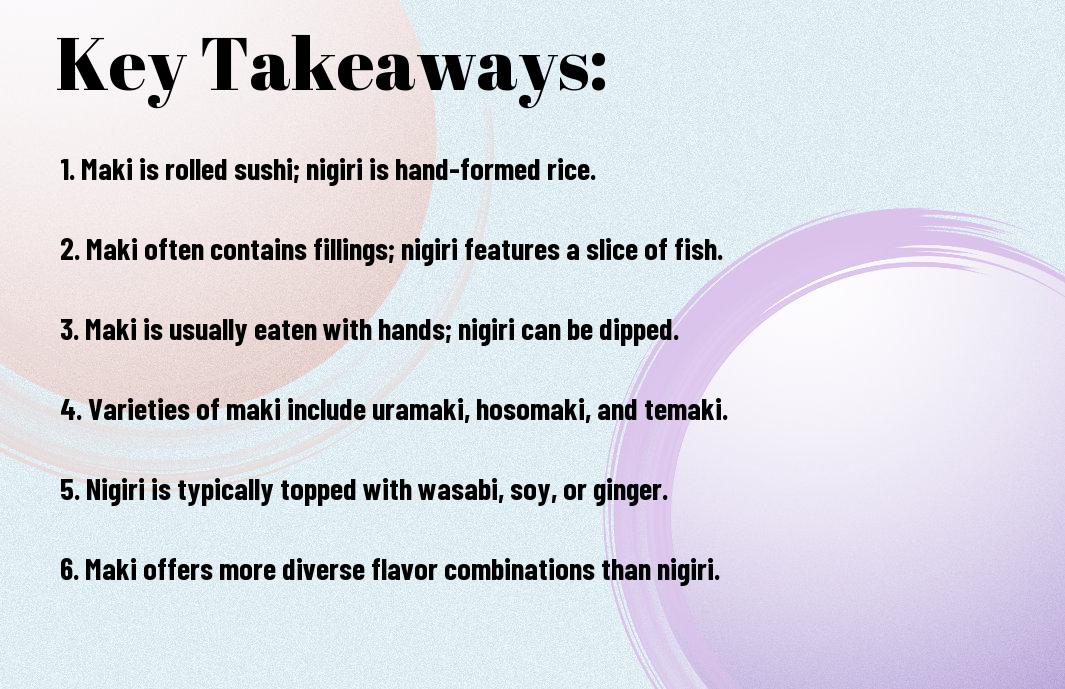
Key Takeaways:

  • Form: Maki is rolled sushi, while nigiri consists of hand-formed rice topped with fish or other ingredients.
  • Ingredients: Maki often includes a variety of fillings and vegetables, whereas nigiri focuses on a single slice of fish or seafood.
  • Eating Style: Maki is typically sliced into bite-sized pieces, while nigiri is best enjoyed as a whole piece, often with a dip of soy sauce.

Origins of Maki and Nigiri

For true sushi enthusiasts, understanding the origins of maki and nigiri enriches your tasting experience. Both styles stem from Japan but evolved in distinct ways, showcasing the versatility and creativity of sushi chefs throughout history. Maki, characterized by its rolled form, emerged as a way to pack rice and fish together, while nigiri emphasizes the artistry of hand-crafted sushi—a reflection of its rich culinary heritage.

Historical Background

About the 19th century, sushi began to transition into the forms we know today. Maki sushi finds its roots in the Edo period, where the practice of rolling vinegared rice with assorted fillings became popular among street vendors in Tokyo. Meanwhile, nigiri sushi, which means “hand-formed,” originated from the Tokyo Bay area, offering a more refined way for chefs to display their craftsmanship in sushi preparation.

Cultural Significance

Around Japan, both maki and nigiri hold significant cultural value, representing different aspects of society and culinary tradition. Maki sushi is often seen at parties and celebrations, symbolizing togetherness due to its shareable nature. Nigiri, with its emphasis on freshness and precision, is often enjoyed in sushi bars, highlighting the chef’s skills and the quality of ingredients.

The appreciation for maki and nigiri extends beyond their delicious tastes; they reflect cultural practices and rituals. For you, trying different styles allows for exploration of flavors, techniques, and traditions. Maki serves as a communal dish that brings friends and family together, while nigiri invites you to savor the meticulous process behind each piece. Recognizing their significance enriches your overall sushi experience, deepening your connection to Japanese culinary heritage.

Composition of Maki and Nigiri

If you’re a sushi lover, understanding the composition of maki and nigiri can elevate your dining experience. Maki sushi, typically wrapped in seaweed, features a variety of fillings rolled within sushi rice, creating a harmonious blend of flavors and textures. On the other hand, nigiri sushi consists of hand-formed rice topped with a slice of fresh fish or other ingredients, allowing the taste of the topping to shine through. Each style offers a unique approach to the sushi experience, showcasing different elements of Japanese culinary artistry.

Ingredients Used

Before exploring into the sushi world, it’s important to know the ingredients that make each type distinctive. Maki generally incorporates various ingredients such as raw fish, vegetables, and sometimes fruits, all wrapped in nori (seaweed). In contrast, nigiri primarily highlights just two main components: vinegared rice and a slice of fresh sashimi or garnishment, focusing on the quality and freshness of each topping. This difference in ingredients contributes to the overall flavor profile and dining experience.

Preparation Methods

Along with the ingredients, the preparation methods of maki and nigiri set these two sushi types apart. Maki requires rolling, where the rice and fillings are carefully layered and then wrapped in seaweed to create a cylindrical shape. In contrast, nigiri is crafted by hand, where sushi chefs mold the rice into small oblong shapes and delicately place a slice of fish on top.

In addition to their distinct rolling and molding techniques, the preparation methods play a significant role in the presentation and taste of each sushi type. While making maki, you often have the opportunity to experiment with various ingredients, creating a colorful and visually appealing dish. On the other hand, nigiri emphasizes the artistry of perfect rice and the freshness of the topping. Both methods require precision and skill, showcasing the culinary craftsmanship behind each sushi piece, enhancing your appreciation for this beloved cuisine.

Presentation and Serving Styles

Your choice between maki and nigiri often extends beyond taste to how each dish is presented. Maki is typically rolled and sliced into even pieces, showcasing colorful fillings that can be arranged beautifully on a platter. On the other hand, nigiri is hand-formed and usually garnished with toppings, allowing the fish and rice to shine in a more minimalist presentation. Each style offers a unique visual experience that enhances your dining pleasure.

Visual Appeal

Between maki and nigiri, visual appeal plays a significant role in attracting your attention. Maki often features vibrant ingredients, providing a feast for the eyes with its colorful layers and intricate patterns. In contrast, nigiri displays a more elegant simplicity, highlighting the fresh fish and perfect rice without overwhelming garnishes. Both styles have their own aesthetic charms that can elevate your sushi experience.

Serving Traditions

Before venturing into your sushi feast, understanding the serving traditions of maki and nigiri can enhance your appreciation. Each has its own distinctive presentation style that reflects cultural traditions and dining etiquette.

The serving traditions surrounding maki and nigiri create an experience that goes beyond the food itself. Maki is often served on platters, making it a communal dish ideal for sharing with friends or family. The vibrant colors and neatly cut pieces encourage interaction, bringing people together. Meanwhile, nigiri is typically served per piece, emphasizing its craftsmanship and quality. It’s common to find nigiri presented on wooden boards accompanied by soy sauce and wasabi, encouraging you to savor each piece independently. These traditions not only enhance the meal but also embrace the Japanese philosophy of appreciating food as an art form.

Taste and Texture Differences

All sushi lovers should appreciate the unique taste and texture experiences that maki and nigiri offer. Each style presents a different balance of flavors and sensations that can significantly enhance your enjoyment of sushi. Maki wraps a variety of ingredients in rice and seaweed, creating a combination of tastes with each bite. In contrast, nigiri features a slice of fish delicately draped over a small mound of rice, allowing for a more pronounced experience of both ingredients. Understanding these differences can deepen your appreciation for this beloved cuisine.

Flavor Profiles

The flavor profiles of maki and nigiri vary significantly. Maki often features a medley of tastes, as it combines various ingredients such as fish, vegetables, and sauces. This variety creates a complex flavor experience that appeals to diverse palates. On the other hand, nigiri emphasizes the natural taste of fresh fish, complemented solely by seasoned rice, soy sauce, or wasabi. This allows you to appreciate the quality of each element distinctly.

Mouthfeel Comparisons

At the heart of the mouthfeel differences between maki and nigiri lies the interaction of textures. While maki provides a layered sensation from the soft rice, the crunchy seaweed, and the fillings, nigiri encourages a more straightforward experience of textures with its soft, slightly chewy rice coupled with the silky smoothness of the fish.

Flavor and Texture Summary

Maki Nigiri
Combined tastes from various ingredients Highlights fresh fish flavor
Complex texture with multiple layers Simpler with softer texture

Flavor and texture play an necessary role in your sushi experience. Maki’s layered composition often delivers a burst of flavors with each bite, while nigiri allows you to savor the clean flavors of the seafood. By trying both options, you can explore the range of tastes and textures that sushi has to offer, elevating your appreciation for this culinary art.

Popular Varieties of Maki and Nigiri

Many sushi lovers enjoy exploring the diverse varieties of maki and nigiri available. Each variety brings its own unique flavors and presentation, catering to different tastes and preferences. Whether you’re a fan of the rolled delights of maki or the simplicity of nigiri, understanding these popular options will enhance your sushi experience.

Common Maki Rolls

The most popular maki rolls include options like California rolls, spicy tuna rolls, and dragon rolls. These rolls often feature a combination of seafood, vegetables, and flavorful sauces, all wrapped in sushi rice and seaweed. Here’s a quick breakdown of some common varieties:

California Roll Imitation crab meat, avocado, and cucumber
Spicy Tuna Roll Spicy tuna mixture with cucumber
Dragon Roll Eel and cucumber topped with avocado
Rainbow Roll California roll topped with assorted sashimi
Tempura Roll Tempura shrimp with avocado and cucumber
  • After trying these, you may discover new favorites!

Popular Nigiri Types

Varieties of nigiri are often centered around the choice of fish or seafood served atop a small mound of rice. Some of the most popular types of nigiri include salmon, tuna, and shrimp, each providing a distinctive taste and texture. Here’s a glimpse into some favorites:

Salmon Nigiri Fresh salmon on vinegared rice
Tuna Nigiri Slice of tuna over rice, often served as sashimi
Shrimp Nigiri Cooked shrimp laid on mounded rice
Eel Nigiri Grilled eel glazed with a sweet sauce
Scallop Nigiri Fresh scallop placed atop rice
  • After sampling these types, you may want to explore regional variations and seasonal catches!

Also, nigiri offers a unique experience in terms of how fresh the fish tastes alongside the seasoned rice. The balance between the two elements is what makes nigiri a beloved choice among sushi enthusiasts. Here’s a quick table summarizing some more popular types:

Octopus Nigiri Thinly sliced, tender octopus served on rice
Sea Bass Nigiri Delicate sea bass over rice
Yellowtail Nigiri Rich yellowtail with a hint of oiliness
Squid Nigiri Tender squid with a subtle flavor
Lucian Nigiri Rich texture showcasing the fish’s quality
  • After exploring these selections, you’ll likely gain a deeper appreciation for the art of sushi making!

Sushi Eating Etiquette

Once again, embracing the right sushi eating etiquette enhances your experience. Whether you’re enjoying maki or nigiri, it’s important to understand how to properly appreciate these dishes. Always use chopsticks or your hands to pick up the sushi, and dip it gently in soy sauce. If you’re curious about the varieties, check out Different Types of Sushi Explained: Sashimi, Nigiri & More for more insights.

How to Eat Maki

Between the layers of rice and fillings, maki offers a delightful blend of flavors. You can use your hands or chopsticks to lift a piece, ensuring that you take a bite that includes both rice and filling for the best taste experience.

How to Eat Nigiri

Around the world of sushi, nigiri earns high praise for its simplicity and elegance. Gently lift the nigiri with your fingers or chopsticks, and when dipping it in soy sauce, turn it upside down to prevent the rice from absorbing too much liquid, which can mask its delicate flavors.

In fact, appreciating nigiri goes beyond just the eating method. Some sushi chefs recommend adding a touch of wasabi directly on the fish rather than mixing it with soy sauce. This enhances the flavor profile, allowing you to savor the fresh fish while enjoying the umami of the rice. Don’t forget to take a moment to enjoy the craftsmanship behind each piece!

Conclusion

Taking this into account, understanding the key differences between maki and nigiri enriches your sushi experience. Maki, wrapped and filled, offers a diverse range of flavors in each bite, while nigiri presents a more direct approach, emphasizing the freshness of the fish atop a compact rice bed. By knowing these distinctions, you can make informed choices that cater to your taste preferences, enhancing your enjoyment of this beloved Japanese cuisine.

FAQ

Q: What are the main differences between Maki and Nigiri sushi?

A: The primary difference between Maki and Nigiri sushi lies in their preparation and presentation. Maki, which translates to “rolled,” consists of sushi rice and various ingredients such as fish, vegetables, or other fillings rolled up in a sheet of seaweed called nori. It is typically cut into bite-sized pieces for easy consumption. On the other hand, Nigiri is a hand-formed sushi consisting of an oval-shaped ball of sushi rice topped with a slice of raw fish or other foods. This type of sushi emphasizes the quality of the topping and is often served with a small dab of wasabi between the rice and fish.

Q: Is Maki sushi more complex to prepare than Nigiri?

A: Generally, Maki sushi could be considered more complex to prepare due to the rolling process involved. It requires the use of a bamboo mat to help achieve an even roll when combining the sushi rice, fillings, and nori. Additionally, maintaining the right balance of ingredients and ensuring the nori is not too dry or too wet adds to the intricacy. In contrast, Nigiri sushi tends to be simpler as it focuses on shaping the rice by hand and placing the topping on it without the need for any rolling technique. That said, mastering the perfect texture and balance in Nigiri can also take practice.

Q: Are there different styles of Maki and Nigiri sushi?

A: Yes, both Maki and Nigiri sushi have various styles that cater to different tastes and preferences. Maki can be further categorized into styles such as Uramaki (inside-out rolls), where the rice is on the outside and nori is on the inside, and Temaki (hand rolls), which are cone-shaped and meant to be eaten by hand. Nigiri, too, has variations, such as Nigiri with added toppings or sauces to enhance flavor, known as “Gunkan” Nigiri, which is wrapped in a strip of nori to hold loose toppings. Each style offers a unique experience, highlighting different aspects of the sushi’s flavor and presentation.

What are the differences in sushi?

What are the differences in sushi?

Introduction

Imagine walking into a vibrant sushi bar; the air is filled with the aroma of fresh fish, vinegared rice, and the subtle fragrance of seaweed. As you take your seat, a parade of colorful dishes begins to unfold before your eyes, each piece a tiny work of art. But what exactly sets these variations apart? Welcome to the enchanting world of sushi, where every bite tells a story.

  • The Origins of Sushi: A Journey Through Time
  • Unveiling the Types of Sushi
  • Nigiri: The Handcrafted Elegance
  • Sashimi: Pure and Unadulterated Flavors
  • Maki Rolls: The Symphony of Ingredients
  • Beyond the Basics: Other Sushi Varieties
  • Key Takeaways
  • Frequently Asked Questions (FAQ)
  • Conclusion: A Culinary Adventure Awaits

The Origins of Sushi: A Journey Through Time

The roots of sushi stretch back over a thousand years, originating as a means of preserving fish in fermented rice. This ancient technique evolved over centuries, transforming into the exquisite culinary experience we savor today. Much like a tapestry woven through time, sushi reflects Japan’s rich cultural heritage.

Unveiling the Types of Sushi

As diverse as the landscapes of Japan itself, sushi comes in an array of styles, each boasting distinct flavors and textures. Let us embark on a journey to unravel the mysteries behind these delectable creations.

Nigiri: The Handcrafted Elegance

Nigiri sushi is often considered the epitome of simplicity and elegance. Picture an artist meticulously shaping vinegared rice into small oblong mounds, then adorning them with slices of fresh fish or seafood. Each piece is a delicate balance of texture and taste, crafted with precision and care. Learn more about the intricacies of nigiri in our article on Wikipedia.

Sashimi: Pure and Unadulterated Flavors

Sashimi is not technically sushi but deserves mention due to its prominence in Japanese cuisine. It is the art of serving raw fish sliced with precision and finesse. Imagine tasting the ocean’s essence in its purest form—a symphony of flavors that dance on your palate. Discover more about sashimi at this detailed resource from the Japanese National Tourism Organization.

Maki Rolls: The Symphony of Ingredients

Maki rolls are a delightful fusion of ingredients rolled together within sheets of nori (seaweed). They offer a burst of flavors and textures, each bite an explosion of creativity on your taste buds. With varieties ranging from simple cucumber rolls to elaborate dragon rolls, maki showcases the versatility and vibrancy of sushi.

Beyond the Basics: Other Sushi Varieties

The world of sushi extends beyond nigiri, sashimi, and maki. Delight in lesser-known types such as temaki (hand rolls), uramaki (inside-out rolls), and chirashi (scattered sushi). Each variety offers a unique perspective on sushi-making, inviting you to explore further.

Key Takeaways

  • Sushi is a versatile culinary art form with deep historical roots.
  • Nigiri focuses on simplicity and craftsmanship.
  • Sashimi highlights the purity and freshness of fish.
  • Maki rolls offer a creative blend of flavors and textures.
  • Explore beyond the basics for a complete sushi experience.

Frequently Asked Questions (FAQ)

What are the most popular types of sushi?

Nigiri, sashimi, and maki are among the most popular types of sushi, each offering unique flavors and presentations.

Is sashimi considered sushi?

While sashimi is often served alongside sushi, it is not technically sushi since it does not include rice.

How do I know if sushi is fresh?

Fresh sushi should have a clean, oceanic aroma without any fishy smell. The fish should appear vibrant and glossy.

Conclusion: A Culinary Adventure Awaits

Sushi is more than just food; it is a journey through culture, history, and artistry. Each piece tells a story—a narrative skillfully shaped by the hands that crafted it. Whether you’re indulging in nigiri’s elegant simplicity or savoring sashimi’s pure flavors, sushi invites you to explore its depths and discover its secrets. So why not embark on your culinary adventure today?

For those who wish to delve deeper into global cuisines or explore new culinary experiences, consider visiting reputable sites like BBC Food or Food Network. Let these resources guide you through a world of flavors waiting to be discovered.

How to Make Sushi

Watch more Introduction to Sushi Making videos: http://www.howcast.com/videos/270-How-to-Make-Sushi

You may think sushi is just raw fish, but you’d only be half right. It’s actually the combination of fish and rice – and how it’s combined is an art form in itself.

Step 1: Slice fish
With a very sharp knife, slice the trimmed fish slab into individual portions so each piece is a rectangle approximately 2-inches long and ¼-inch thick.

Tip
To make things easier, cut all your fish at one time, but keep the pieces cold until you use them —put them on a plate and keep it in the refrigerator or on top of some ice.

Step 2: Roll rice into ball
Moisten your hands with water from your bowl, and scoop an ounce of sushi rice—about the amount that will fit into your palm—and roll it into a ball.

Step 3: Shape rice ball
Shape the rice ball into an oblong by squeezing it with firm but gentle pressure.

Tip
Your rice should be about the same size as your cut piece of fish.

Step 4: Dab wasabi on fish
Pick up a piece of sliced fish. While palming the shaped rice, scoop up a tiny amount of wasabi with your index finger and gently dab it onto the middle of the fish.

Step 5: Press rice against fish
Press the shaped rice against the fish and gently but firmly cup the two together until they adhere.

Step 6: Squeeze together
Firmly squeeze the sushi together until the fish and rice become one. Tap with your right index finger as you go to create a uniform shape.

Step 7: Continue process
Place the finished sushi on a serving plate or sushi board, and continue making pieces until all the fish is used.

Step 8: Garnish plate
Garnish the plate with a mound of Japanese pickled ginger and a smaller mound of wasabi. Pour some soy sauce into a small dish and get ready to dunk.

Did You Know?
Real wasabi is notoriously expensive, so most sushi restaurants just use a mixture of horseradish, mustard powders, and food coloring.

Sushi Chef Reviews Cheap Sushi

“Bad shrimp smell…I have to eat this one?”

Check out more awesome videos at BuzzFeedVideo!
http://bit.ly/YTbuzzfeedvideo

MUSIC
Koto Swang
Licensed via Warner Chappell Production Music Inc.

SFX provided by Audioblocks. 
(https://www.Audioblocks.com)

Made by BFMP www.buzzfeed.com/videoteam
+
Yoya Takahashi
http://hamasakula.com/
@HamasakuLA

STILLS
Vector gold star
nidwlw / Thinkstockphotos.com
Salmon sushi
Creatas / Thinkstockphotos.com
Sushi set
ksyfoto / Thinkstockphotos.com

GET MORE BUZZFEED:
www.buzzfeed.com
www.buzzfeed.com/video
www.buzzfeed.com/videoteam
www.youtube.com/buzzfeedvideo
www.youtube.com/buzzfeedyellow
www.youtube.com/buzzfeedblue
www.youtube.com/buzzfeedviolet
www.youtube.com/buzzfeed

BUZZFEED VIDEO
BuzzFeed is the world's first true social news organization. Featuring tasty, short, fun, inspiring, funny, interesting videos from the BuzzFeed. /BuzzFeedVideo is BuzzFeed's original YouTube Channel, with a focus on producing great short-form BuzzFeed videos for YouTube (and the world!). BuzzFeed Video will entertain, educate, spark conversation, inspire and delight. Subscribe to BuzzFeedVideo today and check us out at http://buzzfeed.com

Sushi Near Me Skip to content