There’s a world of colorful and tasty sushi options to explore for your child’s school lunchbox. Not only are sushi rolls nutritious, but they can also be a hit among kids, making lunchtime enjoyable. In this post, you’ll discover various Lunchbox-Friendly Sushi ideas that are simple to prepare, kid-approved, and perfect for on-the-go meals. Let’s examine some fun and easy sushi concepts that will elevate your lunch-packing experience!
Key Takeaways:
- Variety: Incorporate different types of sushi such as rolls, nigiri, and chirashi to keep lunchtime exciting.
- Nutritional Balance: Ensure meals include a mix of protein, carbohydrates, and vegetables for a well-rounded diet.
- Portability: Choose sushi options that are easy to pack and eat, like sushi rolls that won’t fall apart during transport.
- DIY Kits: Consider packing a DIY sushi kit with prepped ingredients for a fun, interactive lunch experience.
- Allergies & Preferences: Be mindful of any food allergies or dietary preferences to guarantee a safe and enjoyable meal.
Benefits of Sushi Lunchboxes
While packing sushi for your child’s lunch offers a delightful change from traditional sandwiches, it also provides numerous benefits. Sushi lunchboxes are not only visually appealing but also encourage your child to enjoy balanced meals. By incorporating fresh ingredients, unique flavor combinations, and various textures, your little one will gain a sense of excitement about lunchtime. Plus, you can tailor sushi options to suit dietary needs, promoting better health and energy levels throughout the school day.
Nutritional Value
At the core of sushi’s appeal is its remarkable nutritional value. Sushi can be packed with wholesome ingredients such as fish, vegetables, and rice, providing important nutrients like omega-3 fatty acids, vitamins, and minerals. By choosing sushi as a lunch option, you ensure your child consumes a balanced meal that fuels their learning and activities.
Variety and Creativity
Above all, sushi lunchboxes offer endless opportunities for variety and creativity. You can experiment with different types of sushi, such as maki, nigiri, or temaki, to keep lunchtime interesting. In addition to traditional ingredients, you can incorporate seasonal vegetables, fruits, and even alternative proteins like tofu. This not only excites your child’s palate but also encourages them to explore new tastes.
Even more, by letting your child participate in the sushi-making process, you can foster their creativity and enthusiasm for healthy eating. Involving them in choosing their fillings and creating fun shapes or colorful rolls allows them to take ownership of their lunch. Customized sushi lunchboxes not only promote nutrition but also encourage your child to appreciate diverse foods, making lunchtime a fun and educational experience.
Essential Ingredients for Sushi Lunchboxes
Any sushi lunchbox begins with a solid foundation of necessary ingredients. You’ll want to stock up on quality sushi rice, fresh fillings, and vibrant toppings to create delicious, eye-catching creations. Additionally, you can include seaweed sheets to wrap your sushi, along with pickled ginger and wasabi for extra flavor. Keep your ingredients colorful and nutritious to ensure your lunchbox is not only tasty but also appealing to your eyes.
Types of Rice
For making sushi, the type of rice you choose plays a significant role in the overall flavor and texture. Here are some popular varieties:
| Sushi Rice | Short-grain rice that becomes sticky when cooked, making it ideal for rolls. |
| Brown Rice | Whole grain option, providing more fiber and nutrients but with a firmer texture. |
| Cauliflower Rice | Low-carb alternative, great for a healthier option. |
| Quinoa | Gluten-free and protein-rich, suitable for unique sushi variations. |
| Specialty Rice | Consider varieties like black or red rice for additional flavor and color. |
The variety of rice you choose can elevate your sushi lunchbox experience.
Fillings and Toppers
Sushi lunchboxes offer endless possibilities when it comes to fillings and toppings. You can mix and match a variety of fresh vegetables, proteins, and sauces to create your own unique combinations. Popular options include cucumber, avocado, crab, smoked salmon, and tofu. Top your sushi rolls with sesame seeds, spicy mayo, or tempura flakes for an added crunch and burst of flavor.
But don’t be afraid to get creative! Explore using seasonal vegetables or try marinating your fillings for additional depth of flavor. You can also add complementary sauces, nuts, or fruits to enhance both taste and presentation. This flexibility allows your lunchboxes to adapt over time and suit your personal preferences or dietary needs, keeping lunchtime exciting every day!
Sushi Rolling Techniques
Once again, mastering sushi rolling techniques can elevate your lunchbox creations to new heights. Whether you aim for traditional rolls or more playful shapes, the key is to hone your skills to achieve both flavor and aesthetic appeal. With practice, you can craft vibrant, delicious sushi that your kids will love to eat and share with friends.
Basic Rolling Method
On your journey to perfect sushi, the basic rolling method is your starting point. Lay out your seaweed sheet, evenly spread a layer of sushi rice, and place your desired fillings in the center. Using a bamboo mat, carefully roll while applying gentle pressure to form a tight cylinder. Seal the edge with a little water, and you have your first roll!
Alternative Shapes and Styles
Basic rolling forms the foundation, but you can experiment with alternative shapes and styles to make your sushi lunchboxes even more exciting. From nigiri to sushi cones, these variations allow for creativity while incorporating different ingredients and flavors. These unique forms not only enhance presentation but also cater to diverse tastes.
At home, you can try a range of sushi styles including nigiri, where rice is molded by hand and topped with fish. For a fun twist, try making sushi cones (temaki) by rolling nori into a cone shape filled with rice and your favorite ingredients. Additionally, sushi sandwiches or ‘sushi burgers’ use rice patties instead of bread for a new take. Each shape brings its own set of benefits, ensuring that enjoying sushi at school is a fun and flavorful experience for your child.
Making Sushi Safe for School
Keep your child’s sushi lunchbox safe by following simple food safety guidelines. This ensures that your sushi remains fresh and enjoyable throughout the school day while minimizing the risk of foodborne illnesses.
Food Safety Tips
By adhering to these food safety tips, you can help protect your child from potential health risks:
- Use fresh ingredients to make sushi.
- Keep sushi at the proper temperature, ideally below 40°F (4°C).
- Avoid adding ingredients that spoil easily, like mayonnaise.
- Consume sushi within a few hours of preparation.
Recognizing the importance of these precautions will help ensure your child’s lunch is both delicious and safe.
Packaging and Storage
An effective way to protect your child’s sushi is through proper packaging and storage methods. Use airtight containers that can keep your sushi fresh while preventing contamination. Consider using cool packs to maintain a safe temperature until lunchtime, so that your child always has appetizing sushi ready to eat.
Understanding how to package and store sushi can greatly enhance its safety and quality. Opt for eco-friendly bento boxes that are specifically designed to keep food items separate and fresh. Using vacuum-sealed bags can also be beneficial for avoiding moisture buildup, which can spoil your sushi. Always label containers if you include ingredients that may cause allergic reactions, allowing for a worry-free lunch experience.
Kid-Friendly Sushi Variations
To make sushi appealing for your children, consider using fun, kid-friendly variations that incorporate familiar flavors and ingredients. By swapping traditional sushi components for options your little ones enjoy, you can create delicious lunchbox treats that are both nutritious and exciting. These variations can help foster healthy eating habits while putting a smile on your child’s face at lunchtime.
Veggie Sushi Rolls
To introduce your kids to sushi in a fun way, veggie sushi rolls can be an excellent choice. Using colorful fruits and vegetables, such as avocado, cucumber, and carrot, create vibrant sushi rolls that your children will love. These rolls can be accompanied by a light soy sauce or a sweet dipping sauce to make them even more appealing.
Protein-Packed Options
Among the various options for kid-friendly sushi, incorporating protein can help keep your kids satisfied and energized throughout the school day. You can add ingredients like cooked chicken, shrimp, or tofu to create substantial sushi rolls that deliver not only taste but also necessary nutrients.
Sushi can be a wonderful vehicle for protein, making it easy to include options that energize your kids. Consider adding grilled chicken strips, marinated tofu, or even scrambled eggs in your sushi rolls. You can customize these proteins based on your child’s preferences, ensuring each lunch is not just filling, but also tailored to their tastes. This way, you provide them with a flavorful and nutritious meal that they’ll look forward to eating.
Complementary Sides and Snacks
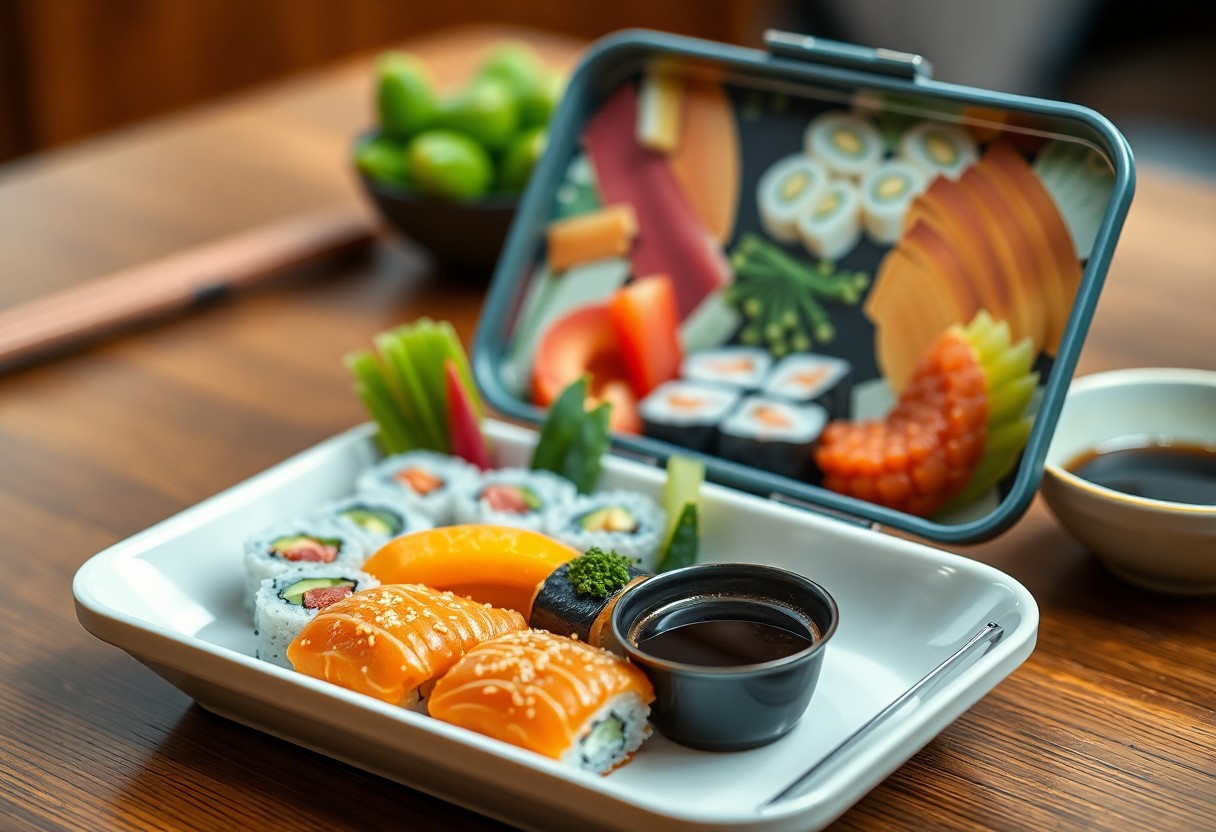
Unlike traditional lunchboxes, a sushi lunch offers delightful complementary sides and snacks to enhance your meal. Pair your sushi rolls with edamame or seaweed salad for added nutrition and flavor. Additionally, you can include a fruit like sliced apples or grapes for a refreshing touch. For more tips on assembling your lunch, check out How to Pack Sushi for Lunch (with or without a refrigerator).
Traditional Japanese Side Dishes
Across Japan, many enjoy traditional side dishes that perfectly accompany sushi. Consider adding pickled vegetables, such as tsukemono, or a small bowl of miso soup that can warm up your meal. These sides not only enhance the flavors of your sushi but also provide a well-rounded meal packed with nutrients.
Healthy Pairings
Beside the sushi, there are numerous healthy pairings that can elevate your lunchbox. You can opt for simple options like cucumber sticks or carrot slices, which add crunch and color. Incorporate a small container of hummus or tzatziki for a tasty dip, making your lunch both nutritious and enjoyable.
Traditional Japanese cuisine emphasizes balance, so incorporating wholesome sides aligns well with your sushi. You might want to include items rich in fiber and vitamins such as shredded cabbage, which can also double as a garnish, or perhaps a small serving of fruit like kiwi or orange slices for an extra vitamin boost. Such pairings not only complement the sushi but also create a satisfying, well-rounded meal that keeps you energized throughout the school day.
To wrap up
On the whole, packing a sushi lunchbox for school can be both fun and nutritious when you get creative with your choices. By incorporating various ingredients like fresh vegetables, proteins, and sushi rice, you can tailor each meal to suit your taste preferences and nutritional needs. Explore different sushi styles, such as rolls or sushi bowls, and add your favorite sides to keep your lunch exciting. With these sushi lunchbox ideas, you can enjoy a delightful and satisfying meal that will keep you energized throughout the school day.
FAQ
Q: What are some easy sushi lunchbox ideas for kids?
A: Some easy sushi lunchbox ideas for kids include:
– Cucumber and Cream Cheese Rolls: Simple to prepare, these rolls use cucumber slices and cream cheese wrapped in sushi rice and nori.
– California Rolls: Filled with imitation crab, cucumber, and avocado, these are a perfect introduction to sushi for kids.
– Teriyaki Chicken Sushi: Shredded teriyaki chicken wrapped in rice and nori offer a more familiar flavor for children.
– Veggie Sushi Rolls: Use a variety of colorful vegetables like carrots, avocado, and bell peppers to make vibrant veggie rolls.
– Fruit Sushi: For a sweet option, use rice and toppings like sliced strawberries or mangoes for a dessert-like sushi roll.
Q: How can I keep sushi fresh until lunchtime?
A: To keep sushi fresh until lunchtime, you can:
– Pack in Insulated Containers: Use insulated lunch containers to maintain the temperature.
– Avoid Leaving Out for Too Long: Try to pack the sushi as close to the time of departure as possible.
– Use Ice Packs: Include ice packs in the lunchbox to help keep the sushi chilled.
– Wrap in Plastic Wrap: If using sushi rolls, tightly wrap them in plastic wrap to prevent them from drying out.
– Include Moisture Absorbers: Placing a small piece of damp paper towel in the container can help maintain moisture without making the sushi soggy.
Q: Can I prepare sushi the night before for school lunch?
A: Yes, you can prepare sushi the night before as long as you store it properly. Make the sushi rolls, then wrap them tightly in plastic wrap and place them in an airtight container in the refrigerator. Make sure to consume them within 24 hours for optimal freshness and avoid using ingredients that spoil easily.
Q: What ingredients should I avoid when making sushi for school lunches?
A: When making sushi for school lunches, it’s best to avoid:
– Highly perishable items: Foods like raw fish or seafood can spoil quickly and may not be allowed at school.
– Strongly flavored ingredients: Ingredients that have strong flavors, like wasabi or pickled ginger, might not be appealing to children.
– Allergens: Be mindful of common allergens such as nuts, sesame seeds, or shellfish.
– Highly salty sauces: Limit or avoid using excessive soy sauce, which can make the meal too salty and can lead to spills.
Q: What can I serve with sushi to create a balanced lunch?
A: To create a balanced lunch along with sushi, consider serving:
– Fresh Fruit: Sliced fruits like apples, grapes, or berries provide vitamins and natural sweetness.
– Vegetable Sticks: Carrot, celery, and cucumber sticks can add crunch and freshness.
– Edamame: These young soybeans are a great source of protein and can make a healthy side.
– Rice Balls (Onigiri): Onigiri are seasoned rice balls that can add variety and are easily transportable.
– Yogurt: A small container of yogurt can be a good source of calcium and probiotics.