ingredients

The Essential Ingredients for Perfect Sushi

Over time, mastering sushi preparation involves understanding the building blocks of this delicious cuisine. You’re about to discover the imperative ingredients that elevate your sushi-making skills to a professional level. Start with the backbone of sushi, rice; check out this Perfect Sushi Rice Recipe to ensure your foundation is solid. From fresh fish to vibrant vegetables, each element plays a vital role in crafting the perfect sushi experience.

Key Takeaways:

  • Quality Ingredients: The freshest fish and produce are vital for achieving the best taste and texture in sushi.
  • Proper Rice Preparation: Sushi rice must be prepared with the right balance of vinegar, sugar, and salt to achieve its signature flavor.
  • Knife Skills: Precision in cutting fish and vegetables enhances the presentation and overall dining experience.
  • Seasoning: The use of complementary flavors, like wasabi and soy sauce, elevates sushi dishes.
  • Presentation: Aesthetically pleasing arrangements not only enhance the visual appeal but also enhance the enjoyment of the meal.
Understanding Sushi Rice

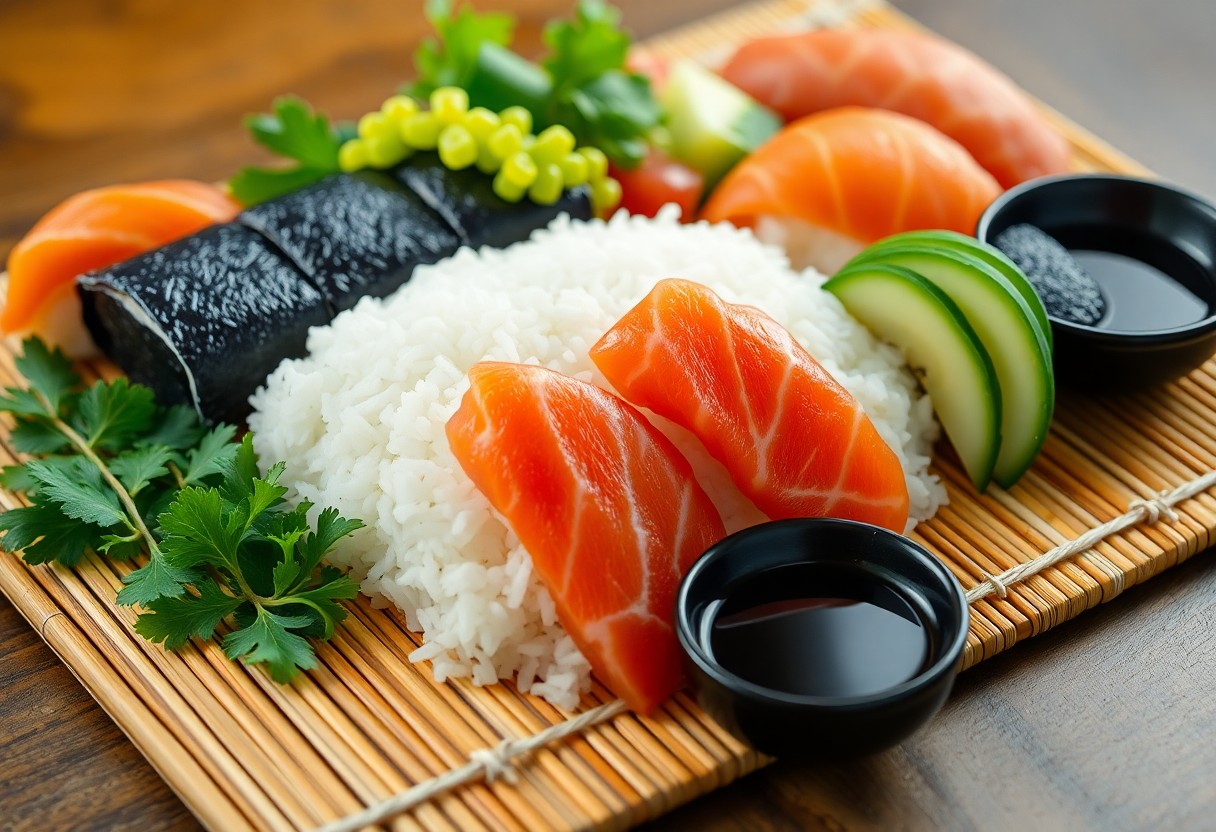
The perfect sushi begins with sushi rice, or “shari,” which is specifically selected for its sticky texture and ability to hold together when rolled. Choosing the right rice variety is fundamental to achieving authentic sushi flavors and textures. For more tips on selecting ingredients, you can explore 25 Essential Japanese Sushi Ingredients for Home Chefs.

Selection of Rice Varieties

Rice is the heart of sushi, and selecting a short-grain variety, such as Japanese sushi rice or “koshihikari,” ensures you achieve the desired stickiness and mouthfeel. These varieties are known for their plump grains, which absorb moisture effectively, making them ideal for sushi preparation.

Preparation and Cooking Techniques

Understanding how to prepare and cook your sushi rice is just as important as selecting the right variety. Rinsing the rice multiple times removes excess starch, promoting a better texture. Then, soaking the rice allows it to absorb water evenly, resulting in a perfectly cooked grain.

Further, cooking your rice properly involves using the right water-to-rice ratio and an appropriate cooking method, which could include a rice cooker or stove top. After cooking, let the rice steam with the lid on for a few minutes to ensure optimal texture and stickiness, forming a perfect base for your sushi.

Seasoning for Flavor Balance

At the heart of sushi rice preparation is the seasoning, usually a mix of rice vinegar, sugar, and salt. This blend adds a slight tang and sweetness, balancing the flavor profile of your sushi. Properly seasoning your rice enhances the overall taste and complements the freshness of your ingredients.

Cooking your sushi rice with the right seasoning is necessary for achieving an authentic flavor. Ensure that you gently fold the vinegar mixture into the rice while it’s still warm, allowing it to absorb the flavors without becoming mushy. This step is key to creating the distinct taste that makes sushi special.

The Importance of Fresh Ingredients

Clearly, using fresh ingredients is vital for achieving the authentic taste and texture of sushi. Freshness enhances flavor profiles and ensures that each bite melts in your mouth. When you prioritize fresh ingredients, you’re not only elevating the quality of your sushi but also crafting a healthier meal that celebrates the simplicity of fine cooking. The integrity of your sushi relies heavily on this one aspect, making it the foundation upon which all other elements are built.

Choosing Quality Fish

On your journey to perfect sushi, selecting quality fish is paramount. Look for fish that is bright in color and has a clean, ocean-like smell. Don’t hesitate to ask your fishmonger about the catch of the day or sourcing practices, as knowing where your fish comes from can significantly impact its flavor and safety. Aim for sustainable choices that guarantee fresh options for both your palate and the environment.

Selecting Vegetables and Other Fillers

Beside fish, the vegetables and fillers you choose play a key role in the overall sushi experience. Fresh, crunchy vegetables not only provide additional flavors but also add important nutrients to your rolls.

It’s important to select seasonal vegetables, as they tend to offer the best flavor and texture. Options like cucumber, avocado, and radish can enhance your sushi’s taste profile and contrast beautifully with the fish. Additionally, consider incorporating fresh herbs like shiso or microgreens for extra depth. The goal is to create a harmonious blend of flavors and textures that enhance your sushi, making it a truly delightful culinary experience.

Essential Tools for Sushi Making

For an enjoyable sushi-making experience, having the right tools at your disposal is vital. Essential kitchen equipment includes items that facilitate the preparation, rolling, and serving of sushi, ensuring that you achieve optimal results with each roll. Investing in these tools will elevate your sushi craft and enhance the authenticity of your homemade creations.

Rice Cooker and Utensils

Rice is the heart of any sushi, making a quality rice cooker indispensable for your sushi toolkit. It will help you achieve perfectly cooked short-grain sushi rice, which is sticky enough to hold together but not too mushy. Use wooden or silicone utensils to avoid damaging the rice’s delicate texture during mixing and cooling.

Mats and Knives for Precision

For sushi rolling and slicing, a bamboo mat and a sharp knife are important for achieving precision and consistency in your preparation. The mat ensures that your rolls come out tight and even, while a well-honed knife allows for clean cuts, which is vital for presentation and taste.

Considering that the appearance and texture of sushi play a significant role in the dining experience, investing in a high-quality bamboo sushi mat and a specialized sushi knife is a smart choice. A good knife will enable you to make smooth, even cuts without squishing the rolls, while the mat will help you create tightly packed sushi that holds together beautifully. With these tools, you’ll be well-equipped to impress your family and friends with your sushi-making skills.

Mastering Techniques

Once again, honing your sushi-making skills involves understanding and mastering important techniques. By perfecting these methods, you can elevate your sushi creations from good to extraordinary. Focus on the important steps of preparation, rolling, and slicing, ensuring that each element contributes to a delightful dining experience.

Rolling Sushi: Tips and Tricks

Above all, successful sushi rolling requires practice and attention to detail. Follow these tips to improve your technique:

  • Use a bamboo mat for even pressure.
  • Keep your hands and surface moist to prevent sticking.
  • Don’t overfill your rolls for easier handling.
  • Apply consistent pressure while rolling.

Any additional practice will lead to better results.

Slicing Techniques for Presentation

Along with rolling, slicing sushi properly is vital for visual appeal and ease of eating. Each slice enhances the overall presentation and allows the flavors to shine through.

Techniques for slicing sushi include using a sharp, non-serrated knife to achieve clean cuts, which prevents squishing your rolls. Additionally, aim for uniform slices to create an aesthetically pleasing arrangement on your plate. Always slice at a slight angle to enhance presentation, while using minimal pressure to maintain the integrity of your sushi. With consistent practice, you’ll develop a slicing technique that elevates your sushi to a restaurant-quality level.

Flavor Enhancements

To elevate your sushi experience, consider integrating various flavor enhancements that can transform each bite into a symphony of taste. The right condiments and garnishes not only enhance the natural flavors of your sushi but also elevate its visual appeal, making each creation as delightful to look at as it is to eat. Embracing these enhancements will ensure your sushi is a memorable dish that excites the palate.

Condiments and Dipping Sauces

An array of condiments and dipping sauces can elevate your sushi to new heights of flavor. Soy sauce is a classic choice, offering a salty umami burst, but you can also experiment with spicy mayo, ponzu sauce, or a drizzle of sriracha for an added kick. Pairing your sushi with pickled ginger and wasabi not only complements the flavors but also cleanses your palate between different types of sushi.

Garnishes for Visual Appeal

At first glance, garnishes can transform a simple sushi roll into an artistic masterpiece. A sprinkle of sesame seeds, a garnish of microgreens, or slices of radish can add vibrant colors and textures, enhancing the overall dining experience. These elements don’t just beautify your dish; they also contribute additional flavors that elevate your sushi creation.

Hence, incorporating garnishes into your sushi not only enhances its aesthetic appeal but also provides an opportunity to introduce new flavors. Fresh herbs like shiso or cilantro can create a delightful contrast, while edible flowers can add a touch of elegance. Using garnishes thoughtfully allows you to showcase your creative flair and impress your guests, making each sushi presentation a memorable feast for the senses.

Common Sushi Variations

After sampling a few types of sushi, you may notice the diverse styles and flavors that define this beloved cuisine. From traditional preparations to innovative spins, sushi offers a range of variations that cater to different palates and preferences. Exploring these common sushi types will enhance your dining experience and deepen your appreciation for this culinary art.

Nigiri, Sashimi, and Maki

Behind each sushi variation lies a unique preparation method and presentation style. Nigiri consists of hand-formed rice topped with fresh fish or seafood, while sashimi showcases the pure essence of raw fish without rice. Maki, on the other hand, features rolled sushi with fillings encased in seaweed and rice, providing a delightful combination of flavors and textures.

Regional Differences and Fusion Styles

Around the world, sushi adapts to local tastes and ingredients, leading to fascinating regional variations and fusion styles. Different cultures have put their own spin on sushi, incorporating local flavors and techniques, allowing you to discover unique combinations that reflect the culinary landscapes of various countries.

At the heart of regional differences and fusion styles is the creativity of chefs who blend traditional Japanese techniques with local ingredients. For instance, you might encounter California rolls, which use avocado and imitation crab, reflecting American influences. Mexican sushi often incorporates flavors like jalapeño and cilantro, while Brazilian sushi may experiment with tropical fruits. By exploring these variations, you’ll not only expand your palate but also gain a richer understanding of how sushi continues to evolve globally.

Conclusion

Considering all points, creating perfect sushi hinges on quality ingredients and your attention to detail. Selecting the best sushi rice, fresh fish, and complementary vegetables not only enhances flavor but also elevates the overall experience. Your choice of seasonings, sauces, and even the techniques you employ in preparation play a significant role in the final masterpiece. By focusing on these crucial ingredients and practices, you can ensure that your sushi is not just a meal, but a delightful culinary experience that you and your guests will savor.

Q: What type of rice is best for making sushi?

A: The best rice for making sushi is short-grain Japanese rice, commonly referred to as sushi rice. This type of rice is sticky when cooked, which helps the grains to hold together, making it easier to form into rolls or nigiri. It’s important to rinse the rice several times before cooking to remove excess starch, ensuring a better texture. After cooking, season the rice with a mixture of rice vinegar, sugar, and salt to enhance its flavor and to achieve the right consistency for sushi.

Q: How should I select fresh fish for sushi?

A: When selecting fish for sushi, freshness is key. Always choose sushi-grade fish, which is specifically labeled for raw consumption. Look for clear eyes, bright red gills, and a firm texture. The flesh should have a shiny appearance, and there should be no unpleasant odors. If you’re unsure, ask your fishmonger for recommendations on the freshest options available. Popular choices for sushi include tuna, salmon, and mackerel, but make sure they have been frozen according to FDA guidelines to kill any potential parasites.

Q: What toppings or ingredients can I use to enhance my sushi?

A: There are countless toppings and ingredients you can use to enhance your sushi. Common toppings include sliced avocado, cucumber, and pickled vegetables that add texture and flavor. You can also experiment with different fish, such as eel or shrimp, and add garnishes like sesame seeds, green onions, or spicy mayonnaise for additional taste. For a unique twist, consider adding fruits like mango or pineapple. Using high-quality soy sauce and wasabi on the side can further elevate your sushi experience by enhancing the overall flavor profile.

Unique Ingredients That Elevate Sushi to the Next Level

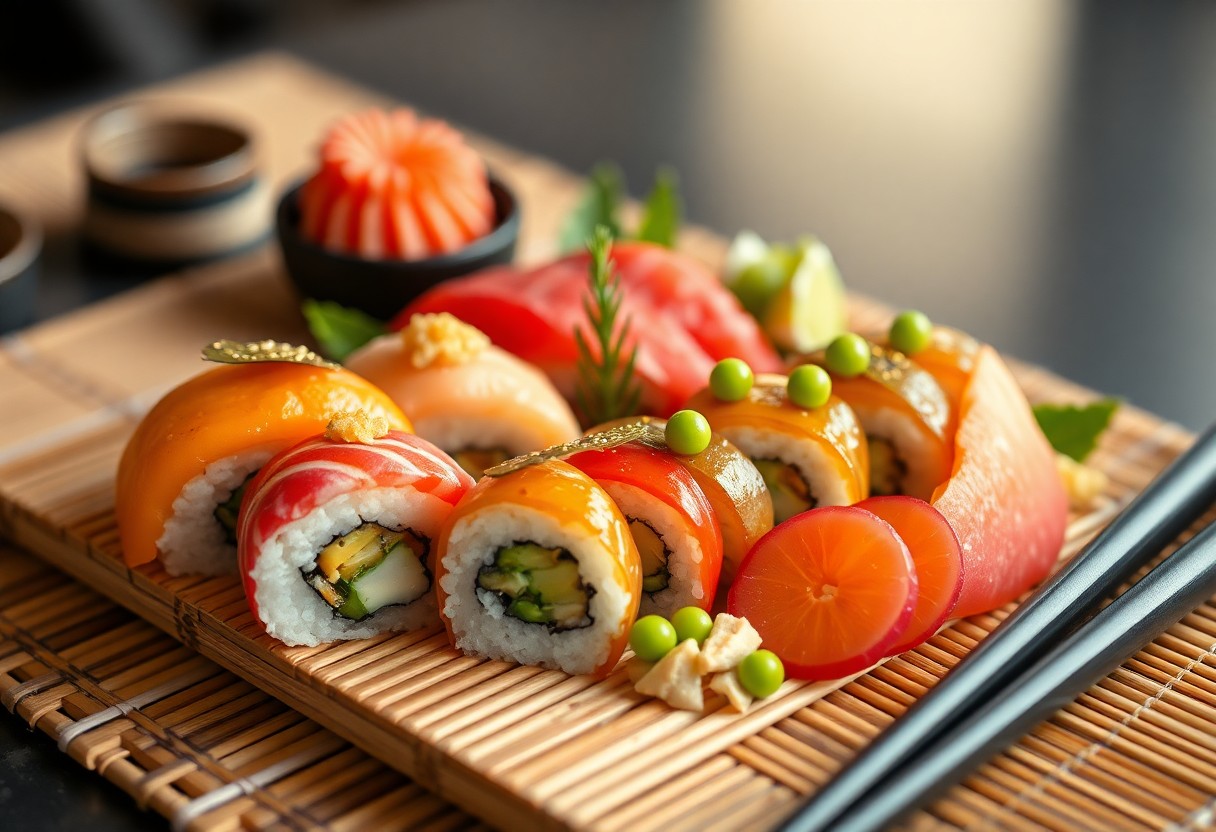
Ingredients play a vital role in elevating your sushi-making experience from ordinary to extraordinary. Exploring unique additions can transform the flavors and textures of your sushi, tantalizing your taste buds and impressing your guests. From innovative garnishes to unexpected fillings, you have the opportunity to experiment and create delightful variations that showcase your culinary creativity. In this blog post, you’ll discover a variety of unique ingredients that can elevate your sushi game and take your dishes to new heights.

Key Takeaways:

  • Truffle Oil: A drizzle of truffle oil adds a luxurious aroma and flavor profile to traditional sushi, enhancing the overall experience.
  • Yuzu Kosho: This Japanese chili paste, made from yuzu citrus and peppers, offers a unique tangy heat that pairs well with fish.
  • Microgreens: Using microgreens as a topping not only adds visual appeal but also introduces fresh flavors and textures to sushi rolls.
  • Saffron Infusion: Incorporating saffron into rice or sauces can elevate the taste with its unique earthiness and vibrant color.
  • Smoked Ingredients: Adding smoked components, such as smoked salmon or smoked tofu, brings depth and complexity to the sushi dish.

Traditional Sushi Ingredients

To truly appreciate the art of sushi, you need to understand the traditional ingredients that form its backbone. Rice, nori (seaweed), fish, and vegetables come together to create a harmony of flavors and textures. Each component serves a distinct purpose, enhancing the overall experience of sushi. These ingredients are not just foundational; they reflect centuries of culinary practice and cultural significance.

Fundamental Components

Fundamental to any sushi recipe are high-quality short-grain rice, which provides that iconic sticky texture, and fresh fish, often chosen for both taste and texture. Nori wraps are vital for holding the components together while imparting a subtle umami flavor. Additionally, pickled ginger and wasabi play significant roles in enhancing the experience, making every bite more memorable.

Importance of Freshness

The quality of sushi is closely tied to the freshness of your ingredients, particularly when it comes to fish and produce. Using the freshest ingredients ensures that you experience the full range of flavors inherent to each component.

Indeed, the freshness of ingredients not only impacts flavor but also affects the dish’s safety and presentation. Fresh fish should have a clean, ocean-like scent and a firm texture, while vegetables must be crisp and vibrant. Sourcing local and seasonal ingredients can significantly elevate your sushi experience, bringing out the natural flavors and allowing the artistry of sushi to shine through. When you prioritize freshness, you ensure that every bite delivers the intended taste and joy of authentic sushi.

Exotic Sauces and Condiments

Some of the most exciting aspects of sushi are the exotic sauces and condiments that can elevate your dining experience. From spicy and tangy to sweet and savory, these unique flavor enhancers add depth and complexity to your sushi creations. Experimenting with different sauces will open up new taste profiles and help you discover the perfect pairing for your favorite rolls.

Unique Sauces that Enhance Flavor

Any sushi lover should explore unique sauces like sesame ponzu, miso aioli, or yuzu kosho. These flavorful additions not only amplify the taste of your sushi but also provide a delightful contrast to the seafood’s natural flavors. Incorporating these sauces can transform a simple sushi dish into a gourmet experience.

Influential Condiments

By integrating influential condiments into your sushi, you can access a world of flavor that complements and enhances the overall dish. Wasabi, pickled ginger, and soy sauce are staples, but incorporating items like garlic chili oil or sriracha can add an exciting twist to your sushi experience.

That being said, choosing the right condiments can significantly impact your sushi experience. Wasabi adds a sharp heat that can elevate any slice of fish, while pickled ginger offers a refreshing contrast that cleanses your palate. Exploring beyond the traditional options and experimenting with bold flavors like chili garlic sauce or a tangy ponzu can create a personalized sushi experience that excites your taste buds.

Innovative Toppings

Despite traditional sushi toppings like wasabi and pickled ginger, innovative additions can transform your sushi experience. Think beyond the norm by incorporating unexpected ingredients such as truffle oil, spicy miso, or tangy ponzu sauce. These unique finishes not only amplify flavors but also introduce a modern twist to your favorite rolls, inviting your palate to explore beyond the familiar.

Unconventional Fish Varieties

On your sushi journey, don’t limit yourself to standard fish options. Consider trying unconventional varieties like mackerel, sardines, or even amberjack. These fish can add depth and a rich flavor profile, making every bite an exciting adventure that enhances the overall experience of sushi dining.

Vegetables and Fruits for Texture

One way to enhance your sushi is by incorporating vegetables and fruits that provide textural contrast. Ingredients such as cucumber, radish, and avocado can bring a refreshing crunch, while fruits like mango or kiwi can add a subtle sweetness that complements the seafood. The interplay of these textures not only elevates the dish but also engages your senses in unexpected ways.

It’s necessary to explore how the right combination of vegetables and fruits can enhance your sushi experience. For instance, incorporating crispy daikon or roasted sweet potatoes can introduce delightful contrasts, while a drizzle of citrus-infused olive oil over fresh greens adds a burst of flavor. With the right balance, these elements can elevate your sushi rolls, turning a simple meal into a culinary masterpiece that keeps your taste buds excited.

Specialty Rice Variations

Not all sushi begins and ends with traditional sticky white rice. Specialty rice variations can add unique flavors and textures, taking your sushi experience to new heights. Experimenting with different rice types not only enhances the taste but also introduces vibrant colors to your dish. From black rice to sushi rice infused with seasonings, your creativity is the only limit when it comes to elevating your sushi with these exciting options.

Flavored Rice Options

Below are some examples of flavored rice options that can transform your sushi. Try incorporating ingredients like sesame oil, shiso leaves, or ginger into your rice to evoke luxurious and intriguing flavors. These enhancements create a delicious backdrop for your fresh fish and vibrant veggies, making each bite an unforgettable experience.

Alternative Grain Choices

By opting for alternative grain choices, you can explore healthier or gluten-free sushi options that still deliver on taste and texture. Varieties like quinoa, farro, or even brown rice not only complement the flavors of your sushi fillings but also provide unique nutritional benefits.

But alternative grains can offer more than just health perks. Each grain brings its own distinctive flavor profile, giving you the freedom to tailor your sushi to your personal preferences. Quinoa has a light, nutty flavor that pairs wonderfully with seafood, while brown rice adds a hearty, chewy texture that’s satisfying. You can even experiment with mixed grains for added complexity and visual appeal, allowing you to create sushi that truly reflects your culinary artistry.

Regional and Cultural Influences

Unlike traditional sushi, which relies heavily on Japanese flavors and techniques, modern sushi incorporates regional and cultural elements from around the world. You’ll find ingredients such as avocado from California, spicy mayo from Peru, and even tropical fruits that reflect the local produce of many different countries. These adaptations showcase how sushi can be a canvas for diverse culinary traditions, allowing you to experience new flavor profiles and textures that elevate your sushi enjoyment.

Global Twists on Classic Sushi

The incorporation of global flavors has led to exciting variations of classic sushi. You can enjoy sushi rolls filled with cream cheese, pineapple, or even tempura shrimp, each bringing a unique flair that contrasts with traditional ingredients. This opens up endless possibilities and encourages you to experiment with flavors that resonate with your own tastes.

Fusion Recipes

The world of sushi has embraced fusion recipes that blend different cooking styles and cultures, creating unique dishes that break the mold. From Korean BBQ sushi to Italian-inspired sushi burritos, you have the chance to explore combinations that surprise your palate and redefine your sushi experience.

Plus, fusion recipes invite you to unleash your creativity in the kitchen. You can combine ingredients from your favorite international cuisines, producing delightful creations that cater to your tastes. Experiment with flavors, such as teriyaki chicken layered with Mediterranean-style tzatziki or sushi made with smoked salmon and cream cheese. These recipes encourage you to personalize your sushi dishes, making every bite a reflection of your culinary journey.

Presentation Techniques

Now that you’ve gathered unique sushi ingredients, it’s time to consider how you present your masterpiece. The way you arrange your sushi can elevate its appeal and entice your guests even before they take a bite. Explore the Best Ikura Sushi Toppings: Unique Ingredients to Elevate … for ideas on how to incorporate stunning visuals into your unique sushi combinations.

Plating Styles that Impress

Against a simple plate, your sushi can easily fade from view, but by experimenting with different plating styles, you can make your dish truly stand out. Use vibrant colors and varying textures to create a dynamic presentation that captures attention. Consider setting your sushi on a slate board or incorporating fresh herbs as accents to invite sensory exploration.

Edible Garnishes

That extra touch of flavor and flair can come from unique edible garnishes. Fresh herbs, edible flowers, or intriguing condiments can enhance your sushi both visually and taste-wise. By incorporating these elements, you create a layered experience for your guests that goes beyond just the sushi itself.

This artistic addition can transform an ordinary plate into an eye-catching display. Experimenting with microgreens, citrus zests, or even a drizzle of fragrant oils can elevate your sushi experience. The right garnish does not just beautify your plate; it also adds another dimension of flavor that invites your audience to savor every bite.

To Wrap Up

Presently, you have the opportunity to transform your sushi experience by exploring unique ingredients that add depth and flavor to your dishes. By incorporating artisanal sauces, specialty seafood, and vibrant garnishes, you can impress your palate and those of your guests. Delve into the world of sushi refinement and enhance your culinary skills. For more inspiration on premium ingredients, check out Beyond the Basics: Elevate Your Sushi Selections with … to further elevate your sushi creations.

FAQ

Q: What are some unique ingredients that can elevate homemade sushi?

A: Using unique ingredients like truffle oil, yuzu citrus, and wasabi-infused ponzu sauce can significantly enhance the flavor profile of your sushi. Truffle oil adds an earthy richness, while yuzu provides a bright, zesty kick. Wasabi-infused ponzu sauce offers a refreshing twist that can complement various fish and vegetables beautifully.

Q: How can I incorporate seasonal ingredients into my sushi?

A: To incorporate seasonal ingredients, consider sourcing fresh produce like asparagus in spring, heirloom tomatoes in summer, or root vegetables in fall. Ingredients like wild mushroom tempura or grilled corn can add a unique texture and taste. Using local, seasonal offerings not only enhances flavor but also supports sustainability.

Q: What unconventional toppings can I use to customize my sushi rolls?

A: To customize your sushi rolls, you can experiment with unconventional toppings such as crushed wasabi peas for crunch, spicy mayonnaise for creaminess, or even mango slices for a sweet contrast. Other popular options include capers, pickled daikon, or even deep-fried onion bits for an added texture and flavor explosion.

Q: Are there any rare fish or seafood types that can be used in sushi?

A: Yes! Rare fish and seafood such as bluefin tuna, o-toro (the fatty belly of tuna), or uni (sea urchin) can elevate your sushi experience. Additionally, surf clams and sweet shrimp offer unique textures and flavors. These specialty ingredients can create a luxurious sushi dish that stands out from standard offerings.

Q: Can I use non-traditional grains for sushi rice?

A: Absolutely! While traditional sushi rice is typically made with short-grain white rice, you can use quinoa, brown rice, or even black rice as alternatives. These grains bring their own health benefits and flavors, and when seasoned correctly, can still provide a satisfying base for your sushi creations.

The Impact of Seasonal Ingredients on Sushi

You may not realize it, but the freshness and quality of seasonal ingredients can significantly enhance your sushi experience. By understanding how the seasons influence the availability of different fish and vegetables, you can elevate your sushi choices and appreciate the vibrant flavors that nature has to offer. This post will explore the benefits of seasonal ingredients in sushi, guiding you towards making more informed decisions at your local sushi bar or when preparing it at home.

Key Takeaways:

  • Freshness: Seasonal ingredients ensure optimal freshness, elevating the overall flavor of sushi.
  • Flavor Variety: Different seasons offer unique ingredients, allowing for diverse flavor profiles in sushi dishes.
  • Nutrition: Seasonal produce often holds higher nutritional value, contributing to a healthier sushi experience.
  • Local Sourcing: Utilizing seasonal ingredients promotes sustainability by encouraging local sourcing and reducing carbon footprint.
  • Cultural Significance: Many traditional sushi recipes highlight seasonal ingredients, reflecting the harmony of nature and food in Japanese culture.

Understanding Seasonal Ingredients

The essence of sushi lies in its connection to seasonal ingredients, which directly influence the flavor, texture, and overall experience of each dish. With a commitment to freshness and sustainability, sushi chefs take advantage of local and seasonal offerings, ensuring that you savor the best that nature has to offer throughout the year.

Definition and Significance

The concept of seasonal ingredients refers to the practice of utilizing produce and seafood that are at their peak during specific times of the year. This approach not only enhances the taste and nutrition of your sushi but also showcases the natural rhythm of the environment, making each meal an authentic representation of the season.

Cultural Context in Japanese Cuisine

Seasonal ingredients play a pivotal role in Japanese cuisine, reflecting a deep-seated respect for nature and its cycles. Sushi, being a fundamental aspect of this culinary tradition, benefits immensely from this ethos, allowing you to experience a dynamic menu that changes with the seasons. Each ingredient captures a slice of time, connecting you to the environment and emphasizing the importance of seasonality in Japanese food culture.

And as you explore various sushi dishes, you’ll discover that ingredients like spring wild herbs or winter fish each tell a unique story tied to their season. This cultural appreciation for what nature provides not only enhances the culinary experience but also instills a deeper understanding of sustainability and harmony with the environment. By embracing seasonal eating, you participate in a rich tradition that highlights the beauty and diversity of Japanese cuisine.

Seasonal Fish Varieties

Some of the finest sushi experiences stem from utilizing seasonal fish varieties. These seasonal ingredients not only enhance the flavors and textures of sushi but also reflect sustainable fishing practices. By choosing fish that are at their peak freshness and availability, you can contribute to the vitality of local fisheries while enjoying the best that each season has to offer.

Spring Selections

With the arrival of spring, sushi chefs showcase tender, light fish that align with the season’s refreshing nature. Look for selections like shad and snapper, which are celebrated for their delicate flavors and firm textures. Pairing these seasonal fish with fresh greens and citrus can elevate your sushi experience to new heights.

Summer Selections

Seasonal ingredients in summer introduce a vibrant palette to your sushi. Fish such as tuna and yellowtail become particularly popular as they are more abundant and flavorful during this time. The sweetness of these fish, combined with the warm weather, lends a refreshing touch to traditional sushi recipes.

Hence, summer’s offerings allow for creative presentations, whether through sashimi or rolls. Cooling sides like cucumber and avocado complement the rich flavors of these fish perfectly, while the bright colors of summer ingredients make your plate visually appealing. Taking advantage of these seasonal varieties can make your sushi meals a delightful culinary adventure.

Autumn Selections

One of the most exciting aspects of autumn is the introduction of heartier fish varieties. This season invites selections like mackerel and salmon, known for their rich, robust flavors that reflect the changing weather. Incorporating these ingredients into your sushi can provide a comforting, satisfying meal as temperatures begin to drop.

Summer’s end brings a transition in flavors, as the crisp autumn air enhances your appreciation for richer and oilier fish. This time of year also offers unique cooking techniques, like smoking or grilling, which can further enhance the natural tastes and aromas of the seafood. Autumn sushi allows you to enjoy not just the fish but also the essence of the season itself.

Winter Selections

To conclude the seasonal cycle, winter brings forth unique offerings, including fish like cod and flounder. These varieties are often milder but can be incredibly enjoyable when prepared thoughtfully. Their tender textures are perfect for sushi dishes that focus on warmth and comfort during the chilly months.

Considering the cooler temperatures, winter selections often feature warming ingredients like pickled vegetables or spicy sauces, creating a balanced assortment of flavors. Emphasizing seasonal fish like cod can lead to delightful surprises in taste, showcasing how winter sushi can be just as enjoyable as its summer counterparts. Embrace the seasonal shift in your sushi dining experiences, and let the flavors guide your cravings.

Vegetables and Accompaniments

Unlike the primary fish components of sushi, vegetables and accompaniments play a significant role in enhancing the dish’s overall flavor profile and presentation. They can transform a simple sushi roll into an extraordinary culinary experience, showcasing the best of what each season has to offer. By incorporating seasonal vegetables, you not only elevate your sushi but also embrace the essence of what’s fresh and flavorful at that moment.

Seasonal Vegetables

Across the seasons, the variety of vegetables available can dramatically influence your sushi creations. Spring brings tender asparagus and sweet peas, while summer offers vibrant tomatoes and crisp cucumbers. Autumn introduces earthy mushrooms and hearty pumpkins, and winter presents the sharpness of radishes and the sweetness of root vegetables. By selecting seasonal produce, you can create visually appealing and delicious sushi that reflects the natural flavors of each season.

Impact on Sushi Accompaniments

With the right seasonal vegetables, your sushi accompaniments can shine, adding texture and flavor that complements the main sushi components. Whether it’s pickled ginger, wasabi, or dipping sauces, these elements can be enhanced with fresh, seasonal produce, creating a harmonious balance on your plate.

Seasonal vegetables can significantly influence your sushi accompaniments, allowing you to experiment with unique flavors and textures. For instance, using seasonal greens in your dipping sauce can provide an exciting twist on traditional recipes, while incorporating fresh herbs can elevate your plate’s flavor profile. You can also create crunchy slaws and salads to serve alongside your sushi, adding not just nutrition but also a vibrant visual appeal. By embracing seasonal produce in your accompaniments, you create a more enriching dining experience that celebrates the beauty and bounty of each season.

The Role of Sustainability

Despite the rich tradition of sushi, the importance of sustainability cannot be overlooked. By choosing seasonal ingredients, you support sustainable practices that help to protect marine life and promote ecological balance. This mindful approach enables you to enjoy sushi while also contributing to a healthier planet.

Sustainable Fishing Practices

Role of sustainable fishing practices is paramount in preserving fish populations and conserving marine ecosystems. You can make a positive impact by selecting sushi restaurants that prioritize responsible sourcing and offer seafood from certified suppliers. This not only ensures high-quality sushi but also supports the fishing communities that adhere to best practices.

Seasonal Ingredients and Environmental Impact

Across various regions, the use of seasonal ingredients helps mitigate the environmental impact associated with transporting food long distances. By opting for local, in-season produce, you reduce carbon emissions and support biodiversity. This conscious choice helps sustain local economies while enhancing the flavor and freshness of your sushi experiences.

With seasonal ingredients, you can enjoy a sushi experience that celebrates local flavors and minimizes ecological footprints. When you choose ingredients that are at their peak, you not only enhance the culinary quality but also contribute to a more sustainable food system. This means supporting local farmers, reducing transportation-related emissions, and encouraging the preservation of culinary traditions that thrive on seasonal availability. By making these choices, you can relish sushi that is as environmentally responsible as it is delicious.

Flavor Profiles and Culinary Techniques

To truly appreciate the impact of seasonal ingredients on sushi, you should explore the various flavor profiles that arise from this selection. Seasonal ingredients bring unique essences and textures that can enhance or contrast with the rice and other components of sushi. From the delicate sweetness of summer cherry tomatoes to the deep umami of winter root vegetables, these seasonal additions allow your sushi to tell a story of the seasons, creating a delightful harmony in every bite.

Enhancing Flavor through Seasonal Selection

Selection of seasonal ingredients allows you to elevate your sushi experience significantly. When you choose the freshest produce available, you harness the peak flavors that nature provides. Seasonal vegetables and fish not only taste better but also resonate with the ethos of sushi, where quality and freshness are paramount. By embracing seasonal selections, you create a vibrant array of tastes that undoubtedly enhances your dish.

Traditional Techniques and Modern Adaptations

Culinary techniques play a fundamental role in bringing out the best flavors in sushi. Traditional adherences such as precise knife skills and fermentation methods marry well with seasonal ingredients. As you explore this culinary art, you will see how modern adaptations can introduce new methods and flavor combinations that pay homage to classic sushi-making while embracing innovation.

Adaptations in sushi-making techniques are helping chefs break new ground while honoring tradition. Utilizing sous-vide methods, for example, can infuse ingredients with flavors in ways that traditional preparations may not achieve. Moreover, experimenting with global seasonings can create exciting new flavor profiles that cater to contemporary palates. This fusion of old and new techniques opens a world of possibilities, allowing you to enjoy sushi that is both rooted in tradition and refreshingly modern.

Recipes Featuring Seasonal Ingredients

Once again, you have the opportunity to elevate your sushi-making skills by incorporating seasonal ingredients. Seasonal produce not only enhances the flavor profile of your sushi but also supports sustainable practices. Explore Sustainable Seafood: The Future of Sushi in a Changing World to learn how these practices can lead to magnificent sushi experiences while benefiting the environment.

Classic Sushi Recipes

Sushi lovers cherish classic recipes like nigiri and maki, which utilize fresh, seasonal fish and vegetables. You can enhance these timeless staples by selecting ingredients that reflect the current season. This not only enriches your sushi’s taste but also creates visually stunning presentations that showcase the beauty of seasonal produce.

Innovative Seasonal Sushi Creations

Among the myriad of sushi options, innovative seasonal sushi creations allow you to experiment with bold flavors and textures. By introducing seasonal ingredients, you can recreate traditional recipes while adding inventive twists that will impress your guests and tantalize your taste buds.

In addition to delightful flavors, innovative seasonal sushi creations can showcase your culinary creativity. Consider pairing local spring asparagus with seaweed salad for a crunchy roll, or incorporate juicy summer peaches into your sashimi platter. Using your creativity, you can experiment with an array of seasonal ingredients, pushing the boundaries of traditional sushi while embracing the flavors of each unique season.

Final Words

Upon reflecting on the impact of seasonal ingredients on sushi, you can appreciate how this practice not only influences flavor and freshness but also connects you to the rhythms of nature. Utilizing seasonal ingredients allows your sushi to embody the essence of each time of year, celebrating what is available at that moment. However, be aware of external factors, such as climate change, which is threatening this age-old tradition. For further insight, you can explore How climate change is threatening Japan’s sushi culture.

FAQ

Q: How do seasonal ingredients influence the flavor of sushi?

A: Seasonal ingredients play a significant role in the flavor profile of sushi. Fish and vegetables available at different times of the year possess unique characteristics, such as taste, texture, and freshness. For instance, certain fish, like mackerel, are best enjoyed in the fall when they are fattest and most flavorful. Similarly, ingredients like bamboo shoots are prime in spring, imparting a fresh, crisp taste. Utilizing seasonal ingredients enhances the overall dining experience and connects diners to the time of year, offering a sushi experience that reflects nature’s offerings.

Q: What are the benefits of using seasonal ingredients in sushi preparation?

A: Using seasonal ingredients in sushi preparation includes several benefits. Firstly, these ingredients are often fresher and of higher quality, resulting in better flavors and textures. Secondly, adhering to seasonal availability encourages sustainability by supporting local fisheries and farms, promoting environmental balance. Lastly, incorporating seasonal ingredients allows sushi chefs to showcase their culinary skills and creativity, leading to unique and innovative menu offerings that change with the seasons and entice customers.

Q: How can consumers identify seasonal sushi ingredients when dining out?

A: Consumers can identify seasonal sushi ingredients by looking at the restaurant’s menu and asking the staff about their sourcing practices. Many sushi chefs take pride in utilizing local and seasonal products, so they often highlight these offerings. Additionally, menus may change to reflect the season, with specific ingredients noted in descriptions. Diners can also become more acquainted with regional seafood seasons and produce cycles, making it easier to ask informed questions about the dishes being offered, ensuring they experience the best seasonal flavors.

Rolling Sushi with Unusual Ingredients – Experimenting in the Kitchen

Most sushi enthusiasts tend to stick with traditional ingredients like fish and rice, but there’s a world of flavors waiting for you to explore. By experimenting with unusual ingredients, you can create unique sushi that reflects your personal taste while expanding your culinary skills. In this blog post, you’ll learn how to incorporate unexpected elements, from fruits and vegetables to proteins beyond the sea, into your sushi rolls. Get ready to unleash your creativity and impress your friends with delicious and innovative sushi creations!

Key Takeaways:

  • Creativity in the kitchen can lead to unique flavor combinations by using unconventional ingredients.
  • Textural contrast enhances the sushi experience; experiment with crunchy, creamy, and chewy elements.
  • Fusion cuisine allows you to blend traditional sushi techniques with diverse culinary backgrounds.
  • Presentation matters; artistic plating can elevate even the most unusual sushi roll.
  • Trial and error is part of the process; enjoy the journey of discovering what works best for your palate.

The Art of Sushi Rolling

The art of sushi rolling is a delightful blend of tradition and creativity. Mastering this skill allows you to create visually stunning and tasty bites that reflect your personal flavor preferences. As you practice, you’ll find that the process not only encourages culinary exploration but also invites a sense of mindfulness and patience, turning your kitchen into a space of innovation. You’ll gain confidence to experiment with unconventional ingredients, bringing a unique twist to each roll you create.

Essential Tools and Ingredients

With the right tools and ingredients at your disposal, sushi rolling becomes an enjoyable experience. Essential items include a bamboo sushi mat, a sharp knife, and a rice cooker for perfectly cooked sushi rice. Gather ingredients like nori sheets, rice vinegar, and fresh veggies, as well as any unconventional items you wish to experiment with, such as fruits or unique proteins. These components will help you achieve delicious results and encourage creativity in your rolls.

Basic Rolling Techniques

Above all, mastering basic rolling techniques is key to crafting beautiful sushi. Start by spreading sushi rice evenly across the nori, leaving a small margin at the top. Layer your chosen fillings in the center, then lift the bamboo mat to begin the roll, gently tucking the nori over the fillings while applying light pressure to create a compact roll.

In addition to the initial roll, it’s important to apply consistent pressure as you progress, ensuring the sushi holds its shape. One technique to enhance your rolling is using a “push-pull” motion, where you gently push the roll forward while pulling the mat back, creating tension. After forming a complete roll, use the sharp knife to slice through it with a clean, smooth motion, making sure to moisten the knife to prevent sticking. Experimenting with different pressuring techniques will refine your skill and produce evenly shaped pieces every time.

Non-Traditional Sushi Fillings

Clearly, sushi doesn’t have to be confined to the traditional ingredients of fish and rice. By thinking outside the box, you can create exciting options that tantalize your taste buds. Consider blending flavors and textures by exploring innovative fillings, like those highlighted in this Sushi Sensation: A Flavorful Fusion with Masala Magic. When you play with your ingredients, you invite a world of culinary adventure into your kitchen.

Incorporating Fruits and Vegetables

One way to elevate your sushi is by introducing vibrant fruits and vegetables into your rolls. Think about adding refreshing avocado, crunchy cucumber, or even mango for a subtle sweetness. These ingredients not only provide a nutritional boost but also add color and texture that can make your sushi eye-catching and delicious.

Unique Proteins and Plant-Based Options

One great way to diversify your sushi is by utilizing unique proteins and plant-based options. You can explore alternatives like marinated tofu, seitan, or even grilled shrimp for a different flavor profile. These choices cater to varying dietary preferences, allowing you to serve sushi that everyone can enjoy.

In fact, incorporating unique proteins opens up a plethora of possibilities for flavor combinations. You might find that smoked tempeh or spicy jackfruit adds an unexpected and delightful twist to your sushi rolls. With a creative mindset, you can enjoy a sushi experience that reflects your personal taste and embraces a vibrant variety of ingredients.

Flavorful Sauces and Toppings

For a delightful sushi experience, exploring flavorful sauces and toppings is imperative. These elements can elevate your rolls, introducing bold flavors and surprising textures. Whether you prefer a savory dipping sauce or a rich drizzle over your creations, the right combination can transform your sushi into a culinary masterpiece. Experimenting with diverse ingredients allows you to tailor each roll to your taste, making your sushi night uniquely enjoyable.

Creative Sauces to Enhance Your Rolls

At the heart of any exceptional sushi lies the sauce that accompanies it. Consider crafting your own blends, such as a tangy yuzu citrus soy sauce or a spicy mango chili sauce that complements the fresh ingredients you choose. By incorporating unique flavors, you’ll not only enhance your rolls but also introduce a new layer of excitement to your meal.

Uncommon Toppings for Visual Appeal

About the presentation of your sushi, the toppings you choose can create a stunning visual masterpiece. Incorporating elements like edible flowers, microgreens, or even pomegranate seeds can turn ordinary sushi into a feast for the eyes. These uncommon toppings not only add vibrant colors but also contribute unexpected flavor notes, making your sushi experience even more delightful.

Visual appeal plays a significant role in any culinary experience. Using uncommon toppings not only elevates the aesthetic of your sushi but also sparks curiosity in your diners. By layering textures and colors—think bright avocado slices paired with deep purple edible flowers—you create a dish that is as enjoyable to look at as it is to eat. Embrace creativity and let your imagination guide your choices, transforming every roll into an artistic expression.

Cultural Influences in Sushi Variations

To appreciate the vibrant world of sushi, it’s vital to explore the various cultural influences that inspire unique rolls. As sushi travels across borders, chefs integrate local ingredients and cooking styles, resulting in innovative interpretations of this classic dish. From spicy tuna with a hint of Korean gochujang to Italian-inspired sushi topped with pesto, these variations showcase a delightful fusion of flavors while maintaining the foundation of sushi artistry.

Global Inspirations for Unique Rolls

Among the most exciting aspects of making sushi is the ability to draw inspiration from global cuisines. By incorporating elements from Mexican, Indian, or Mediterranean foods, you can craft rolls that surprise and delight your taste buds. Imagine sushi infused with zesty salsa or a hint of curry, highlighting the endless possibilities when cultures collide on your sushi mat.

Traditional Techniques with a Twist

Techniques in sushi-making often blend time-honored practices with contemporary creativity. You can use traditional methods like vinegaring rice and rolling ingredients while experimenting with unconventional elements and flavors. This approach allows you to honor the essence of sushi while also embracing your culinary individuality.

Traditional sushi-making involves the meticulous preparation of ingredients, emphasized by the artful rolling of rice and fillings. You can elevate this practice by altering the types of fish or vegetables used, or by introducing unexpected components like crunch or sweetness. Incorporating modern touches into these time-honored techniques not only broadens your culinary repertoire but also invites a playful spirit into your kitchen magic.

Tips for Perfecting Your Sushi Rolls

Despite the intricacies of sushi rolling, mastering this skill is attainable with practice. To help you along the way, consider the following tips:

  • Use high-quality sushi rice for better texture.
  • Keep your hands wet while handling rice to prevent sticking.
  • Don’t overfill your roll; a smaller amount is easier to manage.
  • Practice the rolling technique with a bamboo mat for even pressure.
  • Let the rolls rest before slicing for cleaner cuts.

This knowledge is necessary for creating beautiful sushi. For more detailed guidance, check out Rolling Sushi 101.

Common Mistakes to Avoid

Perfecting your sushi rolls requires recognizing and avoiding common pitfalls. Often, beginners may use too much filling, causing the roll to burst, or the rice may be under-seasoned, leading to bland flavors. Also, neglecting to use a sharp knife can result in jagged, unattractive cuts. Staying aware of these mistakes can elevate your sushi game significantly.

Experimentation and Personalization

Perfecting your sushi rolls is also about infusing them with your unique flair. Don’t hesitate to swap traditional ingredients for what you love—whether it’s spicy tuna, roasted veggies, or unconventional sauces. Finding the perfect flavor combinations can enhance your enjoyment of sushi-making and create a personal signature style that reflects your taste.

Hence, engaging in creativity and exploration will not only make your sushi rolls more enjoyable but also help you discover new favorites. Whether adding fruits for sweetness or experimenting with various textures, the options are limitless. Embrace your culinary journey and make each roll uniquely yours!

Hosting a Sushi Rolling Party

Once again, it’s time for a culinary adventure! Hosting a sushi rolling party is a fantastic way to bring friends together while exploring unique ingredients. You can create a vibrant atmosphere, where everyone participates in rolling their own sushi masterpieces. Get inspired by What are some unusual fillings you put in a sushi roll that add a twist to your creations!

Preparing for Guests

Above all, preparation is key for a successful sushi rolling party. Gather your ingredients and equipment ahead of time, including sushi mats, rice, seaweed, and a variety of fillings. It’s helpful to set up a designated rolling station so guests can easily access everything they need for their sushi creations.

Fun Themes and Ideas

Party themes can elevate your sushi rolling gathering to new heights. Whether you choose a traditional Japanese theme or something quirky, customizing the experience adds excitement. You can introduce tropical flavors, such as pineapple and coconut, or try a fusion approach with ingredients like spicy kimchi or jalapeños.

But don’t stop at flavors! Consider a color-themed party where each roll must feature specific colored ingredients or a “mystery box” challenge that encourages creativity. You can also have ingredient “show-and-tell” moments where guests share their unique finds. Themed music and decor can transform your space into a lively sushi bar, ensuring a memorable experience for everyone involved.

Final Words

To wrap up, experimenting with unusual ingredients while rolling sushi opens up a world of culinary creativity that can enhance your skills and broaden your palate. By incorporating unique flavors and textures, you not only challenge conventional sushi-making techniques but also create dishes that reflect your personal taste. Don’t hesitate to let your imagination run wild; the kitchen is your playground. Enjoy the process of trial and error, and you may surprise yourself with delectable results that could impress even the most discerning sushi lover.

Q: What are some unusual ingredients I can use to make rolling sushi more adventurous?

A: There are countless unconventional ingredients you can experiment with when making sushi. Instead of the traditional fillings like tuna or cucumber, consider using ingredients such as roasted red peppers, mango, or even fruit like strawberries and kiwi. You can also try proteins like smoked salmon or spicy crab salad. For a vegetarian twist, shredded beets or pickled daikon can add vibrant color and interesting flavors. Don’t shy away from condiments either; adding cream cheese, piquant sauces, or unique marinades can really enhance your sushi rolls.

Q: How can I ensure the unusual ingredients I choose pair well together in sushi rolls?

A: Pairing unusual ingredients in sushi requires an understanding of flavor profiles. Start by considering contrasts, such as creamy avocado balanced with crisp vegetables or tangy fruits contrasting with savory proteins. Additionally, think about textures. Mixing crunchy elements, like tempura-fried vegetables, with softer ingredients can create a delightful mouthfeel. It’s helpful to taste your ingredients together before assembling the rolls; this allows you to adjust and create balance in flavors. A hint of seasoning, like sesame oil or a dash of lime juice, can also help unify diverse ingredients.

Q: What tips do you have for rolling sushi with these unconventional ingredients?

A: When rolling sushi with unusual ingredients, preparation is key. Make sure all fillings are cut into uniform sizes to ensure even rolling and easier handling. Use a bamboo sushi mat to help create tight, even rolls—this will keep your ingredients secure. If working with sticky or soft ingredients, such as cream cheese or fruits, consider using a piece of parchment paper to help guide the roll without making a mess. Lastly, be gentle when rolling; it may take a few tries to get the technique just right, especially with unconventional ingredients that may not hold their shape as easily as traditional fillings.

Eating SLIME SUSHI!!! Kluna Tik Dinner #65 | ASMR eating sounds no talk

➜ Made SUSHI out of colored SLIME and ATE it!!
➜ SUBSCRIBE: http://goo.gl/n63S8O New video EVERY WEEK!
➜ Hi, I'm Kluna and together with my venus flytrap we eat funny/absurd meals like: mermaids, soap, cement and much more!

➜ WARNING: Eating is NOT real, DON'T try this at home!
รับประทาน – ซูชิสไลม์
Follow us for EXCLUSIVE material:
➜ Facebook – https://www.facebook.com/klunatik
➜ Twitter – https://twitter.com/klunatikk

Playlists
➜ Kluna Tik Dinner videos: https://www.youtube.com/playlist?list=PL4-ncx89QjT17Jyw0kepjn40BV3UyDZzS
➜ Charlie the Venus Flytrap: https://www.youtube.com/playlist?list=PL4-ncx89QjT2aDp7tkK5B1pgN5_0xyapy
➜ Kluna & Charlie (Luna tic) eating MINIATURE food: https://www.youtube.com/playlist?list=PL4-ncx89QjT3pucFqseXch5vRUP_IlSLH

➜ Business enquiries: [email protected]

These videos contain ASMR sounds like: drinking, swallowing, eating, chewing but no talking.

How to Make the best Fluffy sticky Slime at home!
I made slime with sushi shape, soy sauce with wasabi slime.
It looks really COOL and the slime is really fun to play with after mixing them together.
I made fluffy sticky sushi and soya slime out of washing powdering, glue, borax, slime Activator, Liquid Starch, Contact Lens Solution, Laundry Detergent, Food coloring.
Eating the slime sushi is not real, the slime is not edible so don`t eat this, its dangerous and toxic.

Autonomous sensory meridian response (ASMR) is a euphoric experience characterized by a static-like or tingling sensation on the skin that typically begins on the scalp and moves down the back of the neck and upper spine, precipitating relaxation. It has been compared with auditory-tactile synesthesia.Autonomous sensory meridian response (ASMR) signifies the subjective experience of 'low-grade euphoria' characterized by 'a combination of positie feelings, relaxation, and a distinct static-like tingling sensation on the skin'.It typically begins 'on the scalp' before moving 'down the spine' to the base of the neck, sometimes spreading 'to the back, arms and legs as intensity increases', most commonly triggered by specific acoustic and visual stimuli including the content of some digital videos, and less commonly by intentional attentional control.

The Venus flytrap (also referred to as Venus's flytrap or Venus' flytrap), Dionaea muscipula, is a carnivorous plant native to subtropical wetlands on the East Coast of the United States in North Carolina and South Carolina. It catches its prey—chiefly insects and arachnids—with a trapping structure formed by the terminal portion of each of the plant's leaves, which is triggered by tiny hairs on their inner surfaces.

https://www.youtube.com/watch?v=YlM6Hjip-_I

Skip to content