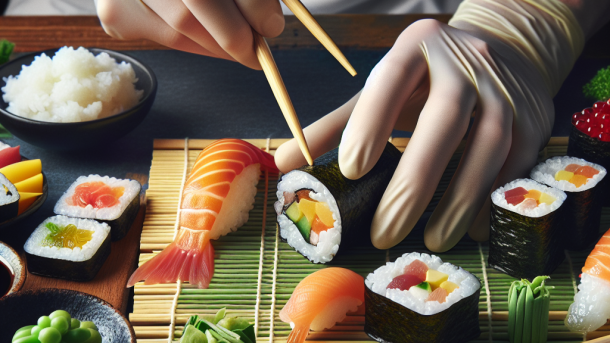
health benefits of sushi

What is the purpose of sushi?

What is the Purpose of Sushi?

Introduction

In the heart of Japanese culture lies a culinary masterpiece that transcends mere food—sushi. But what is the true purpose of sushi? Is it simply a delightful gastronomic experience, or does it hold deeper significance in the tapestry of Japanese tradition and modern global cuisine?

  • The Cultural Significance of Sushi
  • Health Benefits of Sushi
  • The Art and Craftsmanship Behind Sushi Making
  • Key Takeaways
  • FAQs about Sushi
  • Conclusion

The Cultural Significance of Sushi

Sushi is not just a dish; it is an expression of Japan’s rich historical heritage. Originating as a means to preserve fish, sushi evolved over centuries into an art form revered across the globe. Like a haiku poetically captures emotions in brevity, sushi encapsulates the essence of Japanese culture in each bite.

The Evolution of Sushi: From Preservation to Perfection

Initially, sushi began as “narezushi,” a method to ferment fish with rice for preservation. As time progressed, this fermentation technique transformed into edomae-zushi during the Edo period, where fresh fish adorned vinegared rice. This evolution mirrors Japan’s own journey from tradition to modernization.

For those intrigued by Japan’s culinary innovations, exploring how Japanese cuisine has shaped global tastes can be enlightening.

Health Benefits of Sushi

Beyond its cultural allure, sushi offers a plethora of health benefits. Rich in omega-3 fatty acids, proteins, and essential nutrients, sushi can be likened to nature’s very own multivitamin wrapped in seaweed. It provides a balanced diet while tantalizing taste buds with its savory flavors.

Moreover, studies show that consuming sushi can improve heart health and brain function. According to the research conducted by NHS, incorporating fish into your diet supports cardiovascular wellbeing.

The Art and Craftsmanship Behind Sushi Making

Crafting sushi is akin to painting a masterpiece on a canvas of rice. Every roll and nigiri are meticulously crafted by skilled artisans whose dedication transforms simple ingredients into culinary symphonies. The mastery required to perfect this art form is passed down through generations, reminiscent of a delicate ballet performed with precision and grace.

The Role of the Itamae: A Culinary Maestro

An itamae, or sushi chef, holds a position akin to that of a maestro conducting an orchestra. Their expertise in balancing flavors and textures while maintaining aesthetic appeal is truly remarkable. The rigorous training they undergo reflects their unyielding commitment to preserving the sanctity of sushi-making.

For aspiring chefs and enthusiasts, delving into our guide on developing culinary skills could be your first step toward mastering such intricate art forms.

Key Takeaways

  • Sushi is a symbol of Japan’s cultural heritage and evolution.
  • It offers numerous health benefits, including improved heart health.
  • The craftsmanship involved in sushi making is an art form passed down through generations.

FAQs about Sushi

Q: What are the main types of sushi?

A: The primary types include nigiri (rice with topping), maki (rolled sushi), sashimi (sliced raw fish), and temaki (hand-rolled cone-shaped sushi).

Q: Is sushi healthy for everyone?

A: Generally, sushi is healthy due to its nutrient-rich ingredients. However, individuals with dietary restrictions should choose their sushi options carefully.

Q: Can I make sushi at home?

A: Absolutely! With the right ingredients and techniques, anyone can create delicious sushi at home. For beginners, following a detailed recipe can be helpful.

Conclusion

Sushi is more than a dish; it is a journey—a voyage through history, culture, and art. Its purpose extends beyond filling our stomachs; it enriches our souls and connects us to a world where tradition meets innovation. So next time you savor a piece of sushi, remember you are partaking in a story that has traveled through time and space to reach your plate.

To delve deeper into the fascinating world of global cuisines and culinary arts, consider exploring resources provided by esteemed organizations like UNESCO.

Can you eat sushi every day?

Can You Eat Sushi Every Day?

Introduction

Picture this: a serene Japanese garden, koi fish dancing in a pond, and the subtle aroma of freshly rolled sushi wafting through the air. For many, sushi is more than just food; it’s an experience. But can you enjoy this culinary delight every day? In the heart of the UK, where sushi bars are as abundant as the lush green parks, this question lingers like the last piece of sashimi on a plate.

Join us as we embark on a gastronomic journey, diving into the artful world of sushi and exploring whether this delectable dish can be part of our daily dining rituals.

  • The Allure of Sushi
  • Health Benefits and Risks
  • Cultural Significance of Sushi
  • Key Takeaways
  • FAQs About Eating Sushi Daily
  • Conclusion

The Allure of Sushi

Why does sushi captivate us so? Is it the colorful display that resembles an artist’s palette or the symphony of flavors that play on our taste buds? For many in the UK, sushi has become synonymous with a lifestyle choice, a balance between indulgence and health. From bustling London streets to quaint countryside towns, sushi bars have sprouted like wildflowers, offering an array of rolls, nigiri, and sashimi that cater to both traditionalists and fusion enthusiasts alike.

A Pandora’s Box of Flavors

Sushi is not just food; it’s a narrative. Each piece tells a story—from the vinegared rice symbolizing harmony to the fresh fish representing purity. These elements combine to create a dish that’s both simple and complex, much like life itself. But what happens when we open this Pandora’s box of flavors every single day?

Health Benefits and Risks

Embracing sushi as a daily dietary staple might seem like a dream come true for aficionados. Yet, like any indulgence, it comes with its own set of caveats.

Nutritional Powerhouse or Health Hazard?

  • **Rich in Omega-3 Fatty Acids:** Sushi, particularly varieties containing salmon or tuna, is an excellent source of omega-3 fatty acids. These nutrients are known to support heart health and reduce inflammation, akin to soothing music in a chaotic world.
  • **Protein-Rich Diet:** Packed with lean protein, sushi can help you maintain muscle mass while keeping you satiated, much like a sturdy oak tree standing firm against the wind.
  • **Mercury Concerns:** However, consuming fish such as tuna every day may lead to mercury exposure. This is a shadow lurking in the background, reminding us that moderation is key.
  • **Sodium Levels:** Soy sauce, often accompanying sushi, can elevate sodium intake. Like saltwater encroaching upon a freshwater stream, excessive sodium can disrupt your body’s natural balance.

For those pondering over their next nutritional choices, understanding these aspects is crucial.

Cultural Significance of Sushi

Sushi isn’t just about nourishment; it’s a cultural ambassador. In Japan, sushi represents a connection to heritage, a tradition passed down through generations like an heirloom quilt. In the UK, it symbolizes globalization and culinary exploration—a bridge between East and West.

Like Big Ben standing proudly amidst the modern skyline, sushi has carved its niche into British gastronomy. It invites food lovers to explore its depths while respecting its roots. For more on how different cultures impact our dining habits, see our article on cultural influences on food choices.

Key Takeaways

  • Sushi can be a healthy addition to your diet when consumed in moderation.
  • Balance your intake by varying fish types and opting for lower-sodium options.
  • Appreciate sushi not just as food but as a cultural experience that enriches your culinary journey.

FAQs About Eating Sushi Daily

Is it safe to eat sushi every day?

While sushi is nutritious, daily consumption should be balanced with other foods to avoid excessive mercury and sodium intake.

What are healthier sushi options?

Sashimi and rolls made with vegetables or lean fish like mackerel offer a healthier alternative to traditional sushi. Discover more healthy eating tips from the BBC Good Food guide.

How does sushi fit into a balanced diet?

Sushi can be part of a balanced diet when enjoyed in conjunction with other food groups. For guidance on balanced meals, refer to the British Nutrition Foundation’s recommendations.

Conclusion

In the vibrant tapestry of British cuisine, sushi stands out as both an exotic delight and a familiar friend. Can you eat it every day? With mindful choices and an appreciation for its cultural significance, sushi can indeed be woven into your daily meals like a delicate thread in a rich fabric.

As we bid adieu to our flavorful journey, remember that whether you indulge in sushi weekly or make it a sporadic treat, it’s all about savoring the moment and respecting the artistry behind each roll.

For more inspiration on culinary adventures and healthy eating tips, explore our blog further.

Skip to content