Introduction
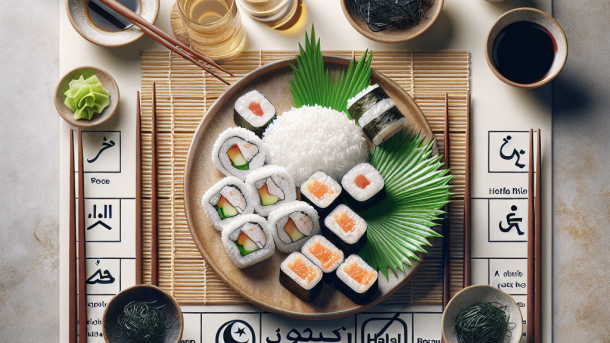
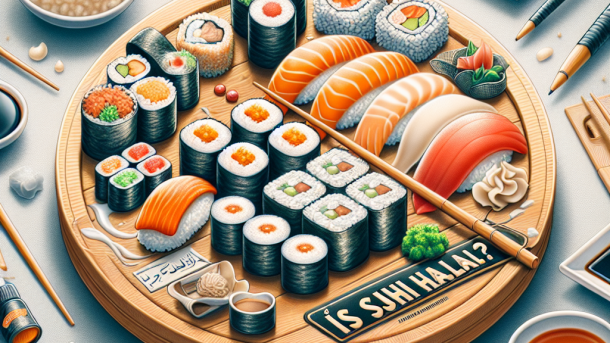
Imagine walking through a bustling street in London, the aroma of Japanese cuisine wafting through the air. You find yourself drawn to the vibrant display of sushi rolls, artfully arranged like edible jewels. But then comes the pressing question that lingers in your mind: Is sushi halal? Let’s embark on a flavorful journey to unravel this mystery, exploring the intersection of culture, religion, and culinary artistry.
- The Cultural Significance of Sushi
- Understanding Halal and Its Importance
- Is Sushi Halal? The Ingredients Matter
- How to Ensure Your Sushi is Halal
- Key Takeaways
- Frequently Asked Questions
- Conclusion
The Cultural Significance of Sushi
Sushi is more than just food; it is a cultural emblem, a delicate balance of tradition and innovation. Originating from Japan, sushi has traversed continents, becoming a global sensation. In the UK, sushi’s popularity is a testament to our multicultural tapestry, embracing flavors from all corners of the world.
From Tokyo to London: The Journey of Sushi
Like a traveler with tales to tell, sushi has made its way from the heart of Tokyo to the vibrant streets of London. With each bite, we savor not just fish and rice but centuries of history and craftsmanship. But as we indulge in this culinary delight, the question of its halal status remains pertinent for many.
Understanding Halal and Its Importance
The term “halal” refers to what is permissible according to Islamic law. For many Muslims in the UK and beyond, consuming halal food is an essential aspect of their faith. It is not merely about dietary restrictions; it is about upholding a spiritual connection through mindful eating.
The Core Principles of Halal Food
Halal food adheres to specific guidelines, ensuring that every ingredient and preparation method aligns with Islamic teachings. This includes the humane treatment of animals and the absence of prohibited substances such as alcohol and pork.
Is Sushi Halal? The Ingredients Matter
At first glance, sushi may appear innocuous—just rice and fish. However, beneath its simple exterior lies a complex tapestry of ingredients. To determine whether sushi is halal, we must scrutinize each component:
- Seafood: Most types of seafood are considered halal, but caution must be exercised when it comes to shellfish and certain types of fish.
- Rice and Vinegar: Sushi rice is often seasoned with rice vinegar, which can sometimes contain alcohol. Seek out vinegar labeled as halal-certified.
- Soy Sauce: Traditional soy sauce fermentation involves alcohol. Opt for halal-certified soy sauce or tamari as an alternative.
- Other Ingredients: Look out for hidden non-halal additives in imitation crab meat and sauces.
How to Ensure Your Sushi is Halal
If you’re navigating the sushi scene in the UK with a halal compass, here are some guiding stars:
- Choose Reputable Restaurants: Establishments displaying halal certification are your best bet for worry-free dining.
- Ask Questions: Never shy away from asking about ingredient sources and preparation methods.
- DIY Sushi: Embrace your inner chef by preparing sushi at home using halal-certified ingredients.
For further insights into selecting quality ingredients, check out our guide on installing laravel on a local server, which offers practical advice on sourcing authentic components.
Key Takeaways
Sushi is both a cultural treasure and a culinary delight. While its halal status depends on various factors, with careful consideration and inquiry, it is possible to enjoy sushi that aligns with your dietary beliefs. By understanding the intricacies of its ingredients and preparation, one can savor sushi without compromise.
Frequently Asked Questions (FAQs)
Can sushi be considered halal?
Yes, sushi can be halal if it meets Islamic dietary guidelines regarding ingredients and preparation methods.
Are all types of fish used in sushi halal?
Most fish are generally considered halal, but it’s important to verify each type based on individual Islamic interpretations.
Where can I find halal-certified sushi in the UK?
You can find halal-certified sushi at select restaurants and shops that display proper certification or offer detailed ingredient transparency.
Conclusion
Sushi is like a beautiful symphony—each ingredient plays a part in creating harmony on your palate. As you explore the delightful world of sushi in the UK, remember that understanding its halal status requires diligence and curiosity. With this knowledge tucked into your pocket, you can continue to enjoy sushi while adhering to your values—a true feast for both body and soul.
To learn more about maintaining a healthy lifestyle while enjoying diverse cuisines, explore resources from reputable sources like NHS. Additionally, for a deeper dive into cultural foods, you might find extensive insights from Wikipedia’s entry on Sushi.