Many sushi enthusiasts are keen to ensure they are selecting the freshest fish possible for their culinary creations. Understanding how to identify high-quality seafood is vital for both taste and safety. In this guide, you will learn the key characteristics to look for when choosing fish, from visual cues to sensory checks that ensure you can confidently select the best options for your sushi dishes. With the right knowledge, you can enhance your sushi experience and impress your friends with your expertise.
Key Takeaways:
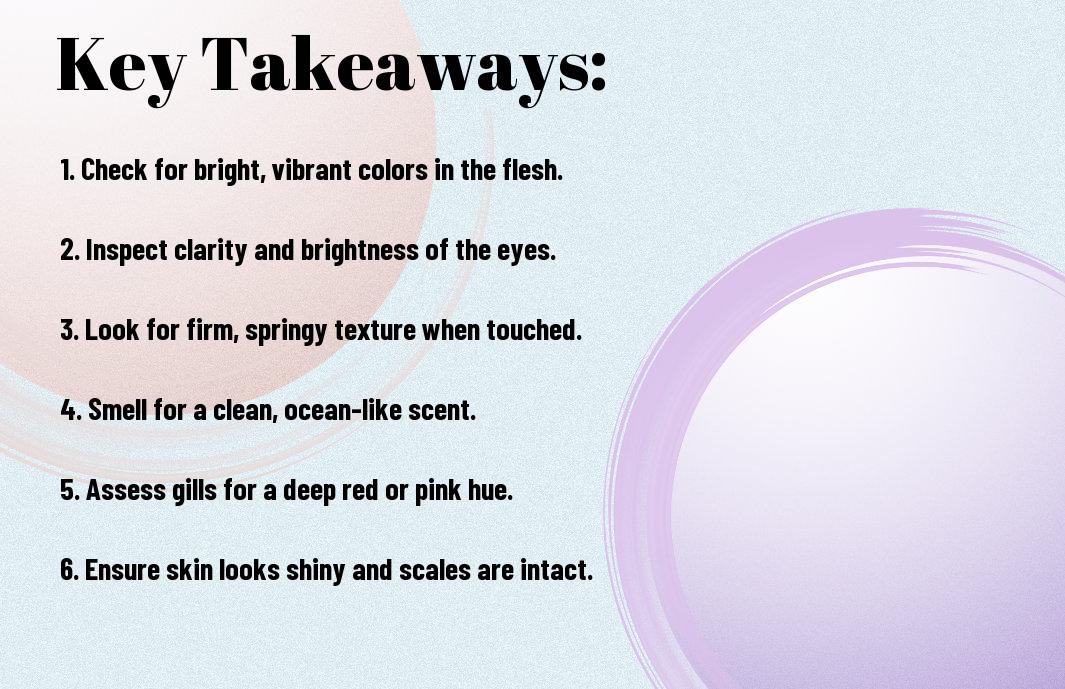
- Appearance: Fresh fish should have bright, clear eyes and vibrant, shiny skin without any dullness.
- Smell: A fresh fish will have a mild, ocean-like scent, while any strong or fishy odor indicates it’s not fresh.
- Texture: The flesh of fresh fish should be firm and spring back when pressed, indicating freshness.
- Color: Look for vibrant and natural color. For example, tuna should have a deep red hue, while salmon should be a bright orange or pink.
- Source: Knowing the source of the fish can help assess its quality; fish from reputable markets or trusted suppliers are usually a safer choice.
Understanding Fish Freshness
Before you look into making sushi, it’s vital to gauge the freshness of the fish. Knowing how to select the right seafood is vital for taste and safety. To help guide your decision-making process, check out How to Buy Sushi Grade Raw Fish for Sushi and Poke Bowls, which will provide you with detailed insights on purchasing the freshest ingredients.
Appearance
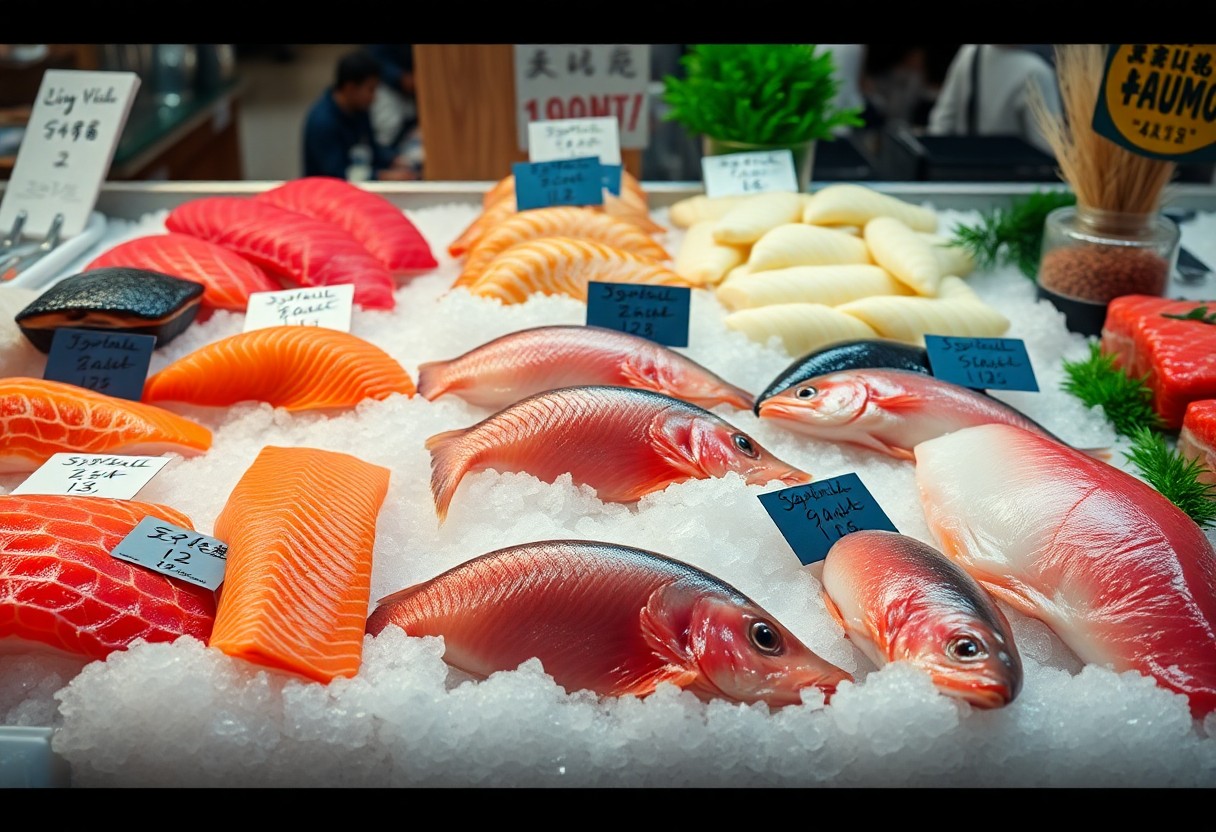
By closely examining the fish you consider for sushi, you can assess its quality. Fresh fish should appear vibrant and glistening. Look for clear, bright eyes and firm flesh that bounces back when pressed. The scales should be shiny and intact, while discoloration or dullness is often a sign of inferior quality.
Smell
An vital aspect of determining fish freshness is its smell. Fresh fish has a mild scent reminiscent of the ocean, while bad fish emits a strong, sour odor. Trust your nose; if the fish smells off, it’s best to avoid it.
The odor is an excellent indicator of freshness. While a little briny scent is natural, anything resembling ammonia or a fishy smell indicates that the fish has gone bad. Always prioritize your safety and pleasure by relying on both your sense of smell and visual cues to assess the fish before preparation.
Key Indicators of Quality
The quality of fish for sushi can be assessed through various indicators, helping you ensure that you are purchasing the freshest product available. Look for specific signs in the fish’s appearance, smell, and texture to determine its overall freshness. Each detail plays an important role in guaranteeing a delicious sushi experience at home or in a restaurant.
Eyes
With fresh fish, you should check the eyes closely. They should be clear, bright, and bulging. Cloudy, sunken, or dull eyes typically indicate that the fish is not fresh and may not be suitable for sushi. Trust your instincts and choose fish with mesmerizing eyes that reflect its vitality.
Flesh Texture
Any fish you consider should exhibit a firm and elastic texture. Gently press your finger into the flesh; it should spring back instantly. If the flesh feels mushy or leaves an indentation, it may indicate past its prime. Quality fish will also appear moist without excessive dryness or sliminess.
Flesh texture is significant for determining the freshness of your fish. A vibrant, glossy exterior combined with a taut and resilient surface suggests that the fish was recently caught and handled properly. Soft or grainy flesh can lead to an unpleasant texture in sushi, compromising the overall dining experience. When opting for fish, prioritize those with a firm body that shows vitality and care in its handling.
Handling and Storage
Once again, how you handle and store your fish plays a significant role in its freshness and safety for sushi. Always keep your fish at the proper temperature to maintain its quality, and be mindful of how you interact with the fish from the market to your kitchen. By adhering to best practices in handling and storage, you ensure the best experience when preparing sushi.
Proper Refrigeration
Against common belief, simply putting your fish in the fridge isn’t sufficient. Fish should be stored at a temperature below 40°F (4°C) to inhibit the growth of harmful bacteria. Ensure your refrigerator maintains this temperature consistently to preserve the freshness and flavor of your sushi fish.
Handling Techniques
Storage is just one part of the equation; your handling techniques are equally important. When you’re preparing fresh fish, always make sure your hands and surfaces are clean to avoid cross-contamination. Use a sharp knife for cutting to prevent damaging the fish’s flesh, which can negatively impact its texture and taste.
This extends to how you transfer and store fish; always handle it with care. Use gloves if you’re concerned about cleanliness or if you’re handling fish for extended periods. When transferring fish, use a non-reactive tray and avoid piling pieces on top of one another. This prevents bruising and maintains the integrity of the fish, ensuring every piece is as delectable as possible when it comes time to prepare your sushi.
Types of Fish Suitable for Sushi
Your choice of fish can enhance your sushi experience significantly. Here are some popular varieties that are often used in sushi preparation:
| Salmon | Rich in omega-3 fatty acids and has a beautiful pink color. |
| Tuna | Meaty texture, with varieties like Bluefin and Yellowfin being preferred. |
| Snapper | Delicate flavor and firm texture make it a favorite. |
| Mackerel | Strong flavor and high-fat content, often served marinated. |
| Halibut | Smooth and mild, a great base for various flavors. |
This variety allows you to experiment and find your favorites.
Common Sushi Fish
Above all, you’ll likely encounter a few staple types of fish that are widely acknowledged in the sushi world. Salmon, tuna, and yellowtail are among the most popular choices for their flavors and textures, ensuring a delightful sushi experience. Additionally, mackerel, with its rich taste, often appeals to more adventurous eaters.
Seasonal Variations
On top of choosing the right fish, you should also consider the seasonality of certain options. Different fish varieties peak at various times of the year, which can affect their availability and freshness. Seasonal selections can introduce you to unique flavors and experiences in sushi.
Plus, understanding the seasonal variations in fish can deepen your appreciation for sushi craftsmanship. For instance, fatty tuna is often best enjoyed in the winter months, while spring may bring delicious options like sea bass. By being mindful of these seasonalities, you can enjoy fish at its freshest and fullest flavor, allowing you to fully relish your sushi dining experience.
Where to Buy Fresh Fish
Not all fish sources are the same when it comes to freshness. To find the best options, consider checking out local fish markets or places that specialize in seafood. Additionally, you can gain insights into selecting high-quality fish by exploring discussions on Sushi and sashimi: identifying freshness : r/AskCulinary.
Local Fish Markets
Beside grocery stores, local fish markets usually offer fresher selections due to their direct supply chains. The freshness is often reflected in the display, with vibrant colors and a clean smell. Engaging with the fishmongers can also provide you insight into when the fish was caught, ensuring a better culinary experience.
Grocery Stores vs. Specialty Shops
Among the various options, grocery stores can vary widely in quality when it comes to fish. Specialty shops, on the other hand, often prioritize freshness and selection tailored for seafood lovers.
For instance, specialty shops typically have a more knowledgeable staff who can guide you on handling and preparing fresh fish for sushi. You’ll find a broader selection of high-quality options, including seasonal catches and rarer varieties. This expert guidance can be invaluable in ensuring that you select the best fish for your sushi experiences.
Preparing Fish for Sushi
Keep in mind that proper preparation is important for creating high-quality sushi. You should take the time to ensure your fish is cleaned and filleted with precision. This will not only enhance the presentation but also improve the taste and texture of your sushi. Always work on a clean surface and use sanitized tools to maintain freshness and avoid contamination.
Cleaning and Filleting
Cleaning the fish properly is the first step in preparation. This involves removing scales, guts, and any impurities to ensure the fish meets your safety standards. Once cleaned, carefully fillet the fish, making precise cuts to maximize yield and quality. Your technique during this stage will determine the final quality of your sushi, so take your time and work carefully.
Essential Tools
Tools like a sharp fillet knife, cutting board, and tweezers are fundamental for preparing fish for sushi. The right knife allows you to make clean cuts, while a sturdy cutting board provides a stable surface. Tweezers come in handy for removing any remaining pin bones that may disrupt the texture of your sushi.
Understanding the significance of your tools is vital for optimal results. A high-quality fillet knife, for example, will not only glide through the fish effortlessly but also help maintain the integrity of the flesh, preventing bruising. Additionally, investing in a reliable cutting board will ensure safety and hygiene. Being equipped with the right tools will streamline your process and elevate your sushi preparation experience.
Conclusion
To wrap up, identifying fresh fish for sushi involves observing several key factors. Look for bright, clear eyes and vibrant, moist skin, which indicate quality. Fresh fish should also have a mild ocean scent rather than a strong fishy odor. Pay attention to the firmness of the flesh, as it should bounce back when pressed. By keeping these tips in mind, you can ensure that your sushi experience is both safe and delicious, allowing you to savor every bite with confidence.
FAQ
Q: What are the visual indicators of fresh fish for sushi?
A: When assessing fish for freshness, look for bright, clear eyes that are bulging slightly. The skin should be shiny with vibrant colors, and the scales should be intact and not falling off. The flesh should appear moist and firm, with no discoloration or dullness.
Q: How should fresh fish smell when considering it for sushi?
A: Fresh fish should have a clean, ocean-like scent. It should not have any strong or overly fishy smells, which can indicate spoilage. A slight briny aroma is a good sign, indicating it was recently caught and is still in good condition.
Q: Are there specific types of fish that are better for sushi?
A: Yes, various fish are commonly used for sushi. Striped bass, salmon, tuna, and yellowtail are popular choices due to their flavor and texture. It’s important to ensure that any fish you select is sourced from reputable suppliers known for their quality and freshness.
Q: How can I check the firmness of the fish before purchasing?
A: To test the firmness, gently press the flesh with your finger. Fresh fish should bounce back immediately without leaving an indentation. If the flesh remains indented or feels mushy, it may not be fresh and is best avoided.
Q: Is there a difference between fresh fish and fish labeled as ‘sushi grade’?
A: Yes, ‘sushi grade’ fish has undergone specific handling and storage practices that maintain its integrity for raw consumption. This designation can vary by supplier, so it’s important to purchase from trusted sources that provide clear information about their fish’s handling and freshness.