diet

Sushi for a Balanced Diet – Tips and Tricks

Sushi offers you a delicious and nutritious way to enhance your balanced diet. By incorporating a variety of ingredients like fish, vegetables, and whole grains, you can create meals that are rich in important nutrients. In this post, you’ll discover practical tips and tricks to maximize the health benefits of sushi, ensuring that it fits seamlessly into your lifestyle. Whether you’re a sushi aficionado or new to the world of sushi, you’ll find valuable insights to help you enjoy this flavorful cuisine while prioritizing your overall well-being.

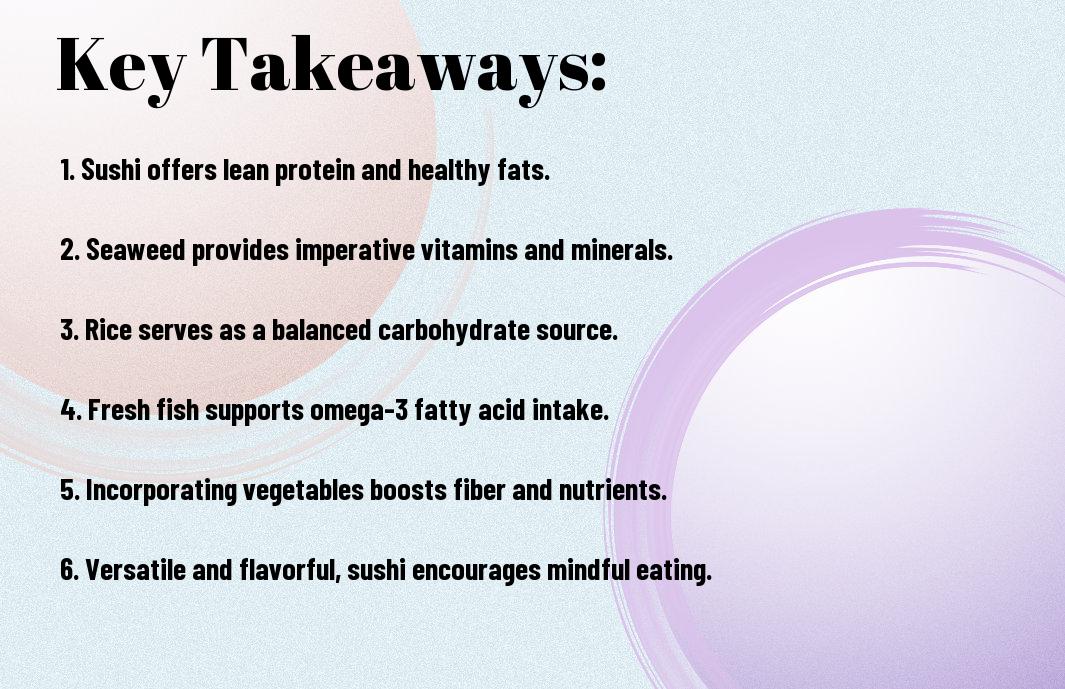
Key Takeaways:

  • Ingredient Variety: Incorporating a range of ingredients like fish, vegetables, and rice can enhance the nutritional profile of sushi.
  • Portion Control: Be mindful of sushi portions to maintain a balanced diet and avoid excessive calorie intake.
  • Whole Grains: Choosing brown rice or other whole grain alternatives can increase fiber and nutrient content in sushi.
  • Sustainable Choices: Opt for sustainably sourced fish and seafood to promote environmental health while enjoying sushi.
  • Homemade Options: Preparing sushi at home allows for better control over ingredients and healthiness, making it easier to balance your diet.

Understanding Sushi Ingredients

Your journey into sushi begins with understanding its diverse ingredients. Sushi is not just about fish; it incorporates a variety of components that contribute to its overall taste and nutrition. From rice to seaweed, each ingredient plays a pivotal role in ensuring a satisfying and balanced meal. Being aware of these elements allows you to make more informed choices that cater to your dietary needs and preferences.

Types of Fish and Their Nutritional Benefits

Your choice of fish in sushi offers a wealth of nutritional benefits. Different types of fish provide varying levels of omega-3 fatty acids, proteins, and vitamins. Here’s a breakdown:

Type of Fish Nutritional Benefit
Salmon Rich in omega-3s and vitamin D
Tuna High in protein and low in fat
Mackerel Packed with omega-3s and vitamin B12
Sardines Excellent source of calcium and potassium
Halibut Low in calories, high in protein
  • Choose fatty fish for heart health.
  • Opt for lean fish for lower calorie intake.
  • Incorporate different fish to maximize nutrients.
  • Fresh fish ensures better taste and health benefits.
  • Thou will enjoy a variety of flavors and benefits.

The Role of Vegetables in Sushi

Role of vegetables in sushi is vital for adding flavor, texture, and important nutrients. Ingredients like avocado, cucumber, and carrots not only enhance the overall taste but also contribute vitamins, minerals, and dietary fiber. Including vegetables in your sushi helps balance the meal and provides a refreshing contrast to the fish and rice.

It is beneficial to explore various vegetables when creating or ordering sushi rolls. They are often rich in antioxidants, which can help boost your immune system and lower inflammation. Incorporating a mix of colorful vegetables increases the visual appeal and ensures that you’re getting a wide array of nutrients. From seaweed wraps to crunchy toppings, these plant-based ingredients elevate the nutrition of your sushi.

Sushi Preparations for a Balanced Diet

The key to enjoying sushi while maintaining a balanced diet lies in the preparations. You can enhance your sushi experience by selecting fresh, quality ingredients and opting for healthier choices. Consider reading How To Eat Clean At A Sushi Restaurant – Estee AlIAS for more tips on making wise selections.

Choosing Whole Grains vs. White Rice

Any time you are selecting rice for your sushi, consider whole grains as a better option than white rice. Brown rice not only adds a nuttier flavor but also provides additional fiber and nutrients, making your sushi meal more filling and nutritious.

The Importance of Portion Control

Preparations for a balanced sushi meal also involve being mindful of portion sizes. You may find it easy to overindulge when faced with an array of delicious sushi, but appropriate servings can help maintain your dietary goals.

Another effective way to manage your portion sizes is by sharing rolls with friends or opting for smaller plates. This practice allows you to enjoy a variety of flavors without consuming excessive calories. Balancing your sushi intake with fresh sides, like salads or vegetable-based dishes, will keep your meal satisfying yet well-portioned.

Creative Sushi Varieties for Health

After exploring traditional sushi options, it’s time to get creative with your selections. Incorporating unique ingredients and flavors can elevate your sushi experience while keeping it healthy. Consider a variety of fillings and toppings, such as grilled chicken, avocado, or mango, which can enhance both nutritional value and taste. For more insights, check out the 10 Tips for Ordering Healthy Sushi – US News Health.

Sushi Bowls and Rolls

For a fresh twist on traditional sushi, try sushi bowls, where you can mix your favorite ingredients in a bowl instead of rolling them. This option allows you to control your portions and choose nutrient-dense foods like brown rice, fresh vegetables, and protein sources, making it a customizable meal that fits your dietary preferences.

Vegetarian and Vegan Sushi Options

About the popularity of vegetarian and vegan sushi is on the rise, providing delicious alternatives that are both nutritious and satisfying. With options like cucumber rolls, avocado nigiri, and sweet potato tempura, you can enjoy all the flavors of sushi without any fish or meat.

And by getting creative with plant-based ingredients, you can make your sushi not just a meal, but a celebration of flavors and textures. Try adding ingredients like marinated tofu, pickled vegetables, or even fruit for a refreshing twist. These options ensure you enjoy a balanced diet while still indulging in your favorite sushi delicacies.

Health Considerations

Keep in mind that while sushi can be a nutritious choice, it’s important to consider certain health factors. Quality and preparation make a significant difference in the health benefits as well as potential risks. By being aware of the types of seafood and practices involved, you can enjoy sushi without compromising your well-being.

Mercury Levels in Fish

Above all, you should be aware that certain fish used in sushi, particularly larger species like tuna and swordfish, may contain higher mercury levels. Regular consumption of these types of fish can lead to mercury accumulation in your body, posing health risks. It’s beneficial to vary the types of seafood you consume to minimize exposure while still enjoying your sushi experience.

Safe Food Handling Practices

Between raw ingredients and their preparation, you must ensure that your sushi is handled safely to prevent foodborne illnesses. Always choose reputable establishments or practice stringent hygiene if making sushi at home.

Considering safe food handling practices involves maintaining a clean workspace, properly washing your hands, and using fresh ingredients. Ensure that raw fish is sourced from high-quality suppliers and stored at the correct temperatures. Avoid cross-contaminating ingredients by using separate utensils for raw and cooked items. Following these guidelines will help you enjoy sushi safely, maintaining both your health and the delicious experience.

Sushi Pairings for Enhanced Nutrition

Once again, enhancing your sushi experience is as simple as considering the right pairings. Incorporating a variety of vegetables, such as avocado, cucumbers, and pickled ginger, not only adds texture but also boosts your meal’s nutrient profile. You can also choose whole grain sushi rolls, which provide fiber and crucial minerals. By selecting high-quality fish, you enjoy healthy fats and proteins that round out your balanced diet while ensuring that every bite is both delicious and nourishing.

Complementary Sides and Sauces

For optimal nutrition, pair your sushi with sides that pack a nutritional punch. Consider options like seaweed salad, edamame, or miso soup, all of which contribute vitamins and minerals. In terms of sauces, opt for lighter condiments like low-sodium soy sauce or ponzu to enhance flavor without excessive calories or sodium. These smart choices elevate your meal’s nutritional value while still satisfying your taste.

Beverages That Balance Your Meal

One excellent way to complement your sushi is by choosing beverages that not only enhance your meal’s flavor but also contribute to your overall health. Green tea is a popular choice, known for its antioxidants and metabolism-boosting properties, making it an ideal partner for sushi. Alternatively, consider sparkling water with a splash of lemon for a refreshing, calorie-free option that cleanses your palate between bites.

In fact, beverages can significantly impact your dining experience. Choosing beverages with health benefits, such as matcha or kombucha, can provide additional nutrients and probiotics. These drinks can aid digestion and offer a satisfying contrast to the flavors of sushi. By being mindful of what you drink alongside your meal, you can enhance both enjoyment and nutrition, making every sushi outing a delicious and healthful affair.
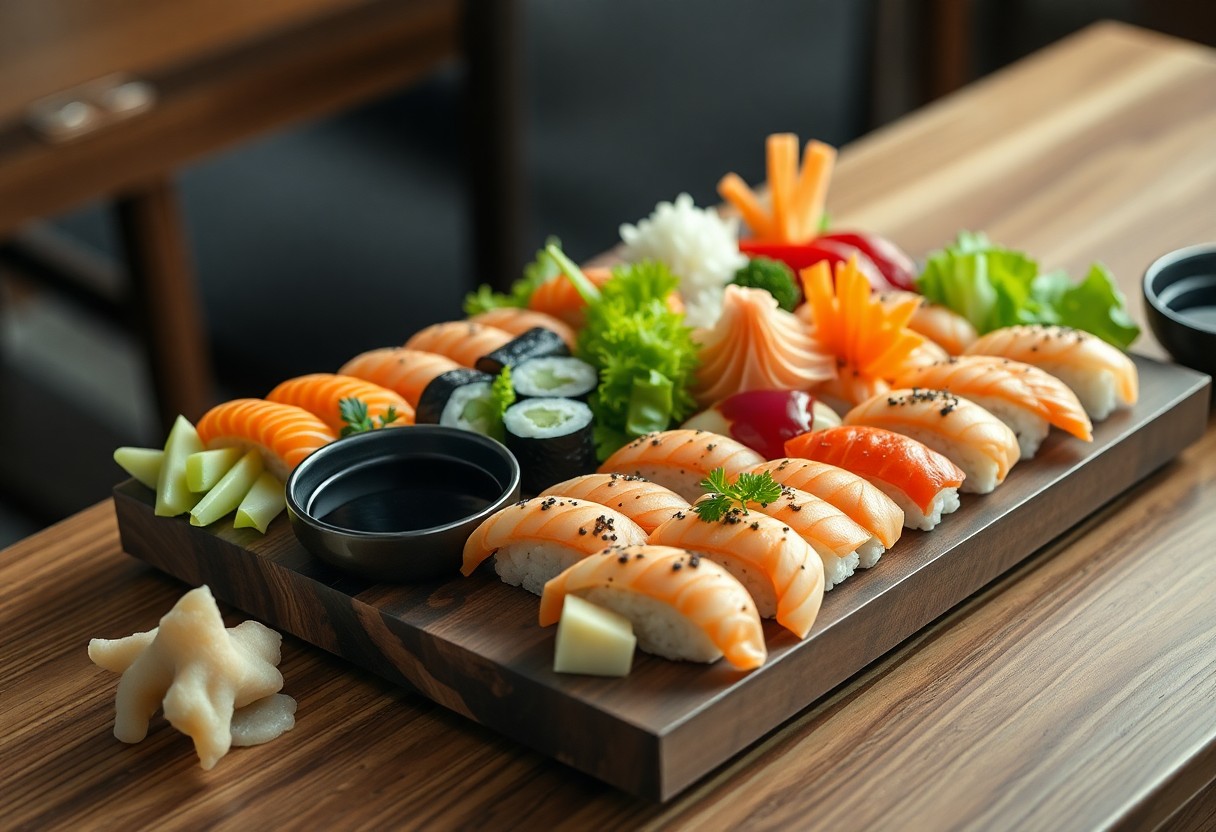
Making Sushi at Home

Not only is making sushi at home a fun and rewarding experience, but it also allows you to control the ingredients for a healthier option. With a little practice, you’ll find that you can create delicious sushi rolls that fit into your balanced diet. For more insights on how to improve your sushi choices, check out How to Eat Sushi The Healthy Way.

Essential Tools and Ingredients

Among the key components for making sushi at home, you’ll need a few vital tools and fresh ingredients. Here is a list to get you started:

Essential Tools and Ingredients

Tools Ingredients
Sushi mat Sushi rice
Sharp knife Nori (seaweed sheets)
Rice cooker or pot Fresh fish or vegetables
Wooden paddle Soy sauce

Step-by-Step Instructions for Beginners

Making sushi involves several steps, but with practice, you’ll become proficient. Follow this simple outline:

Step-by-Step Instructions for Beginners

1. Prepare Sushi Rice Cook sushi rice and let it cool.
2. Prepare Fillings Slice your choice of fish or veggies.
3. Assemble Sushi Place nori on sushi mat, add rice and fillings.
4. Roll Sushi Carefully roll using the mat.
5. Slice and Serve Cut into bite-sized pieces and enjoy.

Further honing your sushi skills will require practice. Start slowly and follow each step to build confidence. You can customize ingredients based on your preferences or dietary needs. Don’t hesitate to experiment with flavors and textures until you discover your perfected sushi style. Happy rolling!

Tips for Perfecting Your Sushi

1. Consistent Rice Avoid overly sticky or too dry rice.
2. Fresh Ingredients Always use the freshest fish and vegetables.
3. Even Pressure Use gentle, even pressure while rolling.
4. Sharp Knife A sharp blade ensures clean cuts.

Final Words

Taking this into account, incorporating sushi into your balanced diet can be both enjoyable and beneficial. By selecting a variety of ingredients, such as fresh fish, vegetables, and whole grains, you can enhance your nutritional intake while indulging in this flavorful cuisine. Be mindful of your portion sizes and choose healthier options like sashimi or vegetable rolls when possible. With these tips and tricks, you can savor sushi guilt-free, knowing that you are making choices that align with your health goals.

Q: What types of sushi are best for maintaining a balanced diet?

A: When aiming for a balanced diet, look for sushi options that incorporate a variety of ingredients. Sashimi, which consists of fresh fish without rice, provides high-quality protein and omega-3 fatty acids. Rolls that contain vegetables, such as cucumber or avocado, alongside lean proteins like tuna or salmon can create a nutritious meal. Additionally, consider ordering sushi made with brown rice instead of white rice to increase fiber content, which aids in digestion and promotes satiety.

Q: How can I enhance the nutritional value of my sushi choices?

A: To boost the nutritional value of your sushi meal, incorporate additional toppings and sides. Opt for rolls that include ingredients like seaweed, which is rich in vitamins and minerals, or add wasabi and ginger for added flavor and antibacterial properties. Including a side of miso soup or a salad made with fresh greens can further enhance your meal’s nutrient profile while contributing vital vitamins and hydration. Additionally, choosing sushi made with sustainable fish options can support both your health and environmental sustainability.

Q: What should I consider regarding portion sizes when enjoying sushi?

A: Portion control is important when enjoying sushi to maintain a balanced diet. Sushi rolls can vary in size and can contain multiple ingredients, making it easy to consume more than intended. Aim to limit your intake to a few rolls, perhaps 2-3, and complement your meal with lighter options, such as edamame or a small salad. If you’re dining out, sharing several different types of sushi with others can also help control portions while allowing you to enjoy a variety of flavors. Pay attention to how your body feels during the meal, and stop eating when you begin to feel satisfied.

Sushi’s Role in a Balanced Mediterranean Diet

You might not think of sushi as part of a Mediterranean diet, but it can complement your culinary journey while enhancing your health. This blog post will guide you through how sushi’s fresh ingredients, such as fish, vegetables, and grains, align with the principles of the Mediterranean lifestyle. Emphasizing whole foods and healthy fats, you’ll discover how incorporating sushi can enrich your meals, support your nutritional goals, and provide a delightful twist to your dietary routine. Join us as we explore the synergy between sushi and the Mediterranean diet.

Key Takeaways:

  • Incorporation of Omega-3s: Sushi can enhance cardiovascular health through its rich omega-3 fatty acids from fish, aligning well with the Mediterranean diet’s emphasis on healthy fats.
  • Variety of Ingredients: The diverse ingredients in sushi, such as vegetables, seaweed, and rice, provide a range of nutrients, promoting a balanced intake consistent with Mediterranean dietary patterns.
  • Low in Saturated Fats: Sushi is typically lower in saturated fats compared to many traditional Mediterranean foods, making it a lighter, yet still satisfying option.
  • Portion Control: Sushi serves in smaller, individual portions encourages mindful eating, a principle shared by the Mediterranean approach to meals.
  • Freshness and Seasonal Ingredients: Just like the Mediterranean diet, sushi promotes the use of fresh, seasonal ingredients, enhancing flavor and nutritional value.

Understanding the Mediterranean Diet

A Mediterranean diet is more than just a culinary style; it’s a lifestyle approach that emphasizes fresh, whole foods and mindful eating. Originating from countries bordering the Mediterranean Sea, this diet features a diverse range of fruits, vegetables, grains, legumes, fish, and olive oil. It encourages eating in moderation, enjoying meals with family, and savoring the flavors of life, providing you with a balanced, nutritious foundation for good health.

Key Components of the Mediterranean Diet

Any exploration of the Mediterranean diet reveals its emphasis on wholesome ingredients. You’ll find a rich assortment of plant-based foods such as vegetables, fruits, nuts, seeds, and whole grains, all complemented by healthy fats from olive oil and fish. Lean protein sources, including poultry and legumes, also play a significant role, making it a flavorful and nutritious eating plan.

Health Benefits of the Mediterranean Diet

Around the globe, the Mediterranean diet is celebrated for its numerous health benefits. It has been linked to a reduced risk of chronic diseases, such as heart disease and diabetes, promoting overall wellness and longevity. Embracing this diet can enhance your mood, support cognitive function, and improve gut health, making it a sustainable choice for your lifestyle.

The Mediterranean diet’s health benefits extend beyond nutrition, influencing your overall quality of life. Research indicates that it may lower blood pressure, improve cholesterol levels, and provide anti-inflammatory effects. By emphasizing whole foods and healthy fats, you can enhance your energy levels, stabilize your weight, and foster a more positive mental outlook. As you incorporate this dietary approach, you may discover not only lasting health improvements but also an enjoyable way to nourish your body.

The Nutritional Profile of Sushi

Clearly, sushi offers a diverse range of nutrients that can contribute to a balanced Mediterranean diet. The combination of fish, rice, and vegetables creates a dish rich in omega-3 fatty acids, protein, and crucial vitamins. For more insights about sushi and how it fits into your diet, you can check the Frequently asked questions section to learn more about its nutritional benefits and variations.

Ingredients Commonly Used in Sushi

After exploring the nutritional aspects of sushi, it’s important to look at the ingredients that make it so beneficial. Common components include fresh fish like salmon and tuna, rice, seaweed, and a variety of vegetables, such as avocado and cucumber, which enhance both flavor and nutrition. Each ingredient plays a vital role, earning sushi its reputation as a healthful meal option.

Nutritional Benefits of Sushi

The unique blend of ingredients in sushi provides several nutritional benefits that support your health. Regular consumption can promote heart health due to the omega-3 fatty acids found in fish, aid digestion through fiber from vegetables, and support weight management with balanced portion sizes.

Sushi not only delights your palate but also serves as a source of crucial nutrients. It can help maintain muscle mass due to its high protein content, while also supplying antioxidants and vitamins from the accompanying vegetables and seaweed, making it a nutritious choice for your meals.

Integrating Sushi into a Mediterranean Diet

For those looking to diversify their meals, integrating sushi into your Mediterranean diet can be both enjoyable and nutritious. By embracing the flavors and ingredients of both cuisines, you can create dishes that not only satisfy your taste buds but also provide the health benefits associated with the Mediterranean lifestyle. Incorporating fresh fish, whole grains, and plenty of vegetables into your sushi preparations allows you to maintain the balance that this diet promotes while exploring new culinary horizons.

Complementary Ingredients

Ingredients such as avocados, cucumbers, and bell peppers can enhance your sushi rolls while aligning with Mediterranean principles. By substituting traditional sushi staples with olives, feta cheese, or sun-dried tomatoes, you can create a delightful fusion that complements the fresh seafood and rice base. The incorporation of herbs like basil and mint can further elevate the flavors, making every bite a celebration of both cultures.

Innovative Sushi Recipes with a Mediterranean Twist

Along with enhancing traditional sushi, you can create innovative recipes that incorporate Mediterranean flavors. Think sushi made with roasted red peppers, tangy Tahini, or even using a quinoa base instead of rice. You may find creative combinations that not only respect the essence of sushi but also embrace the vibrancy of the Mediterranean diet.

Sushi can be transformed into a culinary canvas where you combine traditional methods with Mediterranean flair. Consider creating a roll filled with grilled eggplant, zucchini, and feta cheese for a savory treat, or a sushi bowl topped with chickpeas, cucumber, and a drizzle of olive oil. The possibilities are endless as you mix and match ingredients to reflect your preferred tastes while still adhering to the principles of a balanced Mediterranean diet. Enjoy the adventure of blending flavors that celebrate both worlds!

The Role of Seafood in Both Diets

Your choice of seafood can significantly enhance both your Mediterranean and sushi diets. Rich in omega-3 fatty acids, seafood offers numerous health benefits, including improved heart health and cognitive function. Incorporating a variety of fish into your meals not only provides crucial nutrients but also diversifies your palate, allowing you to explore unique flavors and textures found in both cuisines.

Benefits of Fish Consumption

Behind the pleasure of eating fish lies a wealth of health benefits. Regular consumption of fish can support heart health, reduce inflammation, and promote brain function. Additionally, nutrient-dense options like fatty fish offer high levels of vitamin D and selenium, crucial for maintaining overall wellness. Integrating fish into your diet is an enjoyable way to take care of your health while savoring delicious meals.

Sustainable Seafood Practices

To make responsible choices, it’s vital to understand sustainable seafood practices. Selecting fish sourced from well-managed fisheries helps preserve ocean ecosystems and ensures that seafood remains available for future generations. By supporting sustainable practices, you contribute to a healthier planet and enjoy a seafood experience that aligns with your values.

With the rising demand for seafood, choosing sustainably sourced options is more important than ever. Look for certifications such as the Marine Stewardship Council (MSC) or the Aquaculture Stewardship Council (ASC) when shopping. By seeking out these labels, you not only ensure the fish you consume comes from responsible sources, but also support fisheries and farms that prioritize ecological balance and social responsibility. Making informed choices will enhance your meals and contribute to the longevity of our oceans.

Cultural Perspectives on Food and Diet

After exploring the intricate relationship between food and culture, you’ll find that sushi, traditionally a Japanese dish, offers a unique perspective when integrated into your Mediterranean diet. This fusion introduces not only new flavors but also a variety of health benefits. To dive deeper into this subject, check out Is Sushi On The Mediterranean Diet – Guide In 2024!. Understanding these cultural exchanges enriches your culinary experience and fosters a greater appreciation for diverse dietary customs.

The Fusion of Japanese and Mediterranean Cuisines

Diet plays a significant role in blending Japanese and Mediterranean cuisines, which both prioritize fresh ingredients and healthy fats. This fusion can manifest in sushi rolls made with Mediterranean fillings like roasted vegetables, feta cheese, and olive oil, allowing you to enjoy the best of both worlds. Incorporating traditional elements from each culture not only enhances flavors but also aligns with your commitment to a balanced diet.

Traditional vs. Modern Approaches

Japanese cuisine often emphasizes simplicity and seasonality, while modern approaches encourage experimentation and fusion, especially in sushi. As you explore these culinary styles, you will see how traditional sushi techniques can be creatively adapted to include Mediterranean ingredients, creating dishes that respect both cultures while catering to your evolving taste preferences.

For instance, a traditional sushi roll typically features raw fish and vinegared rice, while modern interpretations might incorporate grilled shrimp or roasted red peppers, highlighting the variety and flexibility of the Mediterranean diet. This blending not only maintains the essence of sushi but also allows you to tailor your meals according to your personal taste and nutritional needs. Embracing both traditions can enhance your overall dining experience while keeping it fresh and innovative.

Tips for Making Sushi at Home

Once again, creating sushi at home can be a delightful experience that showcases your culinary skills. Here are some tips to elevate your sushi-making game:

  • Choose the right rice specifically for sushi.
  • Invest in a sharp knife for slicing fish and rolls.
  • Practice rolling techniques with a bamboo mat.
  • Experiment with fresh ingredients for unique flavors.

Assume that with practice, your homemade sushi will impress family and friends!

Essential Tools and Ingredients

Across the board, having the right tools and ingredients is imperative for making sushi. Here are some of the basic imperatives:

Essential Tools and Ingredients

Bamboo rolling mat Sushi rice
Sharp knife Nori (seaweed sheets)
Rice vinegar Fresh fish or veggies

Step-by-Step Guide for Beginners

Among the key steps in making sushi, following a simple guide can help you navigate the process effectively. Below is a breakdown:

Step-by-Step Guide

Prepare sushi rice Mix vinegar for seasoning
Lay nori on bamboo mat Spread rice evenly
Add fillings Roll tightly using the mat
Slice rolls Serve with soy sauce

In fact, breaking down the sushi-making process into manageable steps can boost your confidence. Here’s further insight into the steps:

Detailed Instructions

1. Rinse the sushi rice under cold water. 2. Cook rice according to package instructions.
3. Allow rice to cool before adding vinegar. 4. Prepare fillings, cutting them into thin strips.
5. Assemble your sushi with desired fillings. 6. Cut rolls into bite-sized pieces for serving.

Conclusion

Hence, incorporating sushi into your balanced Mediterranean diet can provide a delightful variety of flavors and nutrients. By choosing fresh ingredients like fish, vegetables, and whole grains, you enrich your meals while benefiting from the diet’s health advantages. Emphasizing moderation and mindful eating, you can enjoy sushi as a harmonious addition to your culinary repertoire, promoting overall well-being and encouraging a diversified approach to nutrition.

FAQ

Q: What is the main role of sushi in a Mediterranean diet?

A: Sushi can serve as a flavorful and nutritious addition to a Mediterranean diet, which emphasizes fresh vegetables, whole grains, healthy fats, and lean proteins. Sushi typically features ingredients like fish, vegetables, and rice, aligning well with the Mediterranean focus on seafood and plant-based foods. The omega-3 fatty acids in fish support cardiovascular health, which is a key component of the Mediterranean way of eating.

Q: Can sushi provide the necessary nutrients found in a Mediterranean diet?

A: Yes, sushi can provide a variety of necessary nutrients common in a Mediterranean diet. For instance, ingredients like fatty fish (salmon, mackerel) are rich in omega-3 fatty acids. Sushi rolls often include vegetables such as avocado and cucumbers, contributing vitamins, minerals, and fiber, while rice provides carbohydrates, a staple in Mediterranean eating.

Q: How can one incorporate sushi into a Mediterranean meal plan?

A: Incorporating sushi into a Mediterranean meal plan can be easy and enjoyable. One approach is to serve sushi with Mediterranean-inspired toppings or fillings, such as olives, roasted red peppers, or feta cheese. Pairing sushi with a side salad made of mixed greens, tomatoes, and olives will enhance the meal’s Mediterranean feel while maintaining variety.

Q: Are there any health benefits to including sushi in a Mediterranean diet?

A: Including sushi in a Mediterranean diet offers several health benefits. The omega-3 fatty acids from fish can help reduce inflammation and lower the risk of heart disease. Additionally, the variety of vegetables used in sushi increases nutrient intake, while the balanced approach to proteins, fats, and carbohydrates supports overall health and well-being.

Q: What types of sushi are best suited for a Mediterranean diet?

A: Sushi types that are well-suited for a Mediterranean diet include those made with fatty fish like salmon or tuna, which are full of healthy fats. Vegetable rolls with ingredients like cucumber, carrots, and avocado are also great options. Additionally, sashimi, which is just fish without rice, can be paired with olive oil or lemon to enhance flavor and complement Mediterranean principles.

Is sushi healthy to lose weight?

Is Sushi Healthy to Lose Weight?

Introduction

Imagine yourself savoring a delicate piece of sushi; the rice cradles fresh fish as light as a feather, wrapped with a whisper of seaweed. It’s a symphony of flavors that dances on your tongue. But as you relish this Japanese delicacy, a question arises: is sushi healthy enough to help you lose weight? Let’s dive into the world of sushi to uncover its secrets.

  • The Allure of Sushi: A Culinary Delight
  • Nutritional Composition: What’s Inside Your Sushi Roll?
  • Sushi & Weight Loss: The Pros and Cons
  • Mindful Eating: Savoring Sushi Sensibly
  • Key Takeaways
  • FAQs about Sushi and Weight Loss
  • Conclusion: Sushi, A Slimming Indulgence?

The Allure of Sushi: A Culinary Delight

Picture a bustling sushi restaurant in downtown London; chefs skillfully prepare vibrant rolls, each one an artwork on its own. This Japanese cuisine has captured hearts globally, offering a unique blend of taste and tradition. Yet beyond its aesthetic appeal, sushi holds a promise—a potential ally in your weight loss journey.

Nutritional Composition: What’s Inside Your Sushi Roll?

Sushi is like a Pandora’s box of nutrients, waiting to be explored. At its core, sushi consists of vinegared rice paired with fish or vegetables. Most commonly, you’ll encounter ingredients like salmon, tuna, and avocado—each bringing their own health benefits. Salmon, for instance, is rich in omega-3 fatty acids, promoting heart health and potentially aiding weight loss by improving metabolism.

For more insights on maintaining a balanced diet that includes nutritious seafood options, check out the official NHS guidelines.

Sushi & Weight Loss: The Pros and Cons

Embarking on a weight loss voyage with sushi at your side can feel like having a trusted companion. But is it truly effective? Let’s weigh the scales:

  • Pros: Low in calories and high in protein, sushi can keep you fuller for longer. The seaweed wrap or “nori” is packed with iodine, supporting thyroid function and metabolic balance.
  • Cons: Beware the siren call of sauces like mayonnaise-based dressings or the cheerfully named ‘dragon rolls’ laden with sugary eel sauce—they add unwanted calories and sugar.

To make informed choices when dining out, explore the BBC Good Food guide for tips on ordering healthier sushi options.

Mindful Eating: Savoring Sushi Sensibly

Approach sushi with mindfulness, much like an artist admiring a masterpiece. Opt for sashimi—the purist form of sliced raw fish—or nigiri, where fish rests gently atop rice. Consider brown rice alternatives for added fiber, or swap tempura for fresh veggies to reduce unnecessary fats.

Stay aware of portion sizes and savor each bite slowly. For comprehensive advice on portion control and mindful eating strategies, consult resources from British Nutrition Foundation.

Key Takeaways

  • Sushi can be a healthy choice for weight loss when consumed mindfully.
  • Select simpler rolls with fresh fish and minimal sauces.
  • Balance your intake with nutrient-rich ingredients like vegetables and brown rice.

FAQs about Sushi and Weight Loss

Q: Can I eat sushi every day and still lose weight?

A: While sushi can be part of a balanced diet, eating it daily may lead to excess calorie intake if portions aren’t controlled. Variety is key to a well-rounded diet.

Q: Is soy sauce bad for weight loss?

A: Soy sauce is high in sodium, which can cause water retention. Opt for low-sodium versions or use sparingly.

Conclusion: Sushi, A Slimming Indulgence?

Sushi can indeed be your partner in weight loss when enjoyed with awareness and moderation. It’s a delicate dance between taste and nutrition—a culinary delight that whispers promises of health. Remember that the path to weight loss is not just about the food you choose but also the journey of mindful eating.

If you’re curious to learn more about integrating sushi into your dietary lifestyle effectively, delve deeper into our dietary success guide.

Skip to content