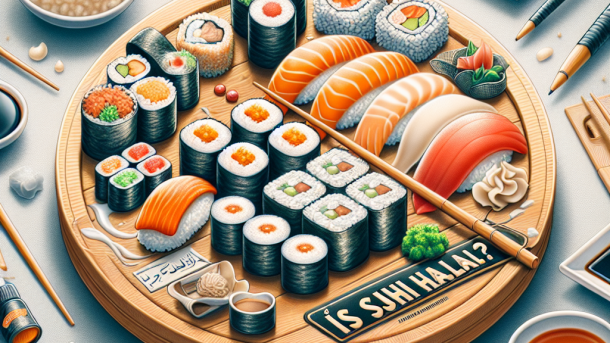
cultural significance of sushi

Is sushi halal?

Is Sushi Halal?

Introduction

Imagine walking through a bustling street in London, the aroma of Japanese cuisine wafting through the air. You find yourself drawn to the vibrant display of sushi rolls, artfully arranged like edible jewels. But then comes the pressing question that lingers in your mind: Is sushi halal? Let’s embark on a flavorful journey to unravel this mystery, exploring the intersection of culture, religion, and culinary artistry.

  • The Cultural Significance of Sushi
  • Understanding Halal and Its Importance
  • Is Sushi Halal? The Ingredients Matter
  • How to Ensure Your Sushi is Halal
  • Key Takeaways
  • Frequently Asked Questions
  • Conclusion

The Cultural Significance of Sushi

Sushi is more than just food; it is a cultural emblem, a delicate balance of tradition and innovation. Originating from Japan, sushi has traversed continents, becoming a global sensation. In the UK, sushi’s popularity is a testament to our multicultural tapestry, embracing flavors from all corners of the world.

From Tokyo to London: The Journey of Sushi

Like a traveler with tales to tell, sushi has made its way from the heart of Tokyo to the vibrant streets of London. With each bite, we savor not just fish and rice but centuries of history and craftsmanship. But as we indulge in this culinary delight, the question of its halal status remains pertinent for many.

Understanding Halal and Its Importance

The term “halal” refers to what is permissible according to Islamic law. For many Muslims in the UK and beyond, consuming halal food is an essential aspect of their faith. It is not merely about dietary restrictions; it is about upholding a spiritual connection through mindful eating.

The Core Principles of Halal Food

Halal food adheres to specific guidelines, ensuring that every ingredient and preparation method aligns with Islamic teachings. This includes the humane treatment of animals and the absence of prohibited substances such as alcohol and pork.

Is Sushi Halal? The Ingredients Matter

At first glance, sushi may appear innocuous—just rice and fish. However, beneath its simple exterior lies a complex tapestry of ingredients. To determine whether sushi is halal, we must scrutinize each component:

  • Seafood: Most types of seafood are considered halal, but caution must be exercised when it comes to shellfish and certain types of fish.
  • Rice and Vinegar: Sushi rice is often seasoned with rice vinegar, which can sometimes contain alcohol. Seek out vinegar labeled as halal-certified.
  • Soy Sauce: Traditional soy sauce fermentation involves alcohol. Opt for halal-certified soy sauce or tamari as an alternative.
  • Other Ingredients: Look out for hidden non-halal additives in imitation crab meat and sauces.

How to Ensure Your Sushi is Halal

If you’re navigating the sushi scene in the UK with a halal compass, here are some guiding stars:

  • Choose Reputable Restaurants: Establishments displaying halal certification are your best bet for worry-free dining.
  • Ask Questions: Never shy away from asking about ingredient sources and preparation methods.
  • DIY Sushi: Embrace your inner chef by preparing sushi at home using halal-certified ingredients.

For further insights into selecting quality ingredients, check out our guide on installing laravel on a local server, which offers practical advice on sourcing authentic components.

Key Takeaways

Sushi is both a cultural treasure and a culinary delight. While its halal status depends on various factors, with careful consideration and inquiry, it is possible to enjoy sushi that aligns with your dietary beliefs. By understanding the intricacies of its ingredients and preparation, one can savor sushi without compromise.

Frequently Asked Questions (FAQs)

Can sushi be considered halal?

Yes, sushi can be halal if it meets Islamic dietary guidelines regarding ingredients and preparation methods.

Are all types of fish used in sushi halal?

Most fish are generally considered halal, but it’s important to verify each type based on individual Islamic interpretations.

Where can I find halal-certified sushi in the UK?

You can find halal-certified sushi at select restaurants and shops that display proper certification or offer detailed ingredient transparency.

Conclusion

Sushi is like a beautiful symphony—each ingredient plays a part in creating harmony on your palate. As you explore the delightful world of sushi in the UK, remember that understanding its halal status requires diligence and curiosity. With this knowledge tucked into your pocket, you can continue to enjoy sushi while adhering to your values—a true feast for both body and soul.

To learn more about maintaining a healthy lifestyle while enjoying diverse cuisines, explore resources from reputable sources like NHS. Additionally, for a deeper dive into cultural foods, you might find extensive insights from Wikipedia’s entry on Sushi.

Is sushi healthy?

Is Sushi Healthy?

Introduction

Picture yourself walking through the bustling streets of London, the air rich with the scent of diverse cuisines. Among them, the tantalizing aroma of fresh sushi calls out—a culinary siren song that has captivated the taste buds of millions across the United Kingdom. But as you savor each bite, a question lingers: Is sushi healthy? In this journey through flavors and facts, we will unravel the nutritious tapestry of sushi while exploring its cultural resonance within Britain’s gastronomic landscape.

  • The Rise of Sushi in the UK
  • Nutritional Breakdown of Sushi
  • Health Benefits of Sushi Ingredients
  • Sustainability and Ethical Considerations
  • Potential Health Risks
  • Key Takeaways
  • Frequently Asked Questions
  • Conclusion

The Rise of Sushi in the UK

Once an exotic delicacy, sushi has soared to become a ubiquitous fixture in the UK’s culinary landscape. From upscale restaurants to supermarket aisles, sushi has threaded its way into the very fabric of British dining culture. But what fuels this fascination? Perhaps it’s the allure of a light, yet flavorful meal that aligns perfectly with today’s health-conscious consumer. Or could it be the artistry and precision involved in crafting each piece, mirroring an ancient tradition that transcends borders?

Nutritional Breakdown of Sushi

When dissecting the nutritional value of sushi, it’s akin to peeling back layers of an onion—each component brings its unique contribution to the table. The primary element, rice, serves as a source of carbohydrates, providing energy to fuel your day. Meanwhile, the seaweed wrap is laden with vitamins A, C, and E, akin to nature’s multivitamin capsule.

Fish: Protein Powerhouse

At the heart of sushi lies fish—the protagonist in this delicious drama. Rich in omega-3 fatty acids, fish like salmon and tuna are akin to nature’s elixir for heart health. These essential fats are celebrated for reducing inflammation and lowering the risk of cardiovascular diseases, much like a knight defending its castle.

Vegetables: Nature’s Palette

Complementing this ensemble are vibrant vegetables such as avocado and cucumber. These ingredients not only add color but also infuse vitamins and fiber into every bite. It’s as if Mother Nature herself decided to create a symphony of flavors and nutrients.

Health Benefits of Sushi Ingredients

Do you ever find yourself wondering how something so delicious can be good for you? Sushi is a prime example of this delightful paradox. For instance, the omega-3 fatty acids found in fish are known to enhance brain function—a veritable fountain of youth for your mind. Furthermore, the antioxidants present in seaweed may help combat chronic diseases by fending off free radicals, much like a stealthy ninja protecting your health.

Sustainability and Ethical Considerations

In an era where sustainability takes center stage, sushi invites us to ponder our choices. Are we savoring sustainably sourced fish? Much like choosing a path through a dense forest, being mindful of our seafood choices can lead to a more sustainable future. Organizations like the Marine Conservation Society provide guidelines to ensure that our seafood consumption does not deplete ocean resources.

Potential Health Risks

Despite its many virtues, sushi is not without its shadows. Consuming raw fish may pose risks such as exposure to bacteria or parasites. However, these risks can be mitigated by choosing reputable establishments that adhere to rigorous food safety standards. It’s akin to selecting a trusted guide before embarking on an adventurous journey.

Key Takeaways

  • Sushi offers a wealth of nutrients from its combination of rice, fish, and vegetables.
  • Omega-3 fatty acids in fish contribute significantly to heart and brain health.
  • Sustainability should be a key consideration when selecting sushi ingredients.
  • Avoid potential health risks by opting for trusted sushi vendors.

Frequently Asked Questions

Is sushi safe to eat during pregnancy?

While certain types of sushi are safe during pregnancy, it’s best to avoid raw fish due to potential bacterial or parasitic contamination. Opt for cooked varieties instead, ensuring both safety and satisfaction.

Can sushi be part of a weight loss diet?

Sushi can indeed complement a weight loss plan due to its low-calorie content and high nutrient density. However, be cautious with portion sizes and sauces that may add extra calories.

Conclusion

As we conclude our exploration into the world of sushi, we are reminded that it is more than just a meal—it is a tapestry woven with threads of culture, nutrition, and sustainability. By making informed choices, sushi can be a harmonious balance of taste and health, offering nourishment for both body and soul. So next time you find yourself reaching for that delectable roll, remember: you’re indulging in a culinary masterpiece that has gracefully stood the test of time.

If you’re eager to delve deeper into sustainable eating practices or discover more about healthy dietary options, explore our insightful resources on sustainable eating practices.

Skip to content