Sushi has transformed from a niche cuisine to a mainstream delicacy in America, captivating your taste buds with its unique flavors and presentations. By exploring its journey from Japan to the bustling streets of your favorite cities, you’ll uncover how cultural shifts, culinary innovations, and the rise of health-conscious dining contributed to its popularity. Understanding this evolution not only enhances your appreciation for sushi but also offers insights into how food trends shape dining experiences in modern society.
Key Takeaways:
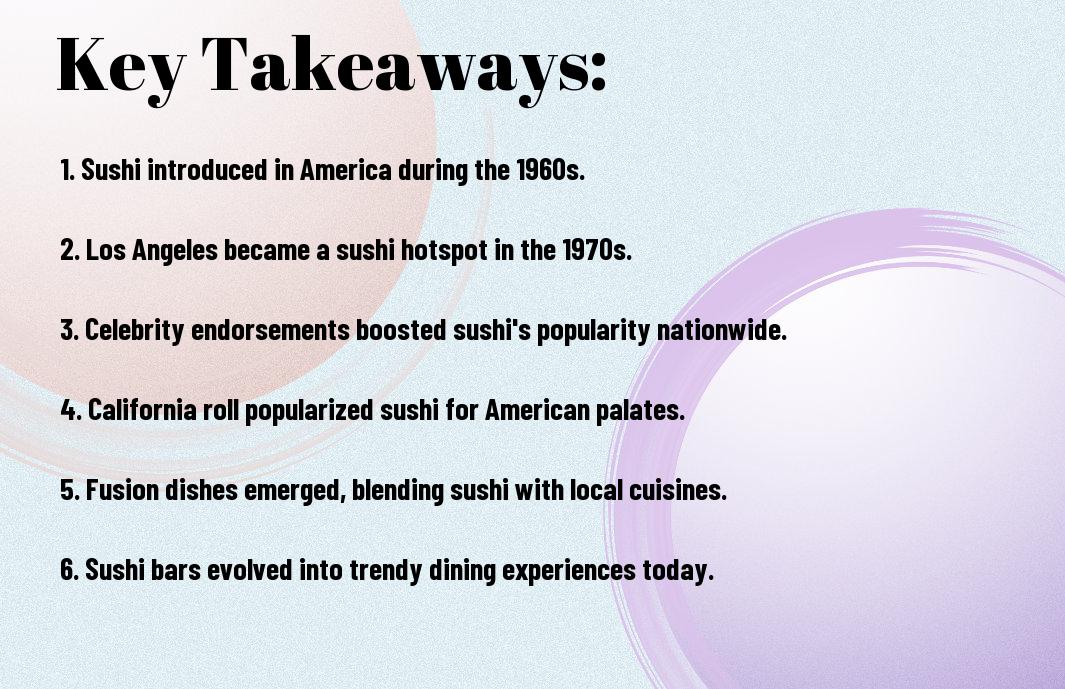
- Introduction of Sushi: Sushi was first introduced to Americans in the early 20th century, primarily through Japanese immigrants.
- California Roll: The creation of the California Roll in the 1970s helped popularize sushi, making it more palatable for American tastes.
- Health and Freshness: Sushi’s image as a healthy and fresh dining option contributed significantly to its rise in popularity across the United States.
- Fusion Cuisine: The blending of sushi with other culinary traditions, such as the incorporation of local ingredients, helped broaden its appeal.
- Restaurant Boom: The explosion of sushi bars and restaurants in the 1980s and 1990s made sushi accessible to a wider audience, further entrenching it in American culture.
The Origins of Sushi
While sushi may appear to be a modern culinary delight, its origins trace back centuries in Japan. Originally, sushi was a method of preserving fish through fermentation with rice. Over time, this practice evolved, leading to various regional styles and techniques, setting the stage for the sushi you enjoy today.
Traditional Japanese Roots
At the heart of sushi’s evolution is its rich heritage in traditional Japanese food culture. Early forms of sushi, such as narezushi, relied heavily on fermented fish as a means of preservation, highlighting the harmony between seafood and rice that defined Japanese cuisine. This foundational practice has influenced countless generations, shaping the sushi you may encounter in authentic Japanese restaurants.
Early Influences on American Cuisine
The introduction of sushi into American cuisine began in the 20th century, fueled by the growing fascination with Asian cultures. The first sushi bars in the U.S. emerged in the 1960s, mainly on the West Coast, as Japanese immigrants brought their culinary traditions. This marked a pivotal shift as sushi transitioned from a local delicacy to a trending food across the nation.
Hence, the early encounters with sushi in America set the stage for an evolving culinary landscape. As sushi gained popularity, it not only adapted to American tastes but also paved the way for fusion dishes, such as the California roll. This evolution reflects the American spirit of experimentation, making sushi an integral part of your dining experience today.
The Rise of Sushi Popularity in America
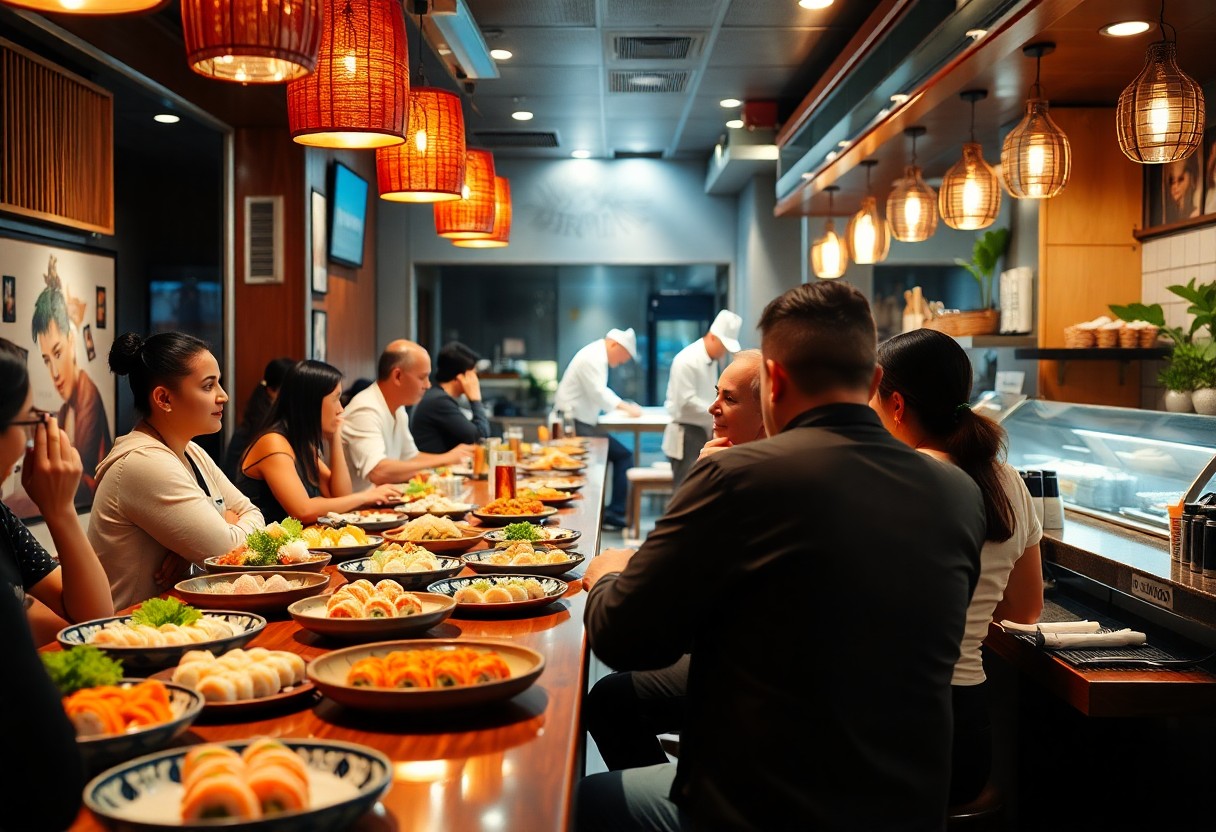
Some might be surprised to learn that sushi’s popularity in America has evolved significantly since its introduction. Initially seen as an exotic delicacy, sushi gradually captured the hearts and taste buds of many Americans. Over the decades, it transformed from a niche cuisine to a mainstream favorite, thanks in part to its unique flavors and health benefits. Today, sushi bars and restaurants can be found in cities and towns across the country, testament to its enduring appeal and adaptability to local palates.
Key Milestones in the 20th Century
Above all, several pivotal moments in the 20th century marked the ascent of sushi in America. The establishment of the first sushi restaurant, Kawafuku, in Los Angeles in 1966 pressed the play button for what would become a culinary revolution. The introduction of sushi rolls, especially the California roll in the 1970s, made the cuisine more accessible and appealing to the American public, setting the stage for its widespread acceptance.
The Role of Celebrity Chefs
By the 1980s and 1990s, celebrity chefs began to play a significant role in elevating sushi’s status in American dining culture. These culinary icons introduced innovative sushi recipes and fusion dishes, captivating audiences through television shows, cookbooks, and high-profile restaurants. Their influence helped demystify sushi, encouraging you to try it in various forms, from traditional nigiri to modern rolls, further enhancing its popularity.
America embraced this trend as chefs like Nobu Matsuhisa and Masaharu Morimoto brought their expertise to the forefront. Their unique presentations and flavor combinations made sushi not just a meal but a dining experience. You may have even found yourself drawn to sushi through food shows and competitions, where these talented chefs showcased their skills. With the culinary world’s spotlight on sushi, more people became intrigued, experimenting with techniques and flavors in their own kitchens and restaurants across the country.
Sushi Varieties and Regional Differences
Now, as you explore sushi in America, it’s necessary to recognize the vast array of varieties influenced by regional tastes and preferences. From the classic nigiri and maki to the inventive California roll, the adaptation of sushi reflects both local ingredients and culinary creativity. To investigate deeper into how this remarkable cuisine has transformed in the U.S., check out How Sushi Conquered America, and You Can Too.
Sushi Styles Across the U.S.
On your culinary journey, you’ll discover that sushi styles vary significantly across different regions of the United States. In Los Angeles, for example, sushi tends to incorporate more bold and experimental flavors, while New York often celebrates traditional techniques and presentations. Each locale adds its personal touch, allowing you to experience a diverse range of sushi tailored to local tastes.
Fusion Cuisine and Innovative Creations
An exciting aspect of sushi’s evolution in America is the rise of fusion cuisine and innovative creations. Chefs combine traditional sushi techniques with various global flavors, resulting in unique dishes that tantalize the palate. This evolution showcases the versatility of sushi and introduces you to a whole new world of culinary exploration.
Creations like the spicy tuna tartare with avocado, or sushi burritos filled with unconventional ingredients, represent just a fraction of the inventive spin you can find on traditional sushi. These modern interpretations not only honor sushi heritage but also invite you to personalize your dining experience, blending your favorite flavors and ingredients into a sushi creation that truly reflects your tastes.
Health Perspectives on Sushi
Not only has sushi gained popularity for its unique flavors, but it also offers various health benefits that many diners appreciate. When made with fresh ingredients, sushi can be a nutritious option, rich in omega-3 fatty acids, vitamins, and minerals. By choosing sushi made from whole grains and fresh vegetables, you can enjoy a satisfying meal that aligns with a healthy lifestyle.
Nutritional Benefits
Between the rich flavors and eye-catching presentations, sushi serves as a nutritious meal option. Featuring fish like salmon and tuna, sushi is packed with omega-3 fatty acids, which are imperative for heart health. Additionally, many sushi varieties come with vegetables and whole grains, adding fiber and vital nutrients, making it a well-rounded choice for those mindful of their diets.
Food Safety Concerns
The freshness of ingredients is paramount when it comes to sushi, as improper handling can lead to foodborne illnesses. You need to be aware of the quality of the fish you consume, especially raw options, as they may harbor parasites or bacteria if not stored properly. To ensure your sushi is safe, always choose reputable restaurants that prioritize food safety and freshness in their preparations.
It is imperative to stay informed about food safety when enjoying sushi. Always opt for sushi made with fish that has been sustainably sourced and properly frozen, which can effectively eliminate many parasites. Moreover, keeping an eye out for establishments that prioritize cleanliness and quality will help reduce the risk of foodborne illnesses. By being vigilant about where you choose to eat sushi, you can better enjoy its delightful flavors while minimizing health risks.
Sushi Culture and Dining Trends
Your understanding of sushi culture in America expands as you witness its evolution from a niche delicacy to a mainstream dining option. The blend of traditional Japanese ingredients with American culinary creativity has led to unique interpretations and innovative dishes, enhancing your dining experience. The rise of sushi as a social eating experience encourages sharing and experimentation, allowing you to enjoy this cuisine in both casual and upscale environments.
Sushi Bars vs. Restaurants
Sushi bars present a more informal and interactive experience compared to traditional restaurants. You can engage directly with skilled chefs who prepare sushi right before your eyes. This setting often encourages a greater sense of community and conversation surrounding the rich art of sushi making, making it an enjoyable outing for you and your friends.
Impact of Social Media
One of the significant factors fueling the popularity of sushi in America is the impact of social media. Platforms like Instagram and TikTok allow you to discover visually stunning sushi creations and share your culinary experiences with others. This exposure not only attracts new customers but also encourages restaurants and sushi bars to innovate and create more appealing dishes.
Hence, social media has become an imperative instrument for sushi establishments to showcase their offerings and connect with patrons. Your feed is likely filled with vibrant sushi platters, unique presentations, and trending sushi rolls, stimulating your appetite and inspiring you to explore new sushi spots. This virtual interaction cultivates a community of sushi enthusiasts, making you a part of a global appreciation for this beloved cuisine.
The Future of Sushi in America
Many industry experts believe that sushi will continue to evolve in America, adapting to local tastes while maintaining its traditional roots. As American consumers become more adventurous with their culinary choices, sushi establishments are likely to diversify their offerings, integrating fusion styles and innovative presentations. This evolution reflects a growing appreciation for the art of sushi, and you will likely see a rise in sushi bars that emphasize sustainability and ethically sourced ingredients.
Market Trends and Predictions
Trends indicate a steady growth in the sushi market, driven by increasing health consciousness and the popularity of Asian cuisine. As you explore dining options, you’ll notice a shift towards convenience, with more sushi offerings available through meal kits and delivery services. This accessibility is paving the way for sushi to become a staple in American households.
Emerging Concepts and Sustainability
Sushi restaurants are increasingly prioritizing sustainability by sourcing local and responsibly harvested seafood. This focus on environmental responsibility not only helps you make conscious dining choices, but also supports local fisheries and reduces carbon footprints.
Hence, as you research deeper into sushi culture, you’ll find a wave of emerging concepts that incorporate sustainability into their core philosophies. These establishments are experimenting with plant-based alternatives to traditional seafood, providing innovative options for eco-conscious diners. This shift not only caters to the growing vegan and vegetarian demographic but also encourages a more sustainable approach to dining. You may soon discover that many sushi restaurants are incorporating seasonal ingredients while exploring new flavor profiles, creating a harmonious balance between tradition and contemporary dining experiences.
To wrap up
Upon reflecting on the rise of sushi in America, you can appreciate how cultural fusion transformed a traditional Japanese dish into a beloved staple in American cuisine. As you explore its journey from niche markets to widespread popularity, you understand how innovative chefs and changing dining preferences played pivotal roles. Your newfound awareness invites you to savor sushi not just as food, but as a representation of the dynamic interplay between cultures and the evolving palate of American society.
Q: How did sushi first become popular in America?
A: Sushi made its debut in the United States in the early 20th century, primarily in California. It gained a foothold in the dining scene during the 1960s and 1970s when Japanese cuisine started to attract attention in larger cities. The opening of sushi bars and restaurants, coupled with the fascination with exotic cuisine, helped sushi transition from a niche offering to a mainstream favorite. The boom was accelerated by the introduction of simpler rolls, such as the California roll, which appealed to American palates and made the dish more accessible.
Q: What factors contributed to the widespread acceptance of sushi in American culture?
A: Several factors played a role in the acceptance of sushi in American culture. Firstly, the increased interest in healthy eating and nutrition drove many consumers towards sushi as a fresh and low-calorie option. Additionally, globalization and travel allowed Americans to experience authentic sushi in different countries, further increasing curiosity. Celebrity endorsements, media exposure, and the rise of food trends also helped to bring sushi into the mainstream. Supermarkets and grocery stores adding sushi sections made it even more available to the average consumer.
Q: What is the future outlook for sushi in America?
A: The future of sushi in America looks promising as the cuisine continues to evolve. Sushi chefs and restaurants are becoming increasingly creative, experimenting with flavors and techniques that reflect regional influences. Additionally, sustainability practices are becoming more common, as consumers show preference for responsibly sourced seafood. As awareness and appreciation for different styles of sushi grow, including traditional and fusion, it is likely that sushi will maintain its popularity and continue to be a dynamic part of the American culinary landscape.